Most Valuable Stamps Existing
Most people throw stamps away without a second thought. The tiny square of paper served its purpose once it reached its destination.
But some stamps are worth millions. They carry printing errors, historical significance, or such extreme rarity that collectors spend lifetimes hunting them down.
These aren’t just expensive pieces of paper. Each valuable stamp tells a story.
A postmaster made a mistake. A printer misread a number.
A shipment from England arrived late. A schoolboy rummaged through his grandmother’s attic.
These small moments created some of the most expensive objects per square inch on Earth. The world of philately operates by rules that seem strange to outsiders.
A stamp printed in the wrong color becomes priceless. An upside-down airplane creates a legendary error.
The difference between millions and pennies comes down to tiny details that most people would never notice.
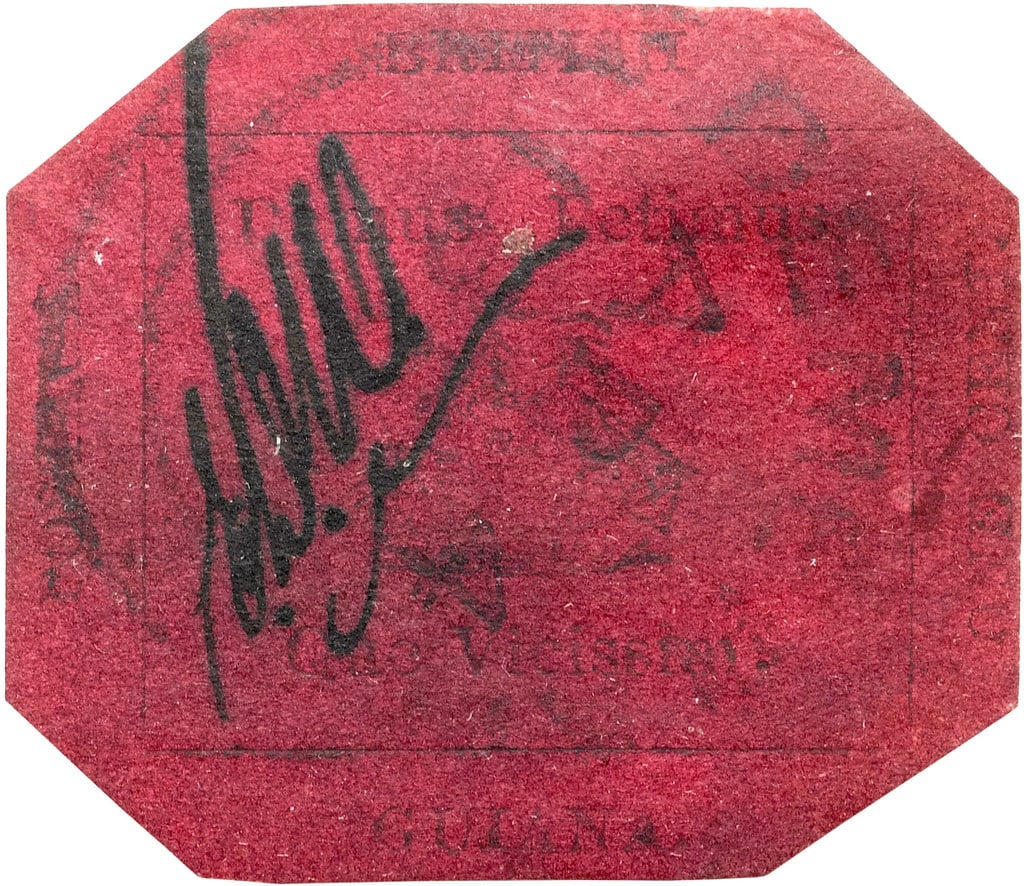
British Guiana 1c Magenta Holds the Record
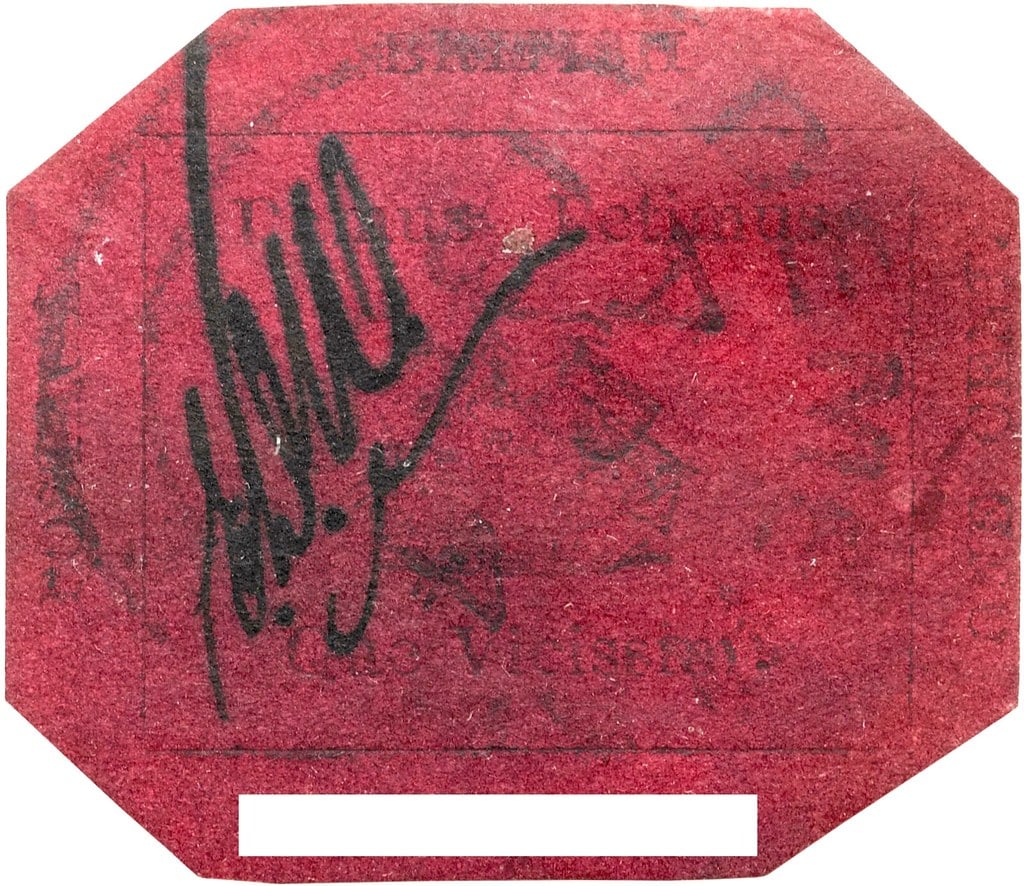
In 1856, British Guiana faced a crisis. The colony needed stamps, but the regular shipment from England hadn’t arrived.
The postmaster couldn’t wait. He commissioned a local newspaper to print emergency stamps.
The printer added a crude image of a ship and the motto of the colony. These emergency stamps looked rough compared to professionally printed versions.
The postmaster knew they might be forged, so he required postal clerks to initial each one. A clerk named E.D. Wright signed thousands of stamps that year.
Only one of these emergency one-cent magenta stamps survives today. A schoolboy named Vernon Vaughan found it among family papers in 1873.
He sold it to a collector for six shillings. That stamp has changed hands many times since then.
Each sale set a new record. The stamp belonged to some of history’s greatest collectors.
Count Philipp von Ferrary owned it. John du Pont bought it for $935,000 in 1980.
Shoe designer Stuart Weitzman purchased it at auction in 2014 for $9.48 million. That sale made it the most expensive single stamp ever sold.
The tiny octagonal piece of paper weighs less than a gram. Its value comes from being completely unique.
Mauritius Post Office Stamps Were Made for Parties

In September 1847, the wife of the Governor of Mauritius planned a fancy costume party. Lady Gomm wanted to send invitations to all the important people on the island.
She needed stamps. Joseph Barnard, a local engraver, produced two stamps for the colony.
He based his design on British stamps but added the words “Post Office” instead of “Post Paid.” This wasn’t a printing error. Barnard simply chose different wording.
Later issues corrected this to match British convention. The governor’s wife used many of these stamps on her party invitations.
Most were thrown away after the event. A few survived on envelopes because they carried invitations to galas and social gatherings.
Only 27 examples of these stamps exist today. The one-penny version was printed in red.
The two-penny came in blue. In 2021, a Gala Cover with a one-penny red stamp sold for over $12.7 million. The stamps meant for a weekend party in colonial Mauritius became the most expensive stamps in the world.
Treskilling Yellow Shouldn’t Exist

Sweden issued its first postage stamps in 1855. The three-skilling denomination was supposed to be printed in blue-green.
The eight-skilling stamp got yellow ink. Somehow, at least one three-skilling stamp was printed in yellow instead of blue-green.
Nobody noticed the error at the time. The stamp entered circulation and was used to mail a letter in 1857.
It sat forgotten for decades. In 1886, a schoolboy named Georg Wilhelm Backman searched through old papers in his grandmother’s attic.
He collected stamps as a hobby. He found a yellow three-skilling stamp.
A dealer in Stockholm offered seven kronor for any three-skilling stamp, so Backman sold it.
The dealer recognized something unusual. Three-skilling stamps weren’t supposed to be yellow.
As years passed and no other yellow examples surfaced, collectors realized this stamp was unique. Only one exists in the entire world.
The stamp changed hands repeatedly. Baron Eric Leijonhufvud bought it. King Carol II of Romania owned it.
In 2010, it sold for at least $2.3 million. Count Gustaf Douglas, a Swedish nobleman, acquired it privately in 2013.
The stamp returned home to Sweden after traveling the world.
Inverted Jenny Captured America’s Imagination

When the United States launched airmail service in 1918, the Post Office issued a special stamp. The 24-cent stamp showed a Curtiss JN-4 biplane called the Jenny.
Printing required two passes through the press. One pass printed the frame in red.
The second pass added the blue airplane. On one sheet, something went wrong.
Either the paper was fed through upside down on the second pass, or the printing plate was inverted. Either way, 100 stamps came out with the airplane flying upside down.
A collector named William T. Robey predicted this might happen. He visited post offices on the day the stamps went on sale.
At one location, he found a sheet with inverted planes. He bought all 100 stamps before the clerk noticed the error.
Robey refused to sell the sheet back to the Post Office. He eventually sold the stamps to a dealer, who broke up the sheet and sold them individually.
Since then, these 100 stamps have been the most famous error in American philately. A single Inverted Jenny sold for $2 million in 2023.
The upside-down airplane made stamp collecting exciting for people who never cared about stamps before.
Benjamin Franklin Z Grill Represents American Ingenuity

The U.S. Postal Service wanted to prevent people from washing stamps and reusing them. They developed a system called grilling.
A machine pressed tiny indentations into stamps. These indentations were supposed to absorb cancellation ink so deeply that washing wouldn’t remove it.
Different grill patterns were tested. The Z grill featured horizontal ridges with points facing up.
It was quickly abandoned in favor of other designs. Very few Z grill stamps were produced.
Benjamin Franklin appears on many early American stamps. He was the nation’s first postmaster.
A one-cent Benjamin Franklin stamp with a Z grill is one of the rarest stamps in United States history. Only two examples exist.
One belongs to the New York Public Library’s Miller Collection. It will never be sold.
The other appears at auction occasionally. The privately owned Z grill is expected to sell for around $8.8 million when it next comes to market.
For a stamp that started at one cent, that represents an impressive appreciation.
Baden 9 Kreuzer Error Came From Misreading
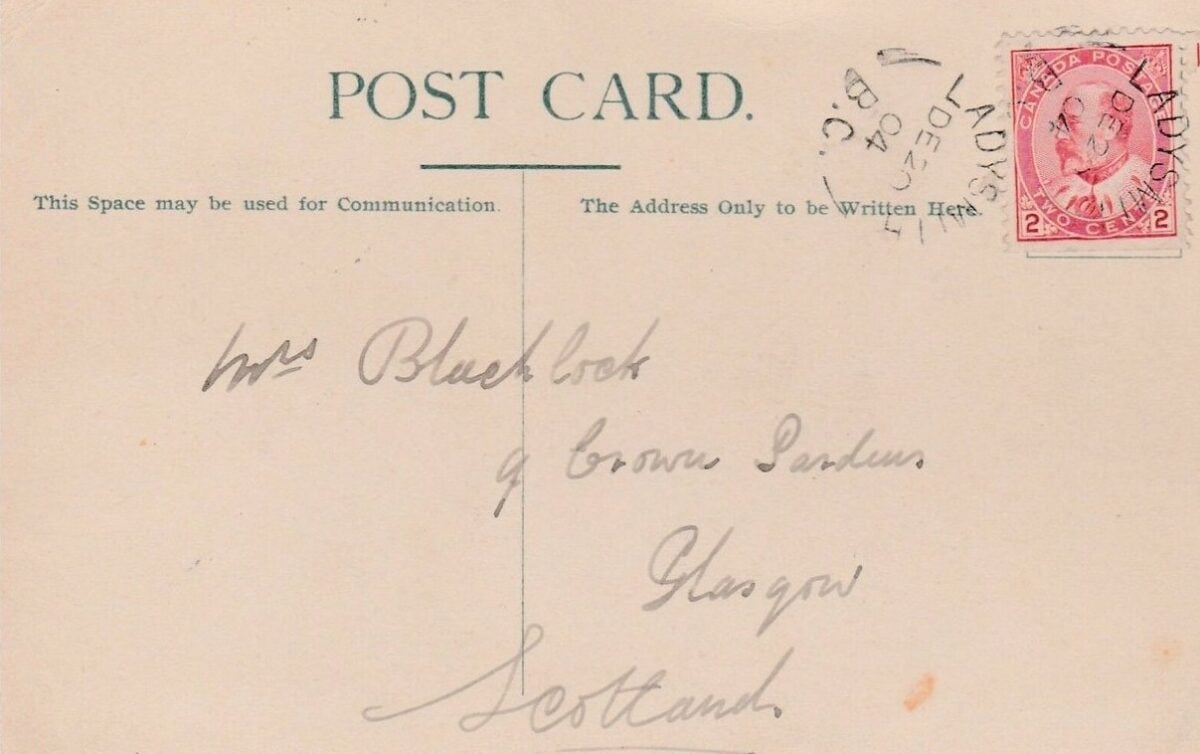
The German state of Baden issued stamps in the 1850s. Different denominations have different colors.
The 9 Kreuzer stamp was supposed to be pink. The 6 Kreuzer stamps got green ink.
A printer apparently misread a 9 as a 6. He used the green printing plate for the 9 Kreuzer stamps.
The error went into circulation. Nobody caught it immediately.
In 1894, a philatelic club in Berlin examined a stamp that looked wrong. Baron von Türckheim attended the meeting.
He showed the stamp to his father, who discovered he owned two copies of old letters. This incredible coincidence accounts for half of the four known copies.
A Baden 9 Kreuzer error sold for $1.73 million in 2019. The stamp demonstrates how a simple mistake creates lasting value.
The printer who misread that number had no idea he was creating a treasure.
Sicilian Error of Color Appeared in the Wrong Shade

Sicily issued stamps in 1859 before it joined unified Italy. The stamps were supposed to be orange.
For reasons nobody understands, some came out blue instead. Only two examples exist today.
Both appeared at the Manchester Philatelic Exposition in 1899. After the exhibition, they were separated.
One became part of the famous Ferrary collection. The other remained in private hands.
The blue error is remarkable because the stamps are old and have survived in good condition. Most stamps from the 1850s suffered damage.
These two blue stamps somehow escaped destruction. One sold in 2011 for approximately $2.5 million.
The wrong color transformed an ordinary stamp into a multimillion-dollar rarity.
Red Revenue One Dollar Small Holds Chinese History
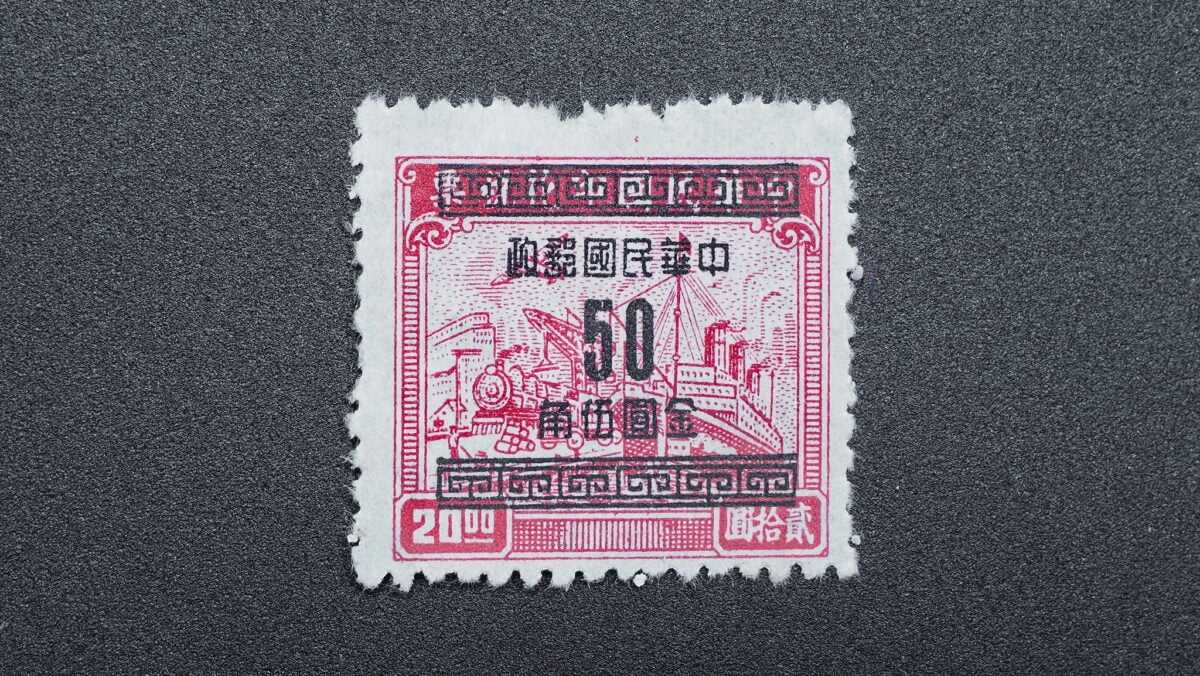
During the Qing Dynasty, China needed revenue stamps for official documents and taxes. In 1897, a one-dollar stamp was issued.
The stamp normally appeared with standard red ink. A small printing error created versions with different characteristics that collectors now call the Red Revenue One Dollar Small.
These stamps have specific features that distinguish them from regular issues. The characters are smaller.
The red ink appears in a particular shade. The printing quality differs slightly.
These minute variations matter enormously to collectors who specialize in Chinese philately.
An example sold for $889,800 in 2013. Chinese stamps have grown dramatically in value as wealthy collectors in China have entered the market.
What was once an obscure specialty has become a major force in the stamp world.
Two Penny Blue Was Second in Line

Britain issued the world’s first adhesive postage stamp in 1840. The Penny Black allowed people to prepay postage at a standard rate.
The system worked so well that Britain issued a second stamp shortly after. The Two Penny Blue covered heavier letters and packages.
The Two Penny Blue is historically significant as the world’s second official postage stamp. It was used less frequently than the Penny Black because most letters required only one penny postage.
This makes high-quality examples relatively scarce. A particularly fine Two Penny Blue sold for approximately $2.3 million in 1992.
It held the record as the most expensive stamp from the British Commonwealth for over 20 years. The stamp marked the beginning of a global postal revolution.
B-Grill Washington Confuses Casual Collectors
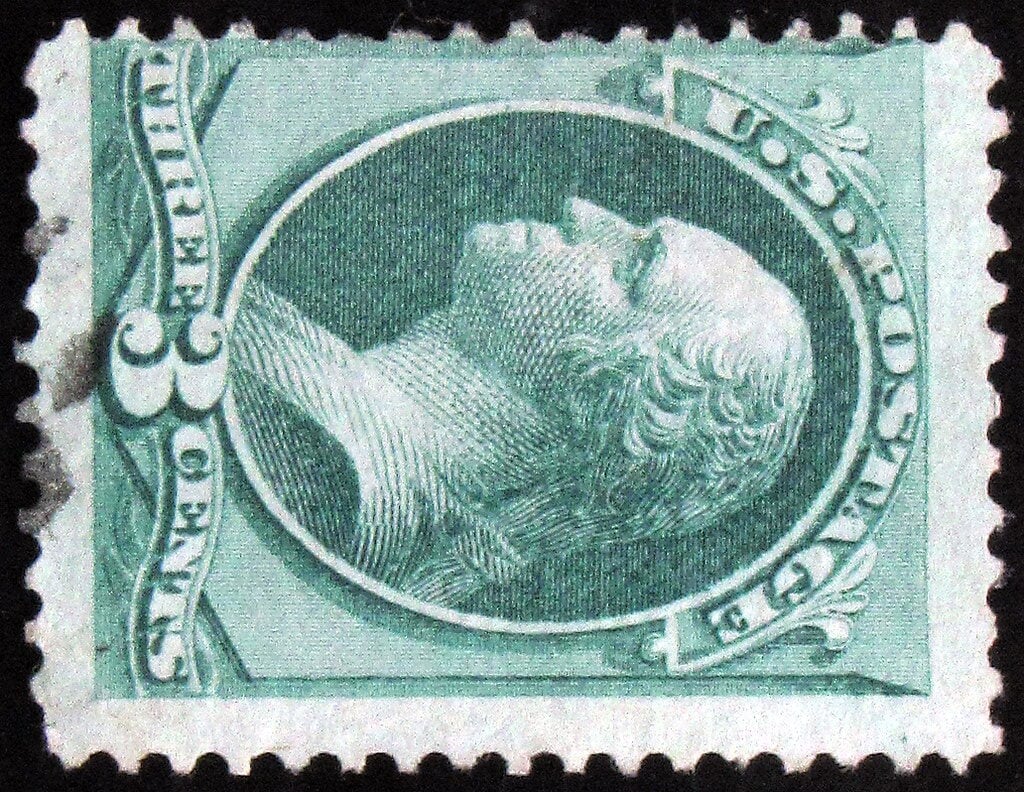
The United States issued many George Washington stamps in the 1860s. Most are common and worth only a few dollars.
But one version is worth over a million. The B-Grill stamp features indentations pressed into the paper.
These grill marks point upward instead of downward. The B-Grill was larger than other grill patterns.
It was quickly replaced because smaller grills worked better.
Only four B-Grill Washington stamps exist. Three are accounted for.
The fourth’s location is unknown. It might sit in someone’s collection, mistaken for a common Washington stamp worth almost nothing.
Casual collectors easily confuse the B-Grill with common stamps. The indentations are subtle.
You need magnification to see them clearly. A B-Grill sold for $1.035 million in 2008.
The difference between one million dollars and five dollars comes down to barely visible indentations in paper.
Twelve Penny Black Canada Is Rarely Needed

Canada issued its first stamps in 1851. The 12-penny black showed Queen Victoria.
It became known as the Black Empress. The high denomination covered specific postal rates for distant destinations like Newfoundland, the British West Indies, or double-weight letters to the United States.
Most people didn’t need 12-penny stamps. Lower denominations handled everyday mail.
The Black Empress saw limited use. Many examples were lost or destroyed over the decades.
Surviving copies in good condition are extremely scarce. The stamp is considered Canada’s rarest and most valuable basic issue.
Its value comes from limited original printing, specialized use, and survival rate. Collectors seeking complete Canadian collections pay premium prices for quality examples.
Hawaiian Missionaries Carried Gospel Messages
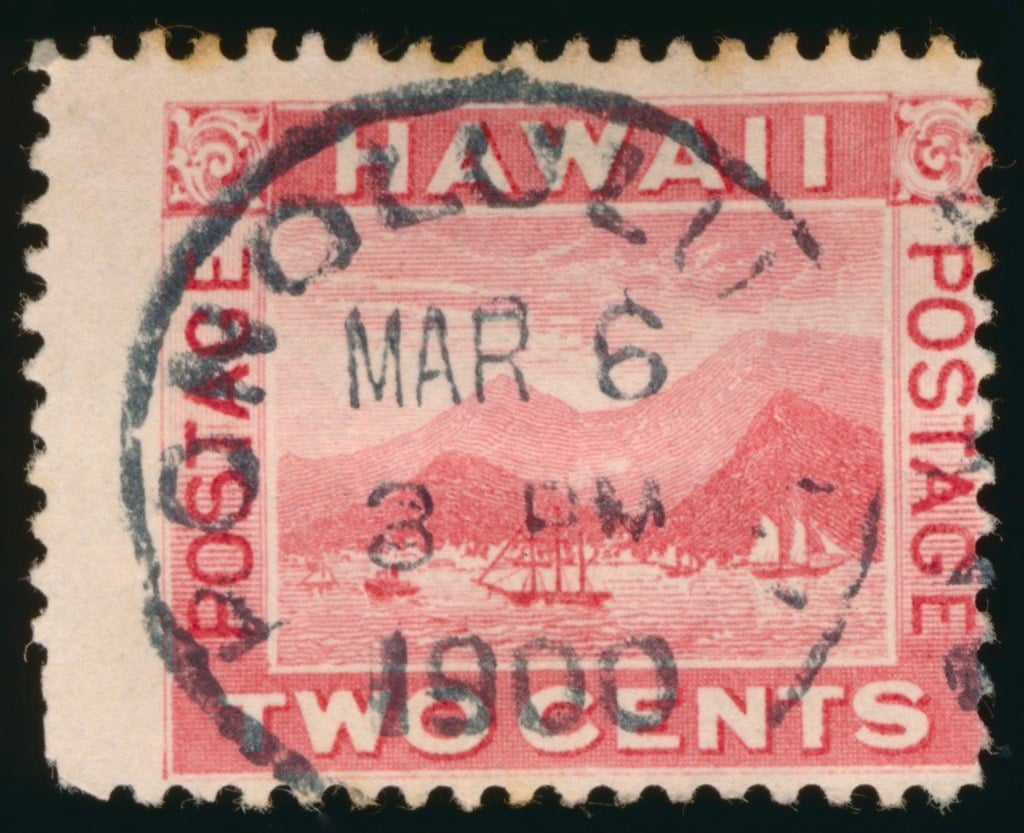
Hawaii issued stamps in 1851 and 1852 before American annexation. Missionaries working in Hawaii used these stamps to send letters back to the United States.
The stamps became known as Hawaiian Missionaries because of this association. The stamps came in different denominations printed with primitive equipment.
Many were used on missionary correspondence. Few survived.
The paper was thin. The stamps tore easily.
Time destroyed most examples. Hawaiian Missionary stamps are among the classic rarities of American philately.
Covers bearing multiple values are especially valuable. One cover sold for over $1 million.
The stamps represent early Hawaiian history and American expansion in the Pacific.
What Makes a Stamp Valuable
Rarity matters most. The British Guiana 1c magenta is unique.
Nothing else compares to owning the only example. Even stamps with two or three known copies command extraordinary prices.
Errors create value. Printing in the wrong color, inverting an image, or using the wrong denomination turns mistakes into treasures.
The more obvious and appealing the error, the more collectors want it. Historical significance adds value.
The first stamp from a country, a famous person’s collection, or stamps used in important events carry premiums. Provenance matters.
A stamp owned by King Carol II of Romania or Count von Ferrary carries extra cachet. Condition is crucial.
Stamps get damaged easily. Creases, tears, and fading reduce value dramatically. Finding century-old stamps in pristine condition becomes increasingly difficult.
Collectors pay exponentially more for better conditions. Demand drives prices.
Chinese stamps surged as Chinese collectors entered the market. Popular errors like the Inverted Jenny maintain high prices because many people want them.
Obscure issues might be rare but command lower prices if nobody cares.
Hunting for Hidden Treasure

Valuable stamps still hide in attics, estate sales, and old collections. The Treskilling Yellow sat in an attic for decades.
Other discoveries wait to happen. That box of old stamps you inherited might contain something extraordinary.
Most stamps are worthless. The vast majority of stamps issued in the past century exist in huge quantities.
Modern printing produced millions of copies. But exceptions exist.
Errors slip through quality control. Rare denominations see limited use.
Regional issues appear in small quantities. Checking your stamps takes time.
You need reference books, magnification, and knowledge. Auction houses and dealers offer appraisal services.
Bringing your stamps to an expert costs nothing but reveals whether you own something valuable. Most people learn that stamps are common.
Occasionally, someone discovers a fortune. The possibility keeps people searching.
A valuable stamp weighs nothing and takes no space. It might sit in a drawer for a century, waiting for someone to recognize its significance.
The next major discovery could happen tomorrow. Someone might find a stamp everyone thought was lost forever.
Or an error nobody knew existed. That uncertainty makes stamp collecting endlessly fascinating to those who understand what they’re looking for.
Small Pieces of History Worth Millions

Stamps started as a simple prepayment for postal service. They evolved into collecting obsessions worth billions.
The most valuable examples transcend their original purpose. They become historical artifacts, investment vehicles, and objects of desire.
These stamps survive because someone recognized their value and protected them. A schoolboy didn’t throw away a yellow stamp.
A collector bought a sheet of inverted airplanes. A postal clerk initiated an emergency stamp that would one day sell for millions.
You walk past potential treasure regularly. Estate sales, antique shops, and family collections hold stamps nobody has examined carefully.
Most contain nothing special. But somewhere, in a dusty album in a forgotten corner, might sit the next record-breaking discovery.
The stamps exist. They’re out there.
Finding them requires knowledge, patience, and luck. The stories these tiny pieces of paper tell make them worth far more than the postage they once represented.
More from Go2Tutors!

- 16 Historical Figures Who Were Nothing Like You Think
- 12 Things Sold in the 80s That Are Now Illegal
- 15 VHS Tapes That Could Be Worth Thousands
- 17 Historical “What Ifs” That Would Have Changed Everything
- 18 TV Shows That Vanished Without a Finale
Like Go2Tutors’s content? Follow us on MSN.