16 Objects That Outlived the People Who Made Them
Throughout history, the human desire to produce something enduring has served as a potent incentive. Architects, engineers, inventors, and artists have all contributed their skills to creations that inspire others long after they have passed away.
As a monument to human ingenuity and vision, some of these works have endured for decades or even millennia past the lives of their creators. This is a list of 16 amazing items that have outlived their creators. Each has a unique creation, survival, and lasting legacy narrative.
The Great Pyramid of Giza

Built for Pharaoh Khufu around 2560 BCE, this massive structure has survived for over 4,500 years since its completion. The ancient Egyptians constructed this architectural marvel using approximately 2.3 million stone blocks, each weighing several tons.
Even after nearly five millennia of weathering, looting, and natural disasters, it remains largely intact. It continues to be the oldest of the Seven Wonders of the Ancient World, and it still stands.
The Antikythera Mechanism

This ancient Greek analog computer used to predict astronomical positions dates back to approximately 100 BCE. Discovered in a shipwreck near the island of Antikythera in 1901, this intricate bronze device contains at least 30 precisely engineered gears.
Its technological sophistication was so advanced that nothing of comparable complexity would be created again for more than 1,500 years after its unknown maker crafted it.
Gutenberg Bible

Johannes Gutenberg died in 1468, just a decade after producing his famous Bible with movable type printing technology. About 49 copies of this revolutionary work, in varying degrees of completeness, still exist in collections around the world.
These surviving volumes represent not just physical artifacts but the birth of mass communication that would transform human society forever.
Leonardo da Vinci’s Notebooks
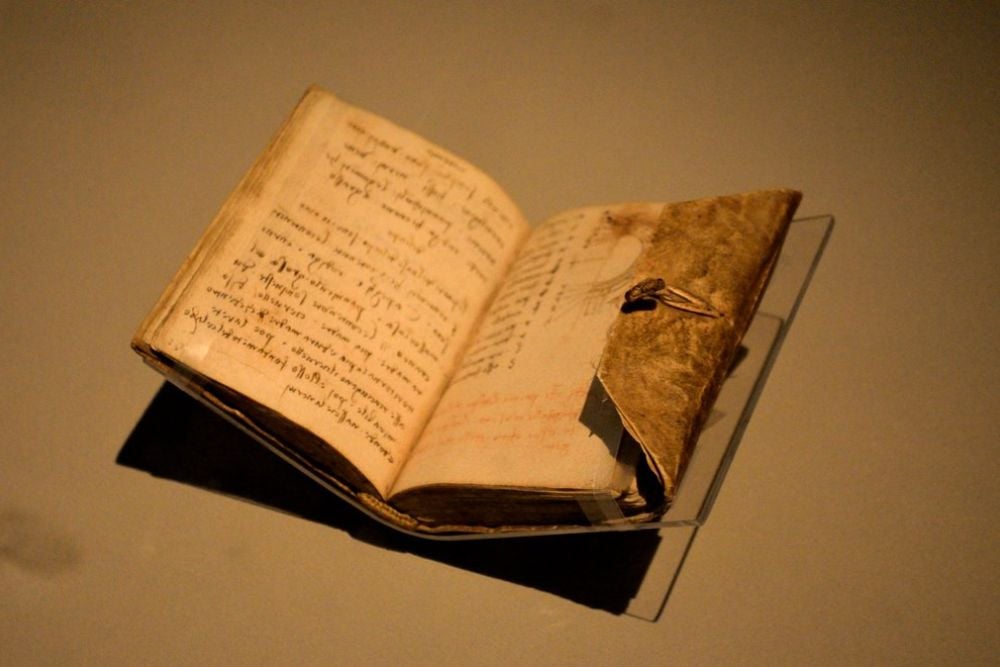
Da Vinci filled thousands of pages with sketches, ideas, and observations that survived his 1519 death for centuries. His notebooks contain early concepts for helicopters, tanks, solar power, and countless other innovations that wouldn’t be realized until modern times.
These fragile paper documents have endured for over 500 years, providing invaluable insights into one of history’s greatest minds.
Shakespeare’s First Folio
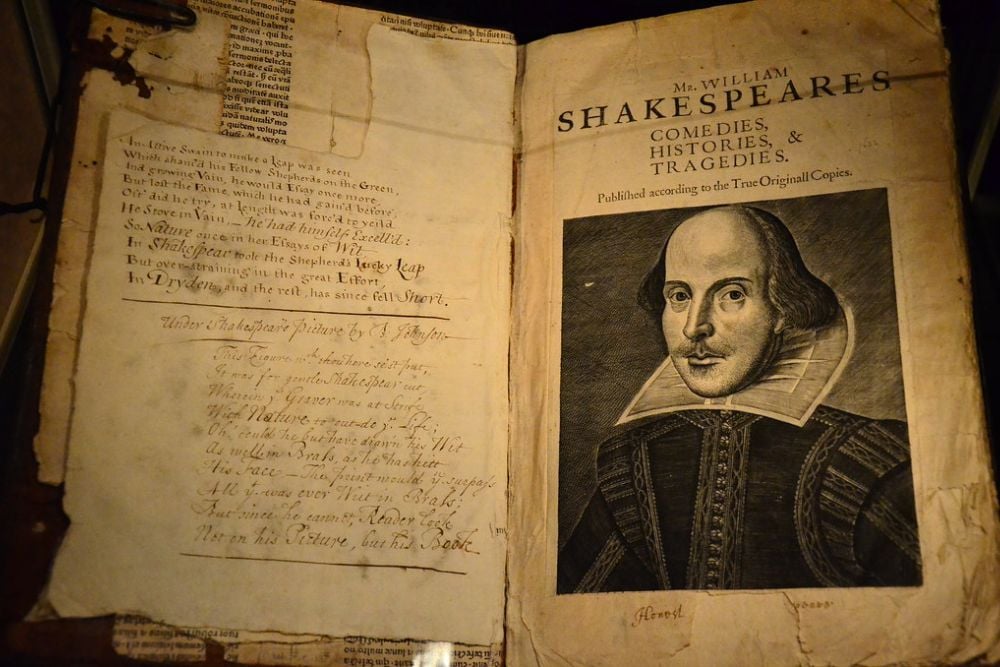
Published in 1623, seven years after William Shakespeare’s death, this collection preserved many plays that might otherwise have been lost forever. Only 235 known copies exist today, each worth millions of dollars.
This compilation, assembled by Shakespeare’s friends and fellow actors, ensured that works like ‘Macbeth’ and ‘The Tempest’ would continue to be performed and studied for centuries.
Stradivarius Violins
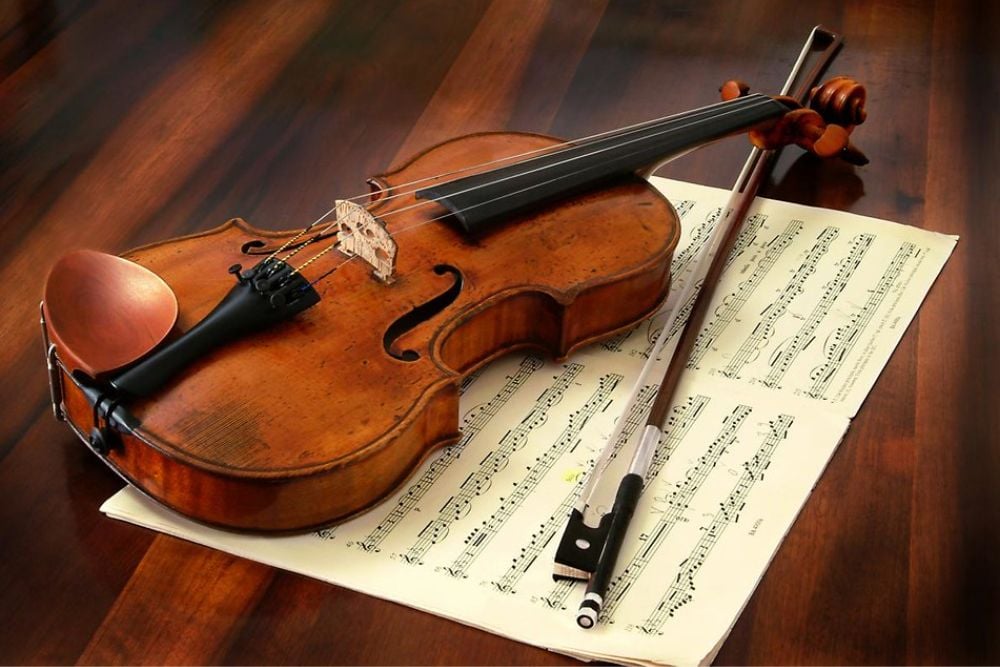
Antonio Stradivari crafted violins of unparalleled acoustic quality in the late 17th and early 18th centuries. Today, around 650 of his instruments still exist, many of which are played regularly in concerts worldwide.
These violins, made with wood from slow-growing trees during an unusually cold period called the Little Ice Age, produce a tone quality that modern luthiers have struggled to replicate despite our advanced technology.
The Rosetta Stone

Created in 196 BCE during the Ptolemaic Kingdom, this ancient Egyptian decree written in three scripts became the key to deciphering hieroglyphics. The unknown stonemasons who carved this basalt slab couldn’t have imagined their work would survive over 2,000 years to revolutionize our understanding of ancient Egyptian culture.
This single artifact effectively opened a window into a civilization that had been silent for millennia.
Terracotta Army
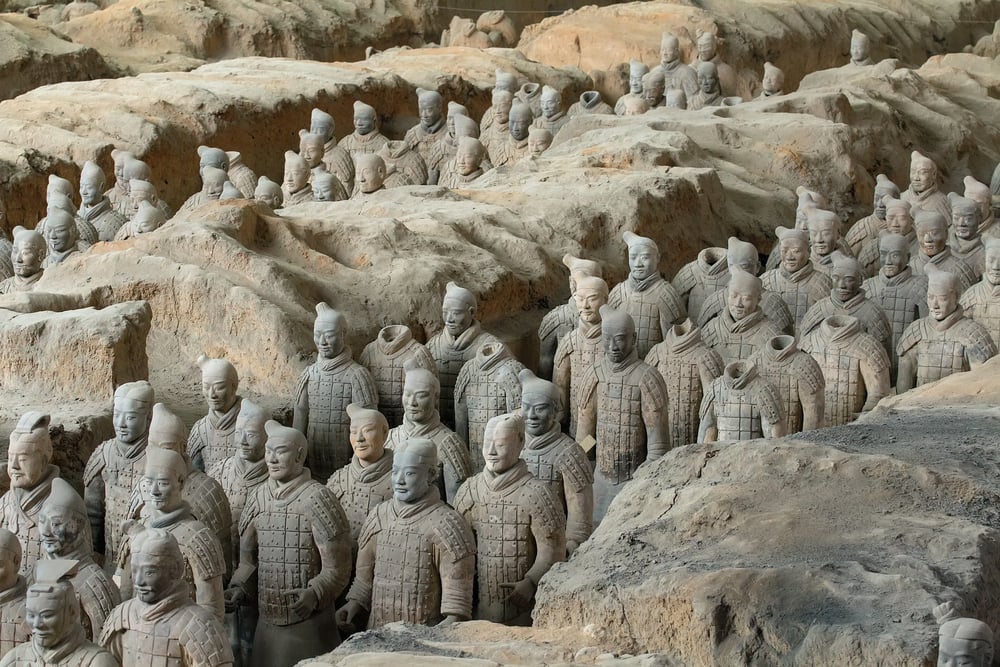
Emperor Qin Shi Huang commissioned this massive collection of terracotta sculptures to protect him in the afterlife around 210 BCE. The underground army includes over 8,000 soldiers, 130 chariots, and 670 horses, each with unique facial features.
Hidden underground for over 2,000 years until their accidental discovery by farmers in 1974, these remarkably preserved figures continue to reveal details about ancient Chinese military practices and artistic techniques.
The Bayeux Tapestry

Measuring 230 feet, this embroidered fabric shows the happenings before the Norman invasion of England in 1066. Probably by English needleworkers, this medieval cloth created in the 1070s has endured almost 1,000 years of European history, including several wars and revolutions.
Its intricate scenes still give historians useful knowledge on weapons, apparel, and daily life in the Middle Ages.
Cave Paintings at Lascaux
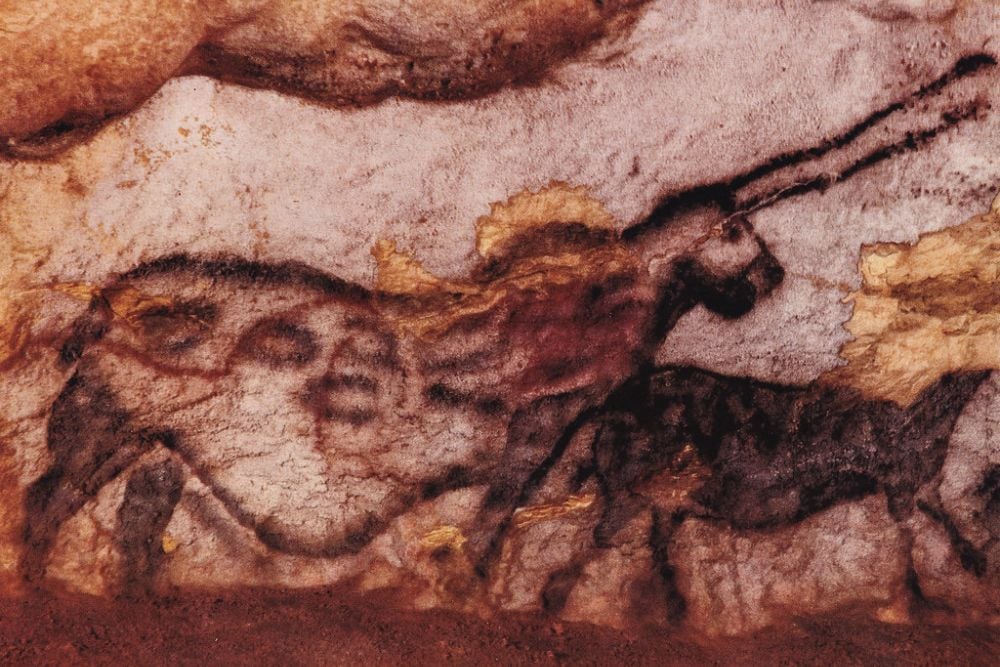
Created approximately 17,000 years ago by prehistoric artists whose names are forever lost to history. The vivid depictions of animals show remarkable artistic skill and an understanding of perspective that wouldn’t be seen again in European art until the Renaissance.
These ancient images remained hidden and perfectly preserved inside the caves until their accidental discovery by teenagers in 1940.
The Epic of Gilgamesh

The world’s oldest known literary work was inscribed on clay tablets around 2100 BCE by anonymous Mesopotamian scribes. These fragile tablets survived burial for thousands of years before being excavated from the ruins of ancient libraries.
The epic poem tells the story of a king’s quest for immortality—ironically achieving a form of immortality itself by continuing to be read and studied more than 4,000 years after its creation.
Like Go2Tutors’s content? Follow us on MSN.
The Colosseum

Completed in 80 CE under Emperor Titus, this massive amphitheater has withstood earthquakes, fires, and centuries of stone harvesting for other buildings. Though partially ruined, the core structure has survived for nearly 2,000 years as a symbol of Roman engineering prowess.
Despite losing portions of its outer walls to natural disasters and medieval stone-robbers, the Colosseum remains one of Rome’s most recognizable landmarks.
Lighthouse of Alexandria Model

Though earthquakes destroyed the actual lighthouse between the 12th and 14th centuries, small-scale models created during its existence survive today. These miniature representations provide our only physical connection to one of the Seven Wonders of the Ancient World.
The ancient artisans who crafted these detailed models inadvertently preserved the memory of a structure that their more monumental colleagues built but couldn’t make last.
The Book of Kells

Created around 800 CE by Celtic monks, this illuminated manuscript of the four Gospels represents the pinnacle of Insular art. The book’s elaborate decorations and illustrations have maintained their vibrant colors for over 1,200 years.
Now housed at Trinity College in Dublin, this medieval masterpiece continues to draw visitors who marvel at the extraordinary level of detail achieved with primitive tools and handmade pigments.
The Coronation Chair

Crafted in 1300 for King Edward I, this oak chair has been used in every British coronation since 1308. Despite its age and central role in numerous historic events, the chair has survived over 700 years of use and political turmoil.
The medieval craftsmen who built it could never have anticipated that their work would still be functioning for its intended purpose more than seven centuries later.
The Dead Sea Scrolls
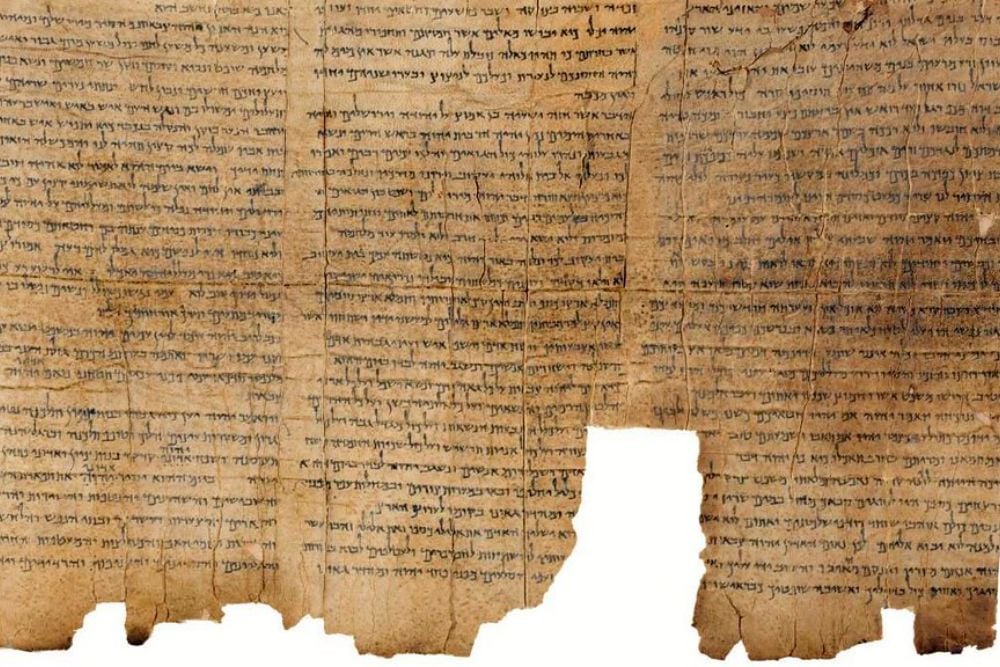
Written between 150 BCE and 70 CE by members of a Jewish sect, these ancient manuscripts were preserved in desert caves for nearly 2,000 years. The dry climate and sealed clay jars protected these fragile parchments until their discovery between 1947 and 1956.
The scribes who carefully copied these religious texts could never have imagined their work would provide modern scholars with the oldest known Biblical manuscripts.
Enduring Beyond Memory

What links these remarkable objects is not just their age but their ability to connect us directly with their creators across vast spans of time. While the people who made these items have long since turned to dust, their creative achievements continue to speak to us, teach us, and inspire us.
These enduring works remind us that even as individual lives are fleeting, human creativity has the power to resonate across centuries and even millennia, allowing something of ourselves to outlive our physical existence.
More from Go2Tutors!

- The Romanov Crown Jewels and Their Tragic Fate
- 13 Historical Mysteries That Science Still Can’t Solve
- Famous Hoaxes That Fooled the World for Years
- 15 Child Stars with Tragic Adult Lives
- 16 Famous Jewelry Pieces in History
Like Go2Tutors’s content? Follow us on MSN.