15 Most Expensive Mistakes in Olympic History
Precision shapes the Olympics. Preparation matters just as much.
Around the world, eyes watch closely. When judging falters, trust shakes.
Infrastructure issues ripple further. A single flaw might strip an athlete of gold.
Costs can spiral into huge sums. Certain errors stain the memory of whole events.
Reputation cracks once broken. What feels like a blink in time often carries weight far beyond the field.
When cameras roll and crowds lean in, tiny slips grow legs, chasing outcomes nobody saw coming. A deep dive into a few record-breaking Olympic blunders reveals exactly what went wrong.
Each stumble played out in its own messy way, shaped by timing, pressure, and choices piling up behind the scenes.
Montreal 1976 Budget Overrun
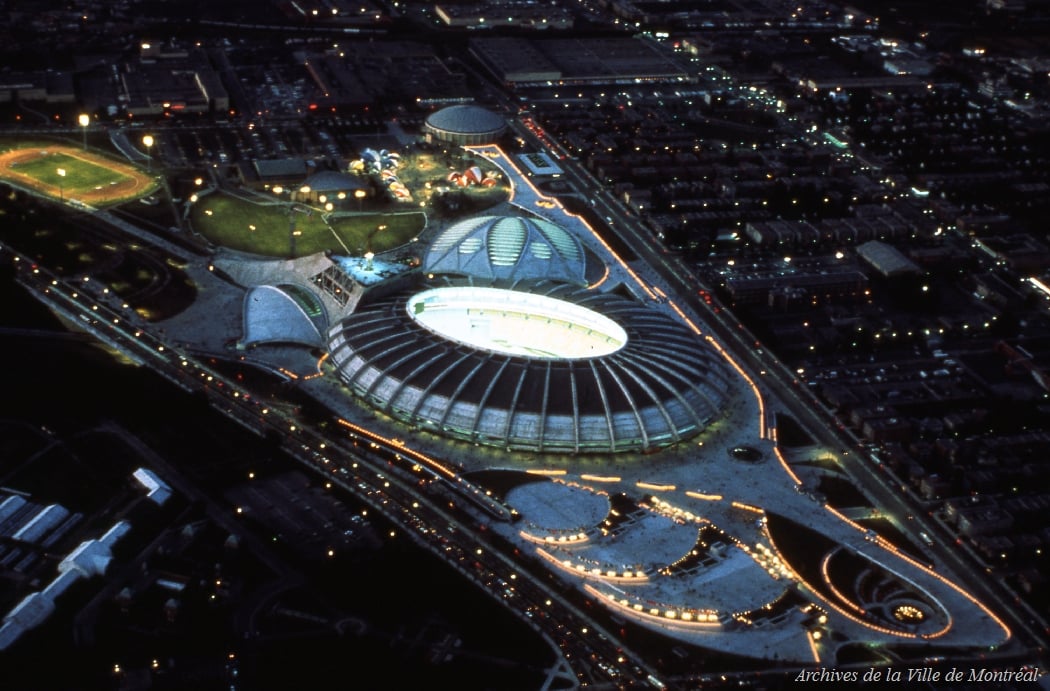
The 1976 Summer Olympics became a textbook example of how quickly costs can spiral. Originally projected at around $300 million, the final bill ballooned to over $1.5 billion due to delays, labor strikes, and evolving design plans.
The Olympic Stadium, with its complex structure, became the centerpiece of the issue. The debt lingered for decades, only fully paid off in 2006 through a dedicated tax.
What was meant to showcase progress instead became a long-term financial burden, reshaping how future host cities approached budgeting and risk management.
Sochi 2014 Overspending

The 2014 Winter Olympics set a record with costs exceeding $50 billion, far surpassing any previous Games. Much of the spending went into transforming a subtropical region into a winter sports hub, requiring massive infrastructure investment.
While the event itself ran smoothly, the long-term return on that investment has been debated. Many venues saw limited use afterward, highlighting how scale alone does not guarantee lasting value or sustainable planning.
Athens 2004 Financial Strain

The 2004 Summer Olympics carried a price tag of roughly $15 billion, with significant overruns tied to security and construction delays. Hosting the Games placed considerable pressure on Greece’s public finances at a critical time.
In the years that followed, several venues fell into disuse, becoming visible reminders of the cost. The financial strain contributed to broader economic challenges that extended well beyond the event itself.
Rio 2016 Abandoned Venues
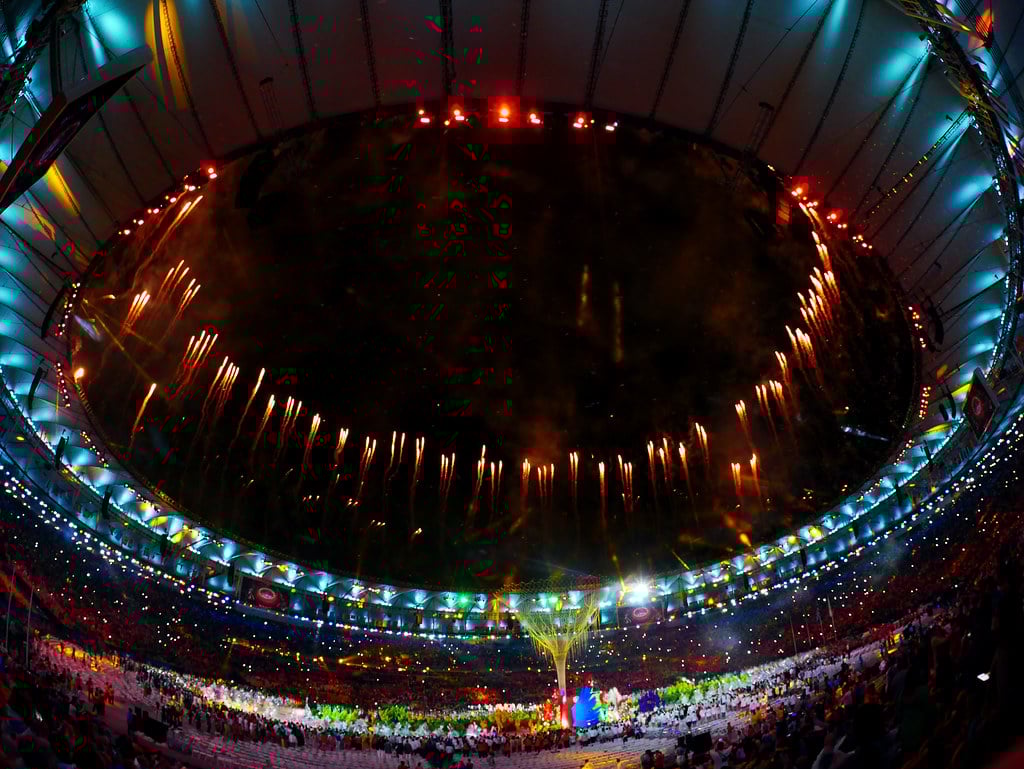
The 2016 Summer Olympics delivered memorable competition but struggled with post-Games planning. Several venues were left underutilized or abandoned, despite promises of long-term community benefit.
Maintenance costs quickly became unsustainable, and some facilities deteriorated without consistent use. The gap between ambition and execution made the aftermath as significant as the Games themselves, raising concerns about long-term urban planning.
Beijing 2008 Maintenance Burden
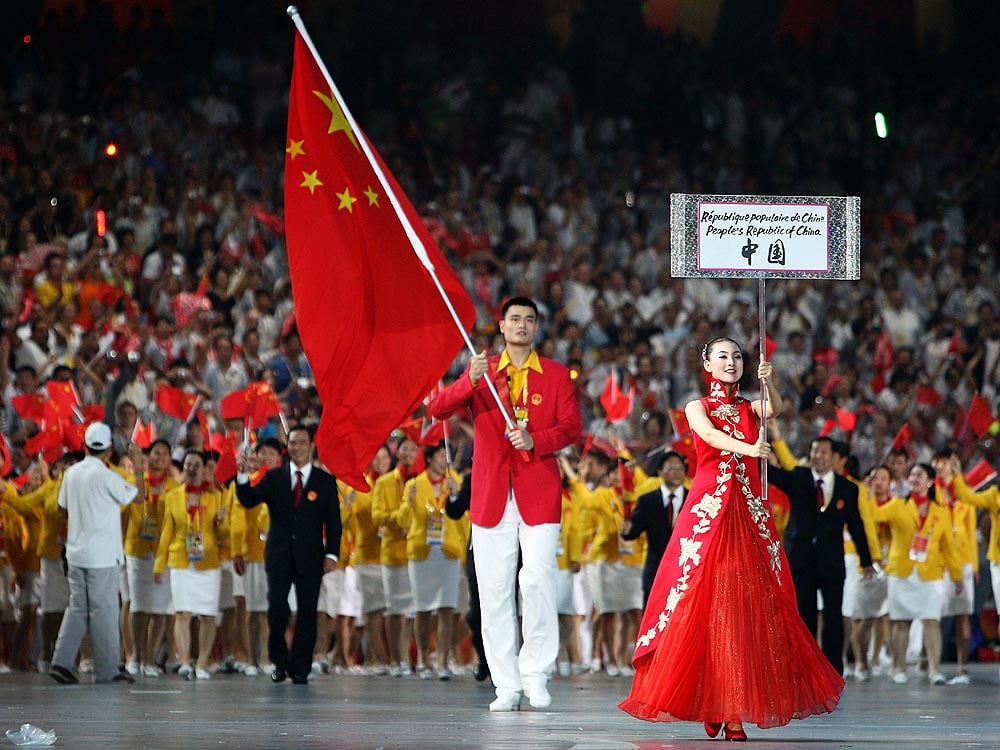
The 2008 Summer Olympics introduced some of the most visually striking venues in Olympic history. Structures like the Bird’s Nest stadium captured global attention, but maintaining them proved expensive.
While certain venues found new uses, others required ongoing investment without consistent revenue. This highlighted a recurring challenge—balancing iconic design with practical, long-term functionality that benefits the host city.
Salt Lake City 2002 Bid Scandal

The 2002 Winter Olympics was overshadowed by a bidding scandal involving improper incentives offered to secure hosting rights. Investigations led to resignations and significant reputational damage.
The financial implications extended beyond immediate costs, prompting reforms within the International Olympic Committee. Stricter rules were introduced to prevent similar situations in future bids and restore trust in the selection process.
Sydney 2000 Cost Overruns
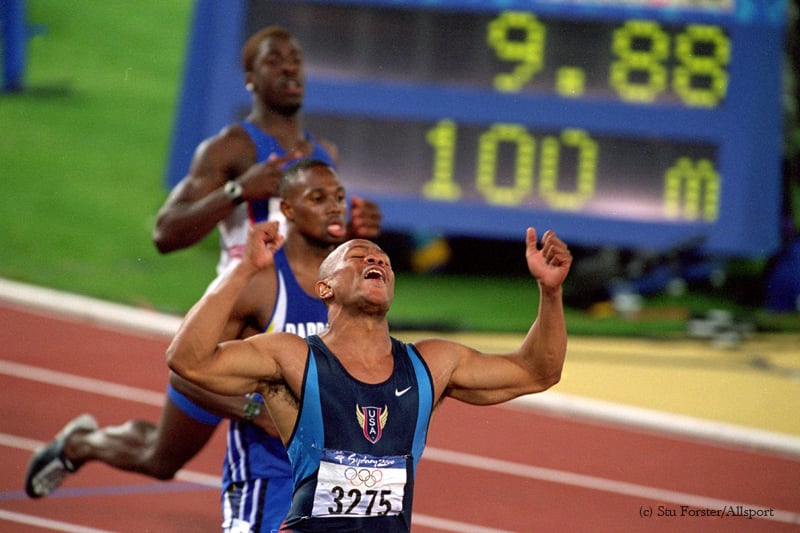
The 2000 Summer Olympics is often remembered as a well-executed Games, but costs still exceeded initial expectations. Infrastructure upgrades and venue construction required additional funding as timelines tightened.
Even with strong post-Games use of facilities, the planning phase revealed how easily budgets can expand. It showed that even successful events are not immune to financial pressure behind the scenes.
London 2012 Security Surge
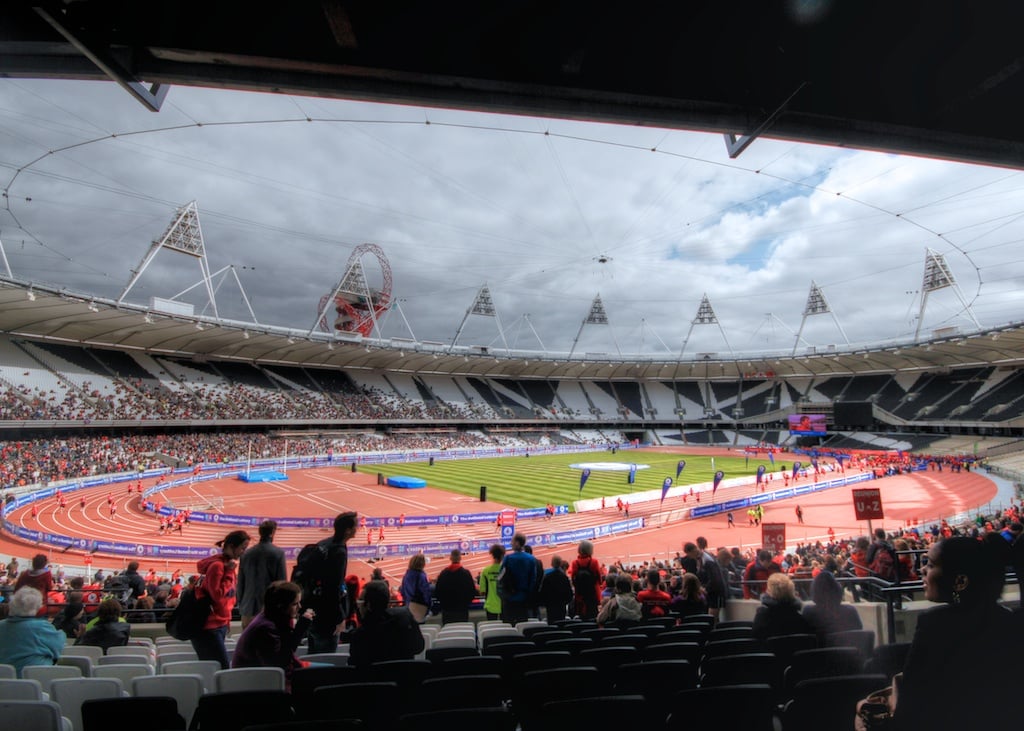
The 2012 Summer Olympics saw security costs rise dramatically, reaching over $1 billion after late-stage adjustments. Additional personnel and resources were required to meet evolving safety demands.
Despite the increased spending, the Games were widely praised for their execution. Still, the situation demonstrated how unpredictable factors can quickly reshape financial planning at the highest level.
Vancouver 2010 Olympic Village Debt

The 2010 Winter Olympics faced financial complications tied to its Olympic Village development. A private developer encountered difficulties during the global financial crisis, forcing the city to intervene.
This resulted in significant public expenditure, even though the project was eventually completed and repurposed. It highlighted the risks of relying heavily on private financing for large-scale infrastructure.
PyeongChang 2018 Attendance Gap

The 2018 Winter Olympics invested heavily in venues, but some events experienced lower-than-expected attendance. Remote locations and harsh weather conditions affected turnout.
While not a failure, the mismatch between investment and audience engagement raised concerns. It showed how logistics and accessibility can influence the overall success and perceived value of the Games.
Tokyo 2020 Pandemic Delay

The 2020 Summer Olympics faced an unprecedented postponement due to a global pandemic. Delaying the event by a year added billions in additional costs, including venue maintenance and operational adjustments.
With limited spectators allowed, revenue opportunities were significantly reduced. The situation became one of the most complex financial challenges in Olympic history, shaped by circumstances beyond traditional planning.
Munich 1972 Security Failure

The 1972 Summer Olympics marked a turning point in Olympic security after a tragic incident exposed major vulnerabilities. The response required immediate changes to safety protocols worldwide.
The financial and operational impact was substantial, but the broader legacy reshaped how global events approach security planning and risk assessment.
Atlanta 1996 Centennial Park Bombing
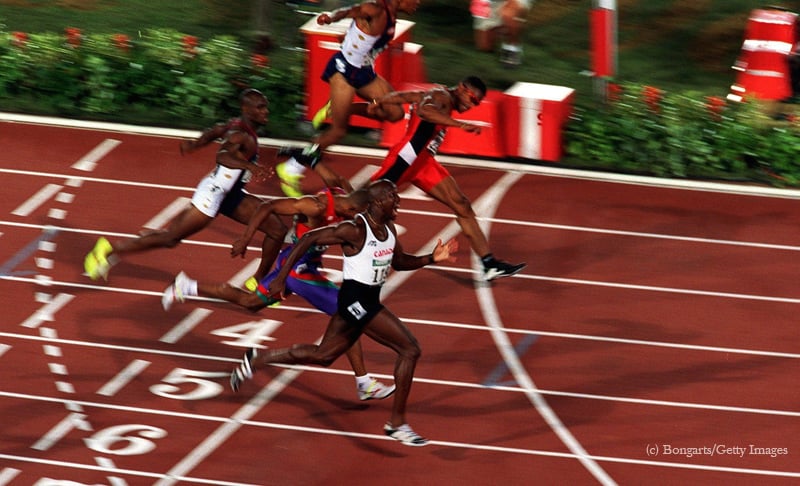
The 1996 Summer Olympics was disrupted by a bombing that led to increased security measures and extensive investigations. The incident affected both operations and public perception.
Costs extended beyond immediate response efforts, influencing how future events prepared for similar risks. It reinforced the need for constant vigilance at large gatherings of this scale.
Nagano 1998 Hidden Spending
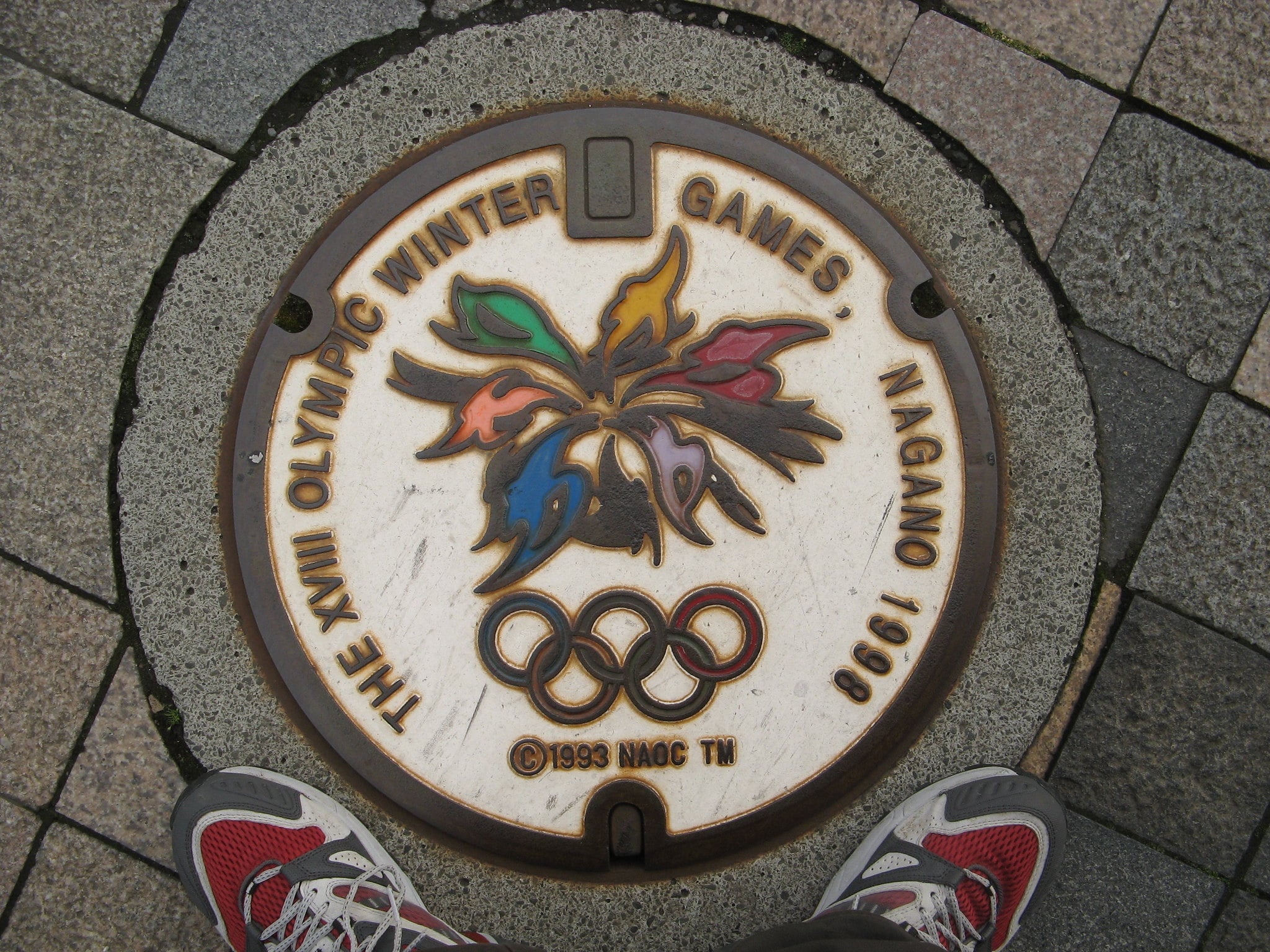
The 1998 Winter Olympics became controversial due to unclear financial records tied to the bidding process. Large sums were reportedly spent on entertaining officials, with many documents later destroyed.
This lack of transparency raised concerns about accountability and governance. It contributed to broader reforms aimed at improving oversight within Olympic bidding and decision-making.
Beijing 2022 Controlled Environment Costs

The 2022 Winter Olympics operated under strict health protocols that required extensive resources. Creating a controlled environment for athletes, staff, and media added significant logistical costs.
Even with careful planning, the scale of these measures demonstrated how external factors can reshape budgets. It underscored the evolving challenges of hosting a global event in an unpredictable world.
The Cost Beyond the Podium

Medals never told the whole story – dreams shape these games just as much. When overspending hits, dreams often race ahead of sense, leaving behind headaches that stick around far longer than the closing ceremony.
Still, every error left its mark on later Olympics, nudging changes like tighter bid controls or greener building methods. What one city stumbled through tends to guide choices elsewhere down the line.
Eventually, what sticks around goes beyond medals or speeches. Hidden inside rules, protections, and choices – always shifting when nations meet once more – it slips into tomorrow’s version of the competition.
More from Go2Tutors!

- The Romanov Crown Jewels and Their Tragic Fate
- 13 Historical Mysteries That Science Still Can’t Solve
- Famous Hoaxes That Fooled the World for Years
- 15 Child Stars with Tragic Adult Lives
- 16 Famous Jewelry Pieces in History
Like Go2Tutors’s content? Follow us on MSN.