16 Old Lunchboxes Collecting Dust That Are Now Worth Real Money
Most people have a few childhood relics tucked away in basements or attics — old toys, faded photographs, maybe a report card or two. But some of those forgotten treasures might be worth more than the sentimental value attached to them.
Vintage lunchboxes, once the daily companions of school kids everywhere, have become serious collector’s items that can fetch surprising amounts of money. The metal lunchboxes that dominated the 1950s through 1980s weren’t just functional containers — they were cultural artifacts that reflected the popular TV shows, movies, and characters of their time.
Today, collectors are willing to pay premium prices for these nostalgic pieces, especially if they’re in good condition with their original thermos bottles intact.
Knight Rider
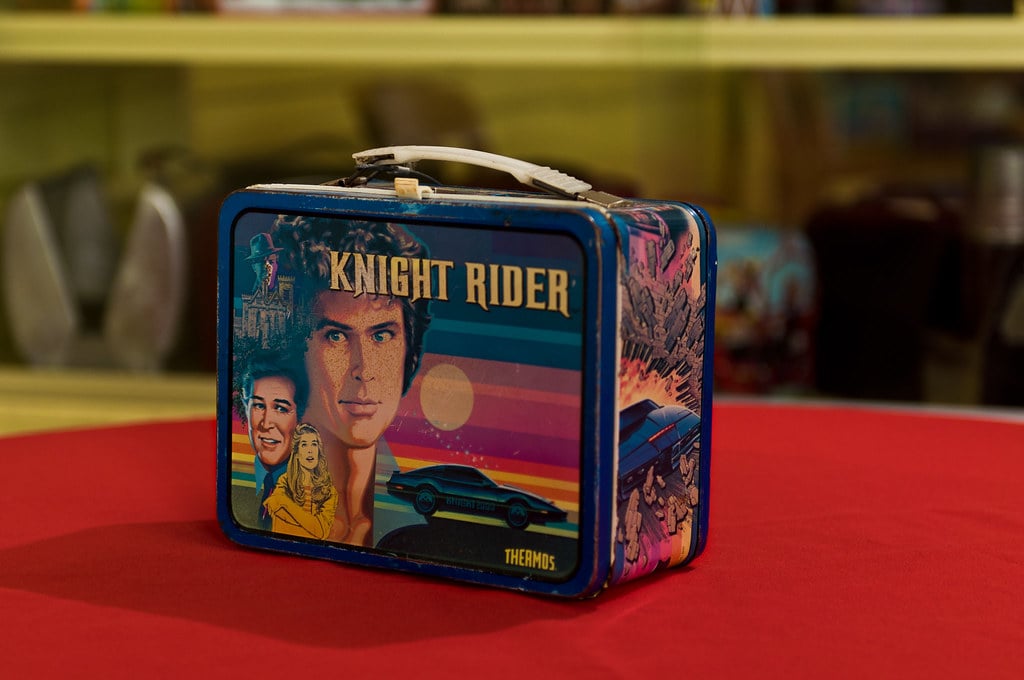
The sleek black Trans Am wasn’t the only thing that made this 1982 lunchbox desirable. KITT’s dashboard design carried over to the box itself, complete with that distinctive red scanner light effect printed across the front.
Collectors prize this one because it captured the show at its peak popularity, and the metallic finish has held up better than most boxes from that era. Finding one with the matching thermos (which featured Michael Knight’s face) can push the value into the $200-400 range.
The box tapped into every kid’s fantasy of having an intelligent car as a sidekick — and apparently, that fantasy never gets old.
The Jetsons
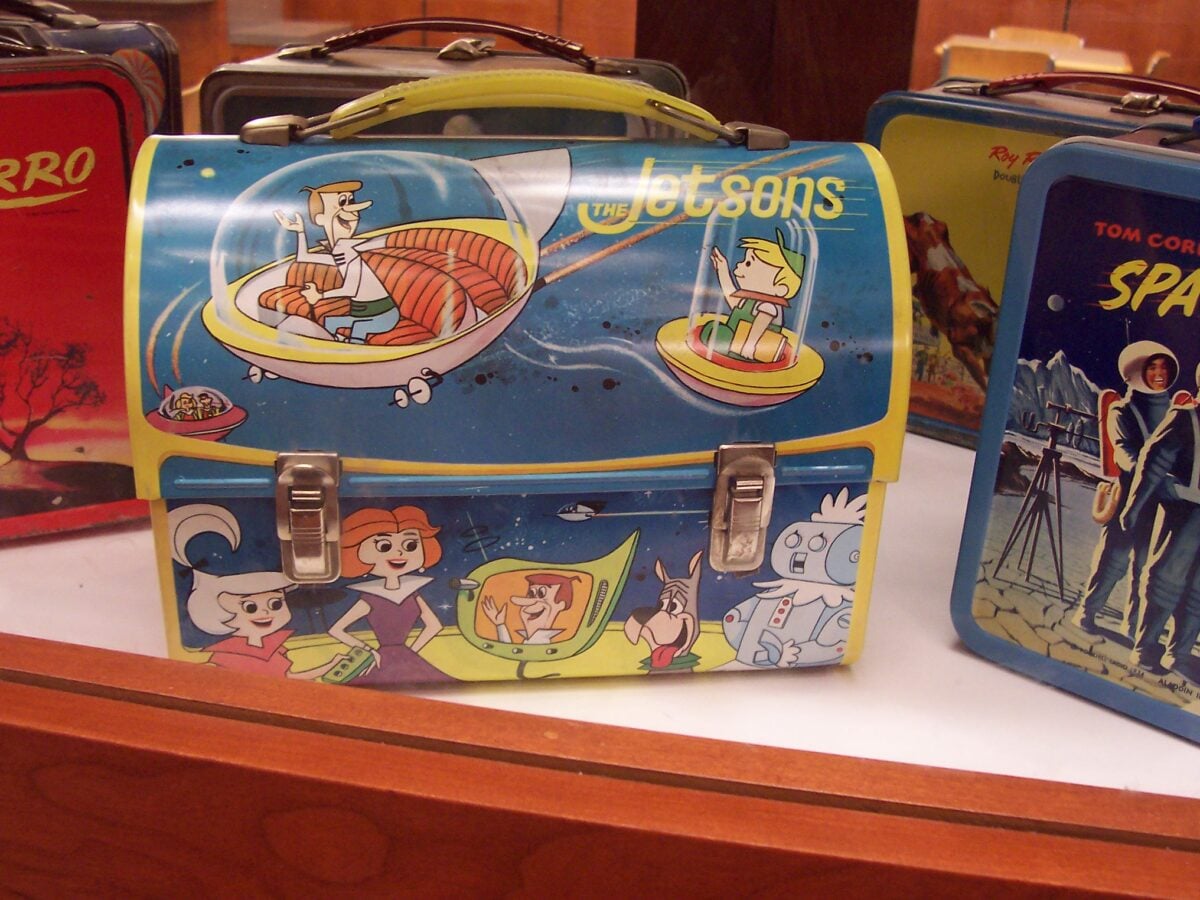
George Jetson’s space-age family predicted a future that never quite arrived (where are the flying cars and robot maids?), but their 1963 lunchbox became a piece of retrofuturistic art that collectors can’t resist. The dome-shaped lunchbox itself was ahead of its time, mimicking the architectural style of the cartoon’s buildings and spacecraft, and the bright primary colors have that optimistic 1960s feeling that seems both dated and timeless.
What makes this particular box valuable isn’t just its design — it’s the fact that it represented a moment when Americans genuinely believed the future would be sleeker, easier, and more fun. And the thermos, shaped like a rocket ship, was functional art that most kids probably lost within the first month of school (which is why finding a complete set can cost you $300-500).
Roy Rogers and Dale Evans
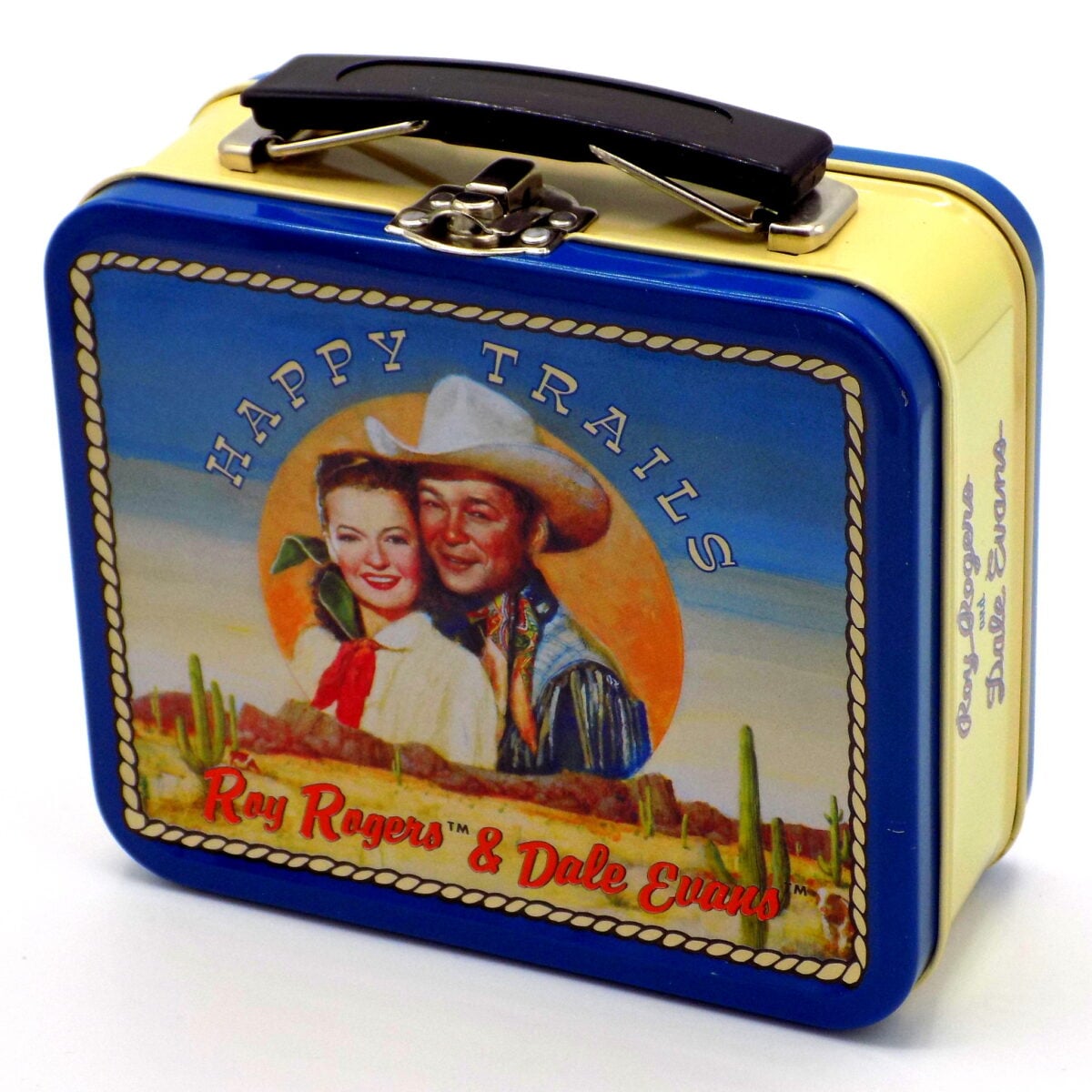
Before there were superheroes on every lunchbox, there were cowboys. Roy Rogers ruled the frontier of children’s entertainment, and his 1953 lunchbox holds the distinction of being one of the first character-themed lunch boxes ever produced.
The western motifs — horses, lassos, and that unmistakable cowboy charm — appealed to a generation of kids who spent their afternoons playing cowboys and Indians. This box doesn’t just represent nostalgia; it represents the birth of character merchandising as we know it.
Early examples in excellent condition have sold for over $1,000. The thermos featured Dale Evans, making it one of the few vintage boxes to prominently feature a female character.
Superman
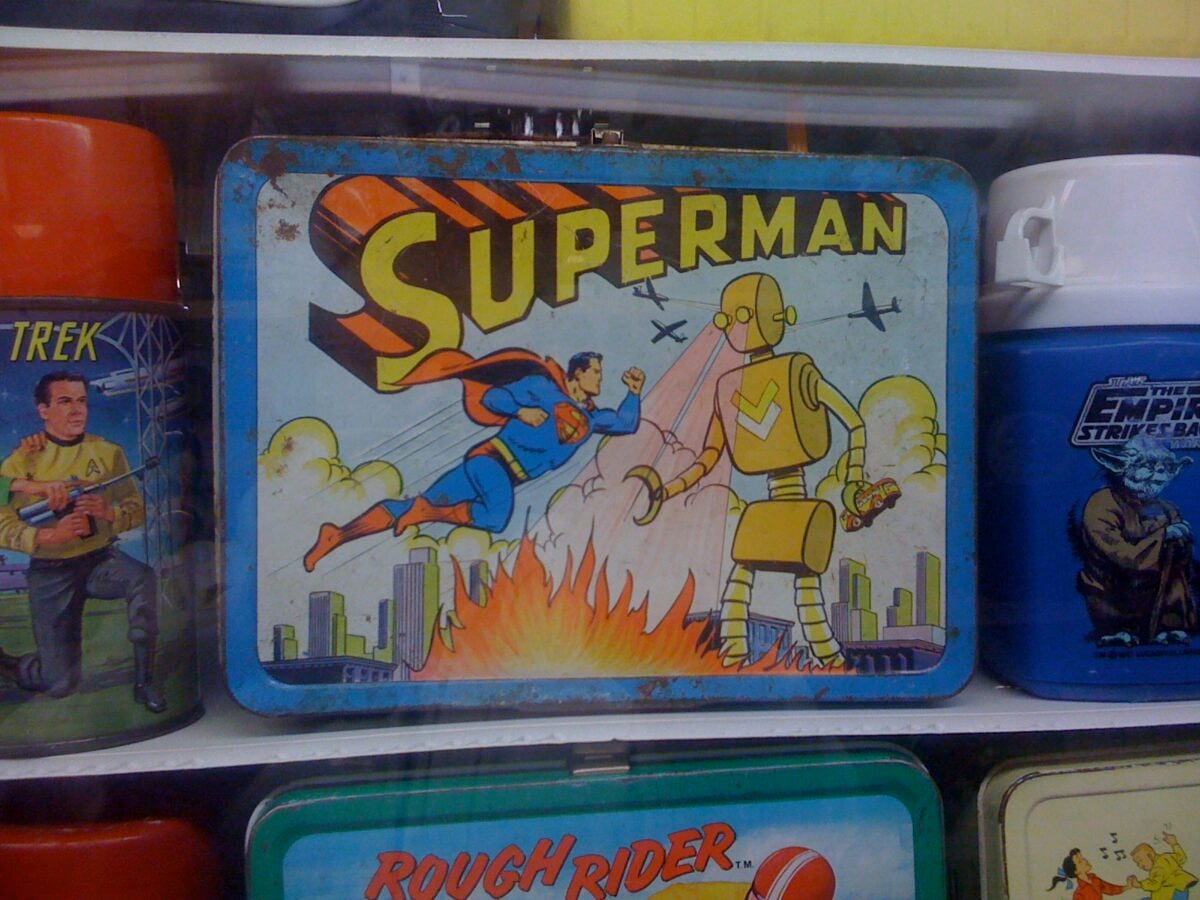
The Man of Steel appeared on lunchboxes multiple times, but the 1954 version remains the holy grail for collectors. This was Superman in his purest form — before the campiness of the later TV shows and movies, when he was still the serious protector of truth and justice that kids genuinely looked up to.
The artwork on this box is what sets it apart. Bold, primary colors and dynamic action poses that captured the essence of the comic book character.
Complete sets with the thermos routinely sell for $800-1,200, assuming the box hasn’t been dented to death by years of elementary school abuse.
The Dukes of Hazzard
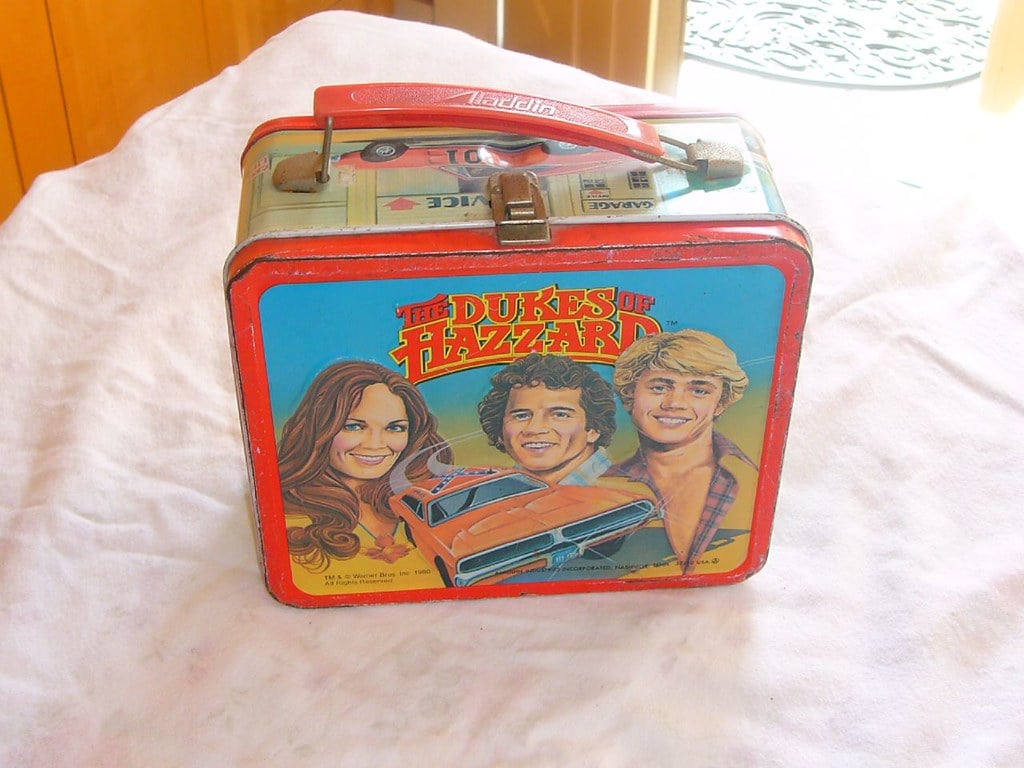
That orange Dodge Charger jumping over everything in sight wasn’t just a TV phenomenon — it launched a lunchbox that perfectly captured the show’s rebellious spirit, complete with the Confederate flag controversy that would follow it decades later, though back in 1980 most parents just saw harmless country fun and fast cars that made their kids happy every lunch period.
So the box became a time capsule of a different era’s sensibilities, which is exactly what makes it valuable to collectors today. But the real prize is finding one where the thermos still has Bo and Luke’s faces clearly visible — the printing on those wore off faster than the General Lee’s paint job, and pristine examples can fetch $250-400.
Lost in Space
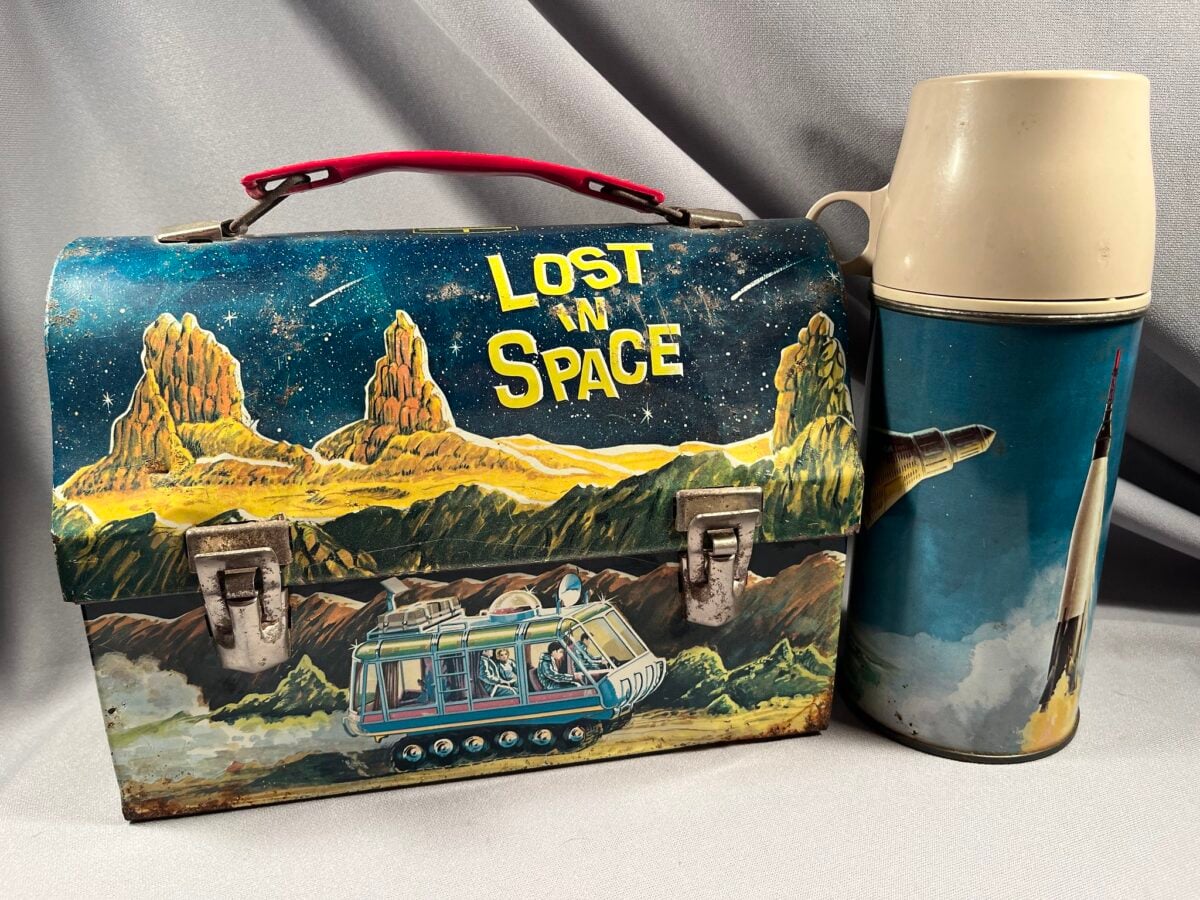
The Robinson family’s misadventures in the cosmos translated into one of the most visually striking lunchboxes of the 1960s. The space-age design elements — metallic silver finish, futuristic fonts, and that iconic robot — created a lunchbox that looked like it belonged in the year 2065 rather than 1965.
What collectors love about this box is its aesthetic ambition. It didn’t just slap character photos on metal and call it done.
The designers created something that felt genuinely otherworldly. Complete sets can reach $400-600, particularly if the robot’s image on the thermos hasn’t faded.
The Waltons
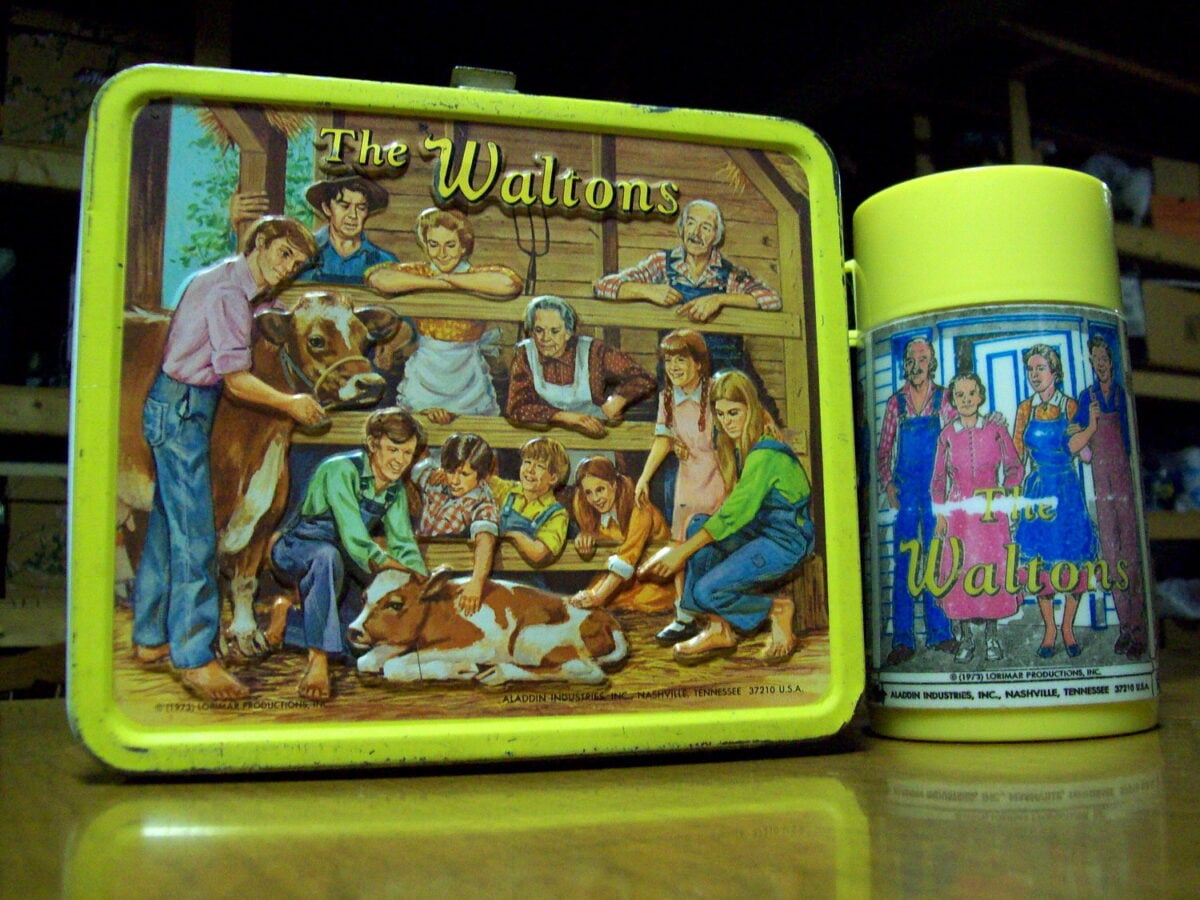
Most people remember this show as wholesome family entertainment, but the 1973 lunchbox tells a different story — it captured rural American life with an authenticity that few other boxes even attempted, showing the family working the farm, gathered around the dinner table, and living the kind of simple life that was already disappearing when the show aired, which made it both nostalgic and prescient at the same time.
The earth-tone color scheme and pastoral scenes created something that felt more like folk art than marketing material. And unlike the flashier superhero boxes, this one aged gracefully — the muted colors and simple design have a timeless quality that collectors appreciate. Finding one in excellent condition, especially with the thermos featuring the old Walton homestead, can bring $200-350.
The Lone Ranger
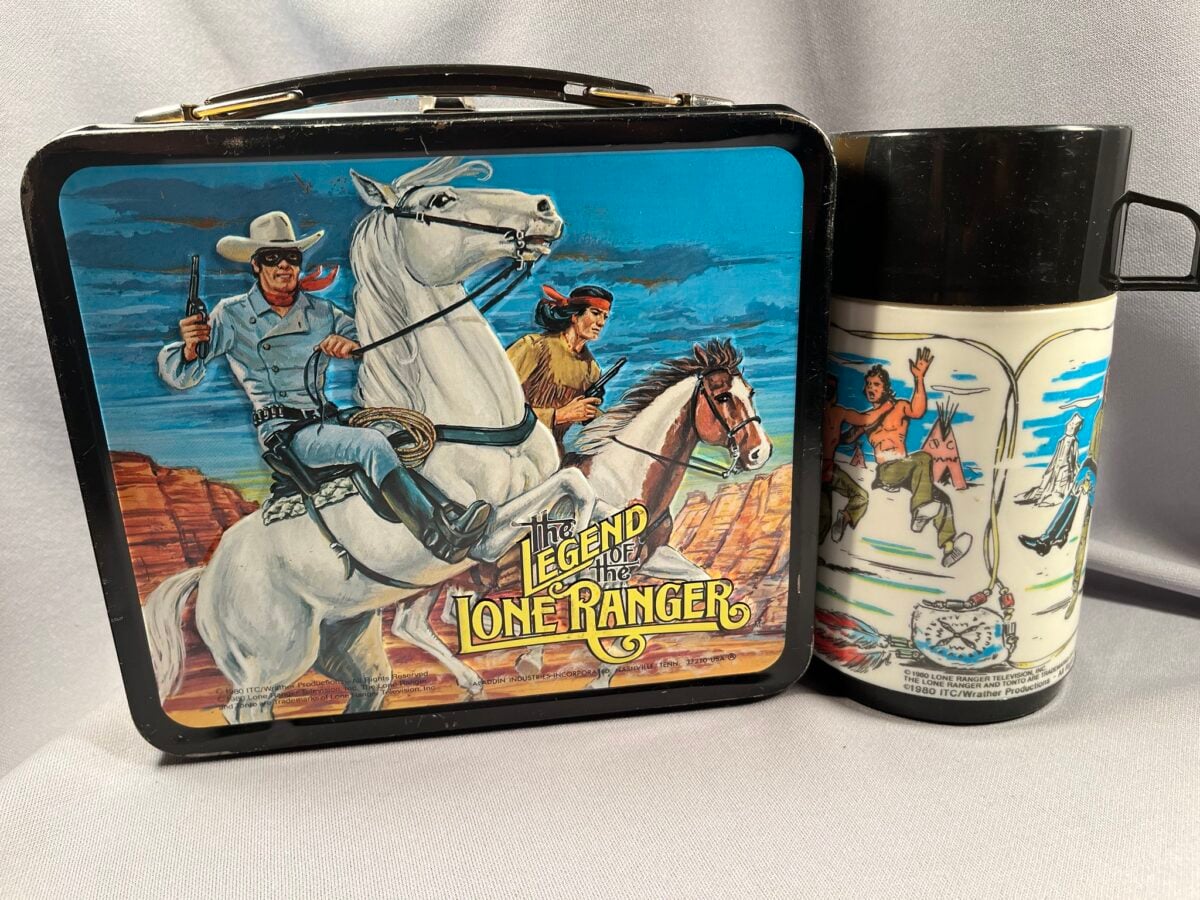
Hi-yo, Silver became the battle cry of an entire generation, and this 1954 lunchbox captured the masked man at the height of his popularity. The western imagery was classic Americana — wide open plains, the trusty white horse, and that sense of justice riding into town just when things looked hopeless.
This box represents something that’s been lost in modern children’s entertainment: a hero who never revealed his identity, never sought credit, and rode away without expecting thanks. Collectors pay $400-700 for pristine examples, not just for the nostalgia but for what the character represented in simpler times.
Space: 1999
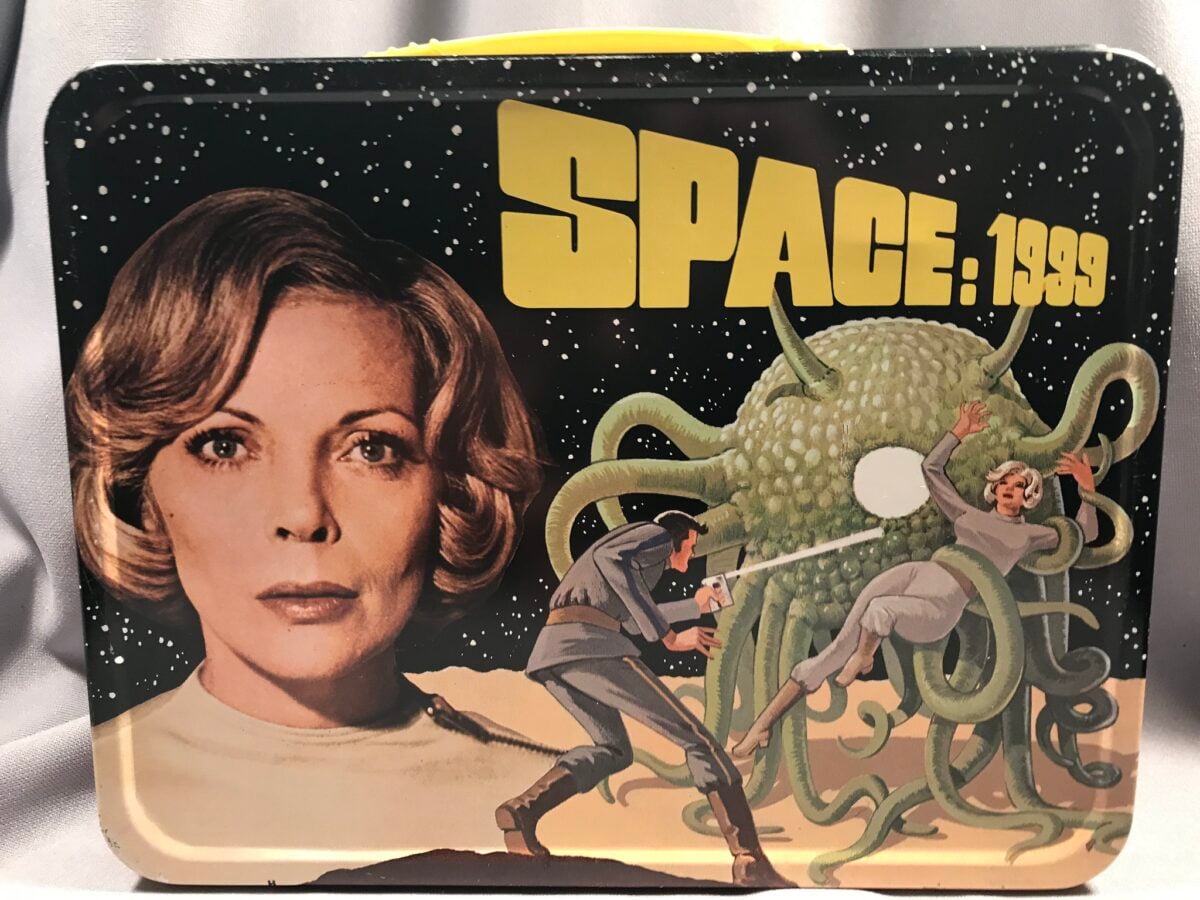
The show lasted two seasons, but the lunchbox became a masterpiece of 1970s science fiction design (even if the show itself was more style than substance), featuring sleek spacecraft, moonbase interiors, and that distinctive retro-future aesthetic that predicted how the late 1990s would look to people watching in 1975, complete with the kind of optimistic space exploration themes that seem quaint now but felt inevitable then.
And the box delivered on its promise of looking futuristic — the metallic finish, angular design, and bold typography created something that still looks modern decades later. The thermos featured the Eagle spacecraft, and complete sets in good condition regularly sell for $300-450.
Even so, it’s one of the few boxes that might actually improve with age, as its design sensibility feels more contemporary now than it did when it was new.
The A-Team
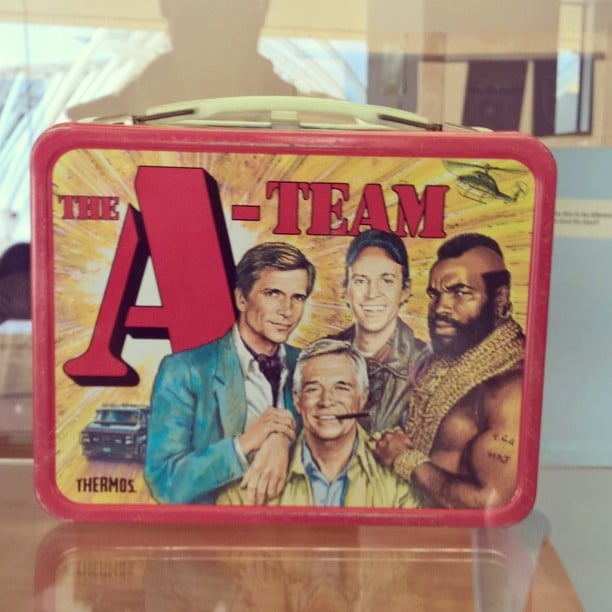
Hannibal’s plans always came together, and so did the elements that made this 1983 lunchbox a collector’s dream. The show’s popularity was at its peak, the characters were perfectly suited for lunchbox art, and the action-packed scenes gave kids something exciting to look at during boring cafeteria lunches.
The military theme, combined with that distinctive 1980s aesthetic, created a lunchbox that screamed adventure and teamwork. Values range from $150-300 depending on condition, with the thermos featuring the team’s van pushing prices toward the higher end.
Emergency!
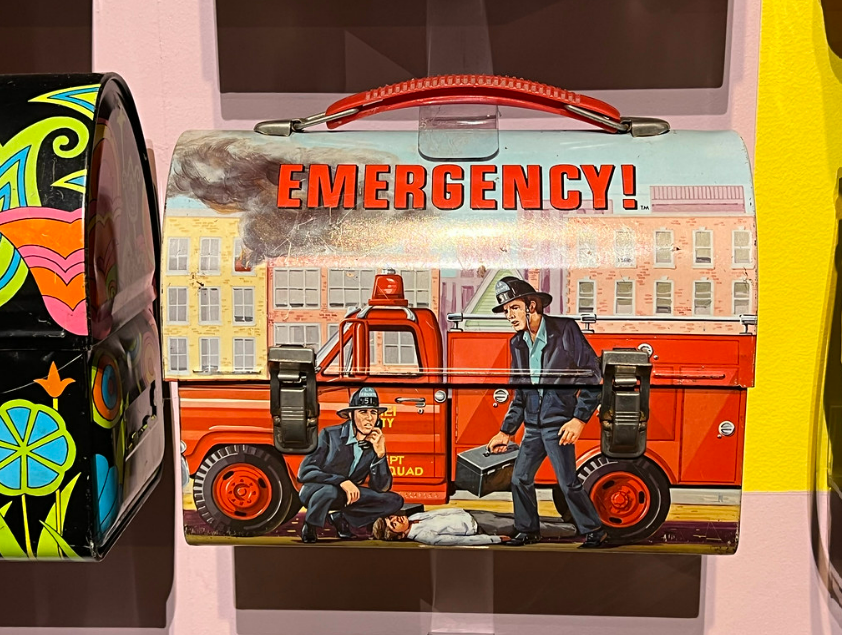
Paramedics Roy DeSoto and Johnny Gage introduced kids to the idea that heroes didn’t always wear capes — sometimes they wore uniforms and saved lives with medical knowledge rather than superpowers, which was a refreshingly realistic take on heroism that parents could actually get behind, unlike all those masked vigilantes and space adventurers whose methods were questionable at best.
The 1973 lunchbox featured realistic emergency scenes — ambulances, fire trucks, and paramedics in action — that felt educational as well as entertaining. The red cross symbols and emergency vehicle imagery created a design that was both exciting and responsible, a combination that’s rare in children’s entertainment then or now.
Collectors value this box for its unique position in TV history and its positive message. Complete sets sell for $250-400, particularly if the thermos still shows the Squad 51 paramedic unit clearly.
Adam-12
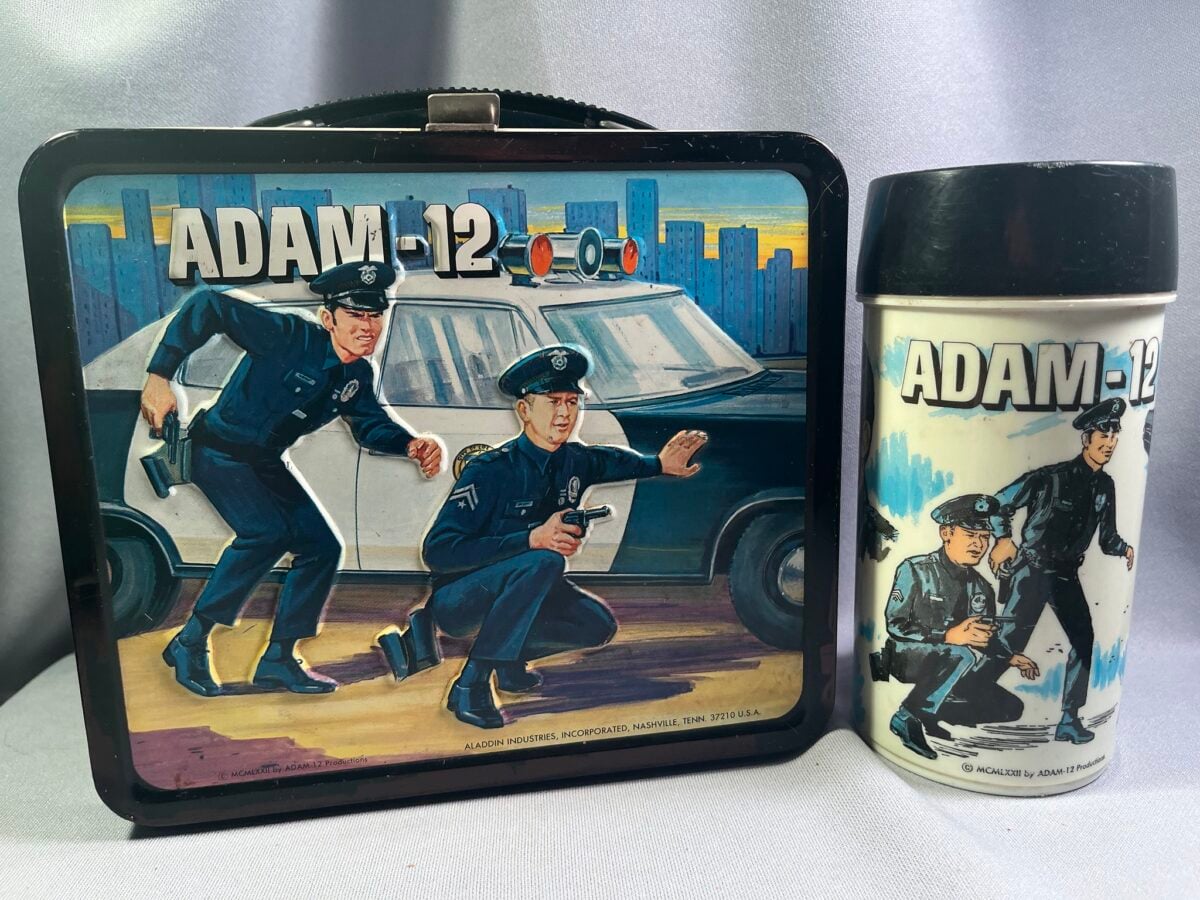
Police officers Pete Malloy and Jim Reed patrolled Los Angeles in their black-and-white patrol car, and their 1972 lunchbox brought law enforcement heroics to school cafeterias everywhere. The box featured realistic police work — traffic stops, community service, and actual police procedures rather than the shoot-em-up action that dominated other shows.
This represented a brief moment when police officers were unambiguously the good guys in popular culture, and the lunchbox reflected that simpler worldview. The blue and white color scheme, official-looking badges, and realistic patrol car imagery created something that felt authoritative and trustworthy.
Values have remained steady at $200-350 for complete sets, as collectors appreciate both the show’s quality and the lunchbox’s clean, professional design.
The Bionic Woman
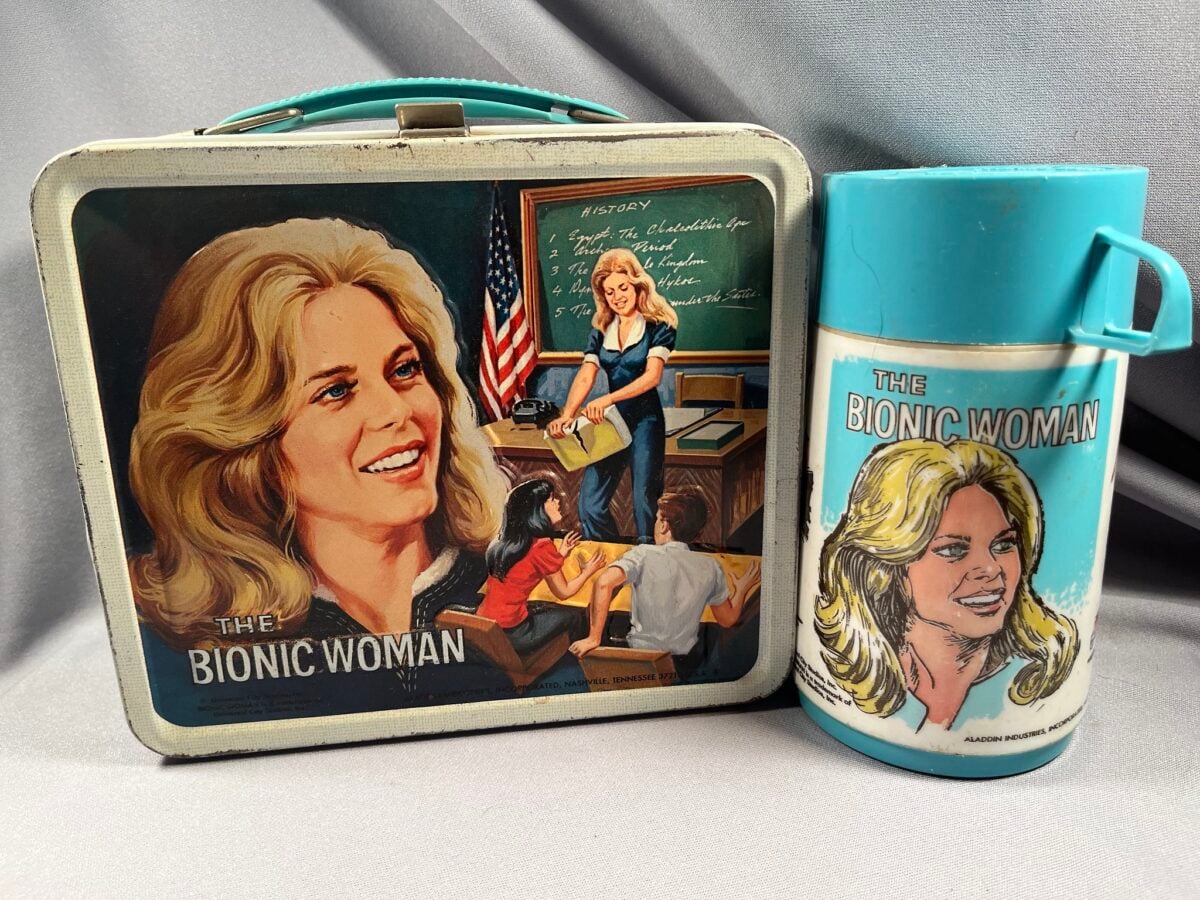
Jaime Sommers proved that bionic powers weren’t just for men, and her 1976 lunchbox became one of the first to feature a female action hero as the primary character. The dynamic action poses, scientific imagery, and that distinctive 1970s color palette created something that felt both futuristic and empowering.
The box captured the show’s blend of science fiction and feminism, featuring Jaime using her bionic abilities for good rather than just looking pretty. The thermos showed her in action, reinforcing the message that women could be heroes too.
Complete sets reach $250-400, with collectors valuing both the progressive message and the solid design work.
Banana Splits
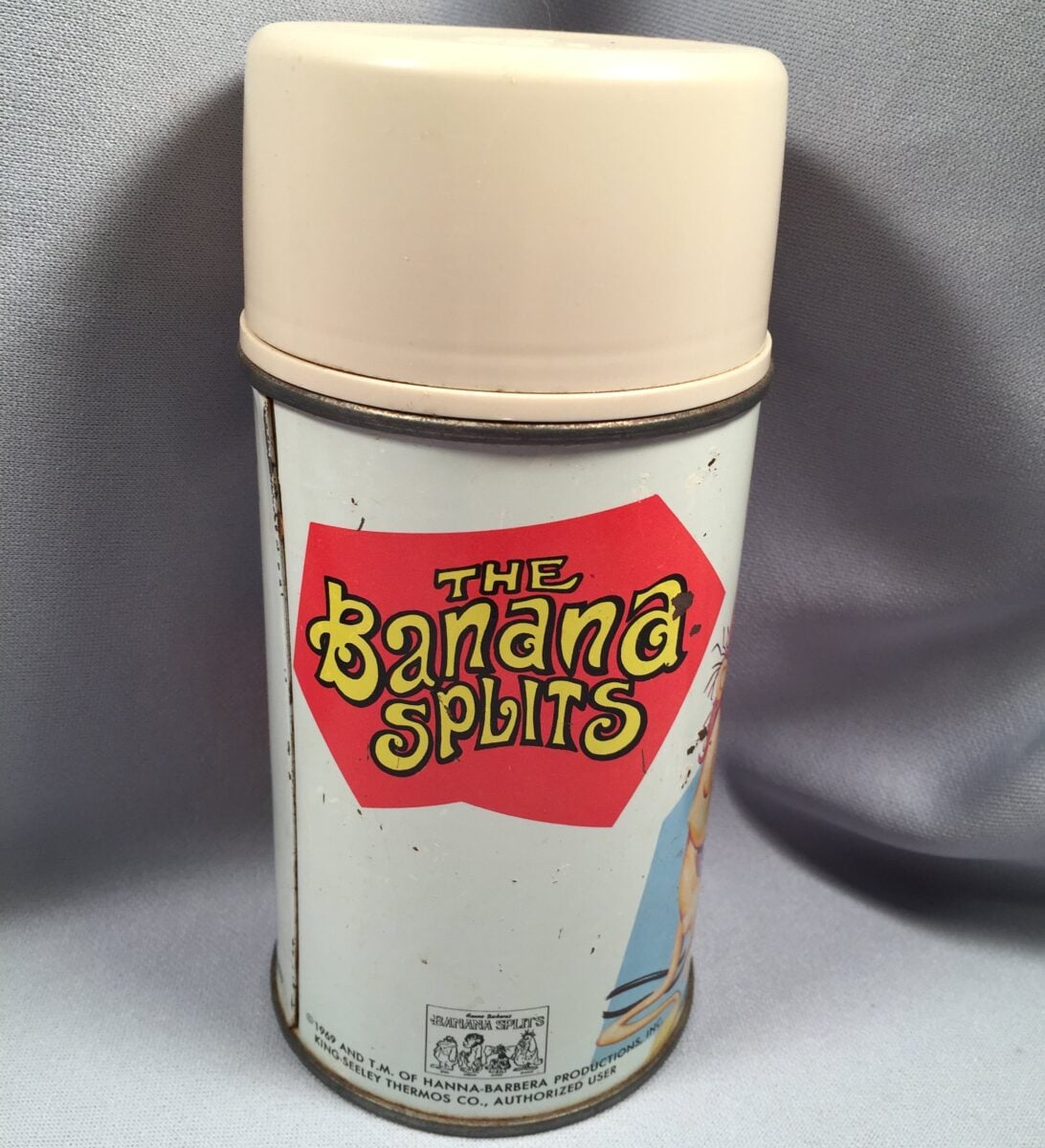
Four costumed characters playing music and causing chaos shouldn’t have worked as children’s entertainment, but somehow it did — and the 1969 lunchbox captured all the colorful insanity that made the show memorable, with bright cartoon-style artwork that looked like it was designed by someone who understood that kids wanted their lunch containers to be as loud and fun as possible, consequences be damned. The psychedelic color scheme, cartoon character designs, and general sense of organized chaos created a lunchbox that was pure 1960s kid culture distilled into metal form.
But what makes it valuable now is how perfectly it captured a specific moment in children’s television when anything seemed possible and good taste was optional. Complete sets with the thermos (featuring all four Splits) can bring $300-500, especially since the bright colors have usually faded over the decades, making pristine examples increasingly rare.
Green Hornet
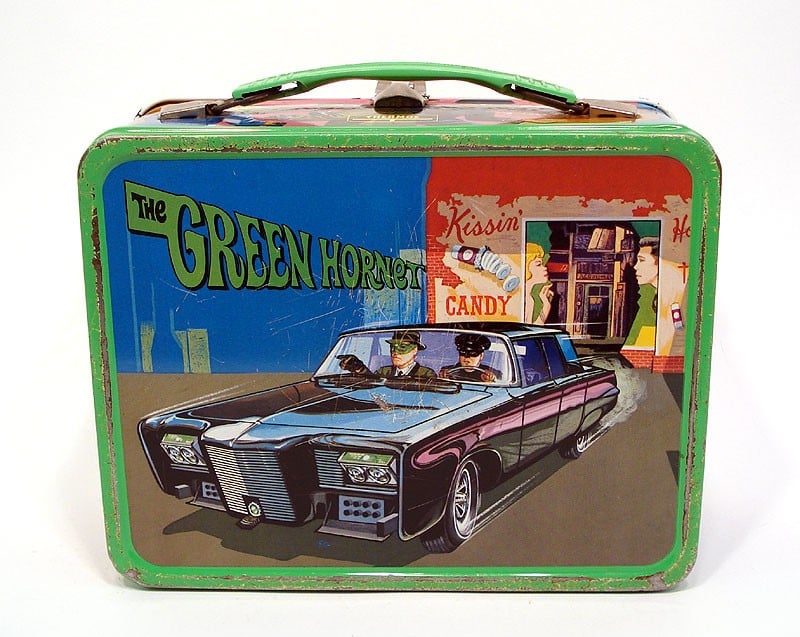
Bruce Lee’s Kato made this show memorable, but the Green Hornet himself made for great lunchbox art in 1967. The dark, mysterious imagery — black mask, sleek car, urban nighttime scenes — created something more sophisticated than the typical superhero fare, appealing to kids who wanted their heroes to have an edge.
The box featured the Black Beauty car prominently, along with action scenes that emphasized stealth and strategy over brute force. This was crime fighting with style and intelligence, and the artwork reflected that approach.
Collectors pay $400-650 for complete sets, particularly because the show’s brief run means fewer boxes were produced than longer-running series.
Chitty Chitty Bang Bang
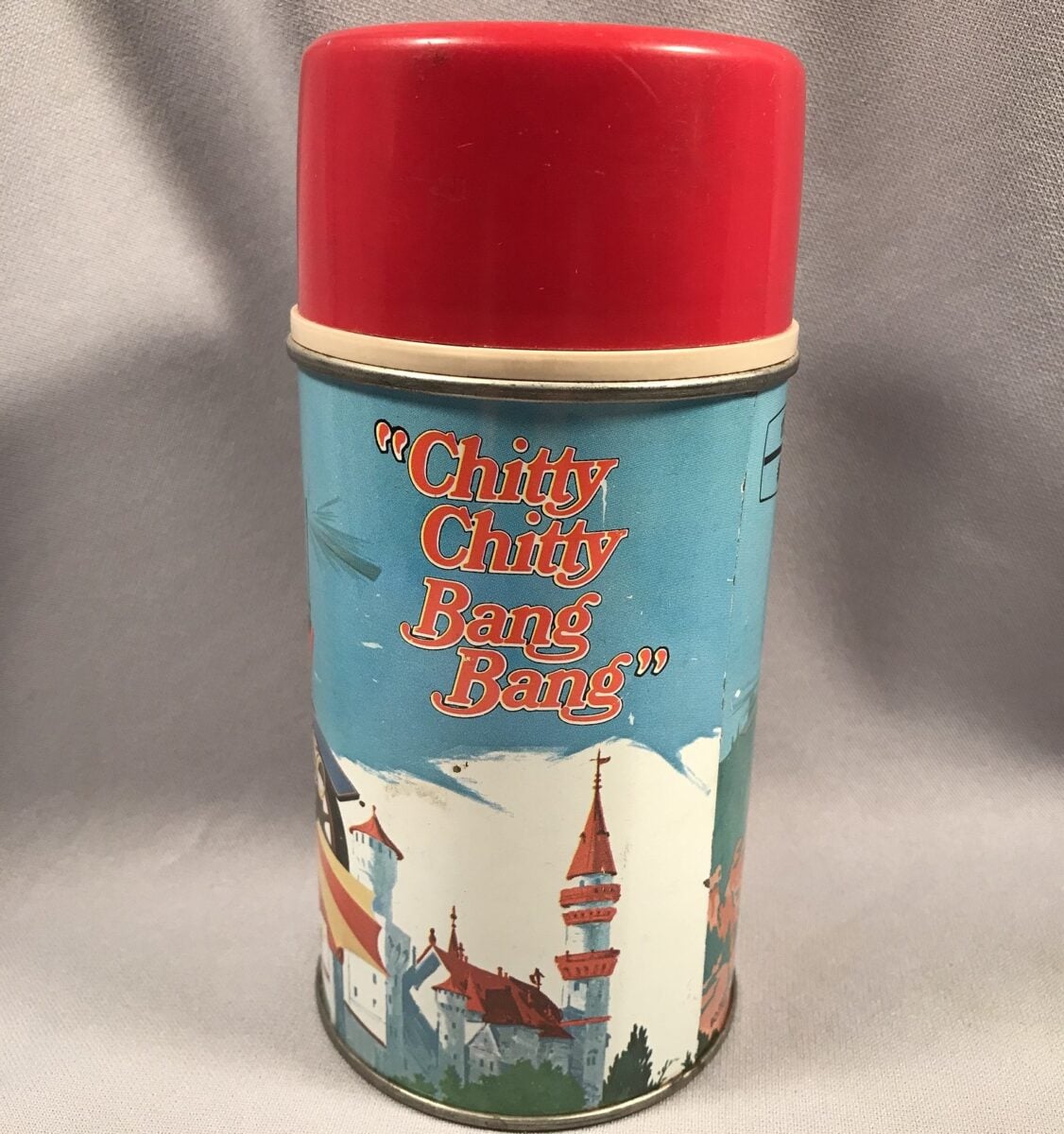
The magical flying car from the 1968 movie translated into a lunchbox that captured every kid’s fantasy of owning a vehicle that could do the impossible. The whimsical design, bright colors, and scenes of the car in flight created something that felt genuinely magical rather than just commercially motivated.
What sets this box apart is its sense of wonder and possibility. The artwork didn’t just show characters — it showed transformation and adventure, the idea that an ordinary car could become something extraordinary with the right touch of magic.
Complete sets with the thermos featuring Caractacus Potts and the children regularly sell for $250-400, as collectors value both the movie connection and the imaginative artwork.
When Lunchboxes Became Investments
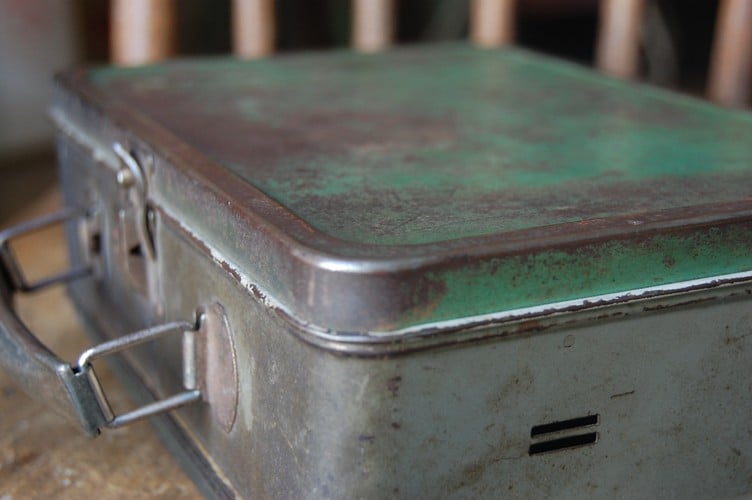
The metal lunchbox era ended in the 1980s, killed by safety concerns and cost considerations that nobody saw coming. Plastic took over, but it never carried the same weight — literally or culturally — that those metal boxes provided.
What seemed like a practical decision at the time accidentally created a finite collecting category that continues to appreciate in value. Today’s collectors aren’t just buying nostalgia; they’re investing in pieces of cultural history that happened to hold sandwiches and Twinkies.
The best examples combine great condition, complete sets with original thermos bottles, and characters that have maintained their cultural relevance across decades. For items that spent years being banged around school cafeterias, the survivors have earned their collector status the hard way.
More from Go2Tutors!

- The Romanov Crown Jewels and Their Tragic Fate
- 13 Historical Mysteries That Science Still Can’t Solve
- Famous Hoaxes That Fooled the World for Years
- 15 Child Stars with Tragic Adult Lives
- 16 Famous Jewelry Pieces in History
Like Go2Tutors’s content? Follow us on MSN.



