16 Times Espionage Changed World History
Throughout human history, information has been the ultimate weapon. Wars have been won and lost not just on battlefields, but in shadowy networks of spies, code-breakers, and intelligence operatives working behind the scenes. From ancient civilizations to the digital age, espionage has shaped the course of nations and altered the trajectory of global events in ways most people never realize.
The impact of these covert operations extends far beyond their immediate objectives, often rippling through decades of international relations and political developments. Here is a list of 16 times espionage fundamentally changed the course of world history.
The Trojan Horse

The legendary Trojan Horse represents one of history’s most famous deception operations, using cunning rather than brute force to end the decade-long siege of Troy. Military operations required a reconnaissance or scouting system even in ancient times, and the Greeks’ infiltration strategy became the template for countless future espionage operations.
Whether entirely mythical or based on historical events, this story established espionage as a legitimate tool of warfare and statecraft.
Operation Mincemeat

British intelligence officers in World War II created a fictitious dead officer carrying fake invasion plans to deceive the Germans about the Allied landing in Sicily. The operation successfully convinced German high command that the real target was Greece, leading them to redeploy significant forces away from Sicily.
This deception contributed directly to the successful Allied invasion of Italy and helped shorten the war in Europe.
The Cambridge Five

A group of British intelligence officers secretly worked for the Soviet Union for decades, providing Moscow with invaluable insights into Western intelligence operations during the Cold War. Donald Maclean was a committed communist who used his privileged position to pass crucial information about the Manhattan Project and NATO plans to the Soviets.
Their betrayal compromised numerous Western operations and gave the Soviet Union a significant advantage in Cold War espionage battles.
Operation Venona

American code-breakers secretly intercepted and decrypted Soviet intelligence communications from the 1940s onward, revealing the extent of Soviet espionage in the United States. The U.S. National Security Agency waited almost 50 years before releasing the first batch of Soviet cables decrypted by the Venona project, which exposed atomic spies and Communist agents throughout the American government.
This operation fundamentally changed how the United States approached counterintelligence and shaped Cold War policies for decades.
Nathan Hale’s Revolutionary Sacrifice

Nathan Hale, a Continental Army spy who reported on British troop movements to benefit the forces of George Washington before being eventually caught and executed by the British army became America’s first intelligence martyr. His famous last words, ‘I only regret that I have but one life to lose for my country,’ established the moral foundation for American intelligence services.
Hale’s sacrifice demonstrated the crucial role intelligence would play in the young nation’s survival and expansion.
ULTRA and Enigma

British code-breakers at Bletchley Park cracked the German Enigma machine, giving Allied forces advanced knowledge of Nazi military plans throughout World War II. The eccentric mathematicians and linguists who ran the code-breaking operations ULTRA and MAGIC, which solved German and Japanese ciphers and turned the tide of World War II provided crucial intelligence that shortened the war by an estimated two years.
This operation established the modern template for signals intelligence and electronic espionage.
The Rosenberg Atomic Spy Ring

Julius and Ethel Rosenberg passed critical atomic weapons information to the Soviet Union, accelerating Soviet nuclear development by several years. In 1953, Julius and Ethel Rosenberg were charged and convicted for giving nuclear secrets to the Soviet Union and became the first and only American civilians executed under the Act.
Their espionage fundamentally altered the balance of power during the Cold War and contributed to the nuclear arms race that defined international relations for decades.
Mata Hari’s Web of Deception

Mata Hari, who obtained information for Germany by seducing French officials, was the most noted espionage agent of World War I. Her case, though likely involving more myth than substance, established the archetype of the glamorous female spy and demonstrated how espionage could capture public imagination.
The publicity surrounding her execution also revealed how intelligence services could use propaganda to shape public opinion about the war effort.
Aldrich Ames’ CIA Betrayal

Aldrich Ames was a veteran CIA officer who sold secrets to the Soviet Union for nearly a decade, compromising numerous American intelligence operations and leading to the execution of several Soviet agents working for the United States. His betrayal forced a complete overhaul of CIA security procedures and demonstrated the vulnerability of intelligence agencies to insider threats.
The damage from his espionage extended far beyond immediate operational losses, fundamentally changing how America conducted intelligence work.
Robert Hanssen’s FBI Double Life
Hanssen sold about six thousand classified documents to the KGB that detailed U.S. strategies in the event of nuclear war, developments in military weapons technologies, and aspects of the U.S. counterintelligence program. His 22-year career as a double agent represented one of the most damaging intelligence breaches in American history.
Because of his experience and training as a counterintelligence agent, Hanssen went undetected for years, highlighting critical flaws in the FBI’s internal security systems.
Operation Rubicon

In 1970, German and US spies bought a Swiss coding machine manufacturer named Crypto which had many government and military clients. This operation allowed Western intelligence agencies to read encrypted communications from over 100 countries for nearly 50 years.
The intelligence gathered through this operation influenced countless diplomatic negotiations and military decisions during the Cold War and beyond.
Sun Tzu’s Art of War Intelligence

Ancient Chinese military strategist Sun Tzu established fundamental principles of espionage that remain relevant today, emphasizing the crucial role of intelligence in warfare and statecraft. His teachings influenced centuries of Chinese imperial policy and military strategy, establishing China as one of history’s most sophisticated intelligence powers.
These principles later spread throughout Asia and eventually influenced Western intelligence doctrine.
The Great Game Spies
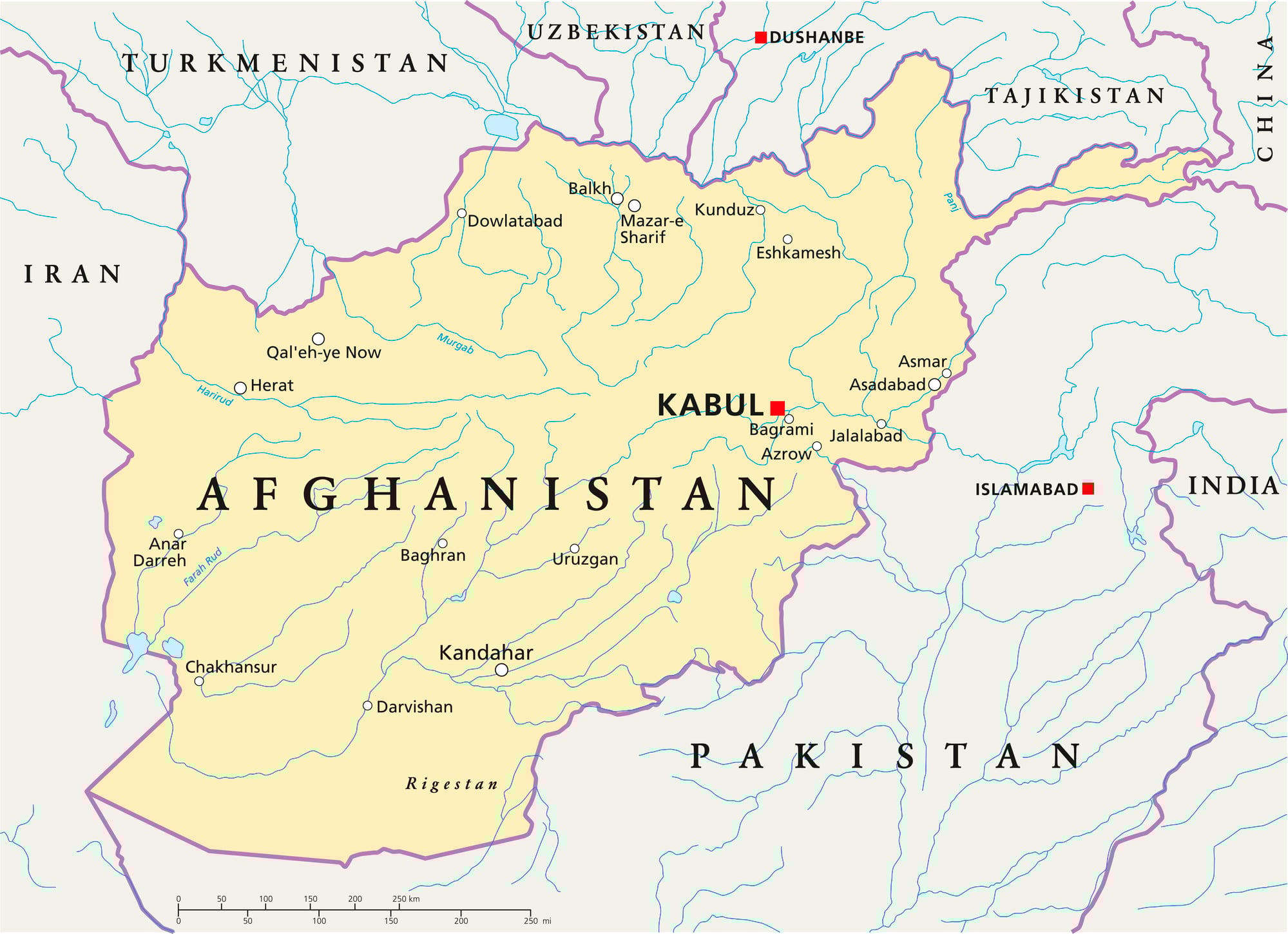
British and Russian intelligence operatives played a decades-long espionage game across Central Asia during the 19th century, with each side seeking to expand their empire’s influence. This shadow war shaped the borders and political structures of Afghanistan, India, and Central Asian states that persist today.
The intelligence networks established during this period influenced colonial policies and contributed to regional conflicts that continue to affect global politics.
Benedict Arnold’s Revolutionary Betrayal

American Revolutionary War general Benedict Arnold’s attempt to surrender West Point to the British represented one of history’s most consequential acts of treason. His betrayal, though ultimately unsuccessful, demonstrated how a single intelligence operation could potentially alter the outcome of an entire war.
Arnold’s case established important precedents for how nations handle military treason and insider threats.
The Zimmermann Telegram

British intelligence intercepted and decoded a German diplomatic message proposing a military alliance between Germany and Mexico against the United States during World War I. The publication of this telegram helped push America into the war, fundamentally altering the conflict’s outcome and establishing the United States as a global power.
This single intelligence coup demonstrated how intercepted communications could change the course of world history.
Operation Barbarossa Intelligence Failures
Soviet intelligence received numerous warnings about Germany’s planned invasion but Stalin ignored them, leading to catastrophic losses when the attack began. The failure to properly analyze and act on intelligence allowed German forces to advance deep into Soviet territory and nearly led to the collapse of the Soviet Union.
This intelligence disaster shaped Soviet intelligence doctrine for decades and influenced Cold War strategies on both sides.
When Shadows Shape Sunlight

These espionage operations reveal how intelligence work operates as a hidden engine of historical change, often determining outcomes more decisively than public diplomacy or military might. The spies, code-breakers, and intelligence officers behind these operations rarely received recognition during their lifetimes, yet their work fundamentally altered the world we inhabit today.
Modern intelligence agencies still grapple with the same challenges these historical operations faced: balancing secrecy with accountability, managing insider threats, and adapting to new technologies. The digital age has transformed the tools and methods, but the fundamental importance of intelligence in shaping global events remains as crucial now as it was when the Greeks built their wooden horse outside the walls of Troy.
More from Go2Tutors!

- The Romanov Crown Jewels and Their Tragic Fate
- 13 Historical Mysteries That Science Still Can’t Solve
- Famous Hoaxes That Fooled the World for Years
- 15 Child Stars with Tragic Adult Lives
- 16 Famous Jewelry Pieces in History
Like Go2Tutors’s content? Follow us on MSN