15 Foods Once Reserved Only for Royalty
Throughout history, certain foods represented the ultimate luxury—delicacies so valuable and rare that they were exclusively enjoyed by kings, queens, and their privileged inner circles. While many of these foods now appear in ordinary grocery stores, their presence on common tables would have shocked our ancestors, who lived in eras when these items were strictly reserved for royal consumption.
Here is a list of 15 foods that were once exclusively for royalty but have since become accessible to everyday people.
Pineapples

In 18th-century Europe, pineapples were so incredibly rare that King Charles II of England posed for an official portrait while receiving one as a gift. A single pineapple could cost the equivalent of $8,000 in today’s money, making it an extravagant status symbol.
Wealthy hosts would rent pineapples just for display at dinner parties without actually eating them. The fruit’s exclusivity was so extreme that colonial American elites built pineapple-shaped finials on their homes to broadcast their wealth and connections to tropical trade routes.
White Bread

Before modern milling techniques, white bread was exclusively for royal consumption, while peasants ate dark, whole-grain breads. The labor-intensive process of removing bran and germ from wheat made white flour extraordinarily expensive.
In medieval France, the whiteness of bread directly corresponded to social status—the whiter your bread, the higher your rank. Royal banquets showcased blindingly white loaves as edible displays of power and privilege. Ironically, what was once the ultimate status food is now considered less healthy than the whole-grain varieties once eaten by the poor.
Chocolate

When chocolate first arrived in Europe from the Americas in the 16th century, it was exclusively consumed by Spanish royalty, who kept it secret from other European courts for nearly a century. King Philip V was so addicted to chocolate that he had special kitchens built just for its preparation.
The Spanish royal family drank unsweetened chocolate mixed with spices in private ceremonies that common people weren’t permitted to witness. The royal monopoly eventually broke when Spanish princesses married into other European royal families, bringing their chocolate habits with them.
Sugar

For centuries, sugar was available only to the wealthiest nobles and royals. Ancient Egyptian hieroglyphs show pharaohs personally overseeing sugar production. In medieval England, a small cone of sugar cost the equivalent of five months’ wages for an average worker.
Queen Elizabeth I became known for her blackened teeth—a deliberate display of her wealth through sugar consumption. Royal chefs created elaborate sugar sculptures called subtleties that displayed royal crests and crowns, serving as both decoration and dessert at state banquets.
Potatoes
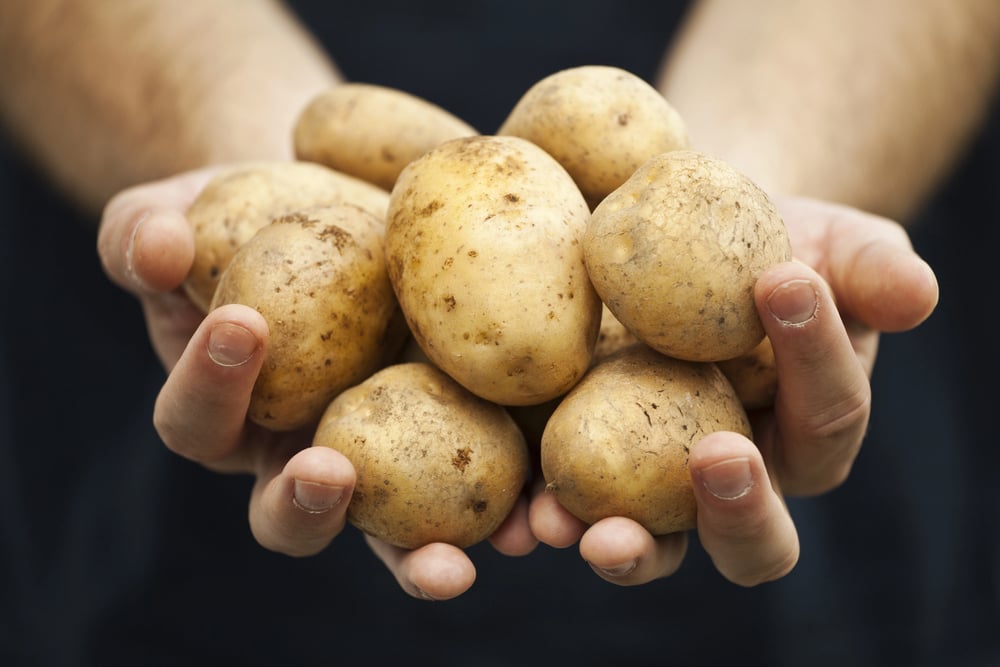
While potatoes are now among the world’s most common foods, they were once reserved for Incan royalty in their native Peru. The Incan emperor controlled potato distribution and used the tubers in religious ceremonies.
When first brought to Europe in the 16th century, potatoes were considered exotic treasures presented to royalty. King Frederick the Great of Prussia had to post guards around royal potato fields to create the illusion of protecting a valuable crop, tricking skeptical peasants into stealing and planting them. The strategy worked, helping to establish potatoes as a staple crop throughout the kingdom.
Vanilla

Real vanilla was once so precious that Queen Elizabeth I kept vanilla-infused sugar boxes under lock and key, personally carrying the key at all times. Mexican Totonac royalty controlled vanilla cultivation for centuries before European contact.
The orchid pods required such specialized cultivation and processing that production remained extremely limited. When Aztec emperor Montezuma introduced vanilla to Spanish conquistador Hernán Cortés, he served it in golden goblets that were reportedly destroyed after a single use.
Today’s synthetic vanilla flavoring exists because natural vanilla remained too expensive for mass production until recent decades.
Strawberries

Cultivated strawberries were developed exclusively for royal gardens in France during the 18th century. King Louis XV was particularly obsessed with the fruit, ordering his royal gardeners to create larger, sweeter varieties.
Palace documents record elaborate strawberry-picking ceremonies where courtiers followed strict protocols about which berries could be touched by royal hands. The specially bred royal strawberries were guarded by dedicated gardeners who prevented any plants from leaving the palace grounds.
Commercial strawberry farming only began after the French Revolution, when royal gardeners needed new employment and sold their knowledge to farmers.
Salmon

In medieval England, all salmon were legally the property of the crown. Royal fish wardens patrolled rivers, and anyone caught poaching salmon faced severe penalties, including amputation.
King Henry I established the position of “Royal Salmon Counter,” whose sole job was tracking the king’s fish. The courts determined that any salmon swimming in English waters belonged to the monarch, regardless of who caught it.
Common people could only legally eat salmon if specifically granted permission through a royal decree. Many rivers had stone “king’s gaps” built into weirs that allowed salmon to swim upstream while making them easier for royal fishermen to catch.
Mushrooms
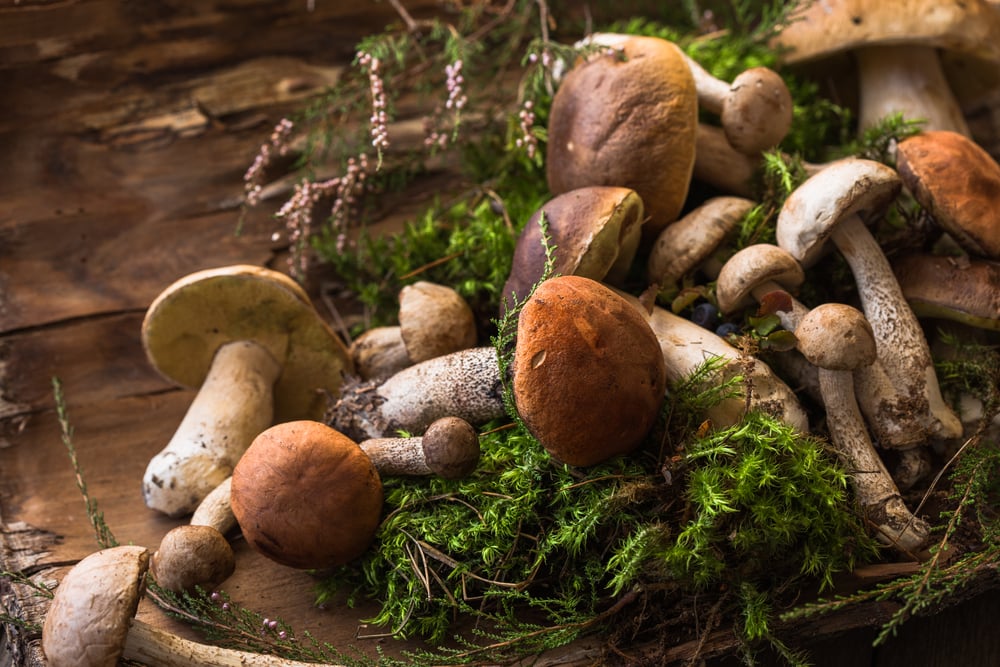
Ancient Egyptian pharaohs declared mushrooms “food of the gods” and forbade commoners from touching them under penalty of death. The royal fascination with mushrooms spread to other civilizations, with Chinese emperors employing special mushroom hunters who risked their lives searching for rare varieties.
Russian tsars maintained secret mushroom forests patrolled by armed guards. The connection between royalty and mushrooms became so strong that certain varieties like king boletes and royal trumpets gained their names from this association.
During the Roman Empire, official food tasters would first test mushrooms before emperors consumed them, protecting against both poisoning and assassination attempts.
Rabbit

For centuries across Europe, rabbits were the exclusive property of nobility, with harsh poaching laws protecting them. King Louis XVI of France had special rabbit gardens built at Versailles, where the animals were raised on herbs and vegetables to improve their flavor.
The term “royal warren” described protected rabbit breeding grounds that commoners weren’t allowed to enter. English nobility developed specialized dog breeds just for royal rabbit hunts, with the animals considered too valuable as food for peasant consumption.
The French Revolution specifically included the right to hunt rabbits among its reforms, demonstrating how significant this royal food monopoly had become.
Corn
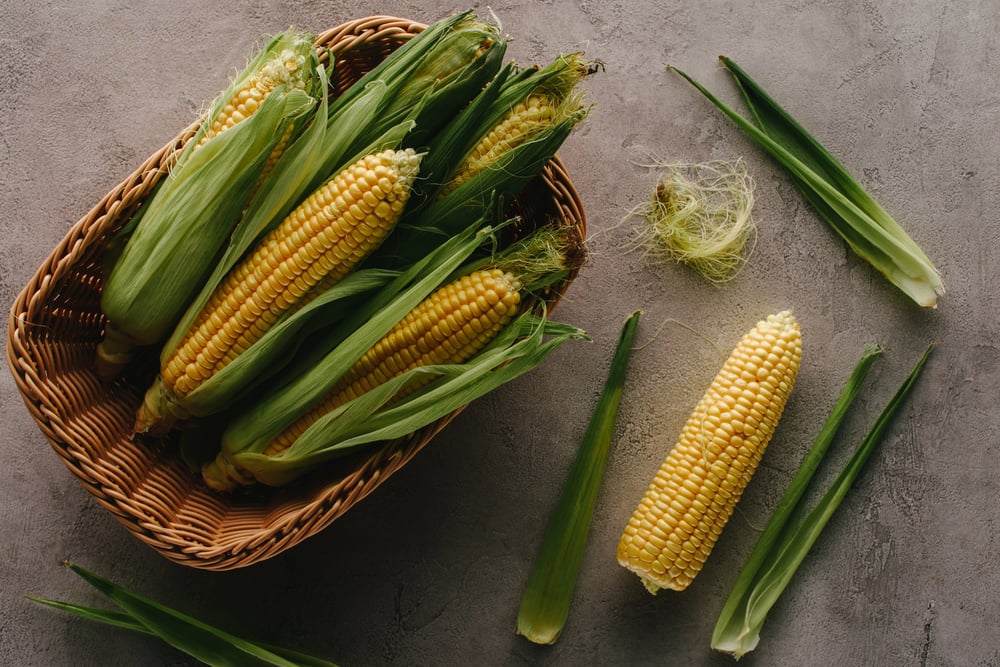
While now a global staple, corn was originally reserved for Aztec and Mayan royalty in its earliest cultivated forms. Specialized royal cornfields used selective breeding techniques to create varieties with particularly large kernels or special colors deemed appropriate for noble consumption.
Commoners caught stealing from royal cornfields faced execution. Montezuma II reportedly ate special corn cakes made with gold dust, honey, and eagle eggs that were forbidden to anyone of lesser rank.
Royal corn was often dyed blue or purple to distinguish it from common varieties—a tradition that survives in blue corn tortillas, still considered premium products today.
Peaches
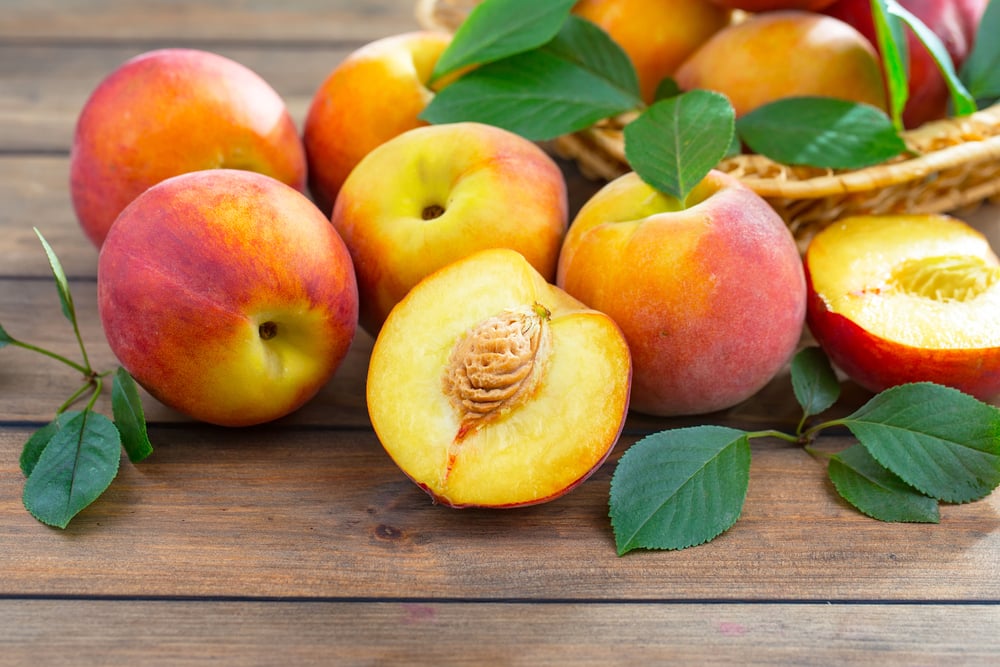
Chinese emperors claimed exclusive rights to the first peach harvest each year. Imperial peach orchards were managed by specialized gardeners who developed cultivation techniques kept secret from the general population. During the Han Dynasty, peach wood was used to make royal scepters, and eating peaches was believed to confer the emperor’s longevity.
Palace records describe elaborate ceremonies where the emperor would ceremonially bite into the first peach of the season before allowing court nobles to receive their shares. Commoners caught growing unauthorized peach trees could be severely punished for infringing on this royal prerogative.
Sturgeon

These massive fish and their eggs were strictly reserved for royalty across multiple civilizations. Russian tsars claimed exclusive rights to sturgeon, creating the “Tsar’s Fish” designation that prohibited common people from catching them.
In England, any sturgeon caught in rivers automatically became property of the monarch under the “Royal Fish” doctrine that remains technically in effect today. When a fisherman catches a sturgeon in British waters, they’re still legally required to offer it to the reigning monarch first.
The ban on common consumption was so complete that many people didn’t even recognize sturgeon as food, calling them “royal fish” instead.
Pork
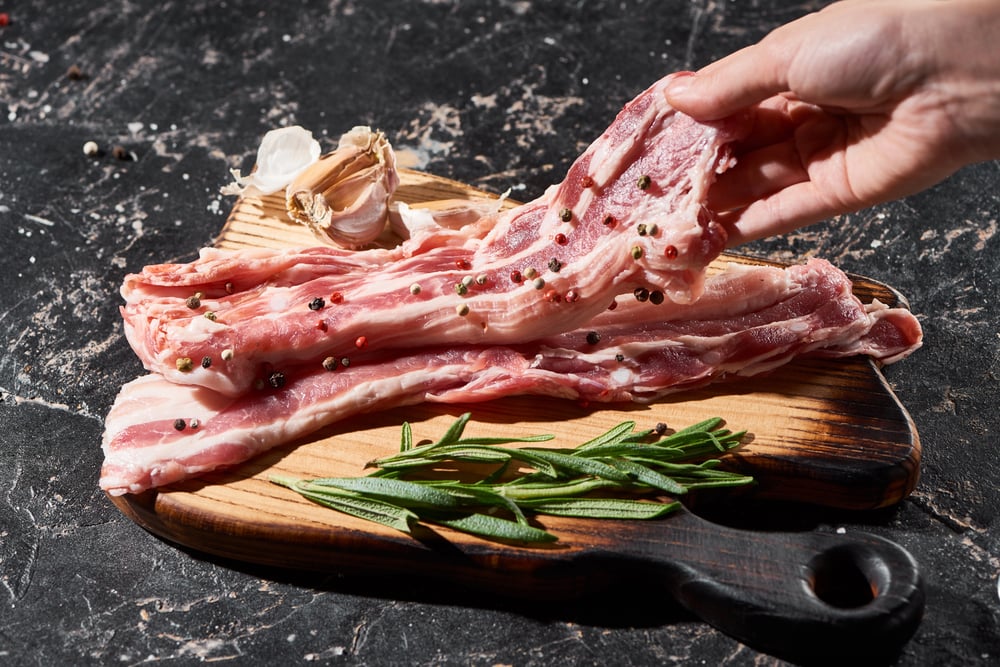
In ancient Hawaii, pork from pigs was kapu (forbidden) to anyone except ali’i (royalty) and high priests. Common Hawaiians faced death if caught eating pork, especially women who were doubly forbidden from consuming it.
The royal pork prohibition was so strict that separate cooking houses had to be built for pig preparation to prevent contamination of commoners’ food. When Captain James Cook first arrived in Hawaii, natives initially believed he might be a god because he and his men openly ate pork without fear.
The kapu system controlling pork consumption was only abolished in 1819 when King Kamehameha II publicly shared a meal with women, deliberately breaking the ancient royal food restriction.
Pomegranates
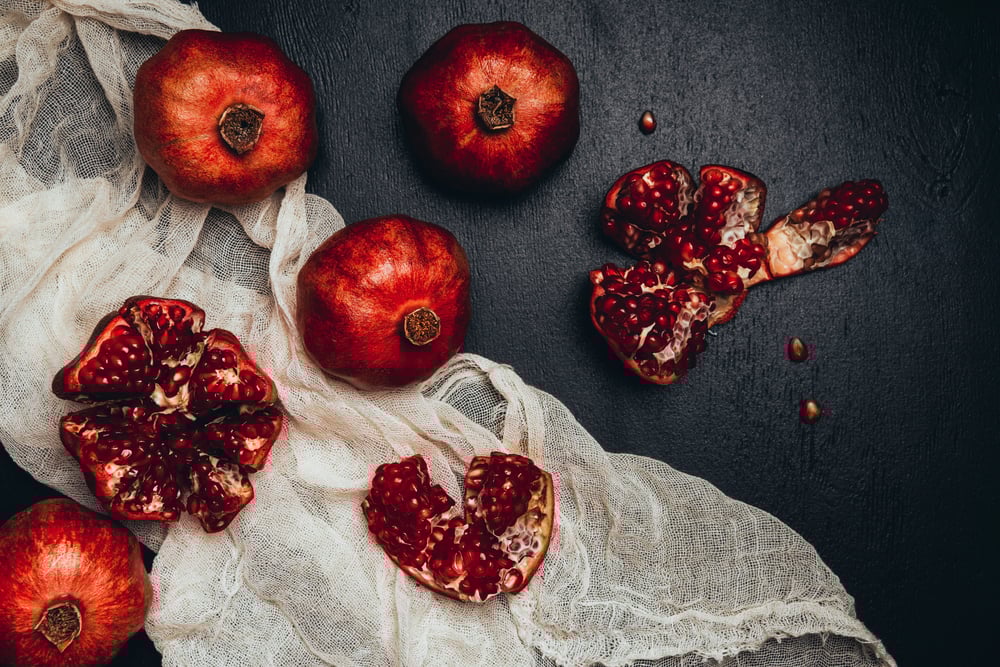
Persian royalty claimed exclusive rights to pomegranates for centuries, with palace gardens containing special varieties never seen by commoners. The fruit was so closely associated with royal power that crowns were designed to resemble the pomegranate’s distinctive shape.
In ancient Egypt, pharaohs were buried with pomegranates to nourish them in the afterlife. Tutankhamun’s tomb contained vessels shaped like pomegranates filled with the residue of the actual fruit. Royal monopolies on pomegranates were so complete that in some regions, the word for the fruit translated literally as “royal seeds” or “king’s fruit” in local dialects.
From Royal Tables to Common Kitchens

These once-exclusive foods demonstrate how dramatically our relationship with ingredients has transformed over centuries. Foods that previously symbolized royal power have become accessible through global trade, agricultural innovation, and social revolution.
The democratization of these ingredients represents one of history’s greatest shifts in material wealth.
Next time you casually enjoy these foods, consider that you’re dining on what kings and queens once jealously guarded as symbols of their divine right to rule.
The presence of these former luxuries in ordinary kitchens represents a revolution in human consumption patterns that would have been unimaginable to our ancestors.
More from Go2Tutors!

- The Romanov Crown Jewels and Their Tragic Fate
- 13 Historical Mysteries That Science Still Can’t Solve
- Famous Hoaxes That Fooled the World for Years
- 15 Child Stars with Tragic Adult Lives
- 16 Famous Jewelry Pieces in History
Like Go2Tutors’s content? Follow us on MSN.