15 Dark Theories About Disney Movie Endings
Disney movies end happily. The princess gets her prince, the hero saves the day, and everyone lives in harmony.
Roll credits, go home satisfied. But spend enough time on the internet and you’ll find people who looked at those happy endings and saw something else.
They noticed details that don’t quite add up, themes that feel darker than Disney intended, and implications the studio hoped you wouldn’t think about too hard.
Some of these theories are genuinely unsettling. Others are creative reinterpretations that change how you see the story.
A few are probably what the writers actually meant but couldn’t say out loud in a kids’ movie.
The Genie Never Gets Free
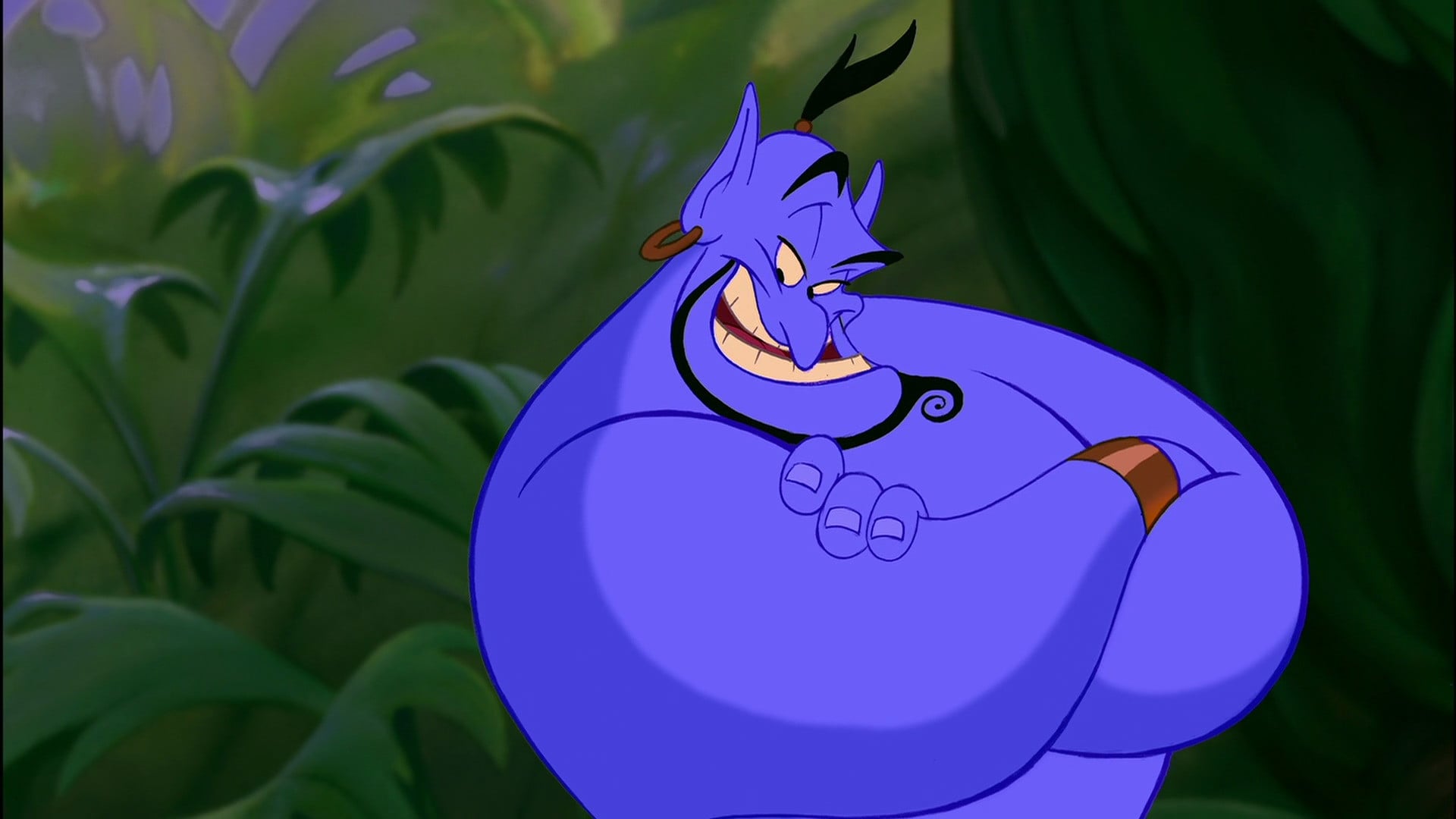
Aladdin’s third wish frees the Genie from the lamp. He gets smaller, loses his cosmic powers, and becomes mortal.
The movie treats this as a happy ending. But the Genie spent 10,000 years as an all-powerful being.
Now he’s stuck in a fragile human body that will age and die. He gave up immortality and near-unlimited power to become ordinary.
The theory suggests the Genie didn’t realize what he was asking for. Freedom sounded good after millennia of servitude, but mortality is its own kind of prison.
He traded one form of captivity for another—this time trapped in linear time with an expiration date.
Ariel Loses Her Soul
The Little Mermaid makes a deal with Ursula. She gets legs but loses her voice.
When Ursula transforms Ariel, there’s a moment where her spirit seems to separate from her body. The theory says Ariel didn’t just lose her voice.
She lost part of her soul. The sparkly magical moment shows her essence being pulled out and trapped.
Even after defeating Ursula, that piece never fully returns. The Ariel who marries Eric isn’t complete.
She’s missing something fundamental that made her who she was. She wanted to be human so badly that she sacrificed what made her herself.
King Triton giving her legs permanently doesn’t fix what Ursula took.
Beauty and the Beast Is Stockholm Syndrome
Belle gets imprisoned by the Beast. He’s violent, controlling, and temperamental.
She fears him initially. Then she falls in love with him.
The movie frames this as Belle seeing past his exterior to the good person inside. The theory says it’s textbook Stockholm syndrome.
Belle develops feelings for her captor as a survival mechanism. The Beast holds her father prisoner, trades Belle’s freedom for his, and keeps her locked in a castle.
He has anger issues and smashes furniture when frustrated. The servants enable his behavior.
Belle’s love doesn’t heal him—it rewards him for keeping her captive long enough for her to stop resisting.
Simba Never Recovers from Trauma
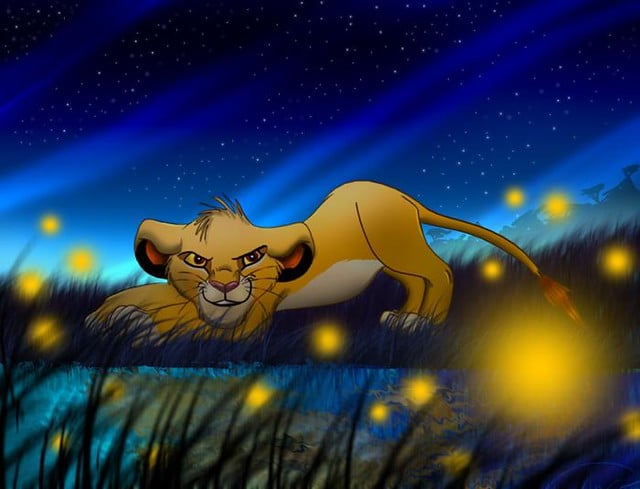
The Lion King shows Simba watching his father die, getting blamed for it, and spending years believing he’s responsible for Mufasa’s death. Then he goes back, defeats Scar, and becomes king.
Problem solved. Except childhood trauma doesn’t resolve that easily.
Simba spent his formative years carrying guilt for his father’s death while living in exile. That kind of psychological damage doesn’t disappear because you win a fight.
The theory suggests Simba’s ending isn’t happy. He’s a traumatized adult taking on massive responsibility while dealing with unprocessed grief and PTSD.
The movie ends right when his real problems begin. Leading with pride while struggling with the emotional aftermath of everything that happened seems like a setup for failure.
Elsa Stays Isolated

Frozen ends with Elsa controlling her powers and opening the gates. She’s no longer hiding.
The kingdom accepts her. Everything seems resolved.
But Elsa spent her entire childhood and adolescence in isolation, terrified of herself. That level of loneliness and self-hatred doesn’t heal because people throw a party.
She still has powers that can kill people if she loses control. The theory says Elsa’s ending is sad.
She’s still fundamentally alone because nobody can truly understand what she experiences. Her powers make her different in ways that create permanent distance between her and everyone else, including Anna.
Opening the gates is symbolic, but it doesn’t change the fact that she’s still isolated by her abilities.
Rapunzel’s Trauma Defines Her Future
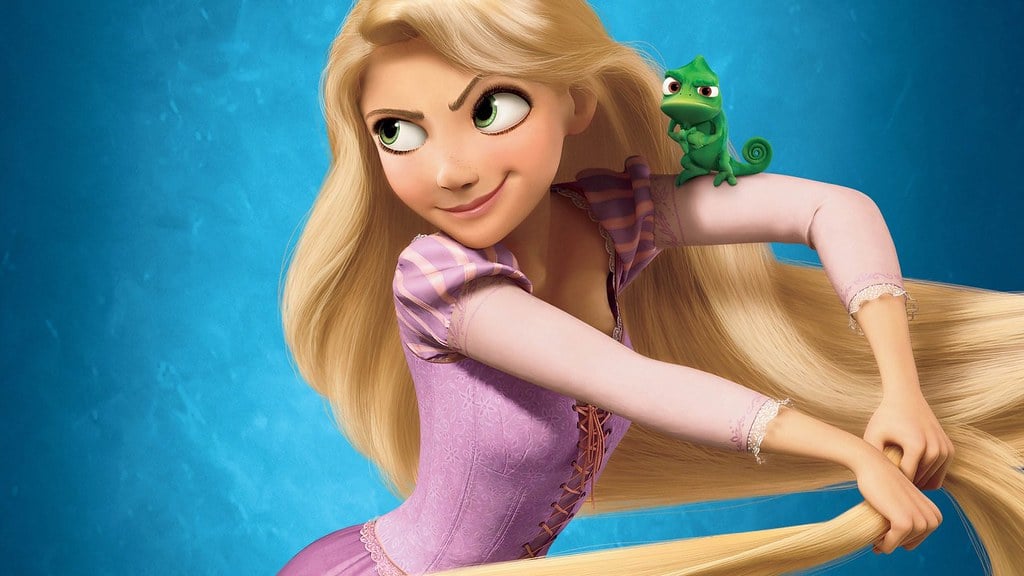
Tangled ends with Rapunzel reuniting with her parents and marrying Eugene. Happy ending.
But the movie glosses over the fact that she spent 18 years being emotionally abused and manipulated by Mother Gothel. The theory points out that Rapunzel has no real-world experience, no education beyond what Gothel gave her, and no understanding of healthy relationships.
She leaves the tower and immediately trusts a criminal who stumbled into her life. Her entire personality was shaped by an abuser.
The real Rapunzel—whoever she might have been without that trauma—never got to develop. She married Eugene after knowing him for maybe a week.
That’s not romance. That’s someone with no frame of reference for healthy attachment latching onto the first person who showed her attention.
The Toys Know They’re Going to Die

Toy Story 3 almost ends with the toys accepting death in the incinerator. They hold hands and prepare to burn.
They get saved at the last second, but that moment reveals something dark. The toys are fully aware of their mortality.
They know they can be destroyed. They know they’ll eventually be discarded or forgotten.
Every moment of happiness exists against the background knowledge that its existence depends on a child’s continued interest. Andy giving them to Bonnie delays the inevitable. Bonnie will grow up too.
The toys will keep getting passed along until they break or get thrown away. They’re conscious beings living in a cycle where their purpose is to be used and eventually discarded.
The happy ending is temporary at best.
Nemo Never Existed
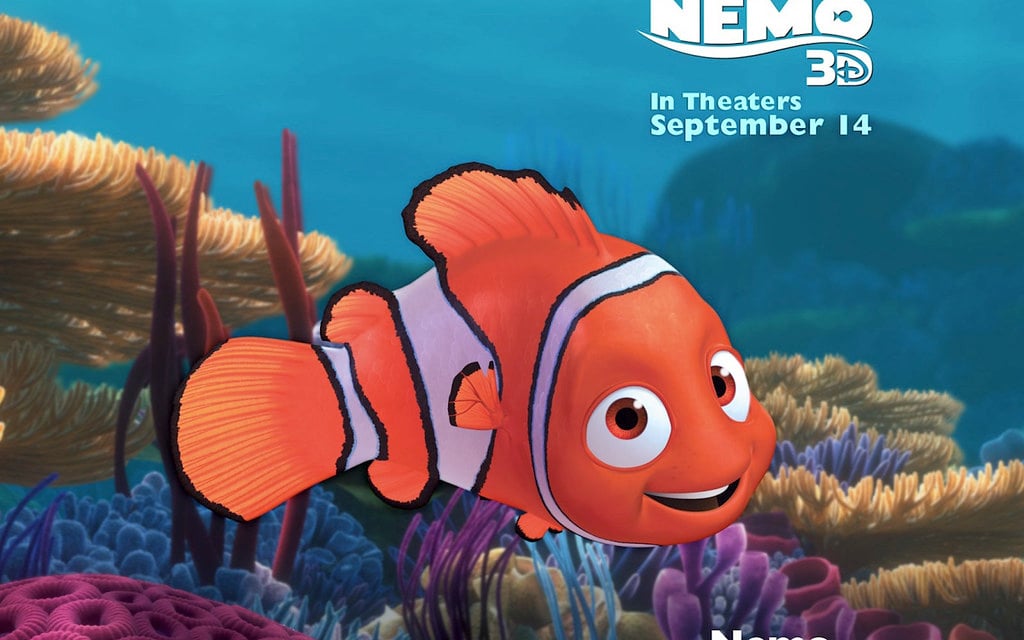
Finding Nemo is about a father searching for his lost son. But the theory suggests Nemo died with his mother and siblings in the barracuda attack at the beginning.
Marlin’s journey is his grief process. Nemo means “nobody” in Latin.
Marlin is searching for nobody—trying to find a son who doesn’t exist because he can’t accept the loss. Dory has memory problems, which work as a metaphor for how grief makes you lose yourself.
Every character Marlin meets represents a stage of grief. The sharks are angry.
The jellyfish are painful. The whale is accepted.
When Marlin “finds” Nemo at the end, he’s finally accepting that his son is gone and learning to let go.
Carl Dies at the Beginning of Up
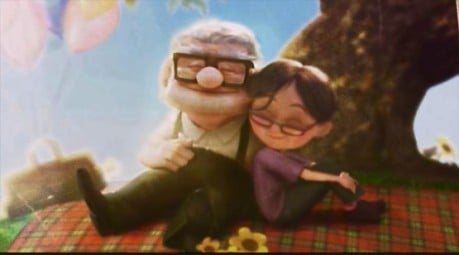
The opening sequence of Up shows Carl and Ellie’s life together. It ends with Ellie dying.
Then the house lifts off and Carl begins his adventure. The theory says he dies right after Ellie’s funeral.
The balloons, the talking dogs, the floating house—none of it is real. Carl had a heart attack or died in his sleep.
The entire adventure is his dying dream or his experience in the afterlife. Paradise Falls represents heaven.
Russell is his guide. The journey lets Carl resolve his regrets about never taking Ellie on the adventure she wanted.
When the house settles at the falls at the end, that’s Carl’s spirit finding peace. The version of him that returns home is already dead.
Aurora Never Wakes Up

Sleeping Beauty has Aurora pricked by the spinning wheel and falls into an enchanted sleep. The prince’s kiss supposedly wakes her.
The theory says it doesn’t. Aurora is in a coma.
Everything after the spinning wheel is her dying brain creating a narrative. The prince, the battle with Maleficent, the happy ending—all of it happens in her mind as she slips away.
The original fairy tale has much darker elements that Disney softened. This theory suggests they didn’t soften it enough.
Aurora’s sleep is permanent. The ending is what she imagines while trapped in her own fading consciousness.
Cinderella Stays in the Abuse Cycle
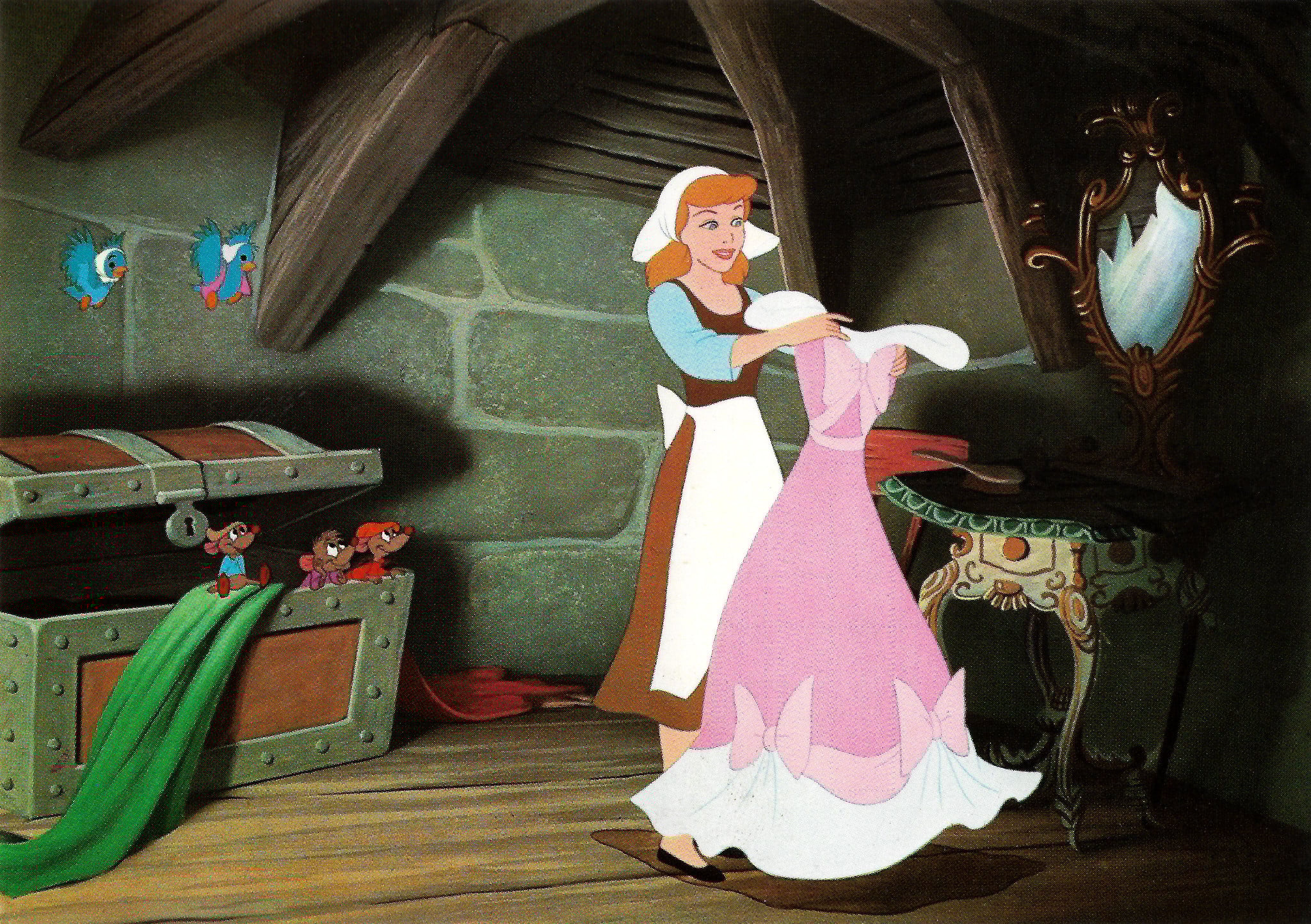
Cinderella escapes her stepmother and stepsisters by marrying the prince. The theory questions whether she actually escapes anything.
She goes from one controlling household to another. The prince chose her based on appearance after one evening together.
She has no education, no skills beyond housework, and no experience beyond abuse. The palace is just another cage.
Medieval royal marriages were about politics and producing heirs. Cinderella has no power in this arrangement.
She traded one form of servitude for another that looks prettier but functions the same way. The stepmother was cruel.
The palace is just more sophisticated about it.
Peter Pan’s Lost Boys Are Dead Children
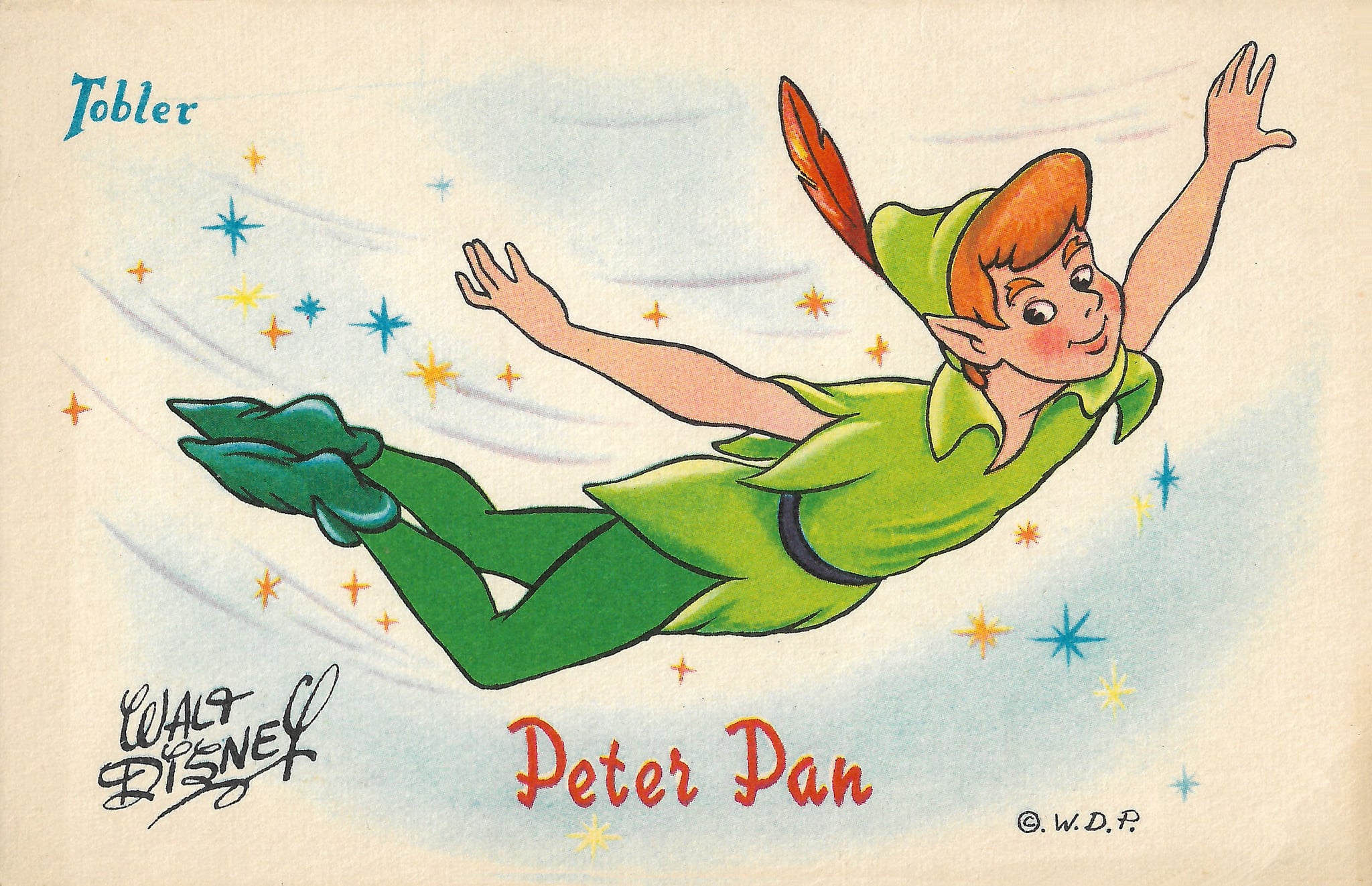
Peter Pan takes children to Neverland where they never grow up. The theory says never growing up means being dead.
Neverland is the afterlife for children who died young. Peter Pan is a psychopomp—a guide who leads souls to the afterlife.
The Lost Boys died and Peter brought them to Neverland. Wendy and her brothers nearly die in the nursery. That’s when Peter appears.
The whole adventure is their near-death experience. When Wendy chooses to go home, she chooses life.
The boys who stay in Neverland remain dead. Peter keeps bringing more children because death keeps happening.
The pirates represent another aspect of the afterlife. The crocodile with the clock represents time running out.
Pinocchio’s Transformation Is Body Horror
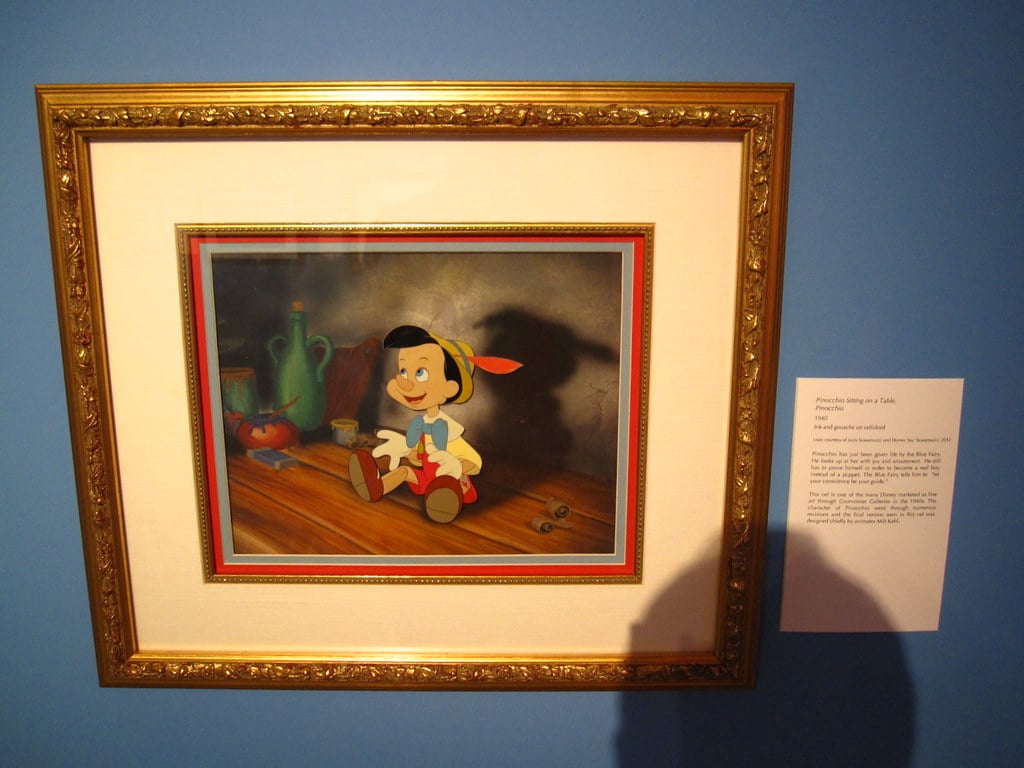
A puppet carved from wood wishes for skin, for breath. Should the night sky decide to reply, he walks – flesh beneath a borrowed face.
That thought? It claws at what shifting really means. What seems finished could already be beginning.
He moves like a pulled thread, noticing each sound nearby. Yet once things shift, clarity holds even as flesh begins to lead.
Warmth replaces broken wood – pulsing blood, ache after impact. Night brings need, stomach pulling him awake.
Liquid settles in places it didn’t reach yesterday. Suddenly, time weighs more heavily when the skeleton loses its firmness.
Now the world pushes against you – more intense, more real. Alive now, inside a body, he swaps infinite threads for breakable skin.
With each breath, danger creeps close – something that never happened before. Illness hovers nearby, while minutes tug at his frame. The reply comes, but drawing actual air feels like giving something up.
Pain shows up more often now. To be intact is to hold cracks inside.
A hush moved between moments just as the spell began. Tall he stands, Pinocchio, certain the world has shifted somehow.
But under his smile hides years of strain, cracking, and wearing thin. That victory once bright now grips him, stiff and familiar, much like a frayed cord pulled too long.
Snow White’s Ending Is Deeply Disturbing

Waking happens after a kiss from the prince, though Snow White feels nothing at the time. Marriage follows quickly, just like that.
Some see trouble in this sequence of events. Sleeping, Snow White lies still.
Without permission, the prince leans down to kiss her. This act appears sweet on screen.
Yet it suggests something darker – a man touching a woman who cannot respond. A quiet body becomes an invitation, in the story’s eyes.
Strangers are allowed when someone can’t say no. Right away, she ends up marrying him.
For months, she had shared a cottage with seven small men deep in the woods. This prince? He showed up out of nowhere, leaned down, and kissed her even though she could not respond.
Somehow, the story frames this moment like everything worked out just fine. According to one idea, Snow White simply trades one odd captivity for another, without ever really choosing anything at all.
Moana Dies in the Storm

A wave smashes Moana’s canoe before she even reaches open water. Stranded on an unfamiliar land, she meets someone named Maui.
Some believe she never made it ashore at all. After the wreck, it all slips into what she sees while letting go.
Not solid ground – this island floats in thought alone. Maui appears not as legend but as one who leads souls when breath fades.
Returning the heart? That act becomes her quiet release before vanishing. She moves through waves that feel alive, guiding her steps without words.
Not by chance – this pull comes from water rising to meet who she is. Underneath the surface, where creatures wait, every breath sinks deeper into what cannot be undone.
To give back the heart is to stop resisting what was always meant to happen. She walks back toward land, though only her voice remains tied to the living.
When Magic Fades Into Implications

Bright shades catch your eye right away. Not long after, music jumps out loud.
Emotion climbs up as reason steps aside. Bit by bit, worries slip under cheerful faces.
The plot races ahead, filling quiet spots where thoughts could start. When people started questioning, these thoughts took root.
Darkness falls across the display – then what shows up? Without daily routines holding things together, where do those links lead?
Hurting inside changes everything – mood, choices, reactions shift without warning. Warm after a movie?
The studio planned that. Ending on joy, love winning, villains falling – these stay with you by design.
Most guesses fans make probably ignore what matters. A feeling lingers for a reason.
A story never stays inside its lines. What someone brings with them colors every scene.
If pain has touched your life, Simba hits differently. When control feels like home, the Beast’s cage might look less like cruelty – more like comfort.
Love doesn’t always feel like an answer when you’ve lived through worse. Even so, hazy theories linger by giving slight stories extra heft.
While many movies skip messy realities, these notions include them anyway. Given that kids grasp hard concepts, certain renditions open the door.
Things do not always break just because we notice them differently today. From what once seemed flat, depth begins to rise.
Savor that glowing ending, even if actual days rarely close so cleanly. Truth finds room inside wonder without tearing anything down.
Sharing space comes naturally – neither one needs to win. Disney keeps the happy endings.
Outside that world, doubts spread on what comes next.
More from Go2Tutors!

- The Romanov Crown Jewels and Their Tragic Fate
- 13 Historical Mysteries That Science Still Can’t Solve
- Famous Hoaxes That Fooled the World for Years
- 15 Child Stars with Tragic Adult Lives
- 16 Famous Jewelry Pieces in History
Like Go2Tutors’s content? Follow us on MSN.