16 Places Teens Hung Out Before Phones Changed Everything
When socializing meant going somewhere, do you recall? Teenagers used to congregate in real places to interact, laugh, and make memories before smartphones turned into handheld devices. These gathering places were cultural institutions that influenced generations, not just locations.
The digital revolution has fundamentally transformed how young people interact. Here is a list of 16 places where teens congregated before mobile devices became the default entertainment center.
The Mall
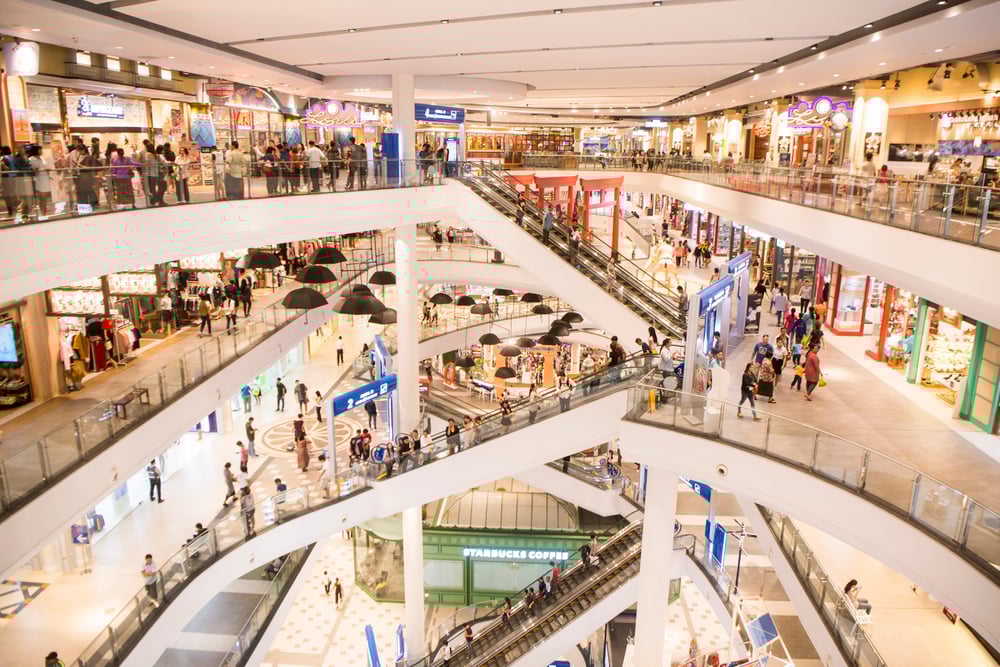
The mall wasn’t just a collection of stores—it was the ultimate teen territory. Kids would spend entire Saturdays wandering from store to store, trying on clothes they couldn’t afford and gathering in the food court with minimal purchases to justify taking up table space for hours.
Mall culture became so embedded in American teenage life that entire movies and TV shows were set against the backdrop of these commercial cathedrals.
Roller Rinks
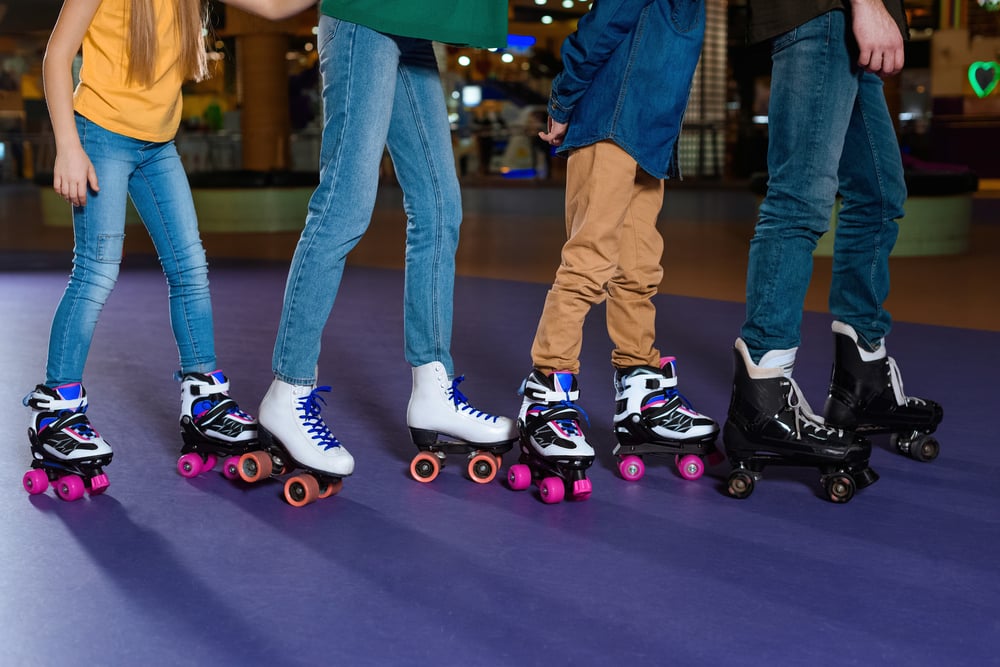
The combination of music, motion, and mood lighting made roller rinks the perfect place for awkward teen interactions. Weekend nights at the local rink meant circling endlessly to pop hits, holding hands during couples skates, and showing off spins and tricks for anyone watching.
The distinct smell of rental skates and concession stand nachos created a sensory experience impossible to replicate on any digital platform.
Like Go2Tutors’s content? Follow us on MSN.
Video Arcades
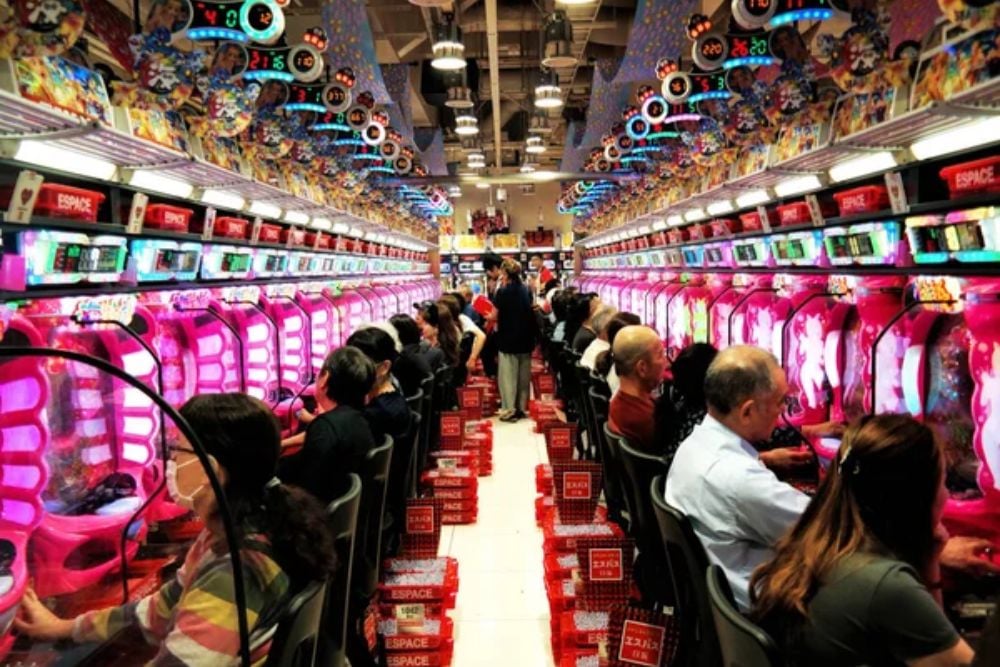
Before gaming meant sitting alone in your bedroom with a headset, it was standing shoulder-to-shoulder at cabinets pounding quarters into Galaga, Street Fighter, or Pac-Man. Loud, chaotic environments where reputation was created on high scores and talent were arcades.
Sticky floors and low lighting generated a mood of excitement where friendships grew around shared gaming experiences and friendly rivalry.
Record Stores
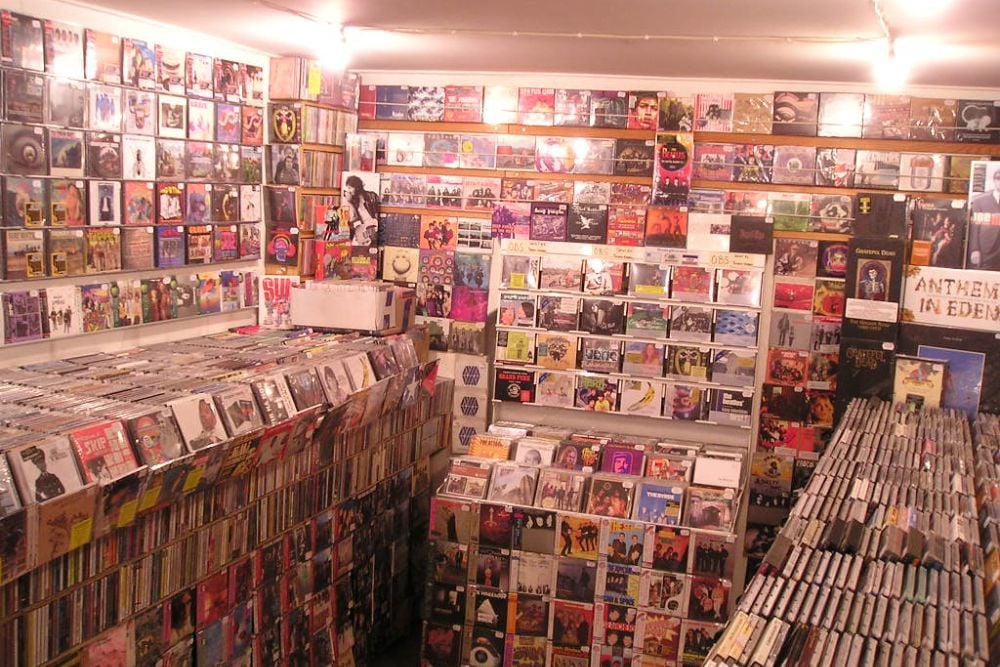
Teens would spend hours flipping through vinyl, tapes, or CDs, reading liner notes, and discovering new music through recommendations from often intimidatingly cool store clerks. Record stores were more than retail spaces—they were cultural hubs where musical tribes gathered, opinions were shared, and identities were formed.
First dates often happened while browsing through favorite bands’ collections, with purchases serving as personality statements.
Drive-In Theaters
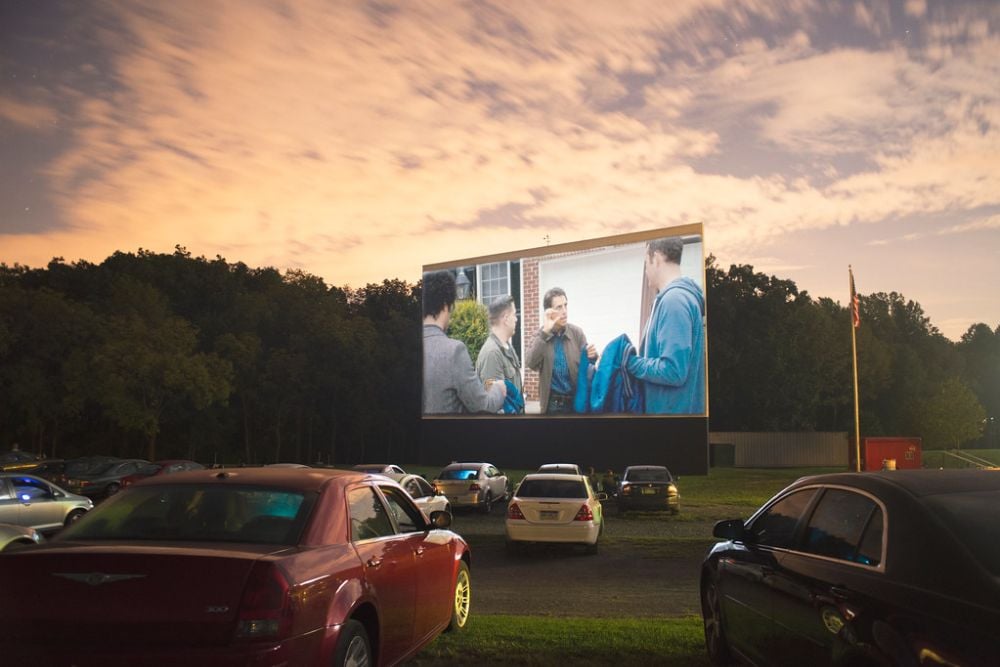
The drive-in offered the perfect balance of parental-approved entertainment and teenage independence. Families arrived in separate cars, with teens eventually migrating to hang with friends, sitting on hoods and tailgates under the stars.
The tinny sound from window-mounted speakers couldn’t compete with today’s digital surround systems. Still, the experience of outdoor movies created a magical, communal viewing experience impossible to replicate at home.
Like Go2Tutors’s content? Follow us on MSN.
Diners
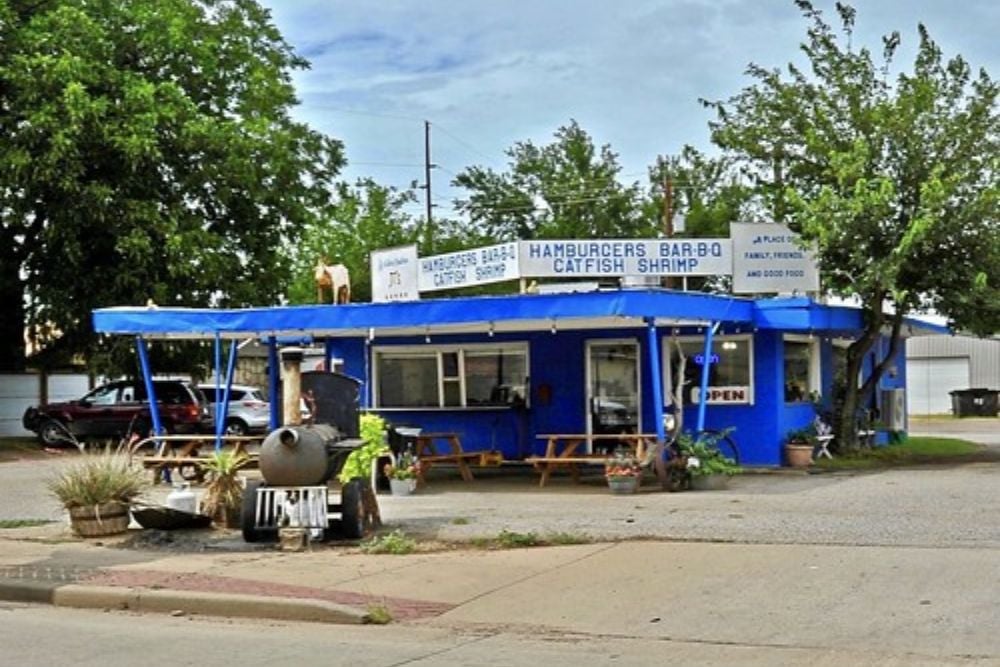
The local diner provided the perfect after-school or late-night gathering spot with its bottomless coffee refills and patient waitstaff. Teens would squeeze into booths, sharing massive plates of fries while discussing everything from relationship drama to existential crises.
The affordability made these establishments accessible to nearly everyone, creating democratized social spaces where hours could pass around a couple of milkshakes.
Basement Rec Rooms

The teen whose parents had a finished basement with minimal supervision instantly became the social coordinator for their friend group. These underground kingdoms, often decorated with posters, old couches, and perhaps a ping-pong table, hosted everything from band practices to movie marathons.
The semi-private nature of basement hangouts allowed for slightly more freedom while still existing under parental radar.
Bowling Alleys
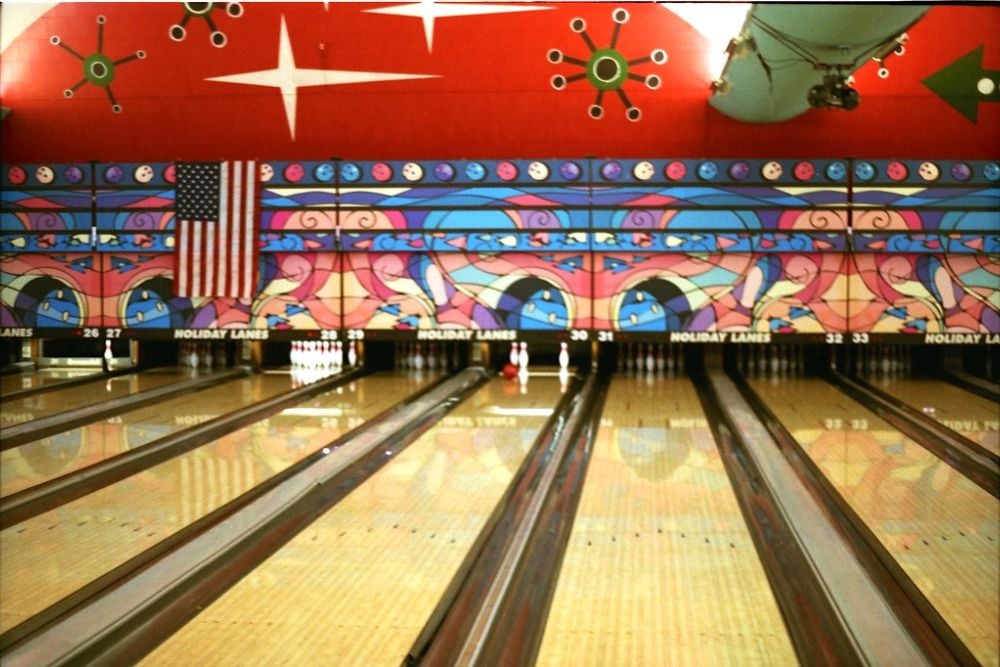
The combination of activity, food, and social space made bowling alleys perfect teen magnets. The satisfying crash of pins, automatic scoring systems, and neon lights created an atmosphere where even terrible bowlers could have fun.
Bowling wasn’t really about the game anyway—it was about sharing rental shoes, choosing the perfect ball, and figuring out whose name got the funniest abbreviation on the scoreboard.
Like Go2Tutors’s content? Follow us on MSN.
Public Swimming Pools
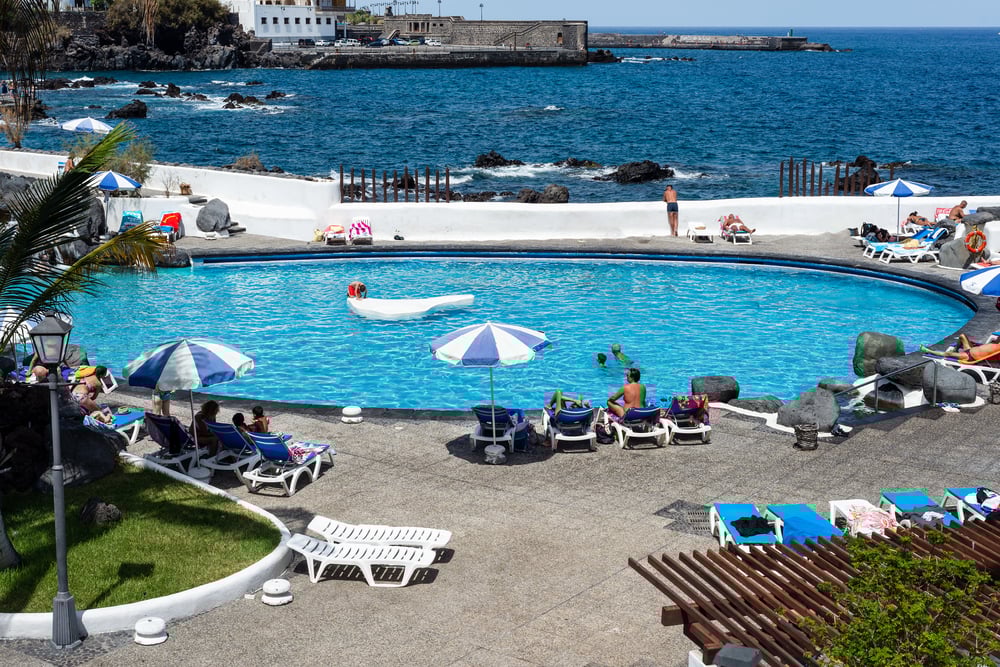
Summer meant freedom, and public pools were its headquarters. Teens would arrive early to claim prime deck real estate, alternating between cannonballs and careful sunbathing.
The pool created a unique social dynamic where showing off and hanging out merged seamlessly under the watchful eyes of often-annoyed lifeguards. For many young people, the community pool served as summer’s unofficial meeting ground.
Parking Lots
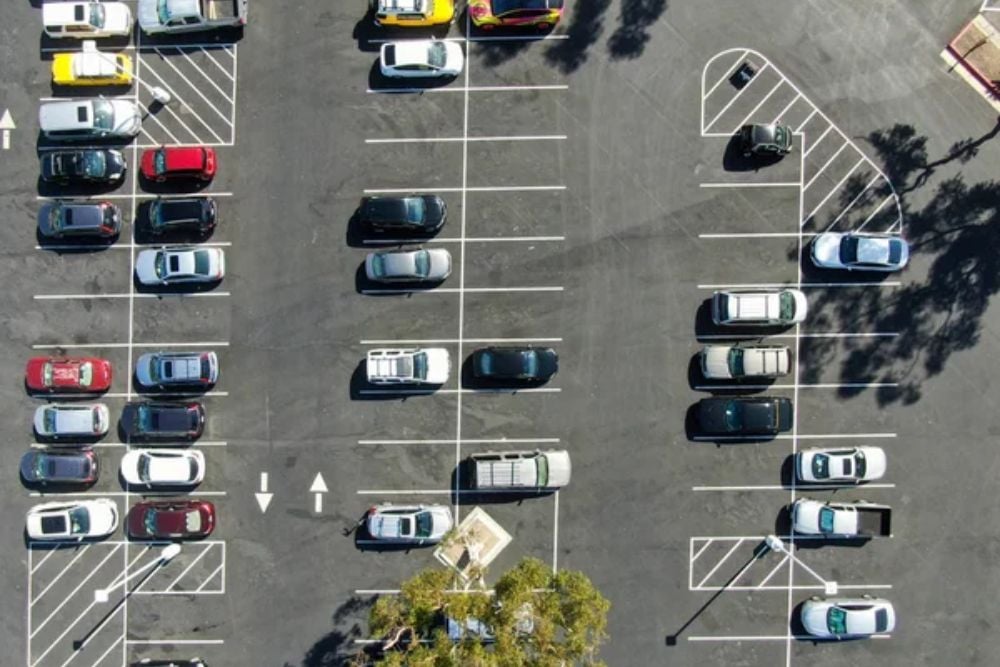
Any empty parking lot could transform into an impromptu teen center after hours. School lots, shopping centers, and fast food restaurants unwittingly provided concrete plazas where kids would gather around cars, sitting on hoods and tailgates while music played from vehicle speakers.
The versatile, no-cost nature of parking lot hangouts made them democratic spaces accessible to everyone regardless of economic status.
Comic Book Shops
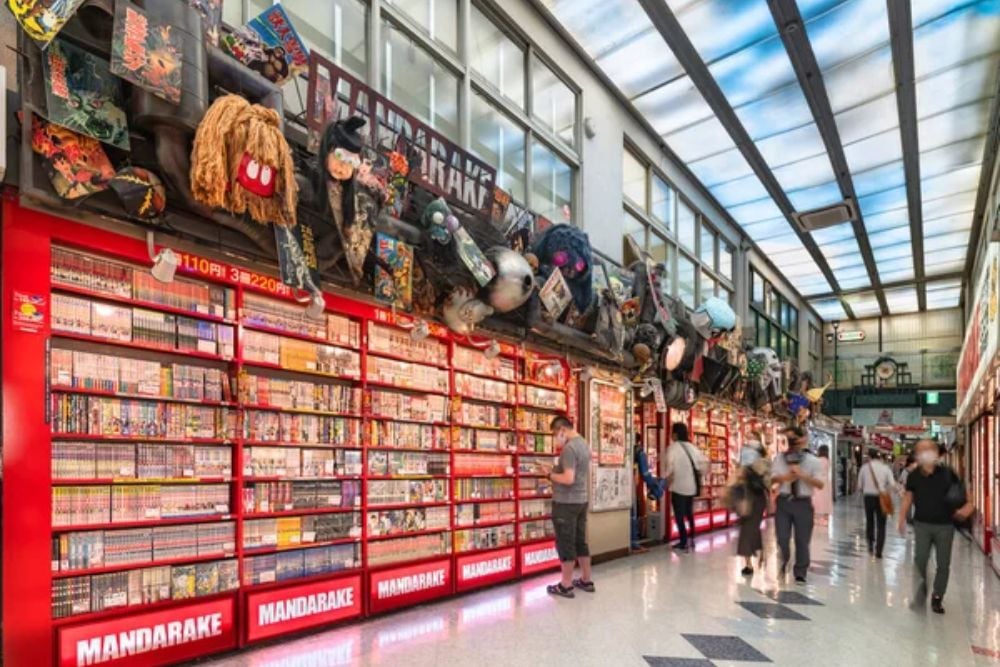
For a certain subset of teen culture, the local comic shop offered sanctuary. Long before superheroes dominated mainstream entertainment, these specialty stores created community spaces for young people interested in comics, gaming, and fantasy worlds.
On Wednesday, new comic day, regulars would debate storylines and artist changes while forming friendships based on shared enthusiasm for fictional universes.
Like Go2Tutors’s content? Follow us on MSN.
Public Libraries
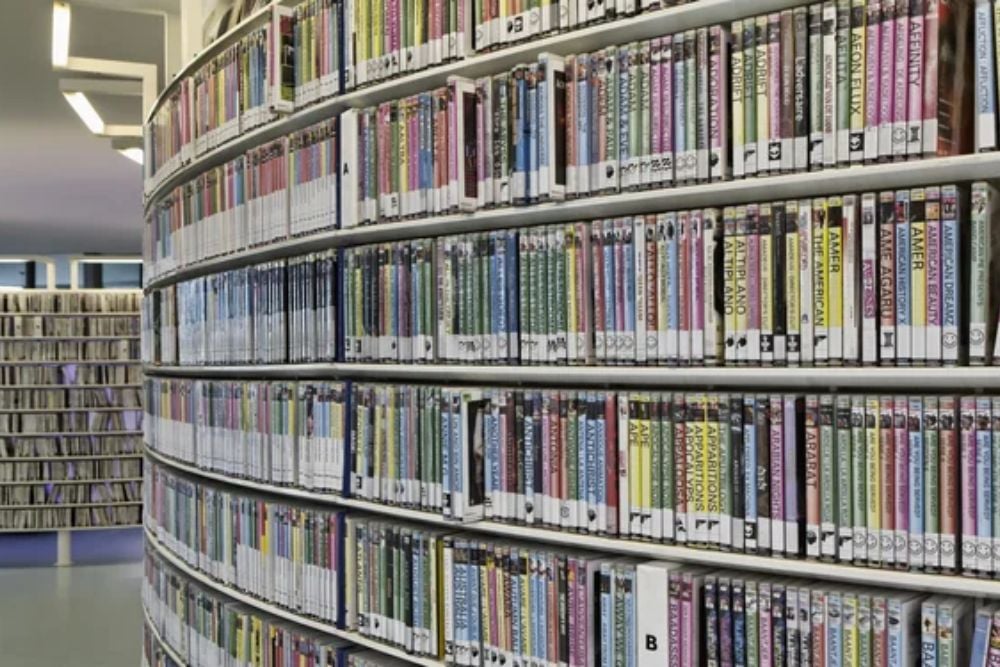
Not all teen hangouts were loud or commercial. Libraries offered free climate-controlled spaces with comfortable seating and a low-pressure social environment.
Students would gather after school to tackle homework together, research using encyclopedias (pre-Wikipedia), or just find quiet corners to read and talk. For teens with limited resources or chaotic home lives, libraries provided essential third spaces with helpful adult mentors.
Skate Parks
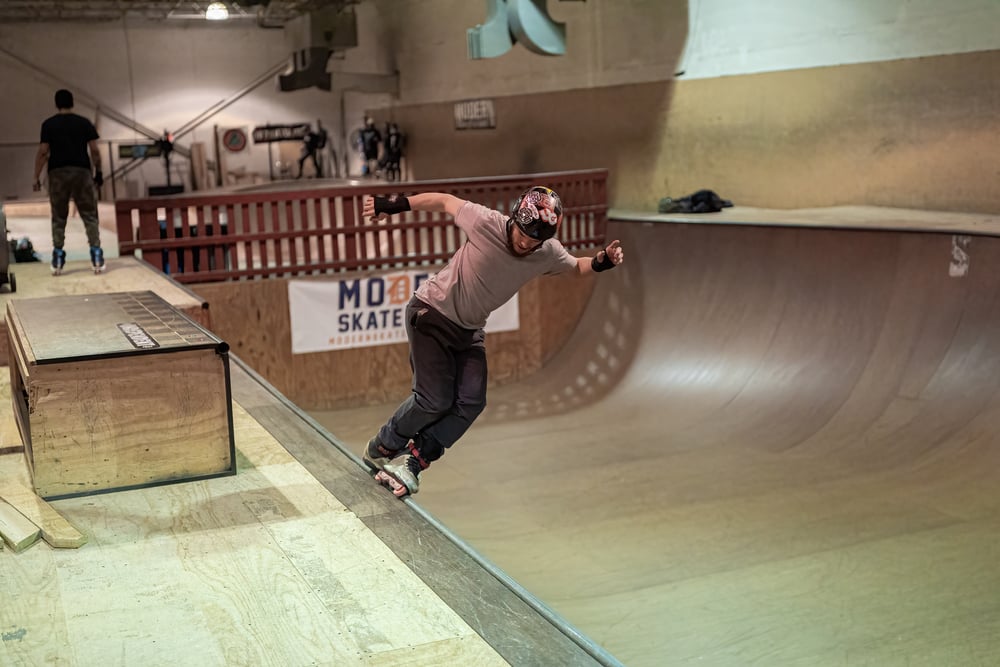
Purpose-built or improvised, skate parks served as both performance venues and social hubs for skateboarding culture. These concrete playgrounds fostered unique communities where skill development happened organically and older teens mentored younger ones.
The physical nature of skateboarding created immediate topics of conversation and shared experiences as tricks were attempted, failed, and eventually landed to appreciative audiences.
Fast Food Restaurants

The affordability and informal atmosphere of fast food establishments made them perfect teen territories. Places like McDonald’s and Taco Bell offered the perfect combination of cheap food, free refills, and minimal pressure to leave quickly.
Weekend nights would find booths packed with teenagers extending one-dollar purchases into hours of conversation, with patient employees eventually asking them to make another small purchase or move along.
Like Go2Tutors’s content? Follow us on MSN.
Local Shows and Concerts
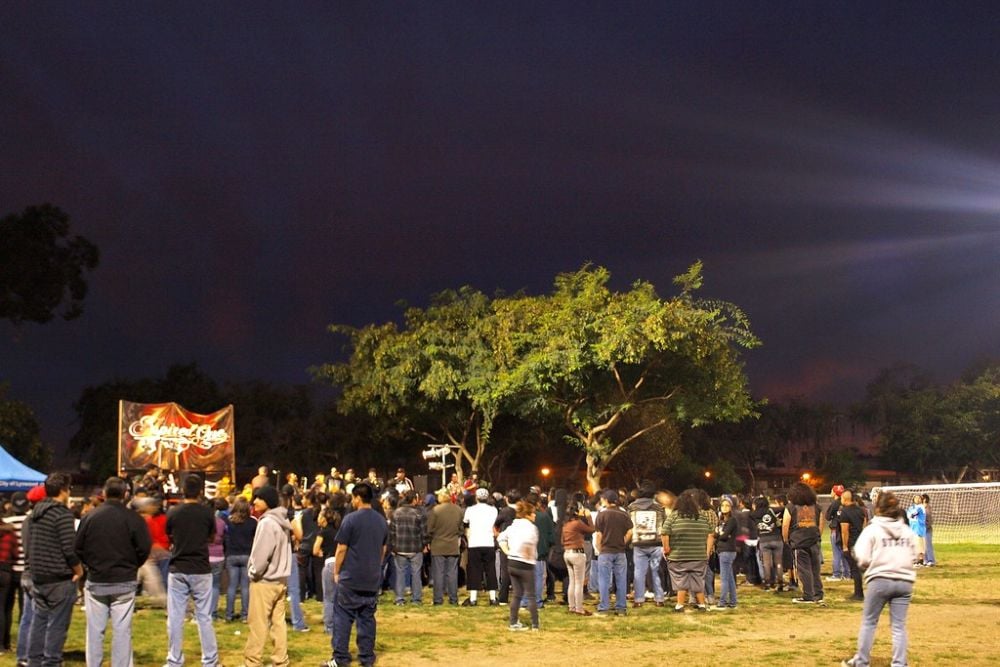
Before streaming music, experiencing bands meant showing up in person. All-ages shows at community centers, church basements, or small venues created formative experiences for teenage music fans.
The raw energy of local bands performing for friends created powerful social bonds, with teens discovering new music through physical presence rather than algorithms. These shows required actual participation instead of passive consumption.
Video Rental Stores
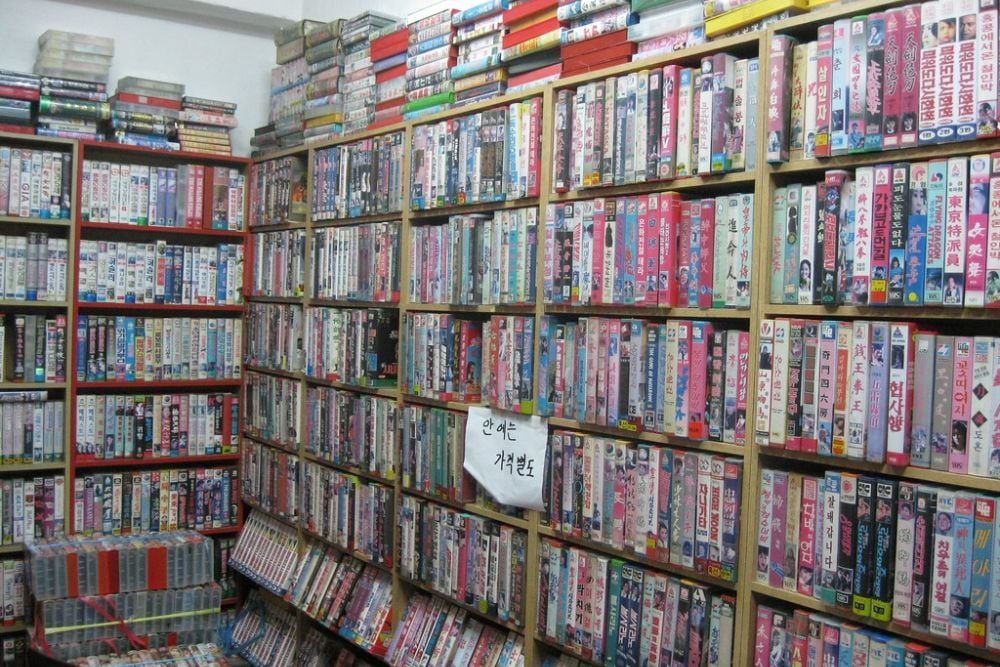
Friday night rituals often centered around the collective decision-making process of choosing movies at the local video store. Friends would wander aisles debating selections, reading back covers, and negotiating compromises between different tastes.
The shared anticipation of a chosen film and the responsibility of returning it (rewound, hopefully) created small social contracts and shared experiences that streaming services can’t replicate.
The Digital Transformation
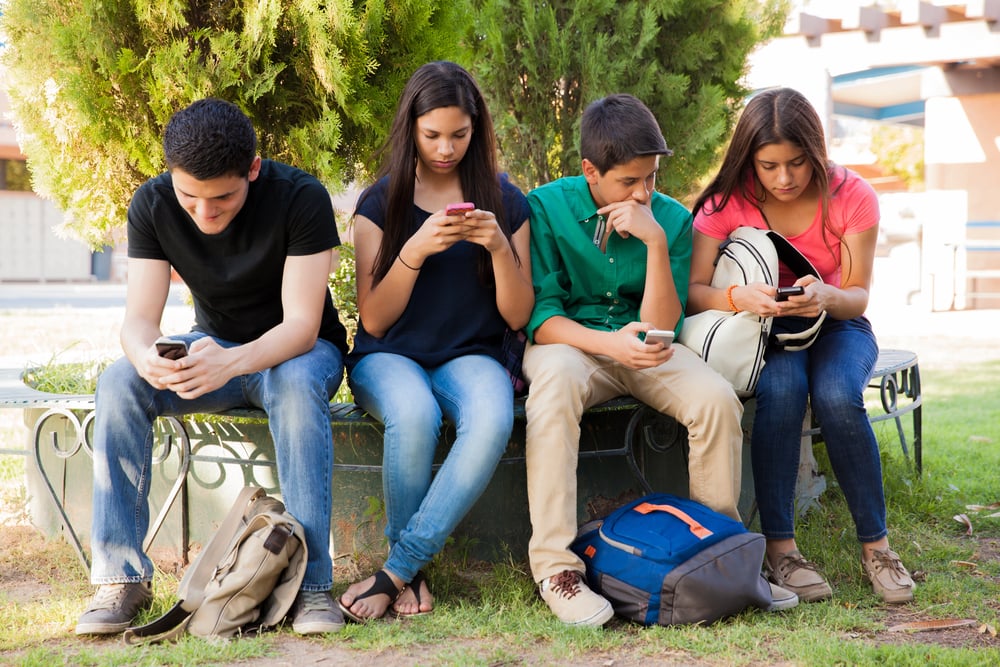
The places teens gather have changed dramatically, but the fundamental need for connection remains. Today’s digital spaces serve many of the same social functions as these physical locations once did. While smartphones have created new ways to connect, something intangible was lost when hanging out became more virtual than physical.
The disappearance of these communal spaces reflects broader cultural shifts beyond just technology. Economic pressures, safety concerns, and changing entertainment options have all contributed to different socialization patterns. Yet understanding these former gathering places provides insight into how community spaces shape adolescent development and social connection—something worth considering as we design both digital and physical environments for future generations.
Like Go2Tutors’s content? Follow us on MSN.
More from Go2Tutors!

- 18 Unexpectedly Valuable Collectibles You Might Have Lying Around
- 20 Little-Known Historical Battles That Had Huge Consequences
- 20 Historical Artifacts That Scientists Can’t Explain
- 15 Inventions That Were Immediately Banned After Being Created
- 20 Actors Who Were Almost Cast in Iconic Roles
Like Go2Tutors’s content? Follow us on MSN.