16 Police Equipment Innovations
Back in the day, being a cop was pretty stripped down. You’d walk your beat, maybe blow a whistle if something happened, and that was about it. Compare that to today, where officers are basically walking tech hubs.
But this isn’t just about adding fancy toys — some of these tools have actually reshaped how the job gets done.Policing had to change alongside society. The problems got more complex, more connected, and honestly, more dangerous.
Here are 16 pieces of gear that really shifted the landscape for law enforcement — for better or worse.
Two-way radios
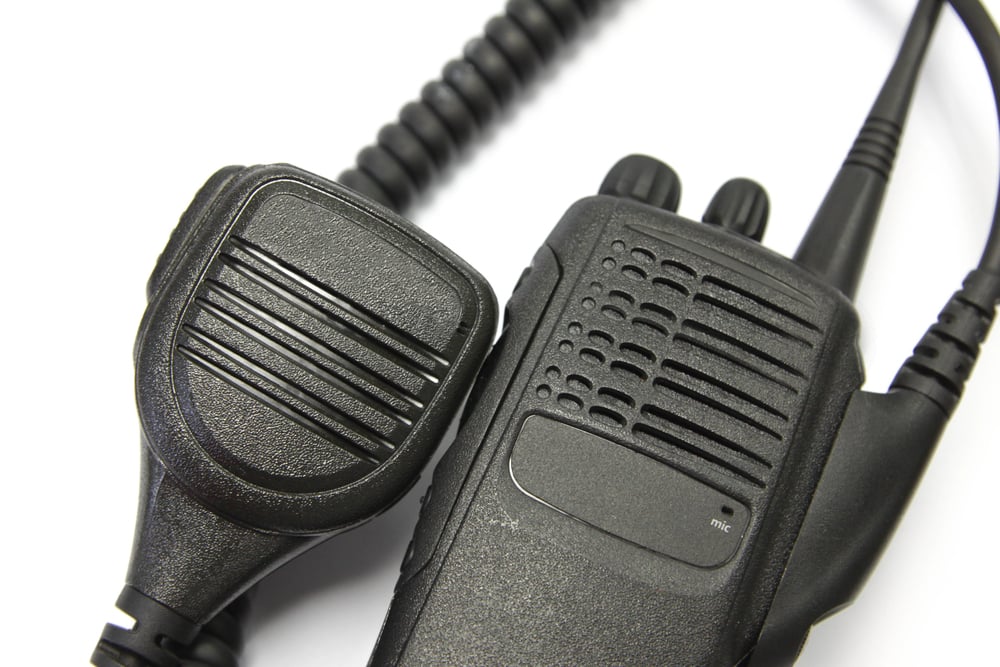
Before radios, things were messy. Imagine spotting a robbery, but you’ve got to sprint to a payphone, call in, then run back hoping the guy’s still there.
That’s how it used to be. When two-way radios came around in the ‘30s, it flipped the whole game.
Suddenly, officers didn’t have to leave a scene to get help or backup — they could just press a button. These radios didn’t just save time — they saved lives.
Body armor
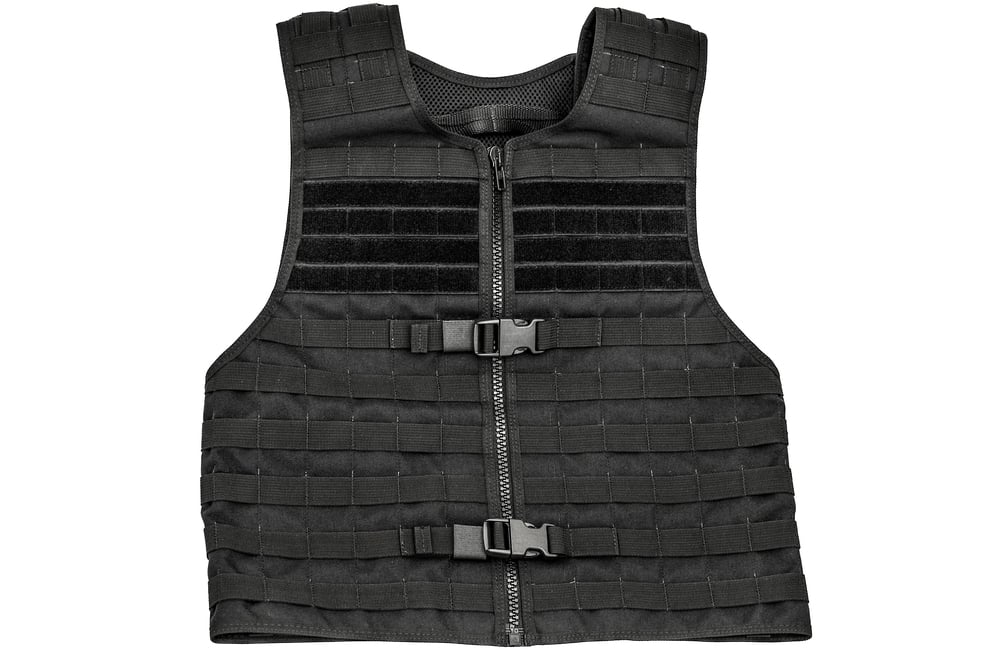
Early bulletproofing attempts were… let’s say, ambitious. Stuff like silk vests or heavy metal plates — not exactly practical.
Kevlar hit the scene in the 1970s and finally made protection wearable. It didn’t weigh a ton, didn’t make you a walking target, and most importantly, it worked.
Over time, the designs have improved to fit better, breathe easier, and stop more than just bullets.
Mobile data terminals
Before smartphones or tablets, there were these clunky computers stuffed into police cruisers. In the ’80s, that was cutting-edge.
Officers could run license plates, check for warrants, and message dispatch — all without tying up the radio. It might sound like no big deal now, but back then? Game-changer.
It helped bring faster decisions right to the front seat.
Dashboard cameras
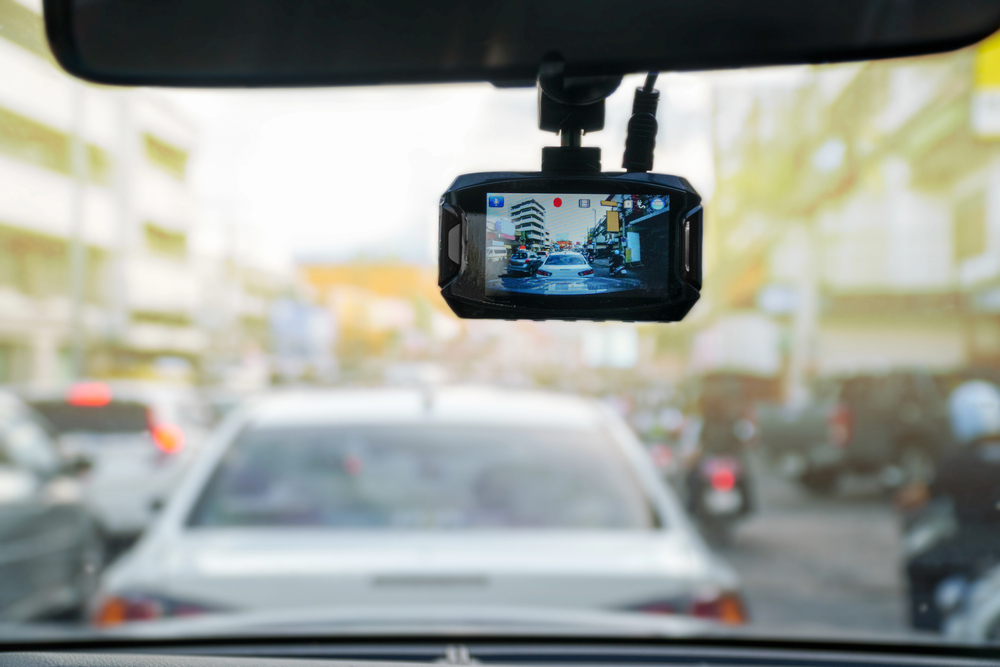
Those early dash cams were beasts — big, awkward, and always needing someone to swap the tape. But even those early versions were powerful.
They caught car chases, traffic stops, and helped settle disputes when stories didn’t match. These days, they’re sleek and automatic, but the original idea was simple: show what really happened.
In some cases, they became the only neutral witness.
Body-worn cameras
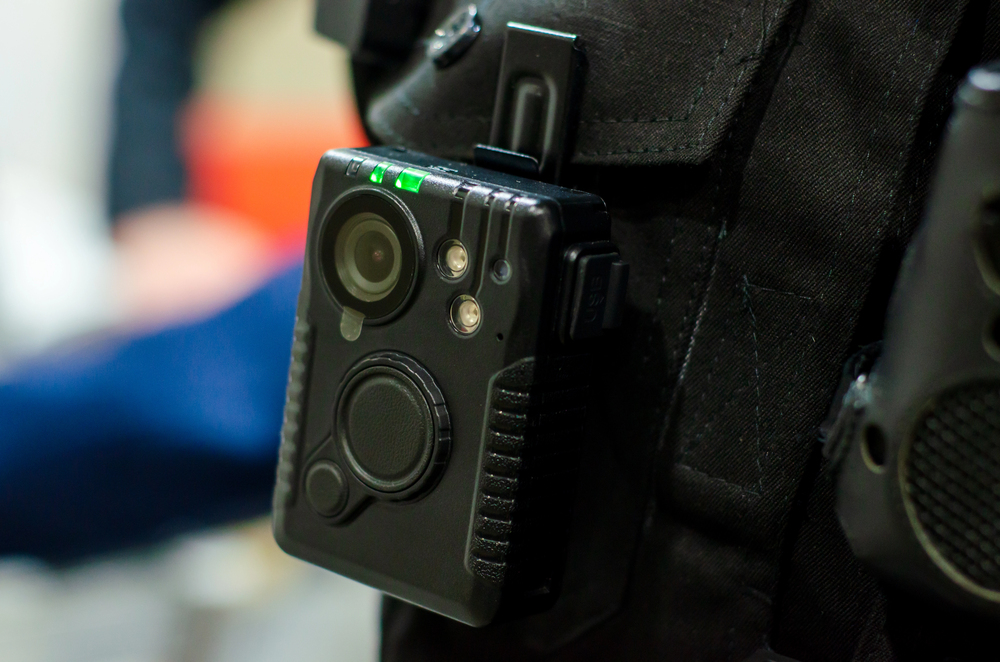
Dash cams couldn’t leave the car. Body cams fixed that.
Worn right on the uniform, they show exactly what the officer saw, moment by moment. Since the 2010s, they’ve become more common — and for good reason.
They help clear up disputes and tend to bring down complaints and use-of-force reports when everyone knows the camera’s rolling. That little red light changed a lot of conversations.
TASER conducted energy devices
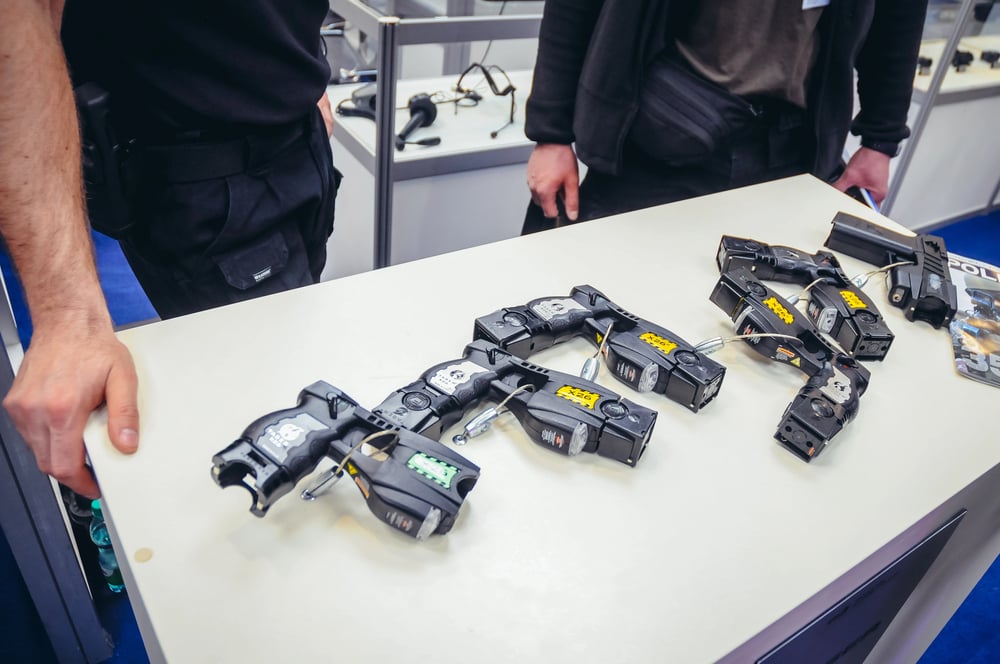
Before TASERs? It was either go hands-on or pull a gun. Not a lot of options in between.
TASERs — which send out electric probes to temporarily disable someone — gave officers a middle ground. No system’s perfect, but when used properly, they’ve helped avoid more serious outcomes.
It’s the kind of tool that can stop a bad situation from becoming a tragic one.
Ballistic helmets
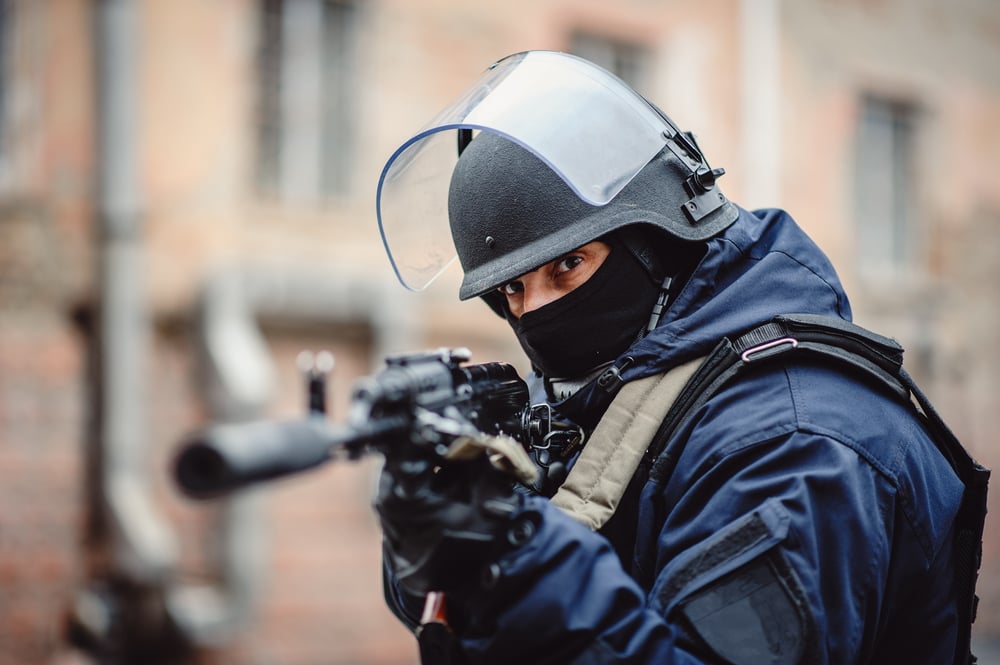
Torso armor was great — but heads? Still vulnerable.
Ballistic helmets changed that. They started with SWAT teams but eventually made their way into regular patrol gear in high-risk areas.
They’re lighter now than the older military models, and a lot more comfortable. When things go south fast, having your head protected is non-negotiable.
Automatic vehicle location systems
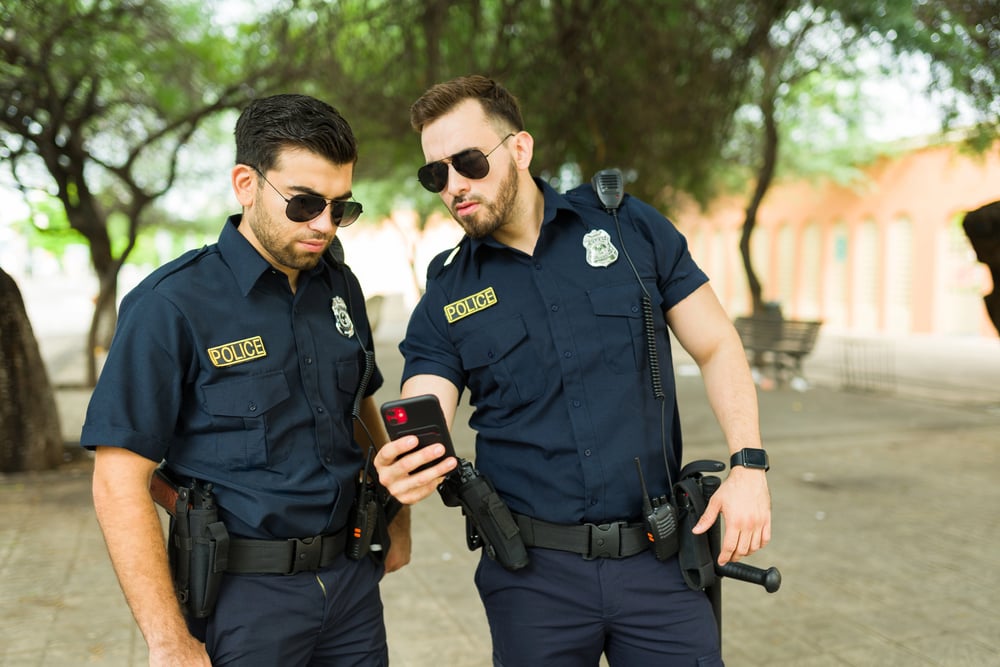
Once GPS tech got cheaper, departments started putting trackers in squad cars. Now dispatch doesn’t have to ask where anyone is — they can see it.
That means faster responses, better coverage, and less guesswork. It also helps supervisors figure out where patrols need to go based on real data.
Plus, it holds officers accountable for staying on assigned routes.
Digital forensics tools
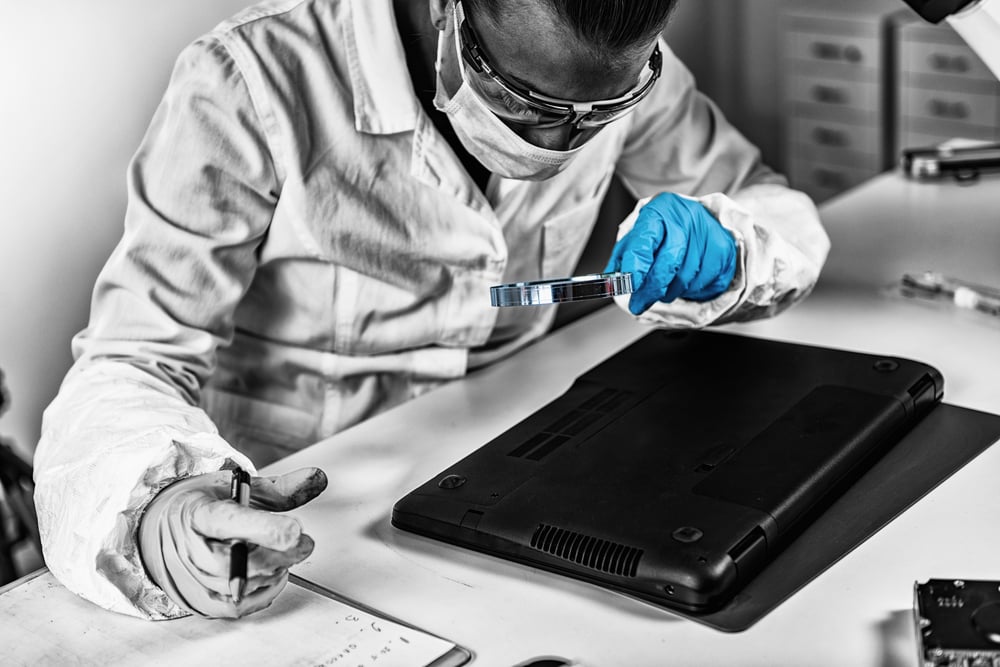
These days, criminals don’t just leave fingerprints — they leave browser histories, text messages, and deleted files. Digital forensics became essential once crimes started going digital.
These tools let investigators dig into phones, laptops, and other devices to find clues that would’ve been invisible twenty years ago. Even deleted information isn’t really gone when these tools are in play.
Portable drug testing kits
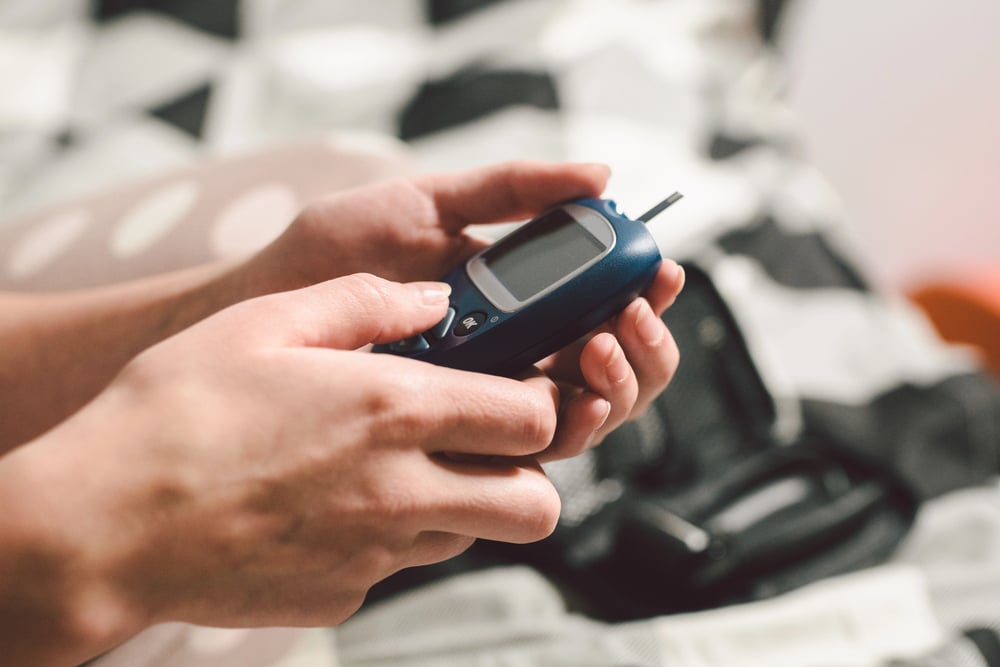
It used to take days or weeks to confirm if that powder or pill was what it looked like. Now, officers can get a solid idea in minutes with field kits.
Sure, it’s not court-proof until a lab confirms it, but on the scene? These kits are a big help for quick decisions, especially in DUI or narcotics cases.
It helps officers act confidently without unnecessary delays.
License plate recognition cameras
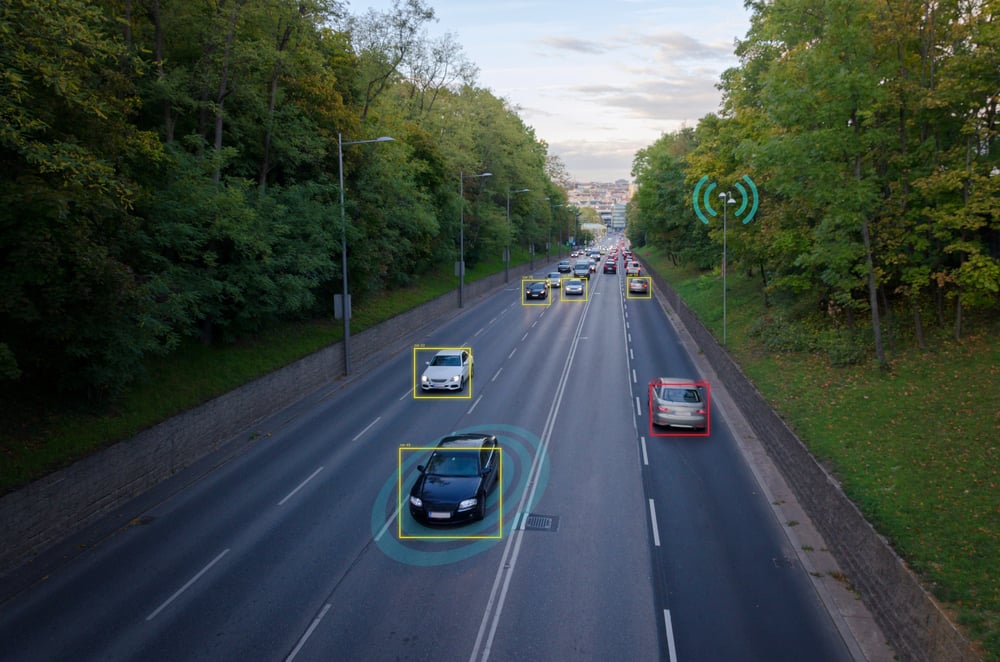
These cameras are like automated eyes — scanning plates constantly and cross-checking them with databases. Stolen cars, wanted suspects, AMBER alerts — it all pops up instantly if there’s a hit.
Instead of manually entering one plate at a time, officers now get alerts in real-time while just driving around. Some systems even track vehicle movement history across cities.
Pepper spray
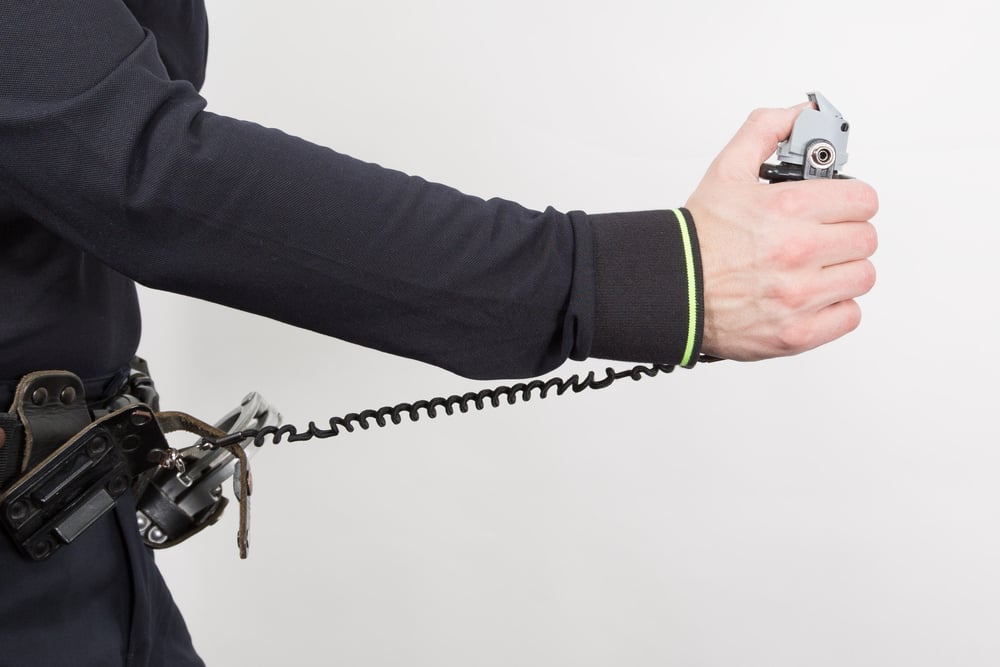
Tear gas used to be the go-to chemical deterrent, but it had its issues. Pepper spray turned out to be way more effective at stopping someone without doing lasting harm.
A quick blast to the face and most people stop whatever they were doing. It’s now standard issue on most duty belts.
It’s one of those tools that can stop a fight before it starts.
Spike strips
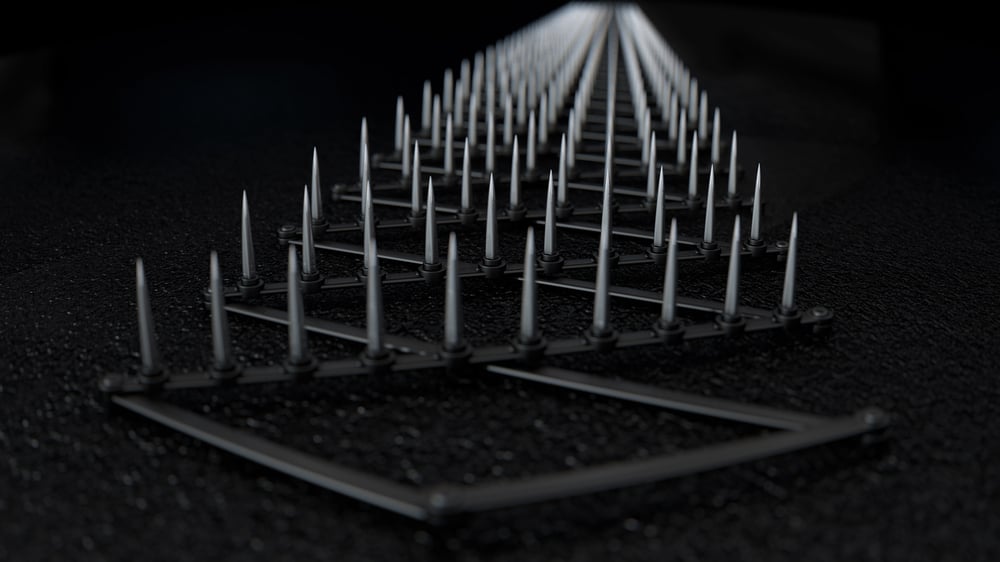
Before spike strips, high-speed chases could get ugly — crashes, gunfire, the whole nine yards. With spike strips, officers could lay down a trap and disable tires safely.
The air leaks out slowly, and the suspect’s car slows to a crawl. A much safer outcome than playing bumper cars at 100 mph.
These strips take some skill to deploy but make a big impact when used right.
Night vision equipment
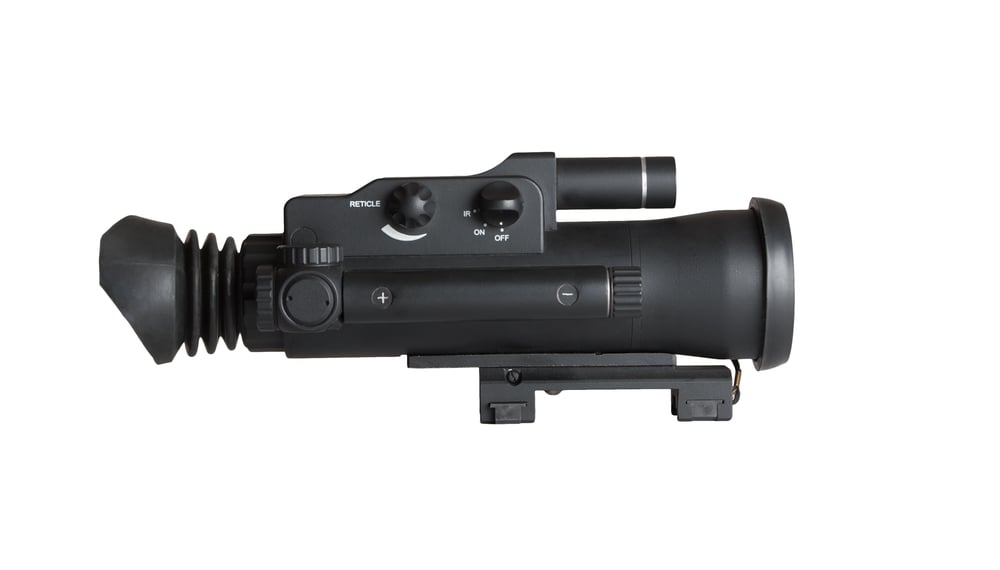
Flashlights only go so far. Night vision — either by amplifying available light or detecting heat — gave officers the edge during nighttime operations.
First used by tactical teams, it eventually trickled down to patrol. Whether searching for a suspect in the woods or clearing a dark building, it’s now a tool many teams rely on.
When visibility is near zero, this gear can mean the difference between surprise and safety.
Breathalyzer devices
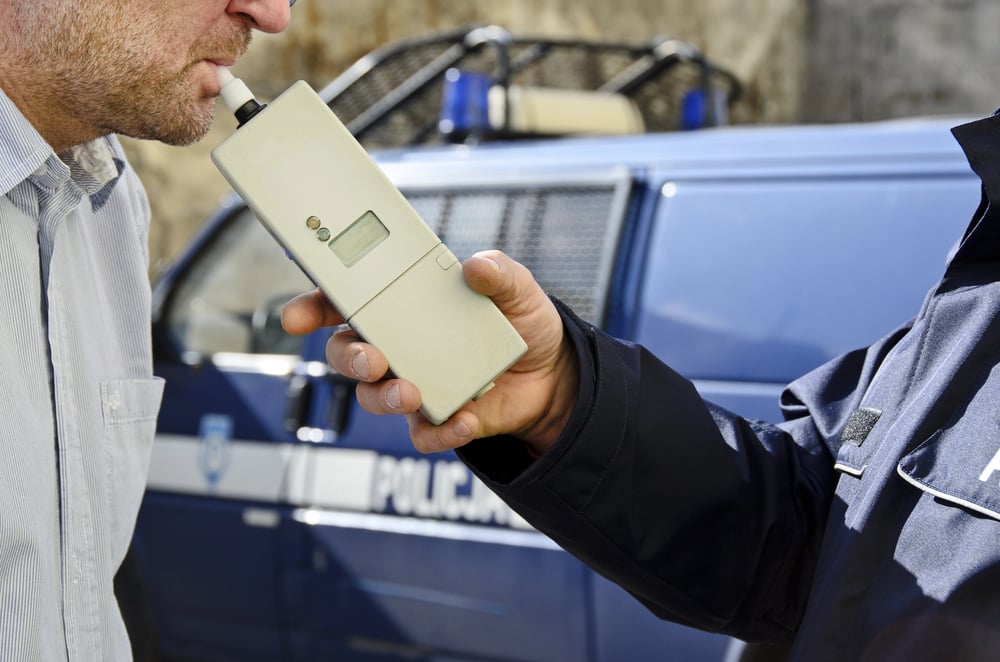
Before breathalyzers, DUIs hinged on field sobriety tests — which are open to interpretation. Breathalyzers brought numbers into the mix.
Officers can now get a near-instant reading of blood alcohol levels right there on the roadside. It made DUI enforcement stronger and court cases more solid.
Plus, it’s harder to argue with a number than a gut feeling.
Riot control shields
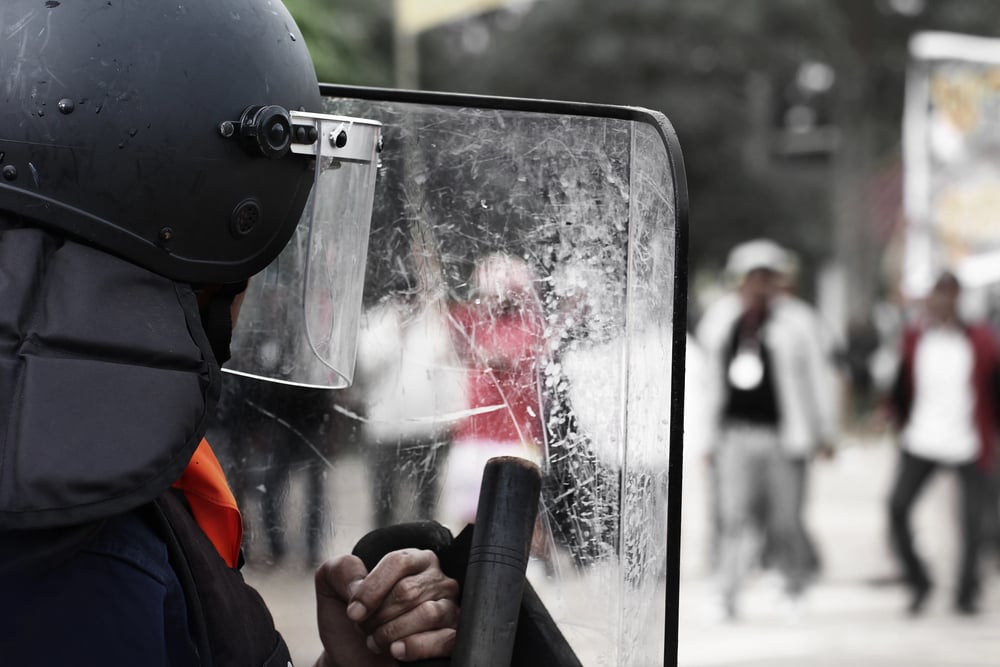
The old shields were little more than slabs of plastic. Today’s riot control gear is lightweight, bullet-resistant, and much easier to handle.
These shields protect officers from thrown bricks, bottles, or worse — and can help avoid escalation just by being visible. They’ve become part of the toolkit for crowd management when tensions run high.
Innovation never stops
Law enforcement tools will keep evolving because the challenges never stop coming. With every new device or system, the job shifts — sometimes in big ways.
But it’s not just about gear. It’s about how that gear gets used.
The best tools are the ones that make both the public and the officers safer. The next frontier might involve AI, live data streams, or predictive tech — but the mission stays the same.
More from Go2Tutors!

- The Romanov Crown Jewels and Their Tragic Fate
- 13 Historical Mysteries That Science Still Can’t Solve
- Famous Hoaxes That Fooled the World for Years
- 15 Child Stars with Tragic Adult Lives
- 16 Famous Jewelry Pieces in History
Like Go2Tutors’s content? Follow us on MSN.