16 Popular Dance Crazes from History
Dance has always been humanity’s way of celebrating, rebelling, and expressing the spirit of the times. From the ballrooms of high society to the streets of urban neighborhoods, certain moves have captured the collective imagination so powerfully that entire generations couldn’t resist joining in. These weren’t just steps—they were cultural phenomena that spread like wildfire, defining eras and bringing people together on dance floors around the world.
Throughout the past century, dozens of dance crazes have swept across continents, each reflecting the music, social changes, and attitudes of their time. Some lasted mere months, while others became timeless classics that still get people moving today.
Here is a list of 16 dance crazes that captured the world’s attention and left their mark on history.
The Foxtrot

The foxtrot emerged in the early 1900s as the creation of Broadway performer Harry Fox, who developed this smooth, gliding dance from African American rhythms and ragtime music. Known for its elegant, flowing movements, the foxtrot became the quintessential ballroom dance for the upper class during the 1920s and 1930s. Its adaptability allowed it to evolve with changing musical styles, transitioning from ragtime to jazz to big band swing while maintaining its sophisticated appeal.
The Tango

Originating in the slums and bars of Buenos Aires and Montevideo in the late 1800s, the tango emerged from working-class immigrants who brought African, European, and indigenous influences to create this passionate dance. By the early 1900s, both the waltz and tango were considered scandalous because they involved physical contact between partners, but once demonstrated in America, they were embraced by the public. The tango became a bona fide craze in 1921 when Rudolph Valentino made it a sensation in Hollywood films.
The One-Step

During the ragtime dance craze of the 1910s, ballrooms were dominated by the One-Step, where couples simply walked one step to each beat of the music. Its immense popularity was due primarily to its simplicity, allowing even novices to feel modern and fashionable on the dance floor. The straightforward nature of this dance made it accessible to people of all social classes during a time when elaborate ballroom techniques were giving way to more democratic forms of expression.
The Charleston

The Charleston exploded into mainstream popularity with James P. Johnson’s 1923 tune of the same name from the Broadway show ‘Runnin’ Wild,’ though its roots trace back to African American communities in South Carolina. The dance reached peak popularity from mid-1926 to 1927, characterized by its distinctive kicking motions and swaying arms. The Charleston became one of the greatest dance crazes in American history, spreading across the globe like wildfire and remaining popular for over 100 years.
The Lindy Hop
— Photo by pepgrafico
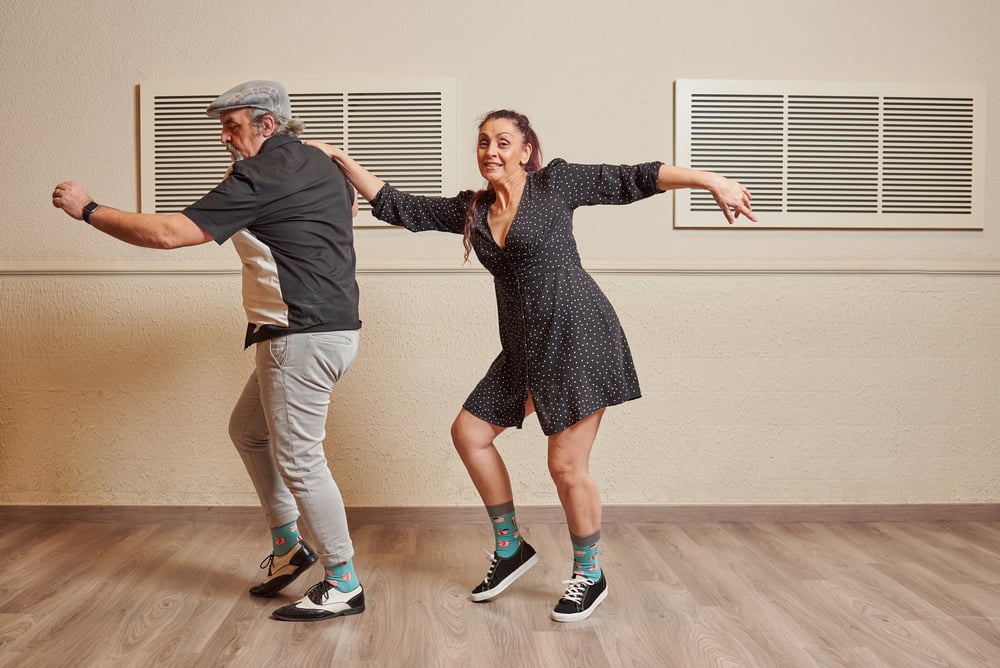
Named after pilot Charles Lindbergh’s first solo flight, the Lindy Hop emerged in the 1920s and 1930s as the first dance to include swinging partners into the air and synchronized jumping. This energetic swing dance developed in Harlem’s ballrooms and became the foundation for many later swing variations. The Lindy Hop represented a major shift toward more athletic and improvisational partner dancing that would influence social dancing for decades to come.
The Jitterbug
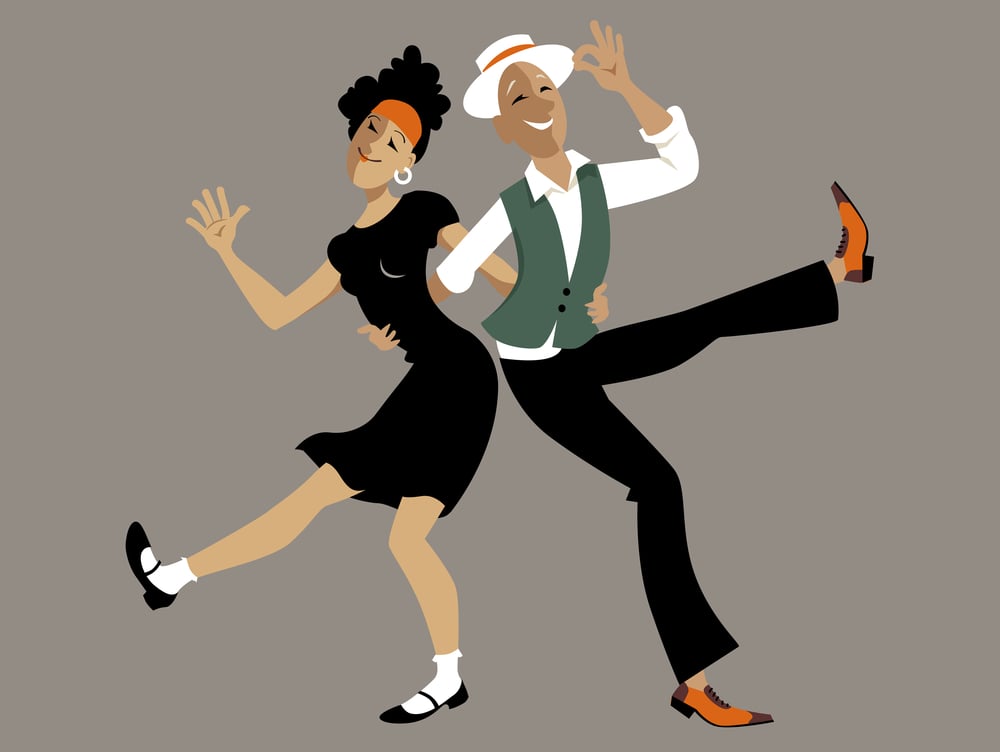
The term jitterbug comes from early 20th-century slang for alcoholics who suffered from the ‘jitters,’ but in popular culture it referred to swing dancers who danced with wild abandon. The phrase was first used to describe this new dance style in 1937 when a newspaper reported that teenage fans were ‘jitterbugging’ to Benny Goodman’s swinging jazz at the Paramount Theatre in New York City. The jitterbug became synonymous with the exuberant, improvisational spirit of the swing era.
The Twist
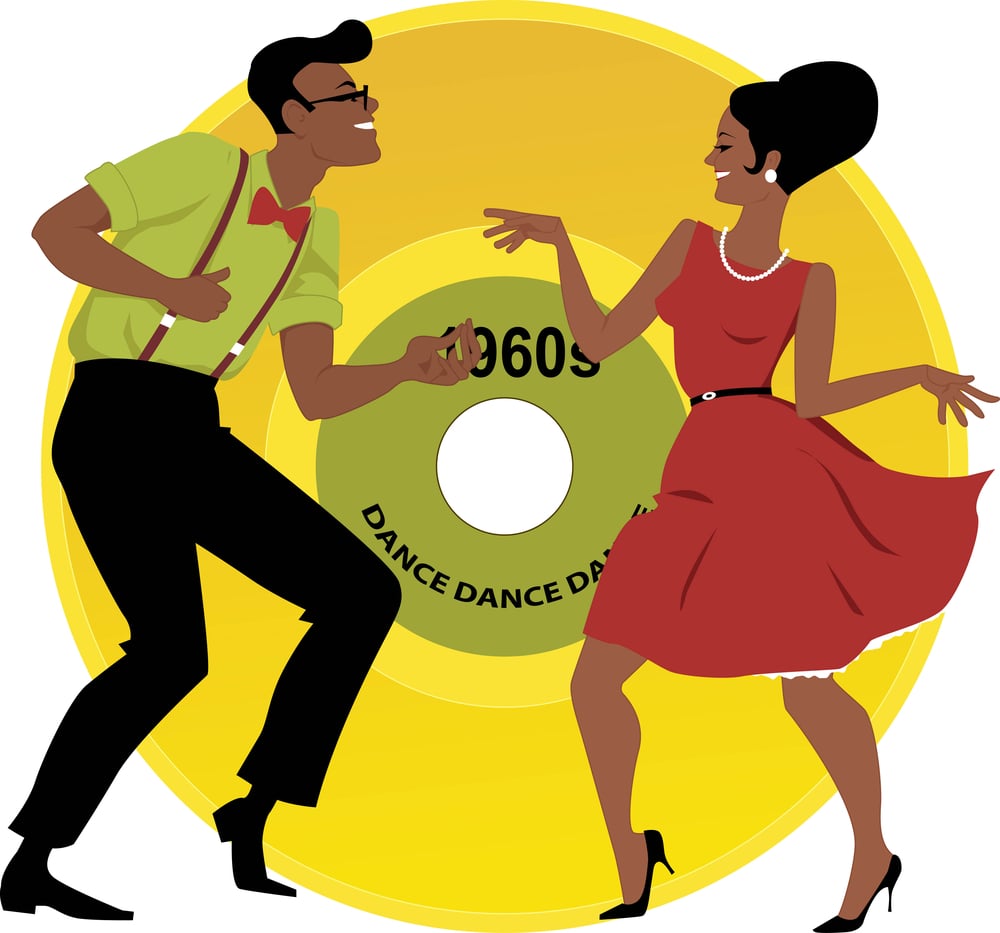
Chubby Checker released ‘The Twist’ on August 1, 1960, and performed it for the first time on TV on Clark’s show, starting a dance craze that soon gripped the nation. The dance involved swiveling the hips and became a worldwide phenomenon in the early 1960s, though no one was the actual inventor—some suggest it might have been part of an African dance brought to America during the slavery era. The Twist was remarkable because it allowed people to dance solo rather than with partners, fundamentally changing social dancing.
The Mashed Potato

The Mashed Potato was among many 1950s and 1960s dance crazes that were popularized versions of new styles created by African American dancers in major U.S. cities like New York, Philadelphia, and Detroit. This dance was mentioned alongside The Watusi in Wilson Pickett’s hit song ‘Land of 1000 Dances,’ helping cement its place in popular culture. The Mashed Potato involved a twisting, grinding motion that mimicked the preparation of its namesake food, making it both memorable and easy to learn.
The Watusi

The Watusi was inspired by the 1950 film ‘King Solomon’s Mines’ and its sequel, as well as the elaborate dances of the African Tutsi people. In 1962, ‘Wah-Watusi’ by The Orlons was released and the dance instantly became a hit with everyone. The Watusi was arguably the second most popular dance of the 1960s era behind The Twist, gaining additional attention when President Johnson’s daughter Luci danced it with actor Steve McQueen at a 1964 campaign event.
The Swim

In 1964, Bobby Freeman told people everywhere to ‘C’mon and Swim’ with his dance that literally involved swimming motions on the dance floor. Dancers could mix it up by throwing in a pinched nose with an arm up in the air, or even classic treading water moves. The beauty of The Swim was that it required no special speed or skill, making the swimming motions accessible to dancers of all abilities while maintaining a playful, summer-fun atmosphere.
The Pony

Chubby Checker returned after The Twist to show the world his newest creation, The Pony, which unlike other 1960s dances required a partner although there was no touching between the two dancers. The Pony was part of the trend of 1950s and 1960s dance crazes that had animal names, joining others like ‘The Chicken’ and ‘The Dog.’ This dance involved galloping motions and prancing steps that mimicked its equine inspiration, creating a playful dynamic between partners.
The Hustle

— Photo by Ulianna
In the early 1970s, disco spawned a succession of dance fads including the Hustle, which became one of the signature moves of the disco era. The Hustle combined partner work with solo sections and involved intricate turns and spins that required more skill than many previous crazes. This dance perfectly captured the glamorous, nightclub atmosphere of the 1970s and helped establish disco as both a musical and cultural phenomenon.
The Electric Slide

After being revived by a Washington DJ, ‘The Electric Boogie’ by Jamaican singer Marcia Griffiths peaked at #51 on the Billboard Hot 100 in January 1990, as the Electric Slide line dance craze swept the nation. This dance became a staple at weddings, parties, and social gatherings because of its simple, repetitive steps that could be performed by large groups simultaneously. The Electric Slide represented the growing popularity of line dancing and group choreography in American social culture.
The Moonwalk

Michael Jackson first performed the Moonwalk on TV during the Motown 25th anniversary special on May 16, 1983, though the technique was inspired by Jeffrey Daniel of Shalamar, who had performed it on British television in 1982. The moonwalk creates an illusion of the dancer being pulled backwards while attempting to walk forward, making it appear as though they’re gliding across the floor. This iconic move became synonymous with Michael Jackson and elevated dance from social activity to high-performance art.
The Macarena

The Macarena emerged in the 1990s as a Latin clave beat-powered remix by The Bayside Boys of the Los Del Rio hit, starting a spinning, stepping, hip-swinging dance craze that still appears at weddings and clubs today. The dance reached record-breaking proportions when over 50,000 baseball fans at Yankee Stadium performed it on August 16, 1996, breaking the record for the largest group dance. Its simple, repetitive arm movements made it instantly learnable for people of all ages and backgrounds.
The Whip and Nae Nae

Teenage rapper Silentó released ‘Watch Me (Whip/Nae Nae)’ on May 5, 2015, igniting a dance craze that spread on YouTube and quickly went over a billion views. The two moves were originally developed in Atlanta several years before the video, with the ‘Nae Nae’ part based on Sheneneh’s antics from the 1990s TV series ‘Martin.’ This dance represented the new era of viral social media crazes, where a single video could instantly create a global phenomenon that transcended traditional media boundaries.
When Rhythm Meets Revolution
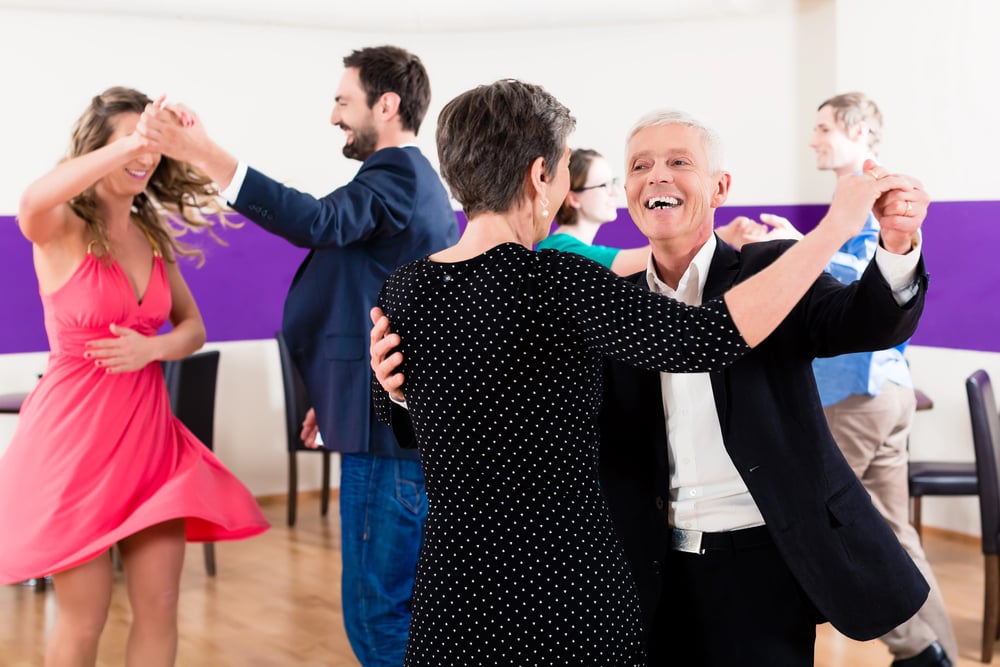
Looking back at these 16 dance crazes reveals how movement has always been intertwined with social change and cultural expression. From the rebellious Charleston that shocked 1920s society to the viral Whip and Nae Nae that united millions through smartphone screens, each craze reflects the technology, values, and spirit of its era. These dances didn’t just entertain—they broke down barriers, challenged conventions, and created shared experiences that connected people across racial, economic, and geographic divides. While the specific steps may fade from memory, the human impulse to move together in rhythm remains as powerful today as it was a century ago, ensuring that new crazes will continue to sweep the world and define generations to come.
More from Go2Tutors!

- 16 Historical Figures Who Were Nothing Like You Think
- 12 Things Sold in the 80s That Are Now Illegal
- 15 VHS Tapes That Could Be Worth Thousands
- 17 Historical “What Ifs” That Would Have Changed Everything
- 18 TV Shows That Vanished Without a Finale
Like Go2Tutors’s content? Follow us on MSN.