17 Facts About the Apollo Missions
A brief period of giant strides. Between 1961 and 1972, humans soared by past low orbit, planted feet on moon dirt, and returned alive.
What started as a political exercise became more – a technological explosion, a period in memory. What started as a competition became a legacy.
Behind that famous picture of landing on the moon’s surface is a mission that was far more uncertain, filled with challenges, and built on trial and trial and trial. The journey was far from smooth – each phase entered uncharted territory, heavily reliant on raw innovation.
Let’s take a look at 17 facts about the Apollo missions that show just how incredible they were.
The Program Began as a Political Promise
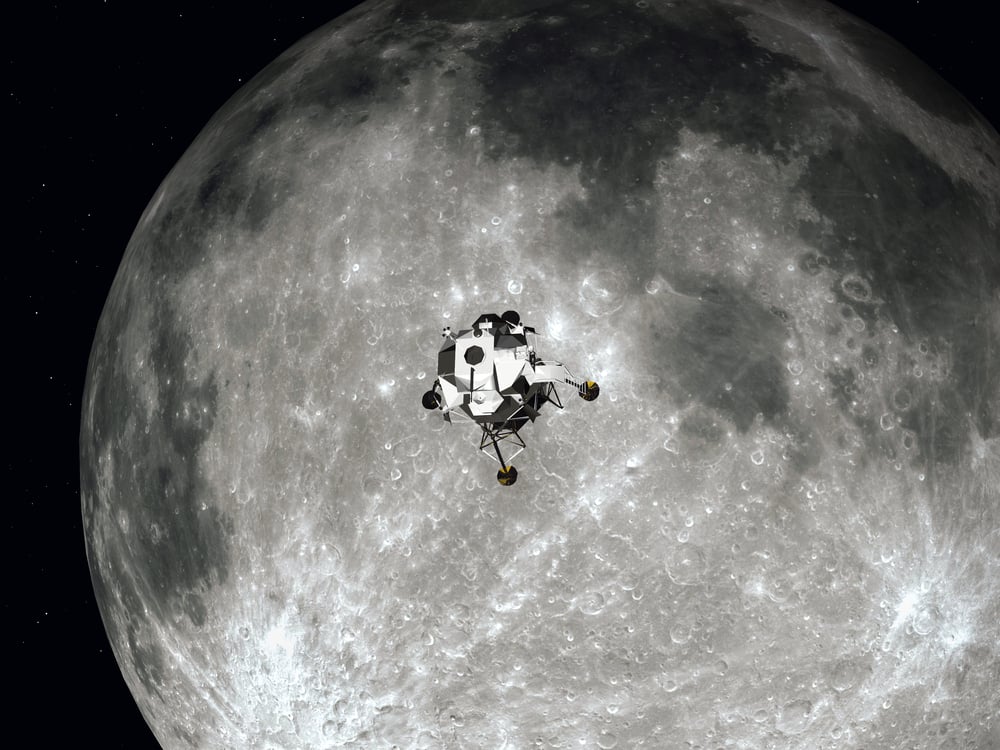
In 1961, President John F. Kennedy committed the United States to landing a man on the Moon and returning him safely to Earth before the decade ended. At the time, the U.S. had barely sent astronauts into orbit.
The announcement was bold and strategic. It was designed to demonstrate technological superiority during the Cold War space race with the Soviet Union.
The timeline forced NASA to innovate at unprecedented speed.
Apollo 1 Never Left the Ground

The first planned crewed Apollo mission ended in tragedy during a launch rehearsal test in 1967. A cabin fire in Apollo 1 killed astronauts Gus Grissom, Ed White, and Roger Chaffee.
The accident exposed critical design flaws, including the use of a pure oxygen environment at high pressure. NASA halted the program to redesign the spacecraft.
The changes that followed improved safety and reshaped mission protocols.
Apollo 8 Was the First to Orbit the Moon

Before anyone attempted a landing, Apollo 8 became the first crewed mission to orbit the Moon in December 1968. The astronauts traveled farther from Earth than any humans before them.
During the mission, they captured the famous ‘Earthrise’ photograph, showing Earth rising above the lunar horizon. The image became one of the most influential photographs in history, reshaping environmental awareness.
The Saturn V Remains One of the Most Powerful Rockets Ever Built

The Saturn V rocket that launched Apollo missions stood about 363 feet tall. It remains one of the most powerful launch vehicles ever successfully flown.
Its first stage alone generated about 7.5 million pounds of thrust at liftoff. The rocket was so powerful that it registered on seismographs miles away.
Apollo 11 Landed with Seconds of Fuel Remaining

When Apollo 11’s lunar module descended toward the Moon’s surface in July 1969, alarms began sounding in the cockpit. Computer overload warnings flashed during the final approach.
Neil Armstrong manually guided the module to avoid a field of boulders. By the time it touched down, there were only about 20 to 30 seconds of fuel left.
The margin for error was razor thin.
The Lunar Module Was Designed Only for Space
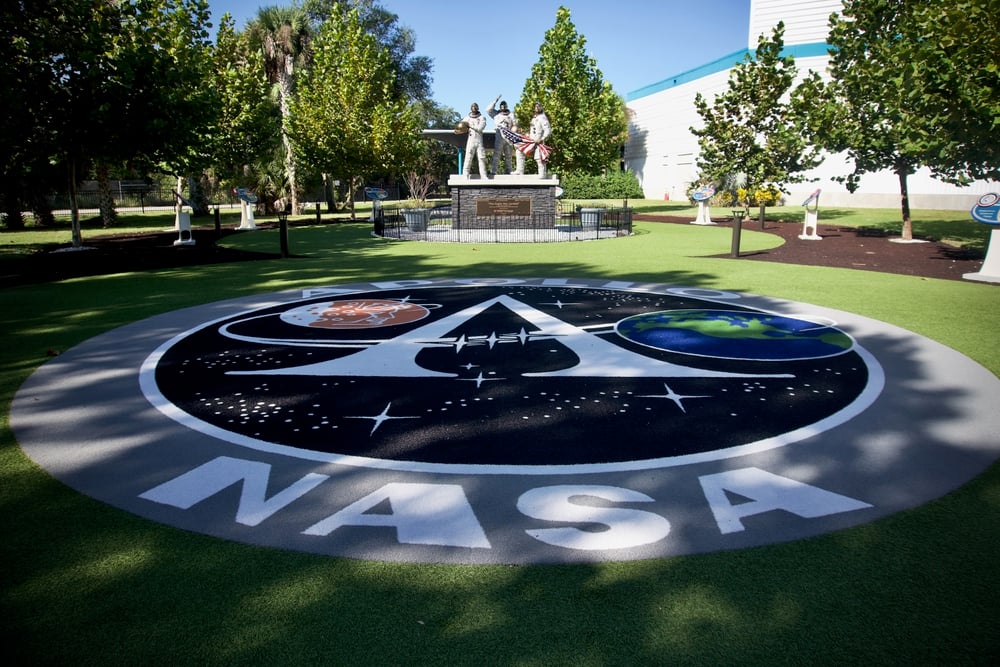
The Apollo Lunar Module looked fragile because it was. It was never meant to operate within Earth’s atmosphere.
It had no aerodynamic shape and could not fly like an airplane. Every ounce of weight mattered.
The structure was optimized for vacuum conditions and low lunar gravity, making it appear almost skeletal.
Apollo 12 Was Struck by Lightning

Shortly after liftoff in 1969, Apollo 12 was struck by lightning — twice. The strike temporarily knocked out guidance systems and caused multiple warning lights to flash.
A flight controller famously suggested a specific switch adjustment that restored telemetry. The mission continued successfully, demonstrating both quick thinking and system resilience.
Apollo 13 Turned Disaster into Ingenuity

Apollo 13 never reached the Moon. An oxygen tank explosion crippled the spacecraft in April 1970.
The crew had to abandon the lunar landing and focus on survival. Engineers on the ground improvised solutions using limited onboard materials.
The crew used the lunar module as a lifeboat and returned safely. The mission became a case study in crisis management.
There Were Six Successful Moon Landings

Between 1969 and 1972, six Apollo missions successfully landed astronauts on the Moon: Apollo 11, 12, 14, 15, 16, and 17. In total, 12 astronauts walked on the lunar surface.
All of them were American, reflecting the geopolitical nature of the space race at the time.
The Astronauts Left More Than Footprints
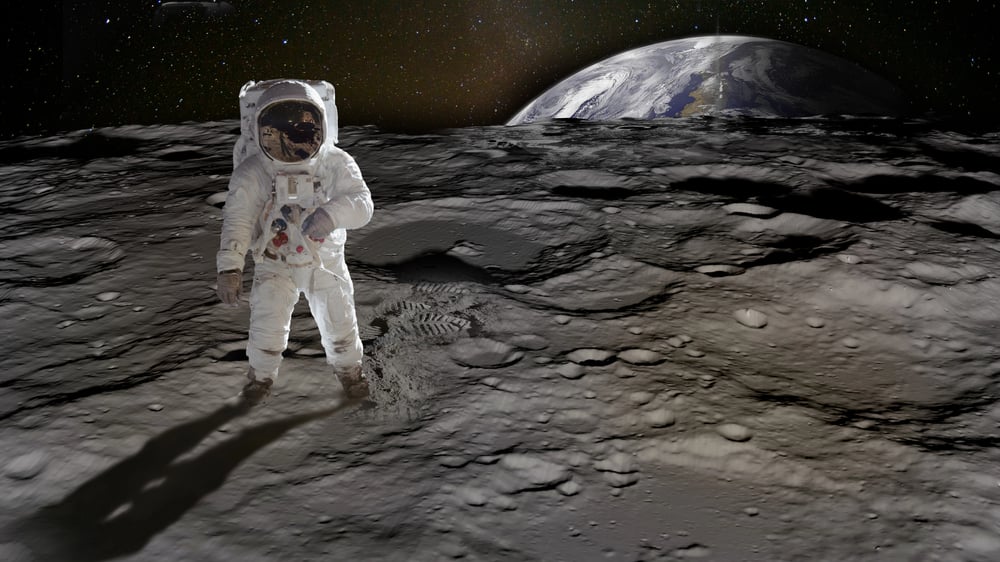
Apollo missions left behind scientific instruments, flags, tools, and even personal items. Some astronauts left mission patches or memorial tributes on the surface.
They also brought back about 842 pounds of lunar rock and soil samples. Those samples continue to be studied decades later.
Apollo 15 Introduced the Lunar Rover
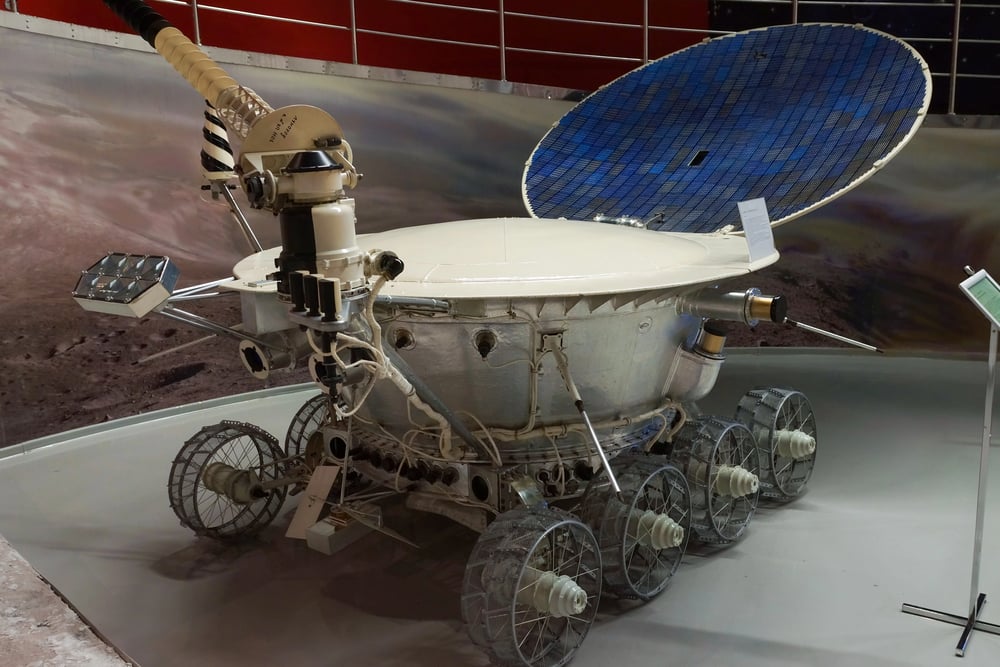
Apollo 15 marked the debut of the Lunar Roving Vehicle. The foldable electric rover allowed astronauts to travel several miles from the landing site.
The rover expanded scientific reach and made exploration more efficient. Watching it bounce across the Moon remains one of the program’s most distinctive images.
The Guidance Computer Had Less Power Than a Smartphone

The Apollo Guidance Computer was revolutionary for its time. It used integrated circuits and was compact enough to fit inside the spacecraft.
By modern standards, however, it was extremely limited. Its processing power was far below that of even the simplest contemporary devices.
Precision engineering, not raw computing strength, made the missions possible.
The Flag Appears to Wave for a Reason

Photographs from the Moon show the American flag appearing to ripple. The effect led to misunderstandings about movement in a vacuum.
In reality, the flag had a horizontal rod sewn into the top to hold it extended. The apparent motion came from astronauts adjusting the pole and from creases in the fabric.
Apollo 16 Explored the Lunar Highlands

Apollo 16 targeted a different geological region known as the lunar highlands. The mission aimed to gather samples from terrain thought to be older than the mare regions visited earlier.
The data collected challenged some earlier assumptions about lunar formation. Each mission built upon the previous one’s discoveries.
Apollo 17 Was the Final Mission

Apollo 17 launched in December 1972. It was the last time humans traveled beyond low Earth orbit.
One of its astronauts, Harrison Schmitt, was a trained geologist — the only scientist among the Moon walkers. The mission focused heavily on scientific exploration.
The Missions Were Broadcast Worldwide

The Moon landings were televised to hundreds of millions of people around the globe. The grainy black-and-white footage became one of the most shared images of the 20th century.
For many viewers, it was the first time humanity saw itself from a truly planetary perspective. The broadcast transformed a technical achievement into a shared global moment.
Apollo Changed Engineering Forever

The Apollo program accelerated advances in materials science, computing, telecommunications, and systems engineering. Many technologies developed during the program influenced later industries.
Beyond hardware, Apollo reshaped project management. Coordinating hundreds of thousands of people across contractors and agencies required unprecedented organization.
The Legacy Still Shapes Space Exploration

Since Apollo 17, no person has visited the Moon again. However, lessons from Apollo’s achievements and shortcomings are still being applied to contemporary space programs.
The program showed what can happen when engineering discipline, scientific ambition, and political will come together. Even though the footprints on the moon have not been altered, their influence is still clearly visible.
Reaching a different planet was not the only goal of the Apollo missions. They aimed to demonstrate that a daring objective supported by teamwork could push the limits of what humanity thought it was capable of.
More from Go2Tutors!

- The Romanov Crown Jewels and Their Tragic Fate
- 13 Historical Mysteries That Science Still Can’t Solve
- Famous Hoaxes That Fooled the World for Years
- 15 Child Stars with Tragic Adult Lives
- 16 Famous Jewelry Pieces in History
Like Go2Tutors’s content? Follow us on MSN.



