16 Products Invented Out of Pure Laziness
Some of humanity’s greatest innovations weren’t born from grand visions or noble pursuits—they emerged from people who simply couldn’t be bothered doing things the hard way. Throughout history, our collective desire to avoid effort has sparked remarkable creativity, leading to inventions that transformed how we live, work, and play.
The pattern’s surprisingly consistent: someone gets tired of a tedious task, figures out a shortcut, then accidentally changes the world. From the couch potato’s best friend to kitchen appliances that’ll do the cooking for us, laziness has been a surprisingly powerful driver of progress.
Here’s a list of 16 ingenious products that exist because their inventors preferred the easy way out.
TV Remote Control
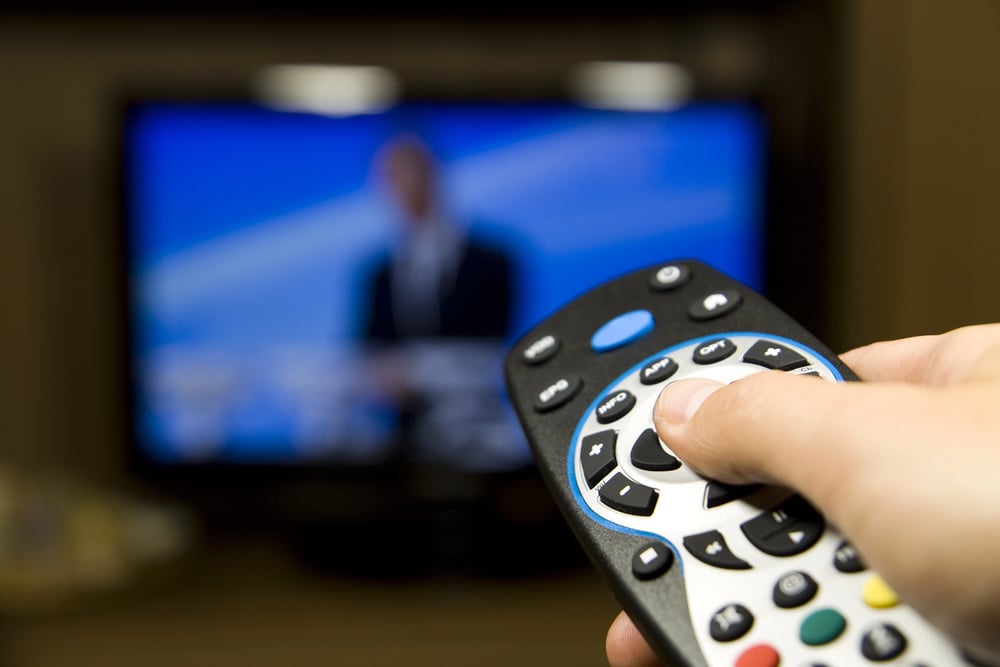
The television remote control exists because nobody wanted to get up from their chair—period. In 1950, Zenith Radio Corporation released the first TV remote called the ‘Lazy Bones,’ which perfectly captured its purpose. This device was connected to the TV by a long wire, though it allowed viewers to change channels without leaving their seat. Eugene Polley later improved the design in 1955 with the wireless ‘Flash-Matic’—a device that resembled a ray gun and let people ‘zap’ commercials into silence.
Dishwasher
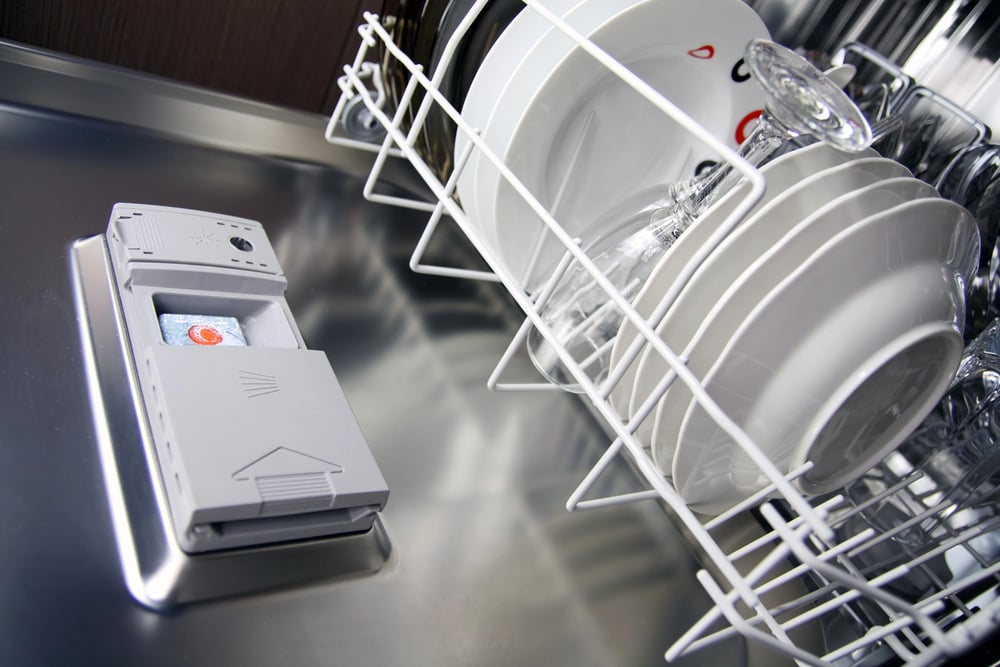
Josephine Cochrane didn’t set out to revolutionize kitchens; she just wanted to stop breaking her expensive china. During the 1880s, this wealthy socialite grew increasingly frustrated watching her servants chip her precious dishes during hand-washing. Rather than accept the inevitable damage, she decided to build a machine that could clean dishes more carefully than human hands ever could. Her 1886 invention used water pressure instead of scrubbing—creating the foundation for every modern dishwasher we know today.
Shopping Cart

Sylvan Goldman watched customers in his Oklahoma grocery stores struggle with heavy baskets and saw opportunity knocking. Back in 1937, he noticed shoppers were limiting their purchases because they couldn’t carry more items comfortably. Goldman’s solution was brilliantly simple: take a folding chair, add wheels to the legs, then attach wire baskets where the seat would be. His ‘folding basket carrier’ let customers buy more groceries in a single trip—though he had to hire actors to demonstrate the carts since shoppers initially found them embarrassing.
Microwave Oven
DepositPhotos
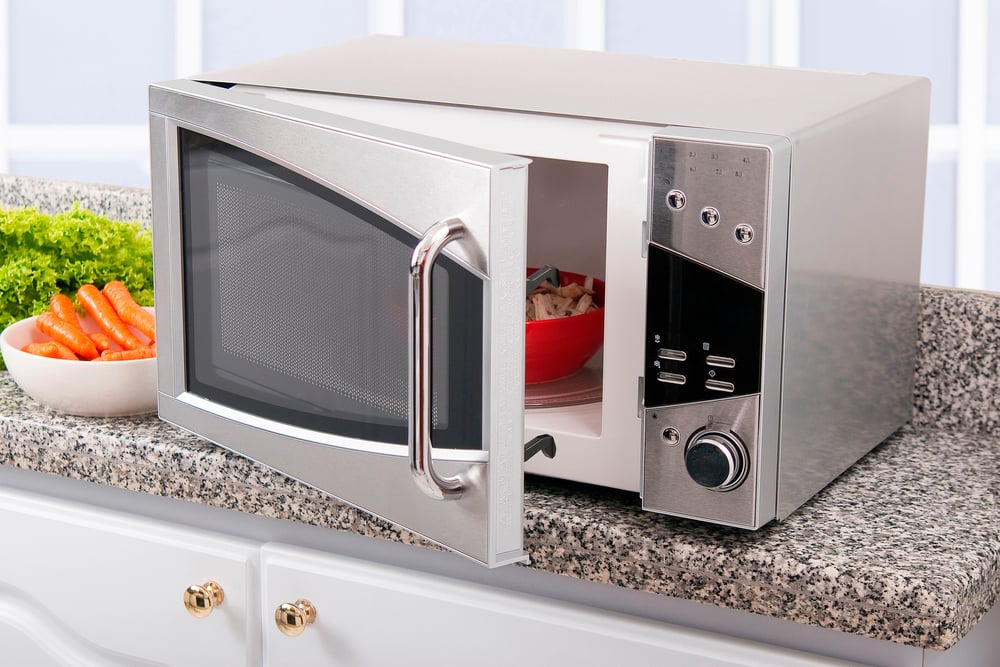
Percy Spencer’s discovery of microwave cooking happened completely by accident; he was just trying to avoid a melted mess in his pocket. While working with radar equipment at Raytheon in 1945, Spencer noticed that a chocolate bar near a magnetron had turned into goo. Instead of cleaning up and moving on, his curiosity led him to experiment with popcorn kernels—which promptly exploded into fluffy white clouds. This accidental observation eventually became the microwave oven, though the first commercial models were massive 750-pound beasts that cost thousands of dollars.
Escalator

Jesse W. Reno invented the escalator because his friend was tired of climbing stairs every single day. The constant complaint about stair-climbing fatigue inspired Reno to create what he initially called an ‘Inclined Elevator’ in 1892. His moving staircase debuted at Coney Island’s Old Iron Pier—where visitors could experience the novelty of being carried upward without effort. The invention proved so popular that escalators soon appeared in department stores and subway stations worldwide.
Roomba

The robotic vacuum cleaner exists because Colin Angle and his team at iRobot got sick of pushing regular vacuum cleaners around their homes. Manual vacuuming felt like a complete waste of time and energy—so they decided to build a machine that could do the job autonomously. The Roomba, introduced in 2002, uses sensors to navigate around furniture while focusing extra attention on particularly dirty areas. Modern versions can even empty themselves and respond to voice commands, taking laziness to entirely new heights.
Automatic Doors

DepositPhotos
Automatic doors emerged from the simple desire to avoid the physical effort of opening heavy doors—nothing more, nothing less. The technology eliminated the need to push, pull, or hold doors for others, making building entrances completely effortless. These sensor-activated portals became especially valuable in hospitals—where doctors and nurses often had their hands full with medical equipment. Today’s automatic doors are smart enough to conserve energy by opening only when necessary.
Cruise Control

Ralph Teetor invented cruise control in 1948 because he was tired of constantly adjusting his car’s speed during long drives. This blind inventor and mechanical engineer wanted to maintain steady speeds without the mental effort of monitoring the accelerator pedal—a task that proved both tedious and tiring. His ‘Speedostat’ system allowed drivers to set a desired speed and let the car maintain it automatically. The result? Reduced driver fatigue on highways and much more relaxing road trips.
Garage Door Opener
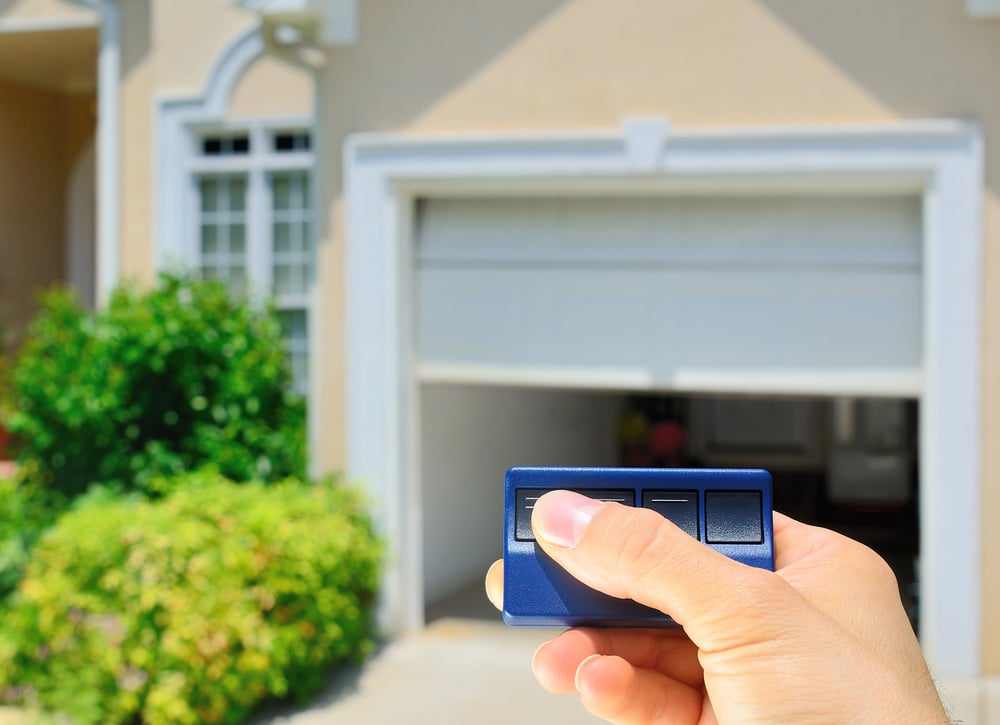
The electric garage door opener was created for people who didn’t want to get out of their cars in bad weather—plain and simple. C.G. Johnson invented the first electric garage door opener in 1926, yet it really took off when remote controls were added in the 1950s. Homeowners could now drive up to their garage, press a button—and glide inside without facing rain, snow, or extreme temperatures.
Voice Assistants
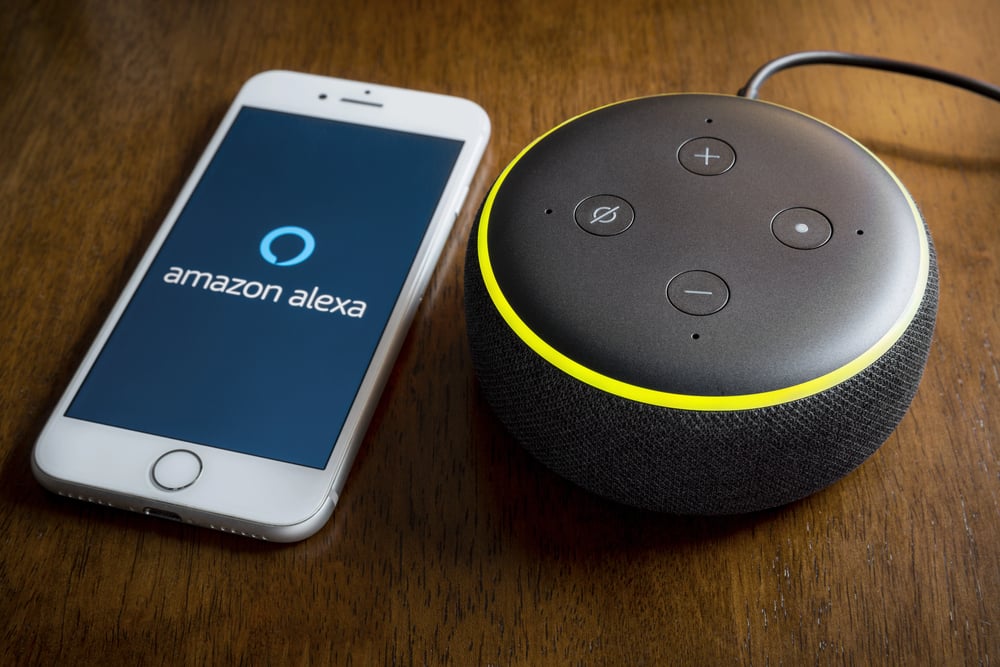
Amazon’s Alexa and similar voice assistants exist because even reaching for a remote control or smartphone felt like too much work. These devices let people control lights, play music, order products, and get information using only their voice. The technology represents the ultimate evolution of laziness: you don’t even need to lift a finger to accomplish basic tasks around the house.
Sliced Bread
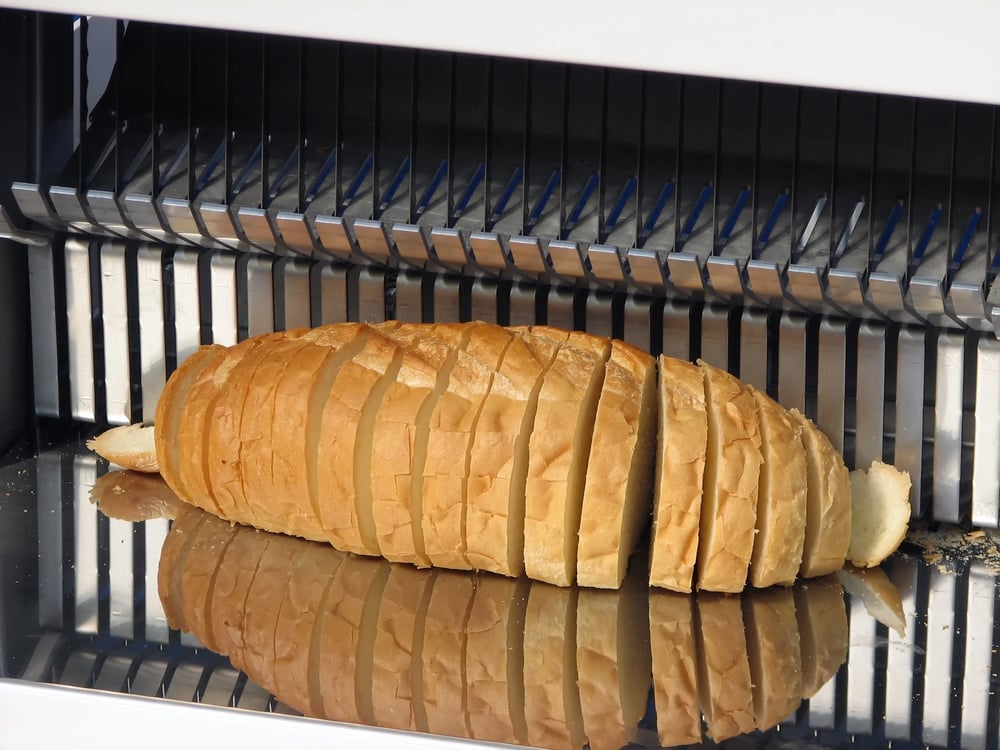
Otto Rohwedder invented the bread slicing machine in 1928 because he thought people shouldn’t have to slice their own loaves. Before his invention, everyone had to cut bread by hand, which was time-consuming and often resulted in uneven slices. Rohwedder’s machine produced perfectly uniform slices that were also more convenient for making sandwiches. This earned sliced bread its reputation as one of life’s great conveniences.
Drive-Through Restaurants

The drive-through concept emerged because people didn’t want to leave their cars to get food. Red’s Giant Hamburg in Missouri is often credited with creating the first drive-through in 1947. Customers could order and receive meals without stepping outside their vehicles. The concept proved so appealing that it spread to banks, pharmacies, and coffee shops, creating an entire culture built around automotive convenience.
Television Dinner

The TV dinner was invented in 1953 by Gerry Thomas at Swanson because families wanted to eat meals without the effort of cooking from scratch. Thomas saw an opportunity to create complete meals that could be heated and eaten quickly, especially while watching television. The aluminum tray contained separate compartments for different foods. This made it possible to enjoy a full meal with minimal preparation or cleanup.
Automatic Car Transmission
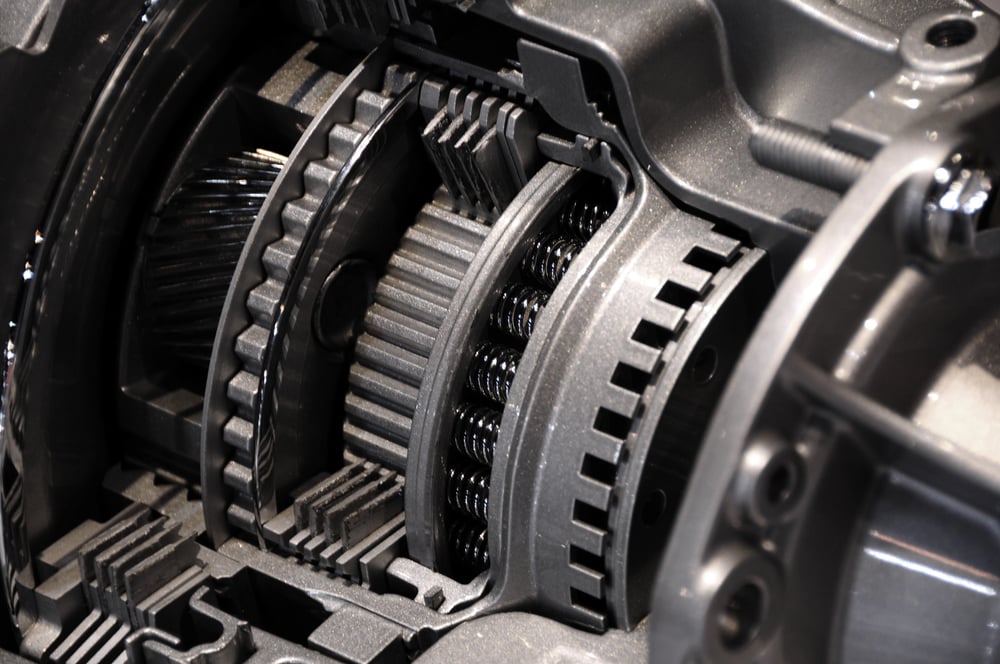
The automatic transmission eliminated the physical and mental effort required for manual gear shifting. Introduced by General Motors in 1940, the ‘Hydra-Matic’ system used hydraulic controls to change gears automatically based on speed and engine load. Drivers no longer needed to coordinate clutch pedals, gear shifts, and accelerator timing. This made driving accessible to more people while reducing fatigue in stop-and-go traffic.
Velcro

George de Mestral invented Velcro in 1941 after getting annoyed by burr seeds sticking to his dog’s fur during walks. Instead of simply removing the burrs and forgetting about them, he examined their hook-like structure under a microscope. He realized he could replicate this natural fastening system. His hook-and-loop fastener provided a quick alternative to buttons, laces, and zippers, becoming especially popular in children’s shoes and space suits.
Paper Plates
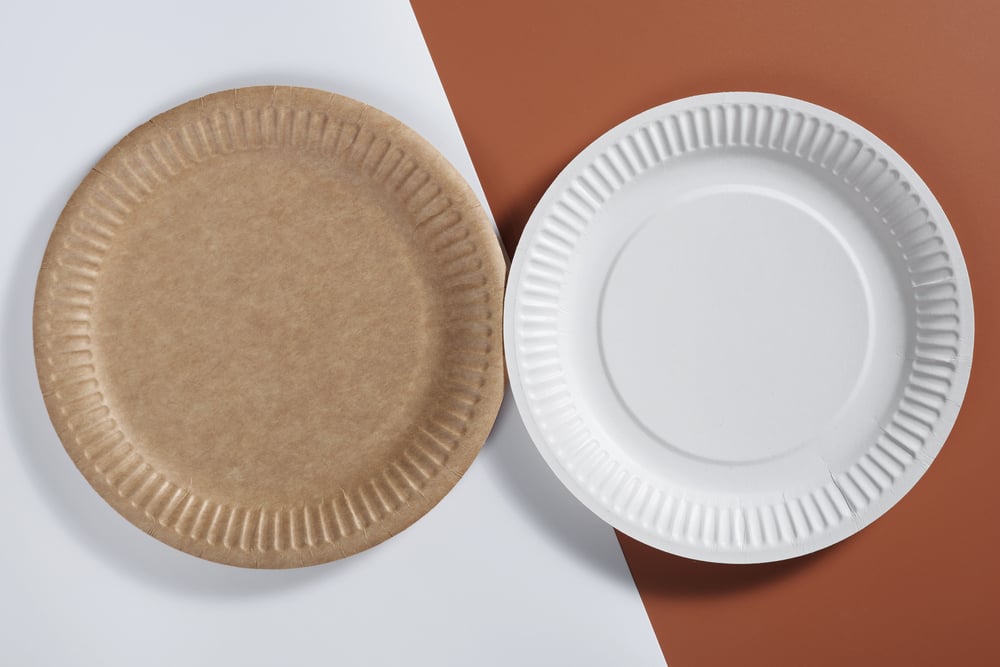
Paper plates were invented because people didn’t want to wash dishes after picnics and parties. The disposable dinnerware concept dates back to the late 1800s, yet it gained popularity in the 20th century as outdoor dining became more common. These lightweight alternatives to ceramic plates eliminated cleanup time. They also reduced the risk of breaking expensive dinnerware during casual gatherings.
From Convenience to Culture

These lazy innovations didn’t just make life easier—they fundamentally changed how we interact with our world. The TV remote transformed television viewing from a communal activity to an individual pursuit of perfect entertainment. Microwave ovens altered cooking habits and family dinner routines completely. Shopping carts enabled the rise of supermarkets and bulk buying culture. What started as simple shortcuts became the building blocks of modern convenience culture, proving that sometimes the most powerful motivation for progress is the desire to do less work.
More from Go2Tutors!

- The Romanov Crown Jewels and Their Tragic Fate
- 13 Historical Mysteries That Science Still Can’t Solve
- Famous Hoaxes That Fooled the World for Years
- 15 Child Stars with Tragic Adult Lives
- 16 Famous Jewelry Pieces in History
Like Go2Tutors’s content? Follow us on MSN.



