Surprising Facts About Modern Vs Old Cruise Ships
There’s something almost mythological about the great ocean liners of the past. Black-and-white photographs, wood-paneled dining rooms, men in dinner jackets.
It’s easy to romanticize. But step aboard a modern cruise ship and the comparison becomes genuinely strange — not just bigger or fancier, but a completely different idea of what a ship is supposed to be.
Modern Ships Are Basically Small Cities
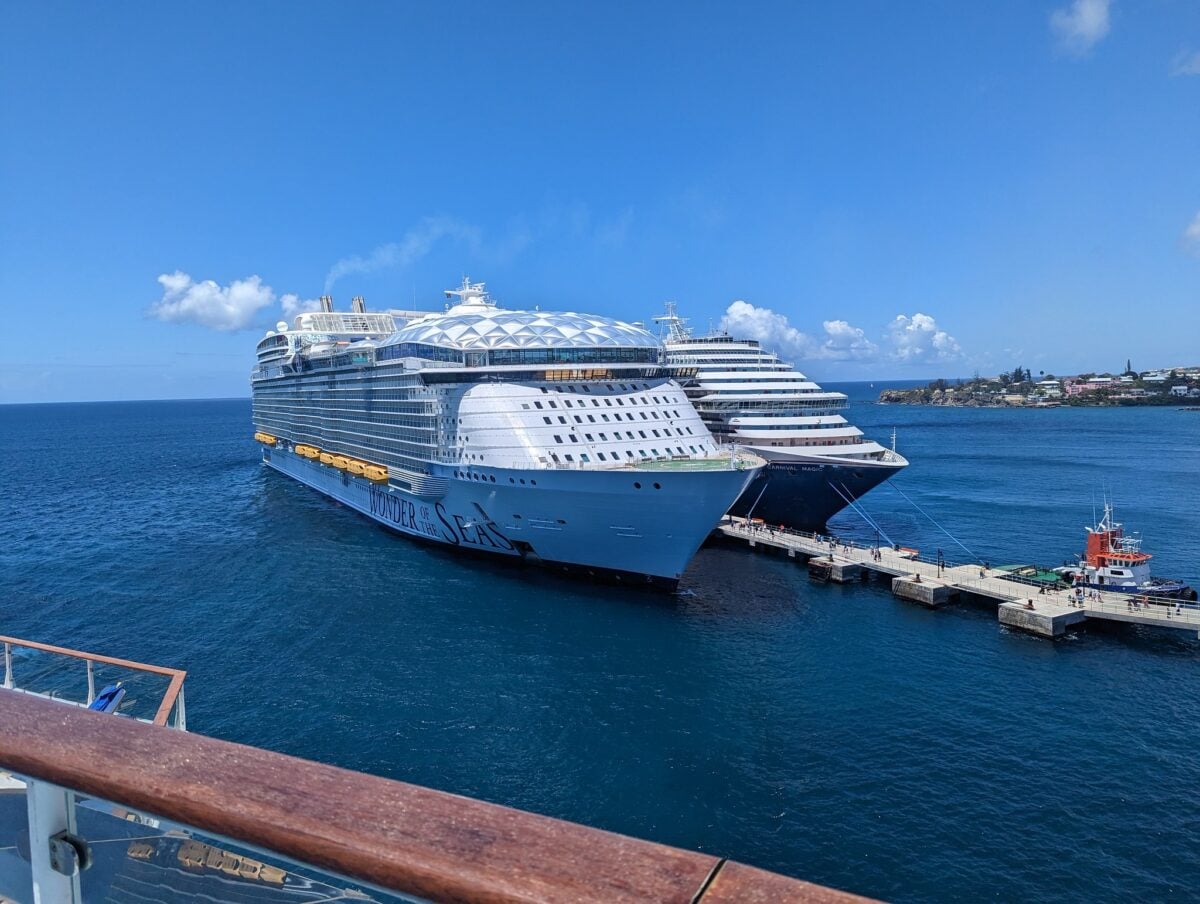
The Wonder of the Seas, launched in 2022, carries around 6,988 passengers at double occupancy. That’s more people than live in many small towns.
Old ocean liners like the RMS Queen Mary, which launched in 1936, carried about 1,957 passengers at its highest capacity. Modern ships don’t just carry more people — they need entire internal economies to function.
Restaurants, shops, gyms, theaters, medical centers. The Queen Mary was a ship with amenities.
Today’s vessels are cities that happen to float.
The Weight Gap Is Almost Absurd
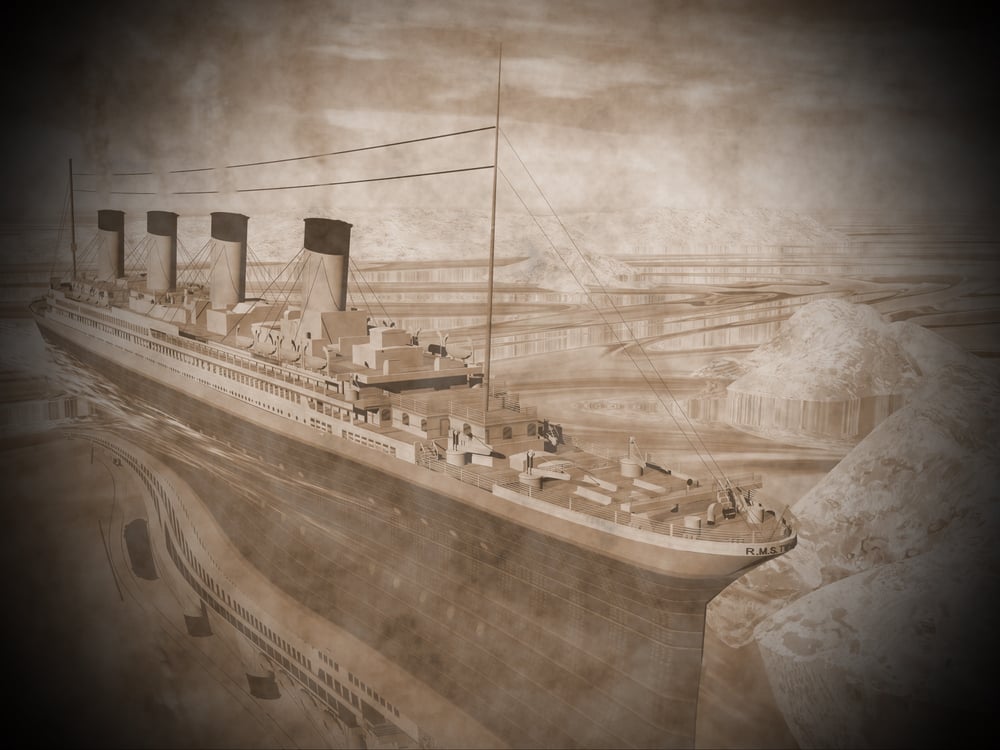
The Titanic weighed about 46,000 gross tons. Wonder of the Seas tips the scale at over 236,000 gross tons.
That’s more than five Titanics stacked together. And yet modern ships don’t feel as dramatic cutting through the water, partly because they’re designed differently — wider, flatter, built for calm seas and port visits rather than transatlantic crossings in winter storms.
Old Ships Were Actually Built for Speed
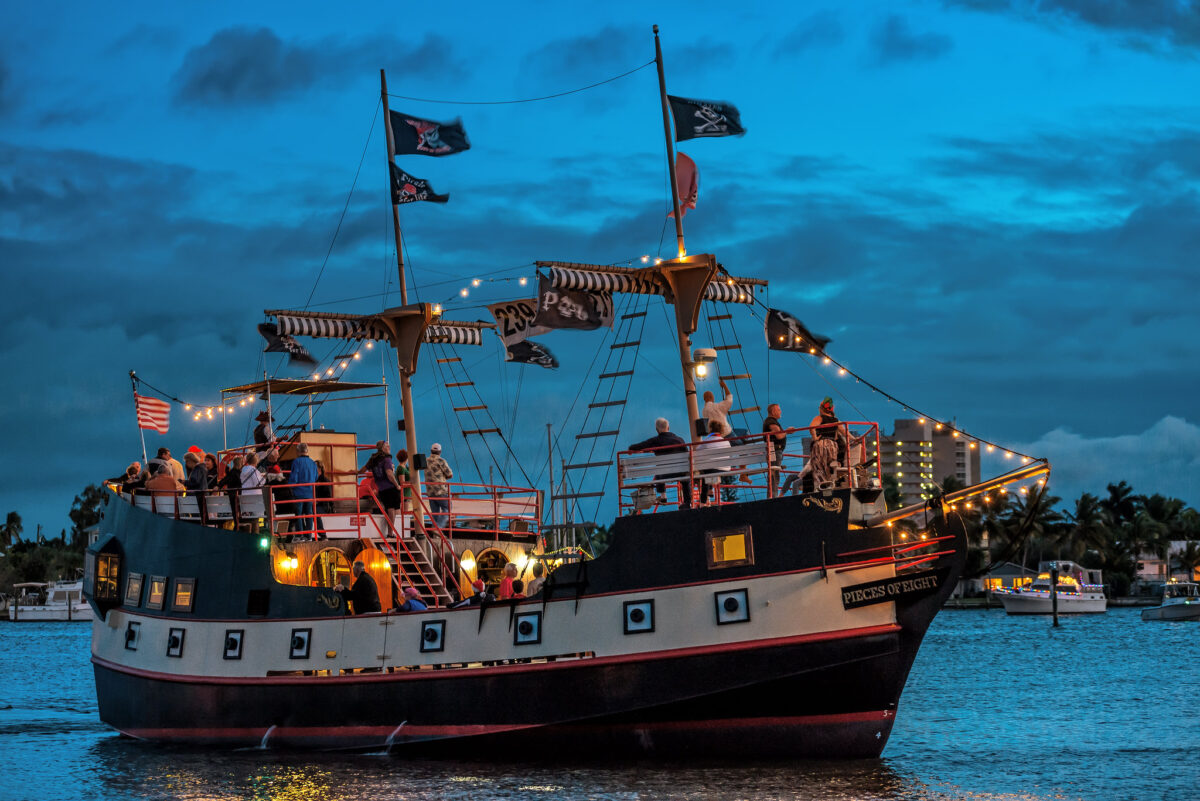
The golden age ocean liners weren’t just luxury transport — they were competing. Companies raced each other for the Blue Riband, an unofficial honor awarded to the fastest transatlantic crossing.
The SS United States set the record in 1952 with an average speed of about 34.5 knots. Most modern cruise ships cruise at around 20 to 22 knots.
They’re not trying to win anything. They’re trying to use as little fuel as possible while keeping passengers comfortable.
Dining Has Gone From Three Courses to Twenty Restaurants
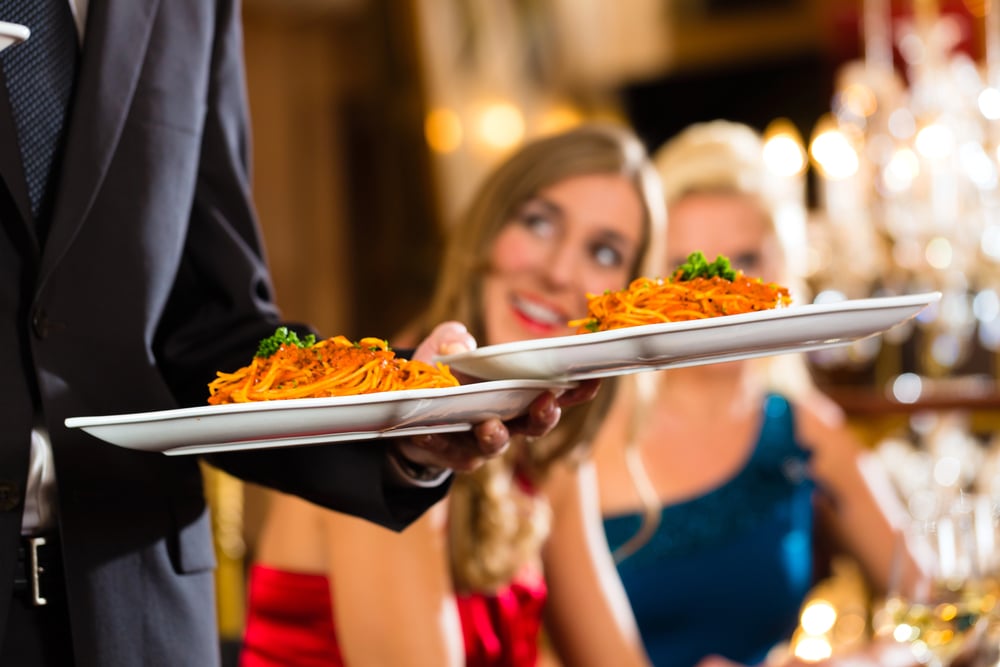
On old ships, passengers ate in a single grand dining room, assigned to a table, at a fixed time. The food was good but the structure was rigid.
Today’s ships can have 20 or more restaurants and food venues — specialty steakhouses, sushi bars, street food markets, 24-hour pizza. Royal Caribbean’s ships have a “food hall” concept that more closely resembles a shopping mall food court than a ship’s dining room.
It’s a completely different relationship with mealtime.
Entertainment Was Once Just a Piano and Some Card Tables
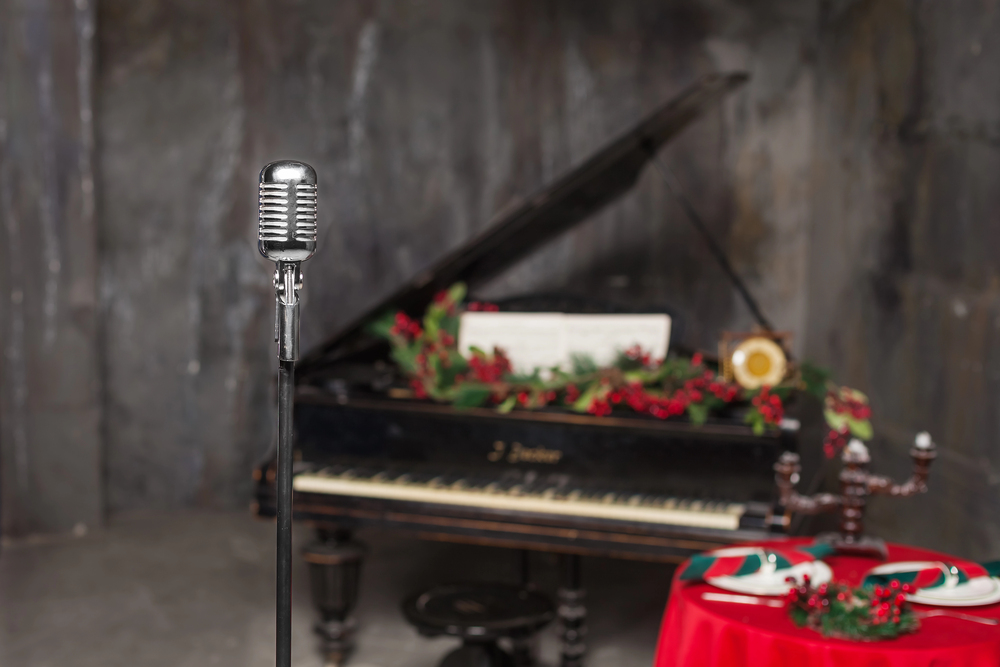
The entertainment options on early ocean liners were modest: a bar, a lounge, maybe a small dance floor. Passengers read books, played cards, and socialized.
Today’s ships have full Broadway-style theaters showing licensed productions of major musicals, ice skating rinks, surf simulators, go-kart tracks, laser tag, escape rooms, and zip lines. Norwegian Cruise Line’s ships have an actual race track on the top deck.
The ship itself is now the destination, not just the vehicle.
Navigation Went From Stars to Satellites
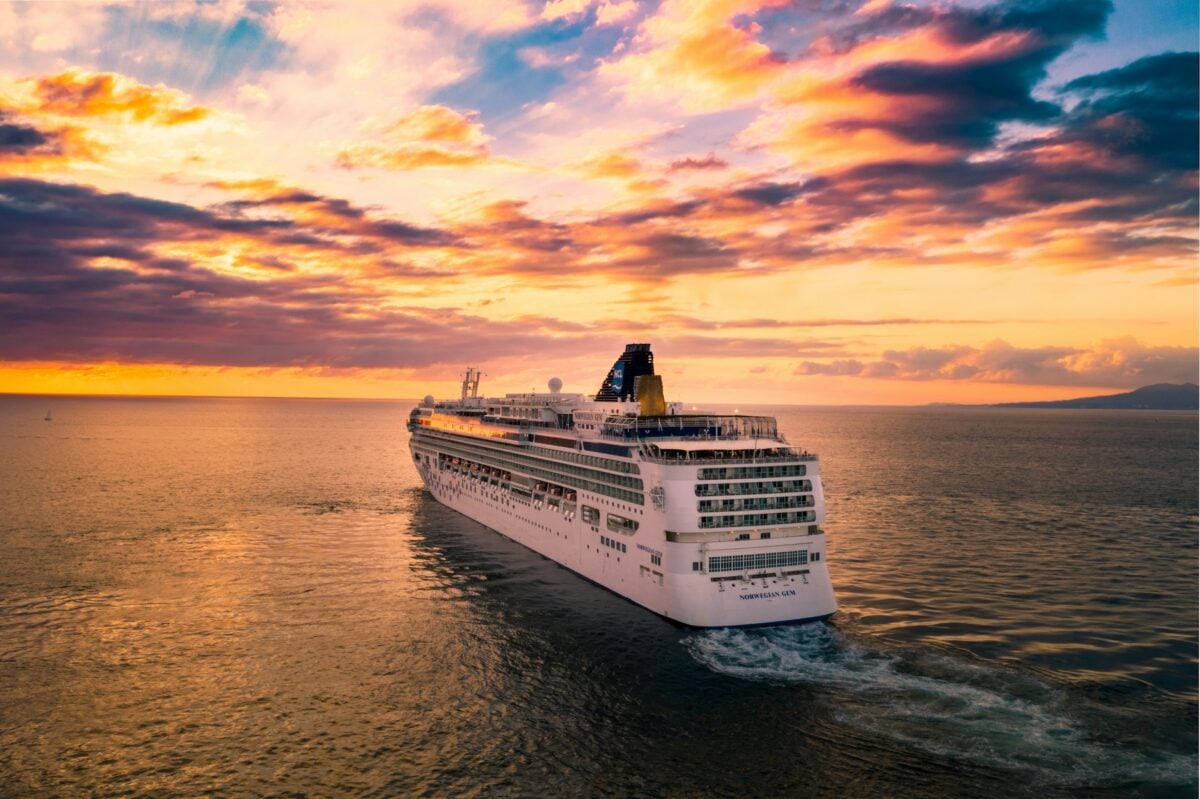
For most of maritime history, navigators used celestial navigation — reading the position of stars and the sun with a sextant to figure out where they were. It required skill, practice, and clear weather.
Modern ships use GPS, electronic chart systems, and automatic identification systems that track every vessel in the surrounding area in real time. Officers still learn celestial navigation as a backup skill, but they almost never need it in practice.
Old Ships Had Almost No Safety Technology
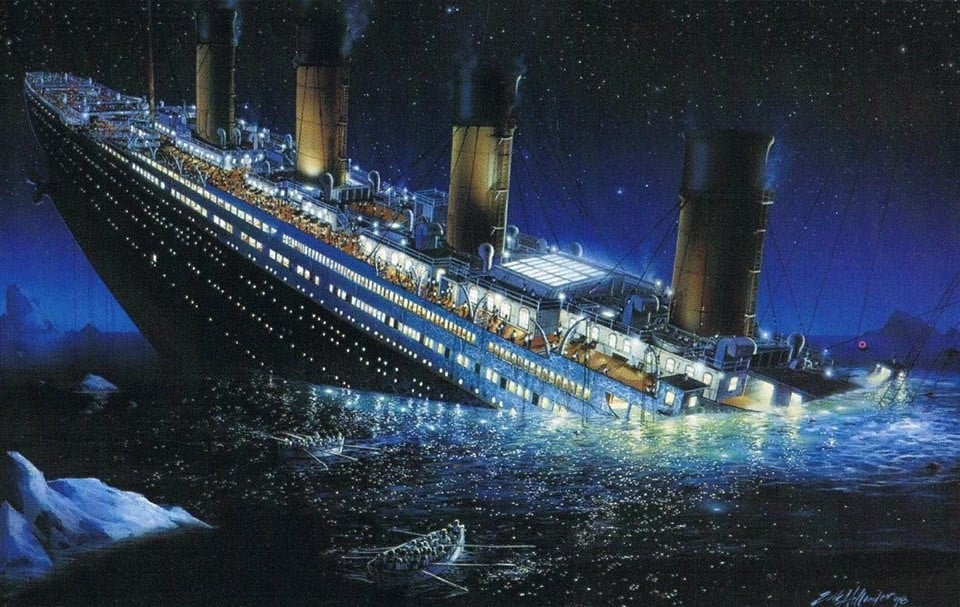
The Titanic disaster in 1912 changed ship safety regulations permanently, but even for decades after, the tools available were limited — basic radar, radio communication, and lifeboats. Modern ships carry enough lifeboats and life rafts for 125% of everyone on board.
They have ECDIS (electronic chart display systems), AIS transponders, dynamic positioning, and stabilizers that reduce rolling. Some have hull stress sensors that monitor structural integrity in real time.
The gap in safety technology between 1950 and today is difficult to overstate.
The Hulls Are Shaped Completely Differently
Classic ocean liners had a sharp, narrow bow designed to cut through open-ocean waves at speed. Modern cruise ships have what’s called a “bulbous bow” — a rounded protrusion below the waterline at the front of the ship.
It reduces drag significantly at lower speeds, improving fuel efficiency. Ships are also much wider relative to their length than they used to be.
That wide, boxy profile would have been unusual on a classic liner, but it creates more interior space and a more stable ride in calm Caribbean or Mediterranean waters.
Propulsion Has Changed Dramatically
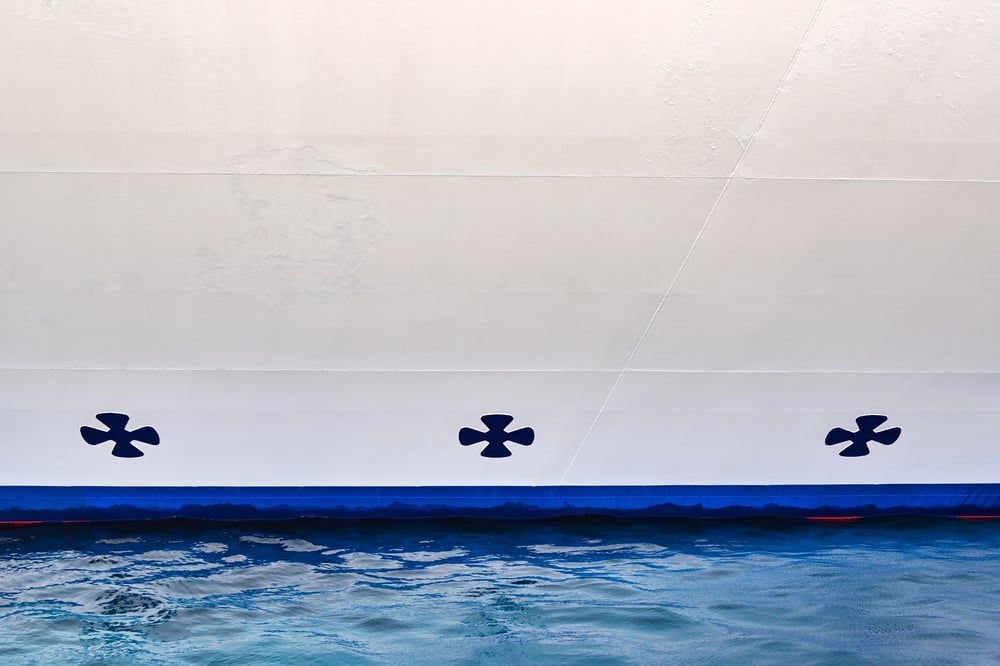
Most old ships used fixed propeller shafts powered by steam turbines or diesel engines. The direction of travel was controlled by a rudder. Modern ships increasingly use “azipod” propulsion — electric motors in pods mounted under the hull that can rotate a full 360 degrees.
There’s no need for a separate rudder, and the ship can move sideways, spin in place, or dock without tugboats. Some large cruise ships now have multiple pods. It’s a level of maneuverability that would have seemed impossible to earlier ship designers.
Cabins Used to Be Much Darker
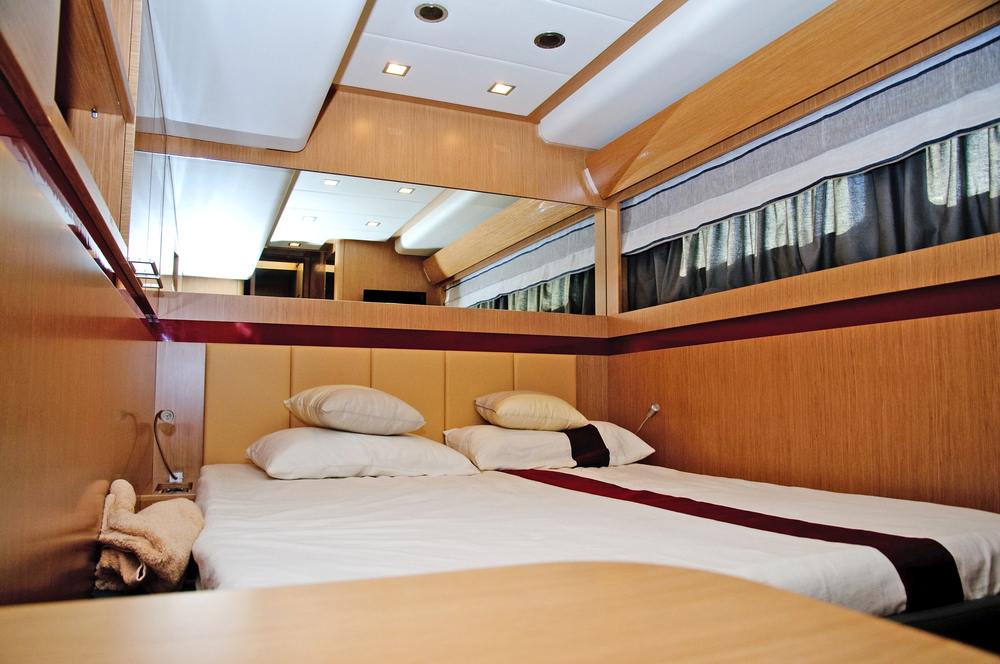
Portholes — those small, round, sometimes barely-openable windows — were standard on older ships. They let in some natural light but offered no real view.
Modern cruise ship cabins, even interior ones, often have large picture windows or full glass balconies. Balcony cabins became a standard feature on new ships from the 1990s onward.
Now they’re expected. Some ships have floor-to-ceiling glass walls facing the sea.
The visual experience of being on the ocean is completely different from what passengers in the 1950s experienced.
Medical Facilities Have Grown Into Mini Hospitals

Old ships carried a ship’s doctor and a small infirmary. Serious illness or injury meant an emergency evacuation if the ship was close enough to land.
Modern large cruise ships have multi-bed medical centers with ICU capabilities, digital X-ray equipment, defibrillators, and telemedicine links to hospitals on shore. Some ships carry enough equipment to perform minor surgeries.
They have to — carrying 5,000 people across the ocean means statistically, something will go wrong.
Environmental Rules Have Gotten Much Stricter (and Ships Have Adapted)

Smoke used to trail behind old vessels for miles, leaving thick lines across calm seas. Ships once ran on whatever fuel cost the least, ignoring what poured into the water below.
Waste went straight overboard – out of sight, out of mind. Rules changed when MARPOL stepped in, setting hard limits on sulfur smoke and coastal sewage spills.
Now engines must meet standards that didn’t exist decades ago. Liquefied natural gas powers more vessels today, producing far less grime than old black oil.
Cleaner exhaust rises now, though not everywhere. A few boats test giant vertical sails, spinning cylinders catching breeze like kites without strings.
Progress crawls forward, uneven yet undeniable.
Connectivity Changed How People Interact
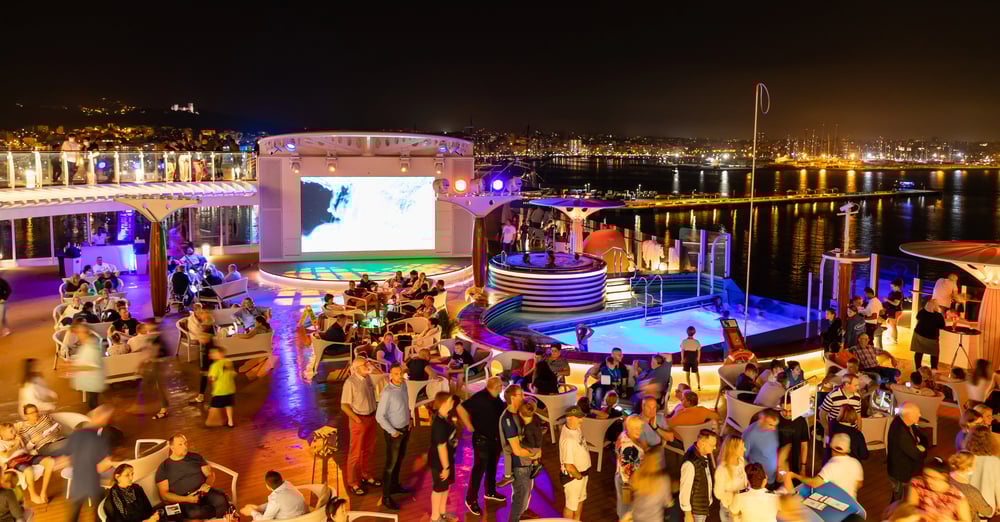
Back then, crossing oceans meant vanishing from contact. Calls only happened if set up ahead of time by a crew member handling messages.
Updates arrived sporadically – just what the radio managed to pull from distant signals. People had little choice but to engage: speaking face to face, watching waves roll past, settling into quiet routines.
Now? Every cabin beams the internet down from space. Connection never breaks.
Home video chats beam across the ocean mid-voyage, thumbs swipe feeds while lounging by splashing water, screens glow with messages just like back at the desk. Improvement?
That hinges on why you boarded in the first place.
The Cost Per Passenger Has Gone Down When Expected to Rise

On big ocean liners back then, crossing the Atlantic meant high prices, separation by rank – those in first lived far apart from travelers down below. These days, cruise trips move lots of people at once, which helps lower daily costs beyond what most would guess.
Take a trip through the Caribbean, it might even come out cheaper than staying seven nights in a regular hotel. Today’s cruise business thrives on numbers.
Still, luxury cabins now offer personal attendants, open-air terraces, exclusive dining rooms – comfort just as grand as elite voyagers knew during sailing’s peak era.
The Ocean Remains Unchanged
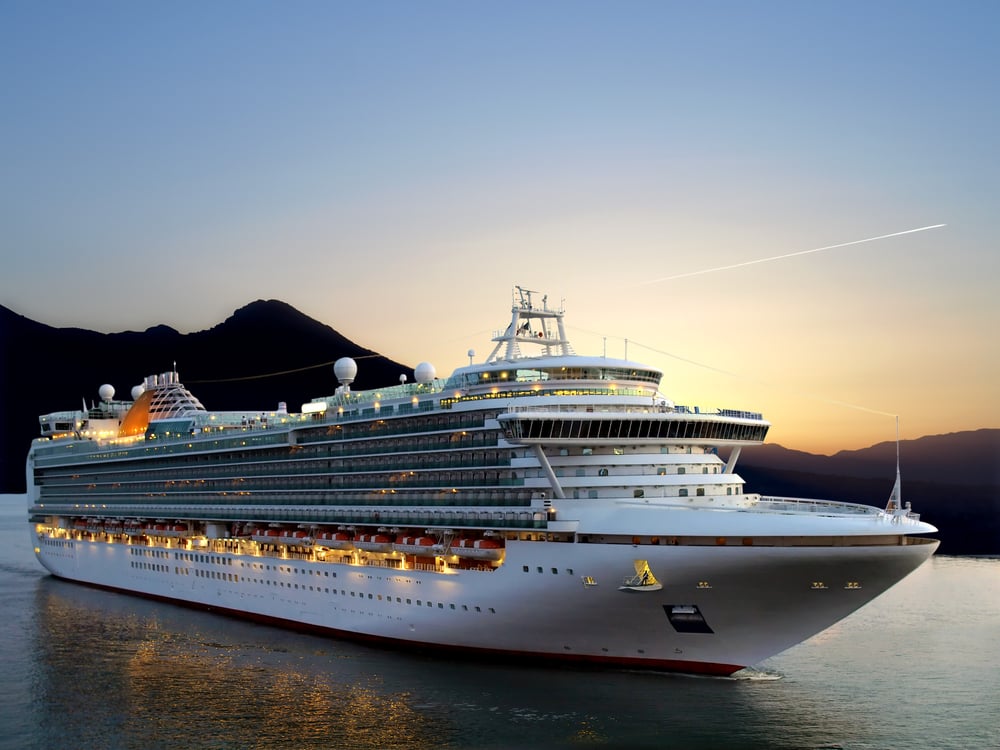
Out there beyond the rails, past every gadget and glowing screen, lies something untouched. Back when the Queen Mary cut through waves in thirty-six, folks saw sun drop behind clouds just like now.
Today’s travelers lean out from towering decks, eyes meeting that same wide line where sky meets ocean. Color of the water? Still deep blue, unchanged.
Distance to the edge of sight? Just as far, no closer.
Machines shift, designs grow, but what stretches ahead stays. Even with every warning system blinking, storms keep their edge.
A hundred years passed, yet that truth stays put. Bigger hulls appeared, built quicker, tangled with wires and screens.
Yet why anyone steps aboard hasn’t changed one bit. The draw of the empty sea pulls just the same.
More from Go2Tutors!

- The Romanov Crown Jewels and Their Tragic Fate
- 13 Historical Mysteries That Science Still Can’t Solve
- Famous Hoaxes That Fooled the World for Years
- 15 Child Stars with Tragic Adult Lives
- 16 Famous Jewelry Pieces in History
Like Go2Tutors’s content? Follow us on MSN.



