Obsolete Technology We Want Brought Back
Fast changes in tech make old devices vanish fast, even when they were useful every day. Not every new thing does a better job than what came before it.
Certain past tools brought real comfort, like buttons you could feel or straightforward layouts. Surprisingly few recall those small joys now.
Forgotten gadgets sometimes hold a charm that modern tools lack. Old designs occasionally solve problems new ones overlook.
Some clunky devices managed tasks just fine back then. A few relics even beat today’s versions at their own game.
Certain bulky machines offered reliability most sleek models skip now. Every so often, yesterday’s fix works better than today’s app.
Physical Keyboard Phones

Typing on glass gets messy when fingers slip twice, then again. Phones with real keys – think older models – let hands move without eyes watching every tap.
That little snap under the fingertip? It turned each word into something steady, less of a gamble. Yes, those devices took up more space in pockets.
But sending ‘meet later’ actually arrived as ‘meet later,’ even if you were moving down the street.
Overhead Projectors

Those old overhead projectors lit up classrooms fast. Slide went on top, light did the rest – suddenly everyone saw it on the wall.
No waiting for boot-up sequences or hunting down adapters beforehand. Plug in, turn on, done.
Freezing never happened halfway through your point. Crispness? Today’s models win that race easily.
Yet fiddling with settings now feels endless compared to how smoothly those clunky boxes once ran. Simplicity had its quiet power back then.
Cassette Tapes
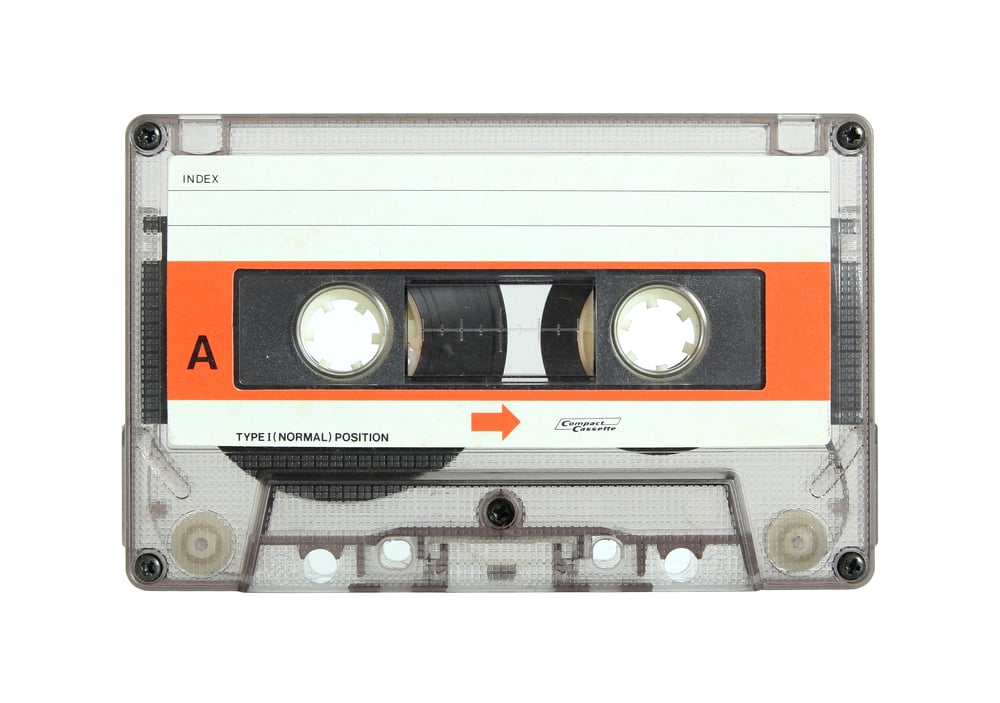
Using a pencil to wind back a tape was oddly satisfying. People once captured songs from the radio, building unique sets that matched how they truly listened.
Flaws in audio didn’t matter much when passing those cassettes around. Each handmade label, each scratched shell held meaning beyond sound.
Today’s streaming is fast, though never feels as tangible as receiving something real with your name on it.
Rotary Phones
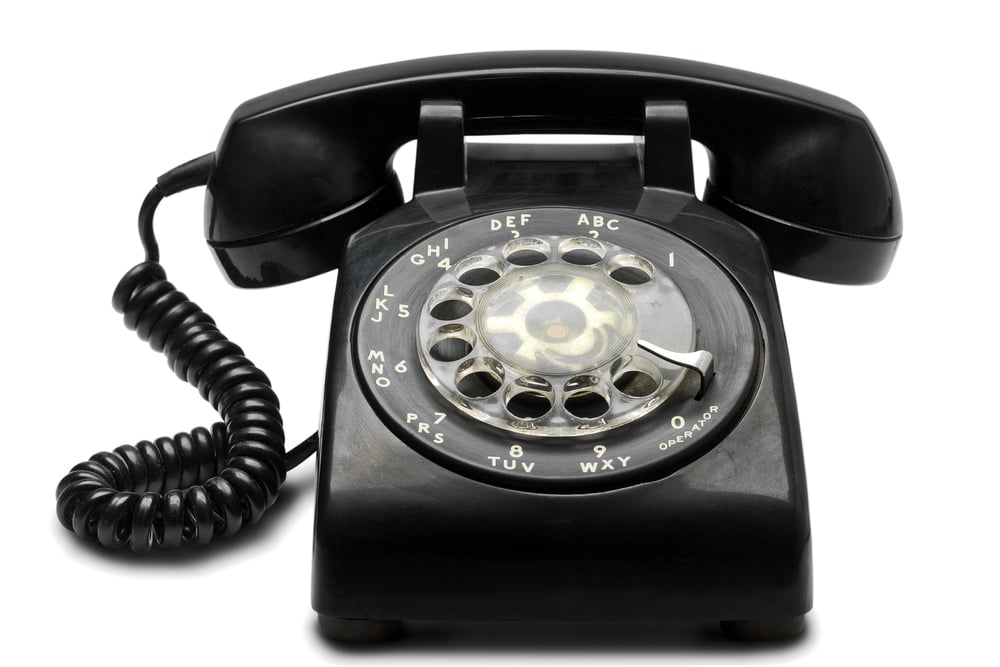
Spinning the numbers on a rotary phone took time, yet each turn gave a small resistance under your fingertip. Heavy in hand, those old sets sat firmly on desks, nothing like today’s lightweight gadgets that shatter when they hit the floor.
Younger people may stare at the round face without knowing where to start, though many grownups still recall the rhythm of twisting and listening to the mechanical chatter. Instead of searching for chargers, you just hung up and waited – power was always ready, built into the cord itself.
Polaroid Cameras
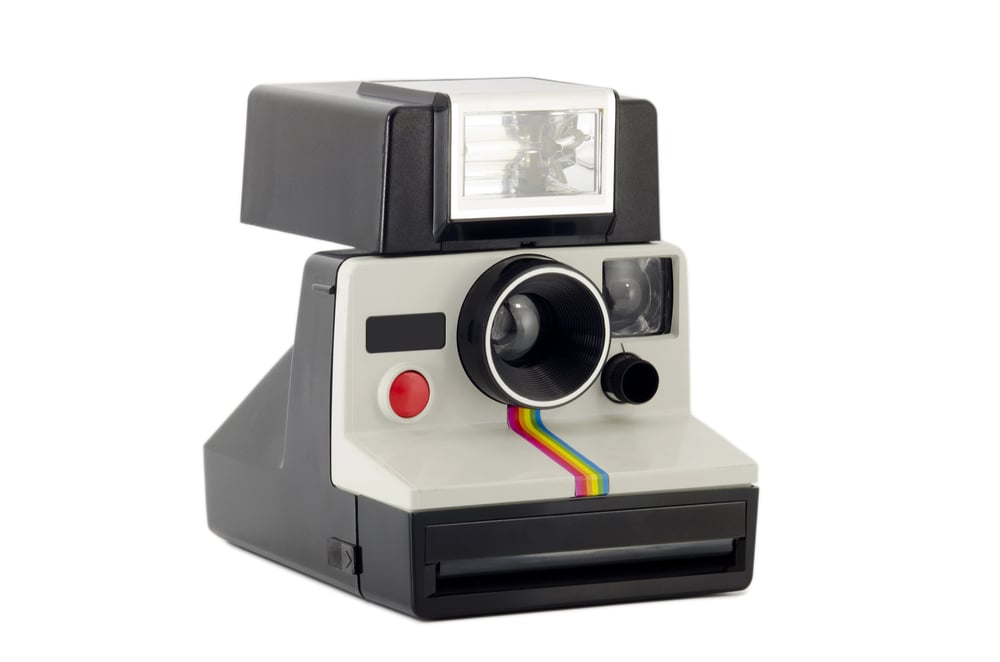
Waiting for the image to show meant waving a warm print around, building excitement you rarely get today. Instant cameras delivered real snapshots right away, no gadget or internet required.
Because each pack had just a few sheets, taking pictures felt like making choices that counted. Off-kilter hues and tiny flaws gave them character, standing out from endless phone shots piling up unseen.
Every frame carried something imperfect, yet somehow more alive.
VHS Rewinders
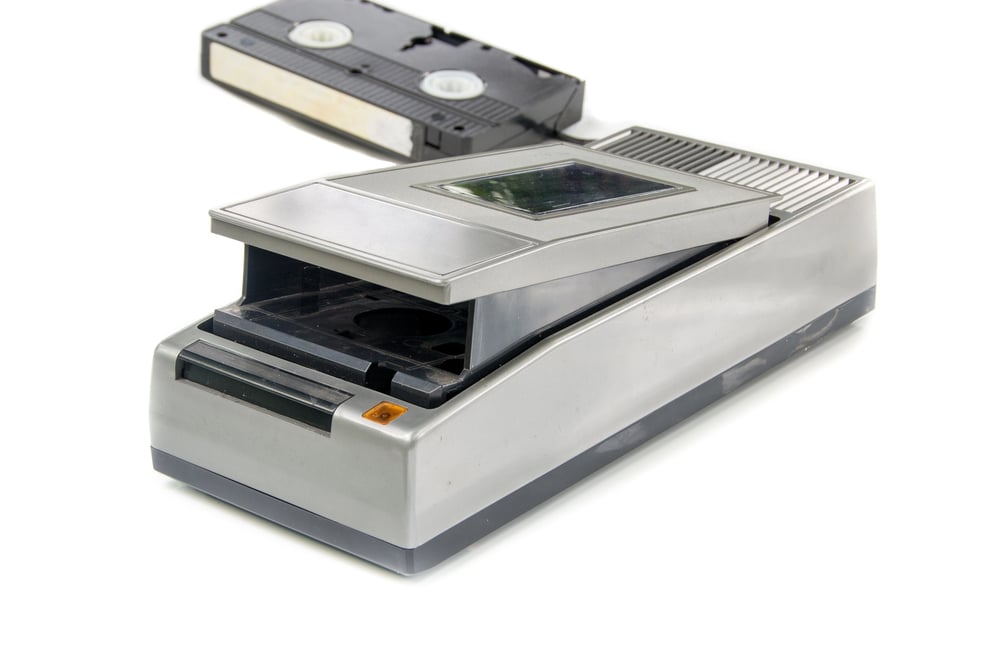
Separate VHS rewinders shaped like race cars or other fun designs made the mundane task of rewinding tapes oddly enjoyable. These little machines saved wear and tear on VCR players while adding a bit of personality to entertainment centers.
Waiting for a tape to rewind built anticipation for the next viewing. Modern streaming eliminates rewinding entirely, but it also removes that small ritual that made movie nights feel more intentional.
Floppy Disks
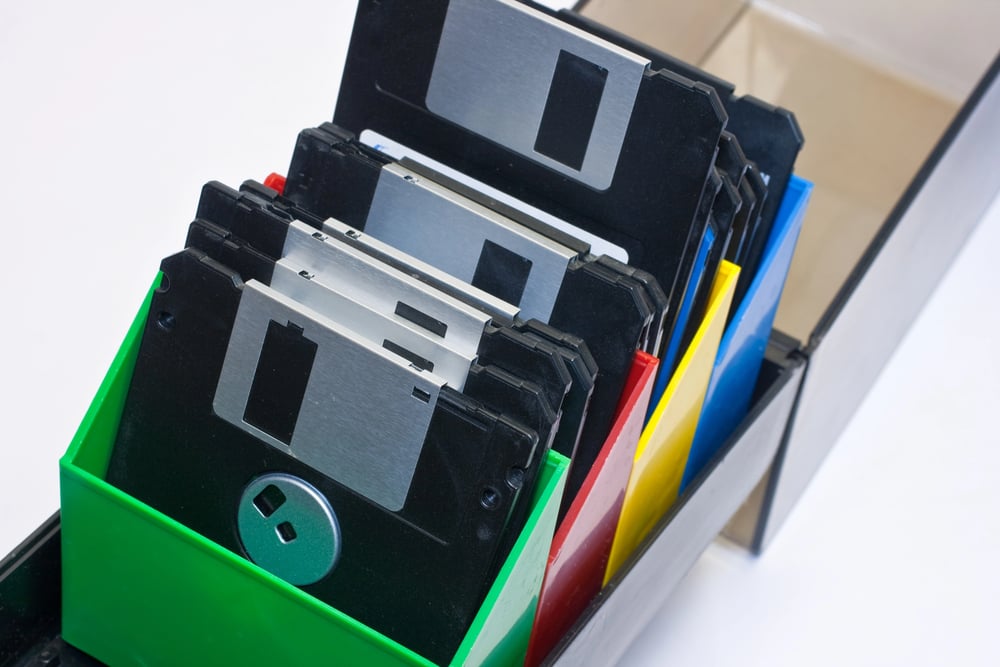
The 3.5-inch floppy disk could only hold about 1.4 megabytes, which sounds laughable now, but that limitation taught people to be selective about what they saved. The satisfying click of inserting a disk into a computer drive and the small sliding metal cover made these storage devices fun to handle.
Floppy disks were also practically indestructible compared to today’s delicate flash drives. Teachers used to collect homework on these disks, and losing one meant losing hours of work, which taught responsibility the hard way.
Pagers
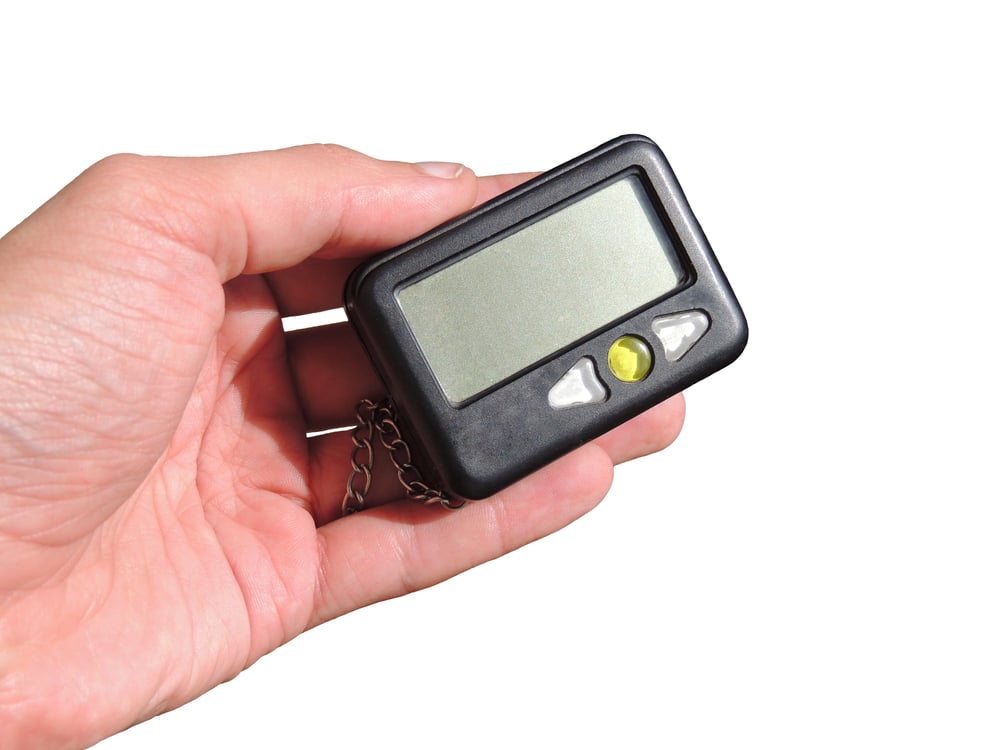
Pagers kept people connected without the constant distractions that smartphones bring to every waking moment. Getting a page meant someone actually needed to reach out, not just sending another meme or random thought.
The simple numeric codes people used created a fun secret language among friends and coworkers. Doctors and emergency workers still use pagers in some places because they’re more reliable than cell phones in certain situations.
Film Cameras With Manual Controls

Adjusting aperture, shutter speed, and focus by hand forced photographers to actually understand how cameras work. Each roll of film only offered 24 or 36 shots, so people thought carefully before pressing the shutter button.
Waiting days to see developed photos built excitement and made good shots feel like real achievements. Digital cameras offer endless shots and instant feedback, but they also encourage sloppy habits and less thoughtful composition.
CRT Televisions
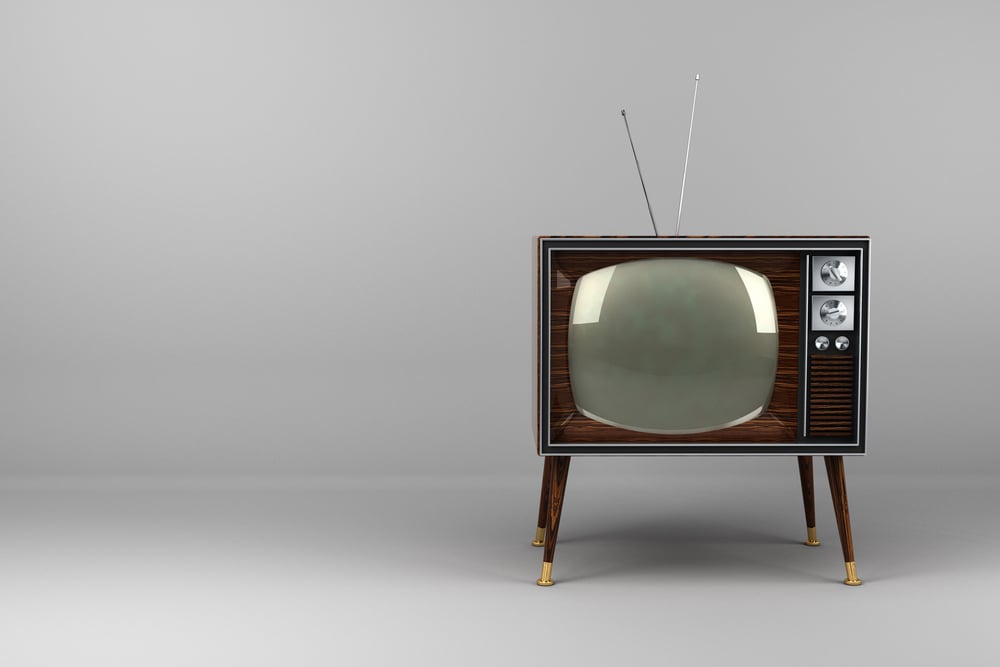
Those big, heavy tube televisions took up half the living room, but their deep blacks and instant response times put many modern TVs to shame. Vintage video games look and feel better on CRT screens because they were designed with that technology in mind.
The slight curve of the screen gave images a warmth that flat panels struggle to match. Sure, lifting one of these monsters required serious muscle, but the picture quality made the effort worthwhile for retro gaming enthusiasts.
Answering Machines
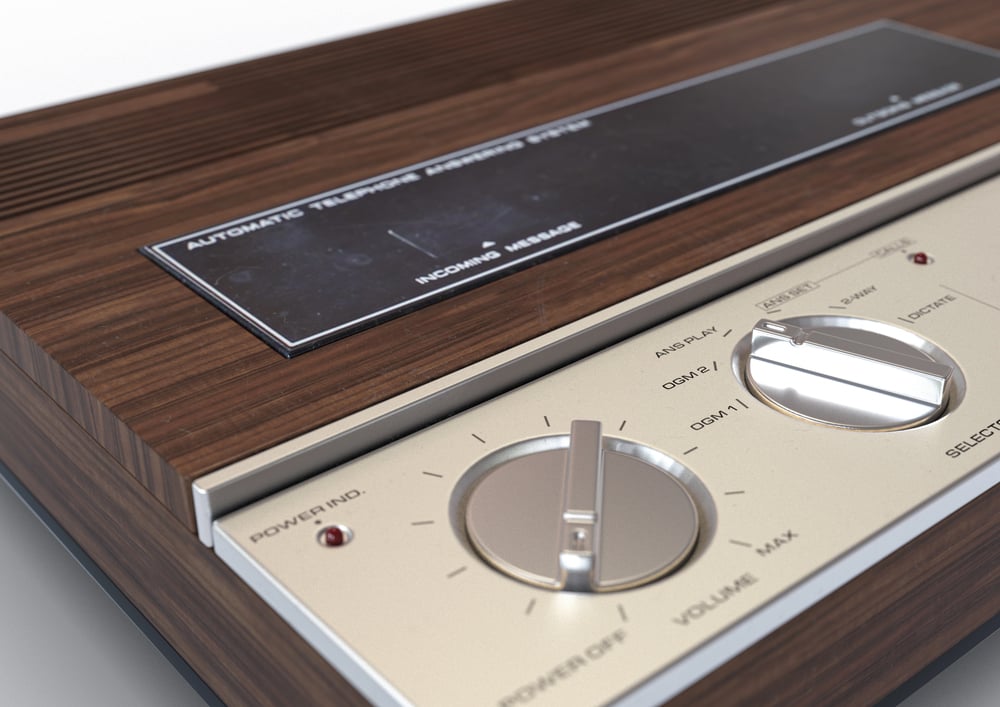
Screening calls through an answering machine gave people control over when they wanted to interact, unlike today’s expectation of constant availability. The blinking red light indicating new messages created a sense of anticipation that voicemail notifications can’t replicate.
Recording personalized greetings lets people show off their creativity or humor. Plus, the ability to hear messages playing in real time meant avoiding unwanted conversations without seeming rude.
Laserdisc Players
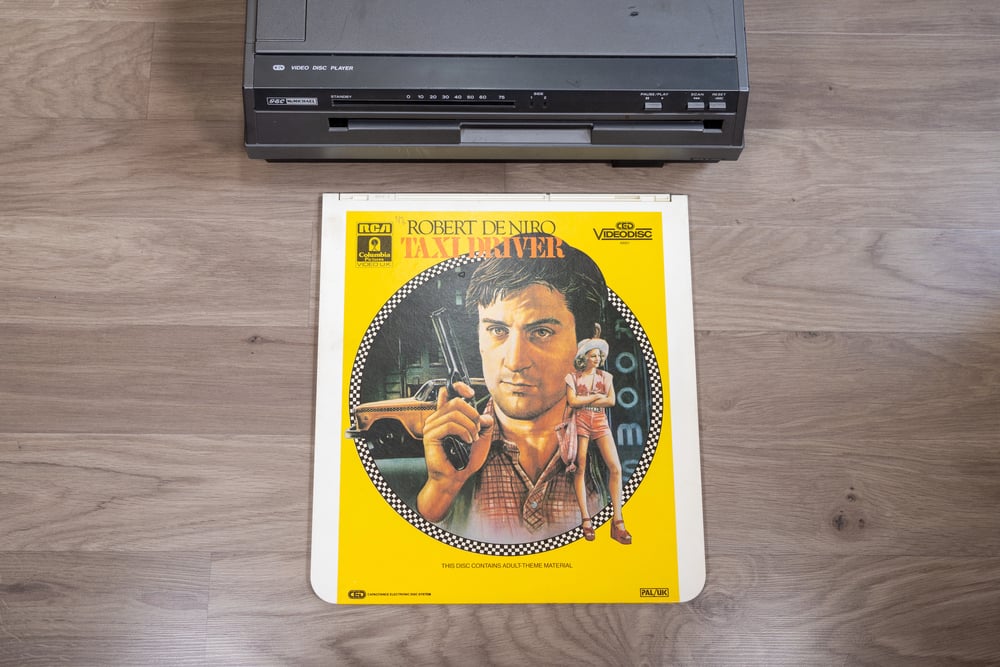
Laserdiscs offered superior video quality compared to VHS tapes, and the large album-sized artwork made physical media feel premium. These players appealed to serious movie collectors who cared about picture and sound quality.
Flipping the disc halfway through a film felt ceremonial, like an intermission at a theater. The format died out quickly, but it paved the way for DVDs and taught the industry that people would pay more for better quality.
Walkmans
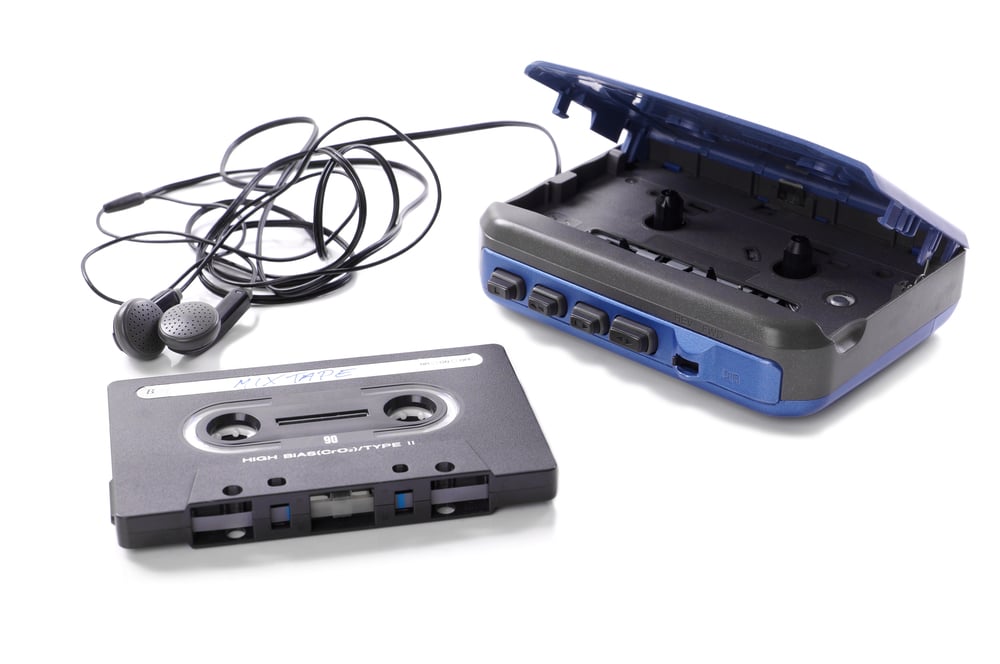
Portable cassette players let people carry their music everywhere without draining phone batteries or requiring internet connections. The mechanical whirring sound and the ability to fast-forward through songs by holding a button added a hands-on element to listening.
Walkmans were personal and private, creating a bubble of sound without broadcasting music to everyone nearby. Replacing batteries felt like a small price to pay for hours of uninterrupted tunes on long bus rides or walks.
Mechanical Typewriters

The rhythmic clacking of keys and the ding of the carriage return made writing feel productive and purposeful. Typewriters required focus because fixing mistakes meant starting over or using correction fluid.
The physical act of hammering keys onto paper created a connection between thought and word that keyboards don’t quite capture. Writers who used typewriters often produced cleaner first drafts because they couldn’t endlessly edit and second-guess every sentence.
Dial-Up Internet
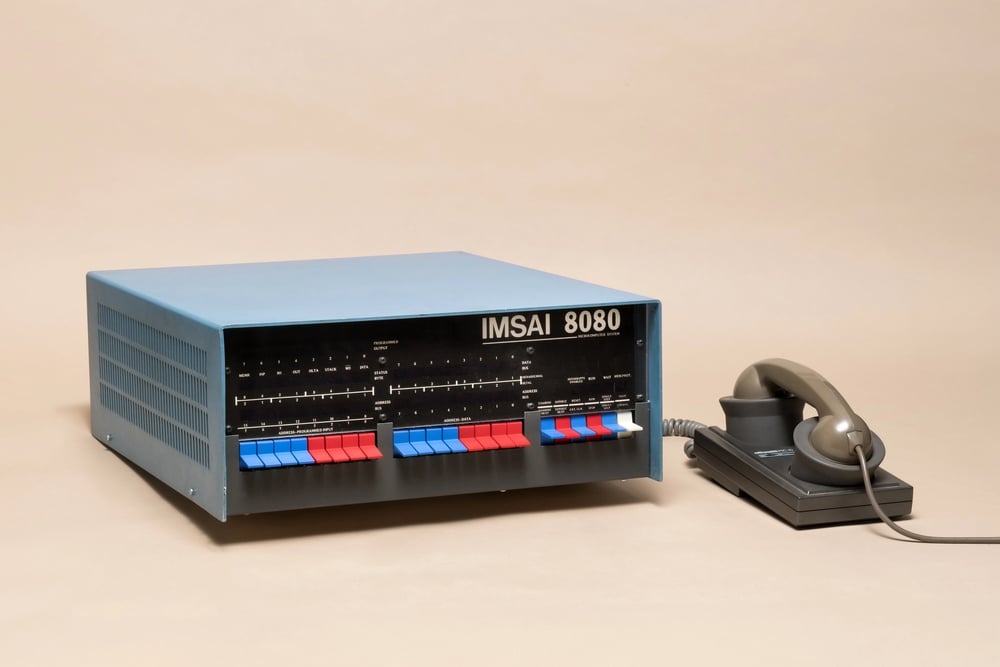
The screeching sound of a modem connecting to the internet was annoying but also strangely comforting, signaling that the online world was about to open up. Dial-up forced people to be intentional about going online instead of mindlessly scrolling for hours.
Waiting for pages to load taught patience, and the limited connection time meant people actually logged off and did other things. Nobody wants slow speeds back, but the discipline it requires might actually benefit today’s internet-addicted culture.
When Simplicity Meant Something
Modern technology offers incredible power and convenience, but it also brings complexity that older gadgets never had. The devices people miss most weren’t necessarily the best at what they did, but they worked reliably without constant updates, subscriptions, or troubleshooting.
Bringing back some of these technologies wouldn’t mean abandoning progress, just recognizing that newer isn’t always better. Sometimes the old ways had a charm and practicality worth remembering, even if they never made a full comeback.
More from Go2Tutors!

- The Romanov Crown Jewels and Their Tragic Fate
- 13 Historical Mysteries That Science Still Can’t Solve
- Famous Hoaxes That Fooled the World for Years
- 15 Child Stars with Tragic Adult Lives
- 16 Famous Jewelry Pieces in History
Like Go2Tutors’s content? Follow us on MSN.



