Worst Medical Treatments Of The Middle Ages
The medieval period wasn’t exactly the golden age of medicine. Between roughly 500 and 1500 CE, physicians operated with a fascinating blend of ancient wisdom, religious doctrine, and complete guesswork that produced some truly horrifying treatments.
Many of these practices persisted for centuries, passed down through medical texts that were copied and recopied without much questioning of their effectiveness.
When you were sick in medieval times, the cure was often worse than the disease. Doctors had impressive confidence in treatments that ranged from merely useless to actively deadly.
The human body was viewed through the lens of humoral theory, astrological influence, and divine punishment — a combination that led to some remarkably creative ways to make sick people even sicker.
Bloodletting
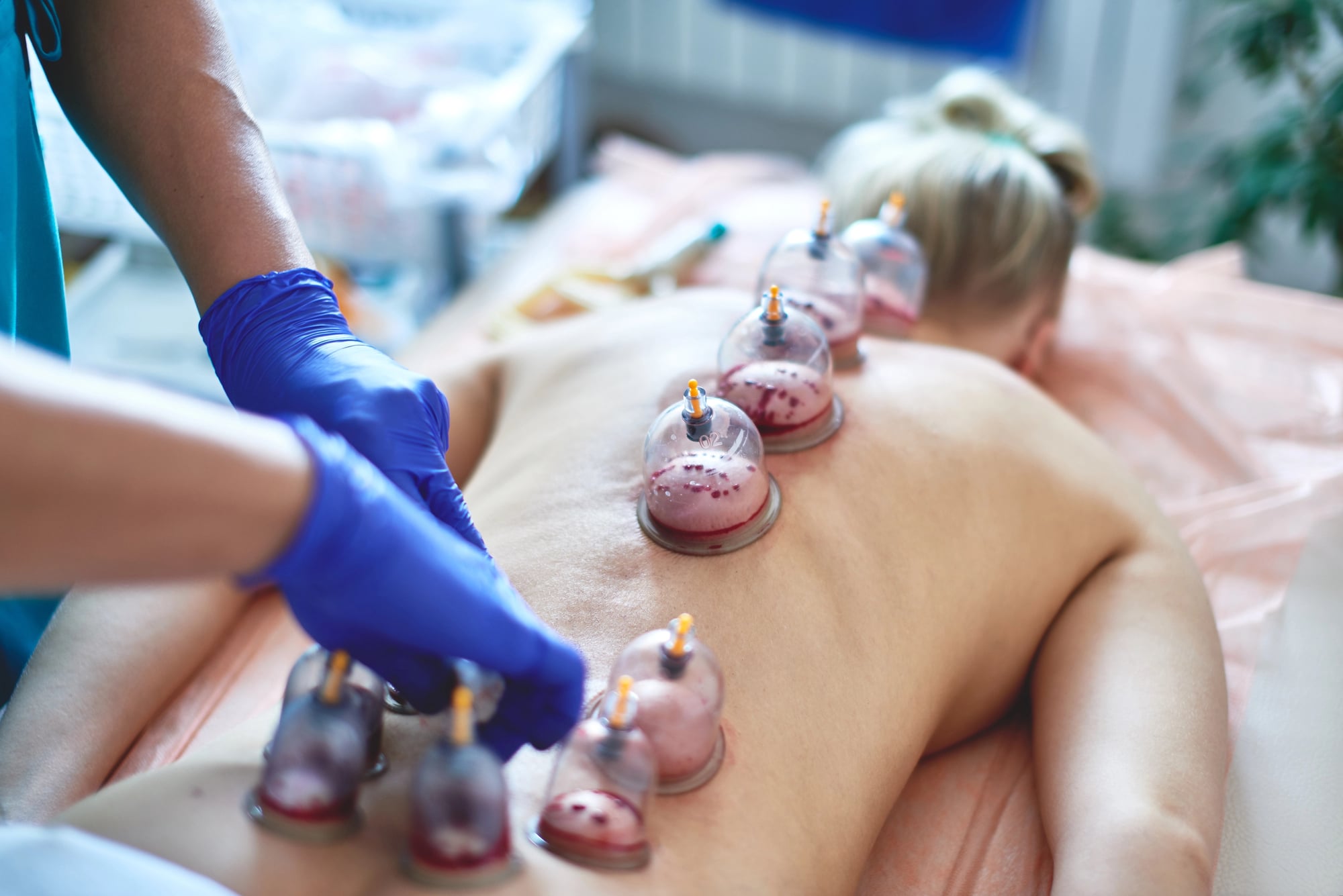
Medieval physicians believed that most illnesses stemmed from having too much blood in the body. The solution seemed obvious: remove the excess blood until the patient felt better.
Barber-surgeons would slice open veins with sharp instruments or apply leeches to drain what they considered corrupted blood.
This practice killed more patients than it helped. People already weakened by illness would lose significant amounts of blood, often sending them into shock or making infections worse.
But bloodletting remained the go-to treatment for everything from headaches to plague for nearly a thousand years.
Trepanation
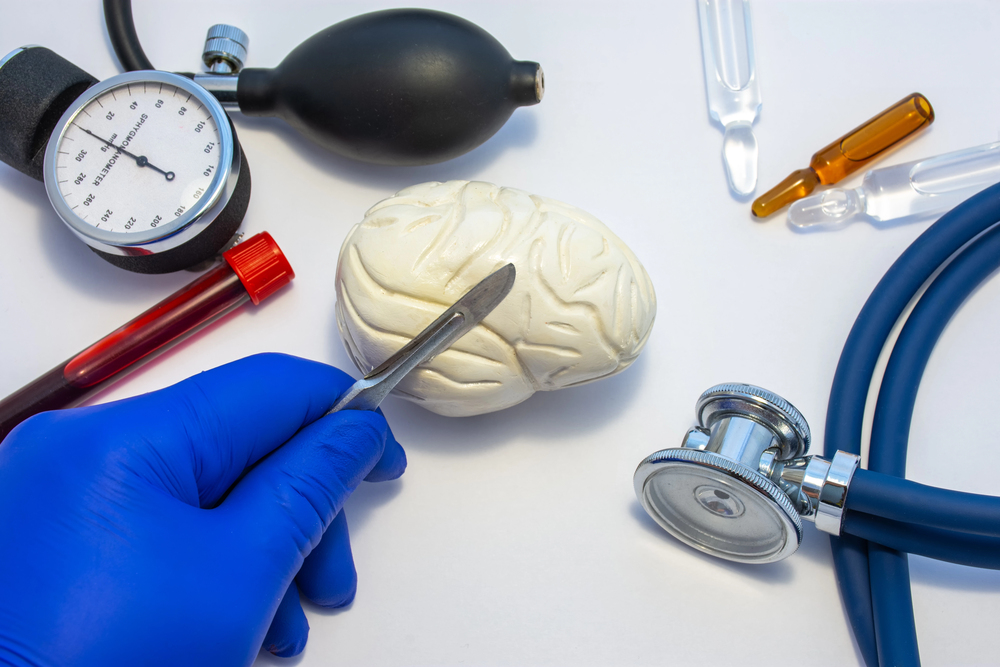
There’s something unsettling about the medieval approach to head injuries and mental illness: they drilled pits directly into the skull. Trepanation involved using primitive tools to bore through bone and expose the brain beneath, supposedly allowing evil spirits or excess pressure to escape (which, to be fair, wasn’t entirely wrong about the pressure part, though their execution left much to be desired).
The procedure was performed without anesthesia — because anesthesia didn’t exist yet — and often without proper sterilization, since germ theory wouldn’t arrive for several more centuries.
And yet, archaeological evidence suggests that some patients actually survived this treatment, which is either a testament to human resilience or sheer dumb luck.
But the fact that anyone thought drilling into someone’s head with medieval tools was a reasonable medical intervention speaks to just how desperate (and misguided) medieval medicine could be.
Mercury Treatment
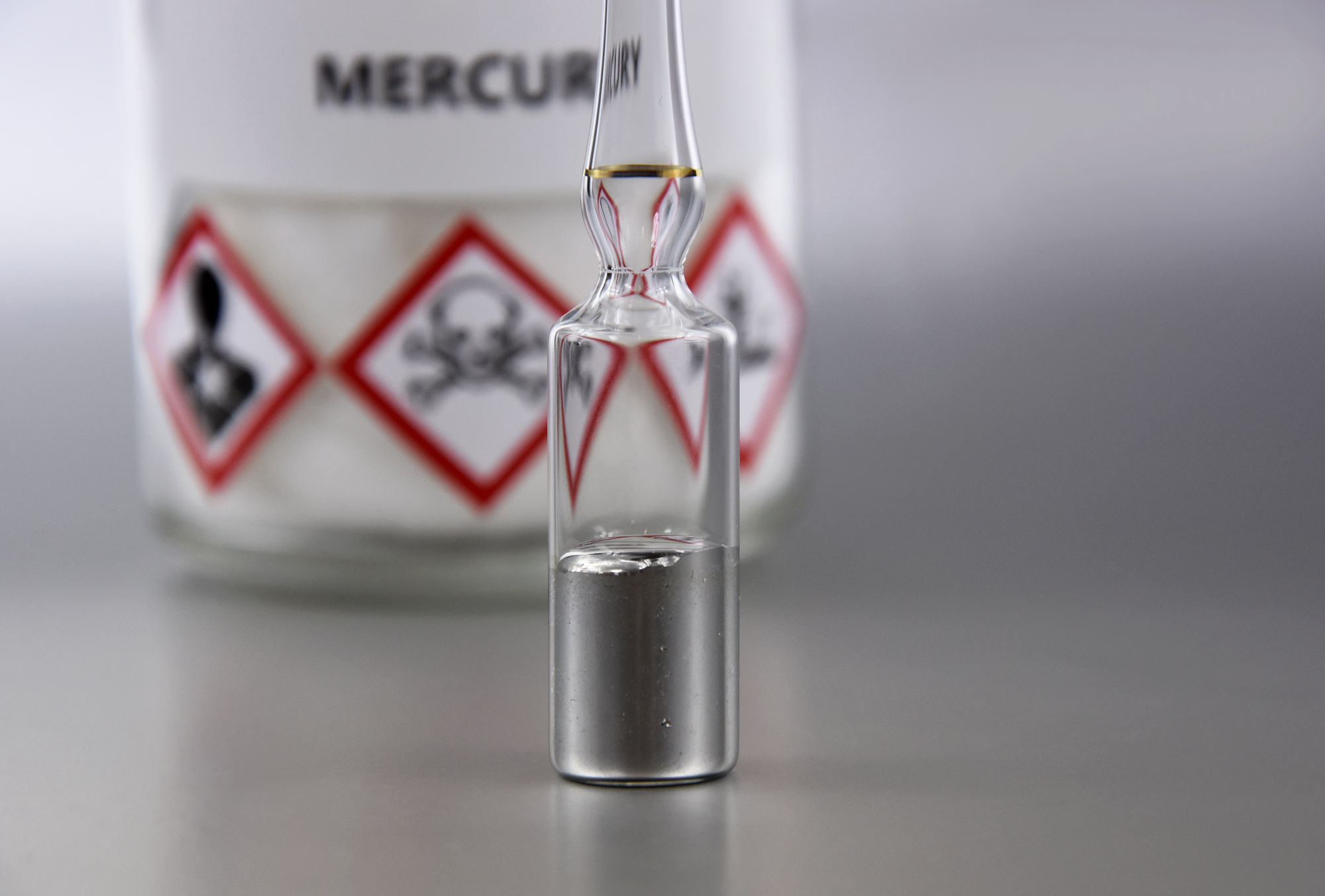
Mercury glides like liquid silver and seemed almost magical to medieval eyes. So naturally, physicians decided it must have healing properties.
They prescribed mercury for a stunning variety of ailments — skin conditions, digestive problems, and later, when syphilis arrived in Europe, as the primary treatment for that disease too.
Mercury is poison. Pure, accumulating, neurological poison that builds up in the body and causes tremors, kidney damage, and eventual death.
Medieval patients who survived their original illness often died slowly from mercury poisoning instead. The treatment created a whole new category of suffering.
Urine Therapy

Medieval medicine had an unusual fascination with bodily fluids, and urine held a particularly special place in their therapeutic toolkit. Physicians would examine the color, smell, and even taste of a patient’s urine to diagnose illness — then often prescribed drinking it as treatment (because apparently if you’re going to taste it for diagnostic purposes, you might as well commit to the experience).
This practice, called urophagia, was recommended for everything from plague to skin conditions, and sometimes patients were told to drink not just their own urine, but that of healthy individuals or even animals.
The reasoning was that urine contained the body’s essential humors and could restore balance when consumed.
It didn’t restore balance. It just made sick people drink waste products while remaining sick.
Theriac Treatment
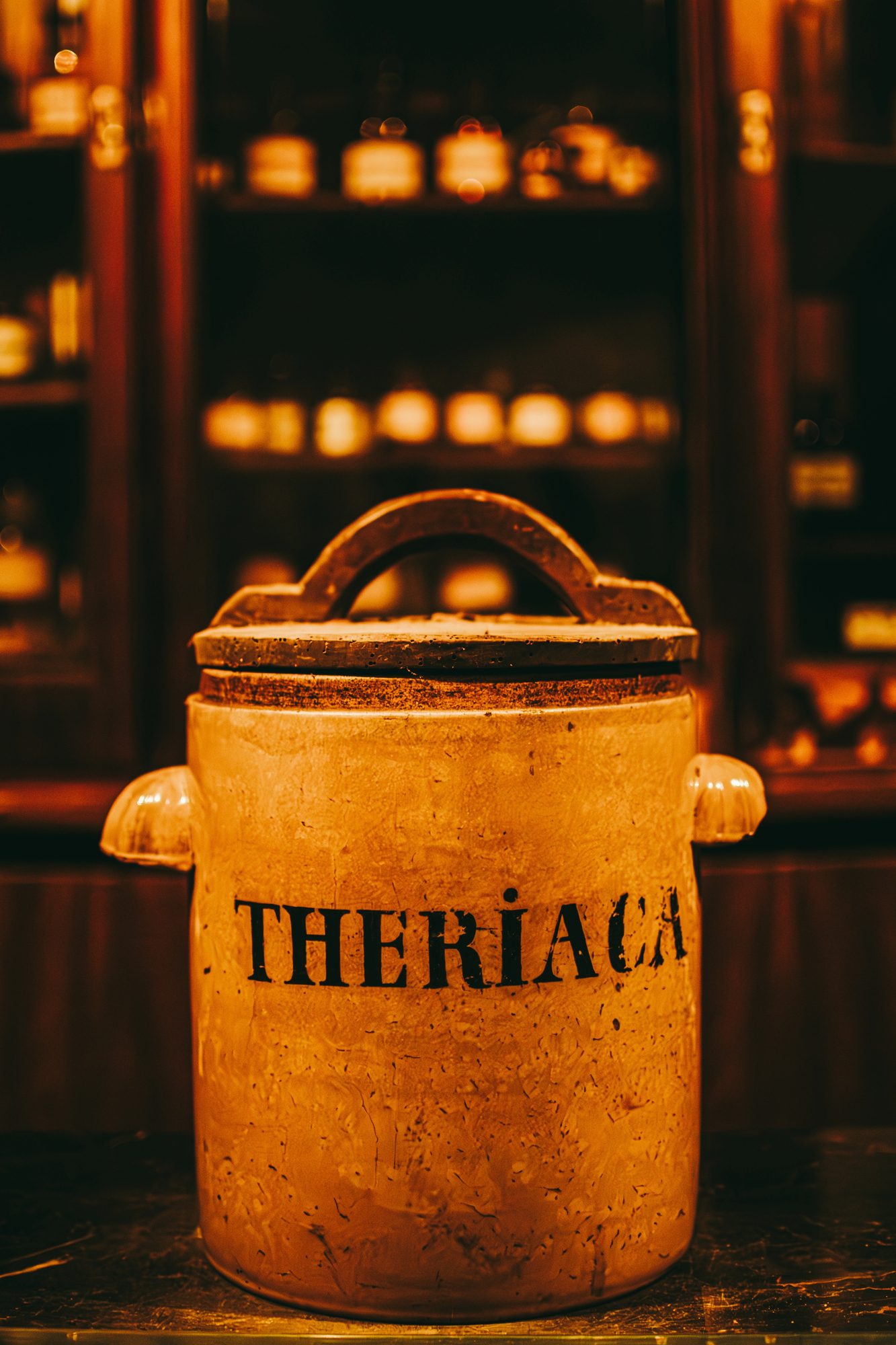
Theriac was the medieval world’s version of a cure-all — a complex mixture that could contain anywhere from a dozen to over sixty different ingredients, including viper’s flesh, opium, herbs, spices, and various animal parts. The most famous version, called Venice treacle, was considered so valuable that its preparation was a public ceremony, and the recipe was closely guarded by apothecaries.
The problem wasn’t just that theriac didn’t work for most conditions.
The problem was that some formulations contained genuinely toxic substances alongside potentially helpful ones. Patients never knew whether they were getting medicine or poison, and the elaborate preparation ritual gave people false confidence in what was essentially medieval snake oil.
The fact that it took decades to prepare properly meant that by the time someone consumed it, half the ingredients might have spoiled.
Cauterization
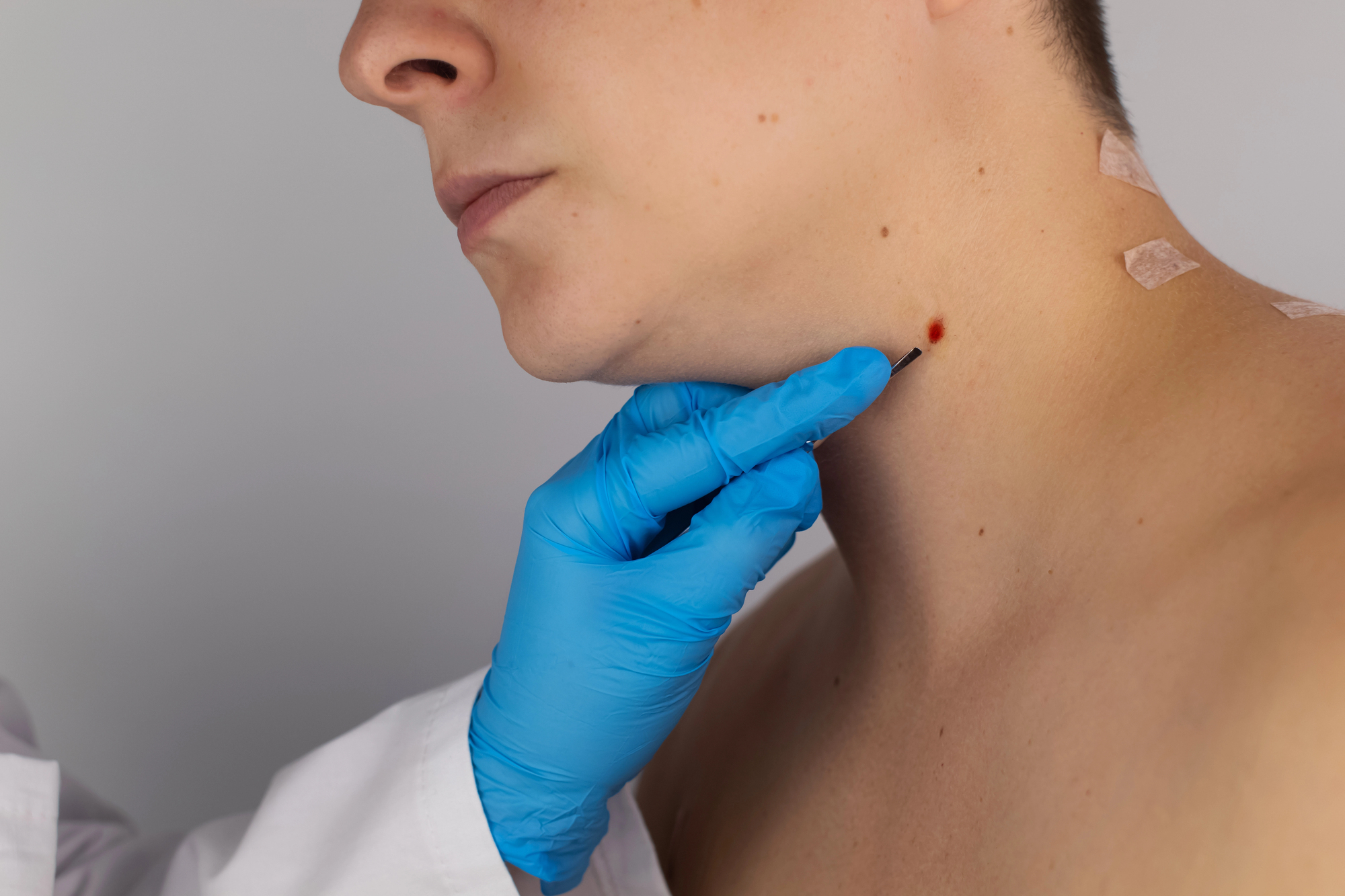
Pain was treated with more pain in medieval medicine. Cauterization involved applying red-hot irons to wounds, diseased tissue, or areas of the body that hurt.
The theory was that heat would draw out corruption and restore the natural balance of the body’s humors.
What actually happened was that patients experienced excruciating burns on top of their original medical problems. While cauterization occasionally helped stop blood or seal wounds, it was applied far more broadly than those limited uses.
People with headaches had hot irons applied to their temples. Joint pain was treated by burning the skin above the affected area.
The cure created permanent scars and often made the original problem worse.
Herbal Purging
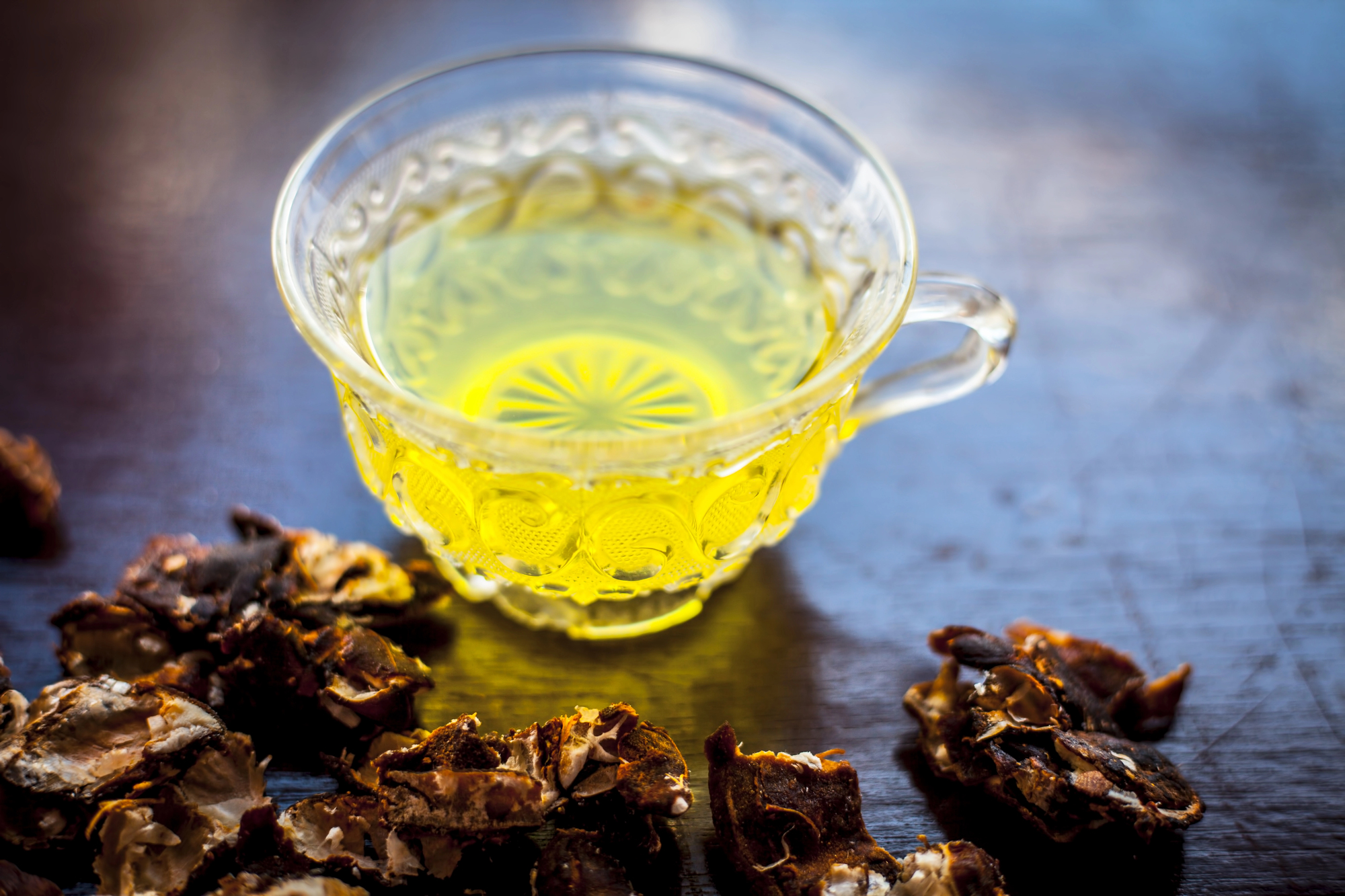
Medieval physicians believed that illness was often caused by corrupt matter trapped inside the body, so they developed increasingly violent ways to expel it. Herbal purgatives were designed to cause explosive diarrhea and vomiting, sometimes simultaneously, until patients were completely emptied out.
These treatments used powerful plant extracts that could cause severe dehydration, electrolyte imbalances, and sometimes death from the purging process itself.
But doctors kept prescribing stronger and stronger purgatives because they mistook the dramatic physical reaction for evidence that the treatment was working.
Patients who survived the purging were often weaker than when they started, having lost fluids and nutrients their sick bodies desperately needed.
Zodiac Medicine
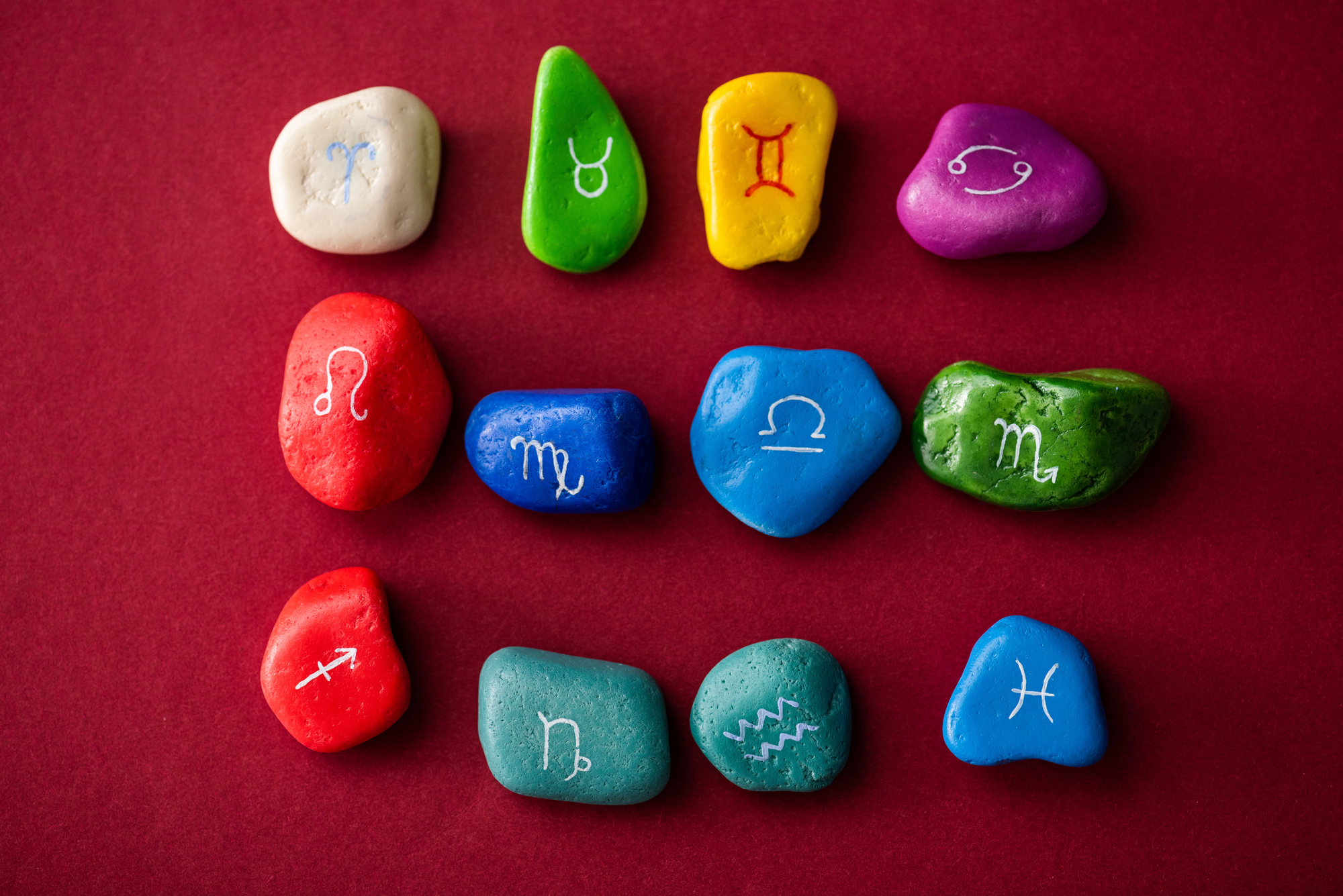
Medieval medicine was deeply intertwined with astrology. Physicians consulted star charts before treating patients, believing that the position of celestial bodies determined which treatments would be effective and when procedures should be performed.
Each zodiac sign was thought to govern different parts of the body, and treatment timing depended on lunar phases and planetary alignments.
This meant that patients with urgent medical needs might be told to wait for favorable astrological conditions before receiving care.
People died while their doctors waited for Mars to move out of the wrong house or for the moon to enter a more medically auspicious phase. The practice added unnecessary delays to medical treatment and gave physicians another excuse to avoid taking responsibility when their treatments failed.
Boar Bile Treatment

Animal parts were considered powerful medicine in the medieval period, and boar bile held a special place in the pharmacological imagination. Fresh bile from wild boars was prescribed for digestive problems, fever, and various internal ailments.
The theory was that the fierce nature of the boar would transfer strength to sick humans.
The reality was that consuming raw animal bile often caused violent stomach upset and sometimes serious infections from contaminated organ matter.
Patients who were already dealing with digestive issues found their problems dramatically worsened by introducing bile from animals that might have been diseased or improperly stored. The treatment created new problems while solving none of the original ones.
Skull Moss Treatment

One of the more bizarre medieval remedies involved moss that grew on human skulls, particularly those of executed criminals. This “usnea” was harvested from graveyards and battlefields, dried, and used to treat wounds and blood.
The belief was that the moss absorbed some essential life force from the skull it grew on.
Skull moss was not only medically useless but potentially dangerous due to the bacteria and other pathogens it likely harbored from its growth environment.
Patients with open wounds who had this material applied often developed serious infections. The treatment combined superstition with poor sanitation in a way that made existing injuries significantly worse.
Worm Treatment

Live earthworms were prescribed for various ailments, either applied directly to wounds or consumed as medicine. Physicians believed that worms could draw out corruption from infected tissue or, when eaten, could consume disease-causing matter inside the body.
Patients were sometimes told to swallow live worms or have them placed on open sores.
This treatment introduced additional bacteria and parasites into already compromised patients.
Worms taken from soil carried numerous pathogens that could cause secondary infections. The practice was based on the medieval tendency to fight corruption with something they perceived as even more corrupt, hoping the two would cancel each other out rather than compound the problem.
Bezoar Stone Treatment

Bezoars are calcified masses found in the stomachs of certain animals, particularly goats and deer. Medieval physicians prized these stones as universal antidotes to poison and treatments for various diseases.
Wealthy patients would pay enormous sums for genuine bezoars, which were often ground into powder and mixed into drinks or food.
The stones had no medical properties whatsoever.
They were simply indigestible matter that had accumulated in animal digestive systems. Patients who consumed powdered bezoar were essentially eating expensive stomach stones while their actual medical conditions went untreated. The high cost of the treatment added financial ruin to physical suffering for many families.
Sympathetic Powder

This treatment was based on the theory of sympathetic magic — the idea that substances could heal wounds from a distance by treating objects that had been in contact with the injury. Sympathetic powder, often made from ground human skull or other exotic ingredients, was applied not to the wound itself but to the weapon that caused it or to bloodied clothing.
The powder was supposed to heal the wound through mystical connection while the actual injury was left untreated.
Patients with serious wounds would focus on treating their swords or bandages with expensive powders while infections set in and injuries festered.
The practice delayed proper wound care and gave people false hope that magical intervention would replace basic medical attention.
Looking Back At Medical Folly

These treatments reveal something both troubling and oddly reassuring about human nature. Medieval physicians weren’t deliberately trying to harm their patients — they were working with the best theories available to them, combining observation, tradition, and logic in ways that made sense within their understanding of how the world worked.
The confidence with which they prescribed mercury and drilled into skulls speaks to our persistent need to do something, anything, when faced with suffering and uncertainty.
What’s remarkable is that patients kept seeking these treatments despite their obvious dangers.
The alternative — accepting that medicine had no good answers for most conditions — was apparently more frightening than submitting to procedures that were clearly making people worse. That desperation to find healing, even through methods that seem obviously harmful in hindsight, remains recognizable today in how quickly people embrace untested treatments when conventional medicine reaches its limits.
More from Go2Tutors!

- The Romanov Crown Jewels and Their Tragic Fate
- 13 Historical Mysteries That Science Still Can’t Solve
- Famous Hoaxes That Fooled the World for Years
- 15 Child Stars with Tragic Adult Lives
- 16 Famous Jewelry Pieces in History
Like Go2Tutors’s content? Follow us on MSN.