16 Rare Historical Artifacts Preserved Behind Glass
Standing before a display case in a museum, there’s something almost sacred about that moment when you realize you’re looking at an object that witnessed history firsthand. The glass barrier feels both protective and isolating — keeping precious artifacts safe while creating an invisible wall between past and present.
These rare historical pieces, preserved behind their crystal guardians, hold stories that textbooks can only attempt to capture. Each scratch, stain, and worn edge tells a tale of human triumph, tragedy, or simple daily life from eras long gone.
The Magna Carta
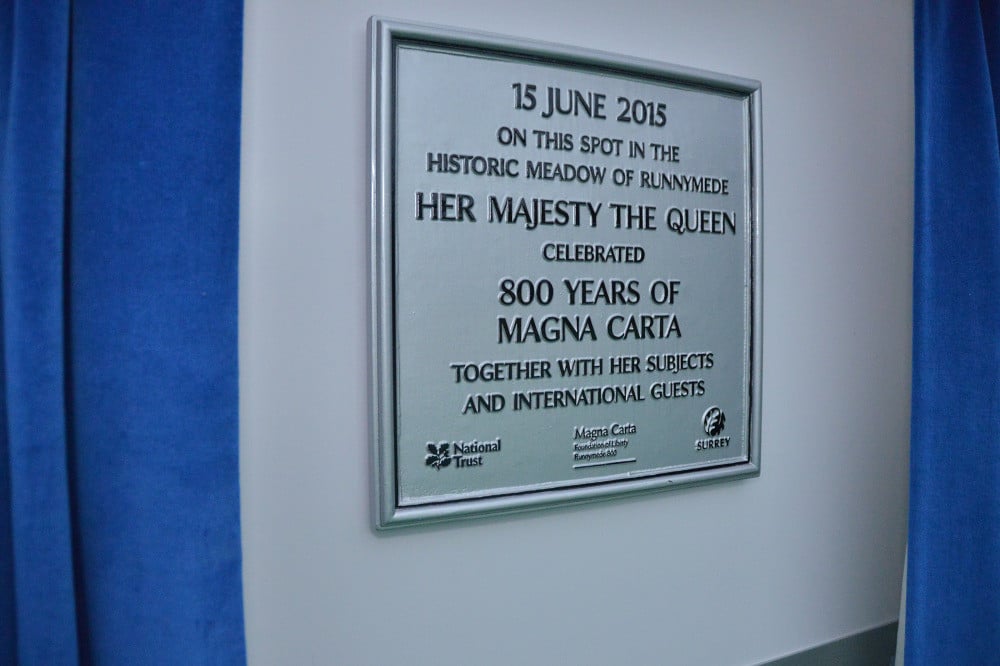
Only four original copies survive from 1215. The British Library’s version sits behind climate-controlled glass, its Latin text barely legible after eight centuries.
King John’s seal pressed into wax still clings to the bottom, cracked but intact. This wasn’t just a document — it was rebellion made manifest.
Napoleon’s Toothbrush
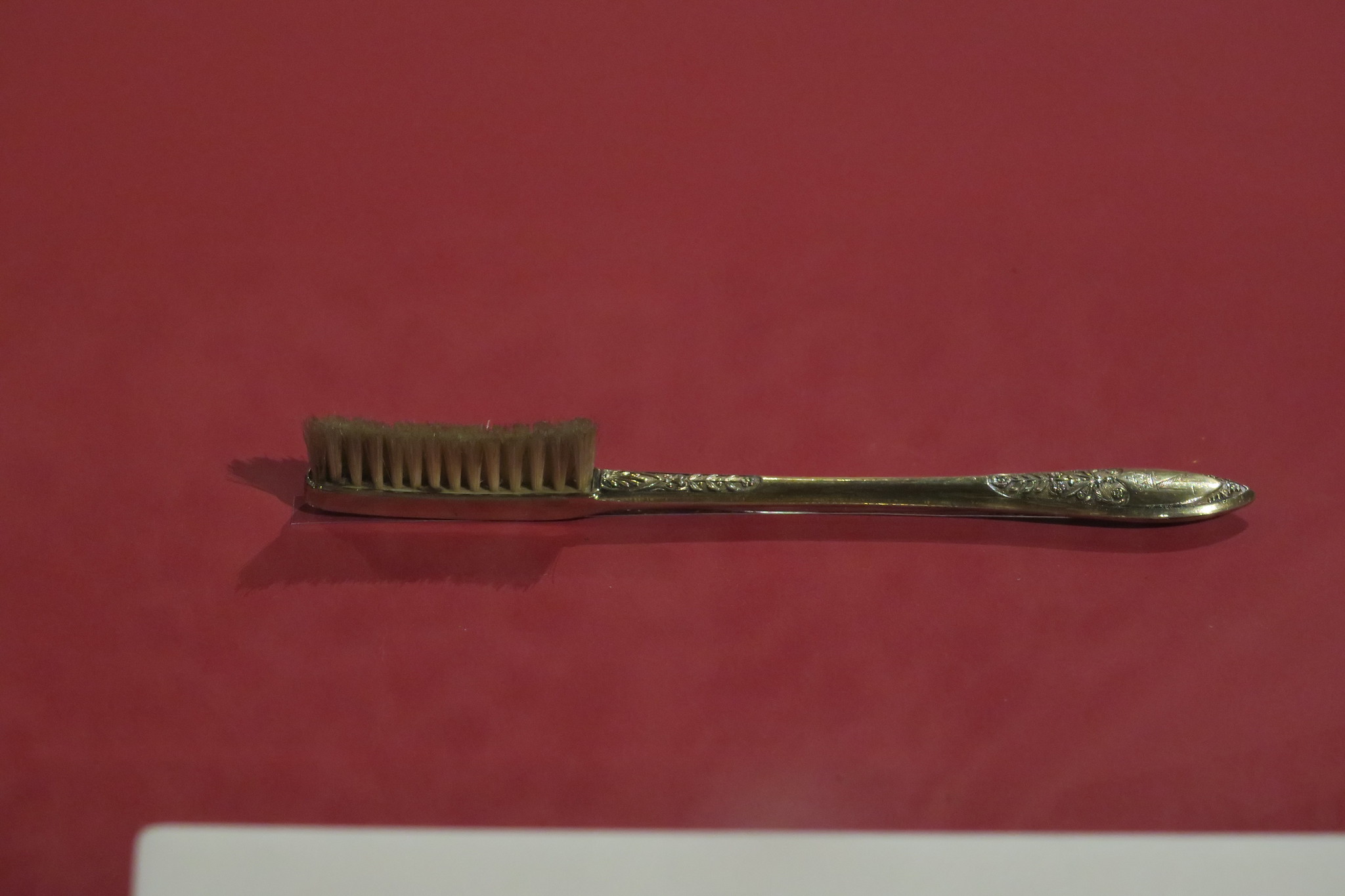
The Emperor’s personal hygiene kit survived his exile on St. Helena. Silver-handled with boar bristles, it rests in a French museum case.
Such an ordinary object, yet it touched the mouth that commanded armies across Europe. Daily routines persist even when empires fall.
The Antikythera Mechanism
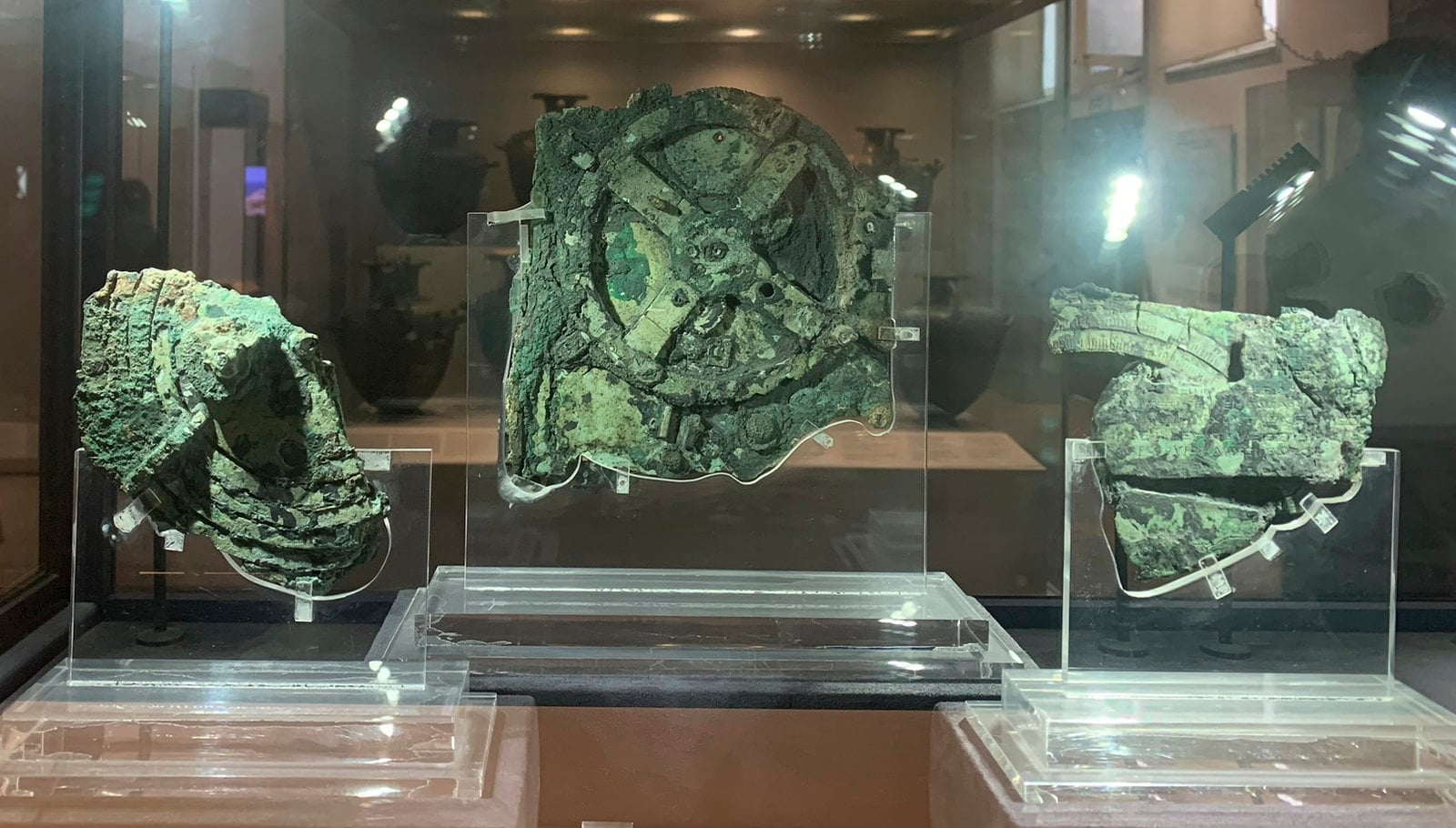
When Greek divers pulled this corroded lump from the Mediterranean in 1901, nobody understood what they’d found. What sat before them would eventually reveal itself to be a bronze computer.
The device could predict eclipses, track Olympic games, and calculate planetary positions with startling accuracy. Ancient Greeks had built gear systems so sophisticated that modern archaeologists needed X-ray technology to understand the mechanism’s purpose.
Lincoln’s Blood-Stained Gloves
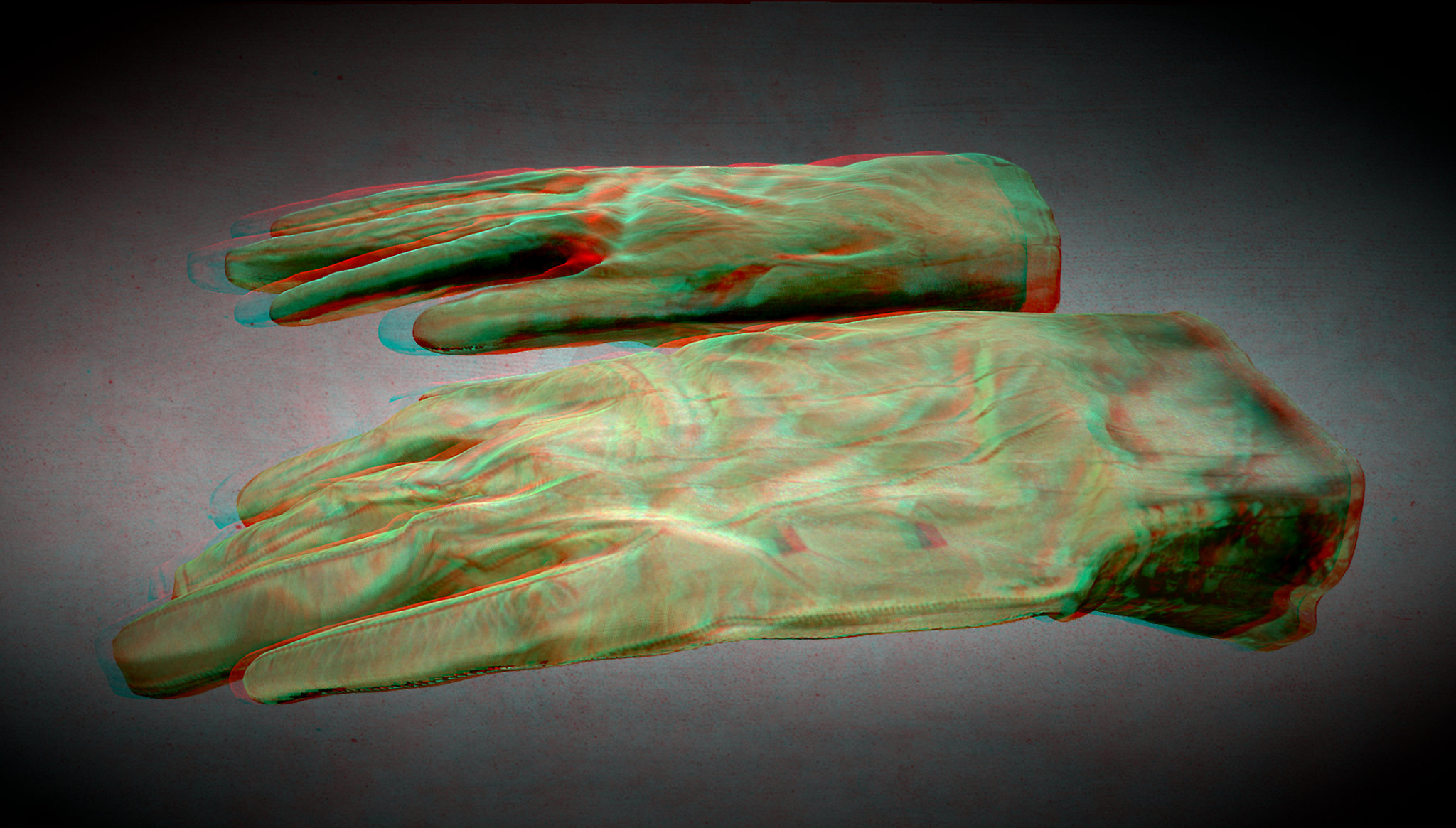
Like autumn leaves pressed between pages of a book, these white kid gloves hold the weight of a nation’s grief within their fibers. The rusty brown stains map the exact moment when history pivoted.
Museums preserve all sorts of clothing, but these gloves feel different. They don’t just represent an assassination; they capture the intimate horror of a wife watching her world collapse in real time.
The Treaty of Versailles Original
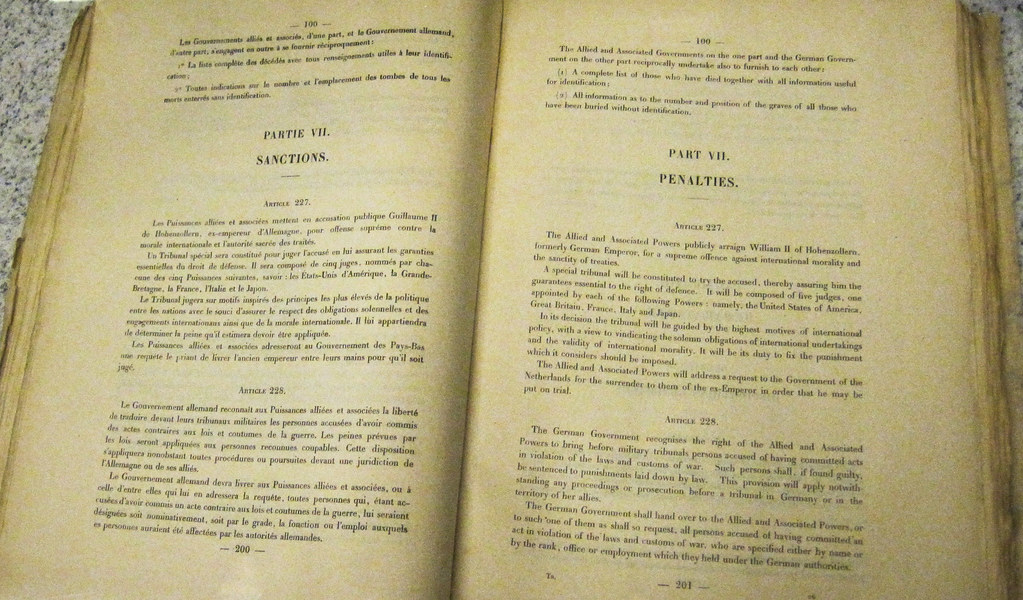
Too important to leave unprotected, too controversial to display without context. The document that ended World War I and arguably planted seeds for the next sits behind reinforced glass in France.
Signatures from world leaders cover the final pages — names that would soon become footnotes to the chaos they’d inadvertently created.
Caesar’s Signet Ring
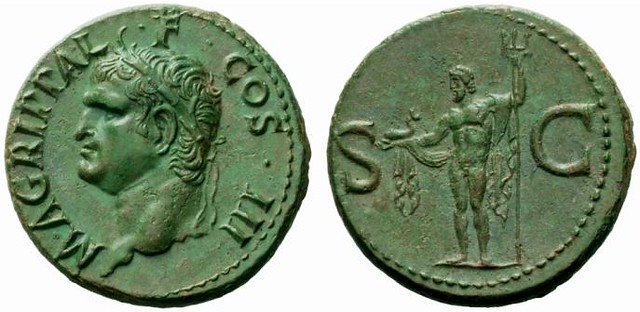
A golden band discovered in the Roman Forum, authenticated through decades of scholarly debate. The engraved image shows Julius Caesar’s profile, worn smooth from years of sealing official documents.
Whether it actually belonged to the dictator remains uncertain, but the possibility alone draws crowds. Sometimes the maybe matters more than the definitely.
The First Printed Bible
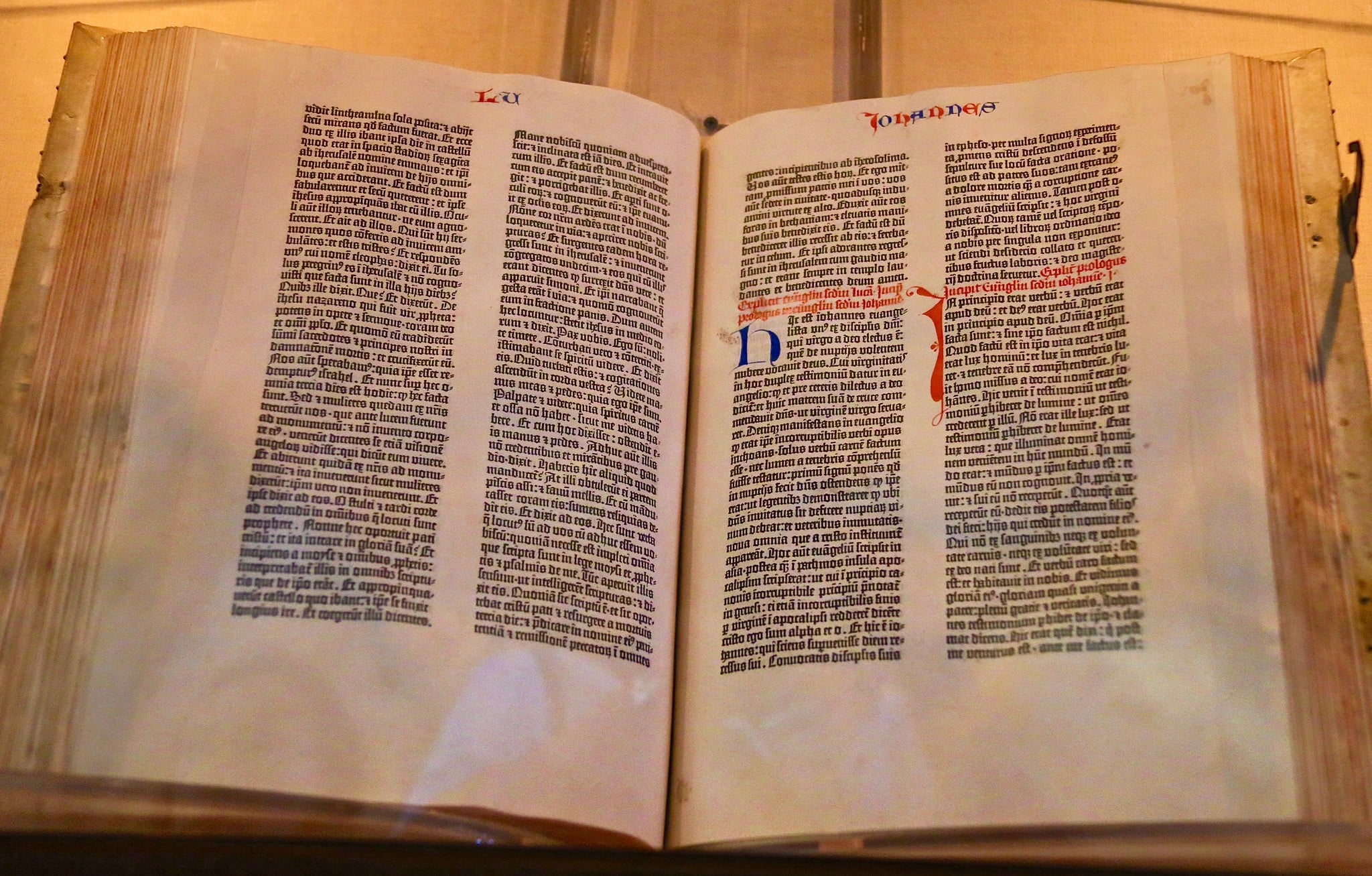
Gutenberg’s 42-line Bible sits in library cases worldwide — only 21 complete copies survived from 1455. The pages, still sharp and readable, represent the moment human knowledge broke free from handwritten constraints.
The text looks almost modern, as if someone could have printed it yesterday. The paper tells a different story — thick, handmade sheets that feel substantial in a way modern printing never quite manages.
Anne Frank’s Diary
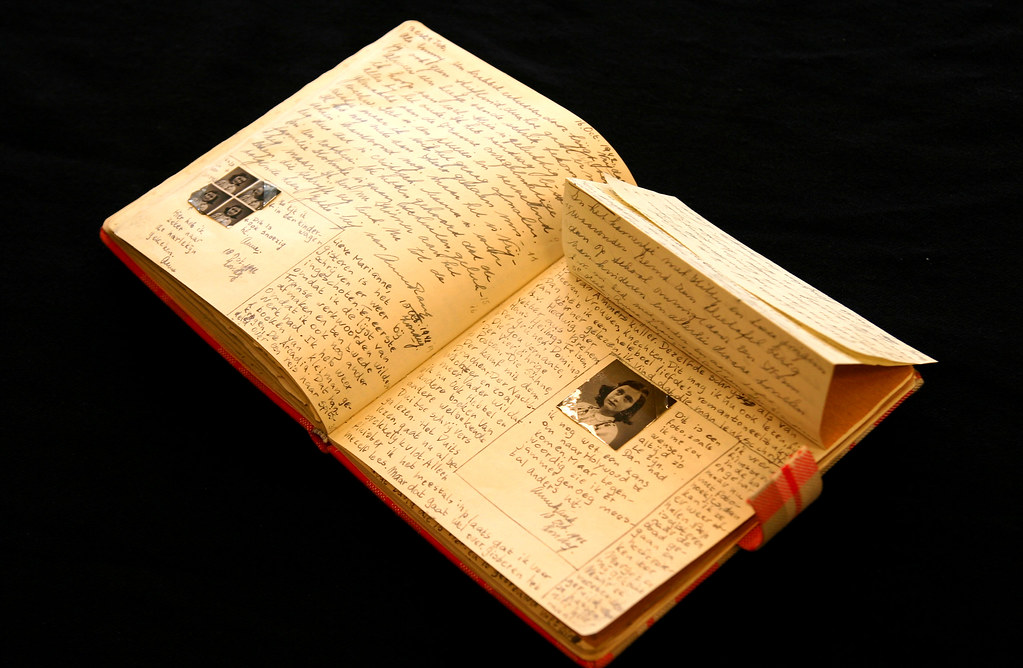
The red-checkered notebook rests in Amsterdam’s museum, opened to a page where her handwriting flows across lined paper. Glass protects the physical artifact while millions read her words in translation.
Her teenage observations about hiding, fear, and hope feel immediate despite the decades between her pen strokes and your reading.
The Rosetta Stone
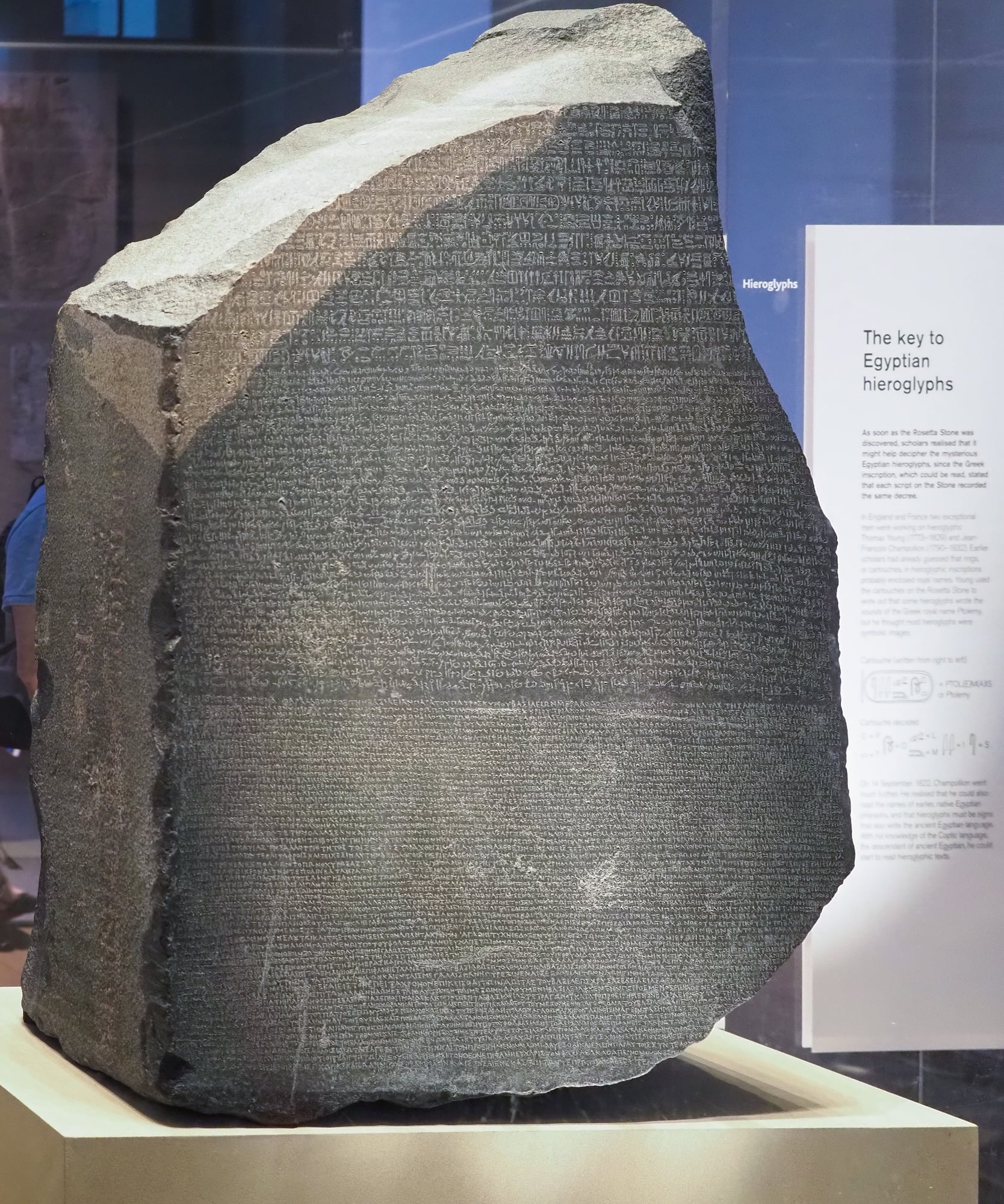
Three scripts carved into dark granodiorite became the key that unlocked ancient Egyptian hieroglyphs. Scholars spent decades wrestling with the stone’s message before Jean-François Champollion finally cracked the code.
The British Museum keeps it behind protective barriers now, but you can still see the chisel marks where ancient craftsmen carved identical proclamations. Something so bureaucratic — essentially a tax document — ended up being more valuable to human knowledge than most royal treasures.
Einstein’s Handwritten Theory
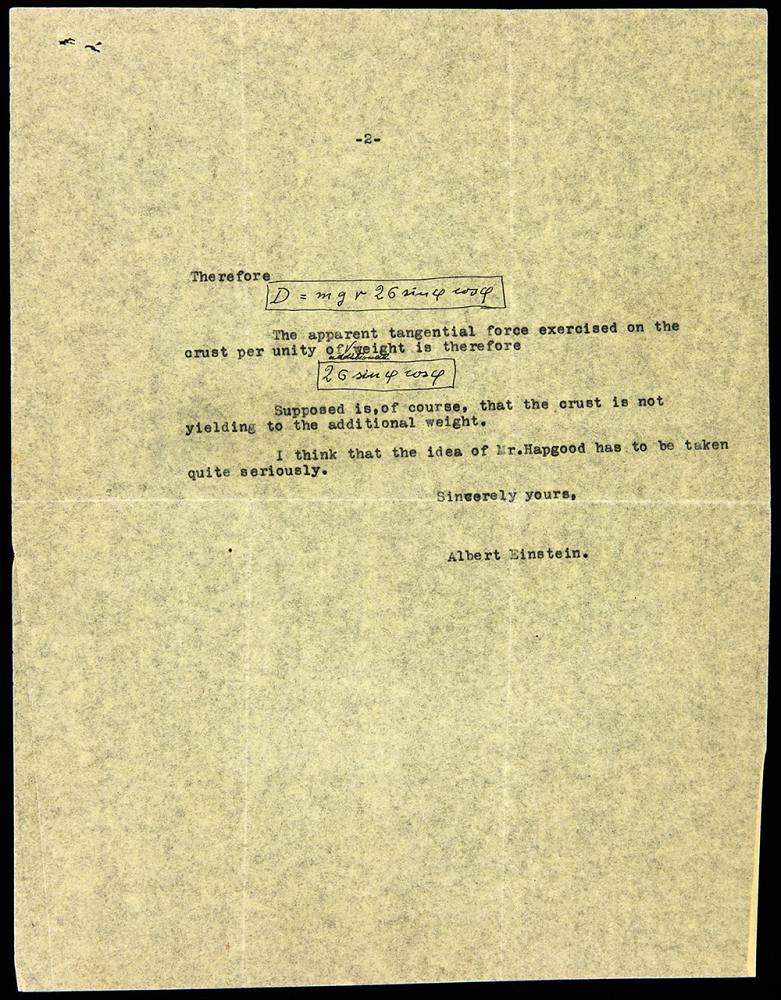
The original manuscript sits behind museum glass, equations flowing across the page in Einstein’s distinctive scrawl. His corrections and cross-outs remain visible — proof that even genius requires revision.
E=mc² looks almost casual written in pencil, as if someone jotted down the secret to the universe between appointments.
The Last Dodo Specimen
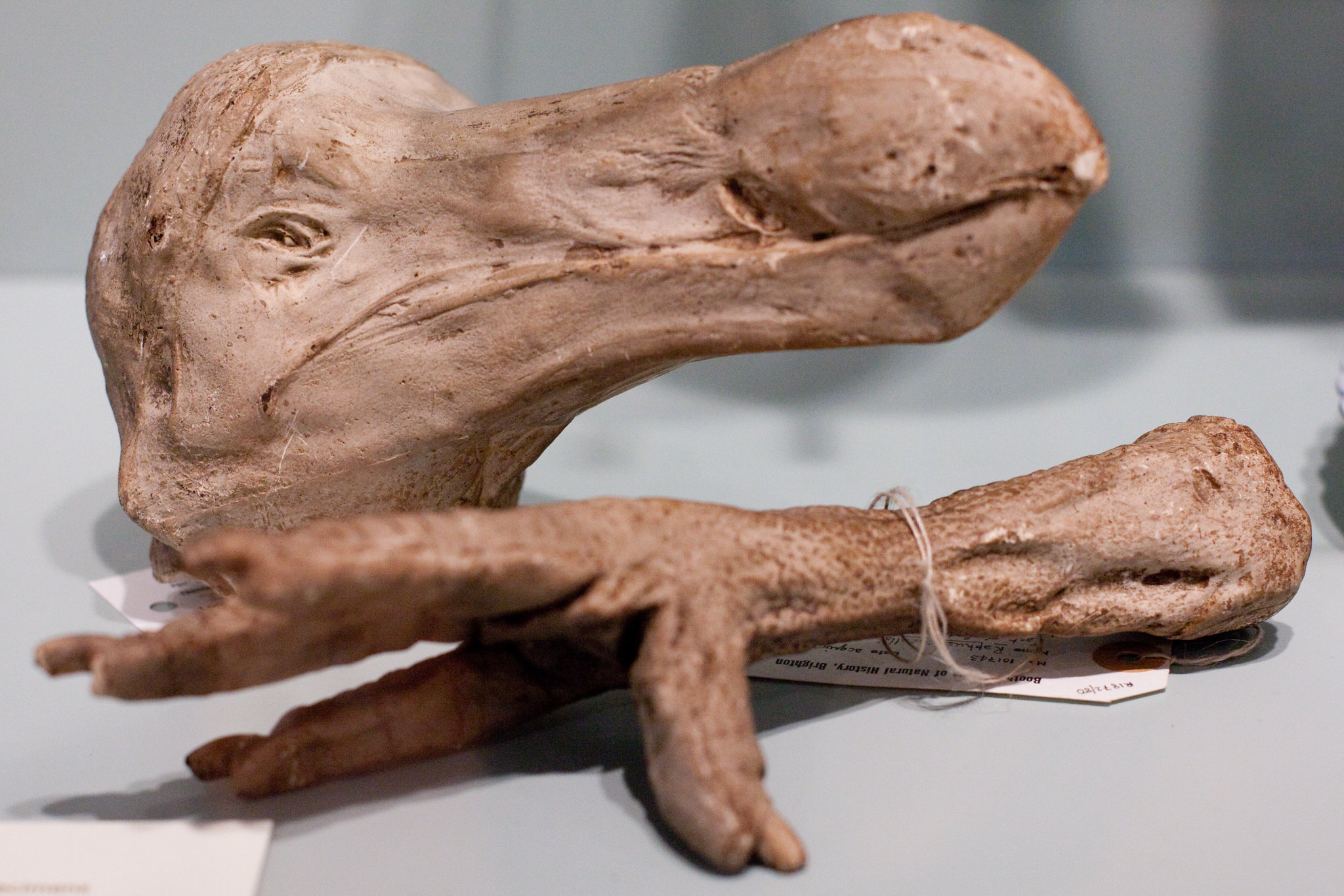
Oxford’s Natural History Museum preserves the only remaining soft tissue from a dodo bird — a head and foot that somehow survived while an entire species vanished. The display case feels like a memorial and warning combined.
Extinction has a face, and it’s surprisingly unremarkable: grayish feathers and a curved beak that once belonged to birds too trusting for their own good.
Washington’s Dentures
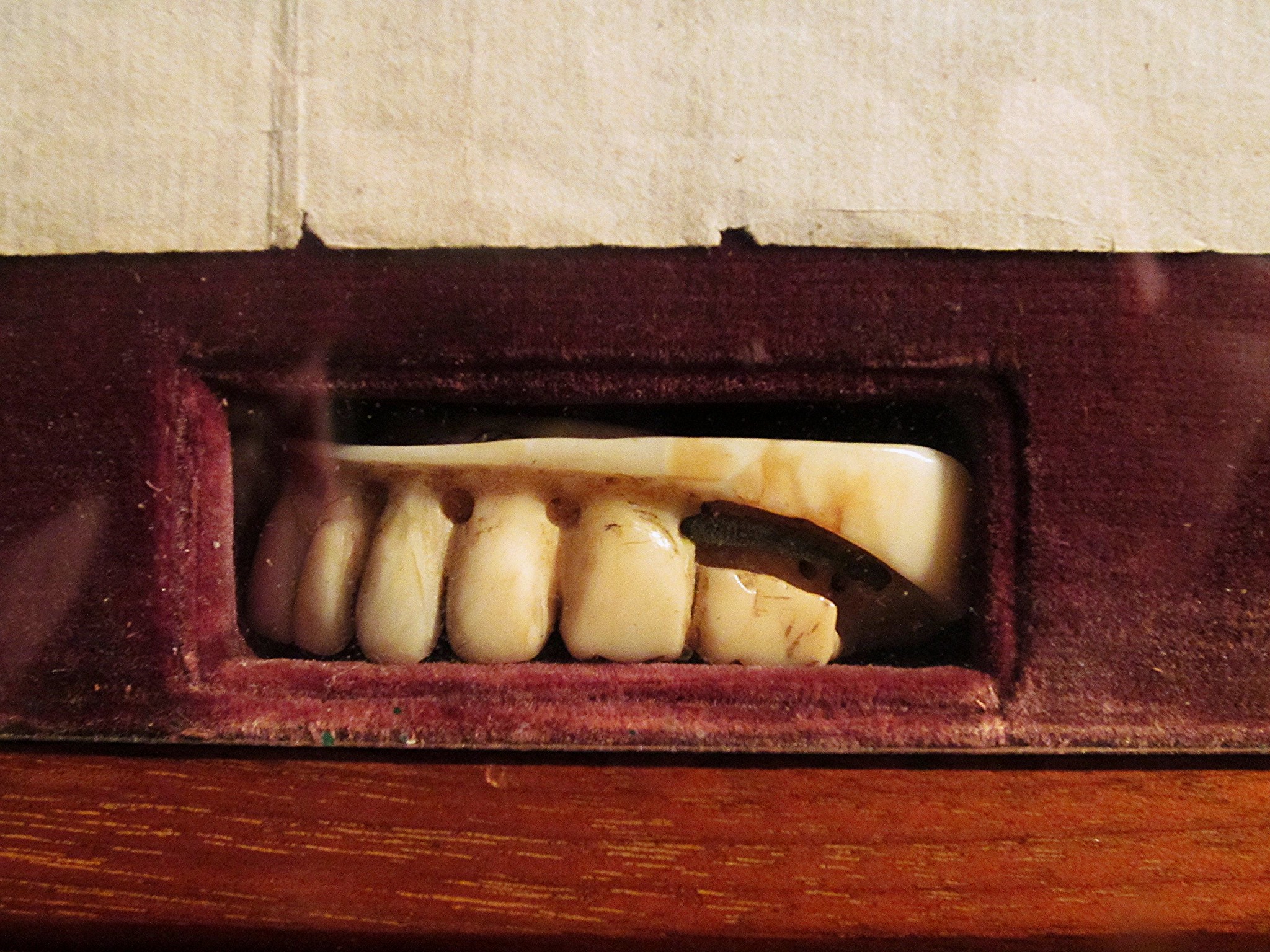
Not wooden, as legend claims, but carved from hippo ivory with gold wire springs. The dentures sit in Mount Vernon’s museum, yellowed and primitive-looking, a reminder that historical figures dealt with the same physical indignities as everyone else.
Seeing the contraption that helped Washington deliver his farewell address humanizes the myth. Every important speech came with the risk of his teeth clicking at precisely the wrong moment.
The Book of Kells
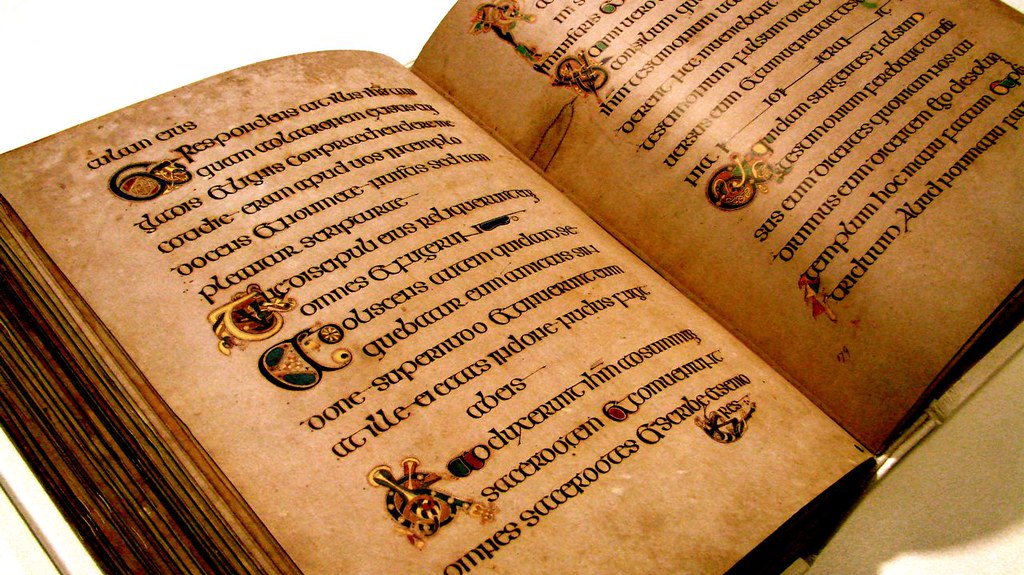
Medieval monks created this illuminated manuscript around 800 CE, and Trinity College Dublin rotates its pages behind protective glass. Each folio contains intricate Celtic knotwork and biblical text that took months to complete.
The colors — brilliant blues, golds, and reds — remain vivid after twelve centuries. Hand-copying scripture was devotion made visible.
Tutankhamun’s Burial Mask
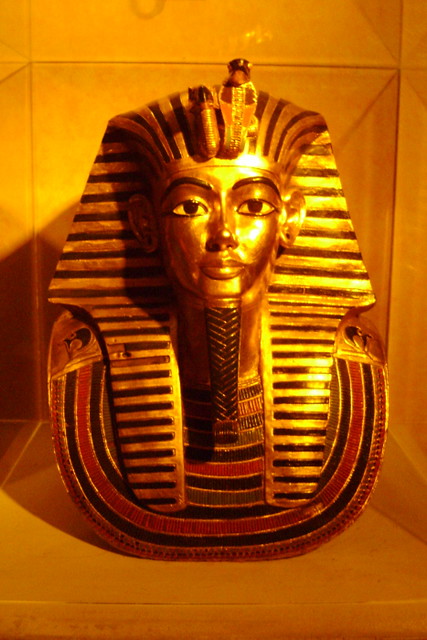
Gold and lapis lazuli shaped into the young pharaoh’s face rests in Cairo’s Egyptian Museum. The craftsmanship defies its age — every detail precisely rendered, from the ceremonial beard to the protective cobra on the forehead.
The mask has outlasted the civilization that created it, the empires that conquered Egypt, and the archaeologists who discovered it. Gold endures, indifferent to human ambition or the passage of millennia, carrying the face of a boy-king into a future he never could have imagined.
The Gettysburg Address Draft
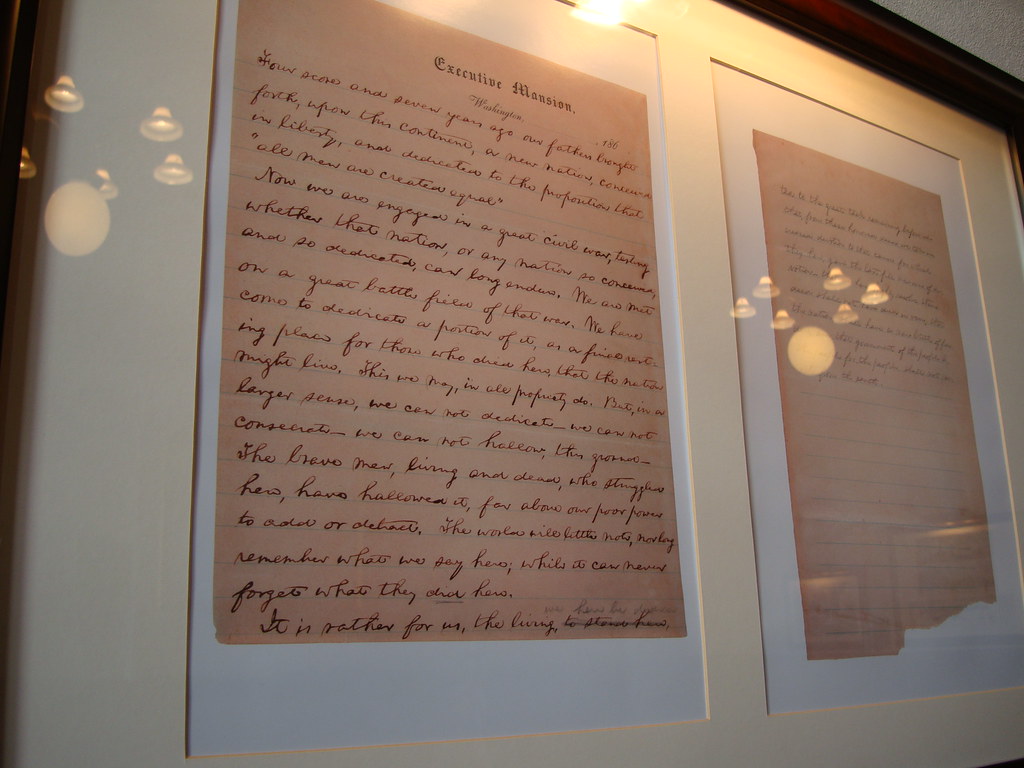
Lincoln’s handwritten speech, scrawled on Executive Mansion stationary, sits behind glass in the Library of Congress. The famous “government of the people, by the people, for the people” appears in his careful script.
Ten sentences redefined American democracy, written in a president’s own hand while the nation bled itself toward unity.
The Dead Sea Scrolls
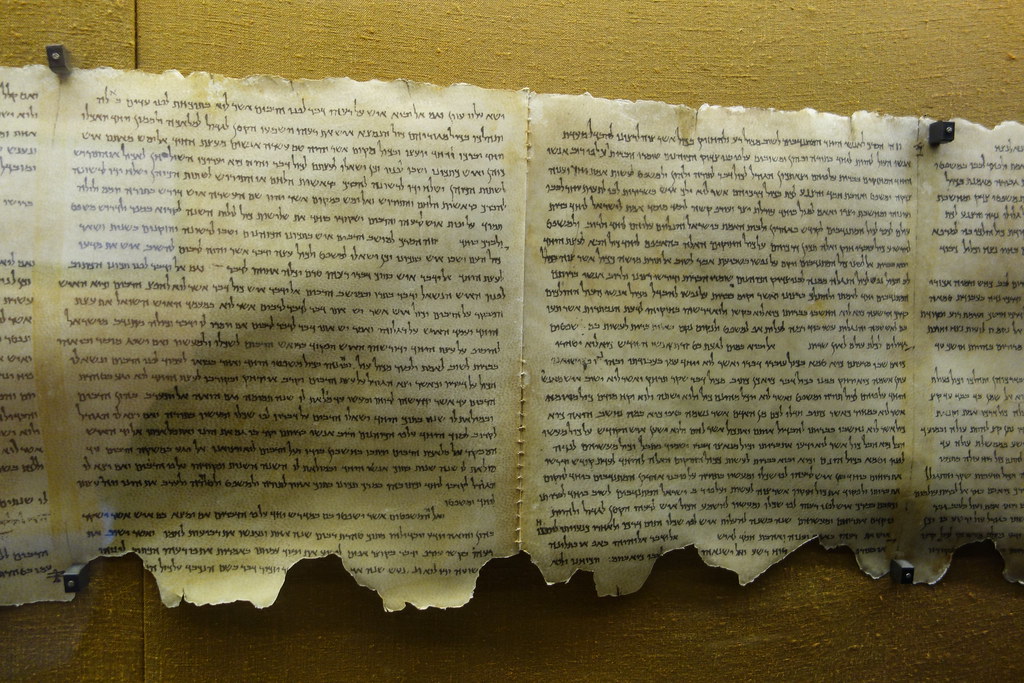
Ancient Jewish texts, preserved in desert caves for two millennia, now rest in climate-controlled cases in Jerusalem. The parchment looks impossibly fragile — brown and brittle as autumn leaves.
These scrolls contain the oldest known biblical manuscripts, written when Rome ruled the Mediterranean. Time stopped in those caves, waiting for Bedouin shepherds to stumble across history.
Windows Into Yesterday
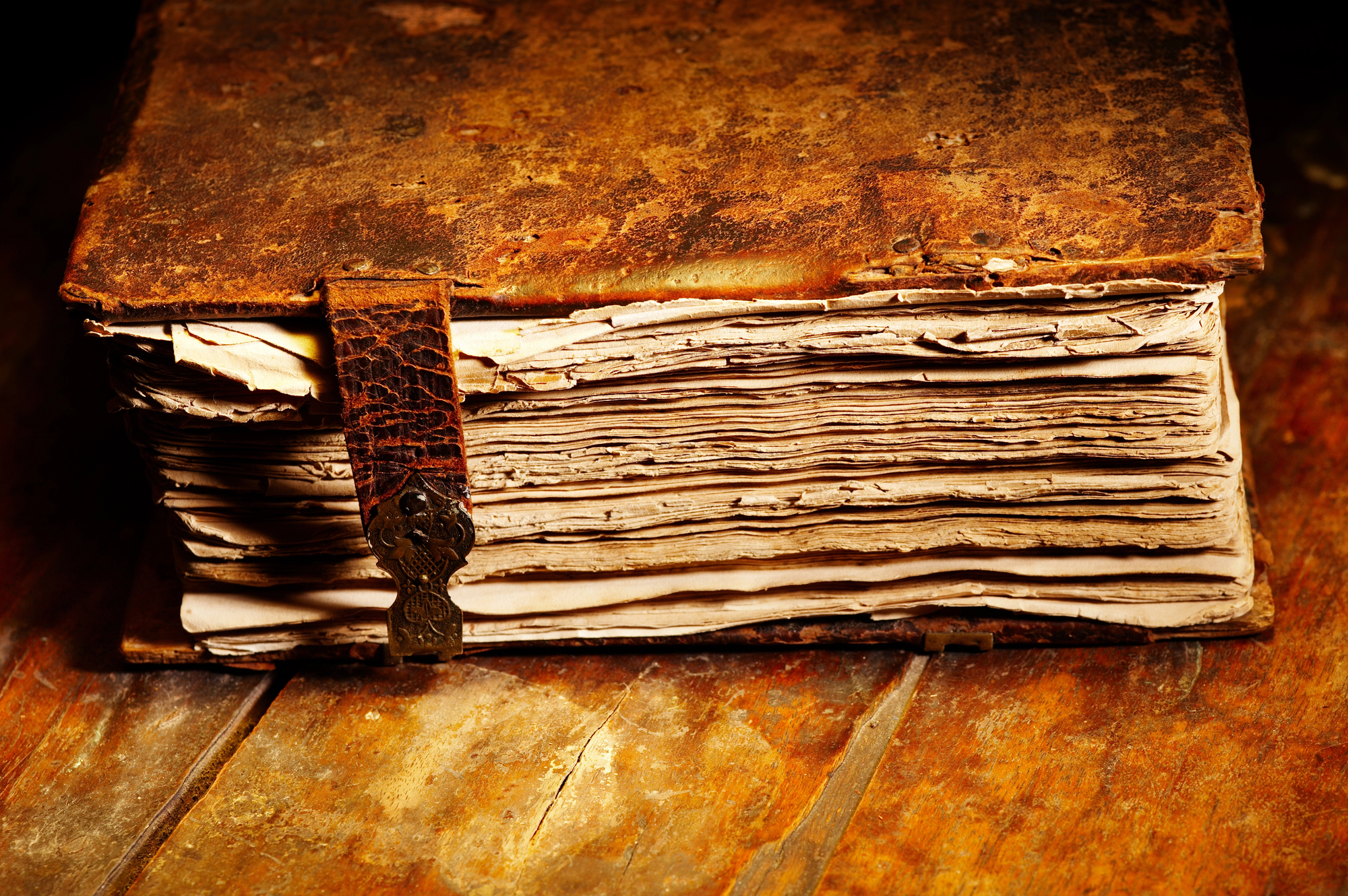
These artifacts don’t just sit behind glass — they peer back at us through it, carrying the fingerprints of people who shaped the world we inherited. Every museum case becomes a portal, every preserved document a conversation across centuries.
The glass protects these treasures from our touch, but it cannot shield us from their impact. They remind us that history isn’t abstract dates and distant events; it’s the accumulated weight of individual moments, preserved against all odds, waiting patiently for someone to notice what they have to say.
More from Go2Tutors!

- The Romanov Crown Jewels and Their Tragic Fate
- 13 Historical Mysteries That Science Still Can’t Solve
- Famous Hoaxes That Fooled the World for Years
- 15 Child Stars with Tragic Adult Lives
- 16 Famous Jewelry Pieces in History
Like Go2Tutors’s content? Follow us on MSN.