15 Animals That Use Mimicry to Hunt
Nature’s most cunning predators don’t always rely on speed, strength, or sharp teeth to catch their next meal. Some have evolved far more sophisticated hunting strategies, using deception and disguise to lure unsuspecting prey right into their grasp. These master mimics have turned the art of imitation into a deadly game of survival.
From deep ocean trenches to tropical rainforests, predators across the animal kingdom have developed remarkable abilities to copy other creatures, objects, or even environmental features. Here is a list of 15 animals that have perfected the deadly art of mimicry to become some of nature’s most effective hunters.
Anglerfish
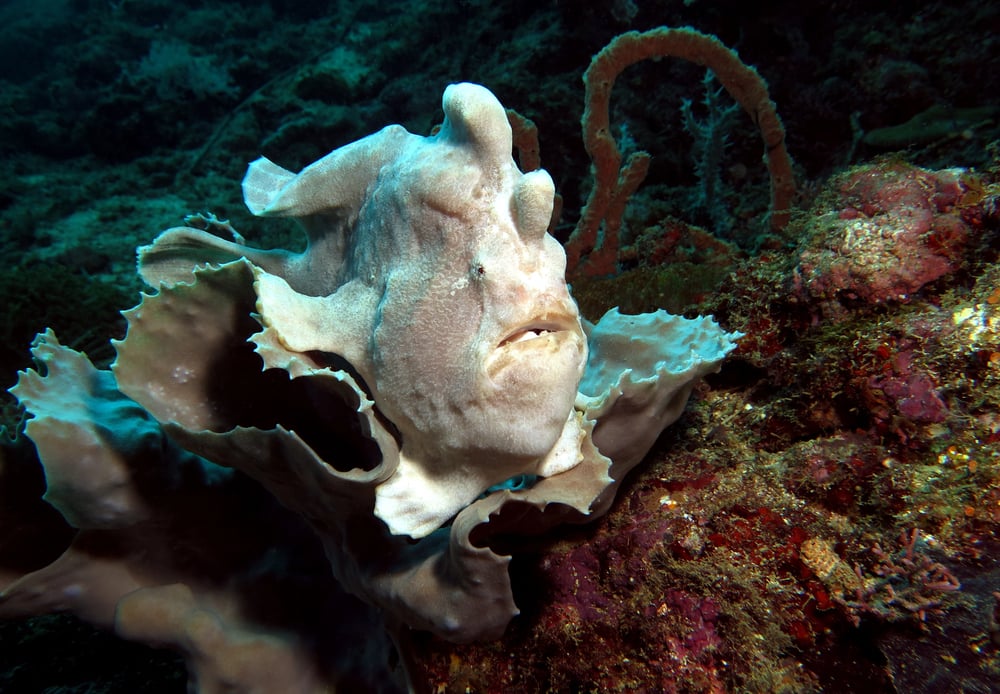
Deep in the ocean’s darkest depths, the anglerfish dangles what looks like a glowing worm in front of its massive mouth. This bioluminescent lure, called an esca, mimics the appearance of small prey fish that other fish would naturally want to eat.
When curious fish swim close to investigate the ‘easy meal,’ the anglerfish strikes with lightning speed, swallowing its victim whole in less than six milliseconds.
Alligator Snapping Turtle
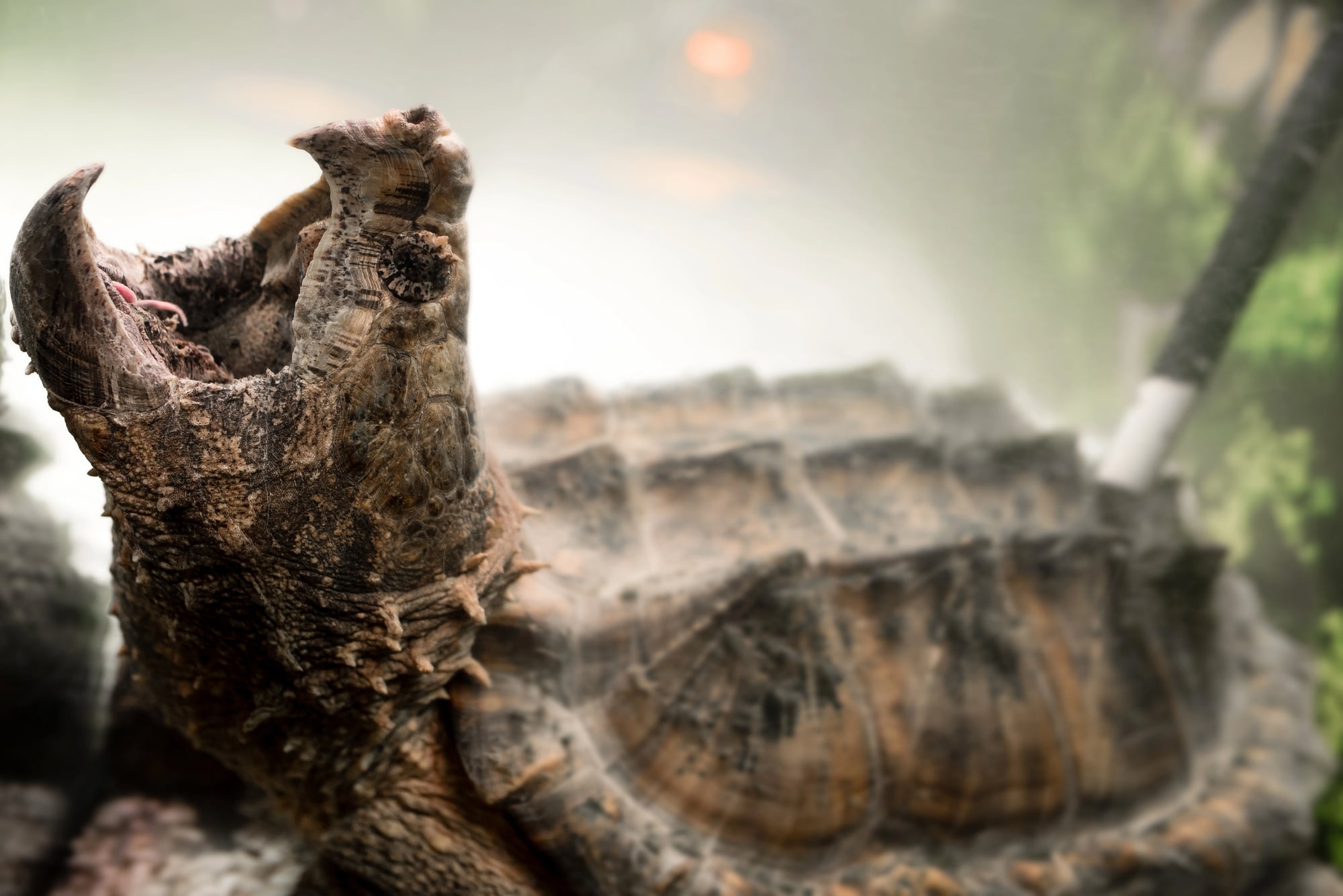
The alligator snapping turtle sits motionless on river bottoms with its mouth wide open, wiggling a small pink appendage on its tongue. This clever appendage perfectly mimics a wriggling worm, complete with realistic movements that fool hungry fish swimming by.
The turtle can remain completely still for hours, waiting for fish to swim directly into its powerful jaws while chasing what they think is an easy snack.
Zone-tailed Hawk
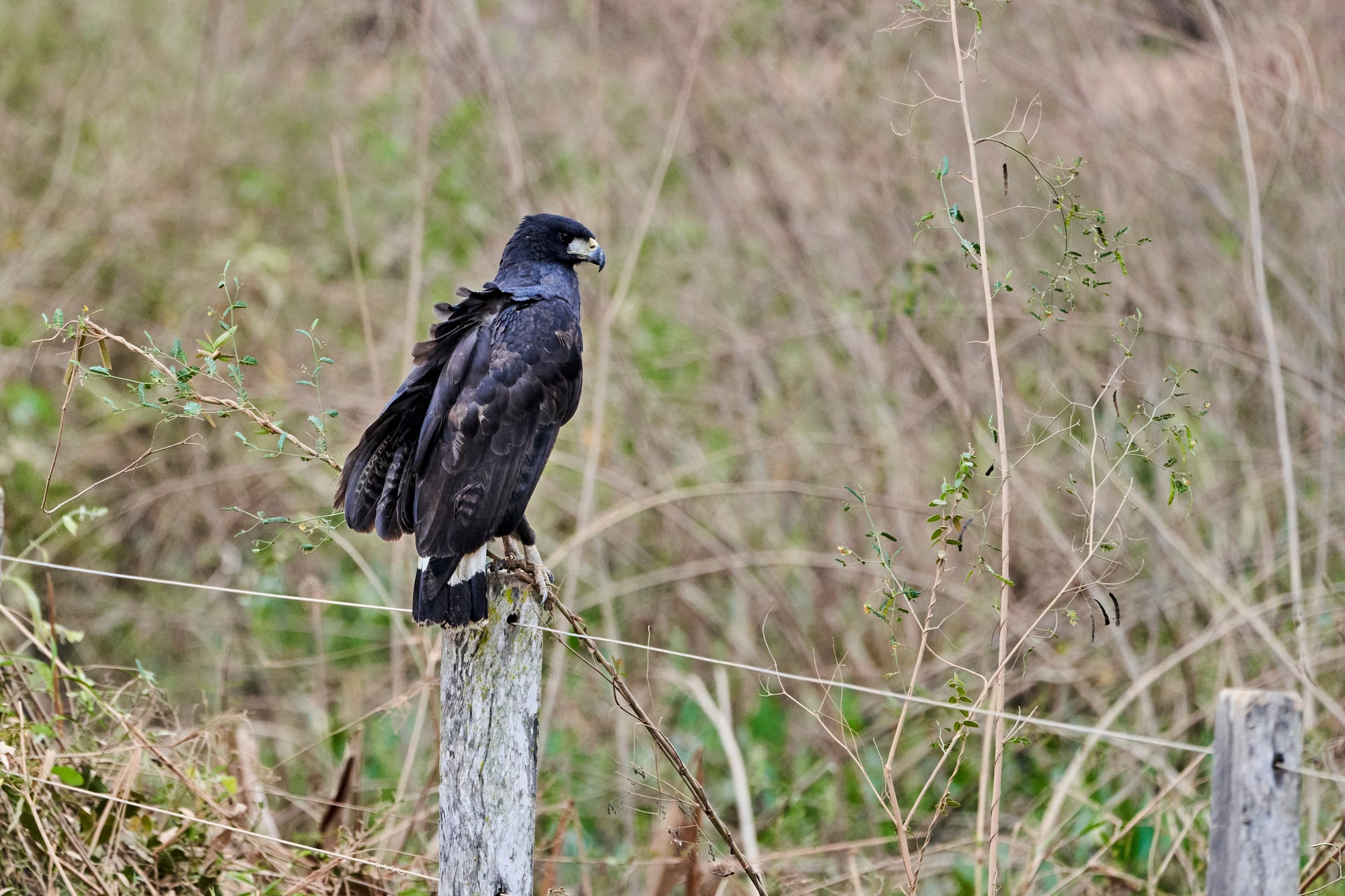
This crafty raptor has learned to exploit the peaceful reputation of turkey vultures by mimicking their flight patterns and silhouette. The zone-tailed hawk soars alongside groups of vultures, copying their distinctive wobbly flight style and holding its wings in a similar dihedral angle.
Small mammals and birds that normally ignore harmless scavenging vultures don’t realize they’re being stalked until it’s too late.
Orchid Mantis

Looking exactly like a delicate flower petal, the orchid mantis is perhaps one of nature’s most beautiful deceptions. These insects position themselves on flowers where they blend in so perfectly that even experienced naturalists have trouble spotting them.
Bees, flies, and other pollinators approach what they think is just another flower, only to find themselves grabbed by lightning-fast forelegs.
Margay
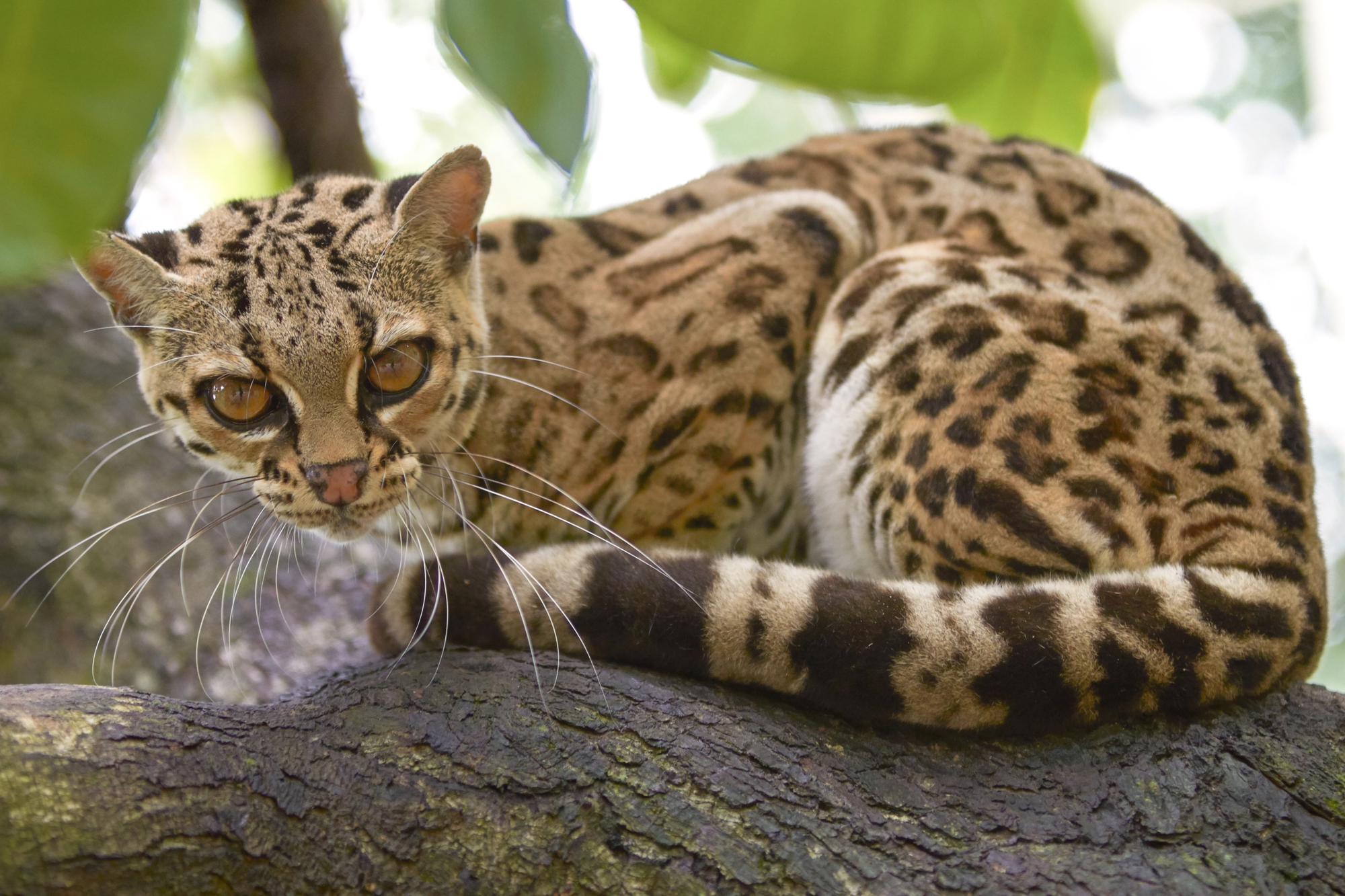
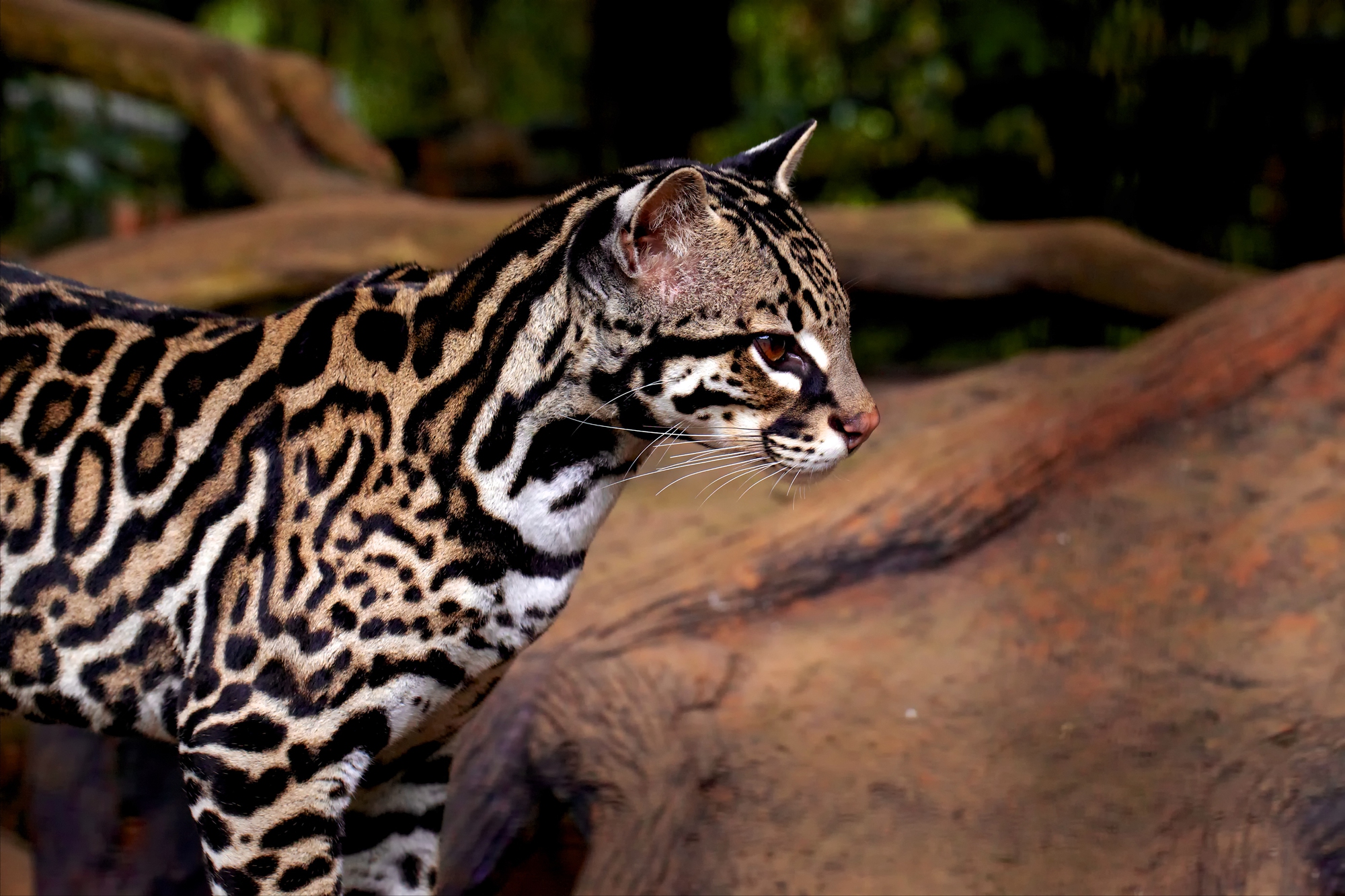
This small wild cat from Central and South America has developed an unusual hunting technique that sounds almost too clever to be true. Margays can perfectly mimic the distress calls of baby tamarin monkeys, causing concerned adult tamarins to come investigate.
When the adults approach to help what they think is a baby in trouble, they instead encounter a skilled predator ready to pounce.
Bolas Spider

Rather than building traditional webs, the bolas spider creates a single strand of silk with a sticky glob at the end, resembling a medieval weapon. The spider then releases chemical compounds that perfectly mimic the pheromones of female moths, attracting male moths looking for mates.
When a moth flies close enough, the spider swings its bolas like a lasso, capturing its chemically-deceived prey.
Frogfish

These masters of disguise can change their color, texture, and even their body shape to match coral, sponges, or rocks on the seafloor. Frogfish remain completely motionless until small fish swim within striking distance, then unleash one of the fastest feeding strikes in the animal kingdom.
Their mouths can expand to 12 times their original size, creating a powerful suction that pulls prey inside in just six milliseconds.
Cuckoo Catfish

This African catfish has developed one of the most devious parenting strategies in nature, which also serves as a hunting technique. The cuckoo catfish mimics the spawning behavior of cichlid fish, sneaking into their breeding areas and laying its own eggs among the cichlid eggs.
When the cichlid parents unknowingly care for the catfish eggs, the young catfish hatch first and eat the cichlid eggs and fry.
Assassin Bug
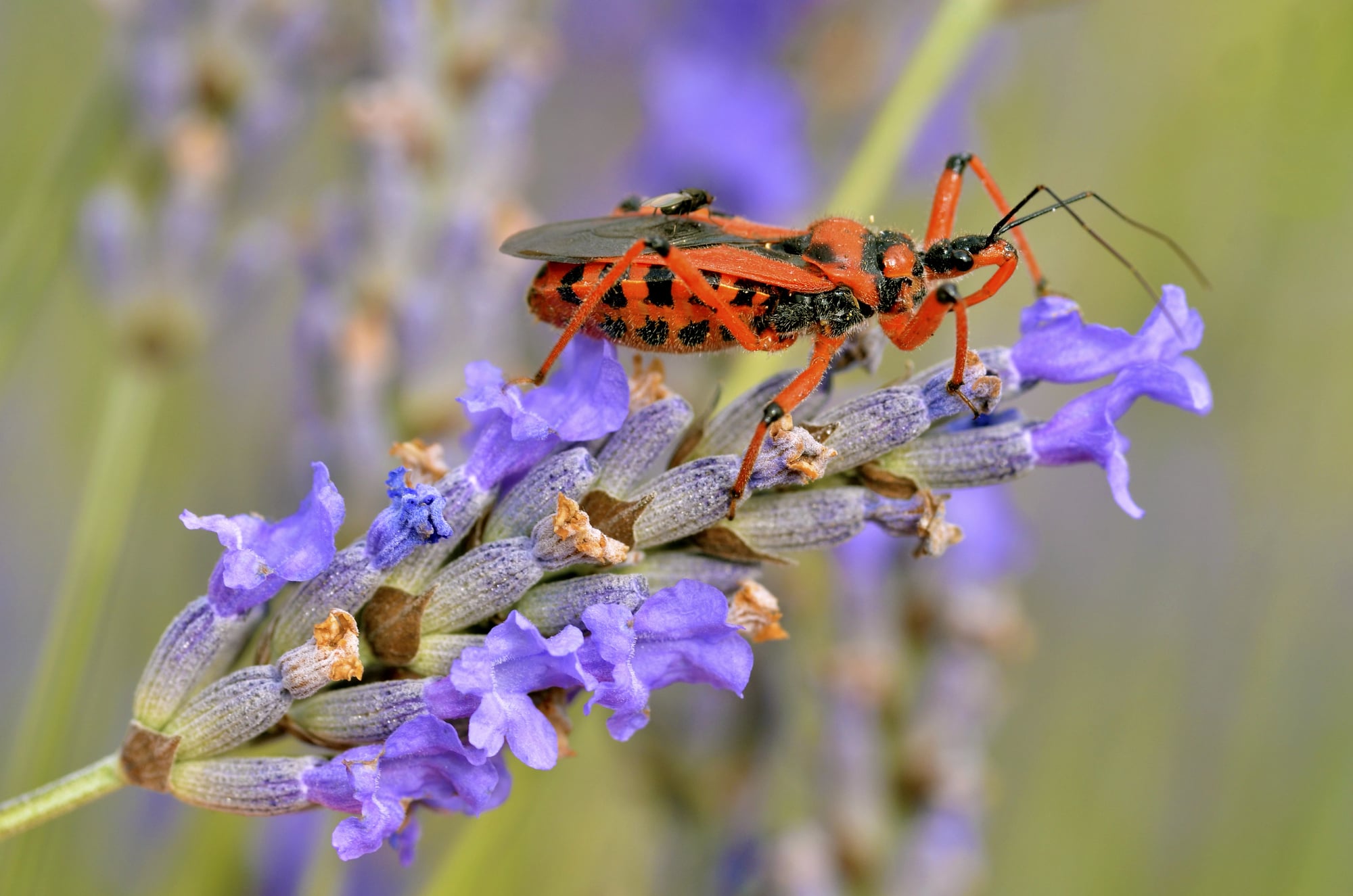
Some species of assassin bugs cover themselves with the corpses of their previous victims, creating a gruesome but effective disguise. This macabre camouflage serves multiple purposes: it masks their scent from potential prey and makes them appear larger and more intimidating to competitors.
Termites and ants don’t recognize the deadly predator hiding beneath the pile of their fallen comrades.
Portia Spider
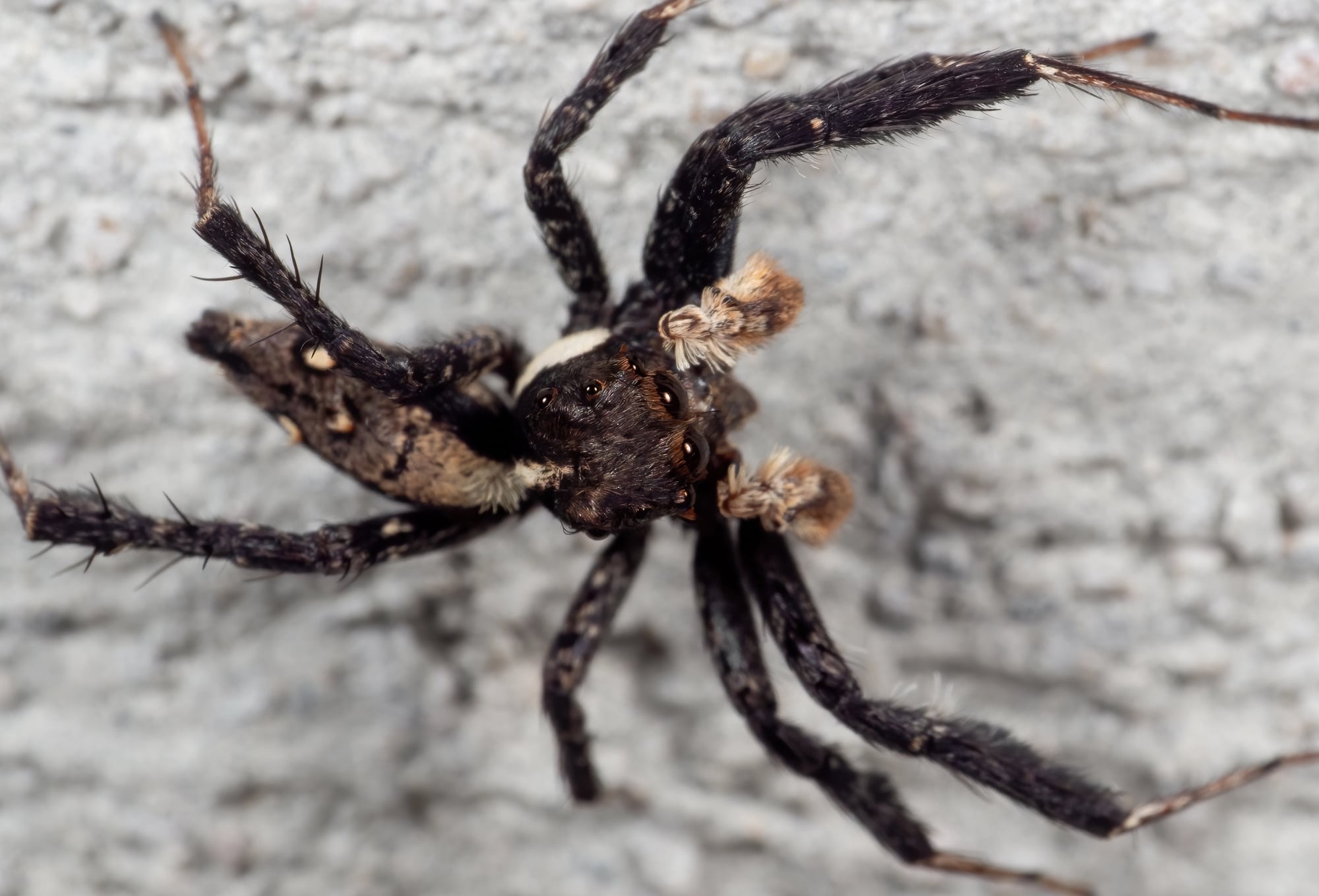
Often called the most intelligent spider in the world, Portia spiders can mimic the web vibrations of different spider species to fool their prey. They study their target’s web patterns, then create fake vibrations that mimic a trapped insect, a potential mate, or even a smaller spider.
When the web’s owner investigates, they find themselves face-to-face with a cunning predator instead of an easy meal.
Mimic Octopus
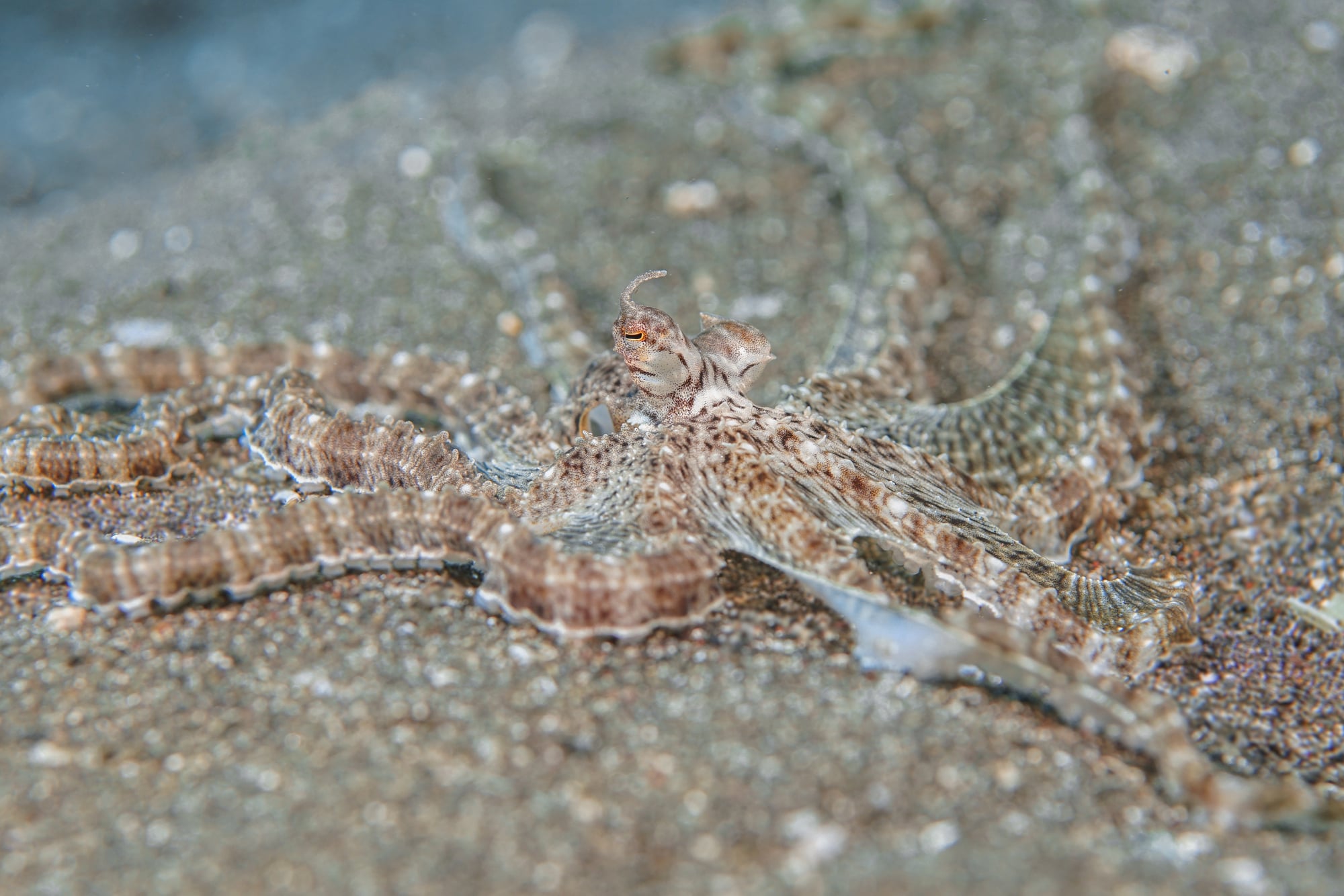
This remarkable cephalopod can imitate the appearance and behavior of at least 15 different marine species, including flatfish, lionfish, and even sea snakes. The mimic octopus changes its color, texture, and body posture to match its chosen disguise, often fooling both predators and prey.
It uses different mimicry strategies depending on the situation, sometimes appearing as a harmless flatfish to approach small crabs and fish.
Antlion Larva

These insects create perfect cone-shaped traps in sandy soil, then bury themselves at the bottom with only their powerful jaws exposed. The steep-sided pit makes it nearly impossible for ants and other small insects to climb out once they fall in.
When prey struggles to escape, the antlion throws sand to knock them back down toward its waiting mandibles, creating what’s essentially a living quicksand trap.
Green Heron
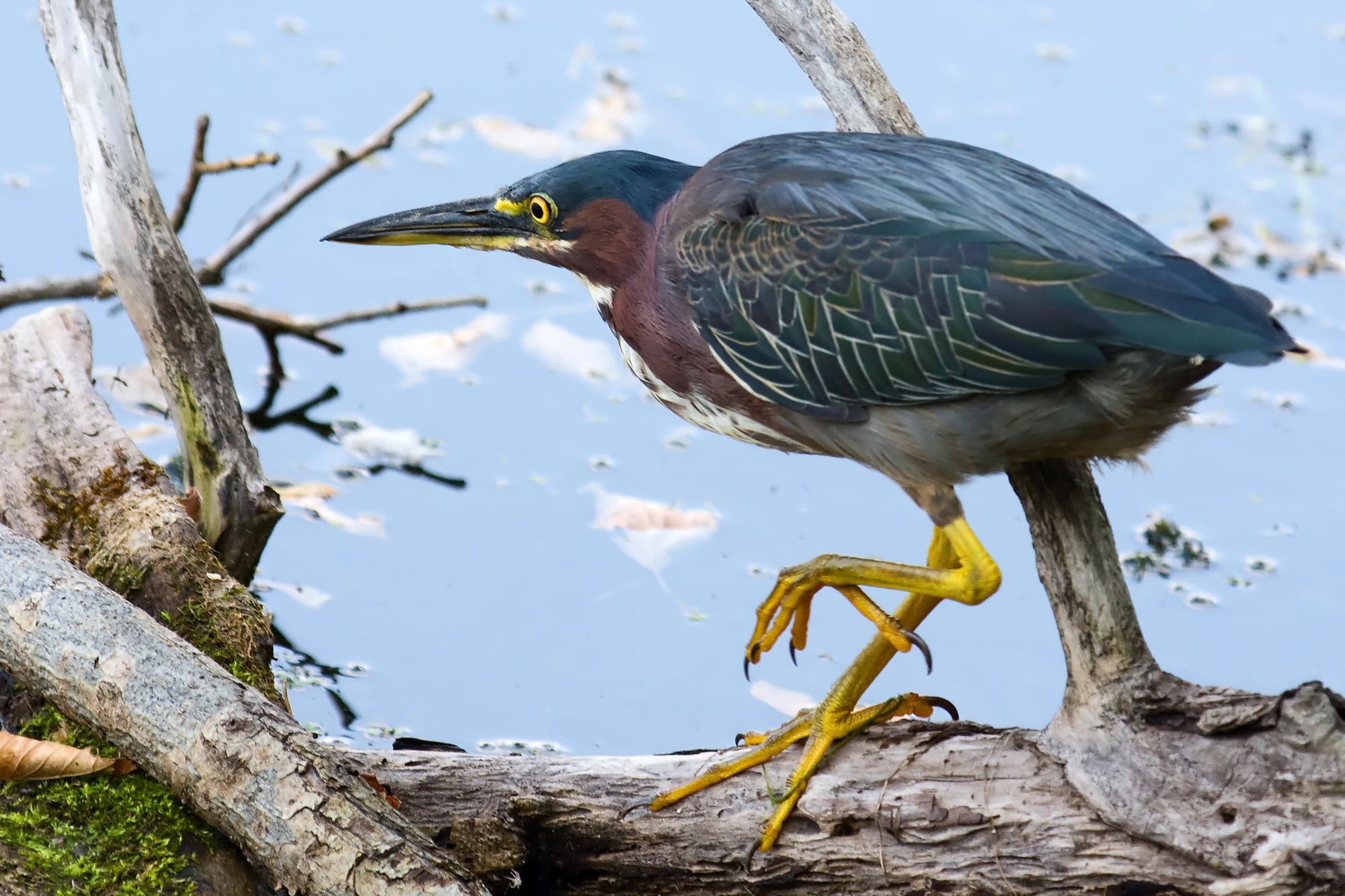
This clever bird has learned to use bait to attract fish, dropping insects, worms, or even small objects onto the water’s surface. The green heron positions itself strategically and waits for curious fish to approach the potential food source.
Some individuals have been observed using bread, feathers, and even live insects as lures, showing remarkable problem-solving abilities and tool use.
Trapdoor Spider
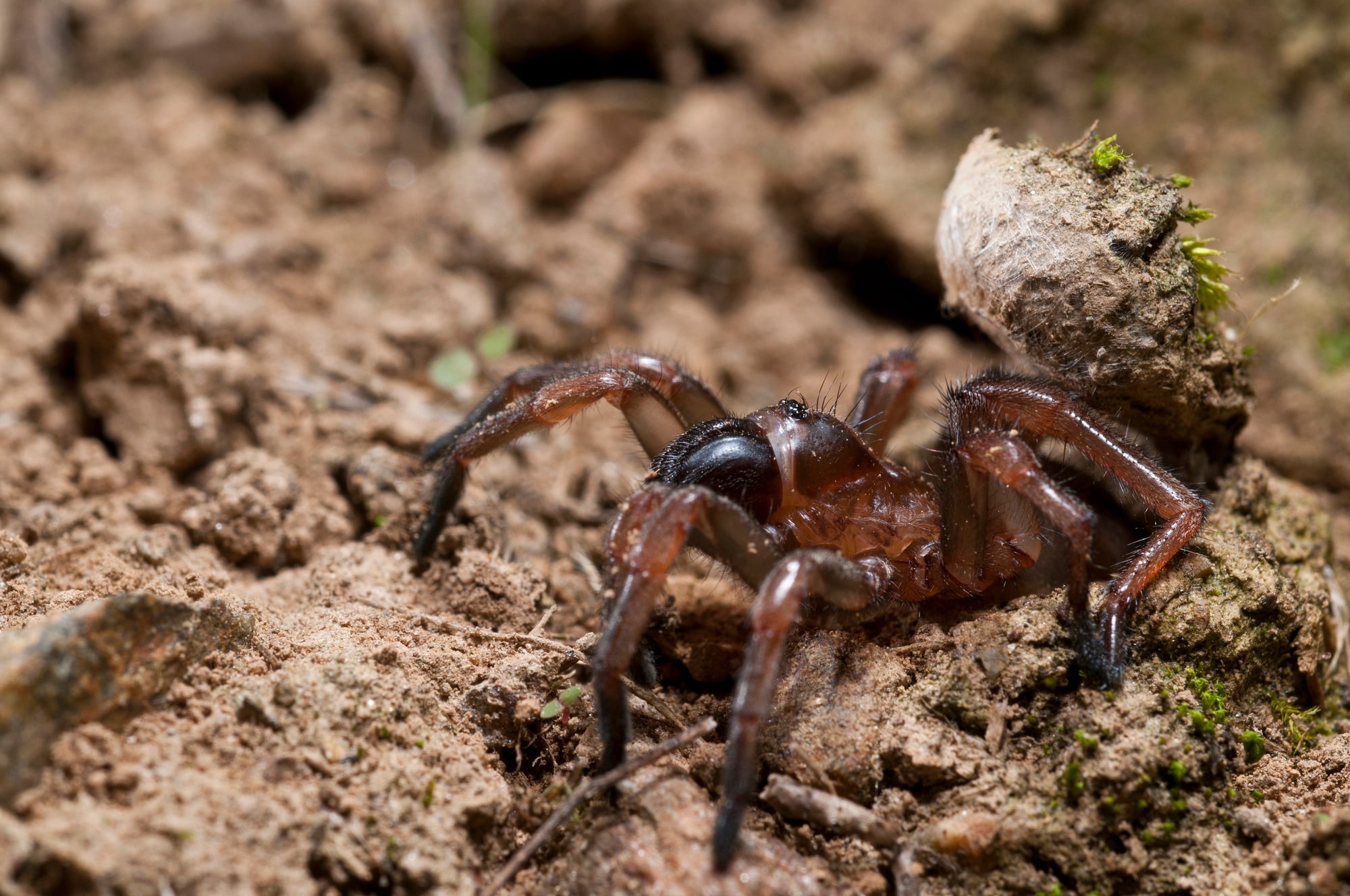
These spiders construct elaborate underground burrows with perfectly camouflaged hinged doors made of soil, vegetation, and silk. The trapdoor spider waits just inside its burrow, detecting vibrations from passing prey through sensitive trip lines made of silk.
When an unsuspecting insect walks over the trigger area, the spider explodes from its hidden chamber, grabs its prey, and drags it underground in less than a second.
Firefly

Some species of fireflies have turned the romantic language of light into a deadly trap. Female photuris fireflies can mimic the flashing patterns of other firefly species, copying their mating signals with remarkable accuracy.
When males from different species approach expecting to find a mate, they instead encounter a predator that will consume them, gaining not only a meal but also defensive chemicals from their victims.
Evolution’s Greatest Tricksters
These remarkable hunters prove that in nature’s endless arms race, sometimes the pen really is mightier than the sword. While other predators evolved bigger teeth or faster legs, these species developed something far more sophisticated: the ability to lie convincingly.
Their success shows that intelligence and deception can be just as effective as brute force, creating some of the most fascinating and successful predators on Earth. The next time you’re in nature, remember that things aren’t always what they seem – that innocent flower or helpful distress call might just be evolution’s most cunning trick.
More from Go2Tutors!

- The Romanov Crown Jewels and Their Tragic Fate
- 13 Historical Mysteries That Science Still Can’t Solve
- Famous Hoaxes That Fooled the World for Years
- 15 Child Stars with Tragic Adult Lives
- 16 Famous Jewelry Pieces in History
Like Go2Tutors’s content? Follow us on MSN.



