16 Rivers That Reverse Direction at Least Once a Year
Rivers typically flow in one consistent direction — from source to mouth, highland to ocean. Yet across our planet, certain waterways defy this fundamental principle by completely reversing their flow direction seasonally or even daily.
These remarkable reversals often result from tidal forces, monsoon patterns, or human intervention, creating fascinating ecological phenomena that have shaped both natural landscapes and human settlements for centuries. Water doesn’t always follow the expected path downhill. Here’s a list of 16 exceptional rivers worldwide that perform the remarkable feat of flowing backward at least once annually.
Chicago River

This iconic urban waterway wasn’t always blue-green during St. Patrick’s Day celebrations — it once flowed naturally into Lake Michigan until engineers dramatically reversed its course. The 1900 infrastructure marvel redirected the river to protect drinking water supplies from sewage contamination — sending water toward the Mississippi Basin instead.
During extreme storm events, however, emergency measures occasionally return the river to its original direction when water management systems become overwhelmed.
Amazon Tidal Bore
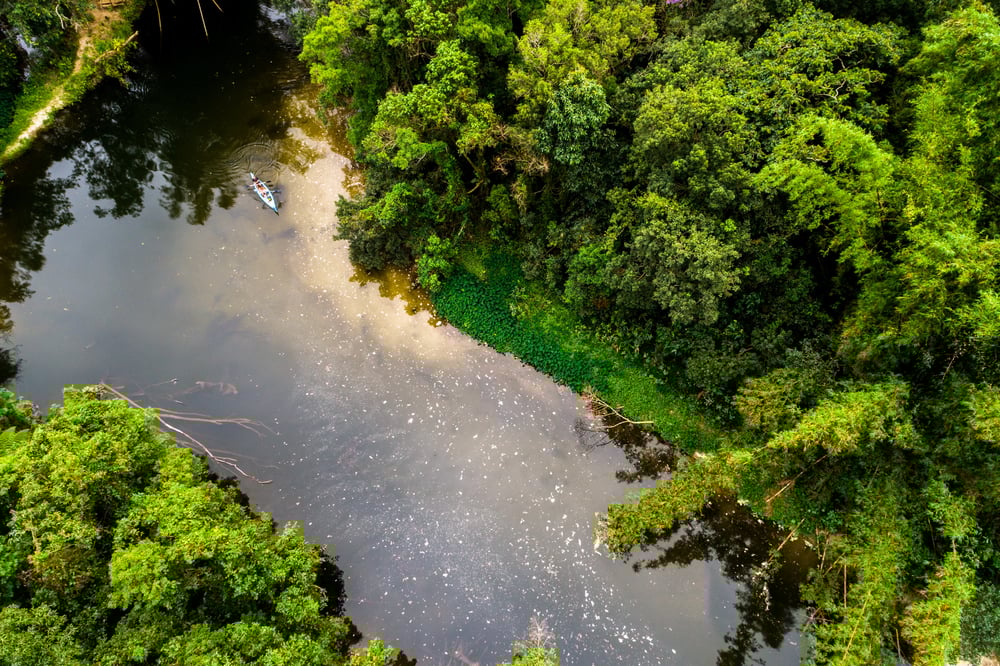
The world’s mightiest river experiences a stunning phenomenon called ‘pororoca’ — a tidal bore that pushes seawater upstream against its normal flow. This powerful wave — reaching heights of 12 feet — travels 500 miles inland during spring tides, temporarily forcing the Amazon backward.
Surfers brave enough to ride this natural wonder must contend not just with turbulent waters but also debris and occasional creatures swept up in the current’s reversal
Tonlé Sap River
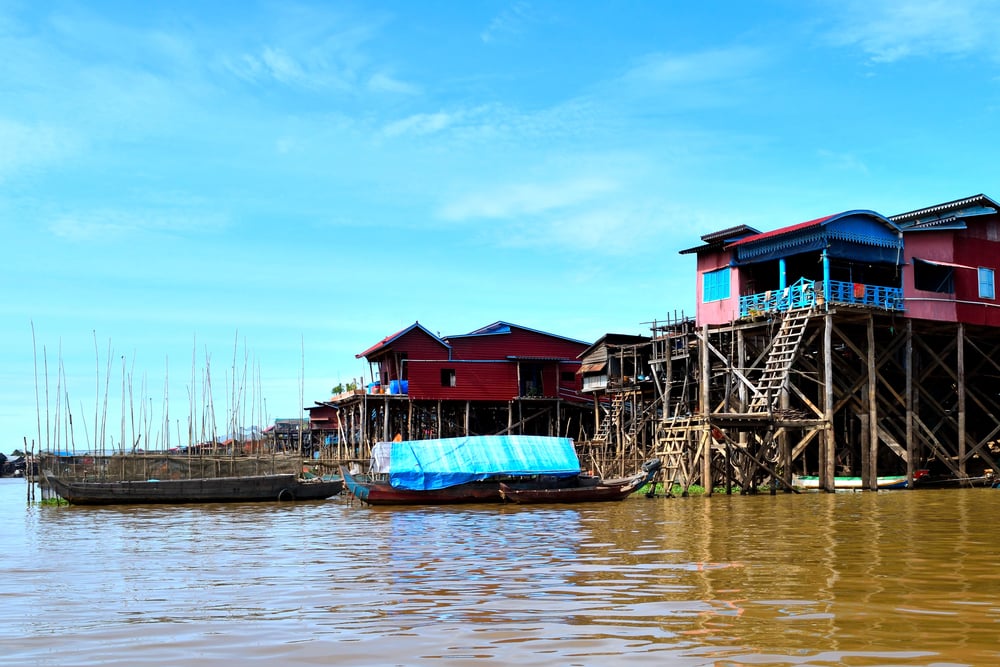
Cambodia’s unusual river serves as the pulsing heart of an extraordinary ecosystem — changing direction twice yearly with dramatic consequences for local communities. During monsoon season, the overwhelmed Mekong River pushes water backward into Tonlé Sap Lake — expanding its area nearly fivefold and creating the world’s most productive inland fishery.
When dry season returns, the flow reverses again — draining the swollen lake and depositing nutrient-rich silt crucial for regional agriculture.
St. Johns River
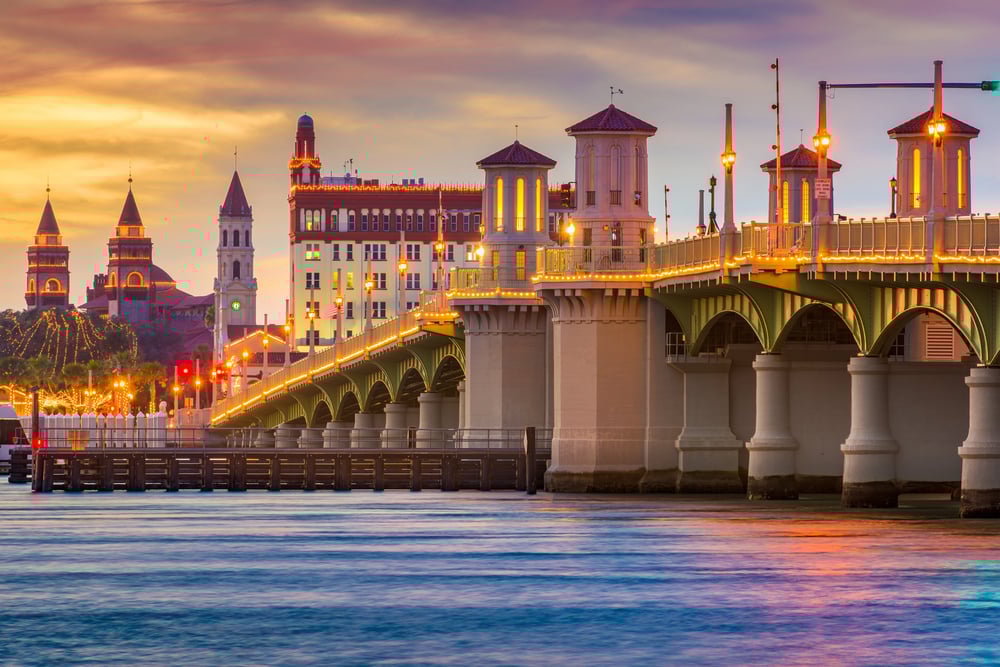
Florida’s longest river occasionally flows northward — then reverses during storm surges when powerful hurricanes push Atlantic waters inland against its normal current. This unusual river actually flows uphill by the barest of margins — dropping just one inch per mile over much of its journey.
Strong tides and winds frequently overcome this minimal gradient — causing temporary reversals that reshape shorelines and ecosystems along its path.
Loire Tidal Bore
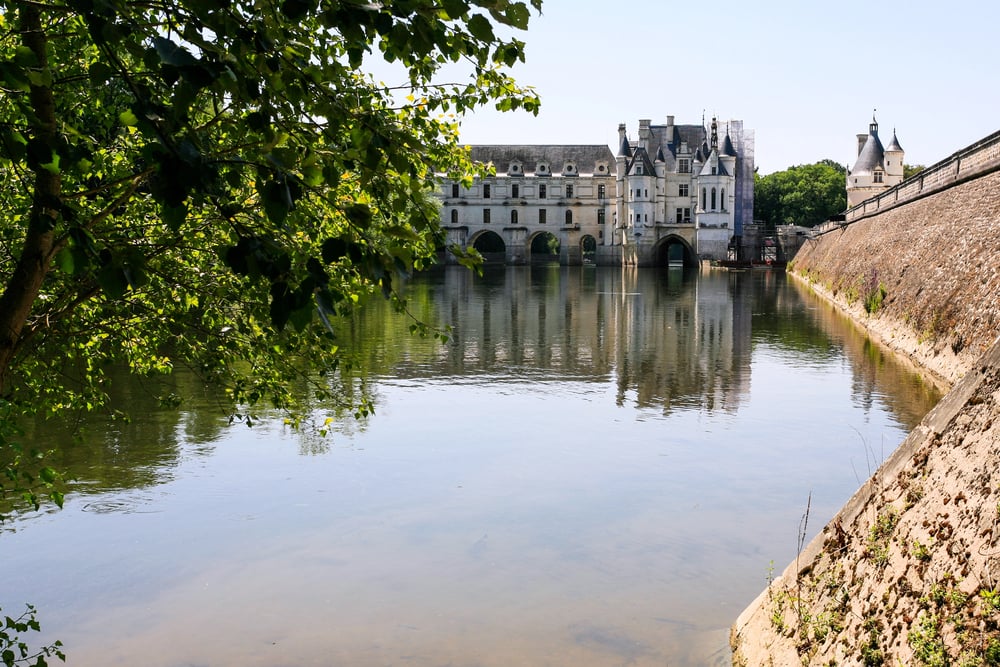
France’s longest river demonstrates nature’s raw power through its ‘mascaret’ — a tidal surge that pushes saltwater upstream against its normal flow. This wave — sometimes reaching six feet high — races inland at speeds approaching 30 mph during certain astronomical conditions.
Local kayakers have transformed these reversals into sporting events — riding the surge upstream for miles while experiencing the unusual sensation of traveling against a river’s natural direction.
Connecticut River
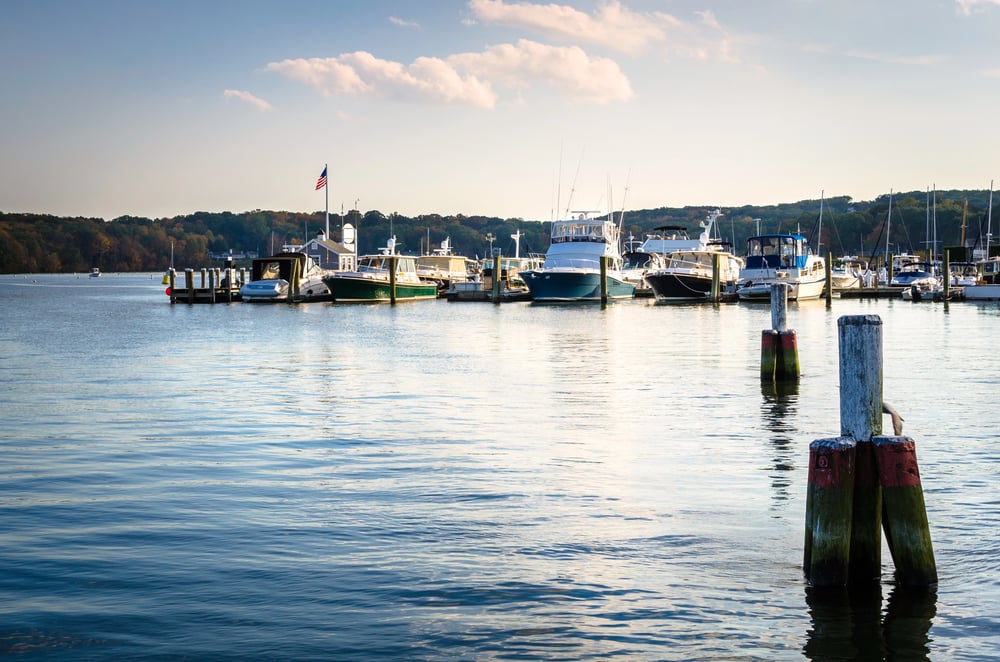
New England’s largest watershed experiences periodic flow reversals — particularly during spring tides combined with northeaster storms pushing Atlantic waters inland. These temporary changes — lasting several hours — create complex ecological exchanges between saltwater and freshwater habitats.
Colonial settlers noted this phenomenon in early journals, observing how reversed flows impacted everything from fish migration patterns to their ability to navigate upstream.
Qiantang River
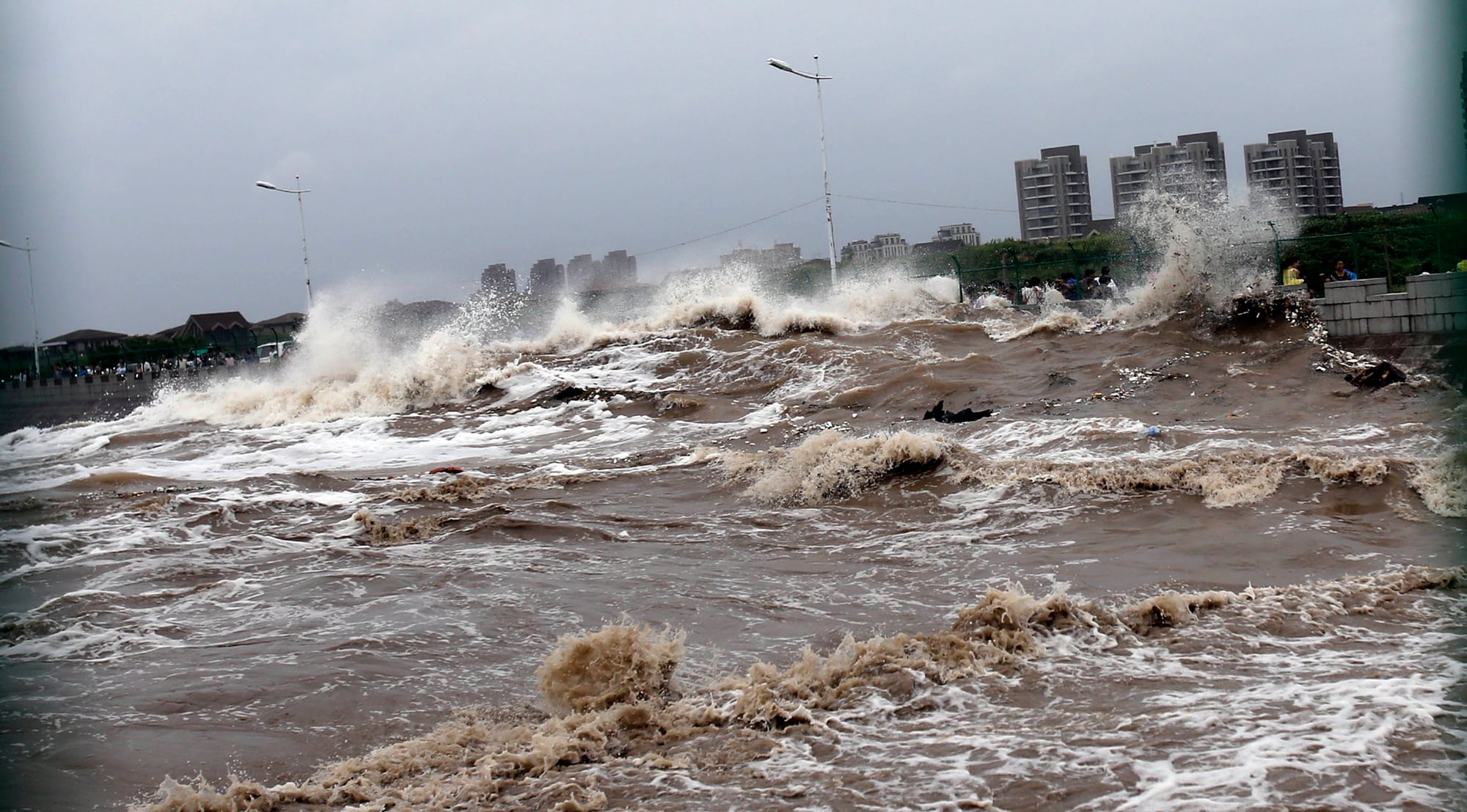
China’s famous river hosts the world’s largest tidal bore — a wall of water that charges upstream against its normal flow at speeds reaching 25 mph. This spectacular reversal — locally called the ‘Silver Dragon’ — draws thousands of spectators during autumn festivals celebrating its awesome power.
The wave sometimes reaches heights exceeding 25 feet — temporarily transforming peaceful downstream currents into a thundering upstream torrent that has influenced Chinese poetry and art for centuries.
Potomac River
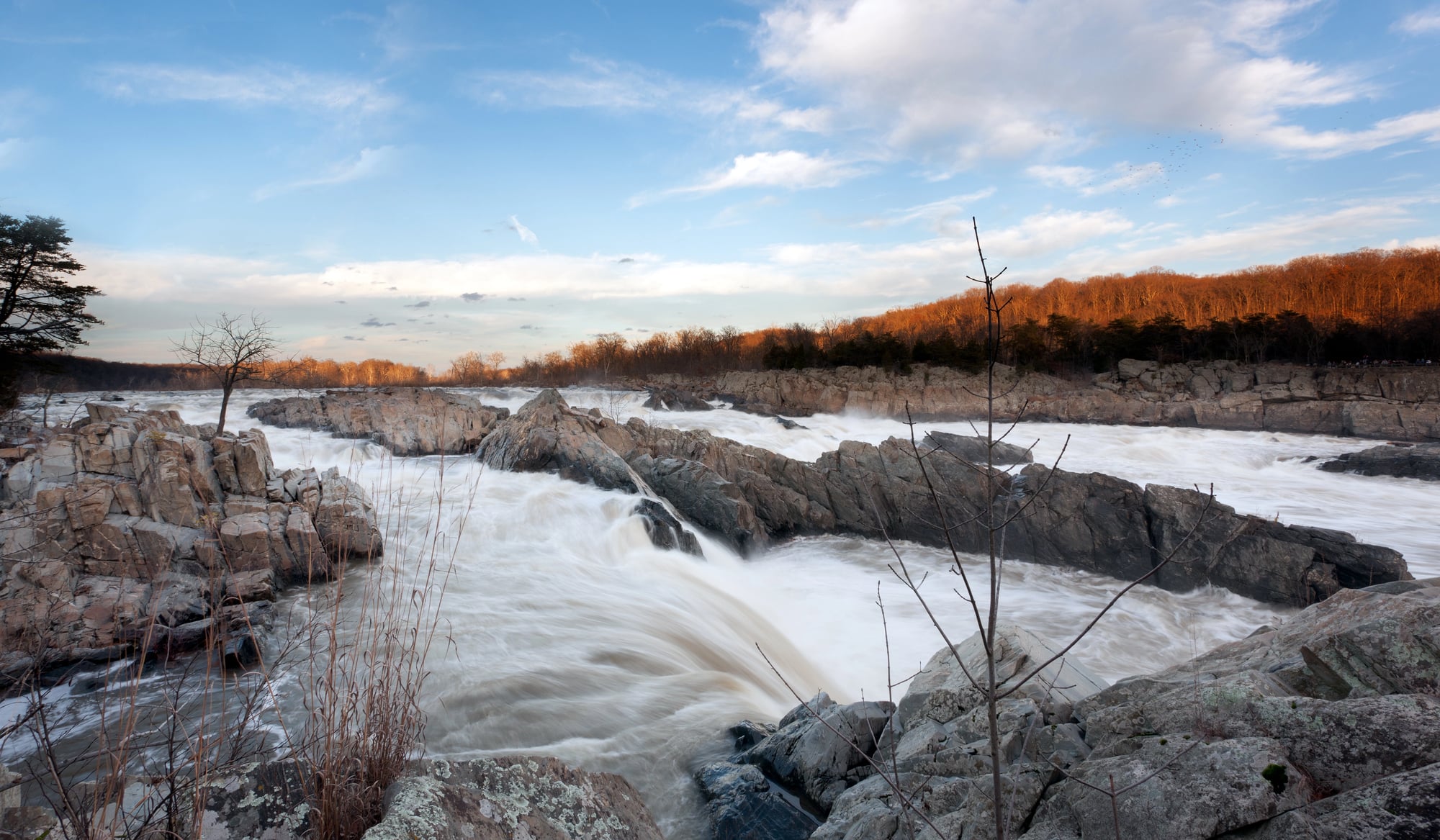
The waterway flowing through America’s capital experiences significant reversals — particularly during tropical storms that push Chesapeake Bay waters upstream against its normal current. These flow changes — sometimes extending 40 miles inland — created navigational challenges for early settlers attempting to establish riverside communities.
Modern flood control systems now carefully monitor these reversals, which continue to influence wildlife movements and sediment distribution throughout the watershed.
Dart River
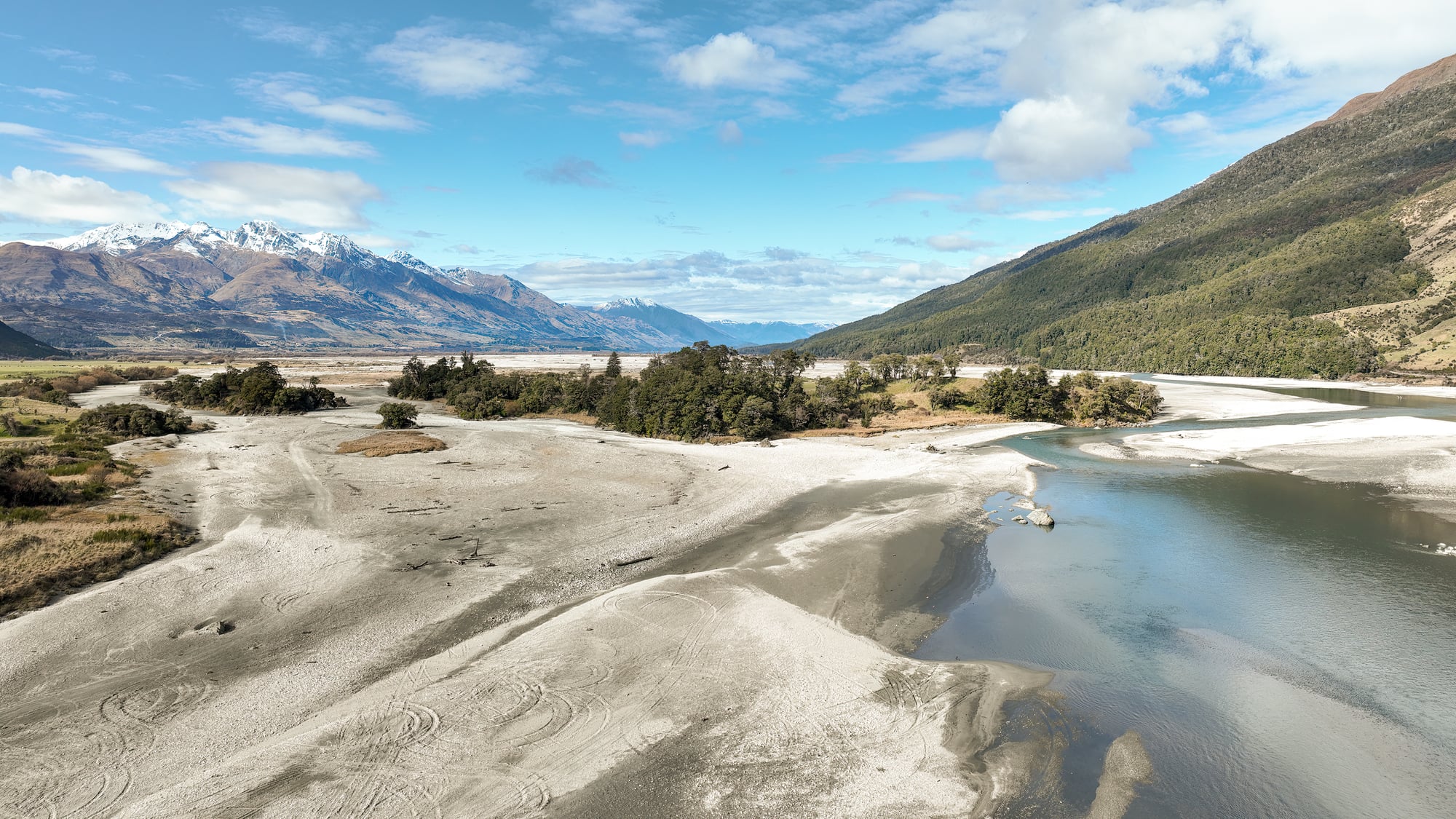
This New Zealand waterway experiences regular tidal reversals — creating a unique environmental transition zone between freshwater and marine ecosystems. The river’s Māori name, ‘Ōtakou,’ refers to this dynamic tidal exchange that indigenous peoples relied upon for centuries to harvest different food resources.
Strong southerly winds occasionally amplify these natural reversals — pushing saltwater significantly further upstream than normal tidal patterns would allow.
Sabine River

The Texas-Louisiana border waterway undergoes dramatic directional changes — particularly during hurricane events when storm surges overpower its natural flow toward the Gulf of Mexico. These reversals temporarily transform downstream areas into brackish environments — affecting everything from water quality to wildlife migration patterns.
Energy infrastructure along its banks incorporates specialized designs accounting for these periodic flow changes that can last several days following major weather systems.
Seine River
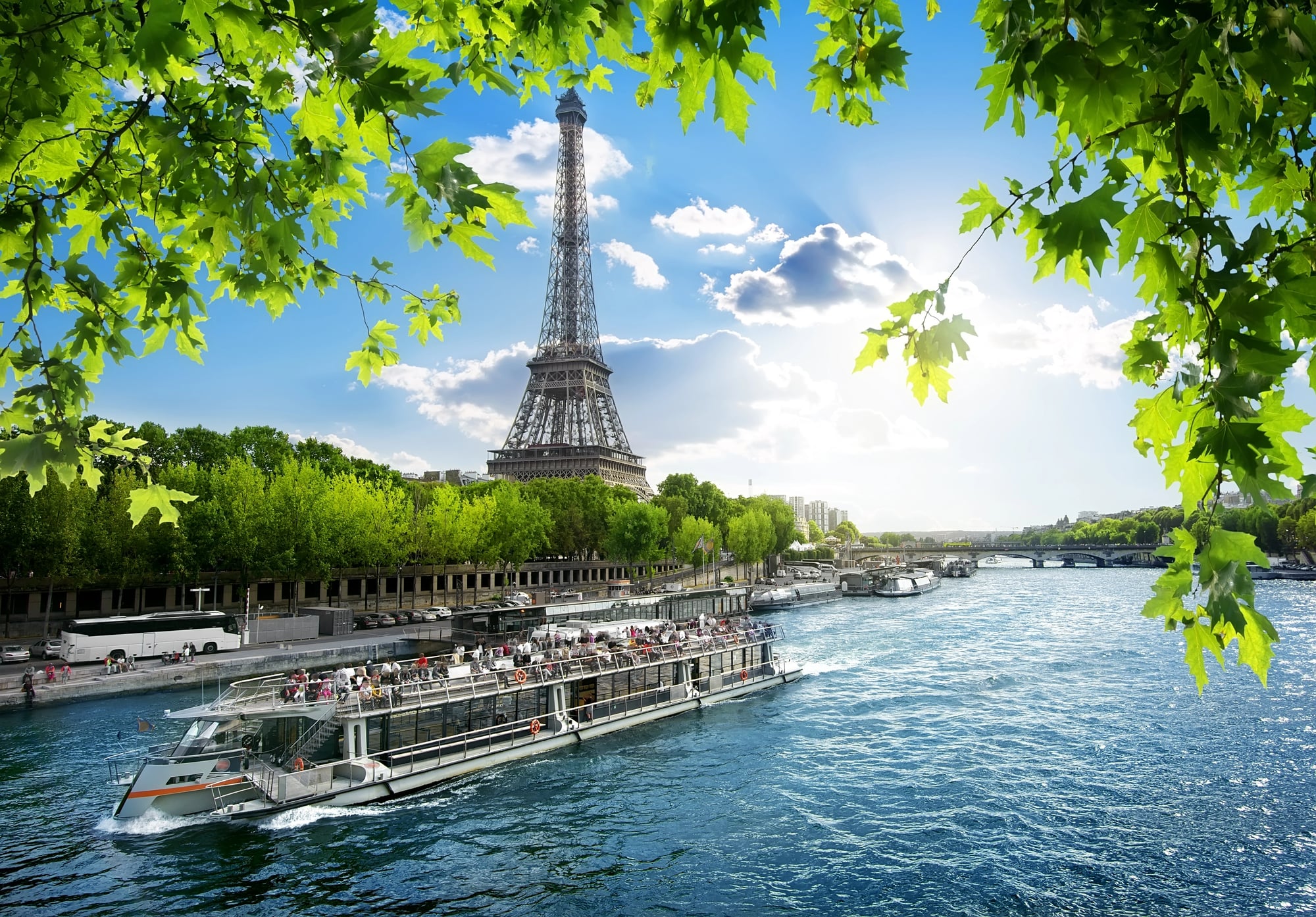
Paris’s famous waterway experiences tidal reversals stretching several miles upstream from its mouth at the English Channel. These daily flow changes — more pronounced during spring tides — influenced the city’s historical development as a maritime port.
Engineers constructed specialized locks and flood management systems to harness these natural reversals, which continue affecting water quality and sediment distribution throughout the lower river basin.
San Juan River
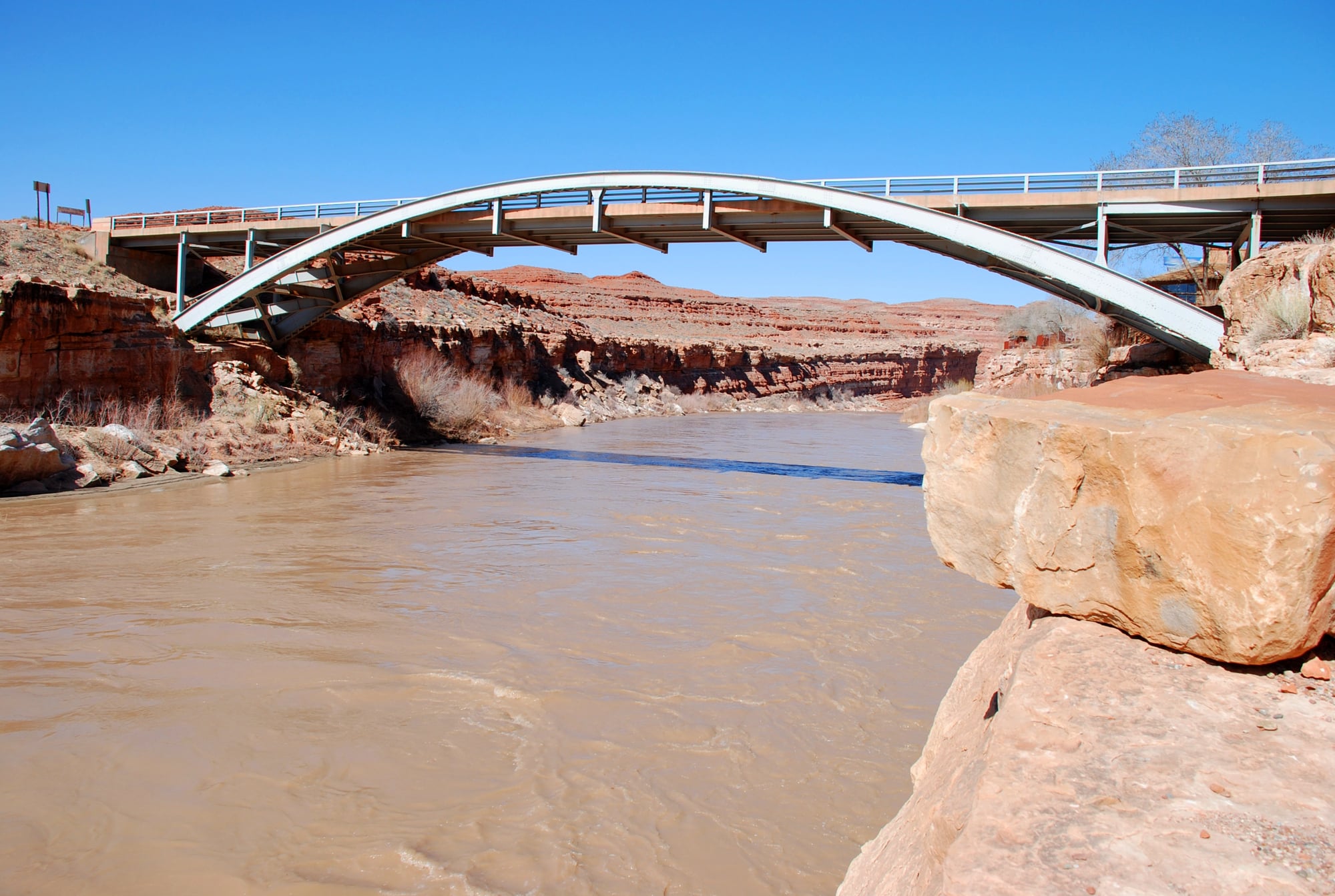
Nicaragua’s crucial waterway connects Lake Nicaragua with the Caribbean Sea through a series of rapids that experience regular flow reversals. Strong easterly winds occasionally force seawater upstream against the current — creating challenging navigation conditions for vessels attempting to reach inland ports.
Indigenous communities developed specialized fishing techniques utilizing these predictable reversals, which temporarily bring marine species into traditionally freshwater areas.
Murray River
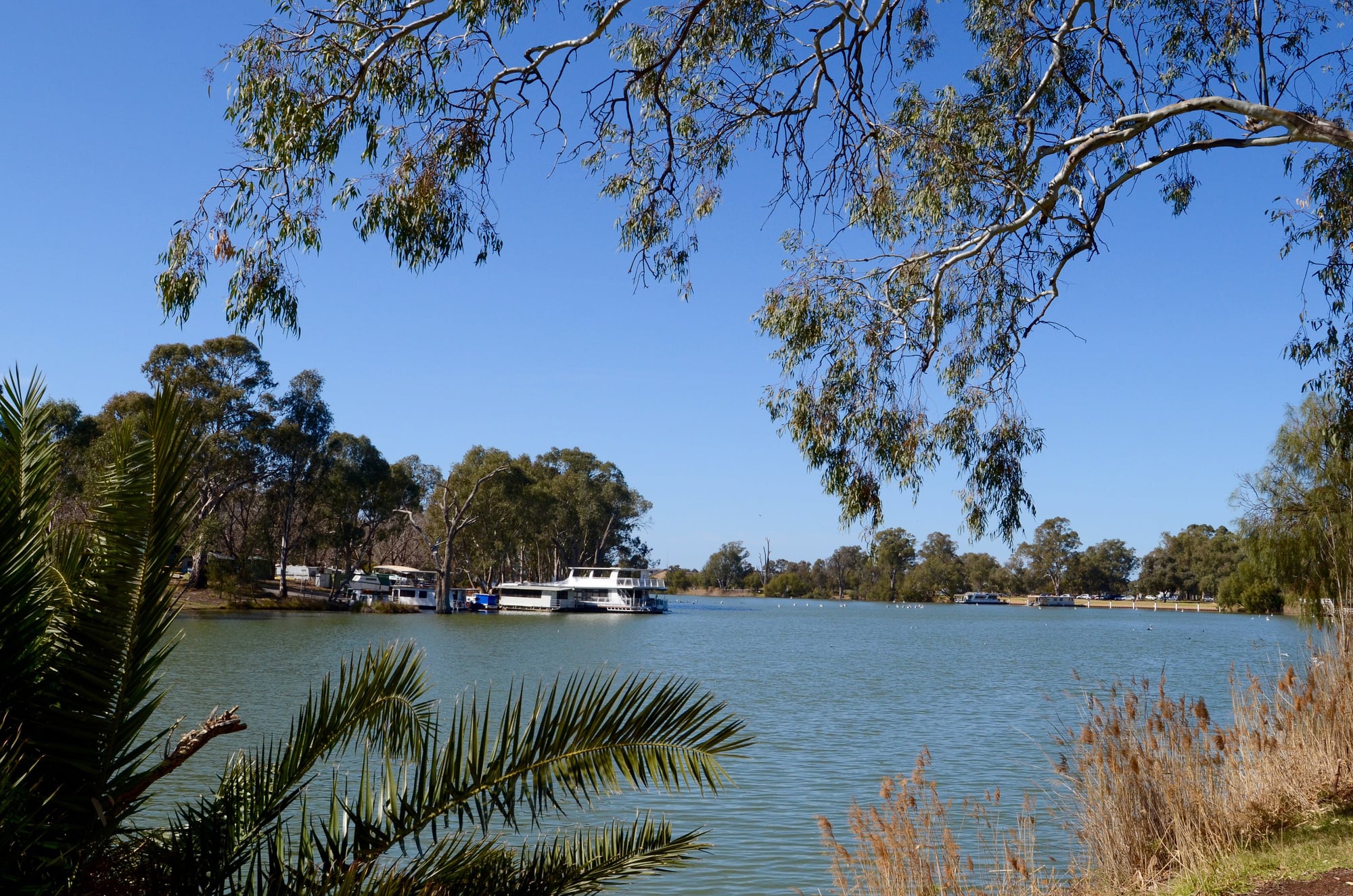
Australia’s longest river occasionally flows backward when intense winds push waters from Lake Alexandrina upstream against its normal current. These reversals significantly impact irrigation systems relied upon by agricultural operations throughout South Australia’s productive farming regions.
Aboriginal peoples incorporated knowledge of these flow changes into their cultural practices for thousands of years before European settlement altered much of the river’s natural hydrology.
Nile River
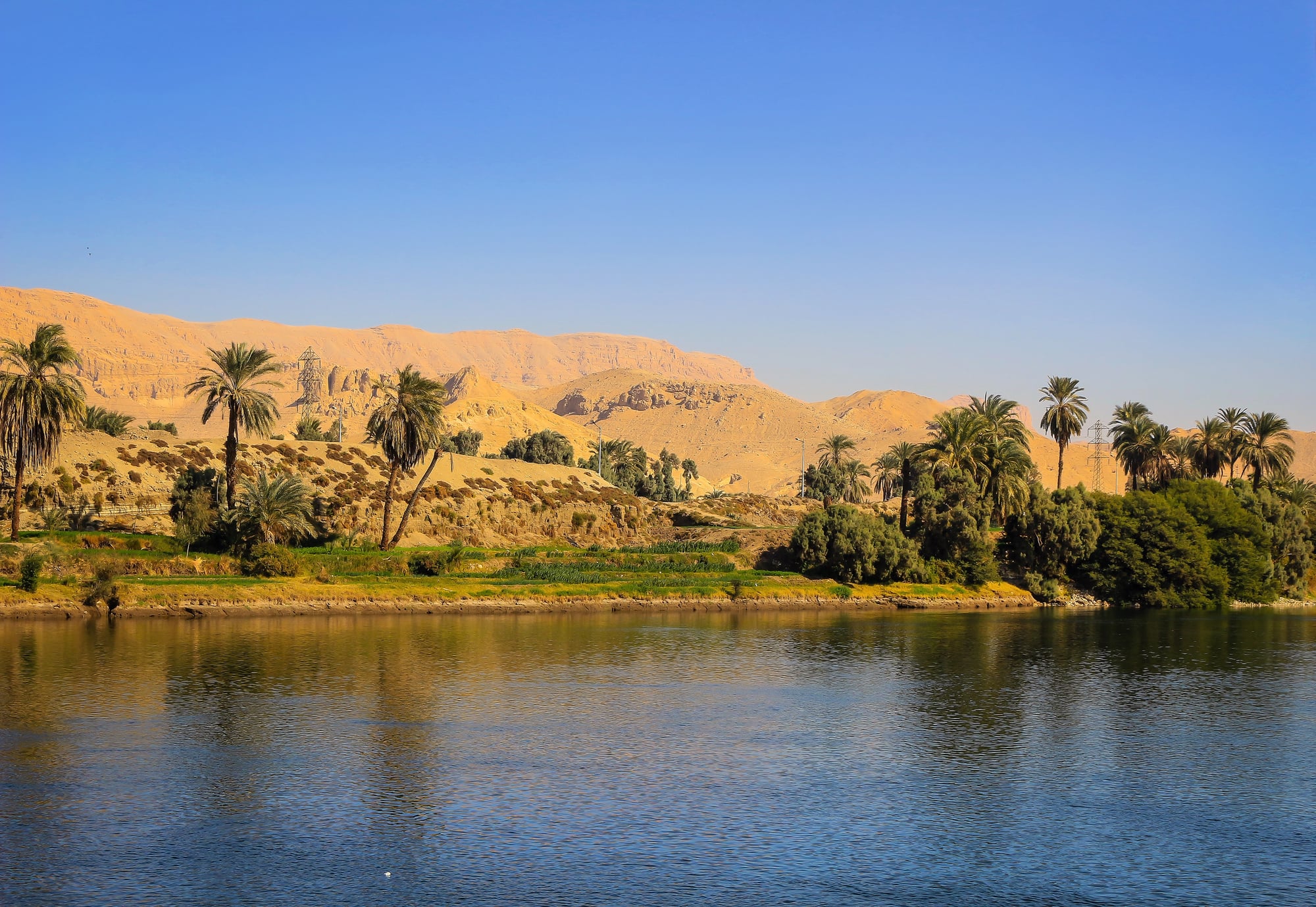
Even the mighty Nile experiences periodic reversals near its Mediterranean delta when strong northerly storms push seawater inland against its normal flow. These natural changes — recorded since ancient Egyptian times — influenced agricultural practices and settlement patterns along the lower portions of this historically significant waterway.
Modern dam construction has reduced the frequency and magnitude of these reversals, though they still occur during exceptional weather conditions.
Thames River
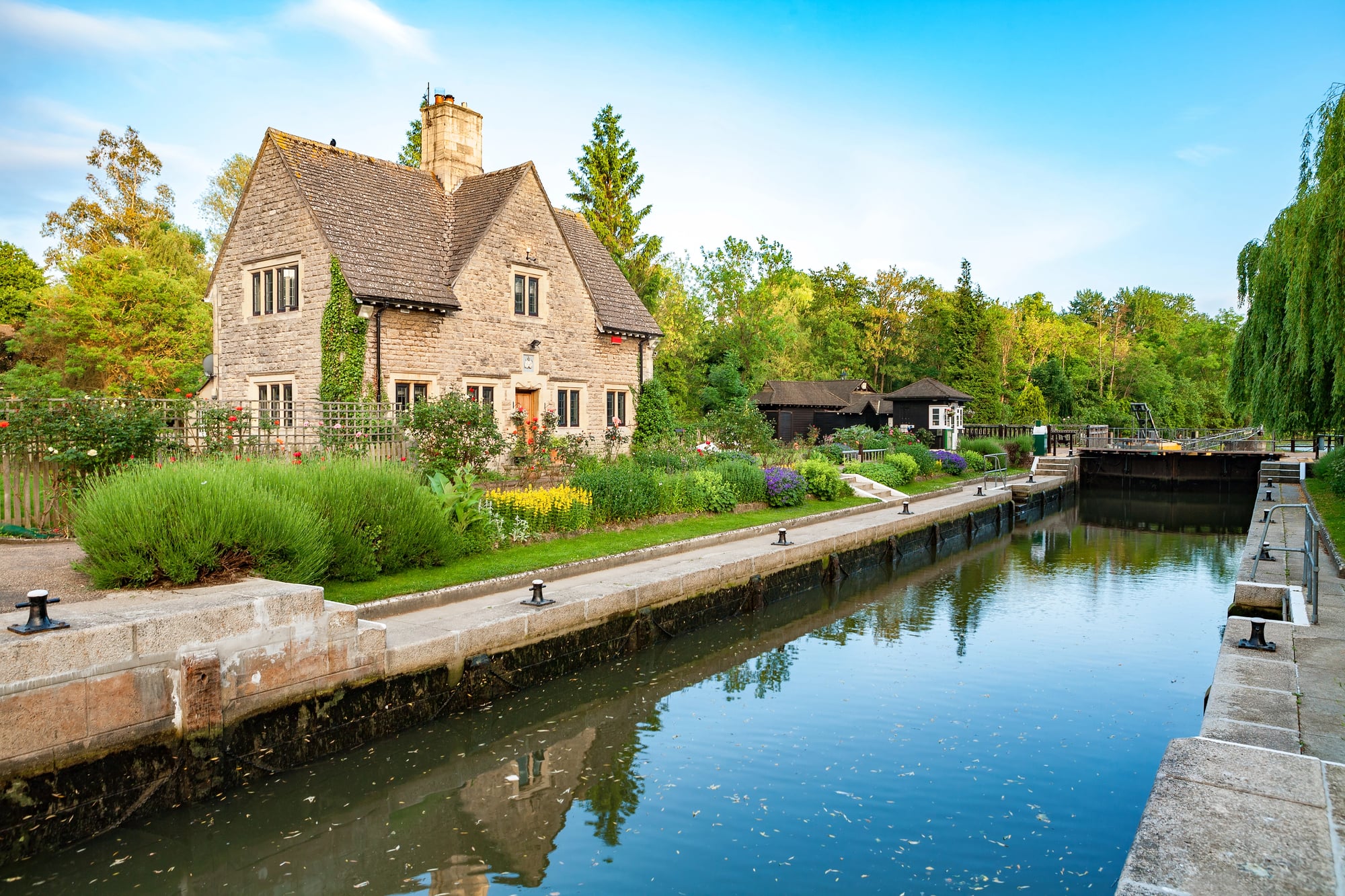
London’s historic waterway undergoes twice-daily flow reversals as tidal influences push upstream against its natural current. These predictable changes — extending inland from the river’s mouth — historically enabled maritime trade that built the city into a global power.
The famous Thames Barrier now regulates these natural reversals when combined with storm surges that might otherwise overwhelm riverside infrastructure.
Elbe River
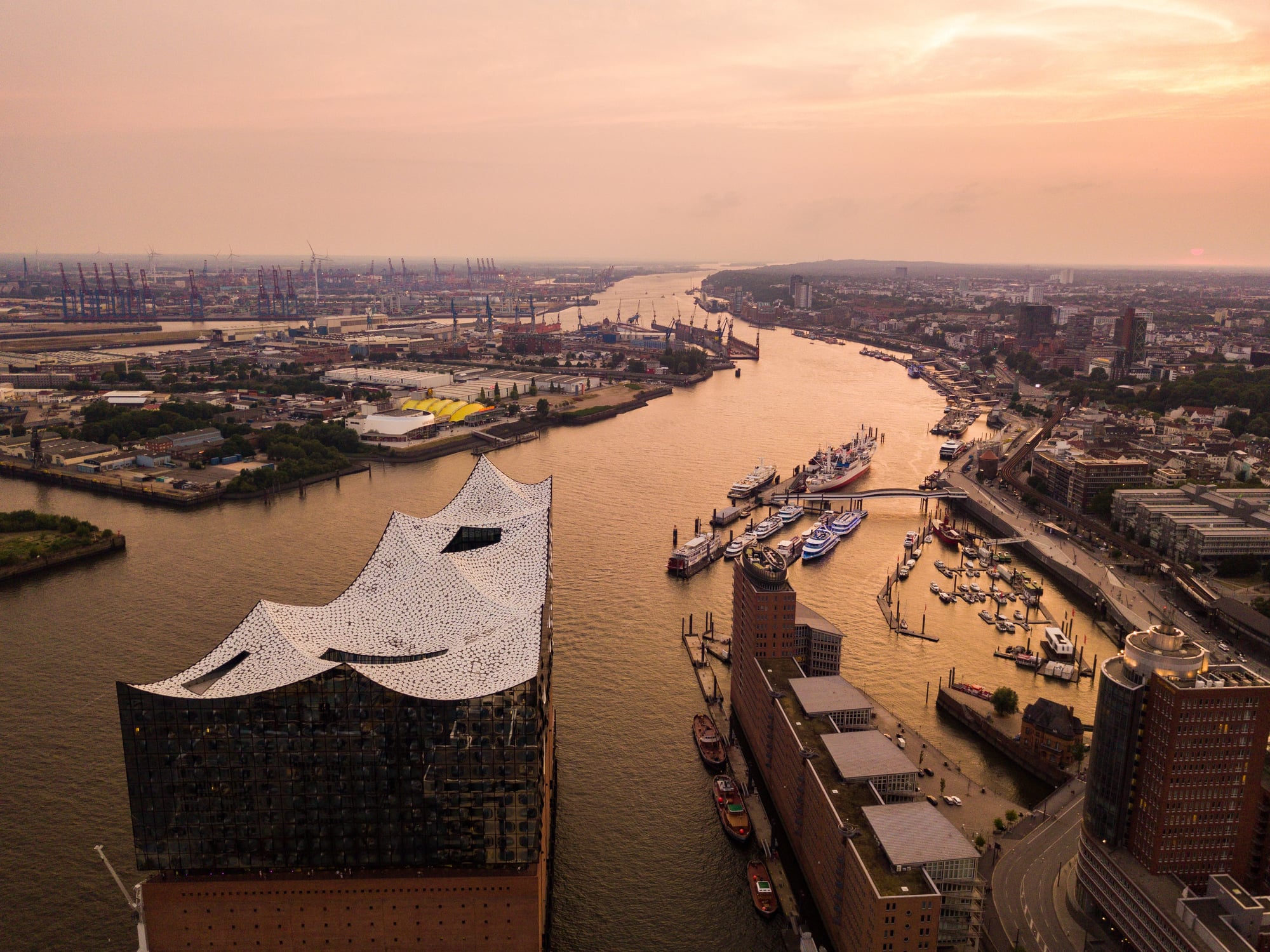
Germany’s vital shipping channel experiences powerful tidal reversals extending inland from the North Sea. Storm surges occasionally amplify these natural flow changes — pushing saltwater far upstream against the current with significant economic implications for Hamburg’s port operations.
Medieval settlements along its banks developed architectural adaptations specifically designed to accommodate these regular directional shifts that continue influencing regional hydrology.
River Rhythms
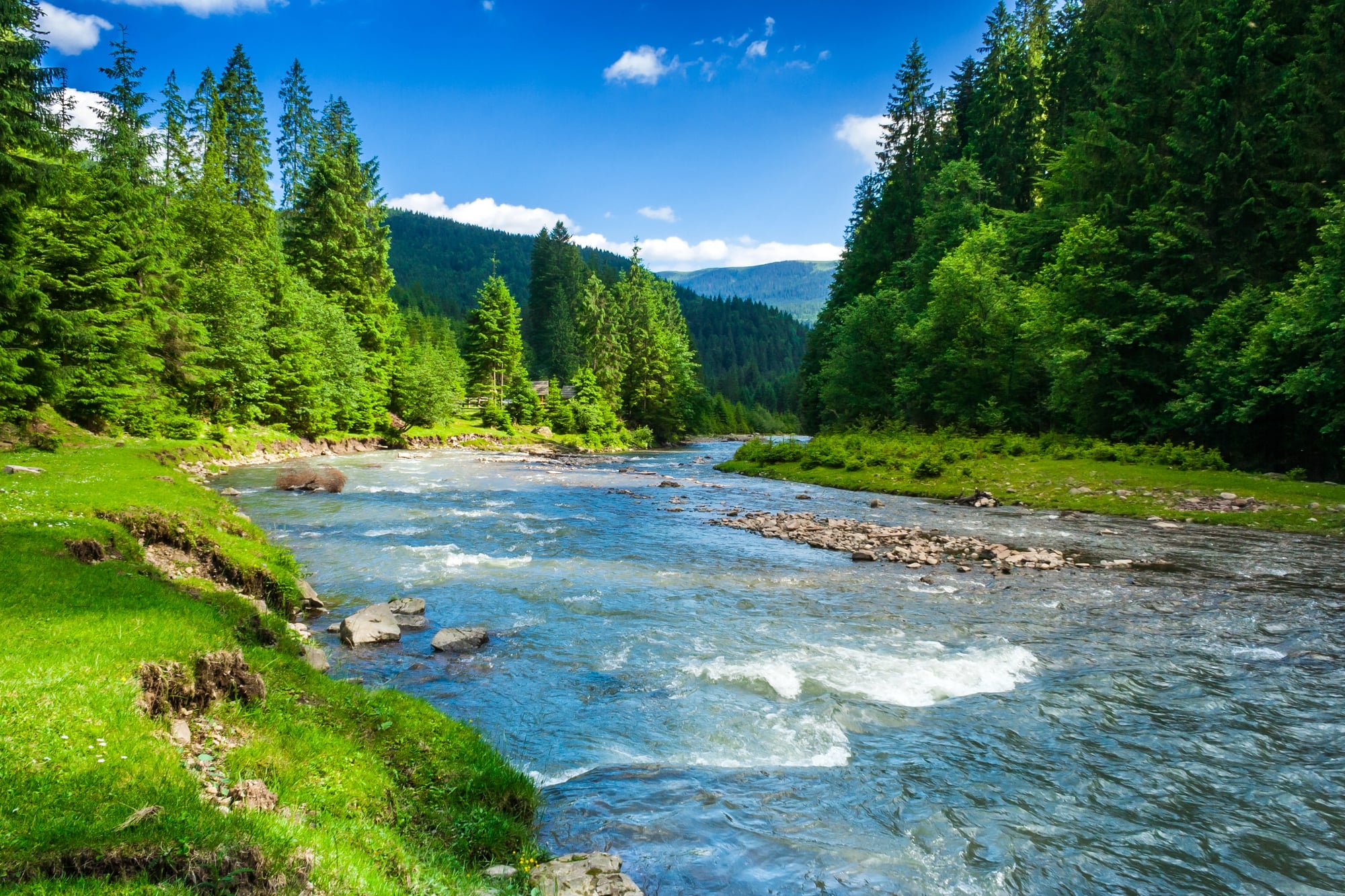
These remarkable waterways remind us that nature rarely follows absolutely predictable patterns. Like heartbeats pulsing through landscapes, reversing rivers demonstrate water’s dynamic relationship with gravitational forces, weather systems, and seasonal cycles.
The communities that thrive alongside these unusual waterways have developed unique adaptations and cultural practices reflecting their rivers’ dual personalities. As climate patterns shift globally, these reversing rivers serve as natural barometers — their changing rhythms offering insights into our planet’s evolving hydrological future.
More from Go2Tutors!

- The Romanov Crown Jewels and Their Tragic Fate
- 13 Historical Mysteries That Science Still Can’t Solve
- Famous Hoaxes That Fooled the World for Years
- 15 Child Stars with Tragic Adult Lives
- 16 Famous Jewelry Pieces in History
Like Go2Tutors’s content? Follow us on MSN.