Stamps That Are Worth Millions Today
You probably toss envelopes in the trash without thinking twice about the little sticker in the corner. Most stamps are worth exactly what you paid for them at the post office.
But scattered across the world, hiding in attics and bank vaults, are tiny pieces of paper that sell for more than luxury cars, more than houses, sometimes more than entire city blocks. These aren’t just old stamps.
They’re printing errors caught too late, design mistakes that slipped through, or rare survivors from historical moments that matter. The stories behind them range from wartime chaos to royal deaths to simple human error at the printing press.
And collectors will pay almost anything to own them.
A Small Pink Rectangle Worth Nearly Ten Million

The British Guiana 1c Magenta holds the record as the most expensive stamp ever sold. In 2014, shoe designer Stuart Weitzman paid $9.5 million for this single specimen.
British Guiana ran out of stamps in 1856. The postmaster ordered an emergency batch from a local newspaper printer. These weren’t the fancy engraved stamps coming from England.
They were crude, printed on newspaper-grade magenta paper with black ink. Most got thrown away after use. Only one survived.
It’s not even in great condition. The stamp has been trimmed, the corners are clipped, and someone’s initials are penned across the face.
But when you’re the only one left in existence, condition becomes less important than survival. Stanley Gibbons now owns it and lets people buy shares in the stamp, turning a single piece of postal history into a fractional investment.
The Airplane That Flew Upside Down

The Inverted Jenny makes people laugh before they understand the price tag. The stamp shows a Curtiss JN-4 biplane surrounded by a red frame, but the plane appears upside down.
It wasn’t supposed to be that way. In May 1918, the United States issued its first airmail stamp.
The printing process required running each sheet through the press twice. Someone accidentally fed one sheet in backwards on the second pass. That single pane of 100 stamps got sold before anyone noticed the error.
Most of those 100 stamps still exist, though they’ve been separated over the years. A single Inverted Jenny sold for $1,351,250 in 2016. Blocks of four stamps together command even higher prices.
The mistake happened during World War I when these Jenny biplanes trained 95 percent of American pilots. The planes were later modified with extra fuel tanks and mail hoppers for government airmail service.
Benjamin Franklin’s Rare Pattern

Benjamin Franklin appears on more US stamps than almost anyone else. He was the country’s first postmaster, so the honor makes sense.
But one particular Franklin stamp stands apart from all the others. In 1868, the postal service experimented with grilling stamps.
They pressed tiny indentations into the paper to help cancel ink soak in, making it harder for people to wash stamps clean and reuse them. Different grill patterns got different letter designations.
The Z-grill had horizontal grooves instead of vertical ones. The experiment didn’t last long. The grills weakened the paper and interfered with perforations.
But a few Z-grill stamps made it out. Only two Benjamin Franklin Z-grills are known to exist today.
One sits permanently in the New York Public Library’s Miller Collection. The other changed hands in 2005 when it was traded for four Inverted Jenny stamps valued at $3 million.
Sweden’s Yellow Mistake
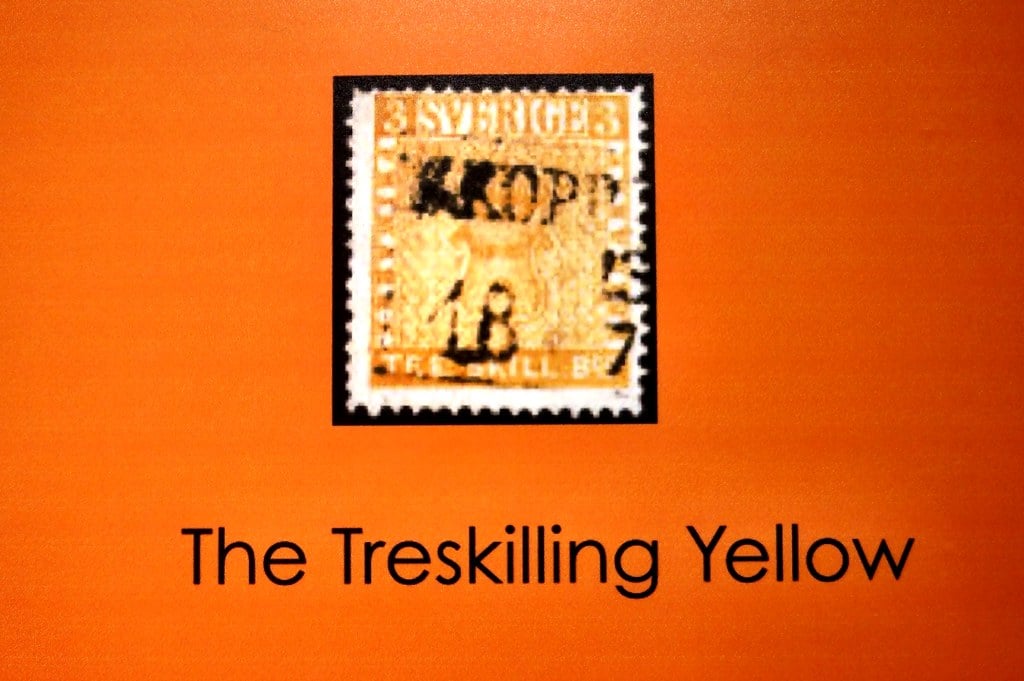
Sweden issued its first postage stamps in 1855. The 3-skilling stamp was supposed to be green.
Someone at the printing facility used the wrong color plate and printed a batch in yellow instead. Only one Swedish Treskilling Yellow survives today.
It’s in pristine condition, which matters more when you’re talking about something this rare. The stamp sold in 1993 for $2.3 million.
It changed hands again in 2010 and 2014, though those sale prices were never disclosed. Experts estimate its current value at over $4 million. The stamp’s history adds to its mystique.
A Swedish schoolboy found it in his grandmother’s attic in 1886. He sold it to a dealer for a few coins.
The stamp has passed through multiple famous collections since then, setting records each time it appears at auction.
Gala Invitations from Mauritius

In 1847, Mauritius became the first British colony to issue its own stamps. Lady Elizabeth Gomm, wife of the island’s governor, was known for throwing elaborate parties.
She needed stamps for her gala invitations. The Mauritius Post Office stamps came in two versions: One Penny red and Two Penny blue.
What makes them special is a simple word. Instead of saying “Post Paid” like British stamps, they said “Post Office.” Just 27 examples survive today.
Three stamps are affixed to what collectors call Covers—the actual party invitations Lady Gomm sent out. In 2021, one of these Covers featuring a One Penny red stamp sold for over $12 million.
The combination of the rare stamp and its connection to a specific historical event drives the price into the stratosphere.
The German Color Mix-Up
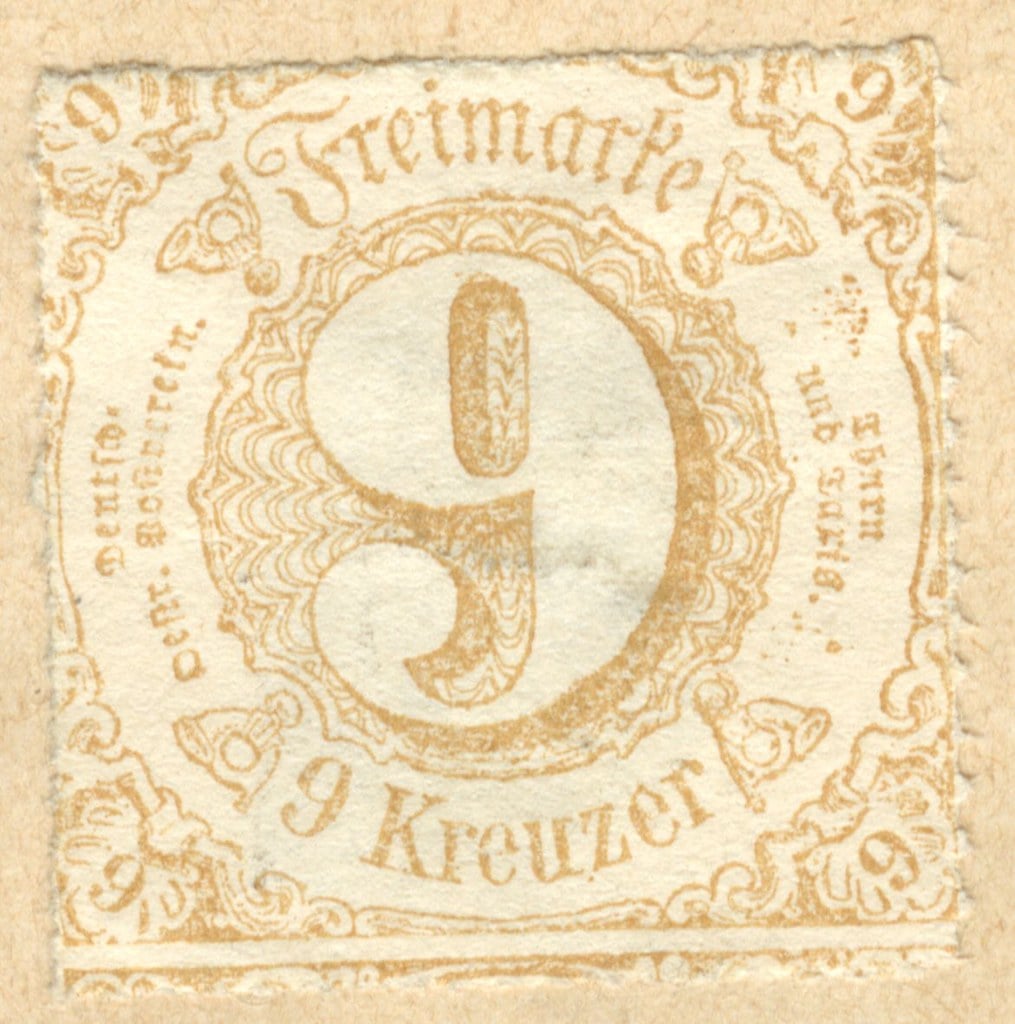
The Baden 9 Kreuzer stamp from 1851 was supposed to be pink. A few sheets got printed in green instead.
The printer apparently misread a 9 for a 6 and used the wrong plate. Only four specimens exist today. Baron von Türckheim showed one of these stamps at a philatelic club meeting in Berlin in 1894.
His father turned out to own two copies of old letters. Those discoveries established the stamp’s rarity and value.
In 2019, a rare cover featuring this stamp sold for approximately $1.73 million. The stamp came from the valuable collection of German-born businessman Erivan Haub.
Before that, a single Baden 9 Kreuzer sold for $1,545,000 in 2008.
China’s Political Statement Gone Wrong

In 1968, China issued a stamp celebrating Mao’s Cultural Revolution. The design showed happy Chinese citizens holding Mao’s Little Red Book.
The entire country was depicted in red, representing the nation’s commitment to communism. But the island of Taiwan appeared in white.
The mistake was spotted quickly. The stamp was withdrawn almost immediately.
But some copies had already been distributed. Today this stamp is known as “The Whole Country is Red.”
Multiple examples have sold at auction in recent years. One fetched $2 million at China Guardian auction in Beijing in 2018.
Another sold for over $1.1 million at InterAsia auction later that same year. The stamp’s value comes from both its rarity and its connection to a significant political moment in Chinese history.
Messages from Hawaiian Missionaries

Before Hawaii became part of the United States, it was an independent kingdom. In 1851, the Hawaiian postal service issued stamps that collectors now call the Hawaiian Missionaries.
The name comes from American missionaries who were active in Hawaii at the time and frequently used these stamps. The denominations were 2-cent, 5-cent, and 13-cent.
The 2-cent stamp had almost no practical use except for newspapers or the captain’s fee paid to ship captains who carried letters. That limited use makes surviving examples even rarer.
Life magazine once declared this stamp the most valuable substance on earth, pound for pound. Collectors prize these stamps both for their rarity and their distinctive, somewhat crude numerals.
Audrey Hepburn’s 1963 film Charade featured a Hawaiian Missionary stamp in its plot, though the movie used a fictional 3-cent version that never actually existed.
Sicily’s Color Error

Sicily issued stamps in 1859 when it was still independent from the unified Italy we know today. One particular stamp was meant to be orange.
A batch came out blue instead. Only two copies of this Sicilian Error of Color are known to exist.
One sold at auction in 2011 for $2.6 million. At the time, it briefly claimed the title of world’s most expensive stamp, though the British Guiana 1c Magenta later reclaimed that record.
The stamp was sold by Dreyfus auction house to an online bidder in the United States who was based in France. The color error, combined with Sicily’s brief existence as an independent nation, makes this stamp particularly valuable to collectors focused on Italian philately.
George Washington’s Textured Surface

George Washington appears on countless US stamps. Most are common and worth face value or maybe a few dollars to collectors.
But the George Washington B-Grill stamp is different. Like the Benjamin Franklin Z-grill, this stamp features a pressed pattern on its surface.
The B-grill was larger than other grills and had upward-pointing indentations. The pattern was supposed to prevent stamp reuse by helping ink soak into the paper.
But the larger size interfered with perforations and was quickly replaced. Only four examples exist today.
One sold for $1.035 million in 2008. The combination of a famous presidential image and an extremely rare production variation makes this stamp highly sought after among American philatelists.
An Upside-Down Declaration

Americans celebrate their independence from Britain with fireworks and parades every July 4th. In 1869, the post office issued a stamp depicting the signing of the Declaration of Independence in 1776.
It was meant to commemorate that historical moment. Some stamps came out with the image printed upside down.
Only four examples are known to exist. The error happened during the printing process when one plate was accidentally inverted.
These stamps capture both American patriotic fervor and the appeal of production mistakes that create instant rarities. The stamp shows the founding fathers at the moment they declared independence.
Having that image upside down adds an unintentional humor to an otherwise serious historical scene. Collectors who focus on American history particularly prize this error.
China’s Revenue Stamp Problem

The Red Revenue One Dollar Small stamps from China had illegible text when they were first produced. The postal service immediately replaced them with improved versions.
That quick action made the original versions extremely rare. Only about 32 of these stamps exist today.
The design and text problems that prompted their withdrawal are the same factors that now make them valuable. In 2013, one sold for approximately $890,000.
Revenue stamps were used to show that taxes had been paid on documents and goods. When China began using them for postal purposes, careful attention to legibility became more important.
The hasty replacement of these flawed stamps created an accidental rarity that collectors now pursue.
Dr. Sun Yat-sen Standing on His Head
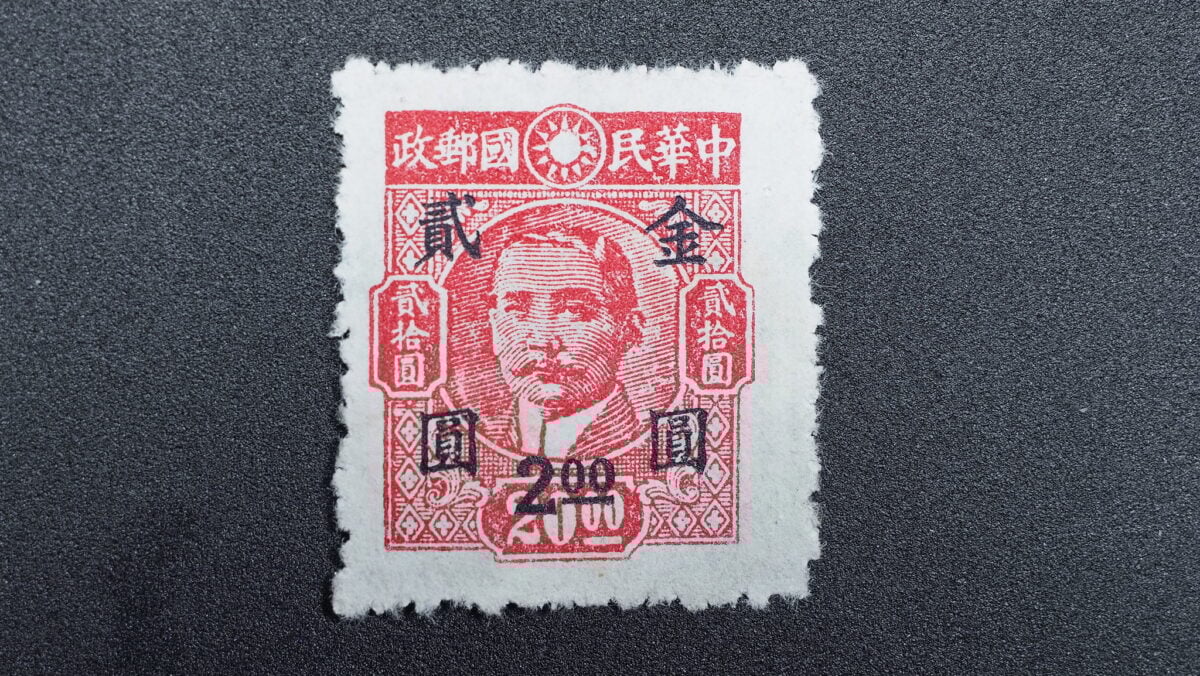
Dr. Sun Yat-sen was the first president of the Republic of China. His image appears on many Chinese stamps.
But one sheet of stamps showed his portrait upside down. Only 50 stamps were printed that way before the error was caught.
Most of those 50 stamps have been separated over the years. Currently, two inverted pairs still exist together.
In 2018, one of these pairs sold at a Hong Kong auction for $707,000. Inverted stamps hold a special place in philately.
The error is obvious and dramatic. Unlike color mistakes or text problems that require expertise to spot, anyone can see when something is upside down.
That visual impact makes these stamps appealing even to people who don’t normally collect.
The King Who Died Too Soon

When King Edward VII took the British throne, his early stamps used the same frames that surrounded his mother Queen Victoria’s portrait. Later, the postal service decided to create stamps in single colors instead of the more expensive two-color process.
A new design was needed. Three designs were submitted.
The Postmaster General chose design number three. Thousands of stamps were printed in a purple shade called Tyrian Plum and sent to the Inland Revenue.
Then King Edward VII died on May 6, 1910. The Postmaster General ordered the destruction of all the new stamps.
Only two sheets survived. Individual stamps from those sheets occasionally appear on the market, but they’re extremely expensive.
The two remaining full sheets are considered priceless. They sit in museum collections as examples of stamps that almost were.
Paper Worth More Than Gold

Banks store precious metals and currency in their vaults. But some lockboxes hold items more valuable than gold bars or bundles of cash.
Small squares of paper, carefully preserved behind glass or in protective sleeves, represent fortunes that would shock most people. These stamps didn’t start out valuable.
They were printed by the thousands or millions to do a simple job—get letters from one place to another. But time, accidents, and historical circumstances transformed some of them into objects worth more than luxury homes.
A printing error caught too late. A political message that went wrong.
A king’s death that came at the wrong moment. These tiny accidents created objects that collectors now hunt across the globe.
The next time you get a letter, look at the stamp before you throw the envelope away. The chances of finding a million-dollar stamp in today’s mail are essentially zero.
Modern printing controls catch errors before stamps reach the public. But somewhere in someone’s attic or desk drawer, another rare stamp might be waiting.
And the person who finds it might not even know what they have until they look a little closer at that small piece of paper stuck in the corner of an old envelope.
More from Go2Tutors!

- The Romanov Crown Jewels and Their Tragic Fate
- 13 Historical Mysteries That Science Still Can’t Solve
- Famous Hoaxes That Fooled the World for Years
- 15 Child Stars with Tragic Adult Lives
- 16 Famous Jewelry Pieces in History
Like Go2Tutors’s content? Follow us on MSN.