16 Secret Inventions That Governments Tried to Hide
Behind closed doors, governments all across the world have created amazing technologies. These inventions, developed for national security, military gain, or occasionally dubious reasons, were intended to be kept out of the public eye.
Many eventually came to light as a result of declassification, leaks, or the tenacious efforts of journalists and investigators. These 16 secret inventions, which governments have tried to hide from the public, demonstrate the amazing and occasionally worrisome lengths nations have gone to in order to preserve their scientific superiority.
Sound Cannons
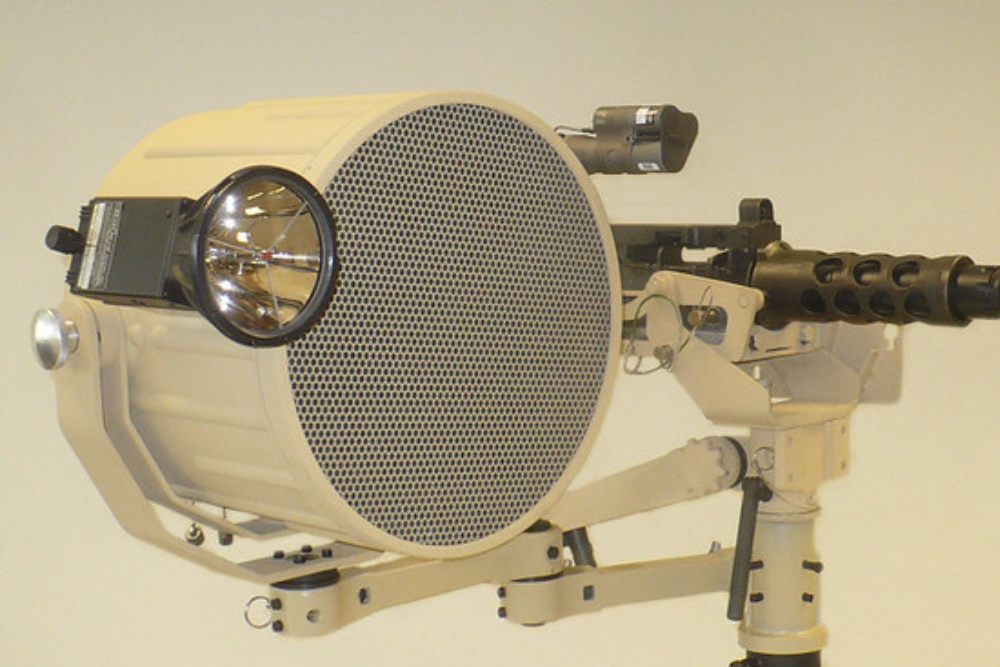
Originally created for military use, the Long Range Acoustic Device (LRAD) has now been embraced by police departments all over the world. These strong directional sound projectors have the capacity to produce sounds higher than 150 dB, which can be extremely painful and possibly harmful to hearing.
During its development in the 1990s, the technology was kept secret; its existence was only made public after it was used aboard military ships in the wake of the USS Cole bombing.
Project Suntan

CIA and Lockheed collaborated to create a hydrogen-powered spy plane in the 1950s, which they code-named “Project Suntan.” This ground-breaking aircraft was made to fly at extremely high altitudes and be nearly invisible to radar.
Due to the practical difficulties of storing hydrogen fuel, the project was abandoned after using a significant amount of resources. When materials were ultimately declassified in the 1990s, the government finally acknowledged the project’s existence after decades of keeping it under wraps.
In one of the more unusual Cold War projects, the CIA spent millions implanting microphones and transmitters into cats, hoping to use them as living surveillance devices near Soviet compounds. The first deployment reportedly ended in disaster when the cat was struck by a taxi shortly after release.
This bizarre program remained classified until 2001, when documents detailing the project were finally released through Freedom of Information Act requests.
Voice of God Weapon

The Pentagon developed a technology capable of projecting voices into people’s heads using microwave transmission. This psychological operations tool could make targets believe they were hearing voices from supernatural sources or inside their own minds.
The military kept this technology secret for years, with its existence only confirmed through leaked documents and occasional references in defense publications discussing non-lethal weapon development.
Stuxnet
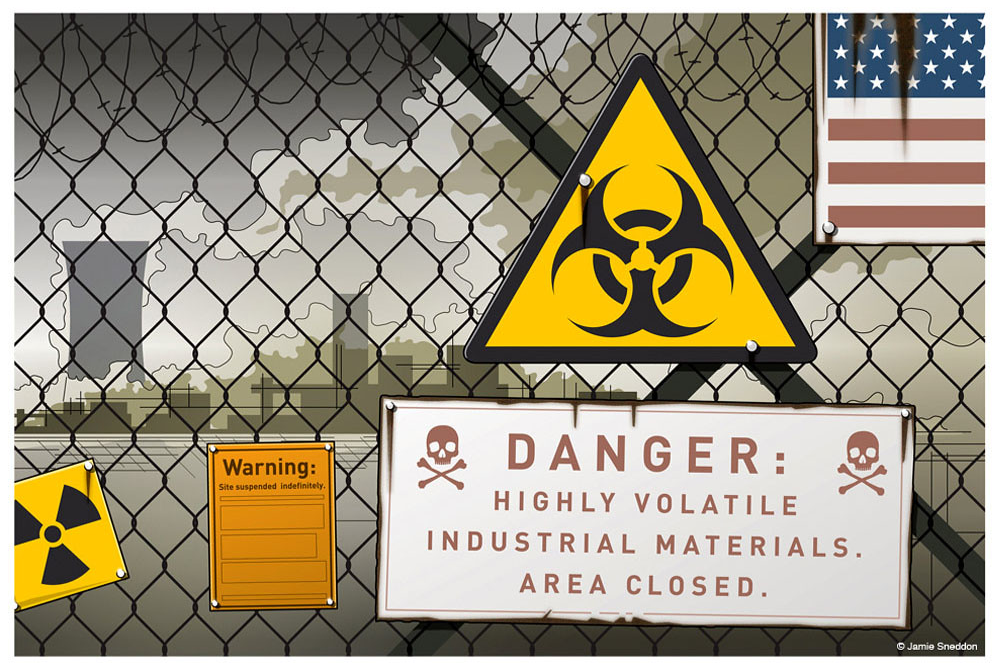
Before 2010, few knew about the existence of this sophisticated cyber weapon jointly developed by American and Israeli intelligence agencies. Stuxnet was designed specifically to target and sabotage Iran’s nuclear program by damaging centrifuges while displaying normal readings to monitoring systems.
This malware represented a new class of digital weapons that could cause physical destruction, with its complexity and purpose remaining classified until security researchers discovered and analyzed its code.
Project Azorian

In one of the Cold War’s most ambitious secret operations, the CIA attempted to recover a sunken Soviet submarine from the Pacific Ocean floor using a specially designed ship called the Glomar Explorer. The cover story claimed the vessel was mining manganese nodules from the sea floor.
The operation remained classified for decades, with the government refusing to acknowledge its existence until 2010 when many details were finally declassified.
Remote Viewing Programs

For nearly two decades, the U.S. government-funded secret programs like Stargate, Sun Streak, and Grill Flame to explore psychic phenomena and remote viewing for intelligence gathering. These programs employed individuals believed to have psychic abilities to gather information about distant locations and events.
Despite spending millions on the research, the government denied its existence until 1995 when the CIA declassified documents revealing these unusual intelligence collection methods.
The Heart Attack Gun

During the Church Committee hearings in 1975, the public learned about a CIA weapon designed to cause heart attacks. This specialized gun fired a frozen dart of poison that would melt in the victim’s body, leaving only a small red mark similar to a mosquito bite.
The dart contained a toxin that induced heart failure, making deaths appear natural. The technology remained classified until the congressional hearings exposed numerous CIA assassination tools and methods.
HAARP

The High-frequency Active Auroral Research Program in Alaska generated numerous conspiracy theories before their true nature was fully disclosed. Officially designed to study the ionosphere for communications research, many suspected it had weather modification or mind control capabilities.
The government maintained tight security around the facility and its capabilities for years, contributing to public speculation before eventually opening the site to scientific tours and providing greater transparency.
Project MK-ULTRA
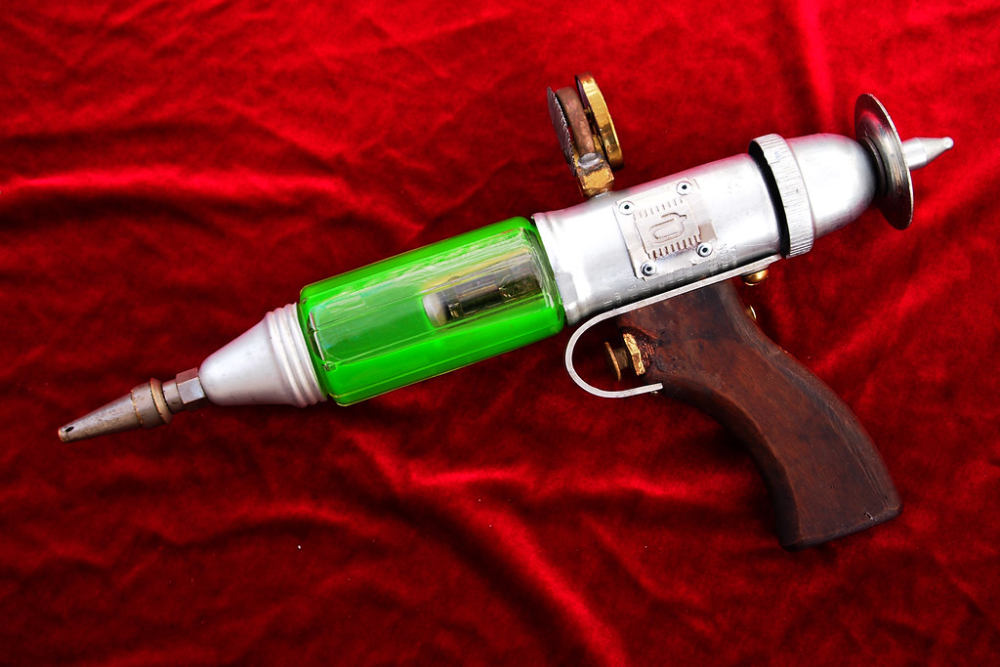
This notorious CIA mind control program ran from the early 1950s to the late 1960s, experimenting with LSD and other drugs, hypnosis, sensory deprivation, and psychological torture. The agency tested these techniques on unwitting American and Canadian citizens, including mental patients and prisoners.
The program remained hidden until 1975 when investigations by the Church Committee and Rockefeller Commission exposed these disturbing human experimentation activities.
Stealth Technology
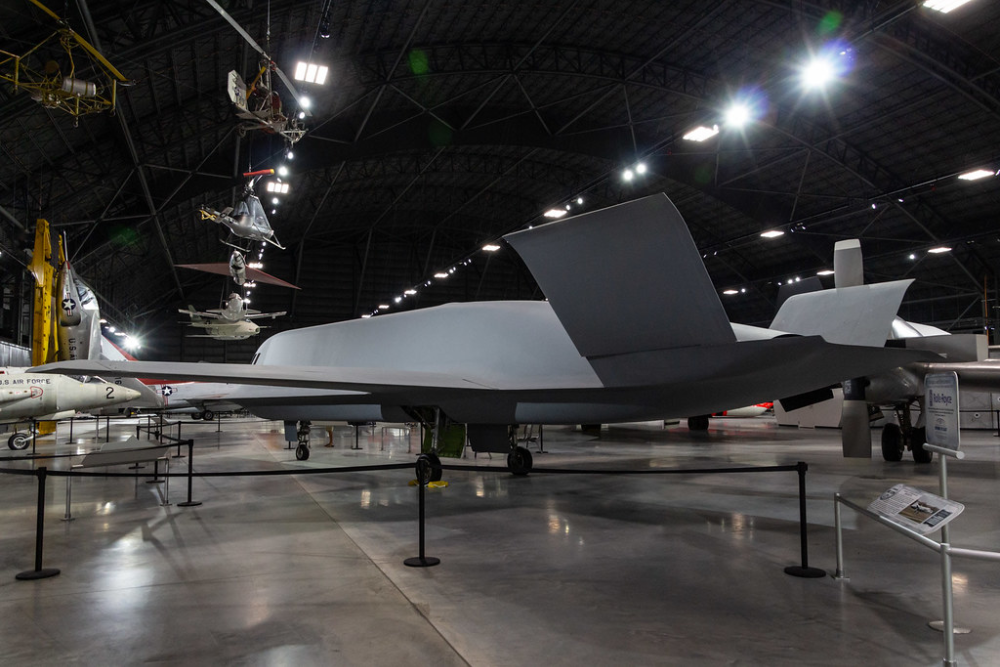
Before the F-117 Nighthawk was publicly unveiled in 1988, stealth technology had been developed in complete secrecy for nearly a decade. The government denied the existence of “invisible” aircraft despite occasional sightings and rumors.
The technology, which dramatically reduced radar signatures through specialized materials and aircraft design, was kept under tight security with development occurring at classified facilities like Area 51 and Skunk Works.
Palladium System

During the Cold War, the NSA developed a sophisticated electronic surveillance system capable of simulating enemy radar signals and manipulating what appeared on radar screens. The technology could make phantom aircraft appear on enemy radar or mask the presence of actual aircraft.
This capability remained classified for decades, with many details still undisclosed despite partial revelations in declassified documents about Cold War electronic warfare capabilities.
Project Horizon

In the late 1950s, the U.S. Army secretly studied the feasibility of establishing a military base on the moon. The classified project outlined plans for a lunar outpost housing 10-20 soldiers by late 1966.
The true scope and ambition of these plans were kept hidden for decades, only becoming public knowledge when documents were declassified in the 1990s, revealing how seriously the military had considered militarizing space during the early Cold War.
Operation Acoustic Kitty

In the 1960s, the CIA embarked on a $20 million project to implant listening devices in house cats, hoping to use them as mobile surveillance platforms near Soviet embassies. Engineers surgically implanted microphones, antennas and batteries into the animals.
The program was abandoned after the first test subject was reportedly hit by a taxi shortly after deployment. This bizarre project remained classified until documents were released through the Freedom of Information Act in 2001.
The Quantum Radar
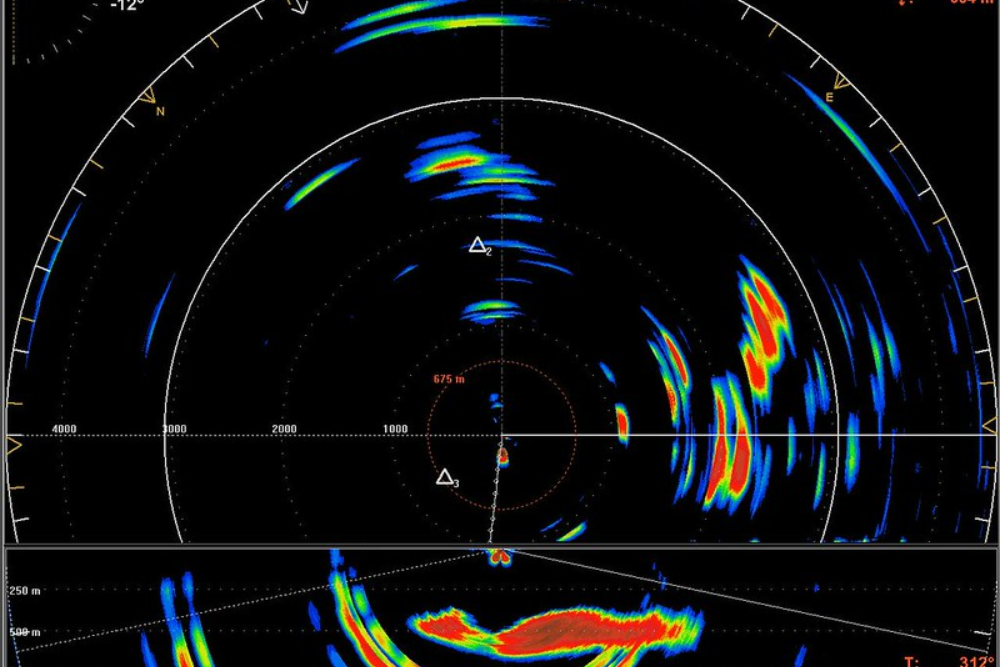
Using the concepts of quantum entanglement, several governments have covertly created quantum radar systems that can identify stealth aircraft. These systems may be able to detect even the most sophisticated stealth aircraft, in contrast to traditional radar.
For years, the technology was kept under wraps; the United States, Canada, and China all developed variants of it while openly disputing its existence. Only in 2015 did scant information start to appear in technical journals.
Voice-to-Skull Technology

Military researchers created equipment that could send voices and sounds straight into someone’s head so that onlookers wouldn’t hear them. This directed-energy technology, also known as V2K, produces an aural effect inside the skull by employing microwave pulses.
For many years, its existence was kept under wraps; the military didn’t acknowledge research into such capabilities until technical documentation and patents were made public through a variety of means.
The Nuclear-Powered Aircraft

The Soviet Union and the United States both sought nuclear-powered aircraft in the 1950s that could, in theory, fly for weeks without refueling. Before being discontinued in 1961, the U.S. effort, Aircraft Nuclear Propulsion, spent more than $1 billion.
Radiation shielding issues and several nuclear reactor test flights on conventional aircraft were among the many elements of these operations that were kept under wraps for decades. Only in the 1990s did declassification provide details.
Innovations That Changed Our World

From surveillance methods modified for commercial security to stealth materials used in radar-evading boats, several of these formerly classified technology have subsequently made their way into the public sector. Technological innovation frequently transitions from classified government initiatives to daily life, as demonstrated by the pattern of concealment followed by eventual exposure.
These innovations serve as a reminder that the most cutting-edge public technology of today might have started decades ago in government labs.
More from Go2Tutors!

- The Romanov Crown Jewels and Their Tragic Fate
- 13 Historical Mysteries That Science Still Can’t Solve
- Famous Hoaxes That Fooled the World for Years
- 15 Child Stars with Tragic Adult Lives
- 16 Famous Jewelry Pieces in History
Like Go2Tutors’s content? Follow us on MSN.