16 Secret Societies That Inspired Fiction
Secret societies have captivated human imagination for centuries. Their mysterious rituals, exclusive memberships, and shadowy operations provide perfect fodder for storytellers across all mediums. From ancient orders to modern elite gatherings, these real-world organizations have spawned countless books, movies, television shows, and conspiracy theories that blur the line between fact and fiction.
The allure isn’t hard to understand. Secret societies offer writers everything they need for compelling narratives: hidden agendas, powerful members operating behind the scenes, ancient mysteries, and the tantalizing possibility that anyone could be involved. Whether they’re portrayed as heroic guardians of ancient wisdom or sinister puppet masters controlling world events, these organizations have left an indelible mark on popular culture.
Here is a list of 16 secret societies that have inspired some of the most memorable works of fiction in literature, film, and television.
The Illuminati
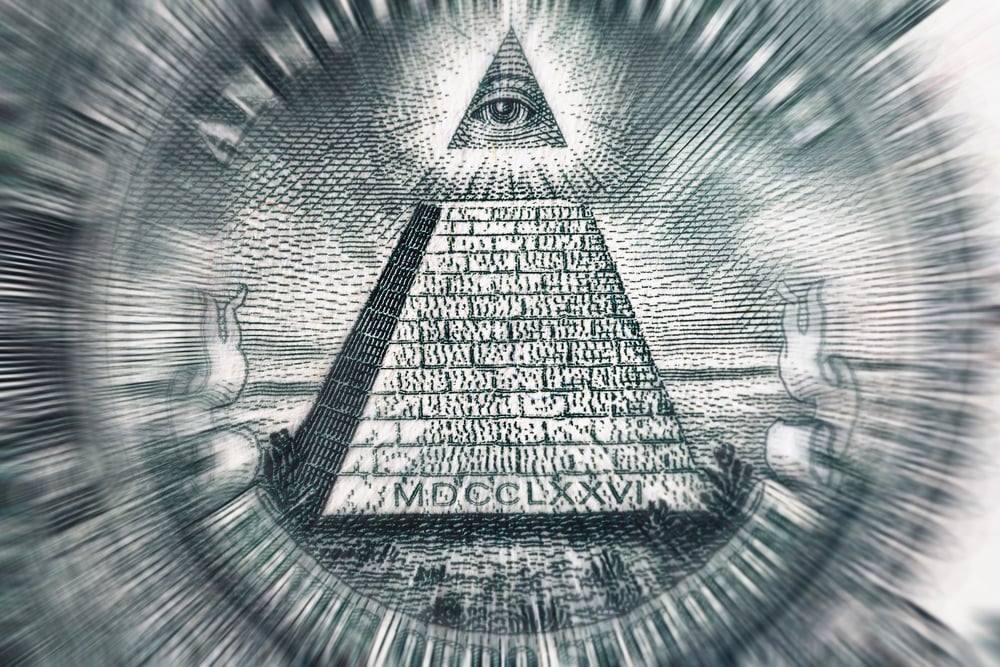
The Illuminati, founded by Bavarian professor Adam Weishaupt in 1776, sought to promote Enlightenment ideals and challenge religious authority. Though the original group was disbanded in the 1780s, it lives on in countless works of fiction. Dan Brown’s ‘Angels & Demons’ made the Illuminati household names, portraying them as a secret society of scientists at war with the Catholic Church. The group also appears in Umberto Eco’s ‘Foucault’s Pendulum’ and has been the subject of numerous conspiracy-themed movies and television shows.
Freemasons

Dating back to the early 14th century, the Freemasons count Founding Fathers like George Washington, Benjamin Franklin, and Paul Revere among their historical members. In fiction, they play crucial roles in ‘National Treasure’ as keepers of ancient secrets and appear in ‘From Hell’ connected to the Jack the Ripper murders. Their symbols, including the all-seeing eye, have become iconic elements in mystery and thriller genres, appearing everywhere from adventure films to horror stories.
Knights Templar

Founded after the First Crusade to protect Christian pilgrims, the Knights Templar were skilled fighters and early bankers who wore distinctive red crosses on white robes. Their fictional portrayals range from ‘Kingdom of Heaven’ to ‘National Treasure,’ where they’re shown as originators of massive hidden treasures. Dan Brown’s ‘The Da Vinci Code’ connects them to the Holy Grail legend, while countless other works explore their supposed survival after their official dissolution in 1307.
Skull and Bones

This Yale University secret society counts several U.S. presidents among its members and maintains highly secretive rituals. The 2004 film ‘The Skulls’ was directly inspired by this organization, depicting the dark side of elite academic secret societies. Rumors about their ‘black book’ containing secrets about powerful individuals have inspired numerous conspiracy thrillers. The society’s influence on American politics has made it a favorite subject for political fiction writers.
Opus Dei
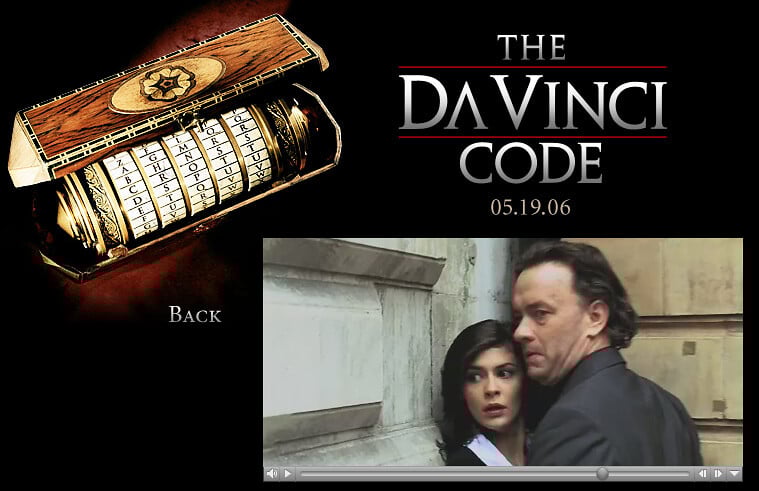
This Catholic organization operates with a high level of secrecy. Dan Brown brought Opus Dei into mainstream fiction with ‘The Da Vinci Code,’ portraying them as zealous protectors of Catholic orthodoxy willing to use extreme methods. The organization’s real-world reputation for strict religious practices and influential members has made it a natural antagonist in religious thriller fiction.
Rosicrucians

The Rosicrucians claim to possess esoteric wisdom dating back to ancient Egypt and influenced the development of modern science and philosophy. This 17th-century movement appears frequently in occult fiction and fantasy literature. Their blend of Christian mysticism, alchemy, and secret knowledge has inspired everything from historical novels to modern urban fantasy, often portrayed as keepers of ancient magical traditions.
Bilderberg Group

Founded in 1954, the Bilderberg Group brings together political and business leaders for annual meetings, with their discussions kept confidential. Critics claim their meetings shape global policies, and they’re accused of planning a ‘New World Order.’ This modern conspiracy theory fodder appears regularly in political thrillers and dystopian fiction, often portrayed as the shadow government controlling world events from behind closed doors.
Priory of Sion

This 11th-century society allegedly guarded the Holy Grail and features prominently in Dan Brown’s ‘The Da Vinci Code.’ While historians debate the organization’s actual existence and influence, its fictional portrayal as protectors of the secret that Jesus and Mary Magdalene had children has spawned an entire subgenre of religious conspiracy fiction. The group’s supposed connection to famous artists like Leonardo da Vinci adds another layer of intrigue for storytellers.
Order of Assassins

The historical Assassins were an Islamic military order during the Crusades, known for their strategic political killings. They appear in various works of fiction and inspired the popular ‘Assassin’s Creed’ video game series. Their portrayal often emphasizes their dedication to a cause and their willingness to sacrifice themselves for their mission, making them compelling characters in historical fiction and action-adventure stories.
The Mafia

The Mafia is a secret criminal society that has been used in numerous books, films, and television series including ‘The Godfather,’ ‘Goodfellas,’ and ‘The Sopranos.’ While technically criminal organizations rather than traditional secret societies, their codes of silence, ritualistic initiations, and family-based structures have made them endlessly fascinating to writers and audiences. The romanticized portrayal of honor among thieves has created an entire genre of crime fiction.
Hermetic Order of the Golden Dawn
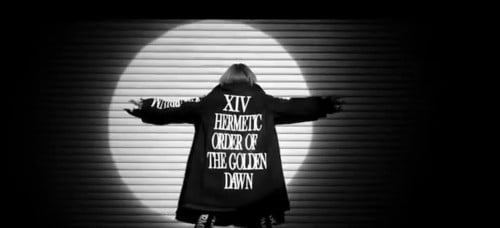
This late 19th-century occult society attracted famous members like poet W.B. Yeats and influenced countless works of supernatural fiction. The organization’s focus on ceremonial magic, tarot, and esoteric knowledge has inspired everything from horror novels to urban fantasy series. Their elaborate magical rituals and grade-based advancement system appear frequently in stories about modern magicians and occult mysteries.
Ku Klux Klan
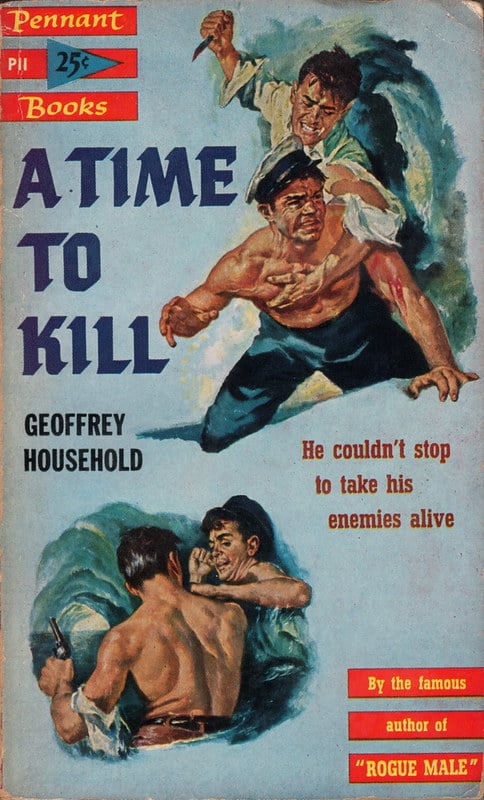
The Ku Klux Klan has been depicted in many books and films, including ‘The Birth of a Nation,’ ‘Mississippi Burning,’ and ‘A Time to Kill.’ While their real-world activities represent some of America’s darkest chapters, their secretive nature and distinctive imagery have unfortunately made them compelling antagonists in civil rights dramas and historical fiction exploring America’s racial tensions.
Bohemian Club

Established in 1872, the Bohemian Club hosts an annual retreat in California where attendees include prominent figures from various fields. Their rituals are seen as evidence of occult practices, with some believing they engage in dark ceremonies. The club’s famous ‘Bohemian Grove’ gatherings have inspired numerous conspiracy thrillers and horror stories about elite gatherings where the powerful engage in strange rituals away from public scrutiny.
Knights of the Golden Circle

This organization appears in ‘National Treasure: Book of Secrets.’ The real Civil War-era secret society sought to create a slave-holding empire and has become a favorite subject for historical fiction writers exploring America’s pre-Civil War tensions. Their grandiose plans and secretive operations provide rich material for alternate history novels and adventure stories set in the 19th century.
The Black Hand

This criminal organization appears in various works of fiction. The Serbian secret society, infamous for their role in assassinating Archduke Franz Ferdinand and sparking World War I, has inspired numerous historical thrillers. Their use of terrorism and political assassination as tools has made them compelling villains in stories exploring the chaos that secret organizations can unleash on the world stage.
Order of the Dragon

This order was used in Elizabeth Kostova’s novel ‘The Historian’ and in the film ‘Bram Stoker’s Dracula.’ The historical knightly order, which once counted Vlad the Impaler among its members, has been reimagined in vampire fiction and gothic horror. Writers have used the organization’s connection to the historical Dracula to create elaborate mythologies about ancient vampire societies and their ongoing influence in the modern world.
The Legacy Lives On

These secret societies continue to fascinate because they represent something fundamental about human nature: our desire for exclusive knowledge and hidden power. From Charles Palliser’s ‘The Quincunx’ to modern dark academia novels, secret organizations provide writers with ready-made conspiracies and shadowy antagonists. Whether portrayed as heroic guardians of ancient wisdom or sinister puppet masters, they tap into our deepest fears and fantasies about who really controls the world. The line between their historical reality and fictional portrayals may be blurred, but their impact on storytelling remains undeniably powerful, ensuring they’ll continue inspiring new generations of writers and filmmakers for years to come.
More from Go2Tutors!

- 16 Historical Figures Who Were Nothing Like You Think
- 12 Things Sold in the 80s That Are Now Illegal
- 15 VHS Tapes That Could Be Worth Thousands
- 17 Historical “What Ifs” That Would Have Changed Everything
- 18 TV Shows That Vanished Without a Finale
Like Go2Tutors’s content? Follow us on MSN.



