Weirdest Marine Life Found on Australian Beaches
Australia’s beaches have always been magnets for the curious and the brave, drawing millions who come for the sun, surf, and scenery. But every so often, the ocean decides to surprise beachgoers with something far stranger than the usual shells and seaweed.
These unexpected encounters with bizarre marine creatures washing ashore have become legendary among locals and scientists alike. From translucent blobs that defy easy identification to prehistoric-looking giants that seem pulled from another era, Australia’s coastline serves as a showcase for some of the ocean’s most peculiar inhabitants.
Blue-Ringed Octopus
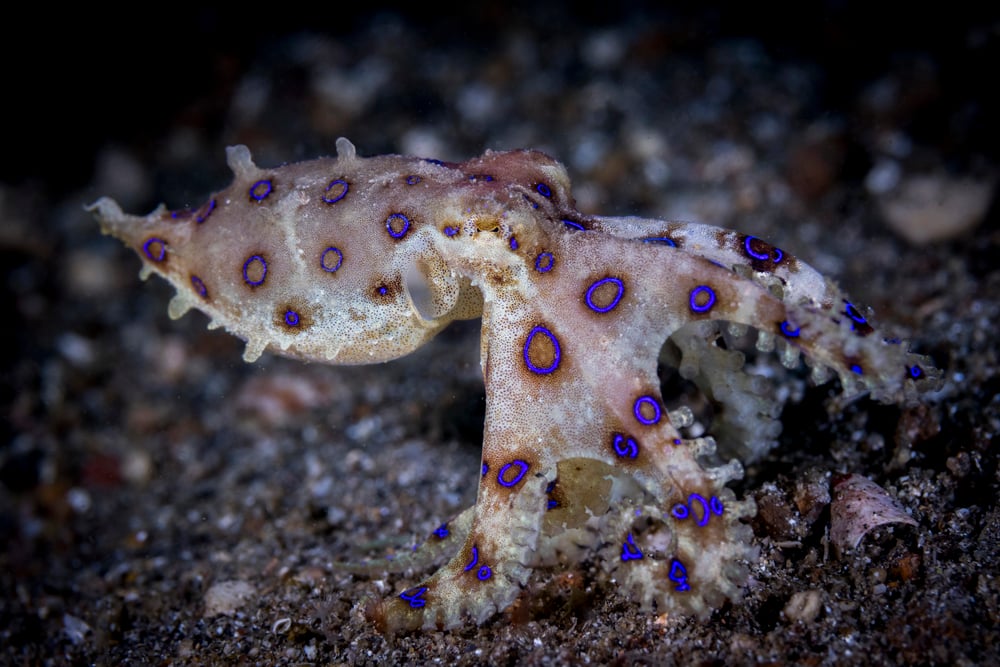
Don’t let the size fool you. This tiny octopus, barely larger than a golf orb, packs enough venom to kill 26 adults.
The brilliant blue rings that appear when threatened aren’t decoration—they’re a warning.
Bluebottle (Portuguese Man o’ War)
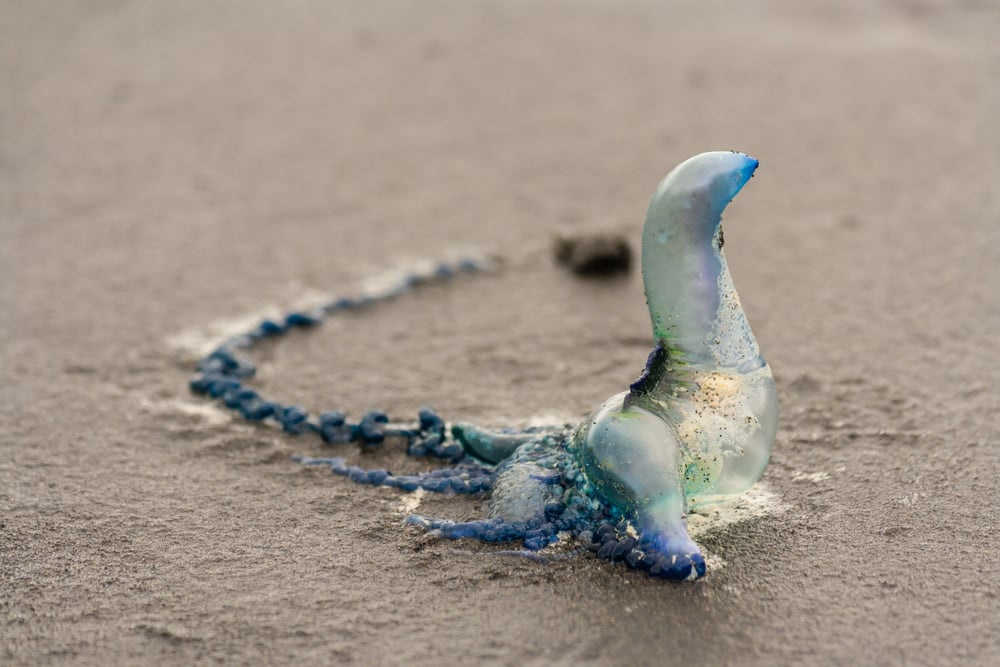
The bluebottle might look like a discarded plastic bag bobbing in the shallows (and therein lies part of the problem, since people sometimes reach for what they assume is beach litter), but this creature defies simple categorization in ways that would make a taxonomist’s head spin. It’s not actually a jellyfish, though it stings like one—rather, it’s a siphonophore, which means it’s technically a colony of specialized organisms working together as one unit, each with its own job, like a floating city where some citizens are responsible for movement, others for digestion, and still others for reproduction.
And those trailing tentacles that can stretch up to 30 feet behind the main body? They’re loaded with nematocysts that fire microscopic harpoons filled with toxins, because nature apparently decided that one defense mechanism wasn’t quite enough.
When these creatures wash up on Australian beaches—particularly during warmer months when onshore winds push them toward shore—they create a peculiar scene where something so ethereally beautiful (that translucent blue gas-filled bladder catching the light just so) can simultaneously clear an entire stretch of sand as word spreads among beachgoers who’ve learned to keep their distance.
Leafy Sea Dragon
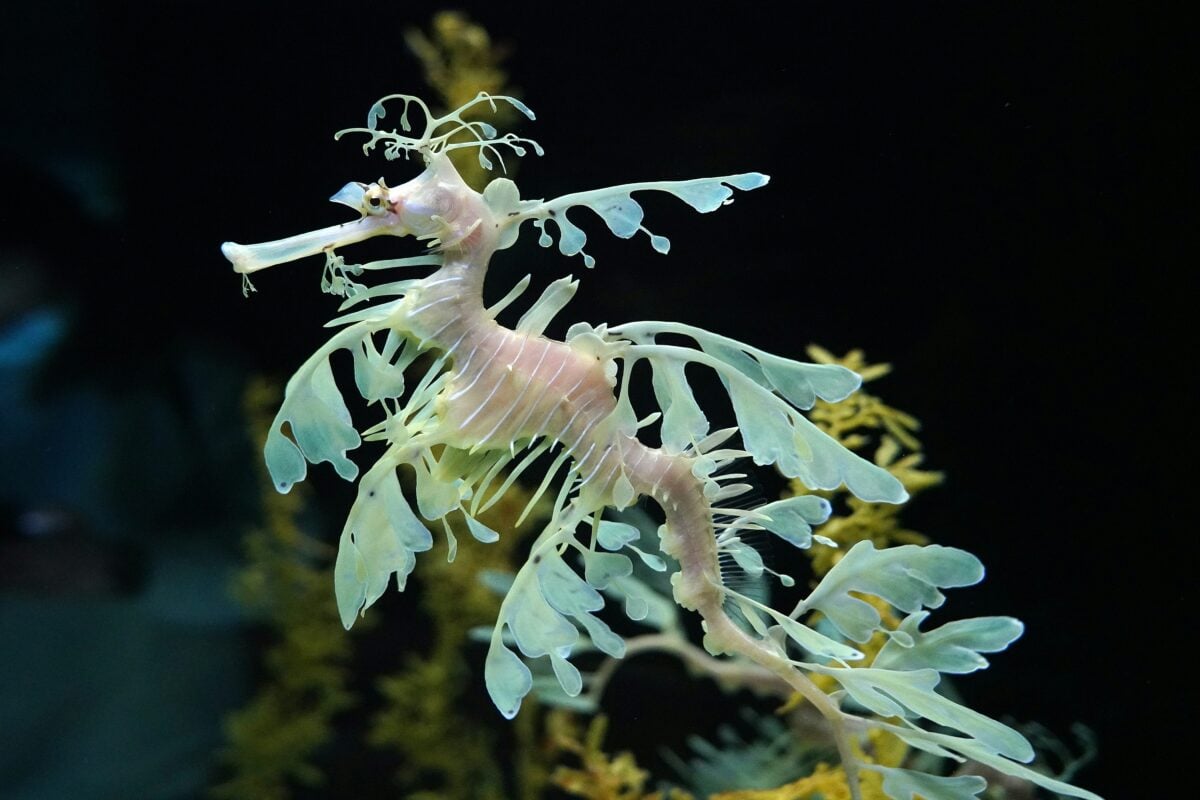
Think of a piece of floating seaweed that decided to grow eyes and develop an attitude. The leafy sea dragon embodies the ocean’s capacity for turning camouflage into high art.
Every appendage mimics kelp with such precision that spotting one feels like discovering a secret the water didn’t mean to share. These creatures move with the unhurried confidence of something that knows it belongs exactly where it is.
Which makes finding one washed ashore all the more unsettling—like stumbling across a displaced piece of an underwater fairy tale.
Giant Spider Crab
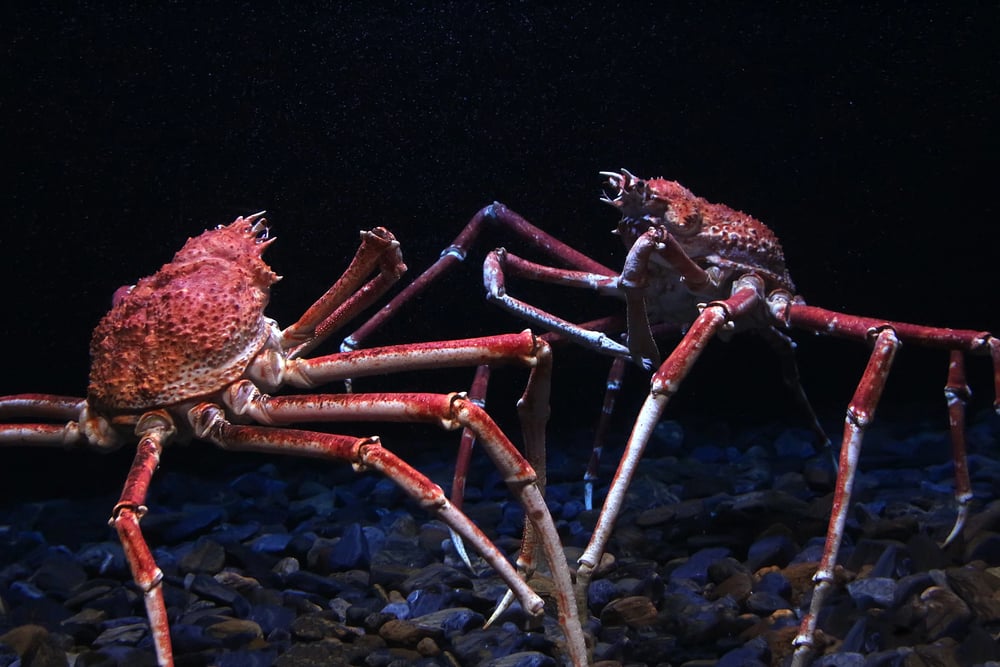
Australian beaches occasionally host what looks like an alien invasion. Giant spider crabs, with their spindly legs spanning up to four feet, turn tide pools into scenes from science fiction.
They’re completely harmless, but that doesn’t stop people from backing away slowly. These crabs molt in massive groups, sometimes thousands at once.
Finding their discarded shells scattered along the beach creates an eerie graveyard of exoskeletons that crunch underfoot like autumn leaves.
Sea Pig
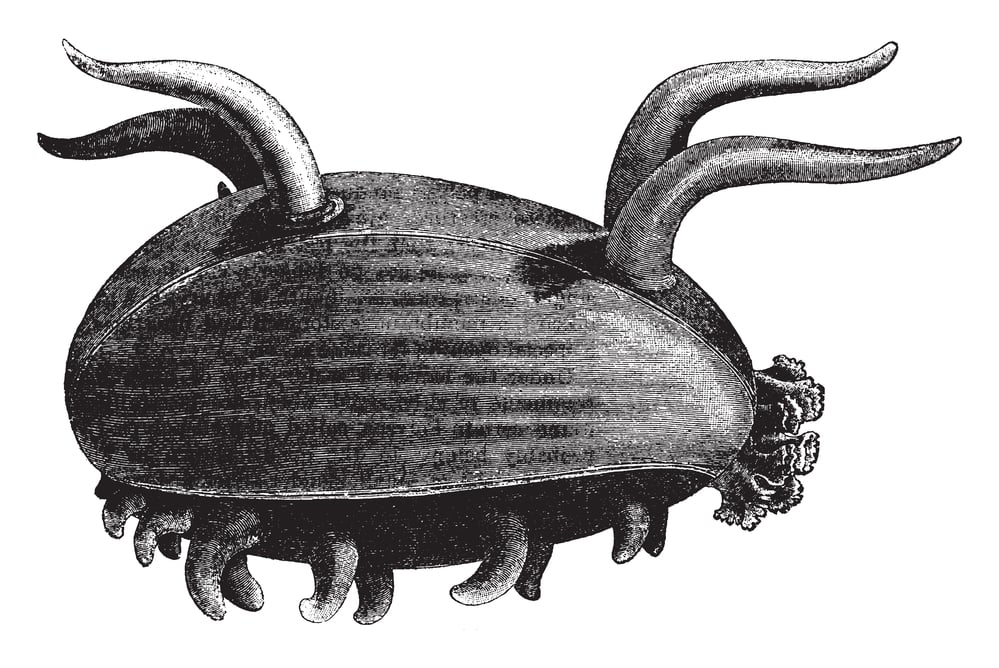
Picture a vacuum cleaner that grew legs and decided to take a stroll along the ocean floor—that’s essentially what you’re looking at when you encounter a sea pig (though the unfortunate name doesn’t do justice to how genuinely strange these creatures are, since they’re actually a type of sea cucumber that has adapted to life in the deep ocean by developing what can only be described as stubby little walking appendages). They typically live thousands of feet below the surface, moving in herds across the seafloor like some kind of underwater livestock, which makes finding one washed up on an Australian beach feel a bit like discovering a piece of the abyss has broken off and floated to the surface.
And that’s essentially what has happened—deep ocean currents occasionally carry these pale, translucent creatures up from their usual domain, depositing them in tide pools where they look startlingly out of place, like deep-sea explorers who took a wrong turn somewhere in the darkness. The first time someone spots one, the reaction is predictably bewildered, because sea pigs challenge every assumption about what ocean life should look like—they’re neither fish nor mammal, neither plant nor obvious animal, just this odd, ambulatory blob that seems to have wandered in from an entirely different planet.
Frilled Shark
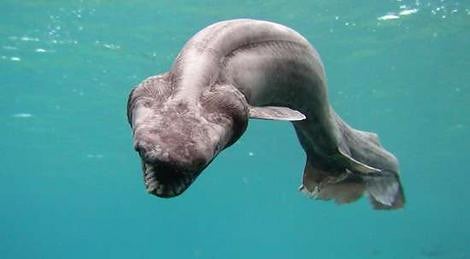
Finding a frilled shark on any beach is like discovering a living fossil. These creatures haven’t changed much in 80 million years, and it shows.
The elongated body, primitive gill slits, and needle-like teeth belong to another era entirely. They usually stay in deep water, which makes any surface appearance noteworthy.
Spotting one washed ashore feels less like a beach discovery and more like a window into prehistoric oceans.
Blobfish
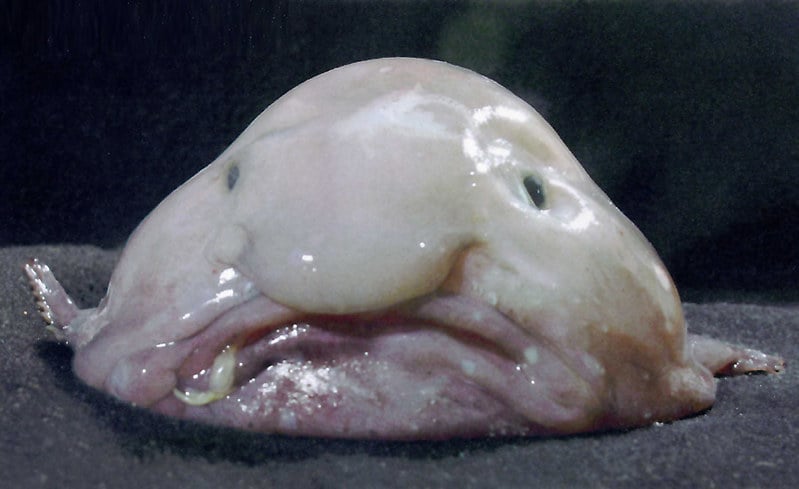
The blobfish suffers from terrible PR, but the reputation is somewhat undeserved—at its natural depth of 2,000 to 4,000 feet below the surface, where the pressure is 60 to 120 times greater than at sea level, it actually looks like a reasonably normal fish, with the gelatinous tissue that gives it the unfortunate “blob” appearance serving as a perfectly sensible adaptation that allows it to maintain buoyancy without the swim bladder that most fish rely on (since swim bladders become useless at such extreme depths). But bring a blobfish to the surface—whether intentionally through deep-sea trawling or accidentally when ocean currents carry a deceased specimen upward—and the dramatic change in pressure causes that same gelatinous tissue to expand and lose its structure, creating the sad, droopy appearance that has made it the poster child for unfortunate-looking sea creatures.
So when one occasionally washes up on an Australian beach, what people are seeing isn’t really what the fish looks like in its natural state, but rather the result of a dramatic environmental change that would be equally devastating to most deep-sea creatures, though few would end up looking quite so deflated and forlorn in the process. The whole situation says more about the harsh realities of pressure changes in marine environments than it does about the fish itself, but that doesn’t make the sight any less startling for beachgoers expecting to find something a bit more conventionally fish-shaped.
Vampire Squid
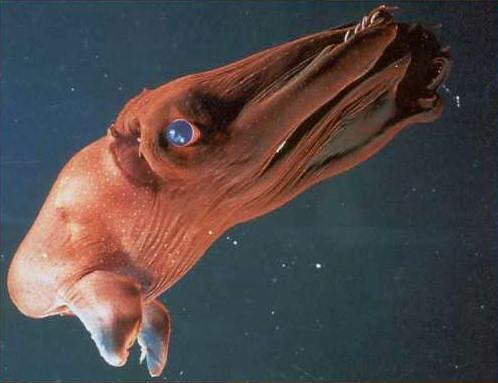
The vampire squid isn’t actually a squid, and it doesn’t drink blood. The name comes from the dark webbing that connects its arms, creating a cloak-like appearance when spread.
Finding one on the surface is remarkable—they’re designed for life in oxygen minimum zones where most creatures can’t survive. Their eyes are proportionally the largest of any animal on Earth.
Seeing those massive orbs staring back from a tide pool creates an unsettling moment of connection across evolutionary lines.
Anglerfish
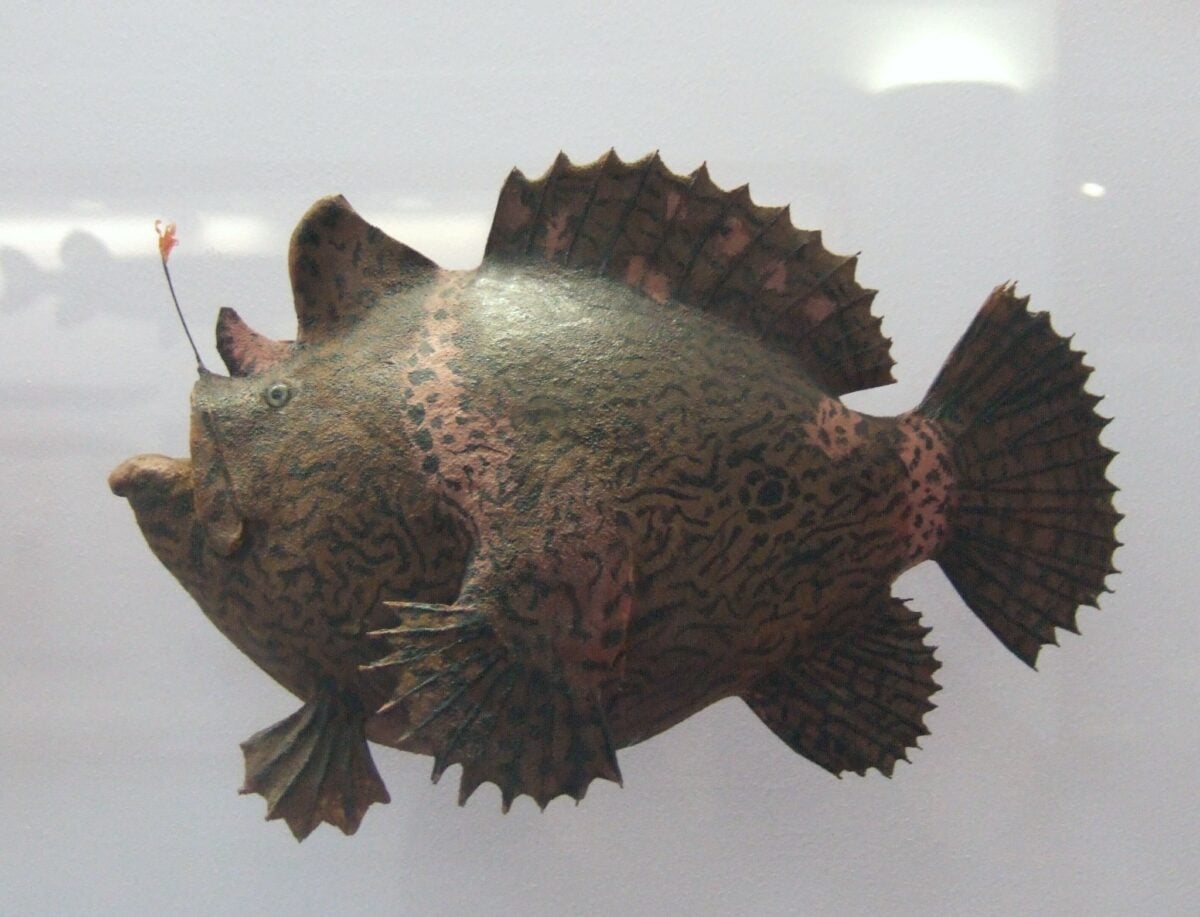
Anglerfish look like something that escaped from a nightmare and decided to take up residence in the ocean’s darkest corners. The massive mouth filled with needle-sharp teeth pointing inward makes escape impossible for anything unfortunate enough to wander inside.
That bioluminescent lure dangling in front? It’s not decoration—it’s a trap that would make any predator proud. Most species live so deep that sunlight is just a memory.
When one washes ashore, it brings a piece of the abyss with it. The experience of finding something so perfectly adapted to eternal darkness sitting in broad daylight feels like witnessing a creature that has wandered far from home.
Goblin Shark
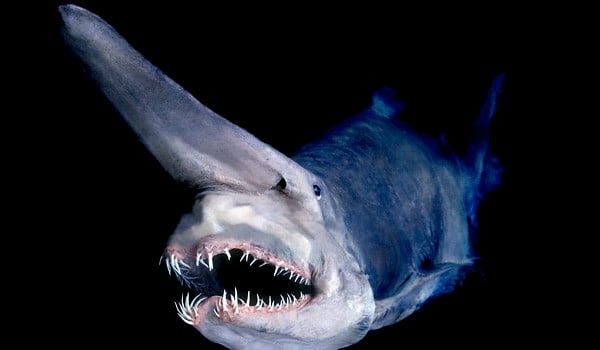
The goblin shark’s extending jaw mechanism operates like something engineered by someone who’d never seen how mouths are supposed to work. When feeding, the jaw shoots forward with startling speed, grabbing prey before retracting back into the skull. It’s functional, but disturbing to witness.
These “living fossils” date back 125 million years. They’ve perfected the art of looking prehistoric while remaining surprisingly effective predators.
Chimaera
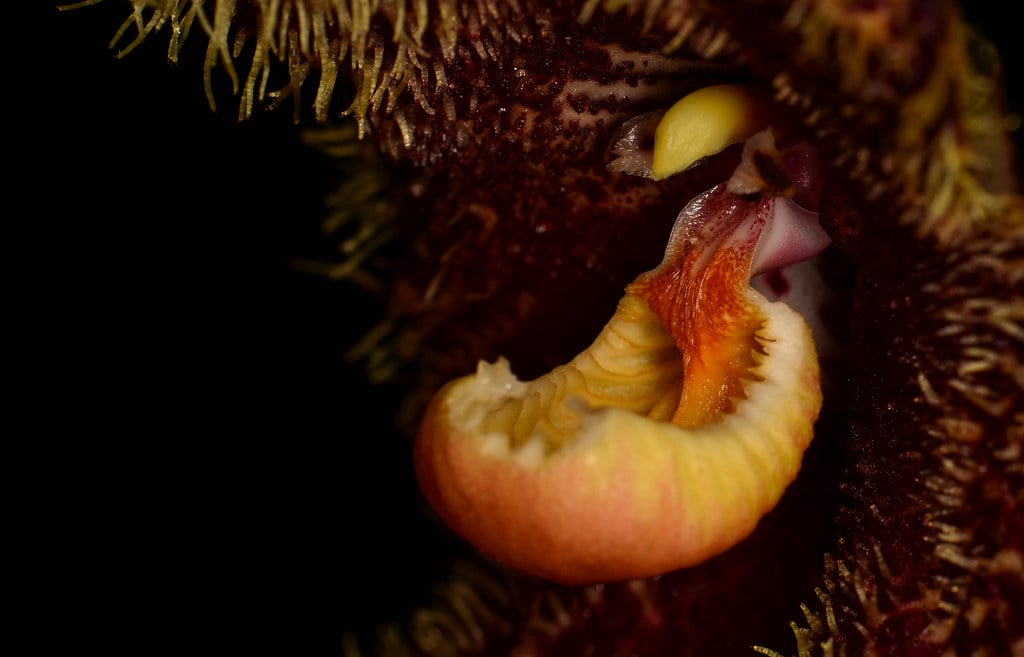
Chimaeras occupy the evolutionary space between sharks and rays, looking like someone couldn’t decide which direction to go and chose both (plus a few extra features that seem borrowed from entirely different animals, including a long, whip-like tail that serves no obvious purpose except to make the overall appearance even more bewildering than it already was). Their large, plate-like teeth are designed for crushing shellfish, which they do with methodical efficiency, though the process looks more like an industrial machine than something a living creature should be able to accomplish with body parts alone.
And then there’s the way they move through the water—not quite swimming in the conventional sense, but rather undulating in a manner that suggests they’ve never quite figured out how fins are supposed to work, yet somehow managing to get where they need to go with a kind of awkward grace that’s oddly hypnotic to watch. But perhaps the most unsettling feature is the way their large, black eyes seem to track movement with an intelligence that feels uncomfortably keen, as if they’re processing information in ways that don’t quite align with what you’d expect from something that looks like a rejected concept sketch for a sea creature.
When one washes up on an Australian beach, the overall effect is of encountering something that evolution wasn’t quite finished with, but decided to release anyway.
Sea Angel
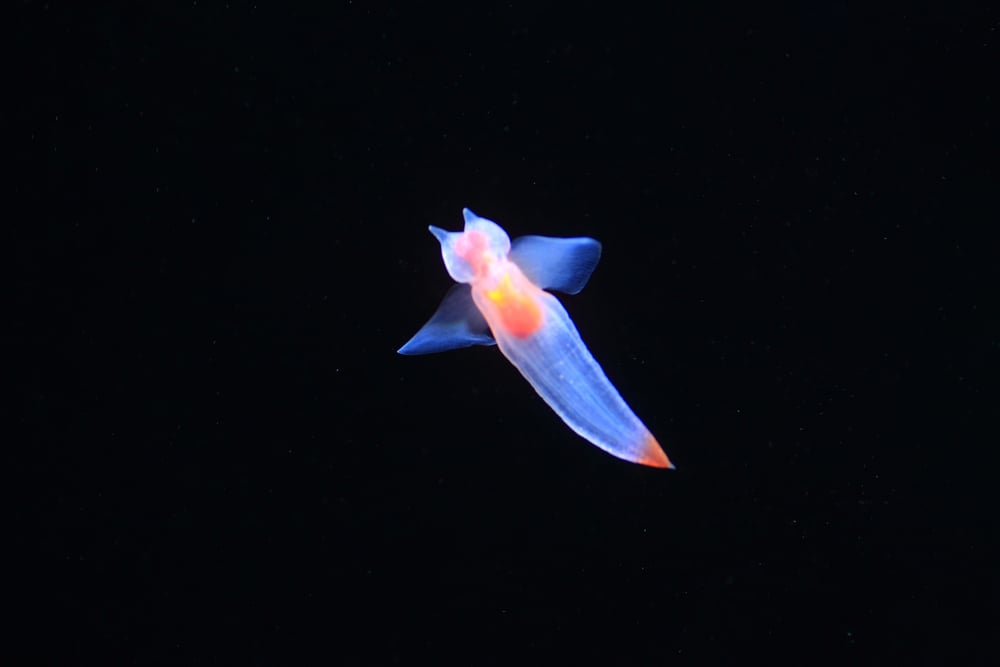
Sea angels move through water with the fluid grace of creatures that have solved the problem of three-dimensional navigation better than most. These transparent, winged mollusks propel themselves using wing-like appendages that beat in slow, hypnotic rhythms.
They’re beautiful until you realize they’re specialized predators. Their prey consists almost entirely of sea butterflies, which they capture and consume with methodical precision. Watching one feed reveals the cold efficiency that often hides behind oceanic elegance.
Barreleye Fish
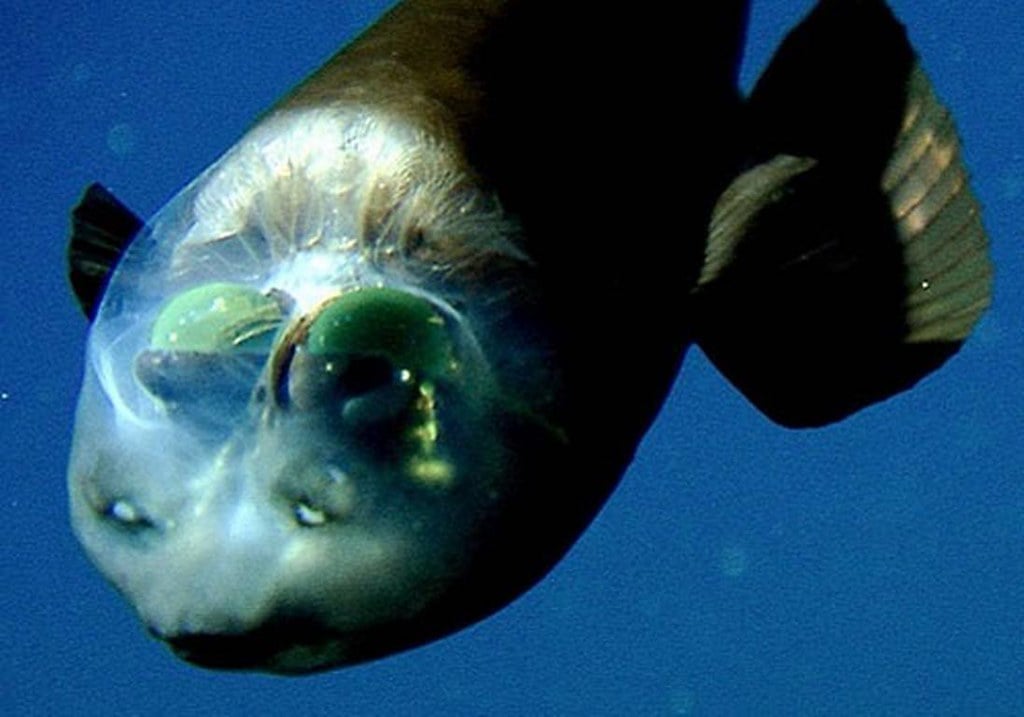
The barreleye fish has a transparent head and tubular eyes that can rotate inside its skull. This isn’t a design flaw—it’s a highly specialized adaptation for spotting prey silhouetted against the faint light filtering down from above.
The transparent forehead allows the eyes to look upward while remaining protected. Most people’s first reaction involves questioning whether they’re looking at a real animal or some kind of elaborate hoax.
The answer is real, which somehow makes it more unsettling.
When the Deep Rises

These strange encounters remind us that the ocean keeps most of its secrets well below the surface, revealing them only when currents shift or circumstances align in just the right way. Each bizarre creature washing ashore carries with it a glimpse into ecosystems that exist in perpetual darkness, under crushing pressure, in conditions that would be instantly fatal to surface dwellers.
Finding them on familiar beaches creates a jarring reminder of how much remains unknown about the waters that surround us, and how the boundary between the familiar and the alien can be as thin as the tide line itself.
More from Go2Tutors!

- The Romanov Crown Jewels and Their Tragic Fate
- 13 Historical Mysteries That Science Still Can’t Solve
- Famous Hoaxes That Fooled the World for Years
- 15 Child Stars with Tragic Adult Lives
- 16 Famous Jewelry Pieces in History
Like Go2Tutors’s content? Follow us on MSN.