Vegetables That Are Technically Flowers
Walk through any grocery store and you’ll find rows of what most people call vegetables. Broccoli sits next to cauliflower, artichokes are piled high, and nobody questions what they’re buying.
But here’s something that might change how you see your dinner plate: many of these so-called vegetables are actually flowers. Not just related to flowers or flower-like, but genuine flowers that plants produce as part of their reproductive cycle.
Let’s look at which common vegetables are really flowers in disguise and why this botanical truth matters less in the kitchen than you might think.
Broccoli
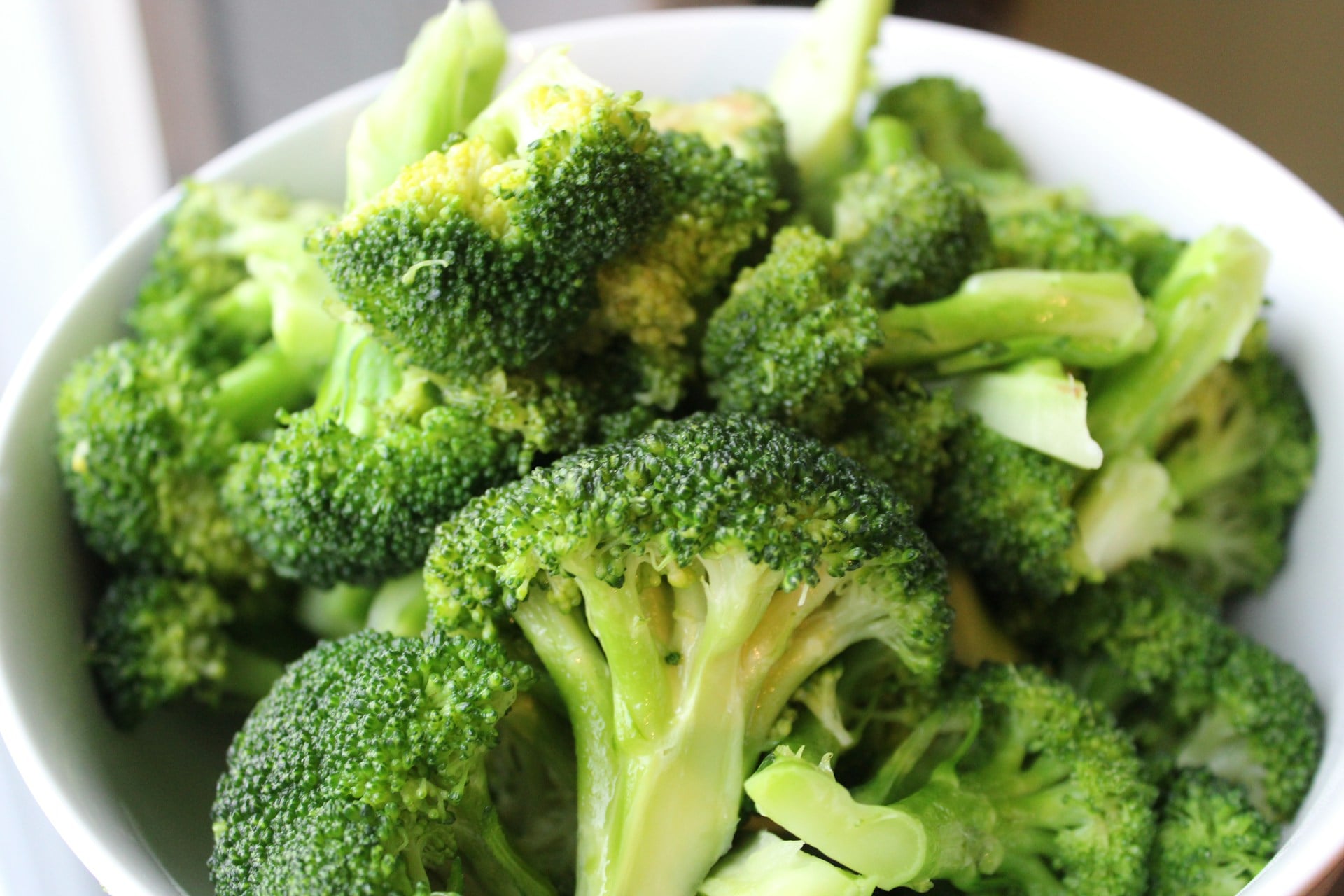
Those tight green crowns that steam so nicely for dinner are clusters of flower buds. Each tiny bump on a broccoli head is an individual flower bud waiting to bloom.
If left alone in the garden, broccoli transforms into a spray of small yellow flowers within days. Farmers harvest broccoli at just the right moment, before those buds get the chance to open and the plant puts its energy into making seeds instead of that dense, edible head.
Cauliflower

This white vegetable follows the same pattern as its green cousin. The compact head is made up of undeveloped flower buds packed so tightly together that they create that distinctive bumpy surface.
White cauliflower stays pale because farmers tie the leaves over the developing head, blocking sunlight and preventing chlorophyll from forming. The purple, orange, and green varieties that have become popular lately show what happens when you let different pigments develop in those flower buds.
Artichokes

The globe artichoke proves that humans will eat just about any part of a plant if it tastes good enough. What gets sold at the market is actually the entire flower bud before it opens.
Those tough outer leaves protect the tender heart inside, which is the base of the flower. If nobody picks an artichoke, it eventually opens into a striking purple-blue flower that’s several inches across.
The fuzzy choke that people scrape away before eating the heart would become the flower’s center, complete with silky purple petals.
Broccolini

This slender green vegetable looks like broccoli’s younger sibling, and the family resemblance isn’t accidental. Broccolini came from crossing broccoli with Chinese kale, creating a plant with small florets on long, tender stems.
Like regular broccoli, those florets are unopened flower buds. The whole stem is edible though, which makes broccolini easier to prepare than regular broccoli.
Those little buds would open into yellow flowers if given enough time on the plant.
Romanesco

This bizarre-looking vegetable appears to have been designed by a mathematician rather than by nature. The spiraling, pointed florets form perfect fractals, with each bump being a smaller version of the whole head.
Despite its alien appearance, Romanesco is just another type of flower bud, closely related to both cauliflower and broccoli. The lime-green color and crunchy texture make it popular with people who want their vegetables to look as interesting as they taste.
Brussels sprouts
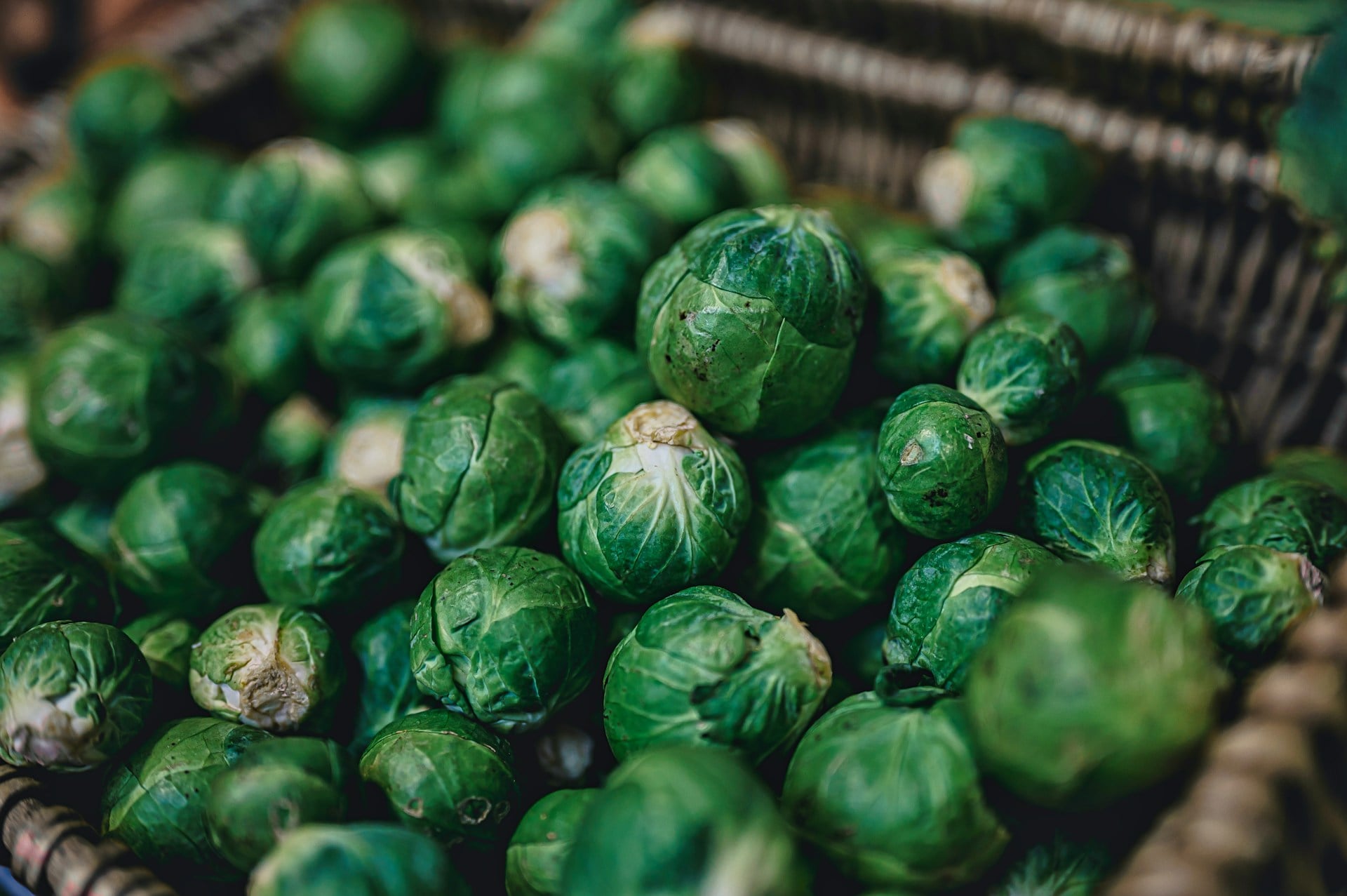
Here’s where things get interesting. Brussels sprouts aren’t flowers themselves, but they grow on a stalk that produces flowers.
The little cabbage-like sprouts form along the stem, and above them, the plant eventually sends up a tall spike covered in small yellow flowers. People eat the sprouts before the plant reaches that flowering stage.
Each sprout is technically a bud, just not a flower bud.
Capers
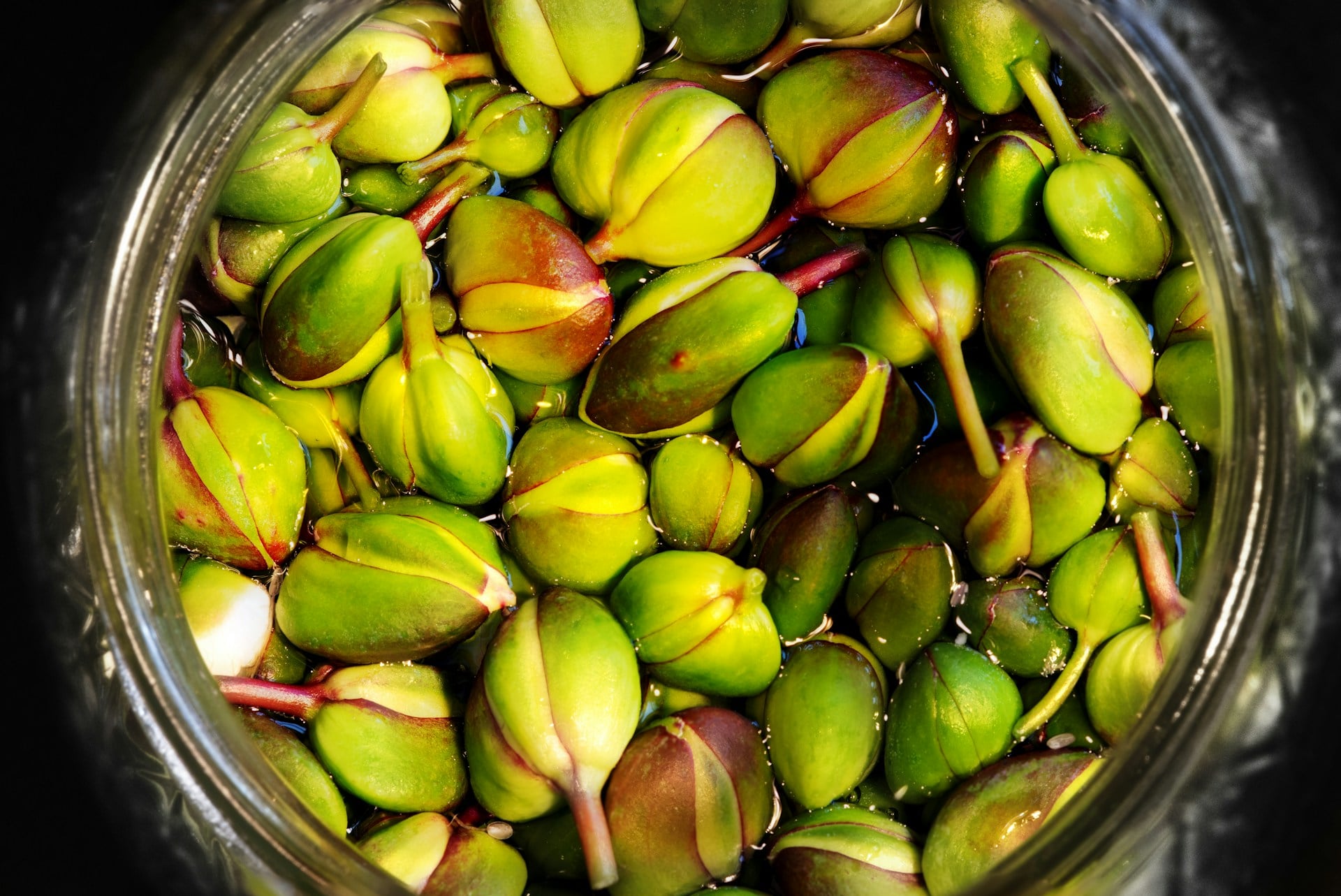
Those salty little flavor bombs that top bagels with lox are unopened flower buds from a Mediterranean bush. The caper plant produces buds on long stems, and workers pick them by hand before they can open into pretty pink and white flowers.
After picking, the buds get preserved in salt or brine, which gives them that sharp, tangy taste. The larger the caper, the less expensive it typically is, because tiny buds require more labor to harvest and are considered more desirable.
Nasturtium
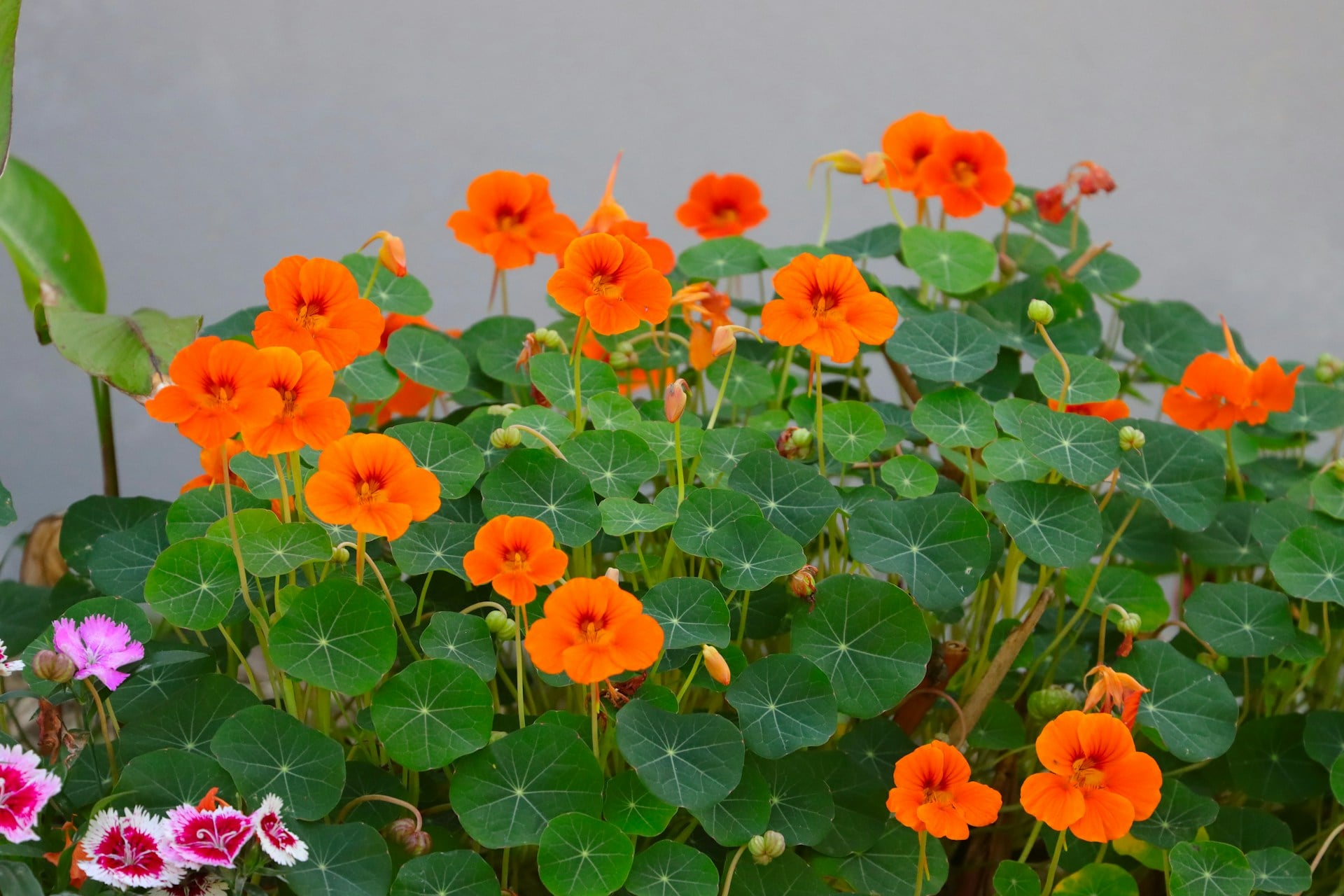
Both the flowers and leaves of nasturtiums are edible, but many people don’t realize they’re eating flowers when they bite into a salad containing these peppery additions. The bright orange, yellow, and red blooms have a spicy kick similar to radishes or arugula.
Unlike most of the vegetables on this list, nasturtiums are eaten after the flowers open, not before. The round leaves also show up in fancy salads, adding a similar peppery note to the dish.
Squash blossoms

Zucchini and pumpkin plants produce large, trumpet-shaped flowers that many cultures have turned into delicacies. These bright yellow or orange blooms get stuffed, fried, or added to quesadillas and pasta.
Each squash plant makes both male and female flowers, and only the female ones produce the actual squash fruit. Smart gardeners pick mostly male flowers so they don’t reduce their harvest, leaving enough females to get pollinated and grow into vegetables.
Chinese broccoli

This leafy green vegetable goes by the name gai lan and looks quite different from regular broccoli. Thick stems support dark green leaves and clusters of small white flower buds at the top.
Those buds are the prized part of the vegetable, tender and slightly sweet. Chinese broccoli gets harvested young when the flowers are still tight buds.
The flavor sits somewhere between regular broccoli and asparagus, with a pleasant bitterness that works well in stir-fries.
Purple sprouting broccoli

This heritage variety produces multiple small heads instead of one large crown. The purple color comes from anthocyanins, the same compounds that make blueberries blue and red cabbage red.
Each slender stem tops off with a cluster of purple flower buds that turn green when cooked. British gardeners have grown this variety for centuries because it produces a harvest in late winter when fresh vegetables are scarce.
Chive blossoms

Those purple pom-pom flowers that appear on chive plants in spring are completely edible. The blossoms taste like a milder version of the chive leaves themselves, with a delicate onion flavor.
Breaking apart the flower reveals dozens of tiny individual florets, each one adding a pop of color and taste to salads or as a garnish. Some cooks infuse vinegar with chive blossoms, turning it a lovely pink color.
Daylily buds
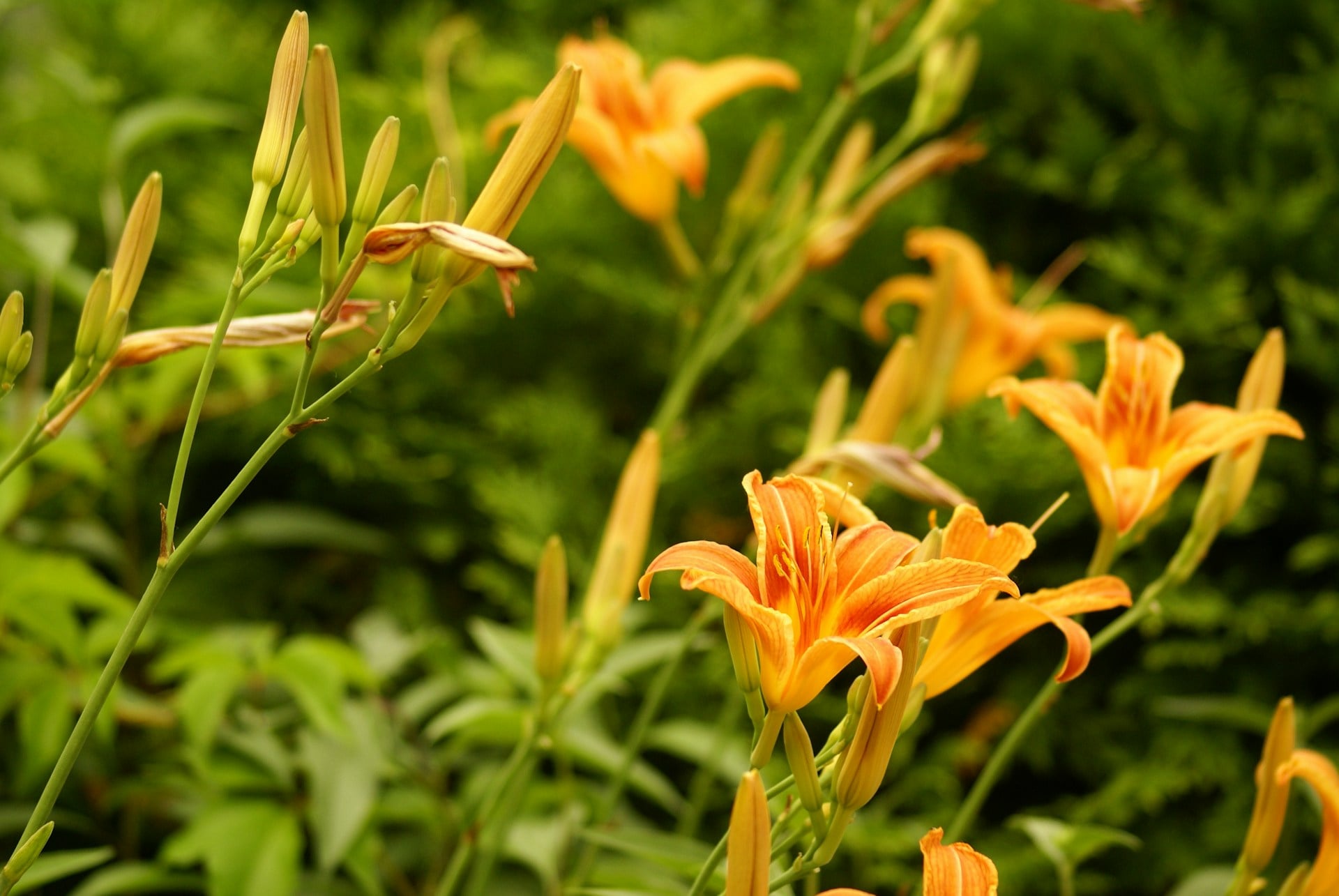
Asian cuisines have used daylily buds as a vegetable for thousands of years. The unopened flower buds get picked while still green and firm, then dried for later use or eaten fresh.
They taste slightly sweet with a texture similar to green beans when cooked. Not all daylily varieties are equally good to eat, and the common orange daylilies that grow wild along American roadsides are generally considered inferior to Asian varieties bred specifically for eating.
Saffron

The costliest spice worldwide grows from crocus flower stigmas. Every purple bloom gives only three red threads – picked by hand at sunrise on its one opening day.
Roughly 150 blossoms are needed for just one gram of dry saffron. Because harvesting is slow work and output per plant stays low, true saffron ends up pricier per ounce than gold.
Elderflowers

The pale blossoms on elder shrubs turn into drinks, sweets, or crispy treats all over Europe. Although small, they pack a sugary, perfumelike flavor – sometimes like lychee, sometimes pear.
Mix the syrup with fizzy water for a cool summer sip enjoyed in England for decades. While those blooms fade, the very same plants grow dark berries afterward, so you can gather twice from just one bush.
Banana flowers
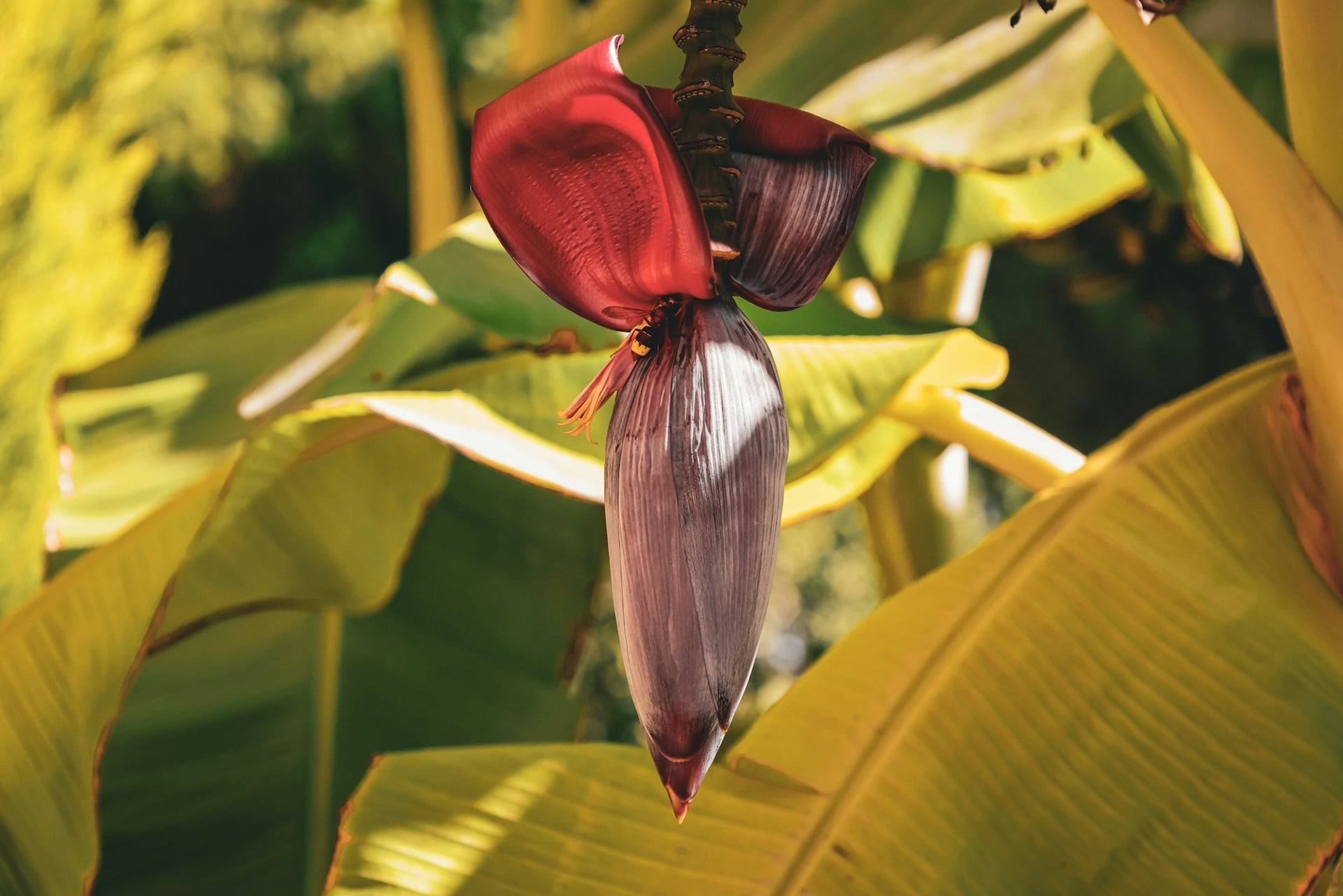
The big purple tip dangling from a growing banana cluster can be eaten – it tastes good if you cook it right. Under the rough outside skin there’s layer after layer of tiny pale blooms.
In Southeast Asia, people strip off the sharp-tasting outer parts then chop up the soft core for salads or spicy stews. Once sliced, those blossoms should sit in sourish water so they don’t go dark like apples do.
Okra

This debated veg isn’t really a veg at all – it’s a seed case forming once the hibiscus-type bloom dies back. Instead of just greens, the okra plant pops out bright yellow blossoms with deep-colored hearts first.
Once picked young, the pods stay crisp without that gooey texture folks tend to dislike. Not only does the fruit work in meals – the blooms can be tossed into fresh salads for a colorful twist.
Skipping the tags

The big talk over if things are veggies or flowers? Botanists care more than chefs do.
Grocery shops go by cooking uses instead of science – grouping stuff based on how folks actually eat it. Tomatoes count as fruit in biology class, yet treated like veggies while frying up dinner.
Strawberries don’t make the real berry list, though oddly enough, bananas do. The mix-up won’t change how food smells or sizzles – what actually counts once hunger hits.
Knowing some veggies are blooming bits just brings a bit more respect for the growers who pick them right before they open fully.
More from Go2Tutors!

- The Romanov Crown Jewels and Their Tragic Fate
- 13 Historical Mysteries That Science Still Can’t Solve
- Famous Hoaxes That Fooled the World for Years
- 15 Child Stars with Tragic Adult Lives
- 16 Famous Jewelry Pieces in History
Like Go2Tutors’s content? Follow us on MSN.



