16 Short-Lived Countries That No One Remembers
Maps change more often than most people realize. New nations appear, borders shift, and sometimes entire countries vanish within a few years — or even a few months. History books tend to focus on the survivors, which means the failures get quietly erased.
But some of these forgotten states had fascinating stories, tragic ends, or just deeply strange existences that deserve a second look.
1. The Republic of Cospaia (1440–1826)
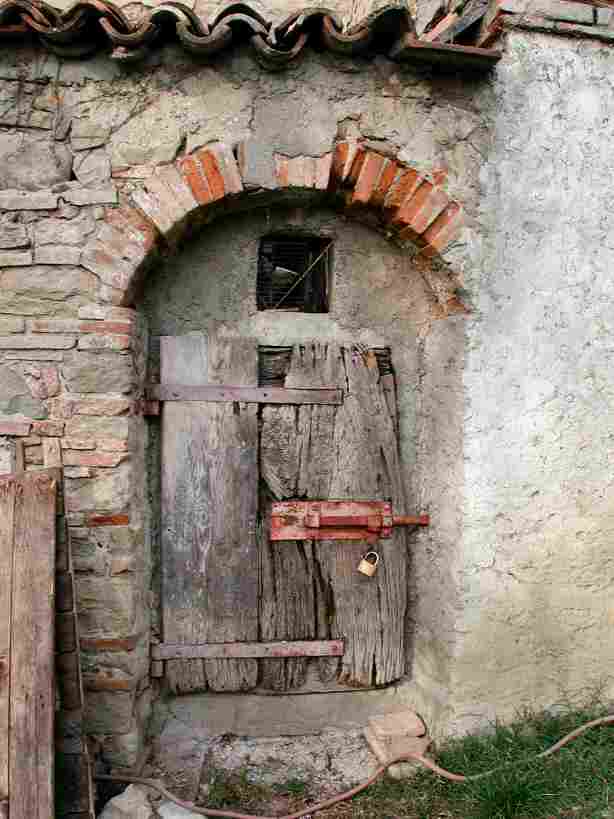
This one started as a bureaucratic accident. When the Pope and Florence negotiated a land transfer in 1440, a small strip of territory about 330 acres wide was accidentally left off the map — belonging to neither side. The locals noticed immediately and declared themselves independent. For nearly 400 years, Cospaia had no government, no taxes, and no army.
Its main industry was growing cig, which was banned everywhere else in the region. It lasted until 1826, when it was finally absorbed into the Papal States. Its citizens reportedly cried.
2. The Tangier International Zone (1923–1956)
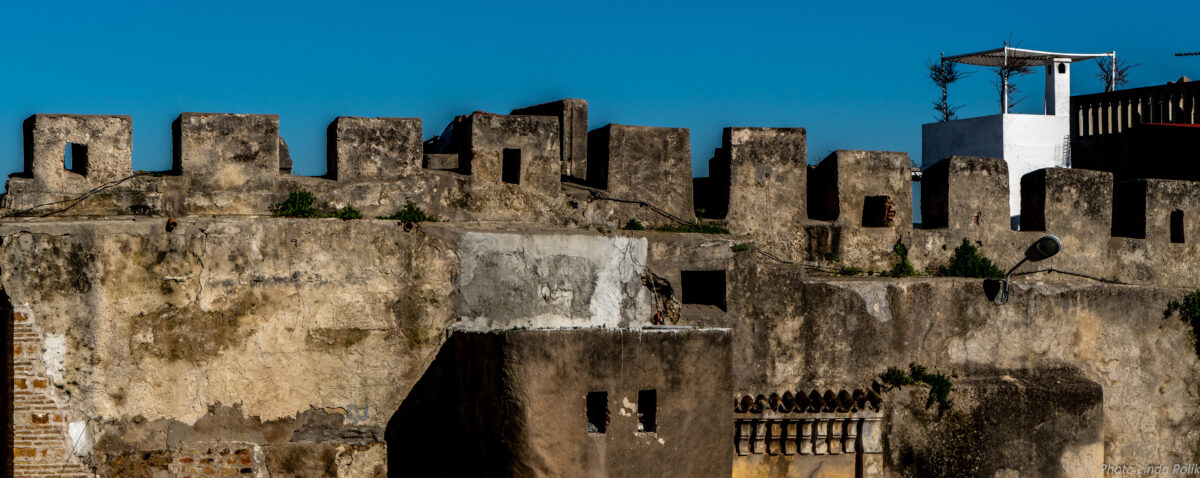
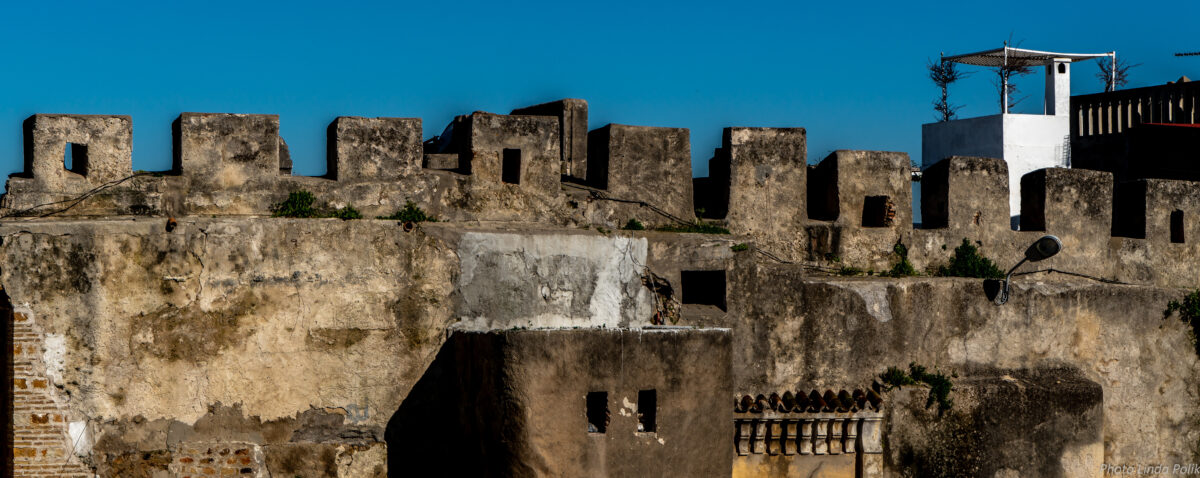
Tangier, the Moroccan port city, spent several decades as a strange kind of no man’s land — officially administered by multiple European powers and not quite belonging to anyone. Spain, France, Britain, and others all had a hand in running it, creating a place with almost no rules, rampant espionage, and a reputation as one of the most morally permissive cities on earth. Writers and artists flocked there.
When Morocco gained independence in 1956, the zone quietly ceased to exist.
3. The Republic of Fiume (1919–1924)
After World War I, the city of Fiume (now Rijeka, Croatia) was left in diplomatic limbo — Italy wanted it, Yugoslavia wanted it, and the Paris Peace Conference couldn’t decide. So the Italian nationalist poet and war hero Gabriele D’Annunzio marched in with a band of volunteers and simply took it.
He ruled it for about 15 months as a proto-fascist state complete with elaborate ceremonies, theatrical speeches, and an odd mix of political theater. Italy eventually shelled him out.
The city later became Italian anyway, but the republic he created was gone.
4. The Benin Republic (1967)
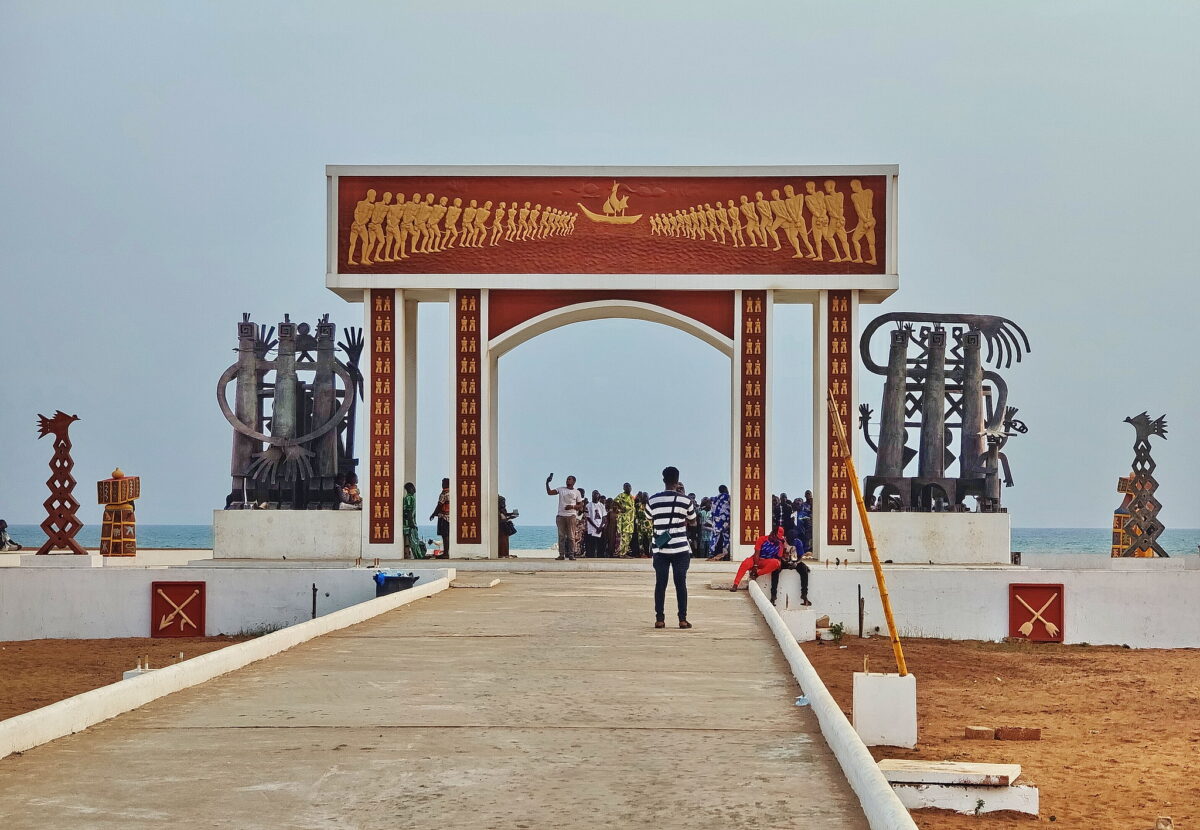
Not to be confused with the modern country of Benin, this was a short-lived breakaway state declared in Nigeria during the chaos of the Biafra conflict. It lasted less than two weeks in 1967.
The announcement was made, a flag was raised, and then federal Nigerian forces arrived. That was essentially the entire history of the republic.
5. The Kingdom of Araucanía and Patagonia (1860–1862)
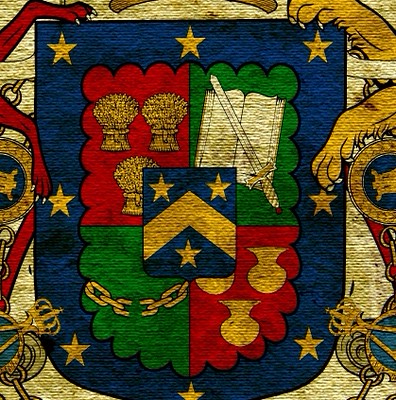
A French lawyer named Orélie-Antoine de Tounens traveled to South America, befriended the Mapuche people of Chile and Argentina, and then declared himself their king. He issued decrees, designed a flag, and even tried to establish diplomatic relations with France.
Chile arrested him and had him declared insane. He was sent back to France, tried to return twice, failed both times, and died in poverty in 1878. The “kingdom” existed mostly in his imagination, but it had a flag and everything.
6. The Principality of Elba (1814–1815)

Napoleon Bonaparte didn’t just get exiled to Elba — he got to rule it. After his first abdication, the Congress of Vienna let him keep his imperial title and gave him the tiny island as his own sovereign principality.
He threw himself into governing with genuine enthusiasm, building roads, reforming agriculture, and reorganizing the administration. Then after less than a year, he escaped, returned to France, and launched the Hundred Days campaign that ended at Waterloo.
Elba was never an independent principality again.
7. The Franceville Colony (1889)
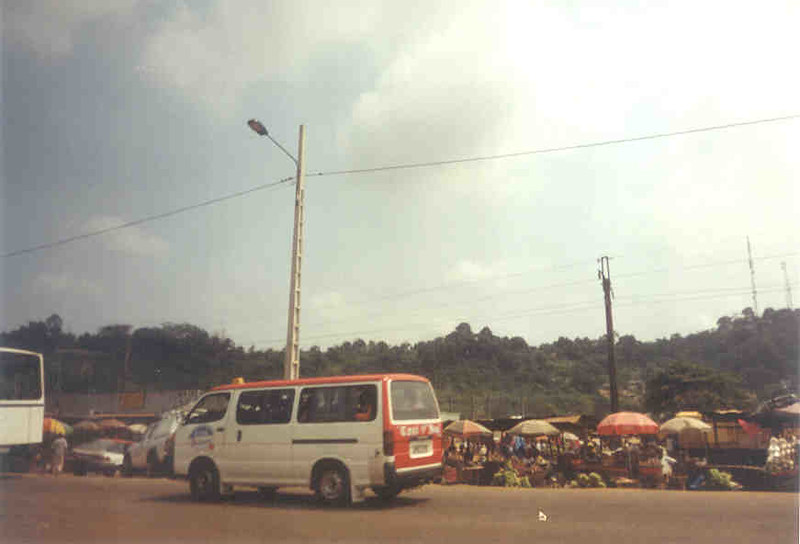
In what is now Gabon, a group of European settlers declared a self-governing republic in 1889. It was genuinely democratic by the standards of the era — open to both Europeans and Africans, with elected officials and a written constitution.
France, unsurprisingly, shut it down almost immediately. It had existed for less than a year.
It’s remembered mostly by historians who study colonial-era experiments in self-governance.
8. The Republic of the Rio Grande (1840)
Three Mexican states — Tamaulipas, Nuevo León, and Coahuila — briefly broke away from Mexico in 1840 and declared a republic. The rebellion was partly motivated by frustration with central government control and partly by sympathy for the earlier Texas Revolution.
It lasted about 283 days. Mexican forces defeated the rebels, the republic dissolved, and it faded into a footnote so small that even many Texans who know the region’s history haven’t heard of it.
9. The German Colony of Kiauchow (1898–1914)
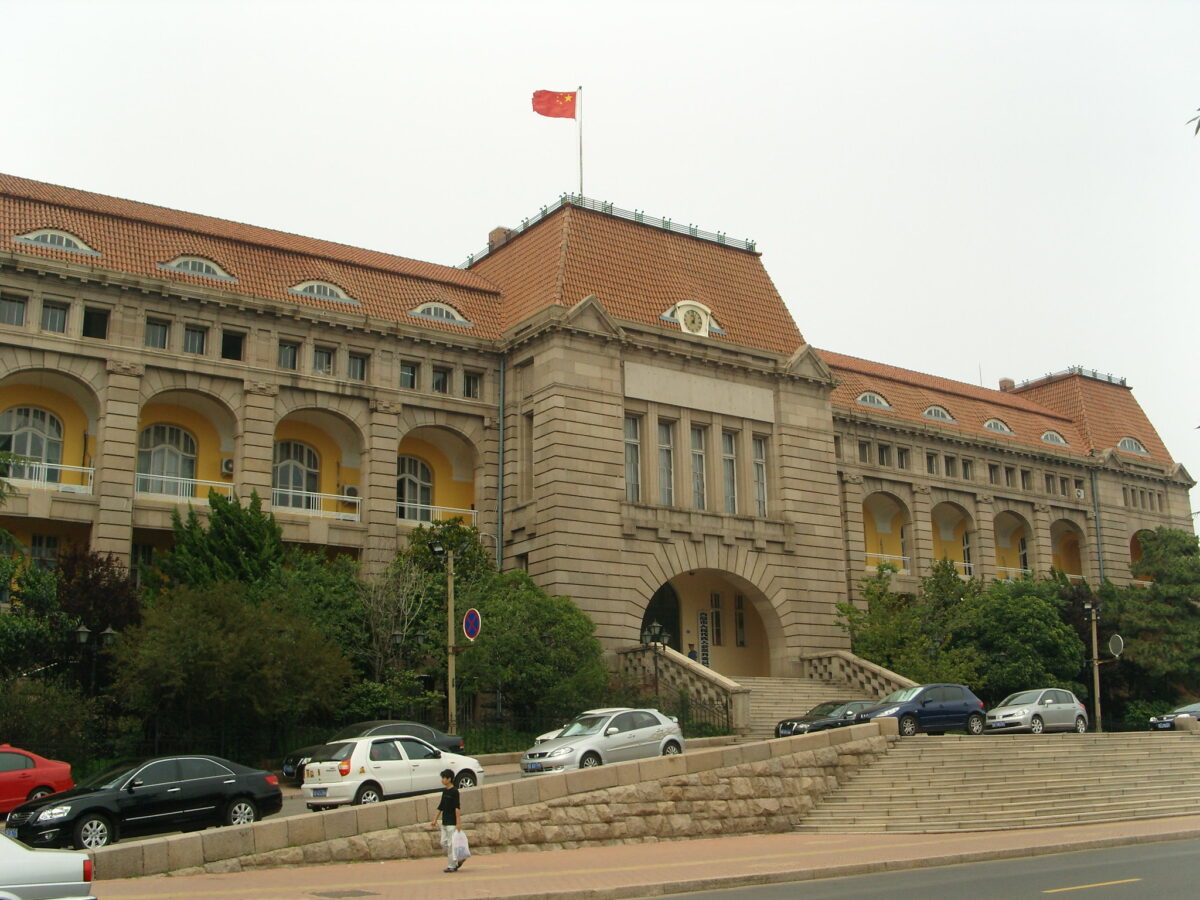
Germany leased a chunk of northeastern China from the Qing dynasty and turned it into a model colonial city called Tsingtao (now Qingdao). They built a brewery there that still operates today — that’s right, Tsingtao beer is a direct legacy of German colonial ambition.
When World War I broke out, Japan seized the territory. Germany never got it back. The colonial administration had lasted just 16 years.
10. The Republic of West Florida (1810)
Spain held the Gulf Coast territory between New Orleans and Pensacola after the Louisiana Purchase, and American settlers there weren’t happy about it. In 1810, they staged a rebellion, captured the Spanish fort at Baton Rouge, and declared the Republic of West Florida.
The United States annexed it 74 days later. It was technically an independent nation for less than three months, though many historians debate whether it even qualified as that given how fast Washington moved to absorb it.
11. The Mutawakkilite Kingdom of Yemen (1918–1962)
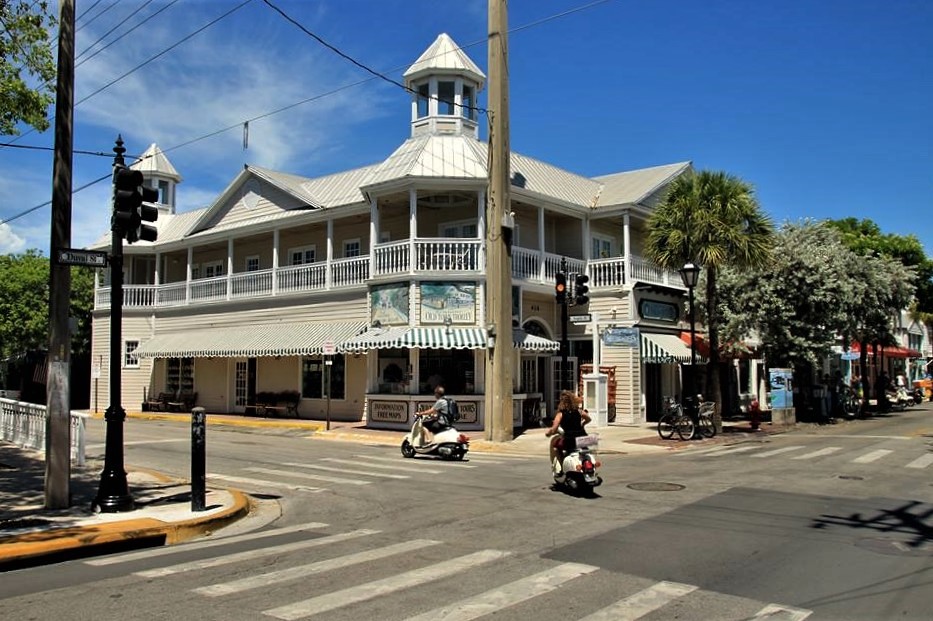
This one actually lasted a while — over four decades — but it’s largely forgotten in the modern understanding of Yemeni history. It was an absolute monarchy that emerged after the collapse of the Ottoman Empire, ruled by the Mutawakkil dynasty.
Deeply isolated and resistant to outside influence, it was eventually overthrown in a military coup in 1962. The coup triggered a civil war that dragged on for years, making the kingdom’s end almost as chaotic as its existence.
12. The State of Slovenes, Croats and Serbs (1918)
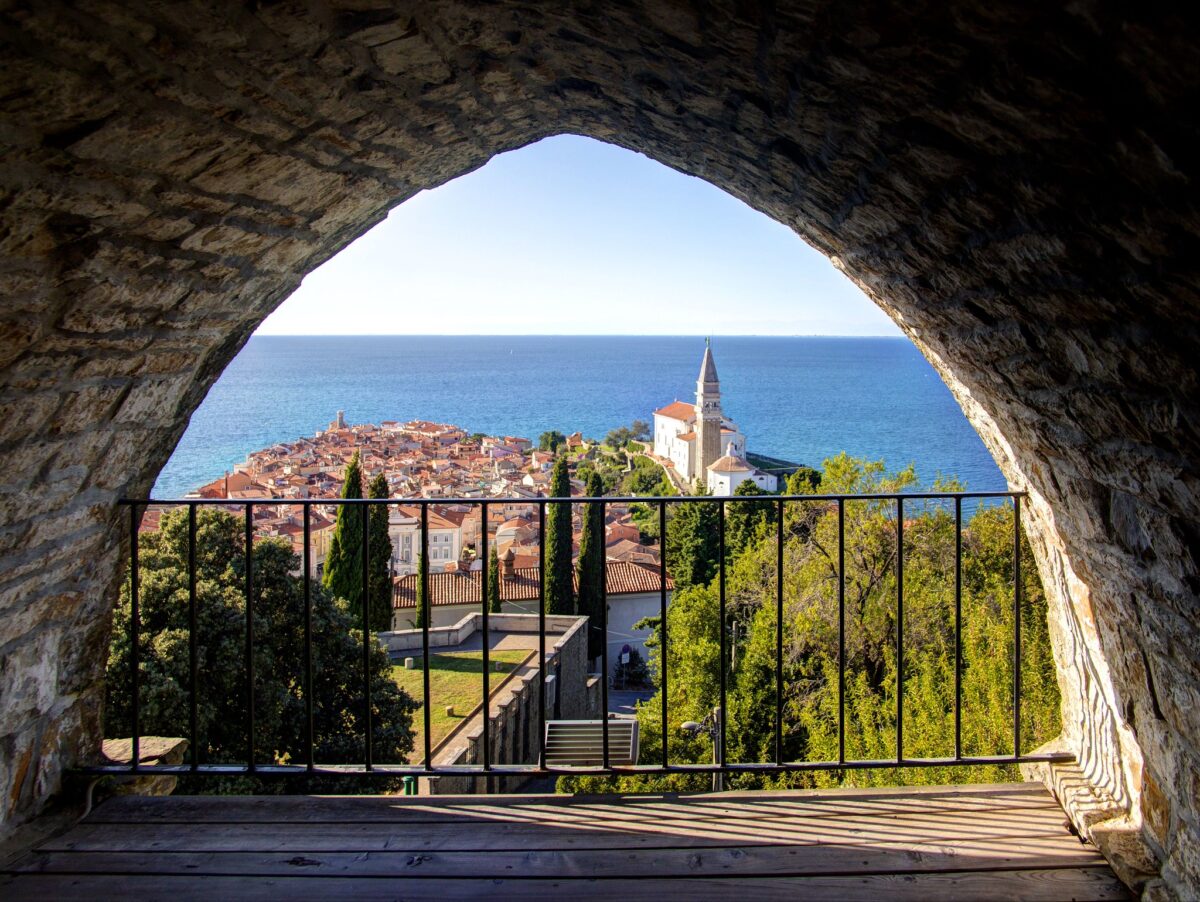
This country existed for exactly 33 days. When Austria-Hungary collapsed at the end of World War I, the South Slavic peoples of the empire declared a new state on October 29, 1918.
They had no real army, no secure borders, and Italy was already moving in on the coast. By December 1, the state had merged into the Kingdom of Serbs, Croats and Slovenes — which would later become Yugoslavia.
It’s a technicality of history more than an actual nation, but it was briefly recognized and briefly real.
13. The Independent State of Mahabad (1946)
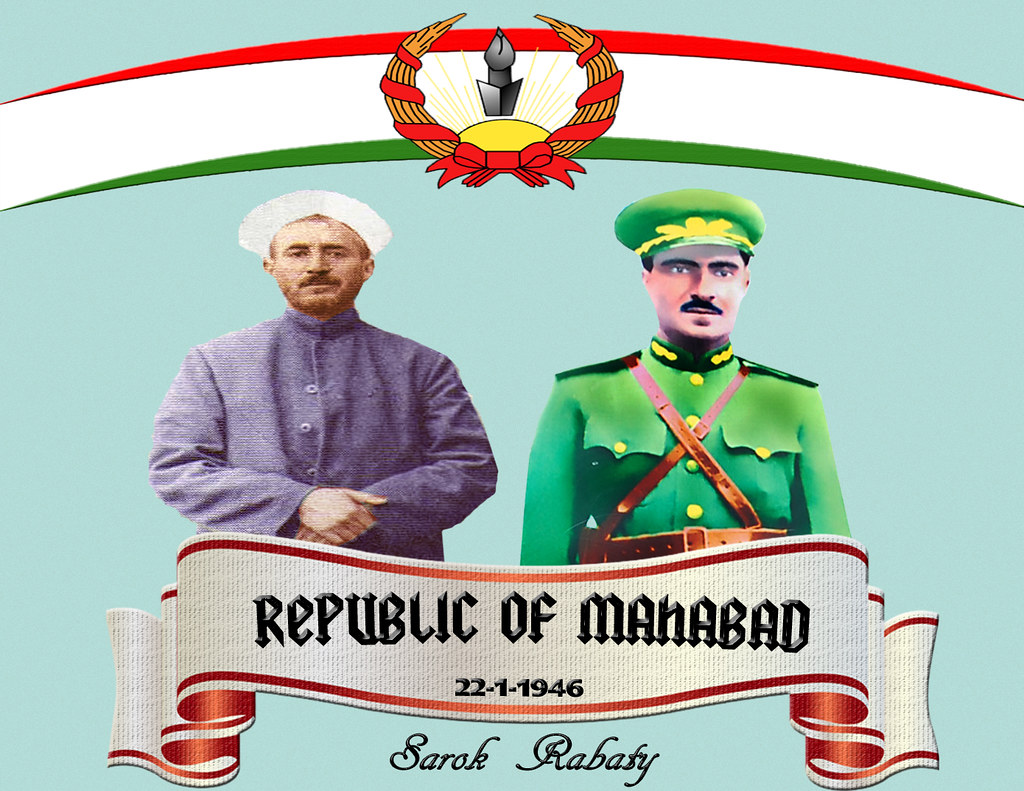
The Kurdish Republic of Mahabad, also called the Mahabad Republic, was declared in northwestern Iran in January 1946 with Soviet support. It was one of the few times in modern history that a Kurdish state actually existed, even briefly.
It had a president, a government, a newspaper, and a national language policy. When the Soviets withdrew their backing later that year, Iranian forces moved in quickly.
The republic lasted 11 months. Its president was executed.
14. The Republic of South Maluku (1950)
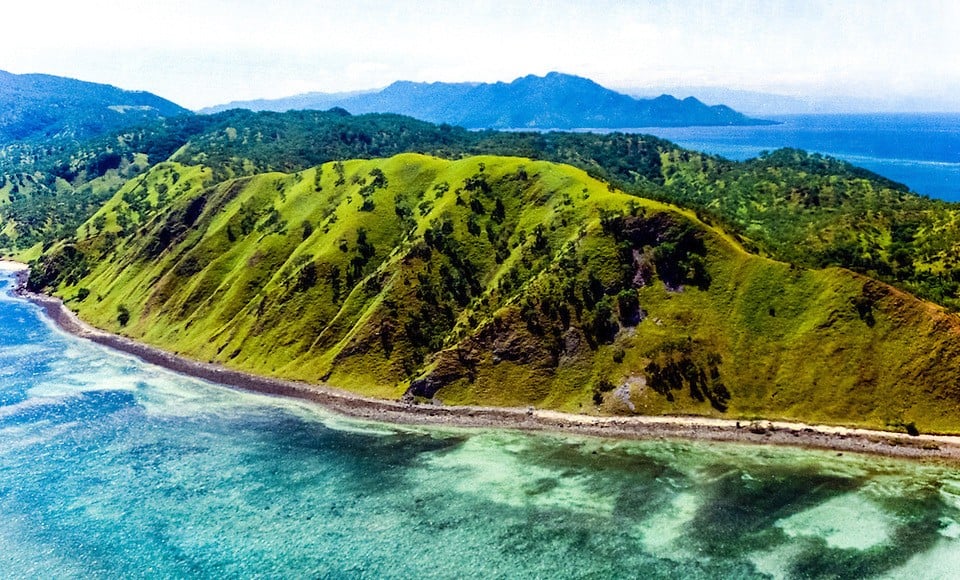
When Indonesia declared independence from the Netherlands, not everyone wanted to be part of the new republic. The South Moluccan islands declared their own republic in 1950, hoping to remain separate or become part of a looser federation.
Indonesia suppressed the rebellion within a few months. Thousands of South Moluccan soldiers who had served with the Dutch military were relocated to the Netherlands, where their descendants still live and where the republic’s memory remains surprisingly alive — a government in exile continued to operate in the Netherlands for decades.
15. The Hutt River Province (1970–2020)
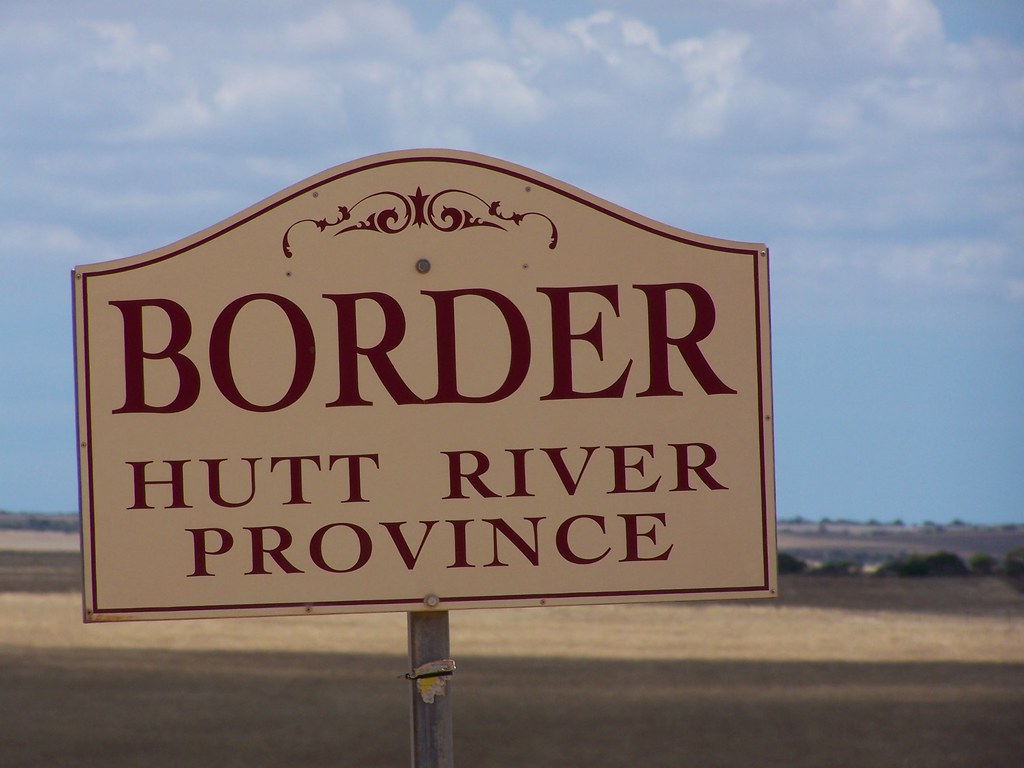
An Australian wheat farmer named Leonard Casley had a dispute with the government over wheat production quotas in 1970. His solution was to secede from Australia and declare his farm a sovereign principality.
He styled himself Prince Leonard. The “nation” issued passports, stamps, and coins.
Australia technically never recognized it, but also never forcibly shut it down. It attracted curious tourists for fifty years.
When Leonard’s son closed it in 2020 due to financial difficulties, it ended with a whimper — no armies, no drama, just a quiet notice that the principality was no more.
16. The Neutral Moresnet (1816–1920)
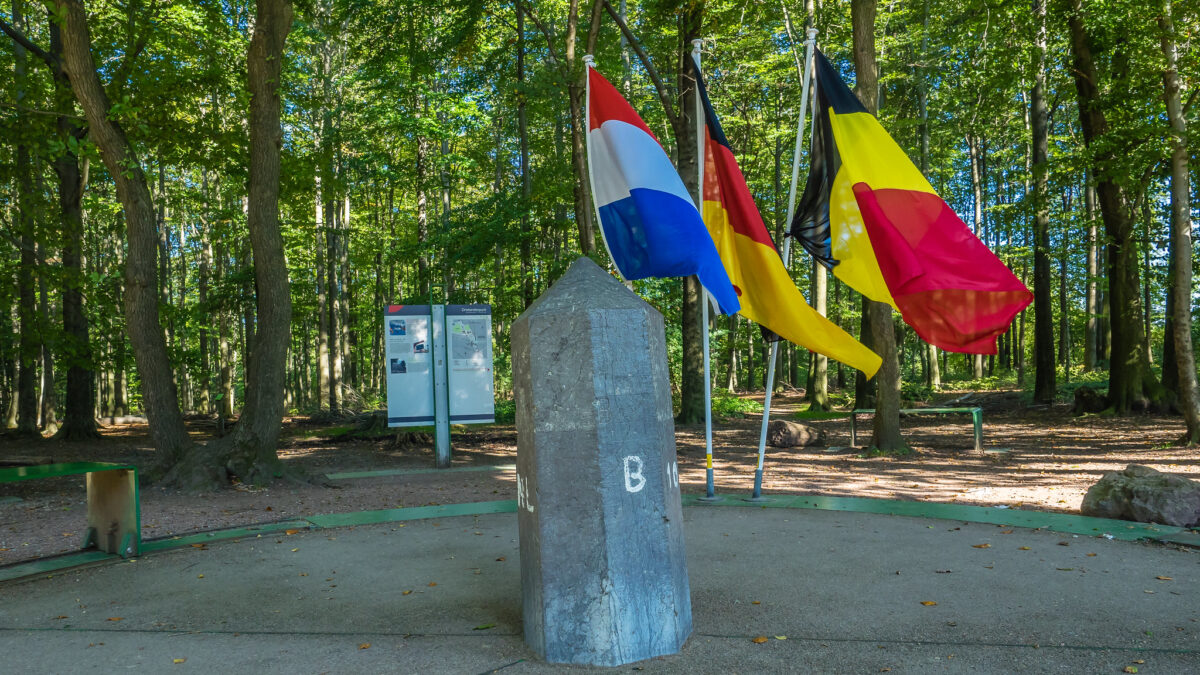
Between Belgium and Prussia, a small strip of land containing a valuable zinc mine was left in limbo after the Congress of Vienna couldn’t agree on ownership. For over a century, it was jointly administered by both countries and officially belonged to neither.
It had its own postal system and at one point a serious proposal was made to make it the world’s first Esperanto-speaking nation. World War I ended the arrangement when Germany occupied Belgium — and after the war, the territory was awarded to Belgium.
It had been neutral and ownerless for 104 years.
The Countries the Map Forgot

What’s striking about all of these places isn’t just how quickly they vanished — it’s how seriously the people living in them took them while they lasted. Leonard Casley really did issue passports.
The Mapuche really did have a king for a while. The Kurds of Mahabad really did have a newspaper and a national anthem.
Nations don’t need centuries to feel real. They just need people willing to act like they are.
Some of these lasted a few days, some a few decades, and most left almost nothing behind except a flag in a museum somewhere and a line in a history book that most people skip. That’s usually enough to count.
More from Go2Tutors!

- The Romanov Crown Jewels and Their Tragic Fate
- 13 Historical Mysteries That Science Still Can’t Solve
- Famous Hoaxes That Fooled the World for Years
- 15 Child Stars with Tragic Adult Lives
- 16 Famous Jewelry Pieces in History
Like Go2Tutors’s content? Follow us on MSN.



