Everyday Tech Gadgets That Feel Like Sci-Fi
Remember when flip phones felt impossibly futuristic? That satisfying snap when you ended a call seemed borrowed straight from Star Trek. These days, the technology surrounding us would have been pure fantasy just decades ago, yet we barely notice it anymore.
The gadgets sitting in your pocket, on your desk, or charging by your bed represent leaps in innovation that would have boggled minds in earlier generations. What’s remarkable isn’t just how advanced these devices have become, but how seamlessly they’ve woven themselves into the fabric of daily life.
The line between science fiction and reality has blurred so completely that we carry supercomputers without a second thought and expect our homes to respond to voice commands as naturally as talking to a friend.
Smartphones
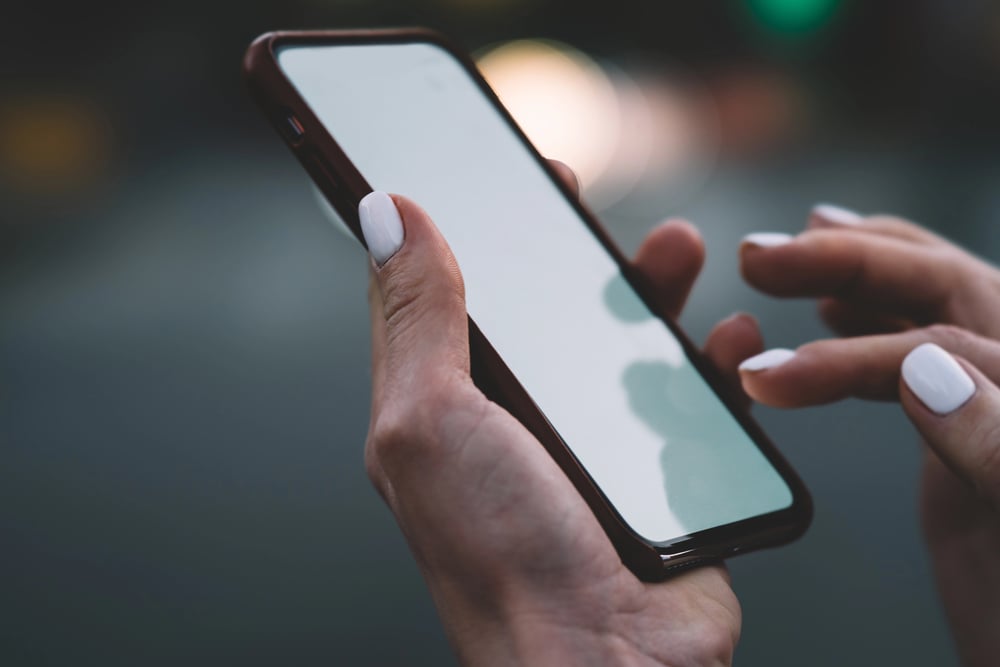
Your phone is a tricorder. No other comparison captures it better.
That rectangular slab in your pocket can measure your heart rate, detect motion in three dimensions, identify songs playing across the room, and translate spoken words into dozens of languages in real time. It knows where you are within a few feet anywhere on Earth.
Voice Assistants
“Computer, turn off the lights.” The fact that this works at all should feel more astonishing than it does.
These invisible servants lurking in cylinders and speakers have made the home computer from 2001: A Space Odyssey look quaint by comparison. They don’t just follow commands anymore (though that alone would have seemed impossible not long ago) — they anticipate needs, make suggestions based on your habits, and seamlessly connect to hundreds of other devices throughout your living space.
And yet the most remarkable thing about voice assistants might be how quickly we’ve stopped being impressed by them, treating these digital genies as casually as light switches.
Wireless Earbuds
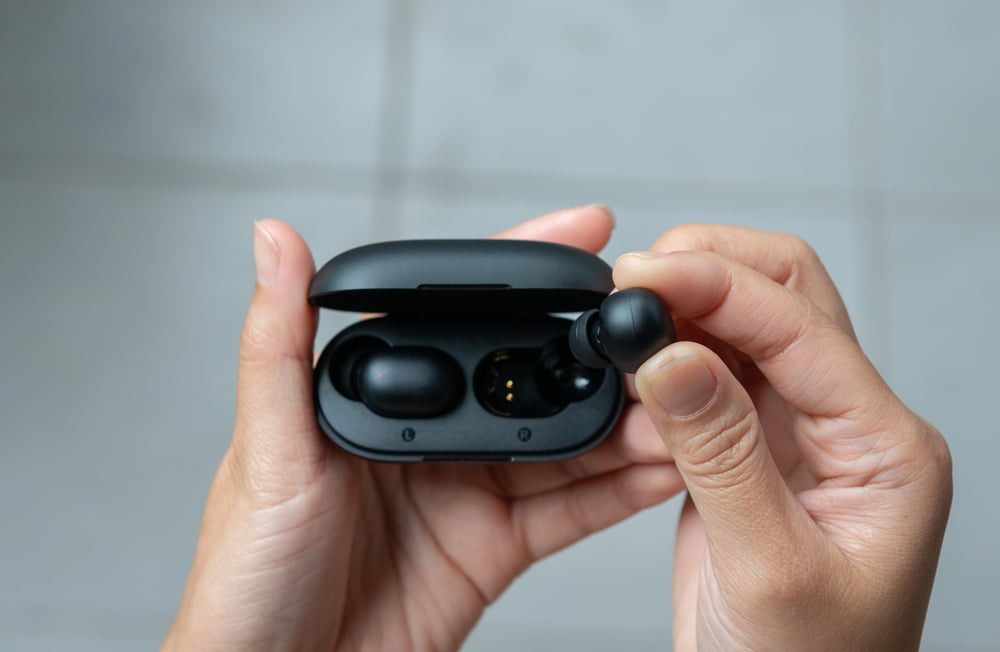
The absence of wires shouldn’t feel this revolutionary, but it does. These tiny pods have eliminated one of technology’s most persistent annoyances while cramming in features that sound lifted from a cyberpunk novel.
They know when they’re in your ears. They adjust volume based on ambient noise.
Some can translate conversations in real time, whispering foreign languages directly into your head as the other person speaks. The battery life alone — hours of use from something smaller than a marble — would have seemed impossible just a few years ago.
Smartwatches
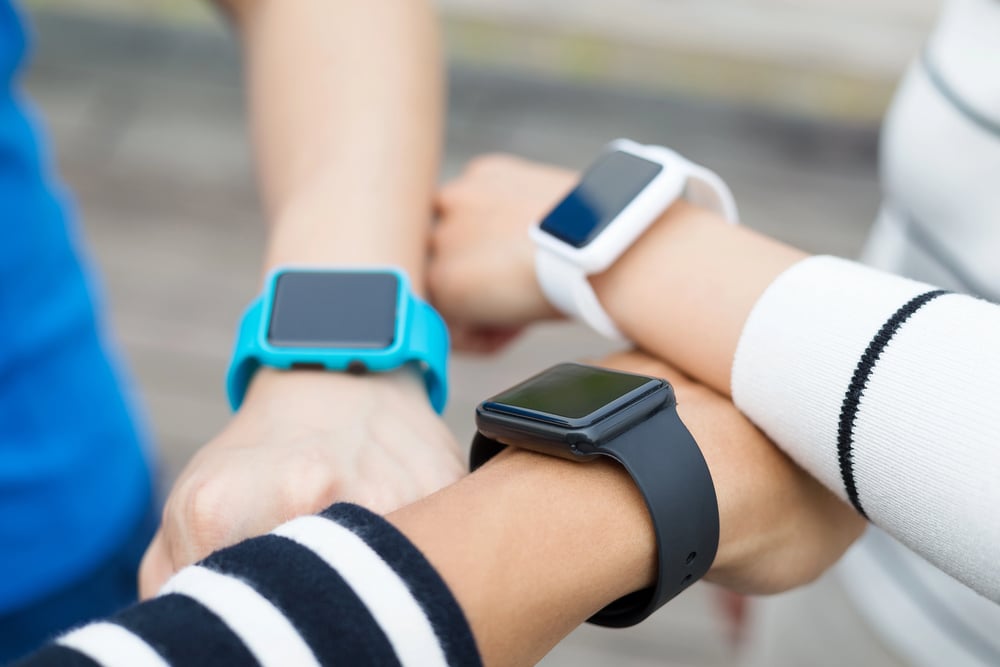
Tracy’s wrist radio was the stuff of comic book fantasy. Modern smartwatches have made it look primitive.
These wrist computers monitor your heartbeat continuously, track your sleep patterns, detect irregular heart rhythms, and can even perform electrocardiograms on demand. They know when you’ve fallen and can automatically call for help.
The fact that they also happen to tell time feels almost incidental.
Wireless Charging
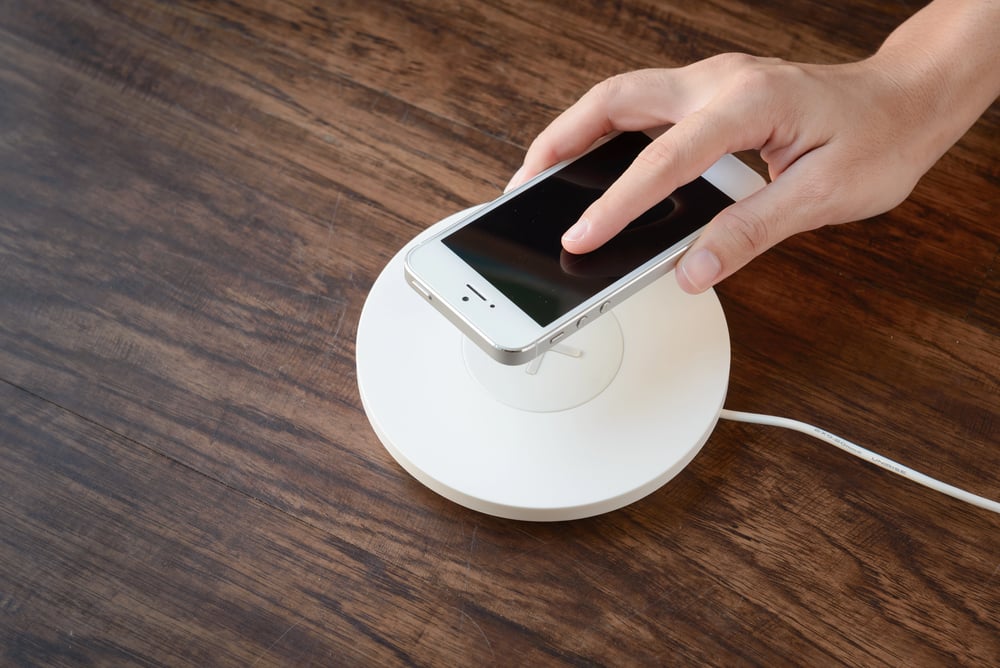
Placing a device on a surface and having it charge feels like magic (even when you understand the physics behind magnetic induction, which most people don’t bother with anyway). No cables, no searching for the right port, no wear and tear from constant plugging and unplugging — just proximity and power transfer through the air.
But here’s what makes wireless charging feel particularly science fiction-like: it’s invisible technology working exactly as promised, which almost never happens with new tech.
You set your phone down, walk away, come back to find it charged. The simplicity masks sophisticated engineering that would have been pure fantasy not that long ago.
Smart Thermostats

Your house now learns your schedule, adjusts its temperature accordingly, and can be controlled from anywhere in the world. The thermostat — once a simple dial on the wall — has become mission control for your home’s entire climate system.
These devices don’t just respond to commands; they study patterns, make predictions, and optimize energy usage without being asked. They know when you’re coming home before you do, based on your phone’s location.
Some can detect when rooms are occupied and adjust accordingly. The fact that this intelligence lives in a device most people rarely think about makes it feel even more like living in the future.
Wireless Security Cameras
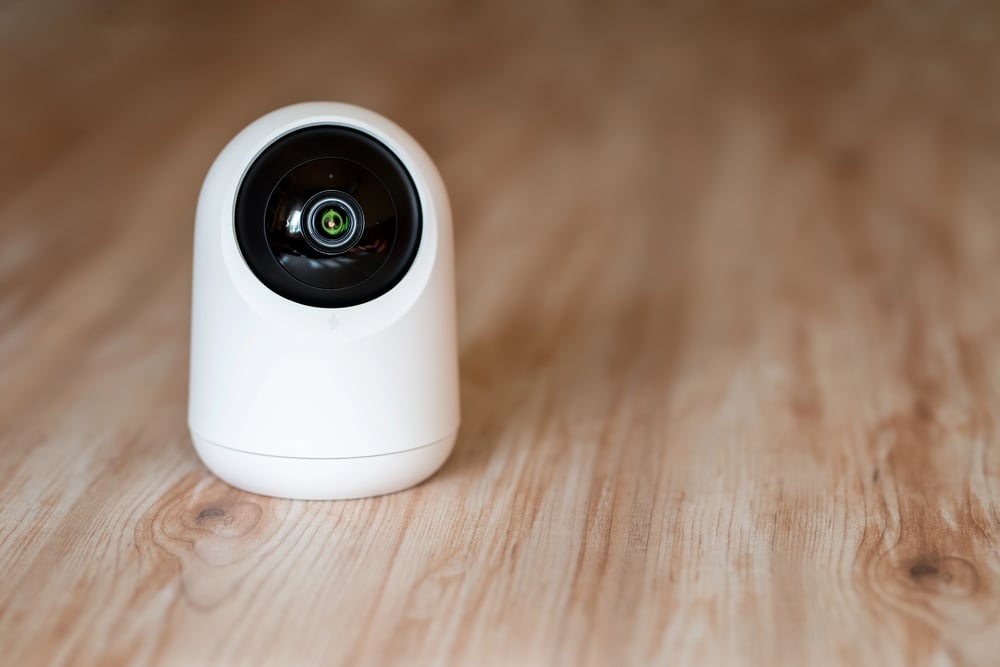
The ability to watch your home from anywhere sits at the intersection of convenience and something vaguely unsettling, which is exactly where good science fiction lives. These cameras don’t just record — they recognize faces, distinguish between people and pets, and can alert you to specific types of activity.
Motion detection has evolved into artificial intelligence that can tell the difference between a delivery truck and a prowler. Some cameras can track movement automatically, following subjects across their field of view.
The footage streams to your phone instantly, making distance irrelevant. Your front door, your backyard, your garage — all visible from a beach in another country if that’s where you happen to be.
Smart Door Locks
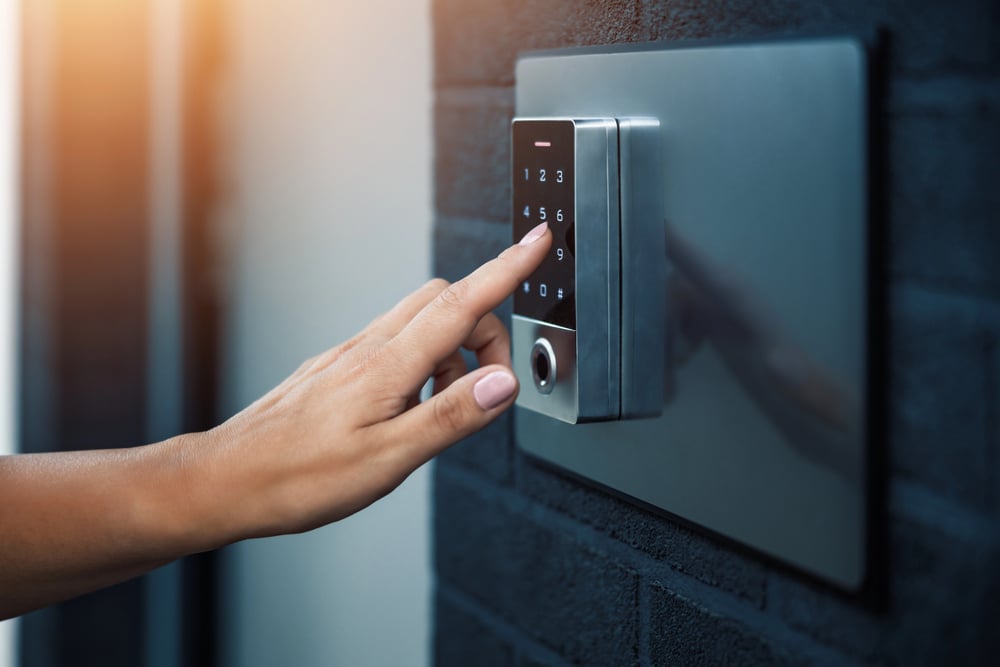
Keys are becoming obsolete, which feels both liberating and slightly terrifying. Smart locks respond to your phone’s presence, unlock with fingerprints, or accept temporary codes sent to visitors remotely.
The most science fiction aspect isn’t the technology itself — it’s how these locks redefine the concept of physical access. You can grant entry to your home from anywhere in the world, monitor who comes and goes in real time, and revoke access instantly.
The front door has become a networked device, connected to the internet and responsive to digital commands. Home security has shifted from physical keys to software permissions.
Noise-Canceling Headphones
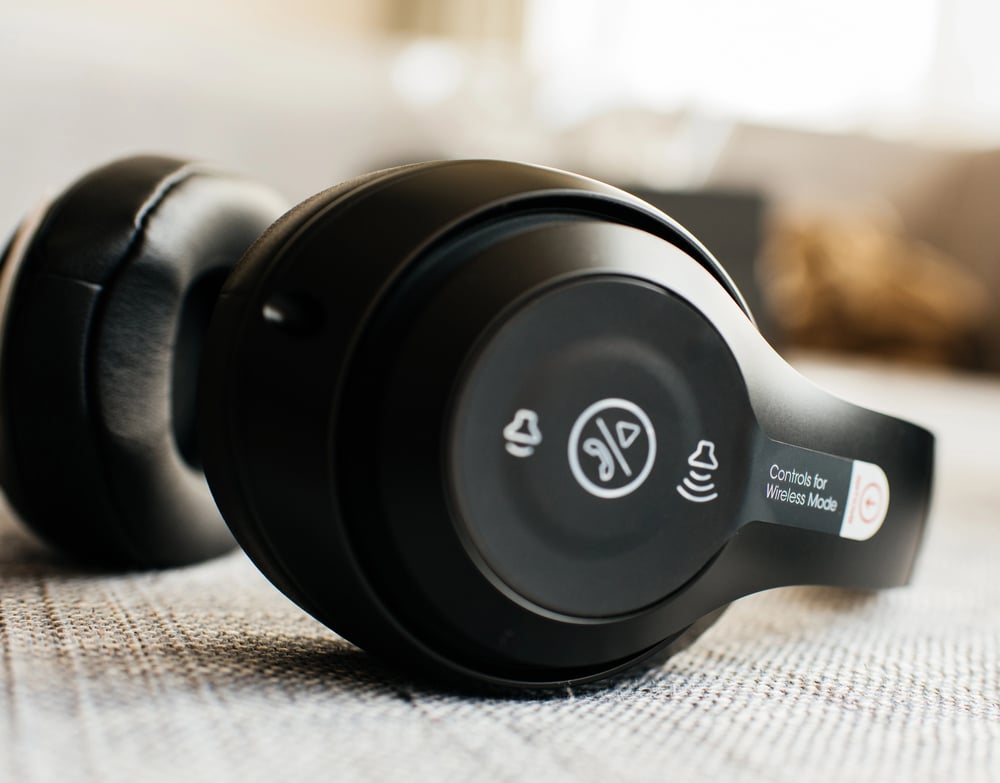
Active noise cancellation shouldn’t work as well as it does. The technology listens to ambient sound, generates inverse sound waves, and plays them back to create destructive interference — essentially using sound to cancel sound.
The result feels like stepping into a soundproof booth that moves with you. Airplane engines disappear. Traffic noise vanishes.
The effect is so complete that it can be disorienting at first. These headphones don’t just block sound mechanically; they actively fight it with opposing audio waves.
The engineering required to pull this off in real time, hundreds of times per second, packed into something you can wear comfortably for hours, represents the kind of technical achievement that would have been pure fantasy not long ago.
Smart Light Bulbs
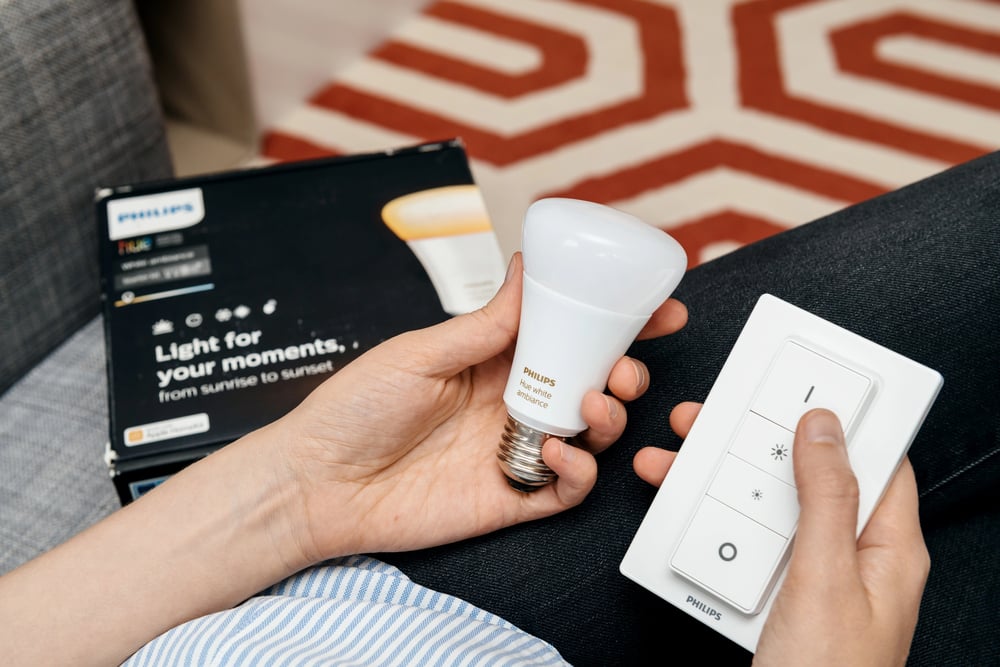
Light bulbs that respond to voice commands, change color on demand, and dim gradually to mimic sunrise represent a subtle but significant shift in how we interact with our environment. These aren’t just improved bulbs — they’re networked devices that happen to provide illumination.
You can set schedules, create scenes, and control them remotely. Some sync with music, movies, or video games.
Others adjust their color temperature throughout the day to support natural circadian rhythms. The humble light bulb, unchanged in basic function for over a century, has become a smart device connected to the internet and capable of behaviors that would have seemed magical to previous generations.
Fitness Trackers
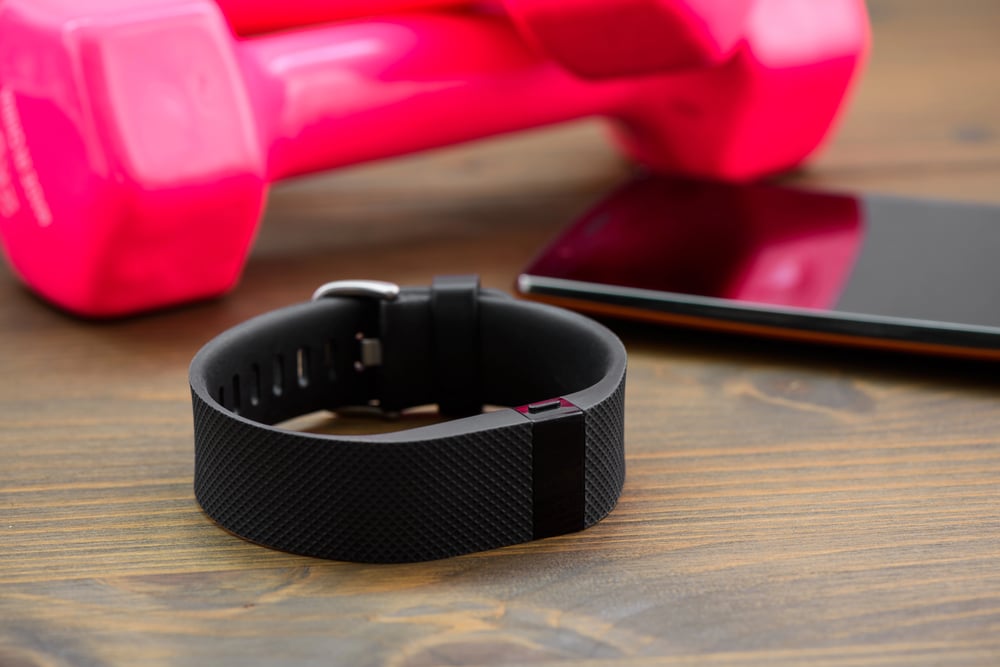
A device that monitors your heartbeat, counts your steps, tracks your sleep, and measures your stress levels throughout the day would have been medical equipment not long ago. Now it’s a consumer gadget that costs less than a nice dinner.
Modern fitness trackers can detect specific types of exercise automatically, measure blood oxygen levels, and track menstrual cycles. They know when you’re walking, running, cycling, or swimming without being told.
Some can detect atrial fibrillation or other heart irregularities. The fact that all this medical-grade monitoring happens passively, without conscious effort from the user, makes it feel like augmented human capability rather than just measurement.
Streaming Devices
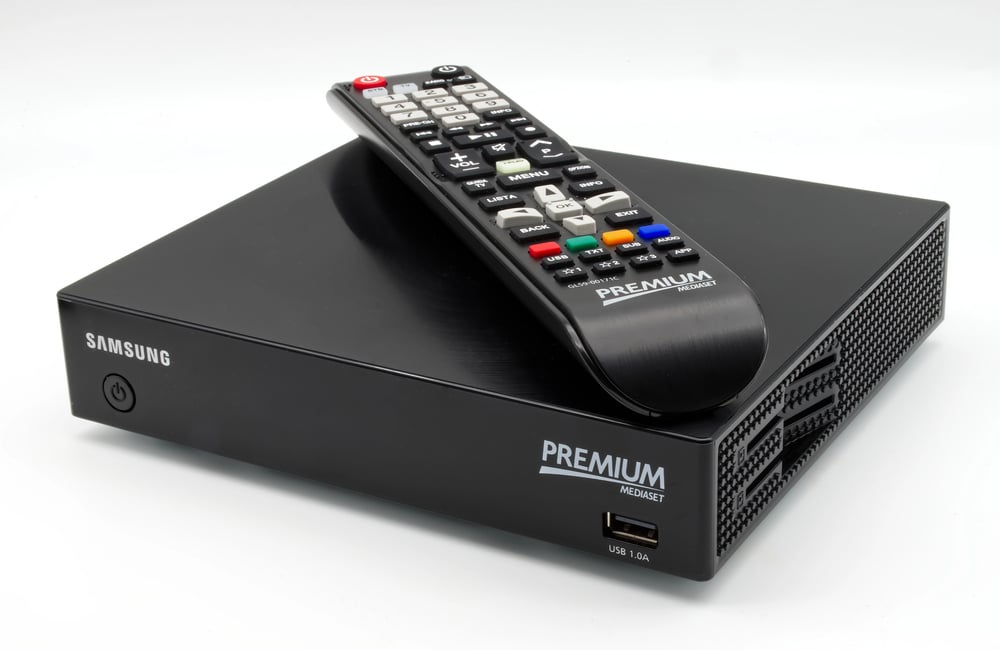
The ability to summon any movie, show, or song ever recorded with a few words spoken to your television represents a fundamental shift in how media consumption works. These small devices have made the entire concept of broadcast schedules obsolete while providing access to more content than any individual could consume in multiple lifetimes.
What makes streaming devices feel particularly futuristic isn’t just the vast libraries they access — it’s how they eliminate the physical relationship between media and storage. Movies aren’t stored anywhere you can see; they materialize on demand from distant servers.
The distinction between owning media and accessing it has blurred beyond recognition. Entertainment has become a service delivered through the air rather than a physical product you purchase and store.
Robot Vacuums

Autonomous cleaning robots roaming your house still feel like something from The Jetsons, even though they’ve been commercially available for years. These disc-shaped devices navigate independently, map your home’s layout, and return to their charging stations when finished.
Modern robot vacuums don’t just clean randomly — they create detailed floor plans, remember furniture locations, and can be directed to clean specific rooms on command. Some can distinguish between different floor types and adjust their cleaning accordingly.
They avoid stairs, navigate around obstacles, and can resume cleaning exactly where they left off if their battery runs low. The sight of one methodically working its way around a room while you’re elsewhere in the house never quite stops feeling like a glimpse of domestic life in the future.
The Unnoticed Revolution

The most science fiction aspect of these everyday gadgets might be how quickly we’ve stopped noticing them. Technologies that would have been pure fantasy just decades ago have become so commonplace that they’re invisible until they stop working.
The future arrived gradually, then all at once, disguised as consumer electronics and home improvement projects. We’re living in the science fiction stories previous generations imagined, but it happened so smoothly that we barely noticed the transition.
More from Go2Tutors!

- The Romanov Crown Jewels and Their Tragic Fate
- 13 Historical Mysteries That Science Still Can’t Solve
- Famous Hoaxes That Fooled the World for Years
- 15 Child Stars with Tragic Adult Lives
- 16 Famous Jewelry Pieces in History
Like Go2Tutors’s content? Follow us on MSN.