16 Sports Cards From Childhood Collections Gaining Interest Again
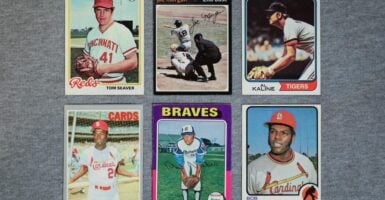
Shoeboxes full of cardboard once considered worthless clutter are increasingly turning out to hold real money, as a new generation of collectors and investors drives renewed demand for cards many families assumed were long gone or worthless. Condition determines nearly everything here; a card with sharp corners and no creases can be worth many times more than the same card with visible wear.
1952 Topps Mickey Mantle
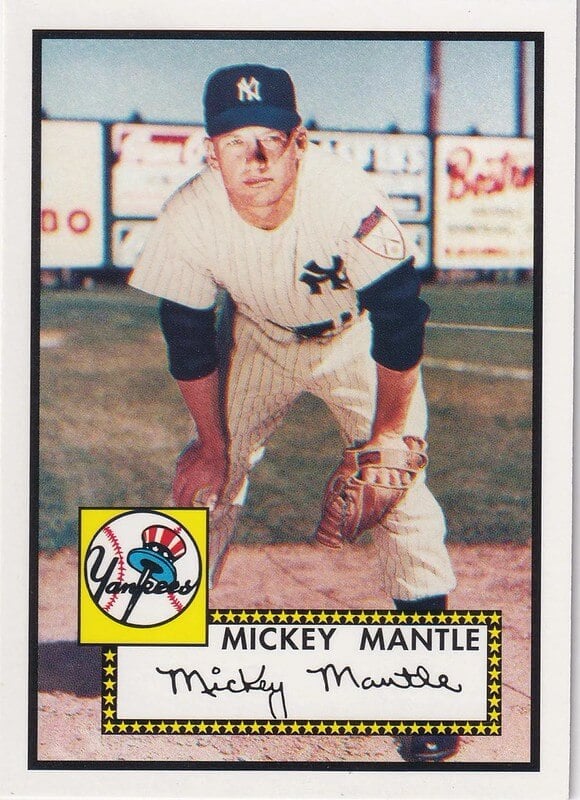
Widely considered the most iconic post-war baseball card, the 1952 Topps Mickey Mantle gained legendary status partly because a large quantity of unsold high-number cards, including this one, were famously dumped into the Atlantic Ocean by Topps in the mid-1950s to clear warehouse space. That scarcity story, combined with Mantle’s stardom, has pushed graded high-condition examples to sell for well over a million dollars at auction, while lower-grade, worn copies still command meaningful four and five-figure prices.
T206 Honus Wagner
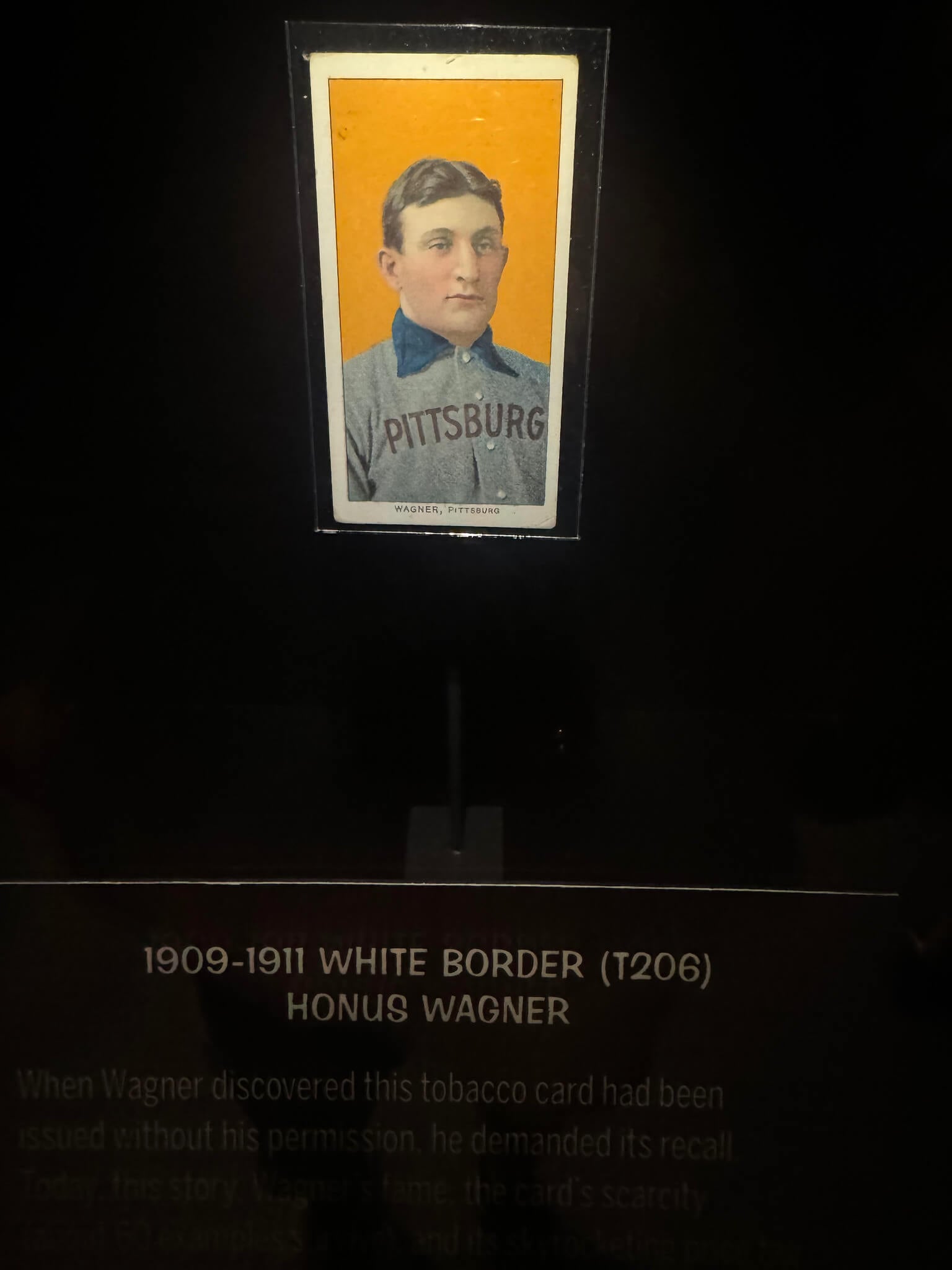
Produced between 1909 and 1911 as part of an early promotional card series distributed with a popular consumer product of the era, the T206 Honus Wagner is the most famous trading card in existence, largely because Wagner reportedly asked the manufacturer to pull his card from production, resulting in an unusually small surviving population. A near-mint example sold at auction for over $6 million in 2021.
Even heavily worn copies, missing corners and all, have sold for six-figure sums simply because so few exist.
1986 Fleer Michael Jordan Rookie
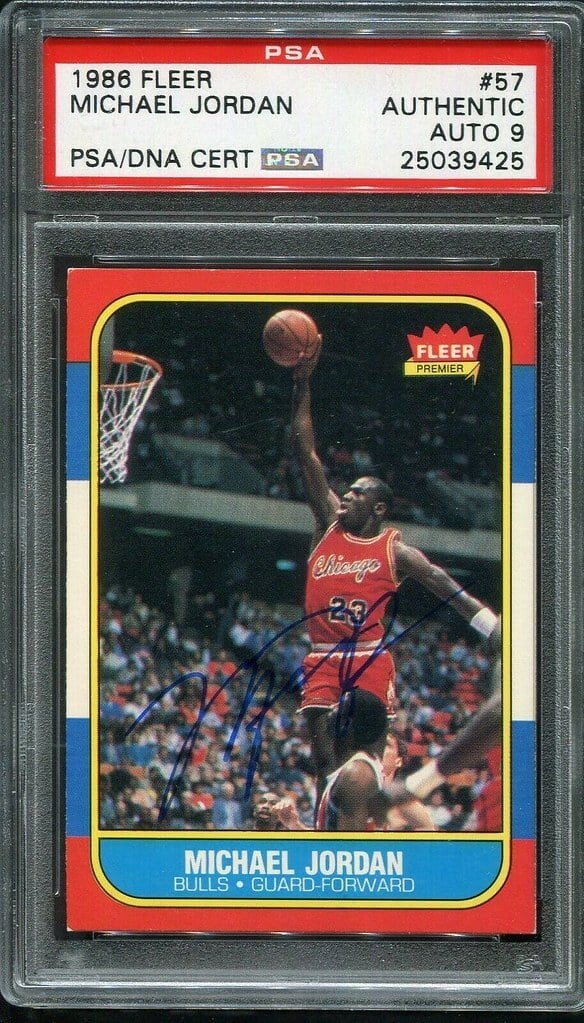
Card #57 in the 1986-87 Fleer basketball set marked Jordan’s first widely distributed trading card and has become one of the most heavily counterfeited cards in the hobby precisely because of its value. High-grade examples have sold for hundreds of thousands of dollars, while common, well-worn copies from actual childhood collections typically sell for a few hundred.
Its centering is notoriously difficult to find perfect, which heavily affects grading and price.
1979-80 O-Pee-Chee Wayne Gretzky Rookie
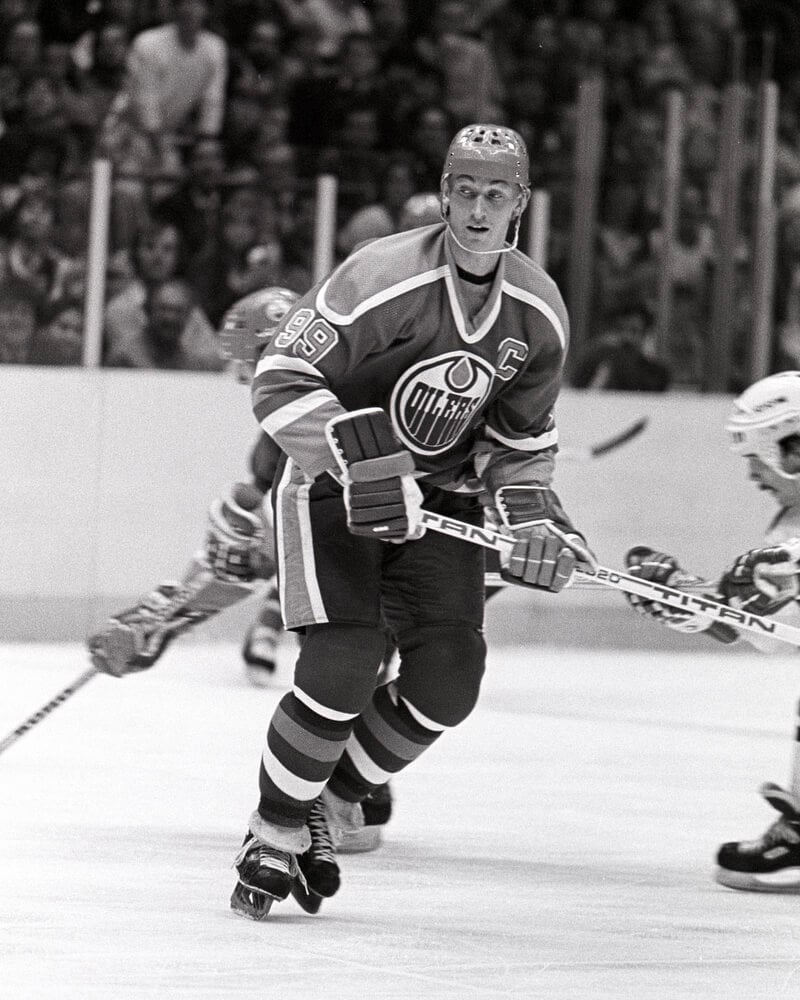
Gretzky’s true rookie card was issued by the Canadian company O-Pee-Chee rather than Topps, since the NHL had no US trading card deal that season, making the O-Pee-Chee version scarcer and more valuable than its Topps counterpart. Thin, easily damaged card stock from that era means most surviving examples show significant wear.
A pristine graded copy has sold for over $3 million, though typical attic-condition copies sell for a small fraction of that.
1980-81 Topps Bird, Magic, and Erving Rookie Card
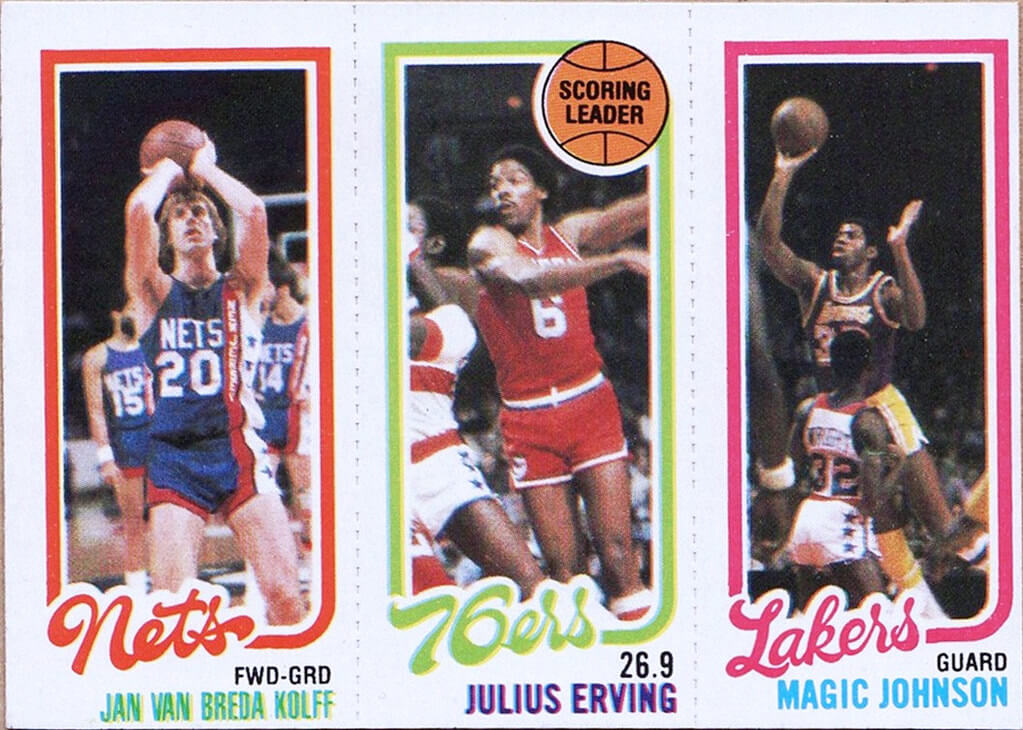
This oversized, three-panel rookie card featuring Larry Bird, Magic Johnson, and Julius Erving together was easy to fold or crease as a kid, which makes well-preserved examples notably scarce today. It marks the official rookie cards of two players central to basketball’s rise in national popularity through the 1980s.
High-grade examples have sold for six figures, while creased or separated panels, common in childhood collections, sell for far less.
1993 SP Derek Jeter Foil Rookie
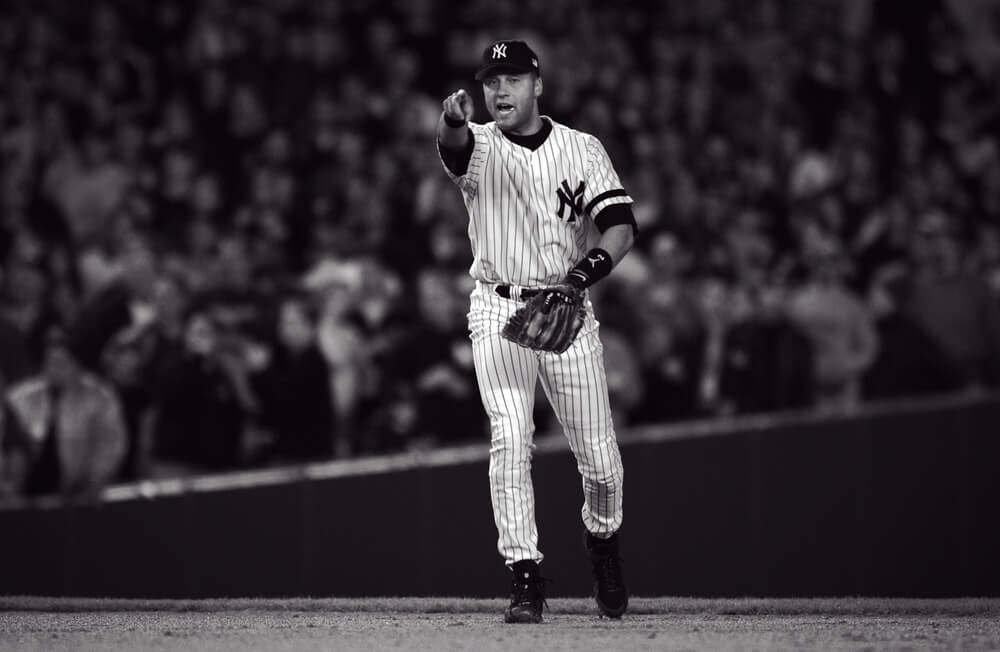
Jeter’s rookie card from Upper Deck’s SP set used a reflective foil design that scratches easily, making truly pristine copies genuinely rare compared to the overall print run. The card’s value climbed steadily alongside Jeter’s Hall of Fame career and the Yankees’ championship runs in the late 1990s.
Graded gem-mint copies have sold for well over $100,000, a dramatic jump from the card’s modest original pack price.
1989 Upper Deck Ken Griffey Jr. Rookie
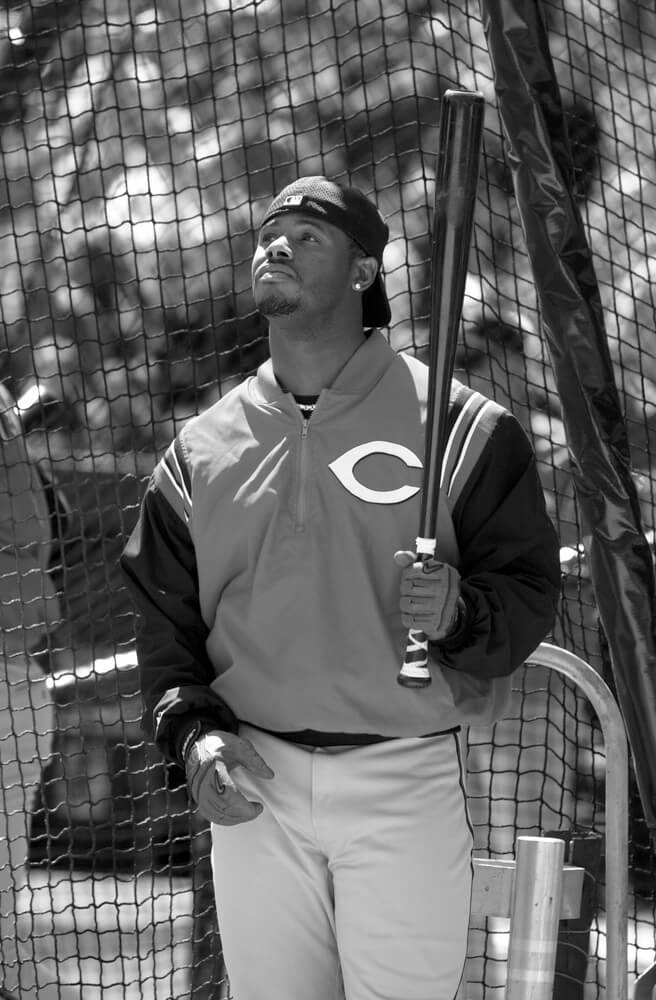
Upper Deck’s 1989 debut set introduced higher production quality and anti-counterfeiting holograms to the hobby, and Griffey’s rookie card became its flagship, helped by his smooth swing and immediate stardom in Seattle. The set was produced in large numbers, so well-centered, sharp-cornered copies remain the main differentiator in value.
Top-graded examples sell in the thousands of dollars, still far below scarcer pre-war cards but a strong return for a card originally worth pennies from a wax pack.
1933 Goudey Babe Ruth
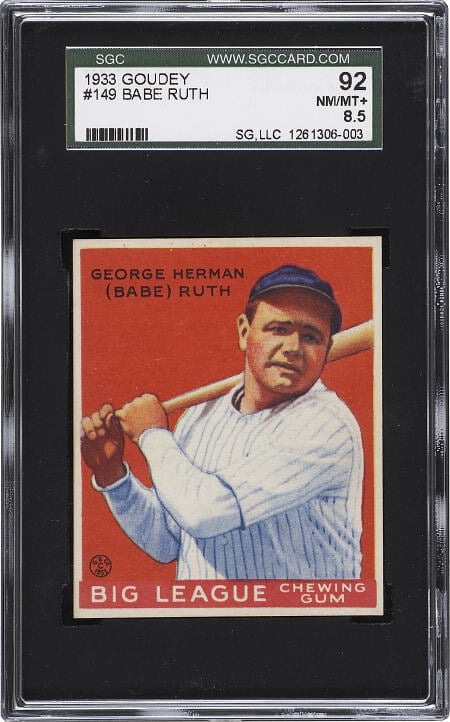
The Goudey Gum Company’s 1933 set featured several different Babe Ruth cards, with the colorful #144 variant among the most sought after by collectors of pre-war cardboard. Surviving examples are scarce simply due to age, and most that remain show significant handling wear from being carried in pockets or flipped in childhood games.
High-grade copies have sold for hundreds of thousands of dollars, while lower-grade examples still regularly bring five figures.
1957 Topps Sandy Koufax
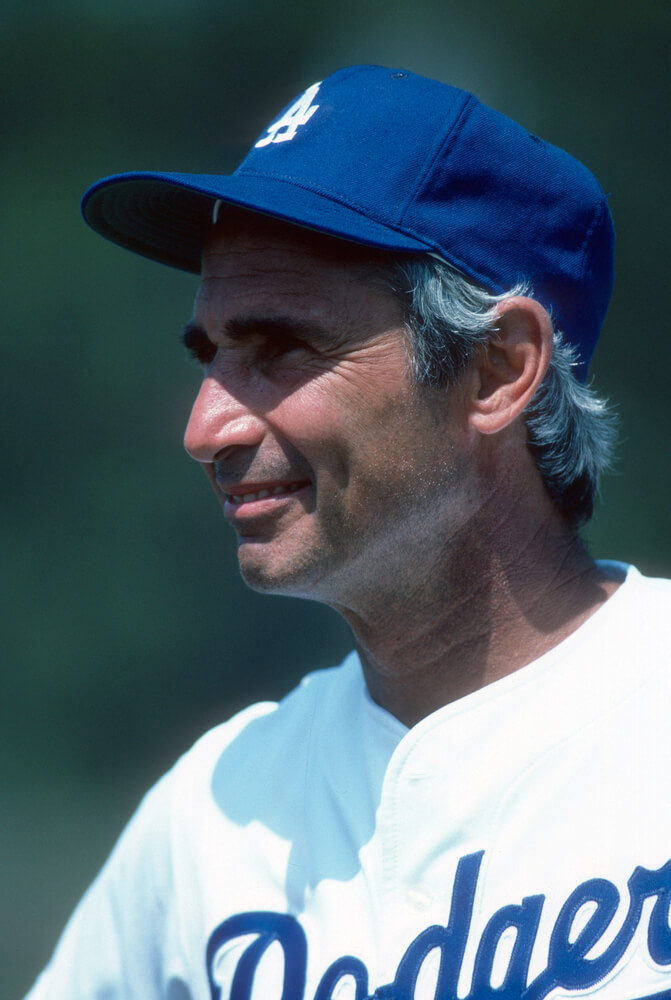
Koufax’s early Topps card predates his peak Dodgers years, making it a relatively affordable entry point into vintage baseball cards compared to contemporaries like Mantle. The 1957 Topps design was the first to use full-color photography rather than illustrations, a shift that collectors often cite as a turning point in card aesthetics.
Well-centered examples in strong condition can bring several thousand dollars, with pricing highly sensitive to corner sharpness and surface gloss.
1975 Topps George Brett Rookie
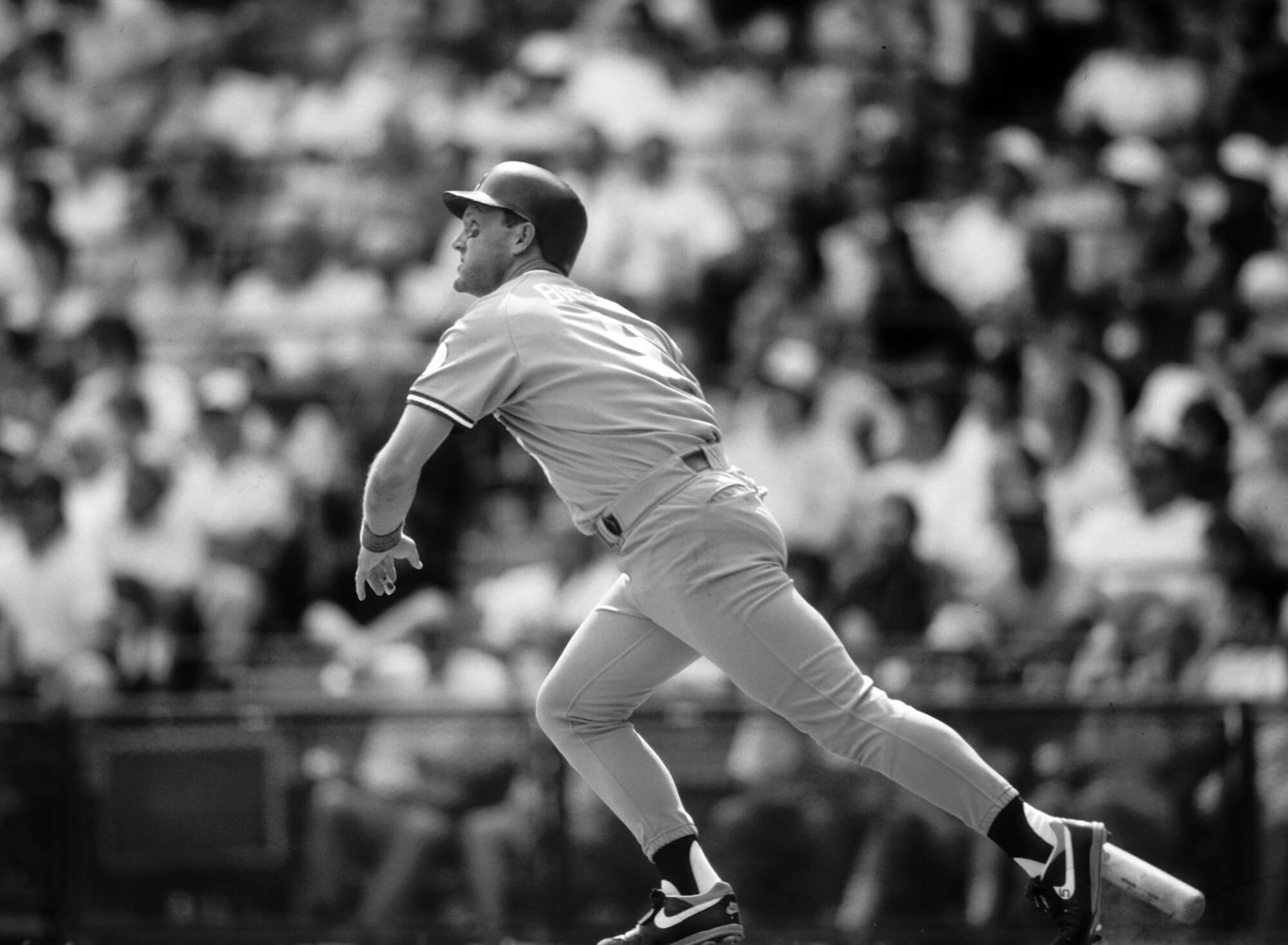
Brett’s rookie card from the colorful, border-heavy 1975 Topps set is notoriously difficult to find with sharp corners, since the bright borders show even minor wear far more visibly than earlier, plainer designs. Brett’s eventual Hall of Fame career and a lifetime spent with a single franchise, the Kansas City Royals, have kept steady collector interest in the card.
Mid-grade copies typically sell in the low hundreds of dollars, with top-graded examples reaching well into the thousands.
1961 Fleer Wilt Chamberlain Rookie

Fleer’s short-lived early basketball set produced Chamberlain’s rookie card during a period when the NBA had far less national card distribution than it does today, contributing to genuine scarcity. Because the set saw limited print runs and low survival rates, even moderately worn examples carry solid value.
Graded high-condition copies have sold for tens of thousands of dollars at major auction houses.
1965 Topps Joe Namath Rookie
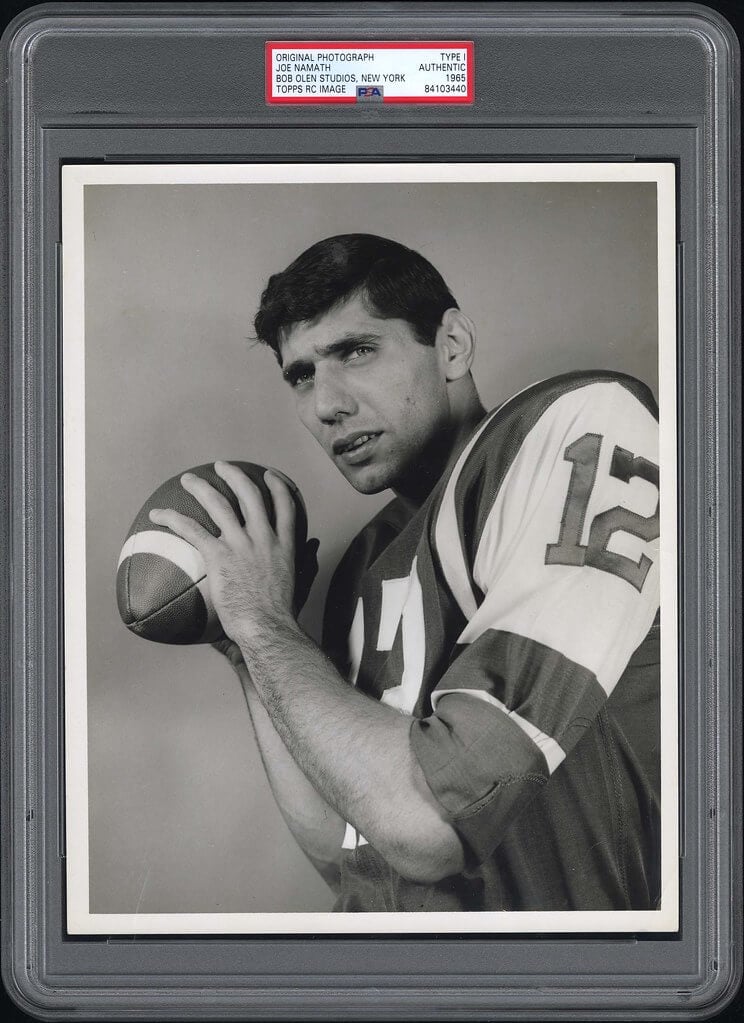
Issued the year before Namath’s breakout with the New York Jets, this rookie card benefits from strong crossover interest between football card collectors and fans of his famous Super Bowl III guarantee and win. The 1965 Topps design’s tall format made the cards more prone to bending in wallets and pockets, so straight, uncreased copies are relatively scarce.
Solid mid-grade examples typically sell in the low thousands of dollars.
2000 Playoff Contenders Tom Brady Rookie Autograph
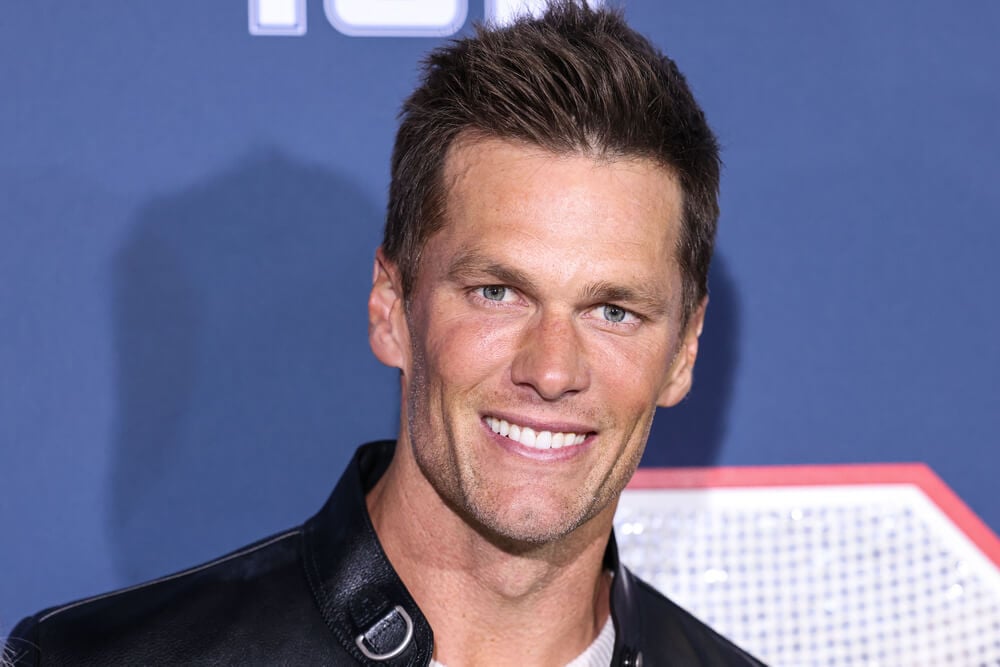
Brady’s autographed rookie card from Playoff Contenders became one of the most valuable modern football cards after his sustained championship success reframed a sixth-round draft pick as one of the sport’s greatest players. A pristine graded example sold for $3.1 million in 2021, at the time a record for a football card.
Even lower-grade autographed copies routinely sell for tens of thousands of dollars given the card’s iconic status.
2003-04 Upper Deck Exquisite LeBron James Rookie
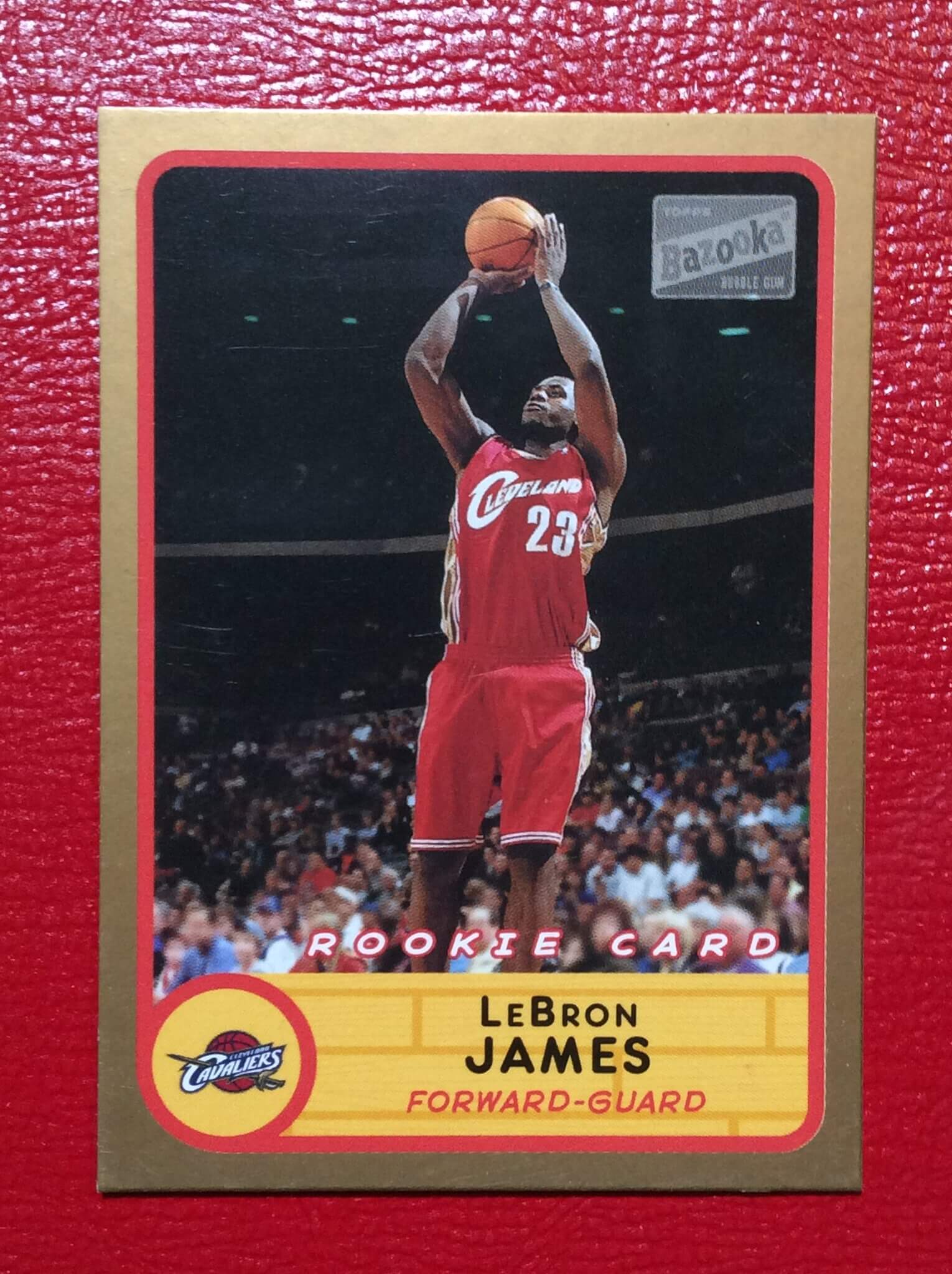
Part of Upper Deck’s ultra-premium Exquisite Collection, James’s autographed rookie patch card was produced in extremely limited numbers and originally sold in packs costing several hundred dollars each. A pristine graded copy sold for over $5.2 million in 2021.
The card’s combination of scarcity, an on-card autograph, and a swatch of game-worn jersey material makes it one of the most valuable modern sports cards in existence.
1990 Leaf Frank Thomas
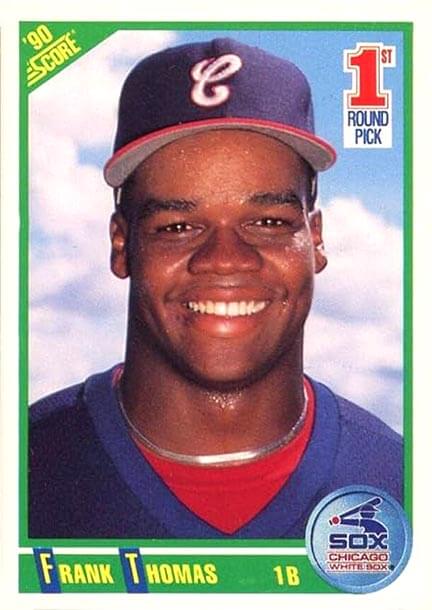
Thomas’s rookie card from the Leaf set, known for its glossy, higher-quality card stock compared to competitors that year, became a favorite among collectors chasing early 1990s stars whose careers actually lived up to rookie-year hype. The card exists in two versions, with and without a line of text on the back, and the “no-name-on-front” printing variation affects its relative scarcity.
Well-preserved examples typically sell in the hundreds of dollars.
1948 Leaf Jackie Robinson
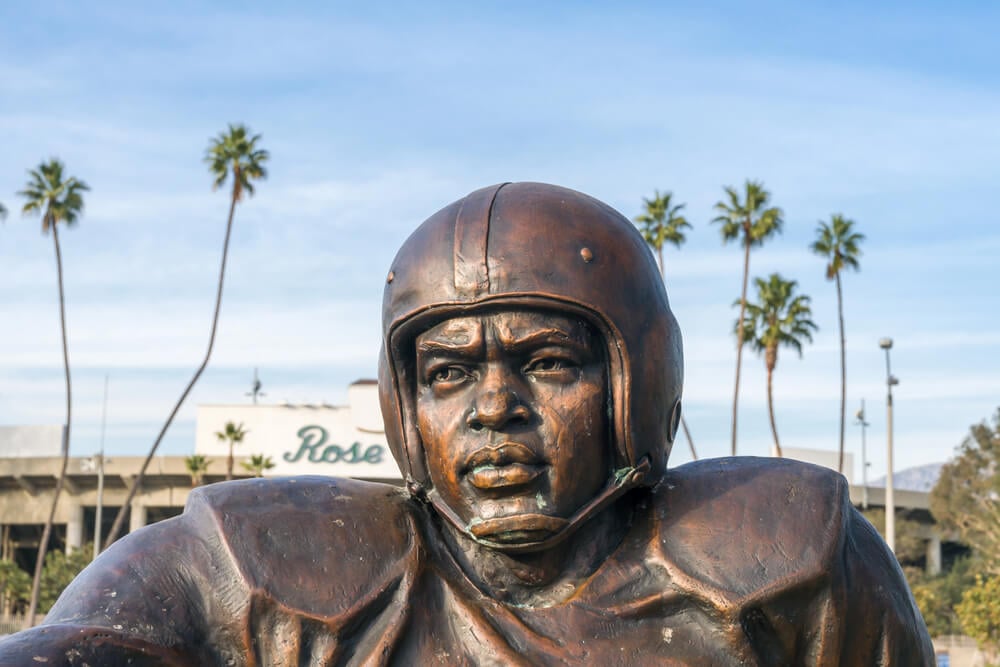
Robinson’s rookie card, issued the year after he broke Major League Baseball’s color line, holds significance well beyond typical hobby value due to its historical weight. The Leaf set from that era is notorious for poor centering and print quality, making sharply centered, well-preserved examples genuinely rare.
High-grade copies have sold for well over $500,000, with even heavily worn examples commanding strong prices given the card’s historical importance.
Cardboard That Outlasted the Closet
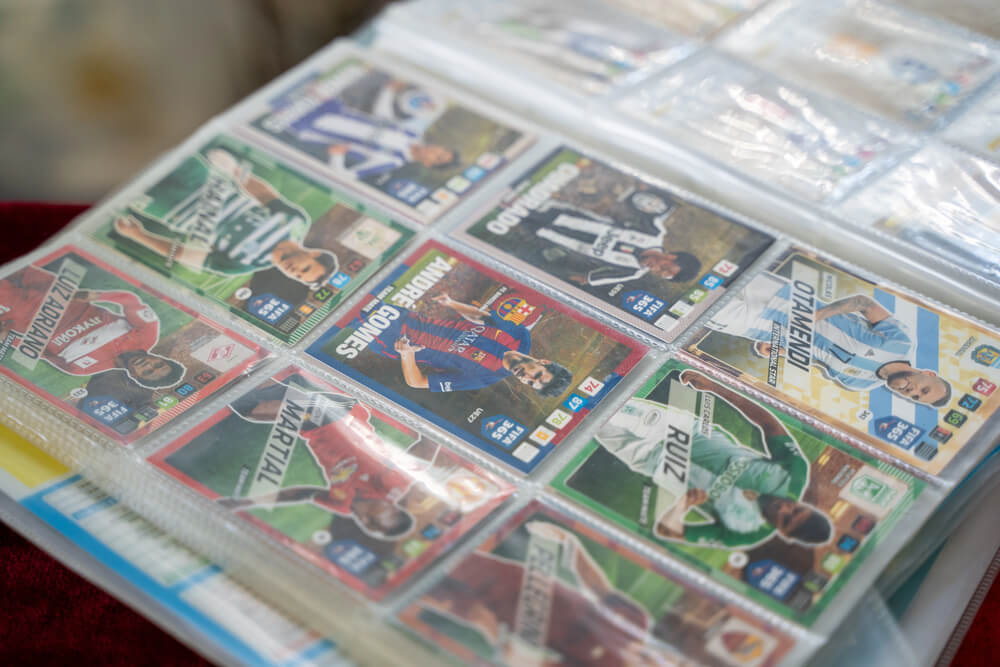
What makes these cards valuable was never really predictable at the time they were pulled from a wax pack for a few cents. Scarcity, a famous name, a manufacturing quirk, or simple bad luck in how a set was preserved turned out to matter more than anything printed on the front.
For anyone digging through an old box in a parent’s attic, the lesson is less “check if it’s worth something” and more “check the corners before you check the name.” Condition, more than any single player, is usually what decides whether a card is worth a phone call to an appraiser.
More from Go2Tutors!

- The Romanov Crown Jewels and Their Tragic Fate
- 13 Historical Mysteries That Science Still Can’t Solve
- Famous Hoaxes That Fooled the World for Years
- 15 Child Stars with Tragic Adult Lives
- 16 Famous Jewelry Pieces in History
Like Go2Tutors’s content? Follow us on MSN.