16 Strangest Roadside Attractions In America
America’s roadways hide some of the most bizarre, wonderful, and utterly inexplicable attractions you’ll ever encounter. These aren’t your typical tourist destinations – they’re the weird, wild, and wonderfully eccentric creations that make road trips truly memorable. From giant fiberglass animals to mysterious desert phenomena, these attractions reflect the creativity, humor, and sometimes questionable judgment of their creators.
Each stop tells a story about American ingenuity, local pride, and our collective love for the extraordinary. Here is a list of 16 of the strangest roadside attractions in America that will make you pull over, scratch your head, and probably take a selfie.
World’s Largest Twine Sphere

In Cawker City, Kansas, sits a 20,000-pound monument to one man’s unwillingness to waste anything. Frank Stoeber started this massive sphere on Christmas Eve 1953 when he got tired of burning old twine from his barn.
What began as a practical solution to farm waste became a community obsession that continues today. Visitors can actually add their own twine to the sphere during annual ‘Twine-a-thons,’ making it the world’s only growing record-holder where tourists become part of history.
The Thing
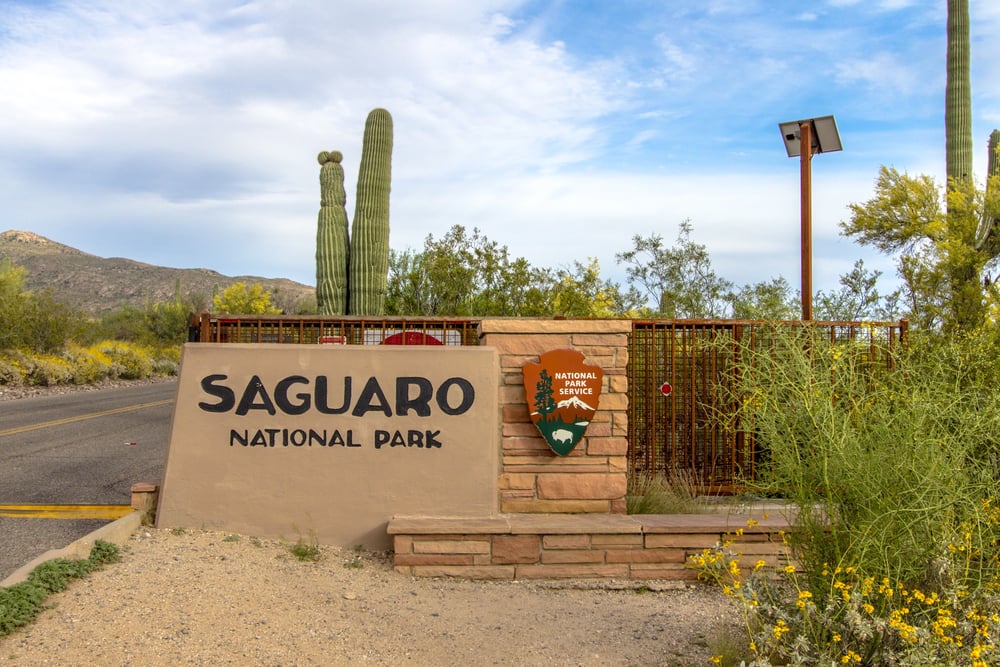
Arizona’s most mysterious roadside attraction announces itself with hundreds of billboards along Interstate 10, all asking the same tantalizing question: ‘What is The Thing?’ Located near Dragoon, this desert oddity houses a collection of bizarre artifacts and historical curiosities, building suspense until the final reveal of a mummy-like figure that raises more questions than it answers.
The attraction has been mystifying travelers since the 1950s, and despite numerous renovations, nobody can quite agree on what The Thing actually is.
Like Go2Tutors’s content? Follow us on MSN.
Lucy the Elephant
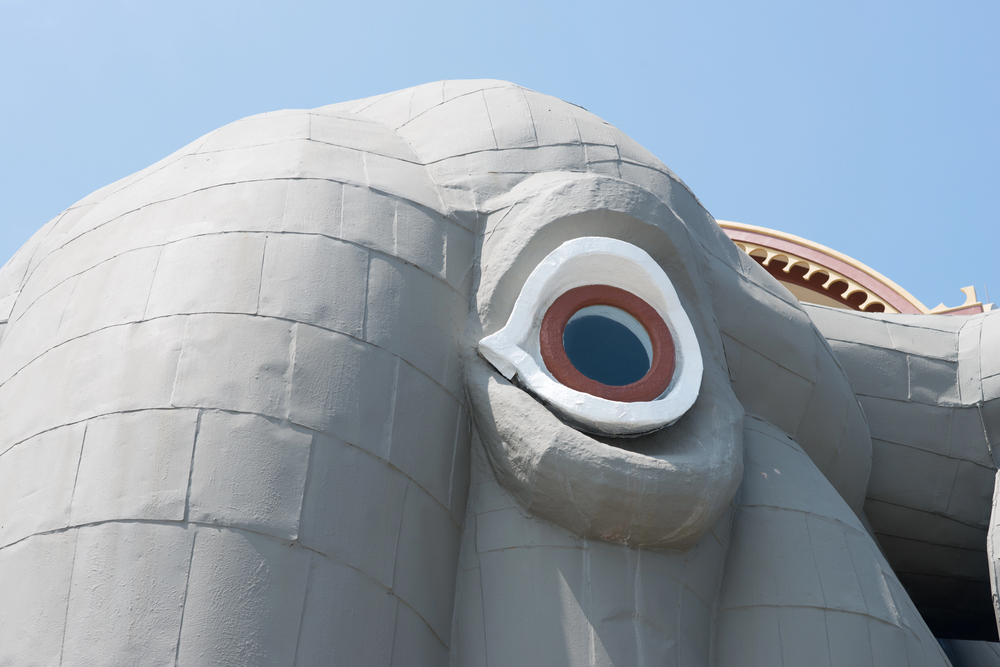
Standing six stories tall in Margate City, New Jersey, Lucy the Elephant has been welcoming visitors since 1881, making her America’s oldest surviving roadside attraction. This architectural marvel isn’t just for show – tourists can climb inside Lucy and walk through her body to reach a viewing platform in her howdah.
Built originally as a real estate publicity stunt, Lucy weighs 90 tons and has survived hurricanes, fires, and decades of curious tourists who wanted to experience being inside an elephant.
Carhenge
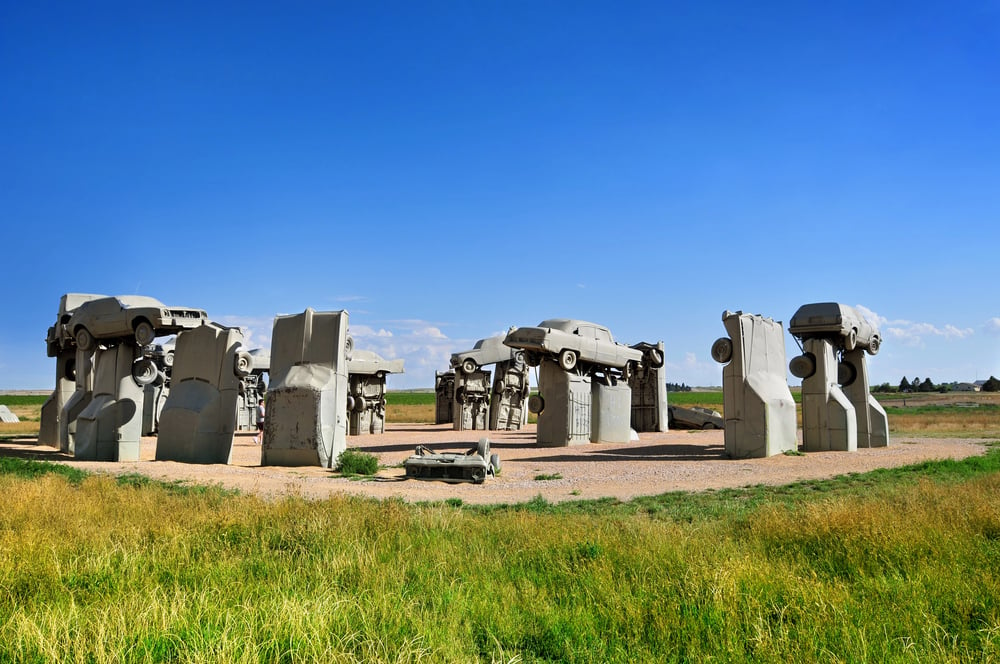
Nebraska’s answer to Stonehenge proves that American ingenuity knows no bounds. Artist Jim Reinders created this tribute to the ancient monument using 38 vintage automobiles spray-painted gray and arranged to replicate the exact proportions of the original.
Built in 1987 near Alliance, Carhenge offers visitors a chance to contemplate both ancient mysteries and modern automotive obsession simultaneously, creating an oddly profound experience in the Nebraska panhandle.
House on the Rock
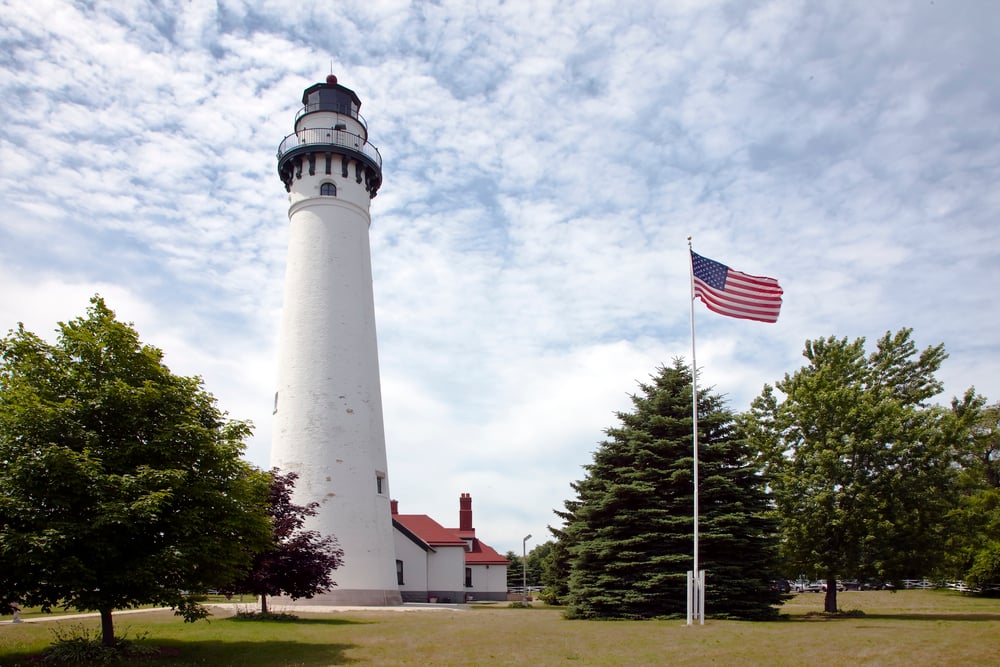
Wisconsin’s House on the Rock defies all logic and several building codes. Alex Jordan Jr.’s sprawling complex houses the world’s largest indoor carousel, rooms full of self-playing musical instruments, and collections so eclectic they border on overwhelming.
Visitors can spend entire days wandering through chambers filled with dollhouses, automated orchestras, and a seemingly endless array of bizarre artifacts that reflect one man’s obsession with collecting
absolutely everything.
Like Go2Tutors’s content? Follow us on MSN.
Cadillac Ranch
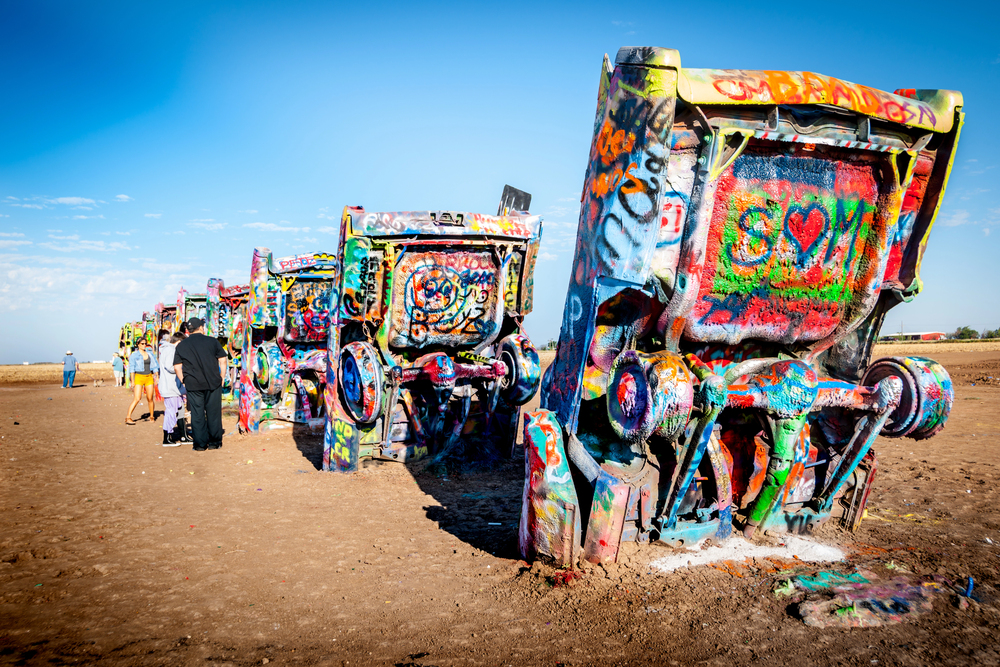
Texas artist Stanley Marsh planted ten Cadillacs nose-down in a wheat field outside Amarillo in 1974, creating an ever-changing canvas for public art. The half-buried cars, representing the evolution of Cadillac tail fins from 1949 to 1963, invite visitors to bring spray paint and leave their mark.
What started as a comment on American car culture has become a constantly evolving masterpiece where every visitor becomes an artist.
Mill Ends Park
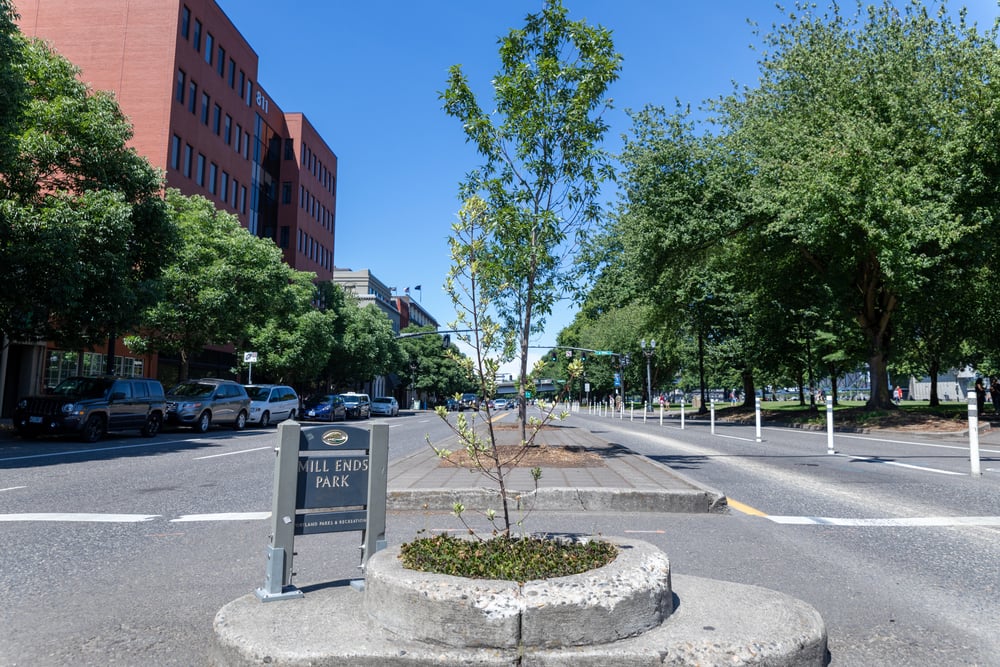
Portland, Oregon, holds the official title for the world’s smallest park at just 452 square inches. Created in 1948 when a journalist named Fagan noticed an empty planting strip outside his office window, this tiny green space was declared the only leprechaun colony west of Ireland.
Despite its miniature size, Mill Ends Park has hosted weddings, housed a swimming pool for butterflies, and served as the site for the world’s smallest Ferris wheel during various celebrations.
The Unclaimed Baggage Center

Scottsboro, Alabama, houses America’s only store dedicated entirely to lost luggage. This 50,000-square-foot treasure trove receives unclaimed bags from airlines and turns lost belongings into shopping adventures.
Visitors have discovered everything from designer clothing to rare artifacts, including a suit of medieval armor and a NASA space suit, proving that people pack the most extraordinary items for their travels.
Like Go2Tutors’s content? Follow us on MSN.
World’s Largest Swedish Coffee Pot
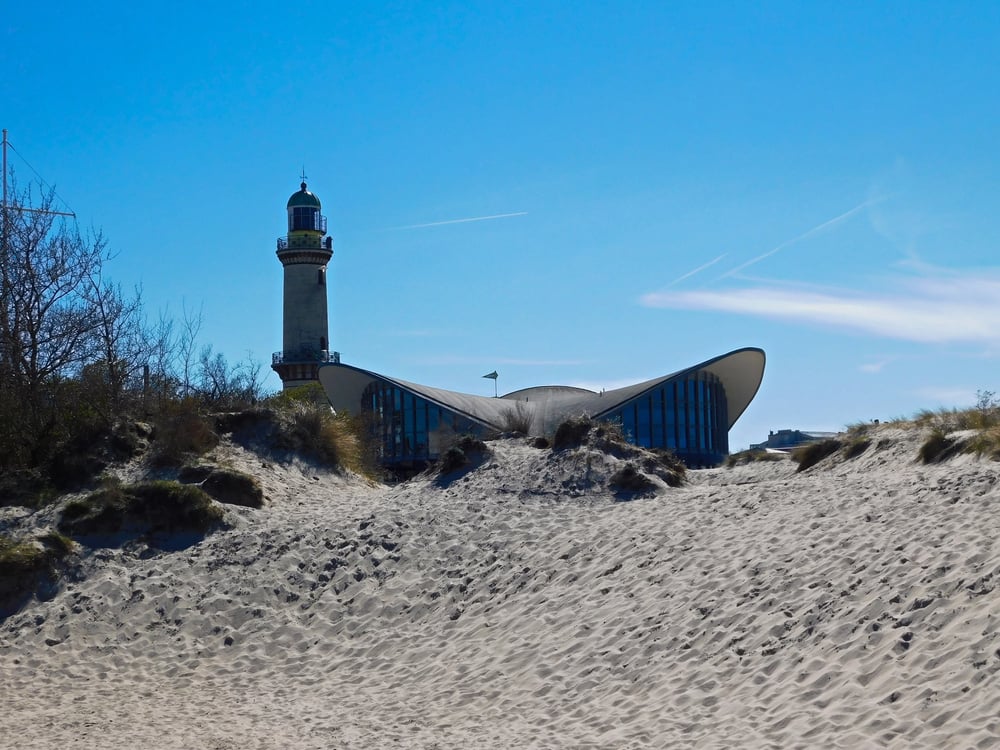
Stanton, Iowa, transformed a former water tower into a giant coffee pot decorated with traditional Swedish folk art. This 800,000-cup capacity monument honors the town’s Scandinavian heritage and its connection to Virginia Christine, the actress who played Mrs. Olson in Folgers commercials and happened to be from Stanton.
The cheerful decoration makes it one of the most photographed water towers in America.
Coral Castle
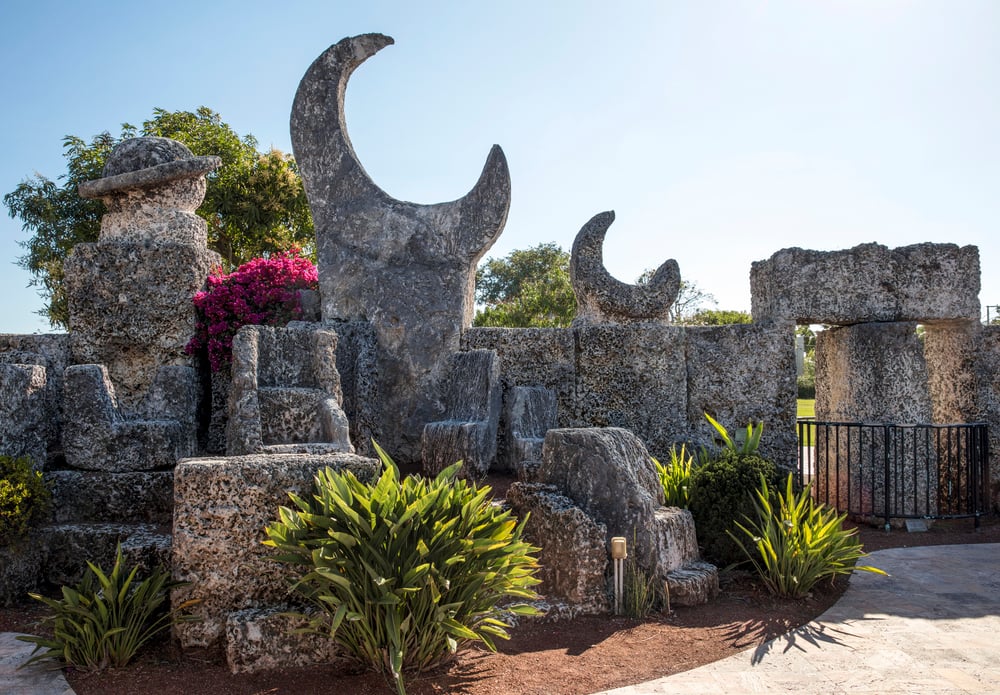
Florida’s Coral Castle represents one man’s dedication to lost love and impossible engineering. Latvian immigrant Ed Leedskalnin spent nearly 30 years (1923-1951) single-handedly moving and carving over 1,100 tons of coral rock to build this mysterious monument in Homestead.
Working alone at night without modern machinery, Leedskalnin created perfectly balanced gates, astronomical instruments, and furniture that still puzzle engineers today about how one small man accomplished such massive construction.
The Giant Uniroyal Tire
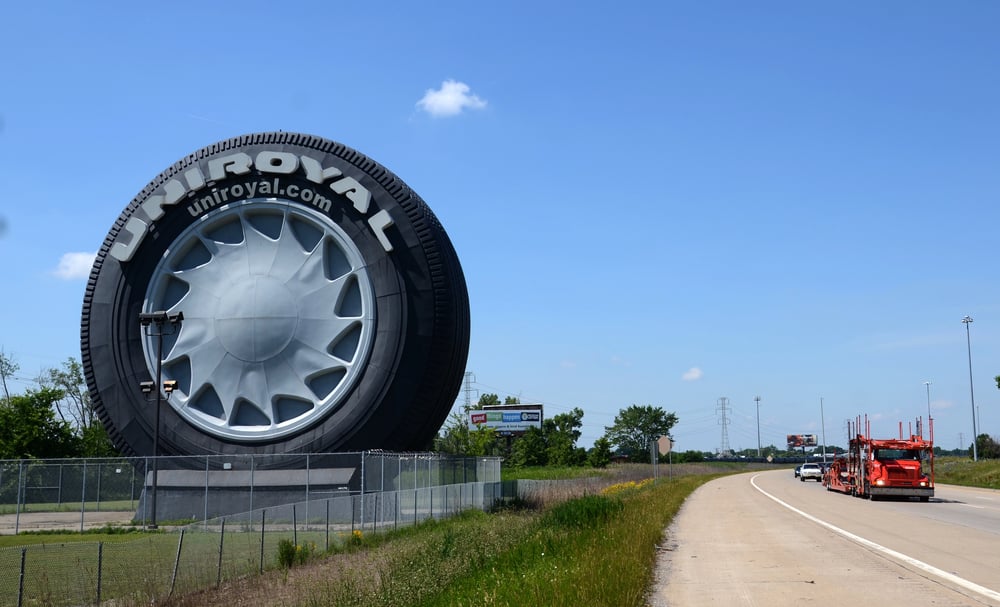
Detroit’s eight-story tire has been watching over Michigan motorists since the 1960s. Originally designed as a functioning Ferris wheel for the New York World’s Fair, the Giant Uniroyal Tire found its permanent home near Detroit Metropolitan Airport as a tribute to the Motor City’s automotive heritage.
The massive structure serves as both advertising and art, reminding travelers of Detroit’s crucial role in putting America on wheels.
Like Go2Tutors’s content? Follow us on MSN.
Future Birthplace of Captain James T. Kirk
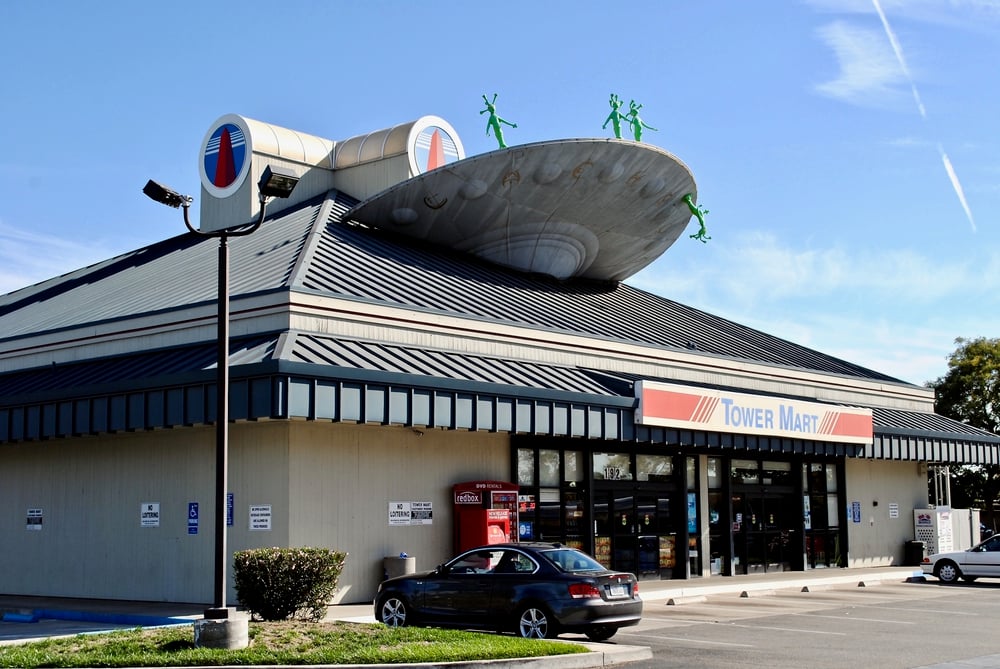
Riverside, Iowa, officially designated itself as the future birthplace of the fictional Starfleet captain after a local Star Trek fan suggested it to the city council in 1985. According to Star Trek lore, James T. Kirk will be born here on March 22, 2228, and the town has embraced this distinction with an official plaque and annual Trek Fest celebration.
This small Iowa community proves that even fictional fame can boost local tourism.
The Jolly Green Giant

Blue Earth, Minnesota, erected a 55.5-foot statue of the Jolly Green Giant to attract Interstate 90 travelers who might otherwise bypass their small town. Built in 1979 when the new highway threatened to leave Blue Earth behind, this giant monument successfully draws thousands of visitors who want to meet the world’s most famous vegetable mascot in person.
The statue stands as proof that sometimes the most obvious tourist trap is exactly what works.
Wigwam Motel
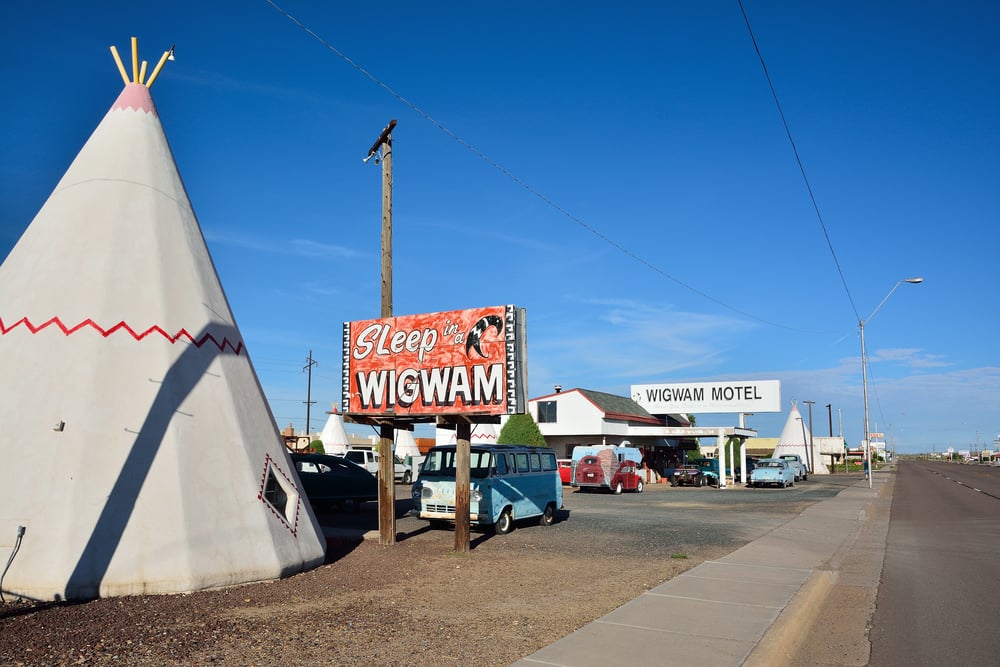
Holbrook, Arizona, offers travelers the chance to sleep inside a concrete teepee at one of America’s most recognizable motels. Built in the 1950s along historic Route 66, the Wigwam Motel features 15 individual teepee-shaped rooms that transport guests back to the golden age of American road trips.
Each wigwam contains modern amenities despite its retro exterior, offering a unique overnight experience that’s both kitschy and surprisingly comfortable.
Like Go2Tutors’s content? Follow us on MSN.
The Longaberger Basket Building
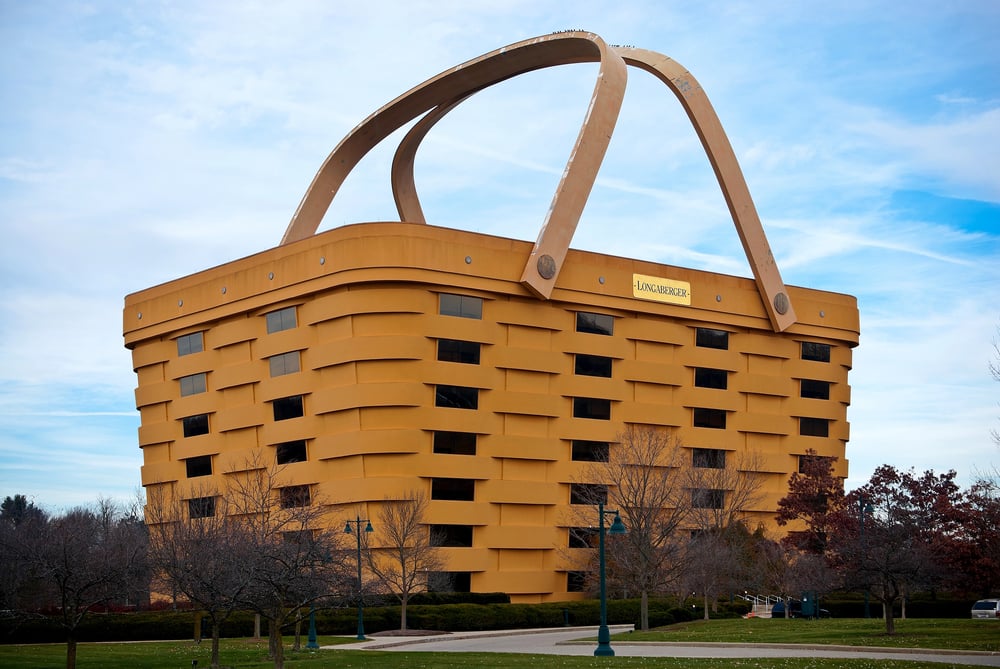
Ohio’s former Longaberger Company headquarters took corporate branding to unprecedented levels by constructing their seven-story office building to look exactly like one of their Medium Market Baskets. Complete with massive handles that weigh 150 tons each, this Newark building served as the ultimate product advertisement until the company’s decline.
The structure now stands as a monument to American marketing creativity and corporate excess.
Mystery Spots and Gravity Hills
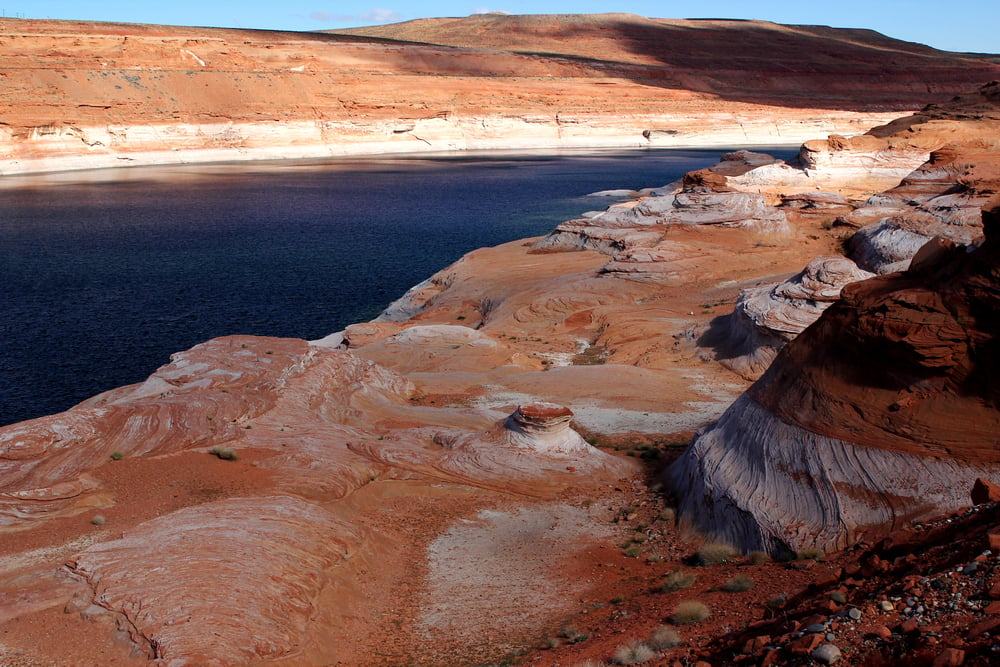
Scattered across America, these locations claim to defy the laws of physics through magnetic fields, gravitational anomalies, or alien intervention. Visitors experience phenomena like water flowing uphill, people appearing to change height, and objects rolling against gravity.
While science explains these as optical illusions created by tilted buildings and slanted landscapes, the mystery spots continue to perplex and delight tourists who prefer wonder over explanation.
Roadside America’s Endless Creativity
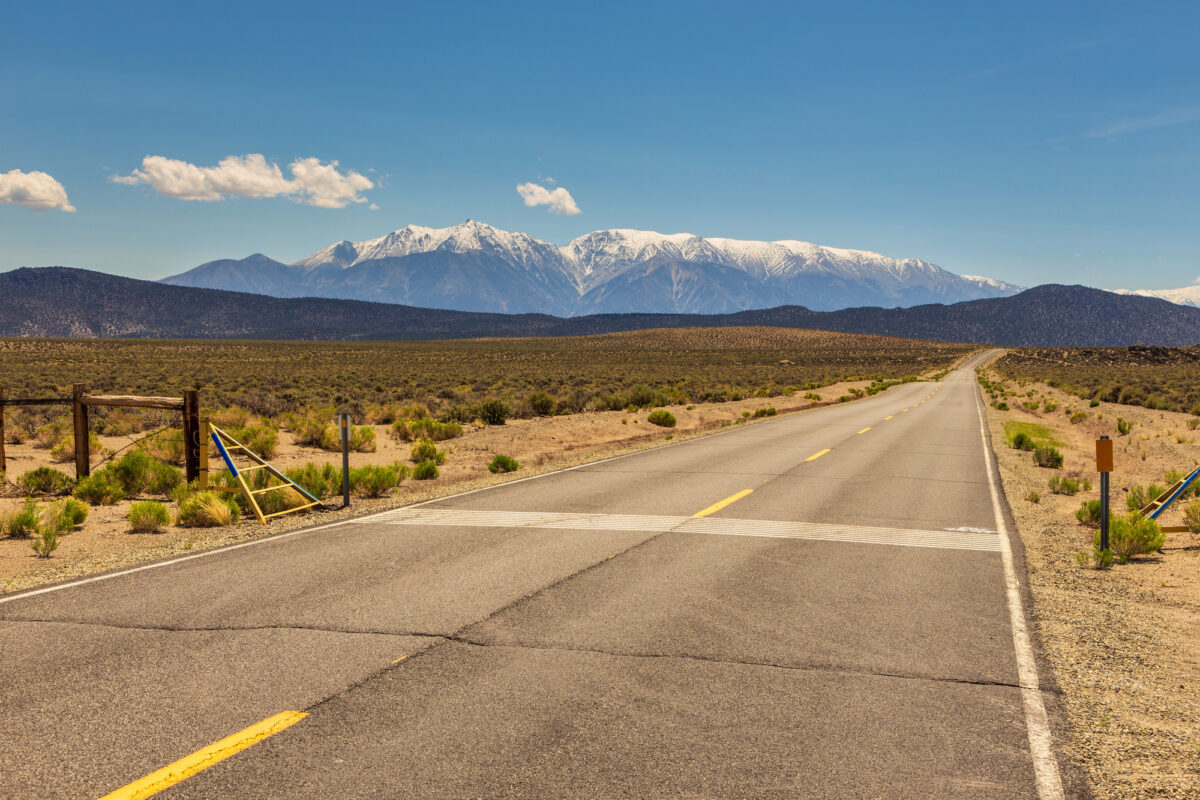
These strange attractions prove that America’s greatest treasures aren’t always found in national parks or famous landmarks. They exist in the imagination and determination of individuals who decided the world needed a giant orb of twine, a house shaped like a basket, or a colony of leprechauns in Portland.
Each attraction represents someone’s vision of what would make travelers smile, wonder, or simply pull over to take a closer look. Whether born from artistic inspiration, promotional genius, or simple eccentricity, these roadside oddities remind us that the journey can be just as memorable as the destination – especially when that journey includes a stop at something completely unexpected.
More from Go2Tutors!

- 16 Historical Figures Who Were Nothing Like You Think
- 12 Things Sold in the 80s That Are Now Illegal
- 15 VHS Tapes That Could Be Worth Thousands
- 17 Historical “What Ifs” That Would Have Changed Everything
- 18 TV Shows That Vanished Without a Finale
Like Go2Tutors’s content? Follow us on MSN.