17 Buildings That Became Famous for the Wrong Reason
Architecture typically aims to inspire awe, serve practical functions, or simply provide shelter. However, some buildings gain notoriety for reasons their architects and owners never intended. From structural failures to bizarre events, these structures have earned their place in history through unexpected circumstances.
Here is a list of 17 buildings that achieved fame—or infamy—for reasons completely different from their original purpose or design intent.
The Leaning Tower of Pisa
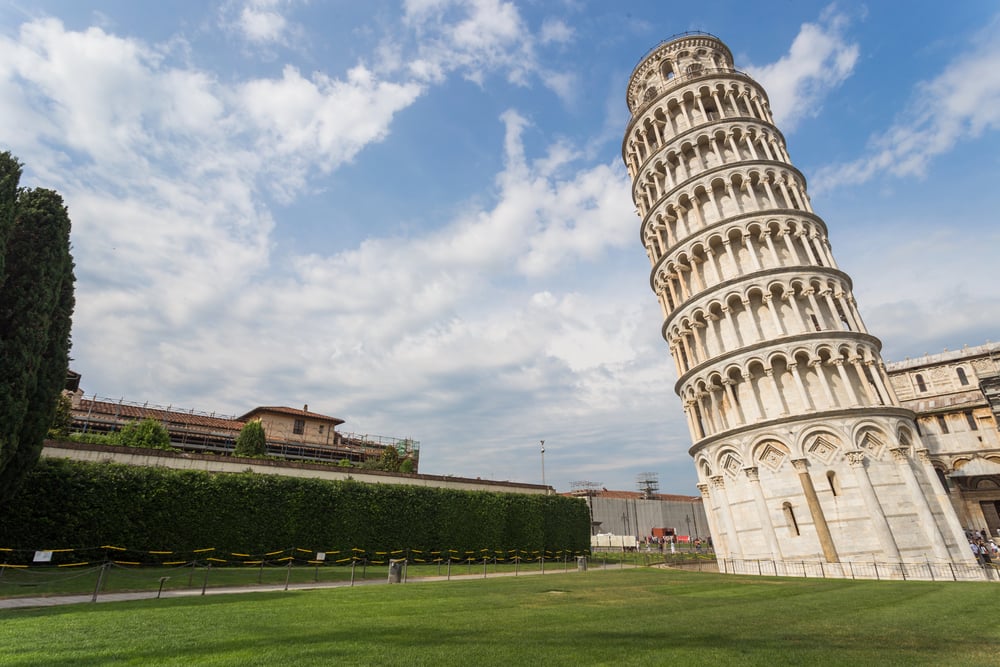
This Italian bell tower was meant to stand straight and proud as part of the city’s cathedral complex. Instead, it began tilting during construction in the 12th century due to an inadequate foundation on soft ground.
The tower’s growing tilt over centuries transformed an architectural mistake into one of the world’s most recognized landmarks, drawing millions of tourists annually who come specifically to see—and pose with—this famous structural failure.
Chernobyl’s Reactor 4

Originally designed to provide clean nuclear energy to thousands of Soviet citizens, Reactor 4 at the Chernobyl Nuclear Power Plant became infamous after the catastrophic accident in 1986. The disaster released radiation across Europe and rendered the surrounding area uninhabitable.
Today, the hastily built concrete “sarcophagus” and newer protective shelter make this building a somber monument to nuclear safety failures rather than a celebration of energy innovation.
Like Go2Tutors’s content? Follow us on MSN.
The Winchester Mystery House
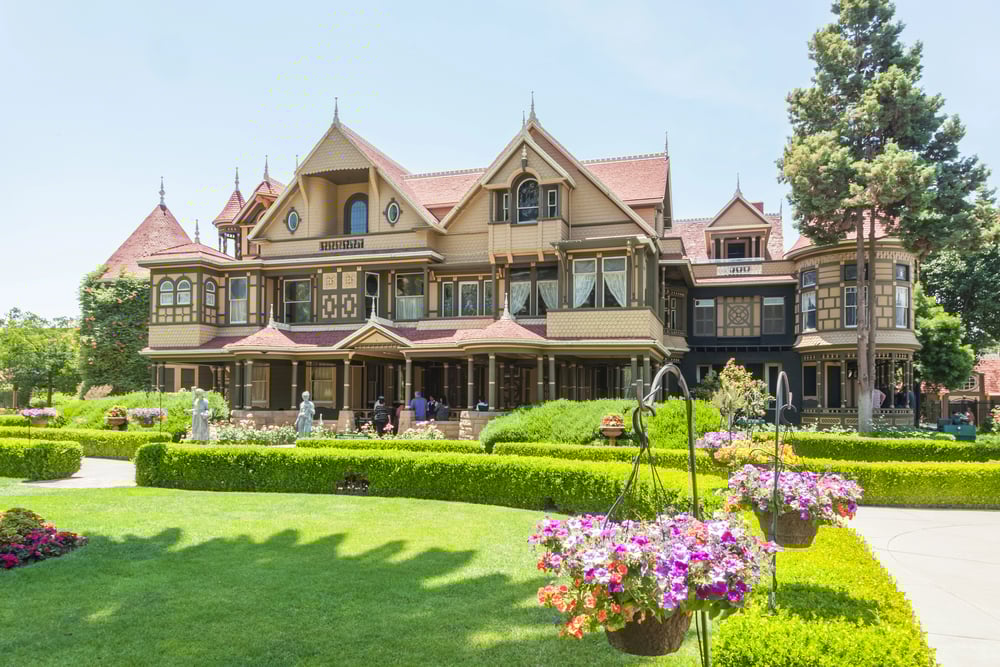
This sprawling California mansion was never intended to be a tourist attraction. Sarah Winchester, widow of the firearm magnate, reportedly built continuously for 38 years based on the belief that constant construction would appease the spirits of those killed by Winchester rifles.
The resulting 160-room mansion with staircases leading to ceilings, doors opening to walls, and other architectural oddities now draws visitors precisely because of its bizarre, seemingly nonsensical design.
Trump Taj Mahal
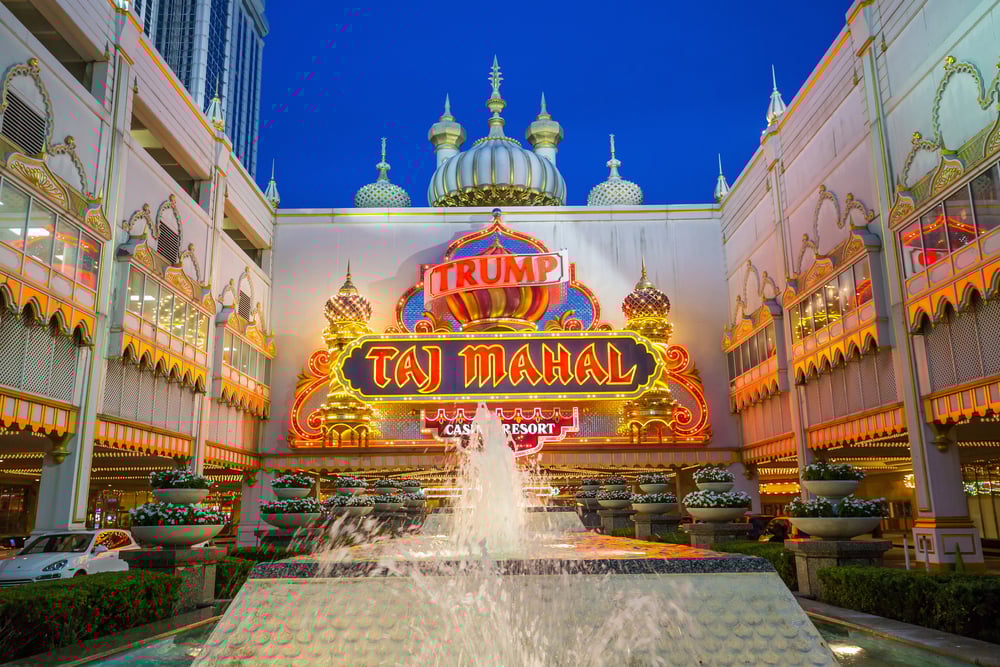
Designed to be Atlantic City’s crown jewel, this extravagant casino opened in 1990 with claims of being the eighth wonder of the world. Instead, it became famous for its financial troubles, filing for bankruptcy protection multiple times before finally closing in 2016.
Despite its grand marble facades and chandeliers, the building is now remembered more as a case study in casino business miscalculations than as an architectural achievement.
The Millennium Bridge
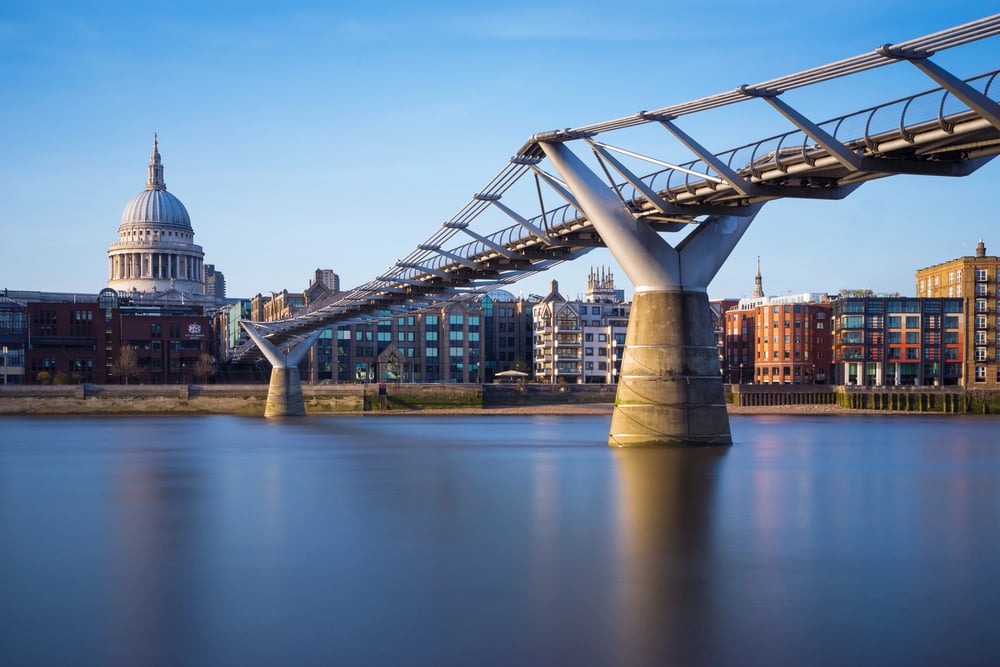
London’s sleek pedestrian bridge across the Thames earned an unwanted nickname just days after opening in 2000: ‘The Wobbly Bridge.’ Engineers had failed to account for the lateral synchronous movement caused by pedestrians walking in step.
The unexpected swaying forced an immediate closure, with the bridge remaining shut for almost two years while modifications were made. The structure became famous worldwide for this engineering oversight rather than its innovative design.
Like Go2Tutors’s content? Follow us on MSN.
Pruitt-Igoe Housing Complex

This St. Louis public housing development was celebrated at its 1954 opening as the future of urban housing. Designed by renowned architect Minoru Yamasaki, it won awards initially but quickly descended into decay and dangerous living conditions.
Its dramatic demolition in 1972—broadcast on national television—made it an enduring symbol of failed public housing policy rather than architectural innovation, and established its place in architectural history for all the wrong reasons.
The Tacoma Narrows Bridge

Nicknamed ‘Galloping Gertie,’ this Washington state suspension bridge collapsed spectacularly in 1940, just four months after opening. Strong winds created a twisting motion that ultimately tore the structure apart.
Footage of the bridge’s undulating deck before its collapse became famous worldwide and is still shown in engineering classes today as a cautionary tale about resonance effects, making it renowned for its failure rather than its innovative design.
Torre de David

This 45-story skyscraper in Caracas, Venezuela was intended to be a gleaming financial center but became famous for entirely different reasons. Left unfinished after the 1994 Venezuelan banking crisis, it was later occupied by more than 3,000 squatters who turned it into a vertical slum with improvised electricity and water systems.
The abandoned corporate tower became internationally known through documentaries and a fictional appearance in the TV show ‘Homeland’ as a symbol of economic collapse.
Like Go2Tutors’s content? Follow us on MSN.
Ryugyong Hotel

Standing 105 stories tall in Pyongyang, North Korea, this pyramid-shaped building was intended to be the world’s tallest hotel when construction began in 1987. Instead, it sat as an empty concrete shell for decades, earning the nickname ‘Hotel of Doom.’
Despite eventually receiving a glass facade, it has never opened for its intended purpose. The building has become internationally recognized as a symbol of North Korea’s economic struggles rather than its architectural ambitions.
Ponte City Apartments

This distinctive cylindrical skyscraper in Johannesburg was built in 1975 as luxury housing for South Africa’s elite. By the 1990s, however, it had transformed into a vertical slum and crime hotspot, with its hollow core allegedly filled stories high with trash.
Though renovated in recent years, Ponte City remains famous primarily for its descent into urban decay rather than its unique architectural design.
Eastern State Penitentiary

When it opened in 1829, this Philadelphia prison represented revolutionary ideas in incarceration, with a design focused on rehabilitation through reflection and isolation. Its radial floor plan influenced hundreds of prisons worldwide.
Today, however, it’s famous as a haunted attraction and Halloween destination, with its crumbling cells and peeling paint creating an atmosphere of horror rather than reform.
Like Go2Tutors’s content? Follow us on MSN.
The Hindenburg Hangar
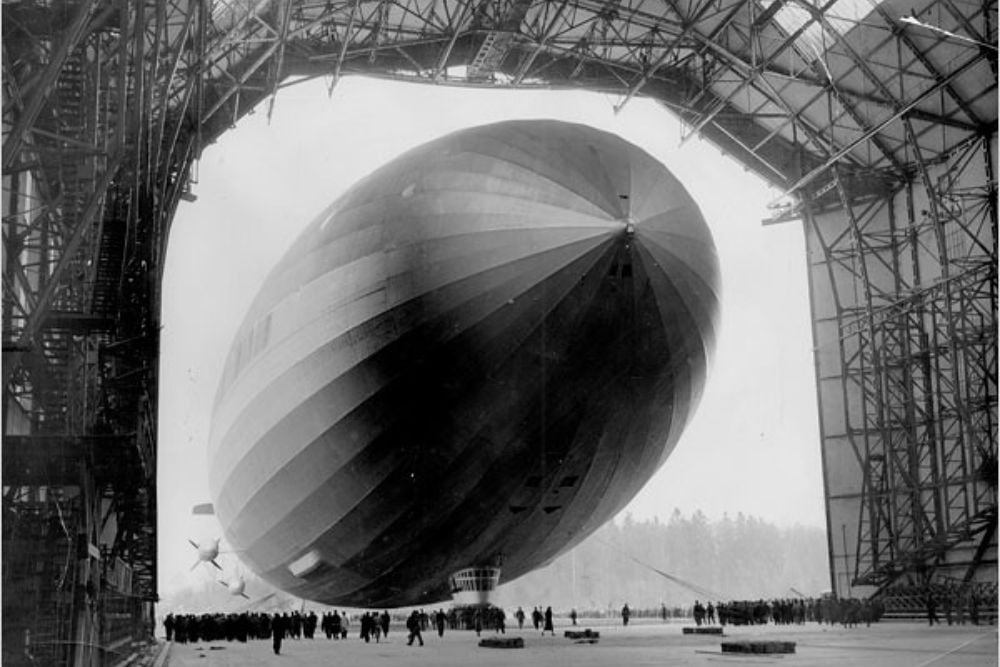
This massive structure at Naval Air Station Lakehurst in New Jersey was built to house airships, but became eternally linked to disaster after the Hindenburg exploded while attempting to dock there in 1937. The building itself survived unscathed, but the tragedy that occurred at its doorstep made it infamous, forever associated with one of history’s most dramatic transportation disasters rather than its impressive engineering.
Grenfell Tower
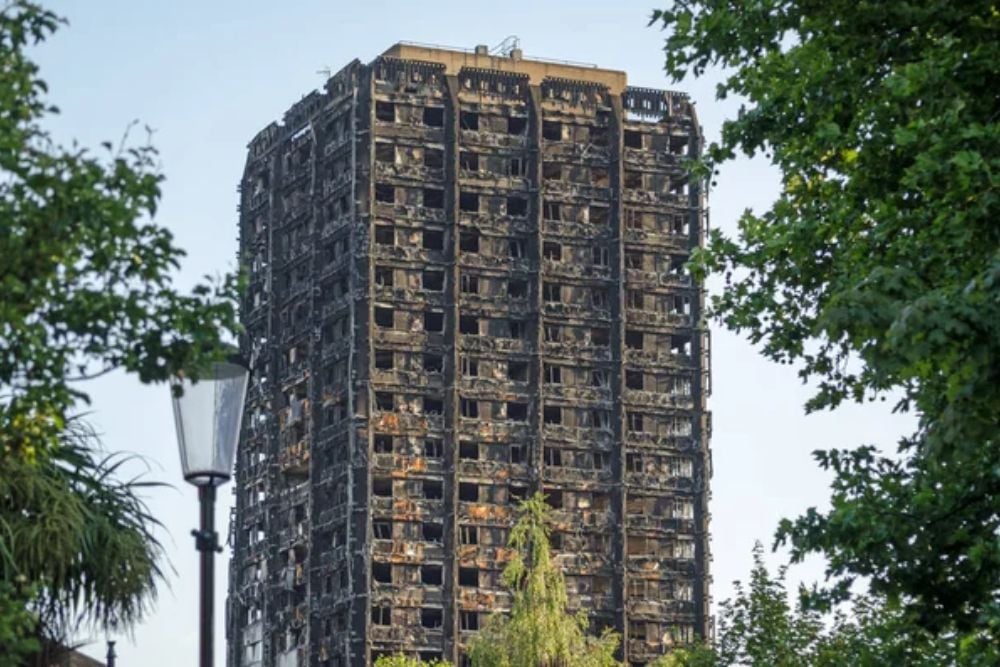
This London residential high-rise became globally known after a devastating fire in 2017 claimed 72 lives. The building’s recently added exterior cladding, intended to improve its appearance and energy efficiency, contributed to the rapid spread of the fire.
Instead of being known for providing homes to hundreds of people, Grenfell Tower became a symbol of safety regulation failures and social inequality in housing.
The Lotus Riverside
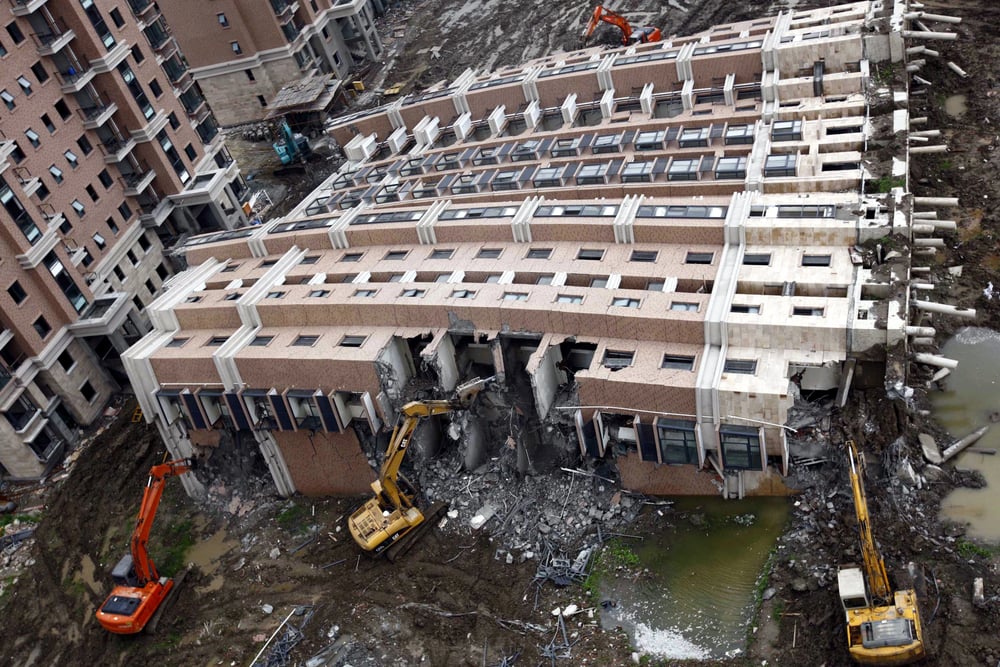
This Shanghai apartment complex gained international attention in 2009 when one of its nearly-completed 13-story buildings toppled over entirely—and remarkably remained intact as it fell. The collapse was traced to improper soil disposal that compromised the building’s foundation.
Images of the fallen building lying on its side made headlines worldwide, making the development known for construction failures rather than the riverside living it promised.
Like Go2Tutors’s content? Follow us on MSN.
The Palace of Parliament
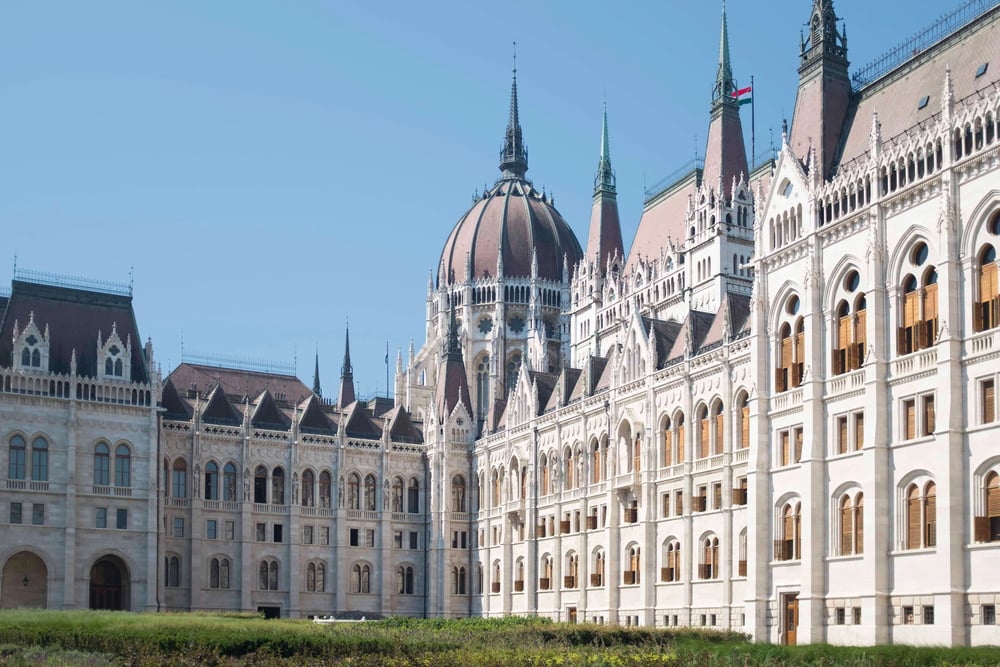
This massive building in Bucharest, Romania was conceived by dictator Nicolae Ceaușescu as a symbol of national power and achievement. Construction required demolishing much of the city’s historic district and consumed enormous resources during a time of severe hardship for Romanian citizens.
Today, it’s less famous for its impressive size (second-largest administrative building in the world) and more as a reminder of authoritarian excess and misplaced priorities.
Seattle Kingdome

This multi-purpose stadium opened in 1976 as a state-of-the-art facility but became notorious for its issues, including ceiling tiles falling onto seats before a baseball game. Its controlled implosion in 2000 was televised live, with the building achieving more fame through its spectacular demolition than it ever did during its operational life.
The footage of the massive concrete dome collapsing became one of the most-watched building demolitions in history.
Metropol Building

This five-story commercial building in Tehran gained international attention in 2022 when it suddenly collapsed, killing dozens of people. Investigations revealed years of safety warnings that had been ignored.
What was once an unremarkable commercial structure became a focal point for public anger about corruption and inadequate building safety enforcement, making it famous for tragic reasons that overshadowed its mundane original purpose.
Like Go2Tutors’s content? Follow us on MSN.
Monuments to Memory
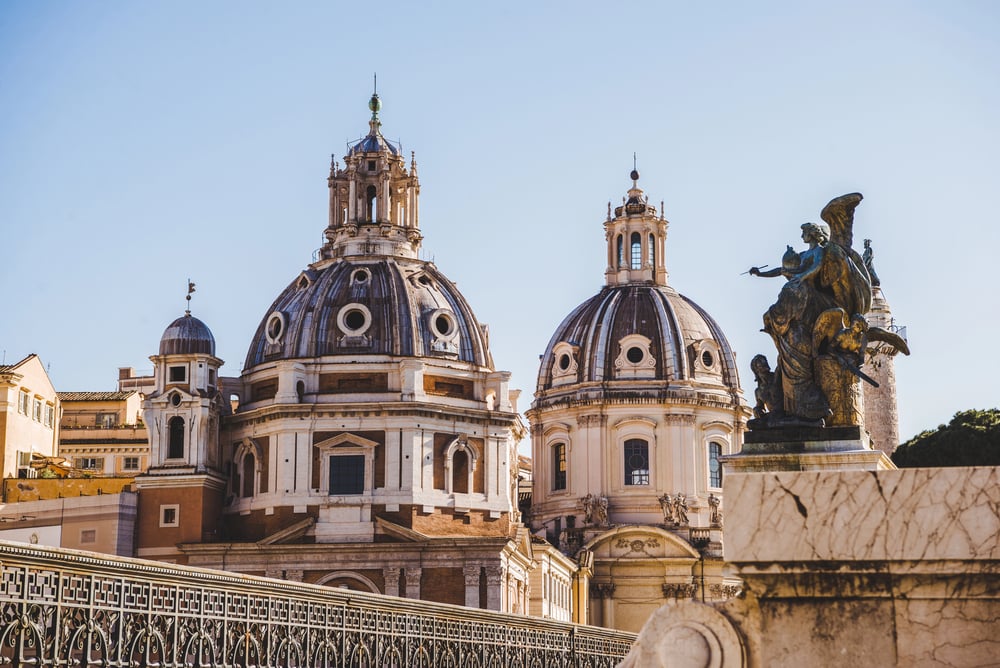
Throughout history, buildings have been judged not just by their aesthetic appeal or functional success, but by their resilience and the stories they accumulate. These 17 structures remind us that a building’s legacy often develops in unexpected ways, shaped by events, failures, and human decisions that no architect could predict.
Their stories serve as powerful reminders that our built environment, despite our best planning, remains subject to forces beyond our control—from natural disasters to social changes that transform how spaces are used and remembered.
More from Go2Tutors!

- 18 Unexpectedly Valuable Collectibles You Might Have Lying Around
- 15 Things Every Teenager in the ’70s Did That Teens Today Wouldn’t Understand
- 15 Strange Things People Have Tried to Ban (And Failed)
- 15 Inventions That Were Immediately Banned After Being Created
- 20 Actors Who Were Almost Cast in Iconic Roles
Like Go2Tutors’s content? Follow us on