16 Surprising Historical Connections That Will Blow Your Mind
History isn’t just a collection of isolated events happening in neat chronological order. It’s a web of unexpected intersections, where the most unlikely people crossed paths and seemingly unrelated events shaped each other in ways that still surprise us today. These connections reveal just how small our world has always been, even when it felt impossibly vast.
Abraham Lincoln and Charles Darwin
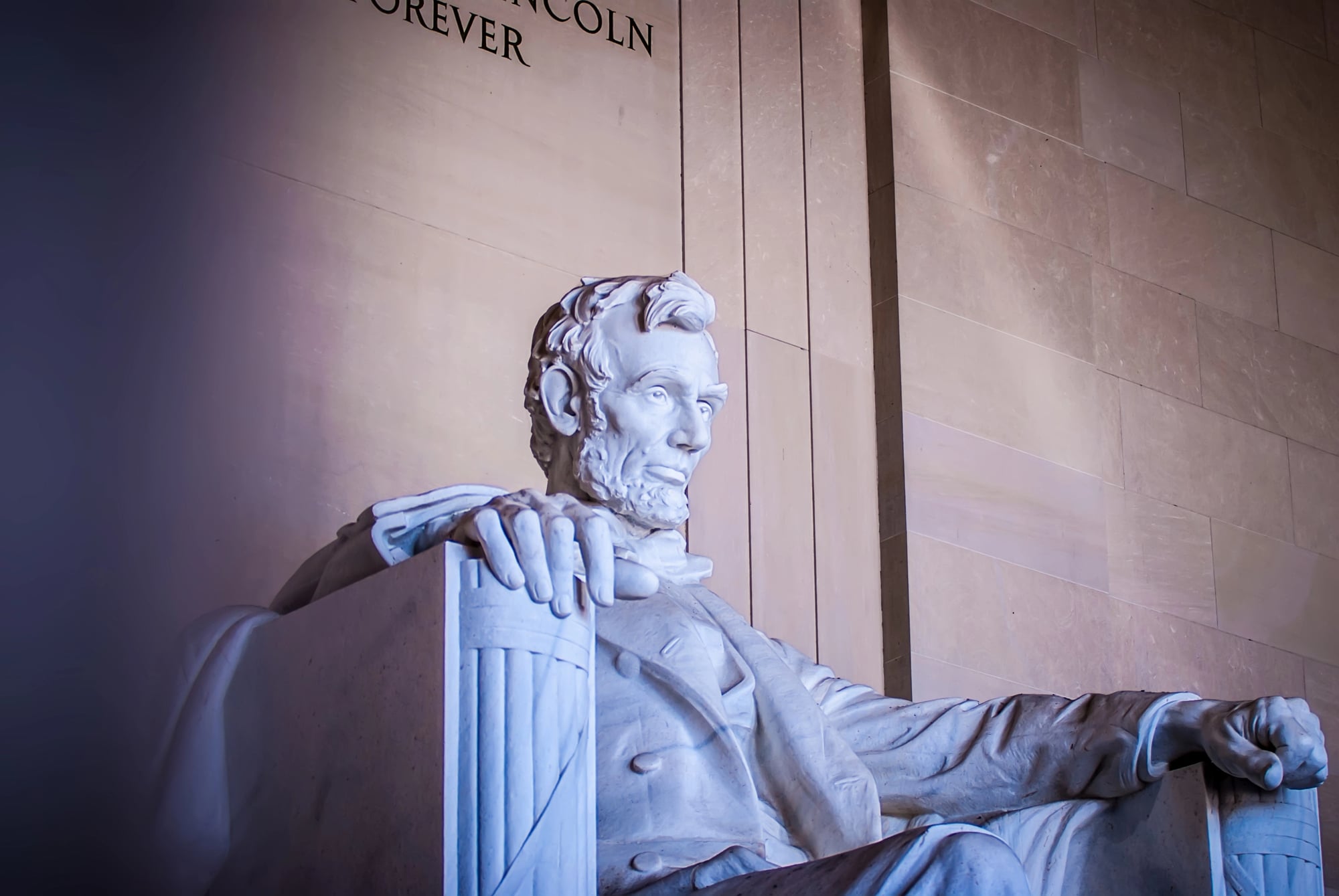
Abraham Lincoln and Charles Darwin were born on the exact same day: February 12, 1809. Both men would fundamentally challenge how humans understood themselves.
Lincoln redefined human equality while Darwin redefined humanity’s place in nature. They never met, but their ideas collided in ways neither could have predicted.
Cleopatra and the Moon Landing
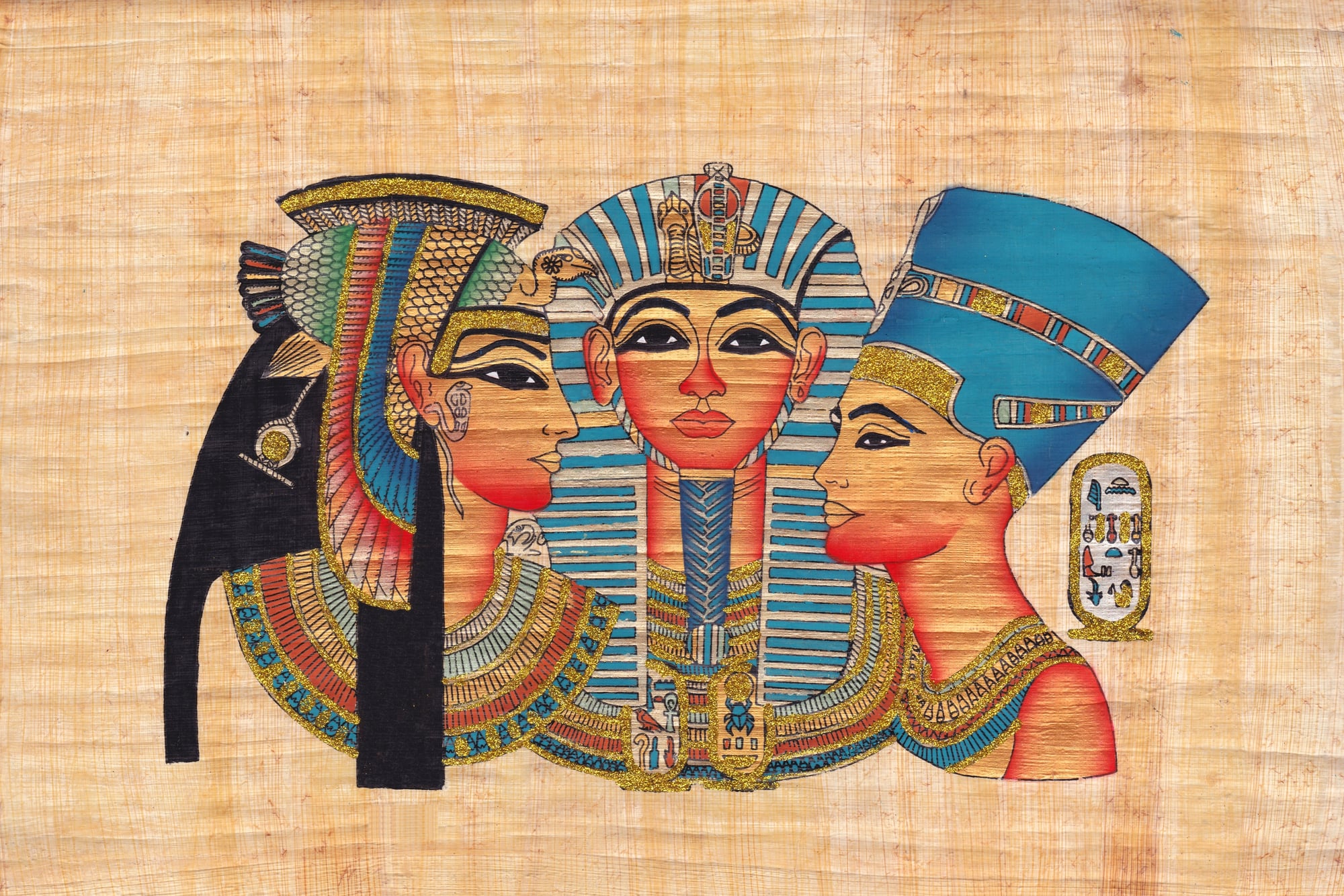
Cleopatra lived closer in time to the Apollo 11 moon landing than to the construction of the Great Pyramid of Giza. The pyramids were already ancient when she ruled Egypt.
The gap between Cleopatra’s death and the moon landing is about 2,000 years while the gap between the Great Pyramid’s construction and Cleopatra’s reign is roughly 2,500 years — well, suddenly the classical world doesn’t feel nearly as distant from our own.
So the next time ancient Egypt feels like one continuous era, remember this.
The Eiffel Tower and Buffalo Bill

Buffalo Bill Cody performed his Wild West show at the base of the Eiffel Tower in 1889, the same year the tower opened. Cowboys and Lakota performers galloped around what would become the most recognizable symbol of modern France.
The tower was still controversial then — Parisians called it an eyesore. The American frontier and French engineering innovation occupied the same moment, the same patch of ground, creating a collision of worlds that shouldn’t have made sense but somehow did.
Oxford University and the Aztec Empire

Oxford University is older than the Aztec Empire. The university started teaching students around 1096, while Tenochtitlan wasn’t founded until 1325.
European scholars were already debating philosophy and theology for over two centuries before the Aztecs built their first temples. This flips the usual narrative about Old World sophistication versus New World development.
Napoleon and Jane Austen
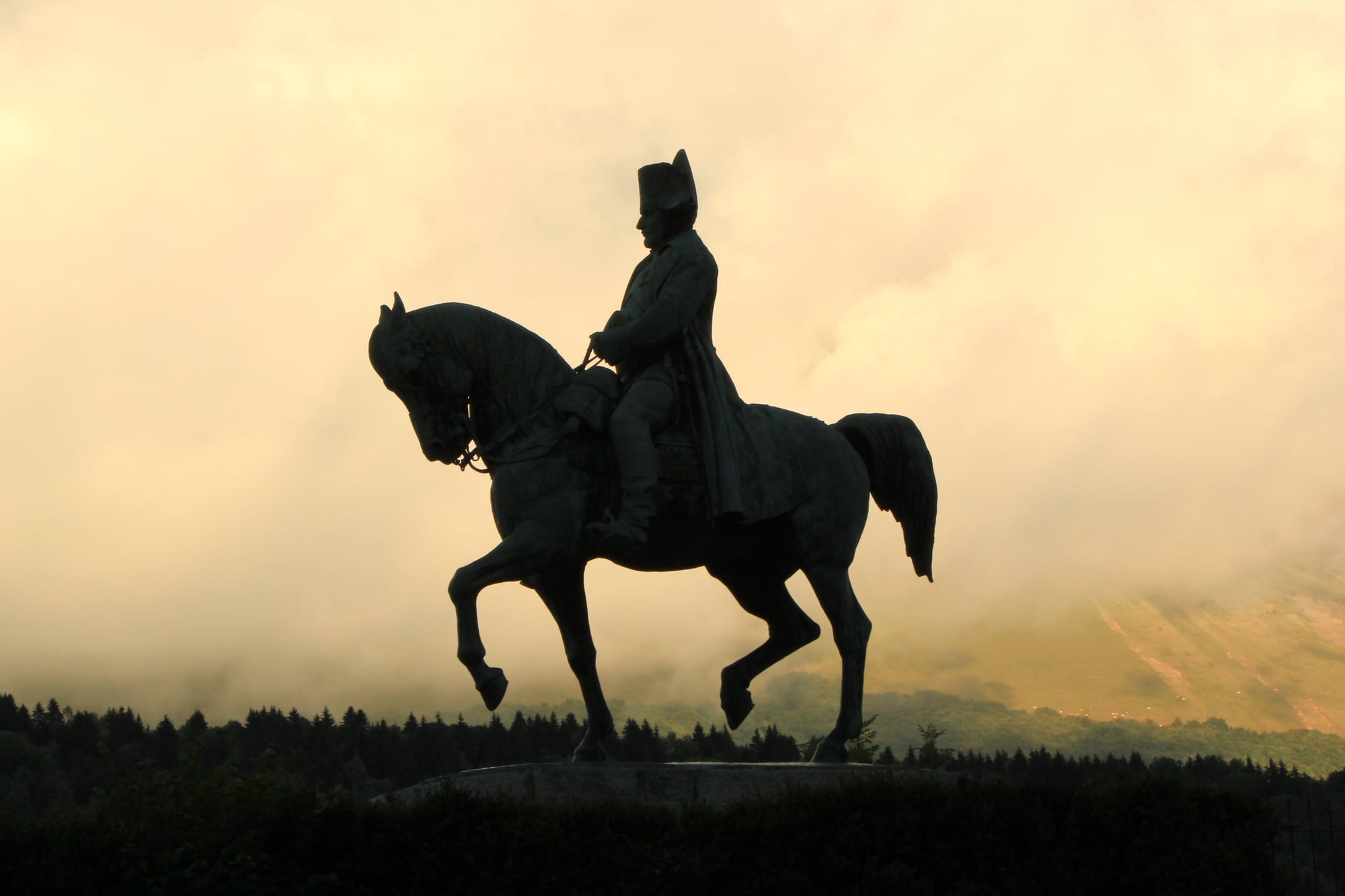
Napoleon Bonaparte and Jane Austen were exact contemporaries. They were born just six years apart, both navigating the same chaotic decades of European upheaval, both dying within a few years of each other.
While he was reshaping the political map of Europe through conquest, she was quietly documenting the social tensions that his wars created back in England — the anxiety about money, the disrupted marriage markets, the officers who kept appearing and disappearing from country estates.
Her novels are basically the domestic footnotes to his campaigns. And yet most people think of them as belonging to completely different worlds: one to grand history, the other to drawing room fiction.
The Great Wall of China and Shakespeare’s Plays
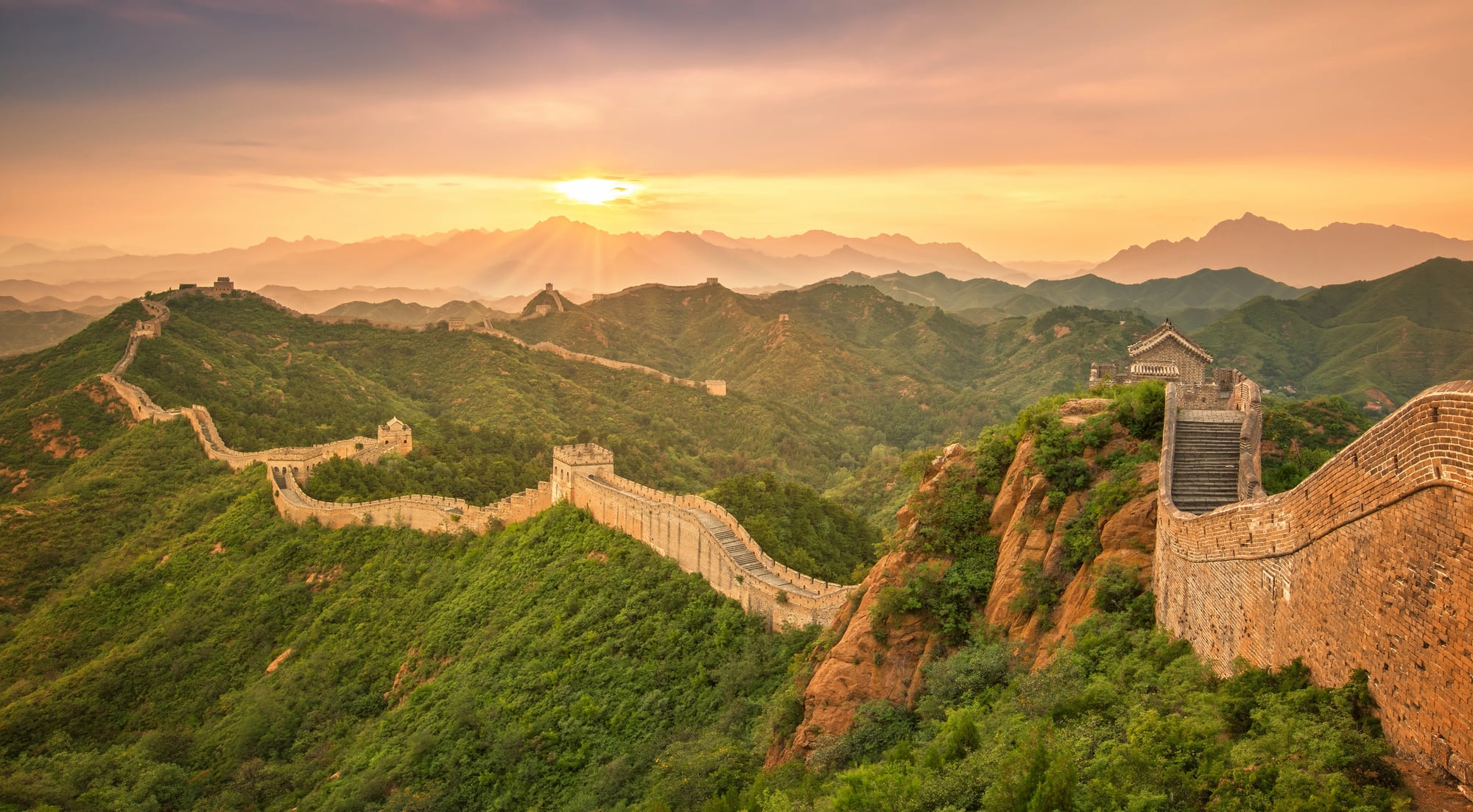
The Great Wall of China was already over a thousand years old when Shakespeare wrote his first play. The Ming Dynasty had been reinforcing and rebuilding sections of the wall since the 14th century, but the original construction began around the 7th century BC.
Shakespeare didn’t write “Romeo and Juliet” until 1597. Ancient Chinese engineers were solving massive logistical problems while English drama was still centuries away from existing.
Harvard University and Calculus
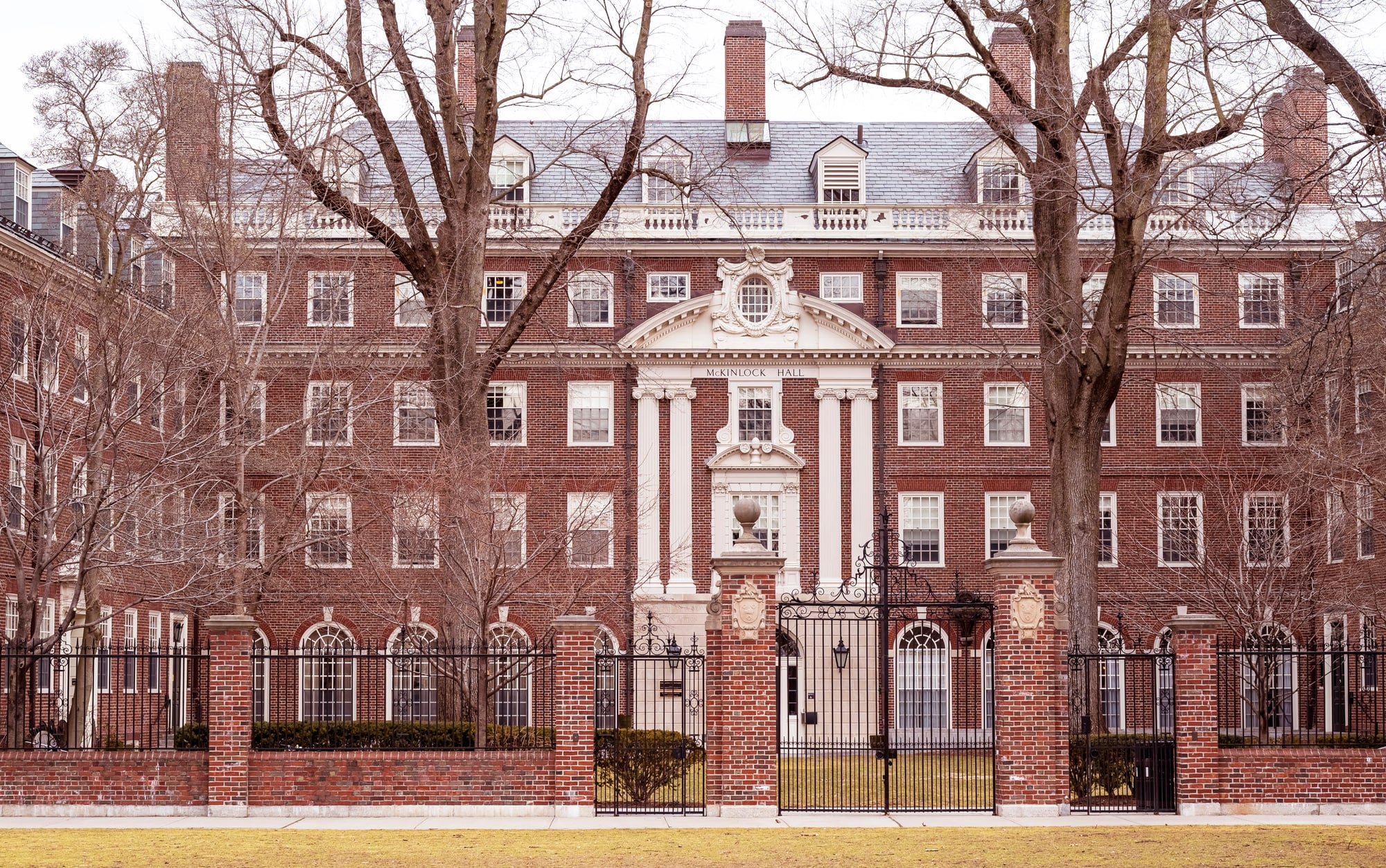
Harvard University was founded in 1636, but calculus wasn’t invented until the 1660s by Newton and Leibniz. Students at America’s oldest university spent their first 30 years learning mathematics that would soon become obsolete.
They studied geometry and basic algebra while the mathematical tools that would define modern science were still waiting to be discovered just down the road, historically speaking.
The Printing Press and Christopher Columbus
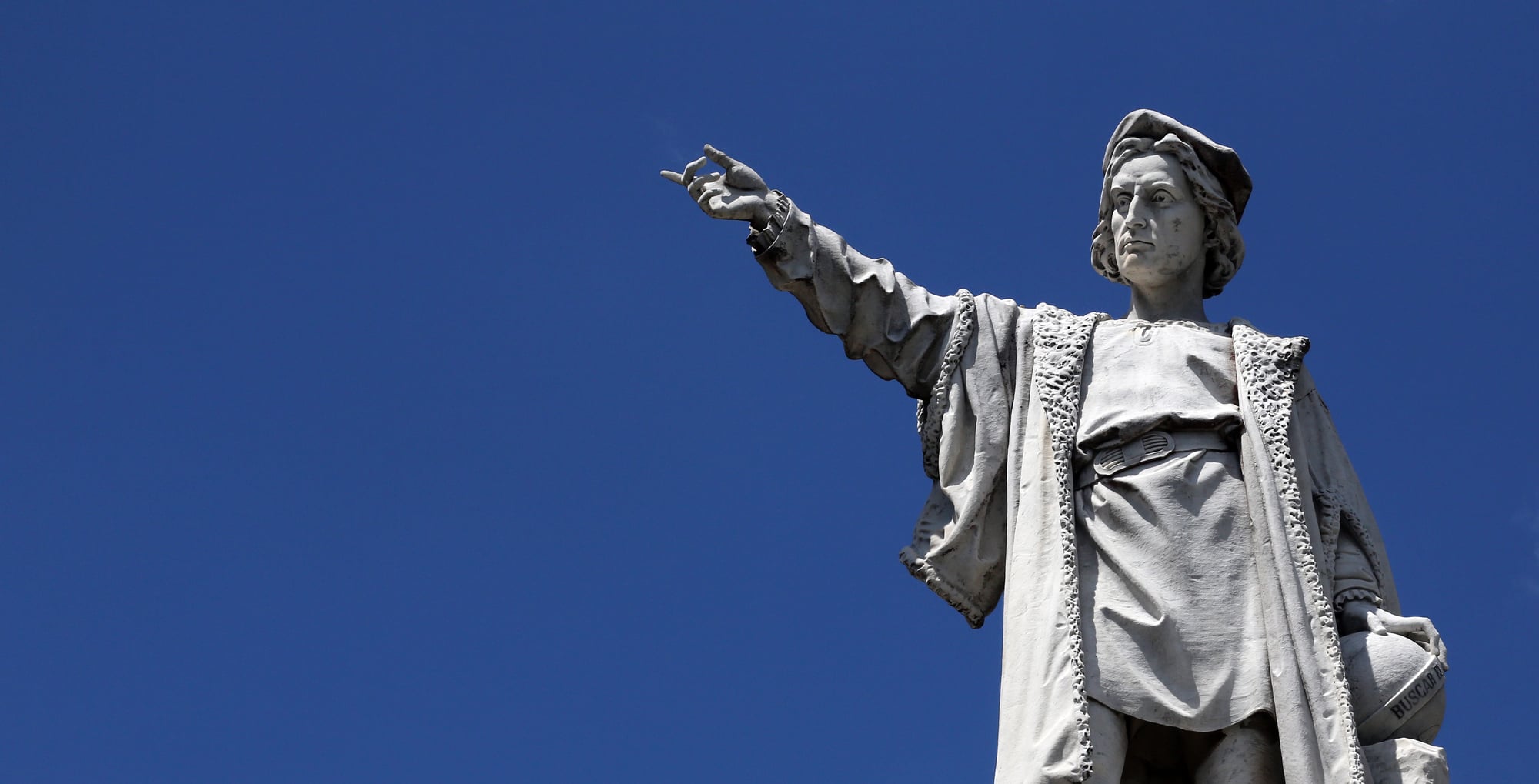
Gutenberg’s printing press was perfected around 1440, just 52 years before Columbus reached the Americas in 1492. The technology that would spread news of the New World existed for barely half a century before there was New World news to spread.
Without the printing press, Columbus’s voyage might have remained as obscure as dozens of other maritime expeditions that were forgotten because they couldn’t be mass-communicated.
Jack the Ripper and Van Gogh

Jack the Ripper terrorized London during the exact same months that Vincent van Gogh painted some of his most famous works in 1888. While van Gogh was creating “Sunflowers” in France, newspapers across Europe were reporting on the Whitechapel murders.
Both became legendary figures from the same historical moment — one for beauty, one for horror. Neither achieved fame during their lifetime.
The Last Samurai and Baseball

The last samurai died just as baseball was being invented. Saigō Takamori led the final samurai rebellion in Japan in 1877, the same decade that baseball rules were being standardized in the United States.
Ancient honor codes and modern sports were trading places in history. Japan would later become obsessed with baseball while America romanticized the samurai.
Beethoven and Napoleon’s Downfall
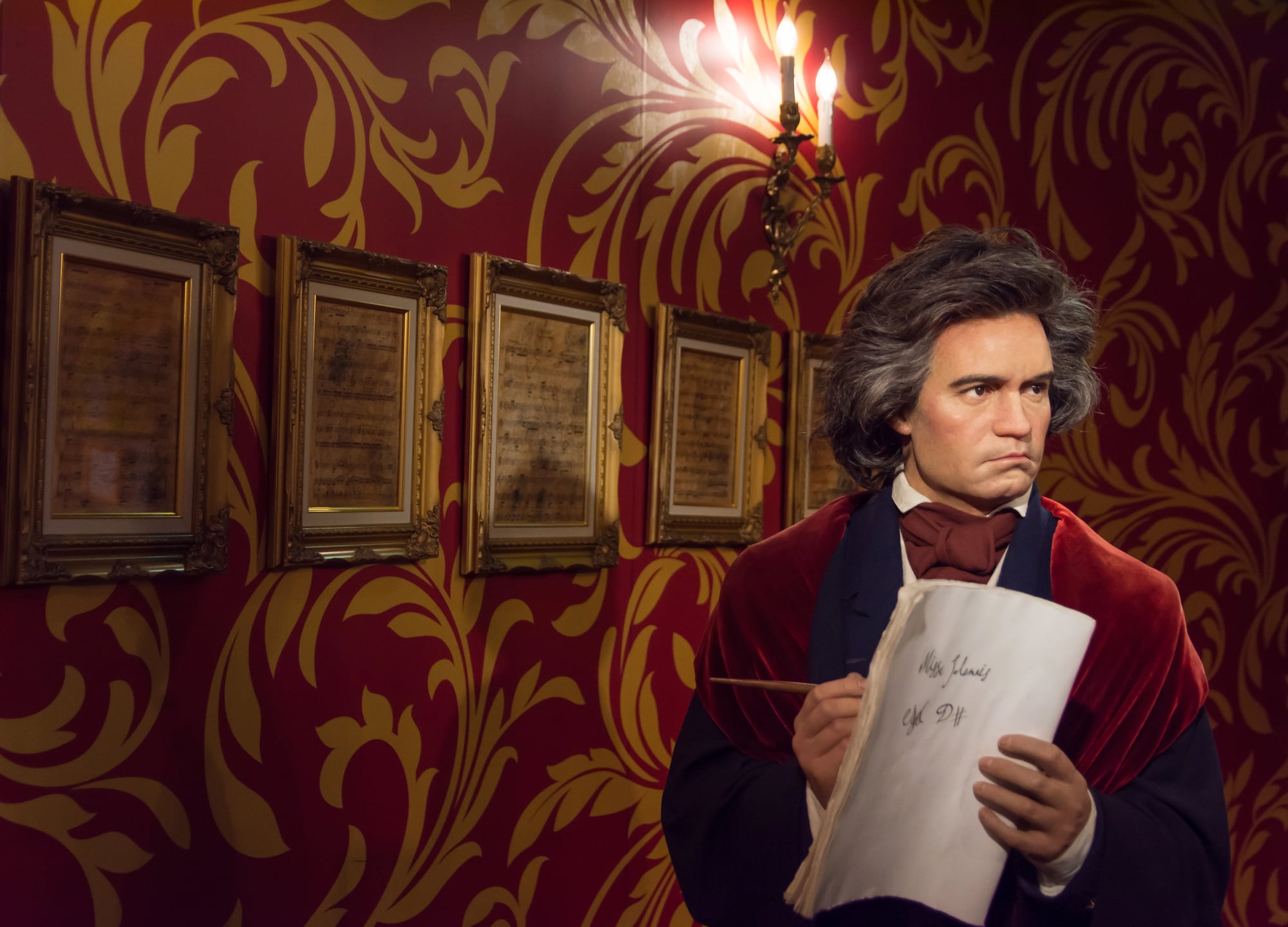
Beethoven originally dedicated his Third Symphony to Napoleon, then angrily scratched out the dedication when Napoleon crowned himself Emperor. The composer died in 1827, just six years after Napoleon’s death on St. Helena.
Both men spent their final years dealing with the gap between their revolutionary ideals and the messy reality of what revolution actually produces. Beethoven kept composing while going deaf; Napoleon kept strategizing while in exile.
The Statue of Liberty and the Telephone
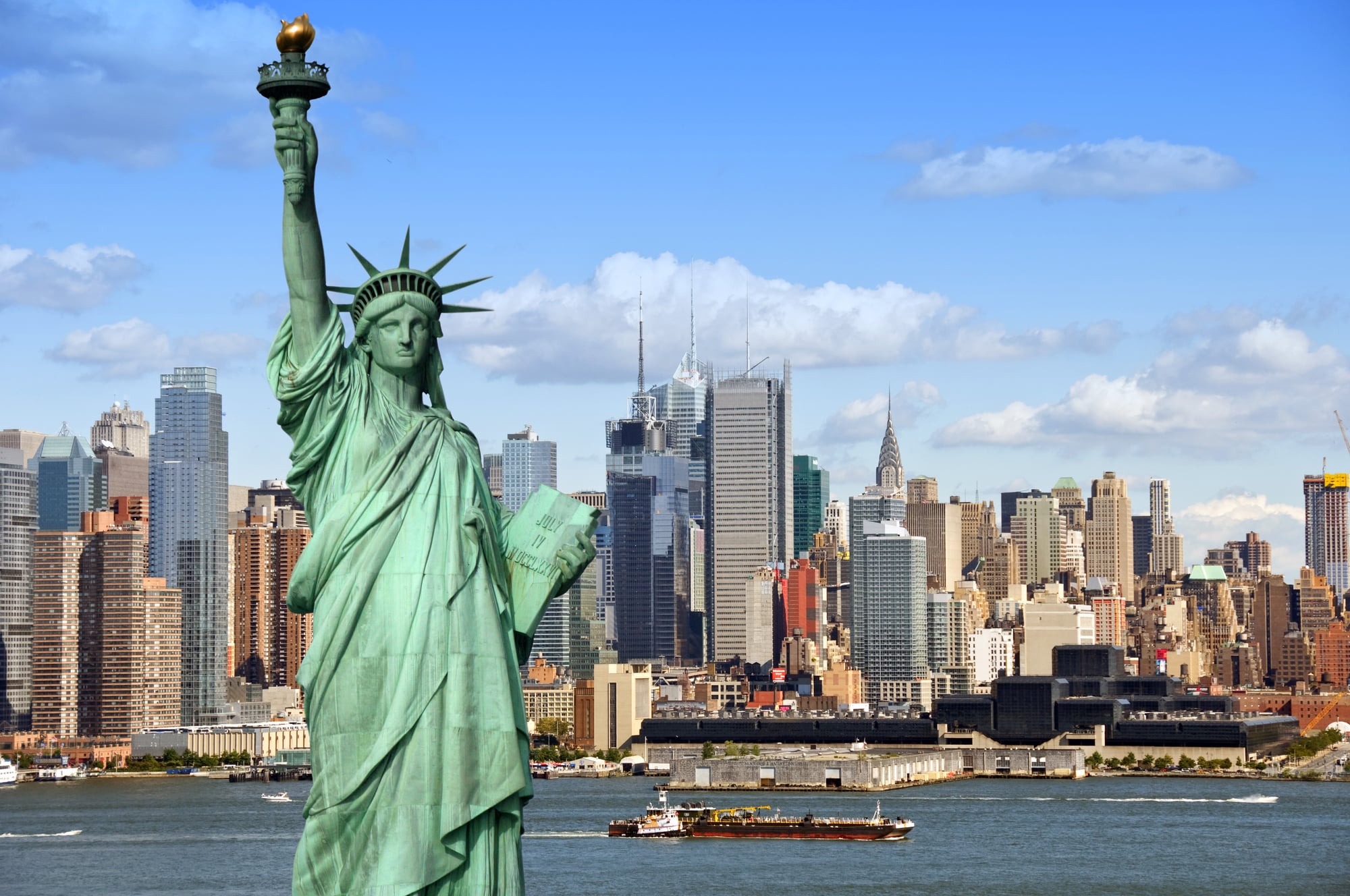
The Statue of Liberty was dedicated in 1886, just 10 years after Alexander Graham Bell patented the telephone in 1876. America was receiving a symbol of enlightenment and old-world craftsmanship at the exact moment it was developing the technology that would define modern communication.
French artisans were hammering copper sheets while American inventors were stringing wires. Both were creating connections, just different kinds.
Annie Oakley and the Wright Brothers
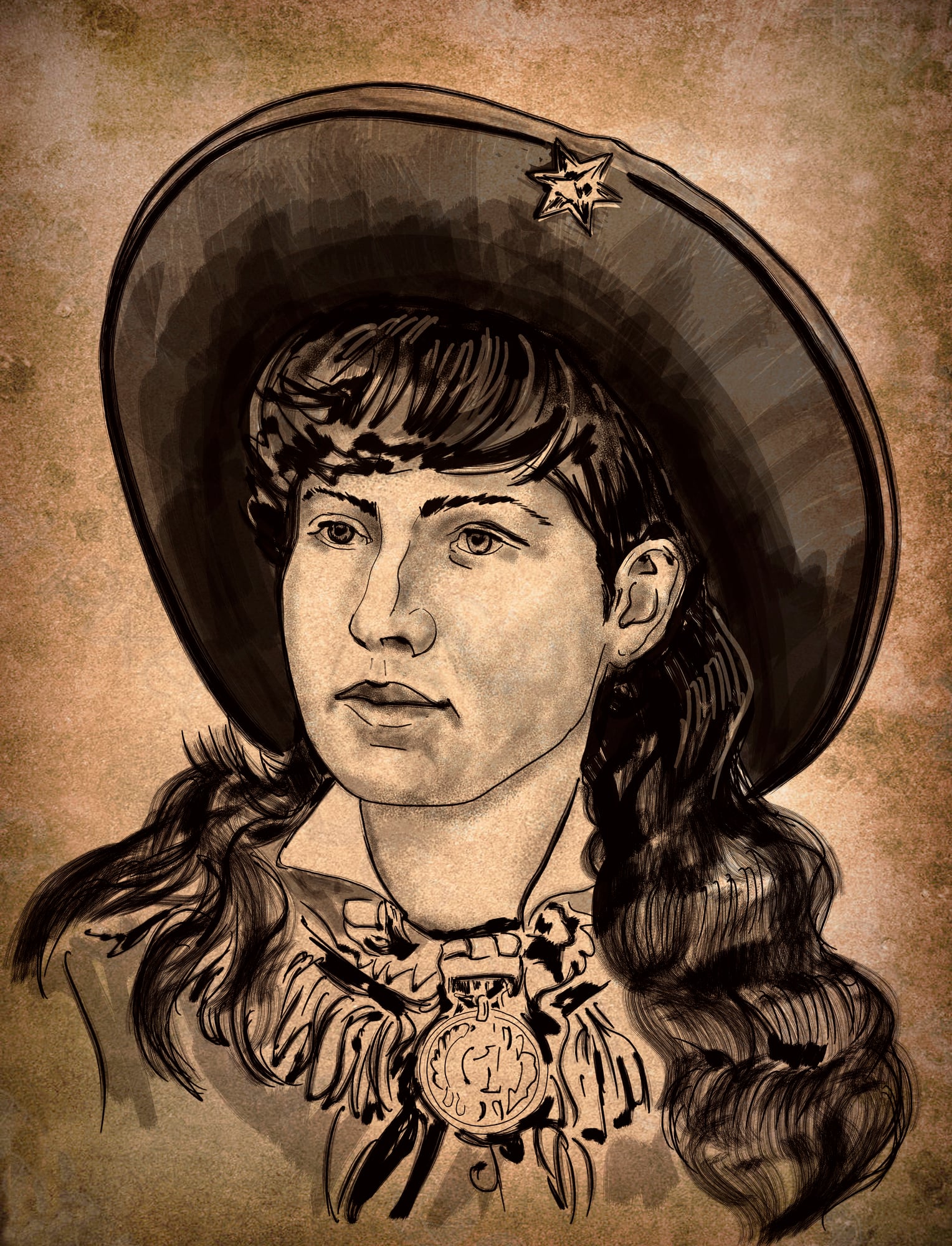
Annie Oakley was performing sharpshooting tricks in Buffalo Bill’s Wild West show during the same years the Wright brothers were figuring out how to fly. Her last performance was in 1924, just 21 years after their first flight at Kitty Hawk.
The American frontier and the age of aviation overlapped by decades, not centuries.
The Titanic and Abstract Art
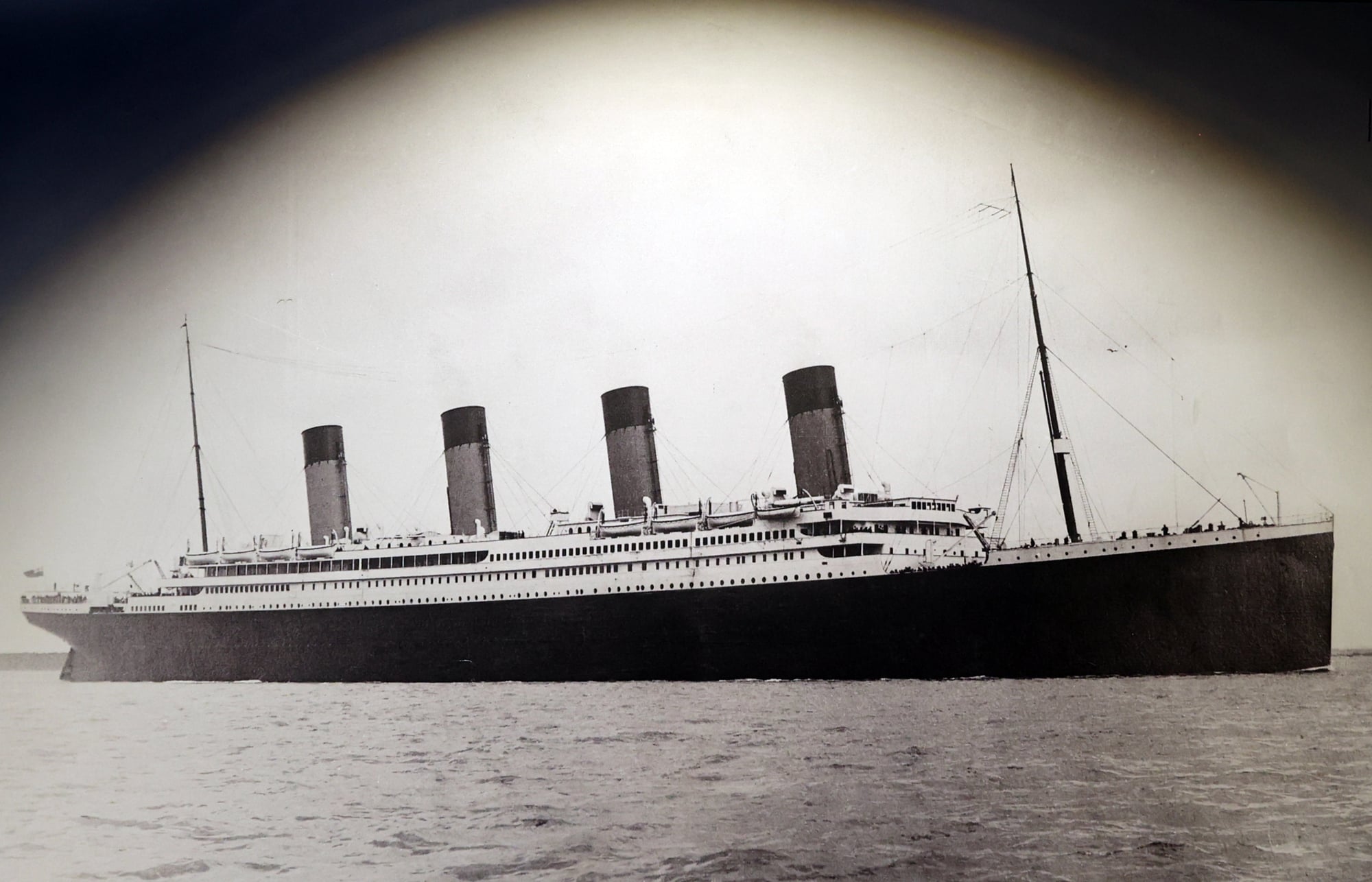
The Titanic sank in 1912, the same year Kandinsky painted his first purely abstract works and Picasso was developing Cubism. While the “unsinkable” ship represented humanity’s confidence in industrial progress, modern art was abandoning realistic representation altogether.
Both were breaking with tradition — one catastrophically, one deliberately. The faith in technology and the rejection of familiar forms were happening simultaneously.
The Pony Express and the Transcontinental Railroad

The Pony Express lasted only 18 months, from 1860 to 1861, before the transcontinental telegraph made it obsolete. The riders who risked their lives carrying mail across the frontier were already outdated technology before most people had heard of them.
Their entire legendary status comes from a year and a half of operations. Meanwhile, the First Transcontinental Railroad was completed in 1869, just eight years later, making cross-country travel a matter of days instead of months.
Al Capone and Gandhi

Al Capone was running Chicago’s underworld during the exact same years Gandhi was leading India’s independence movement through nonviolent resistance. Both men were challenging authority — one through crime, one through principled disobedience.
Capone was imprisoned beginning in 1934; Gandhi was frequently jailed throughout the same decade. History was simultaneously producing its most famous criminal and its most famous advocate for peaceful resistance. Both understood power, just from opposite directions.
When Everything Connects

These connections remind us that history isn’t a series of separate stories happening in isolation. Every era contains multitudes — contradictions and parallels that only become visible when viewed from a distance.
The world has always been stranger and more interconnected than it appears from inside any single moment.
More from Go2Tutors!

- The Romanov Crown Jewels and Their Tragic Fate
- 13 Historical Mysteries That Science Still Can’t Solve
- Famous Hoaxes That Fooled the World for Years
- 15 Child Stars with Tragic Adult Lives
- 16 Famous Jewelry Pieces in History
Like Go2Tutors’s content? Follow us on MSN.