16 Swamps With Secrets Beneath the Surface
Swamps captivate our imagination as mysterious places where water meets land in a blurry embrace. These wetland wonders aren’t simply murky waters with moss-draped trees—they function as living museums containing fascinating histories, surprising ecological value, and numerous secrets lurking just beneath their placid surfaces.
Here is a list of 16 remarkable swamps from around the world, each concealing something extraordinary beneath the water.
The Okefenokee
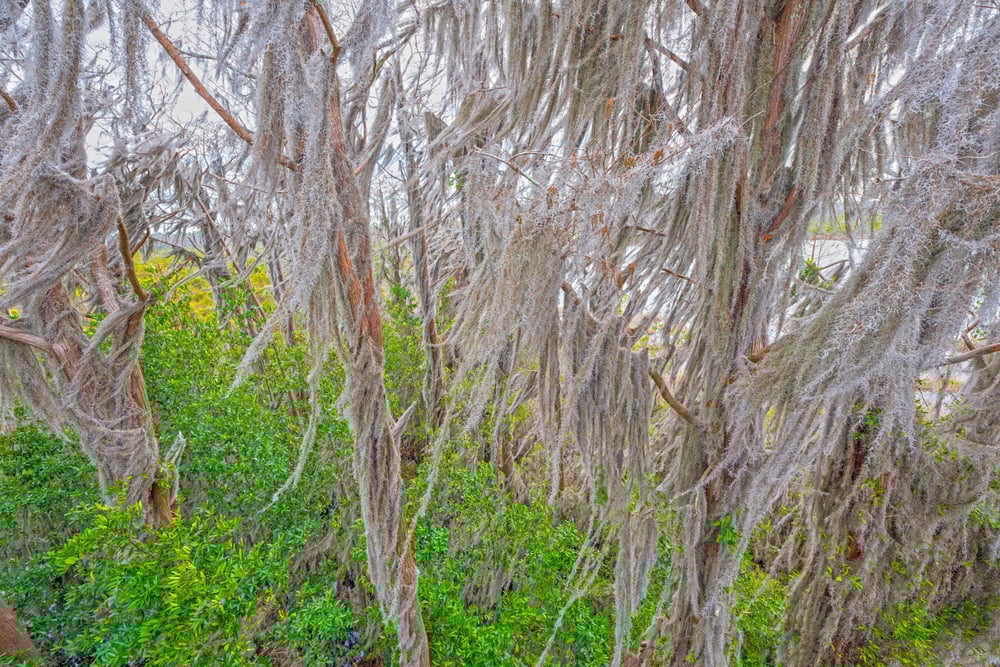
This massive blackwater swamp stretching across the Georgia-Florida border contains far more than just alligators and cypress trees. Its dark waters conceal preserved ancient Native American artifacts dating back thousands of years. Wooden tools that would’ve rotted away in nearly any other environment continue to emerge from the peat—perfectly intact despite their age.
The Great Dismal Swamp

Spanning Virginia and North Carolina, this swamp once provided sanctuary for escaped enslaved people who established hidden communities—known as ‘maroons’—from the 1600s through the Civil War. Recent archaeological digs have unearthed evidence of these settlements: household items, structural remains, and other artifacts telling powerful stories of resistance. The seemingly impenetrable terrain offered natural protection against slave catchers and their tracking hounds.
Like Go2Tutors’s content? Follow us on MSN.
Everglades National Park
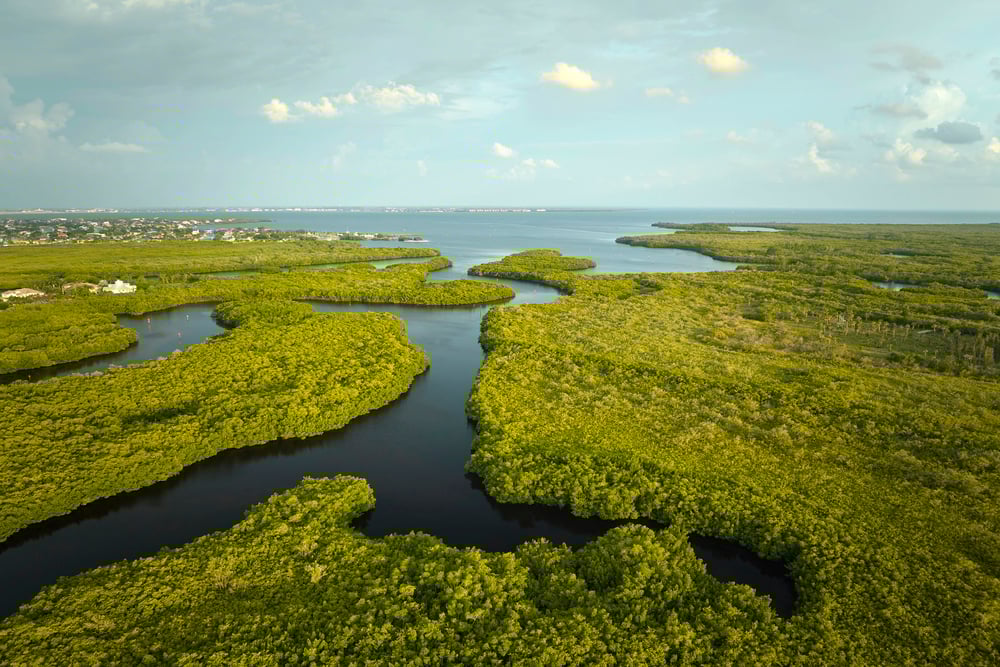
Florida’s renowned ‘River of Grass’ hides a massive underground freshwater aquifer that supplies drinking water to millions of Floridians. This vast limestone reservoir naturally filters water through layers of peat and bedrock—creating one of nature’s most efficient purification systems. The park’s famous alligator holes—depressions dug by these reptiles during dry periods—serve as crucial lifelines for countless other species when water becomes scarce.
The Sundarbans

The world’s largest mangrove forest—stretching across India and Bangladesh—conceals evidence of ancient human settlements now completely submerged. Rising sea levels have gradually claimed numerous villages throughout the centuries. Local fishermen occasionally find their nets snagging pieces of pottery and household items from these lost communities—tangible glimpses into lives that existed before the waters rose.
Cambalache Swamp

This Puerto Rican wetland conceals a network of underground rivers and caves formed by its unique karst limestone terrain. Explorers mapping these subterranean waterways have discovered new species of blind cave fish and crustaceans—creatures perfectly adapted to life in perpetual darkness. Many passages remain unexplored, though, potentially harboring undiscovered species and spectacular geological formations.
Like Go2Tutors’s content? Follow us on MSN.
Vasyugan Swamp

Spanning over 20,000 square miles in Siberia, this remote wetland contains some of the world’s largest peat deposits—preserving a perfect climate record dating back thousands of years. Scientists study these layers much like reading pages in an ancient book, revealing detailed information about historical temperatures, plant communities, and atmospheric conditions. The swamp also sequesters enormous amounts of carbon dioxide—a crucial function in slowing climate change.
Okavango Delta
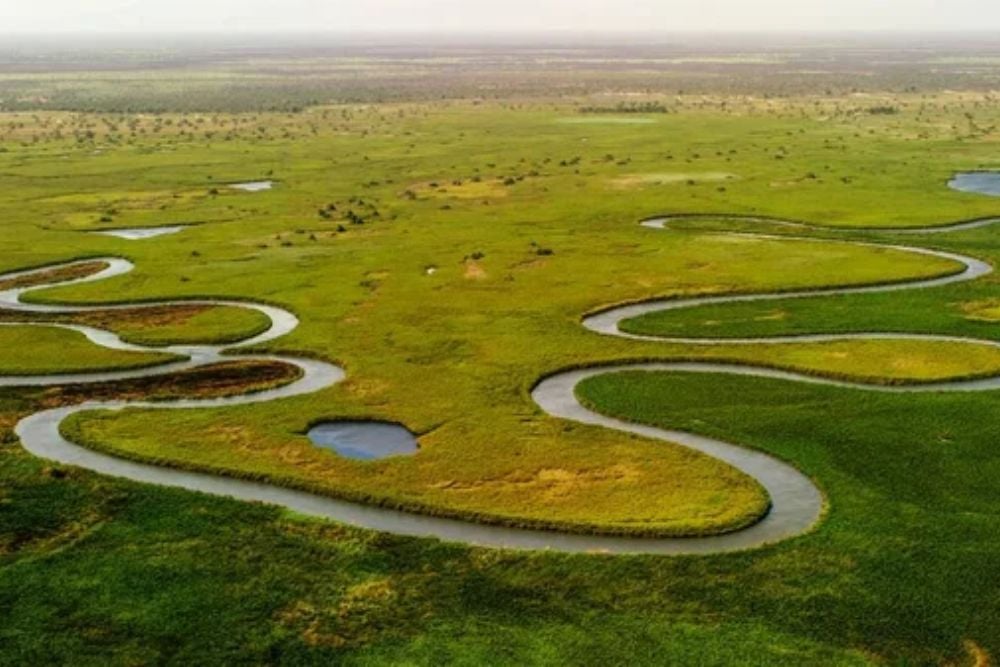
This inland delta in Botswana isn’t technically a swamp, yet its seasonal flooding creates vast wetlands hiding complex networks of underwater channels that shift annually. These submerged pathways function as migration routes for numerous fish species and other aquatic life. During drier periods, elephants maintain these channels by walking identical paths year after year—essentially becoming nature’s engineers.
Atchafalaya Basin

America’s largest river swamp contains submerged cypress forests creating an underwater labyrinth where catfish grow to tremendous sizes. Local fishing tales describe ‘grandaddy’ catfish weighing over 100 pounds hiding among this sunken timber. The basin’s waters also conceal remnants of 19th-century steamboats—vessels that sank while attempting to navigate its challenging channels and hidden obstacles.
Like Go2Tutors’s content? Follow us on MSN.
The Black Swamp
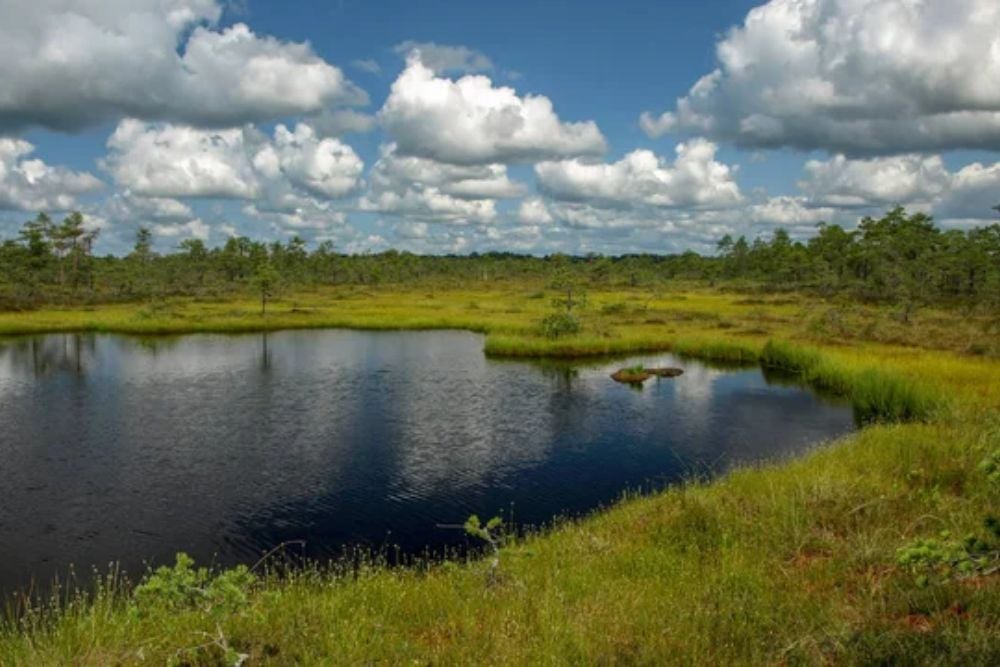
Once covering much of northwest Ohio, this mostly-drained wetland hides some of North America’s richest soil—created through centuries of decomposing plant matter. Farmers cultivating this reclaimed land consistently produce exceptional crop yields. Archaeological evidence suggests Native Americans harvested wild rice and various aquatic plants here for thousands of years before European settlement transformed the landscape.
Pantanal

South America’s enormous wetland ecosystem conceals vast mineral deposits creating natural salt licks that attract wildlife from considerable distances. These mineral-rich areas beneath the surface water draw everything from capybaras to jaguars—forming natural gathering spots in the midst of the swamp. During dry seasons, these areas become exposed, revealing perfectly preserved animal tracks that document countless predator-prey interactions.
Congo Swamps
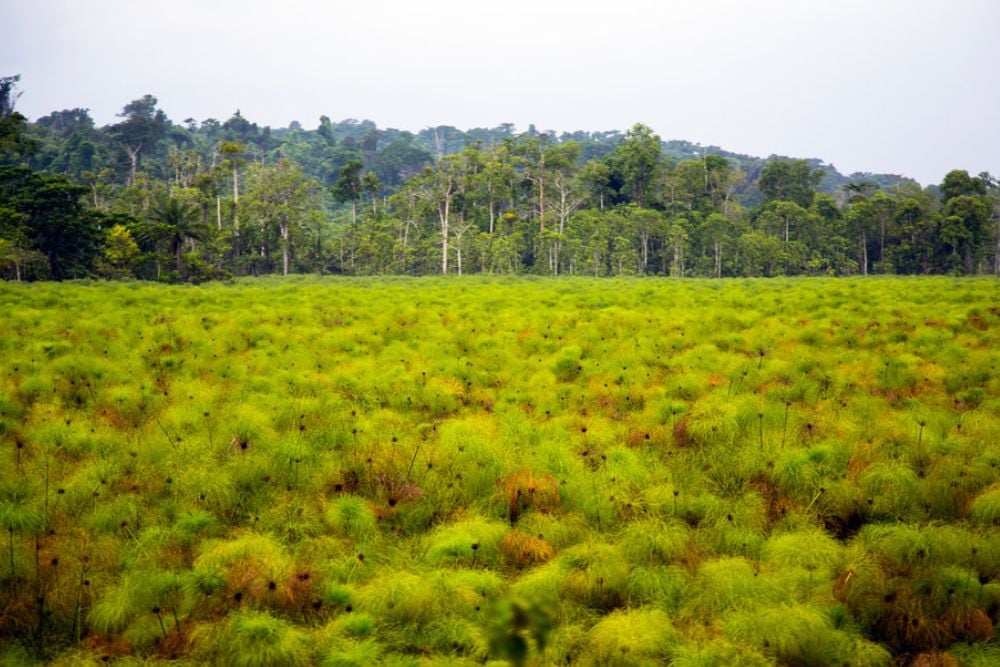
Central Africa’s vast peatlands hide an underwater graveyard of ancient forest remains perfectly preserved in oxygen-poor conditions. Logs recovered from these depths have been carbon-dated to over 10,000 years old, providing invaluable climate data. The swamp’s acidic waters create natural preservative conditions, essentially mummifying organic matter that falls into the depths.
Like Go2Tutors’s content? Follow us on MSN.
Ratargul Swamp Forest
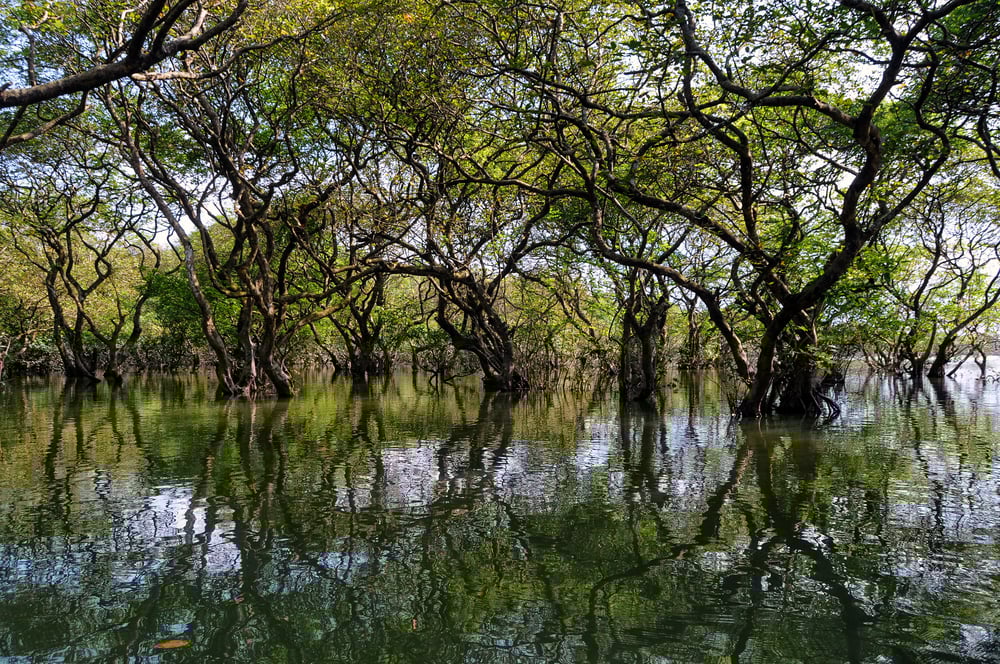
The intricate root system of this freshwater swamp in Bangladesh serves as an advanced water filtration system. Because of its remarkable purity, local populations have been using this naturally filtered water for decades. Only the topmost parts of the trees are visible above the water during the monsoon season, giving the impression that the entire forest is floating on water, producing an unearthly scene.
Cache River Wetlands

Illinois’ cypress swamp contains thousand-year-old trees growing from a submerged ancient river channel. Divers exploring these waters have documented trees with underwater root systems that have adapted remarkably well to permanent flooding conditions. Some of these ancient cypress trees were already growing when the Vikings first reached North American shores.
Kopački Rit

Medieval buildings from villages that were abandoned during Ottoman invasions in the sixteenth century are submerged in this Croatian marsh. During particularly dry years, well constructions and stone foundations become exposed. Church bells are occasionally heard ringing from beneath the waves, according to local mythology; however, scientific explanations indicate that this is most likely caused by trapped air escaping from decaying vegetation.
Like Go2Tutors’s content? Follow us on MSN.
The Cork Oak Swamps
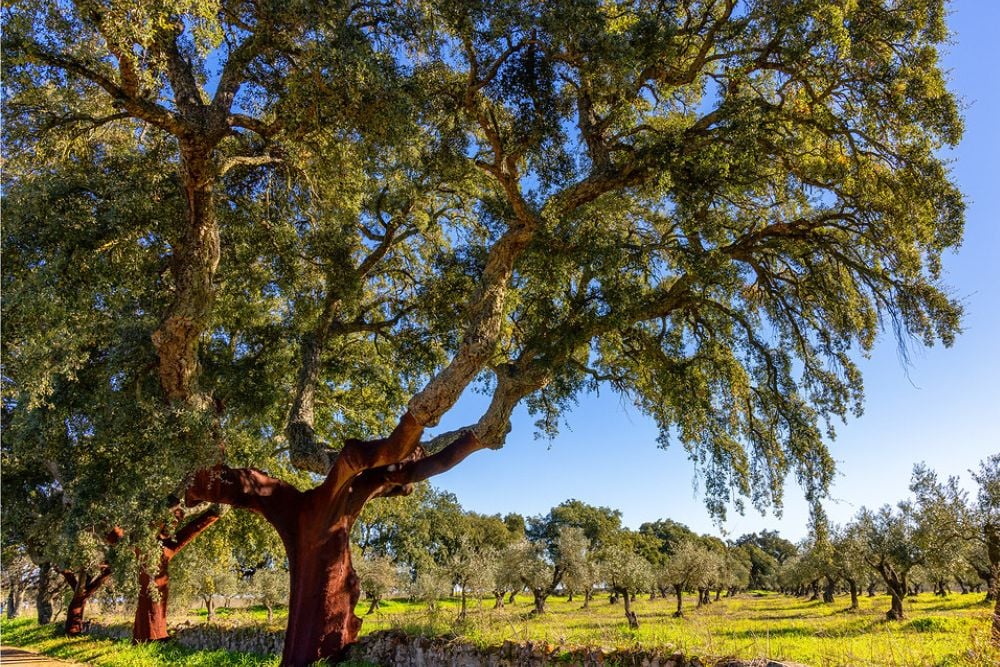
Portugal’s wetland forests preserve centuries-old cork harvesting tools in their acidic waters. These wooden implements provide valuable insights into traditional harvesting techniques dating back numerous generations. The waterlogged environment has prevented normal decomposition, creating an unintentional time capsule of cultural practices and craftsmanship.
Mangrove Swamps of Gabon

These coastal wetlands store vast deposits of blue carbon—carbon captured and stored specifically by coastal ecosystems—making them among the most carbon-rich environments on Earth. Scientific measurements indicate these mangroves store five times more carbon per acre than tropical rainforests. Their intricate root systems also provide crucial nursery habitat for countless marine species that later populate offshore fishing grounds valuable to local economies.
Nature’s Submerged Archives

Swamps might appear forbidding from above, but their remarkable preservation capabilities make them invaluable natural records of our planet’s history. From archaeological treasures to detailed climate data, these wetlands safeguard information that would have vanished in drier environments.
Ongoing research and conservation efforts continually uncover new secrets hiding below their still waters, demonstrating that sometimes the most significant discoveries aren’t found in mountain caves or ocean depths. They’re suspended in quiet swamp waters, patiently awaiting discovery and ready to share their stories with those willing to look beneath the surface.
More from Go2Tutors!

- 18 Unexpectedly Valuable Collectibles You Might Have Lying Around
- 15 Things Every Teenager in the ’70s Did That Teens Today Wouldn’t Understand
- 15 Strange Things People Have Tried to Ban (And Failed)
- 15 Inventions That Were Immediately Banned After Being Created
- 20 Actors Who Were Almost Cast in Iconic Roles
Like Go2Tutors’s content? Follow us on MSN.