16 Textures That Affect How We Think
Our brains process texture information constantly, even when we’re not consciously aware of it. What you touch with your fingertips sends signals that can influence your mood, decision-making, and even how you perceive other people.
Scientists have discovered that these tactile experiences create measurable changes in our thinking patterns. The connection between touch and cognition runs deeper than most people realize. Here’s a list of 16 textures that actively shape how your mind works.
Smooth Surfaces

Smooth textures like polished marble or glass create a sense of order in your brain. When you run your fingers across these surfaces, your mind tends to organize thoughts more systematically.
Research shows that people who handle smooth objects before making decisions often choose more conventional, well-established options rather than taking creative risks.
Rough Sandpaper

Coarse sandpaper triggers a heightened state of alertness in your nervous system. The abrasive texture activates stress responses that actually sharpen focus and attention to detail.
People who touch rough surfaces before problem-solving sessions often catch errors they might otherwise miss.
Like Go2Tutors’s content? Follow us on MSN.
Soft Velvet
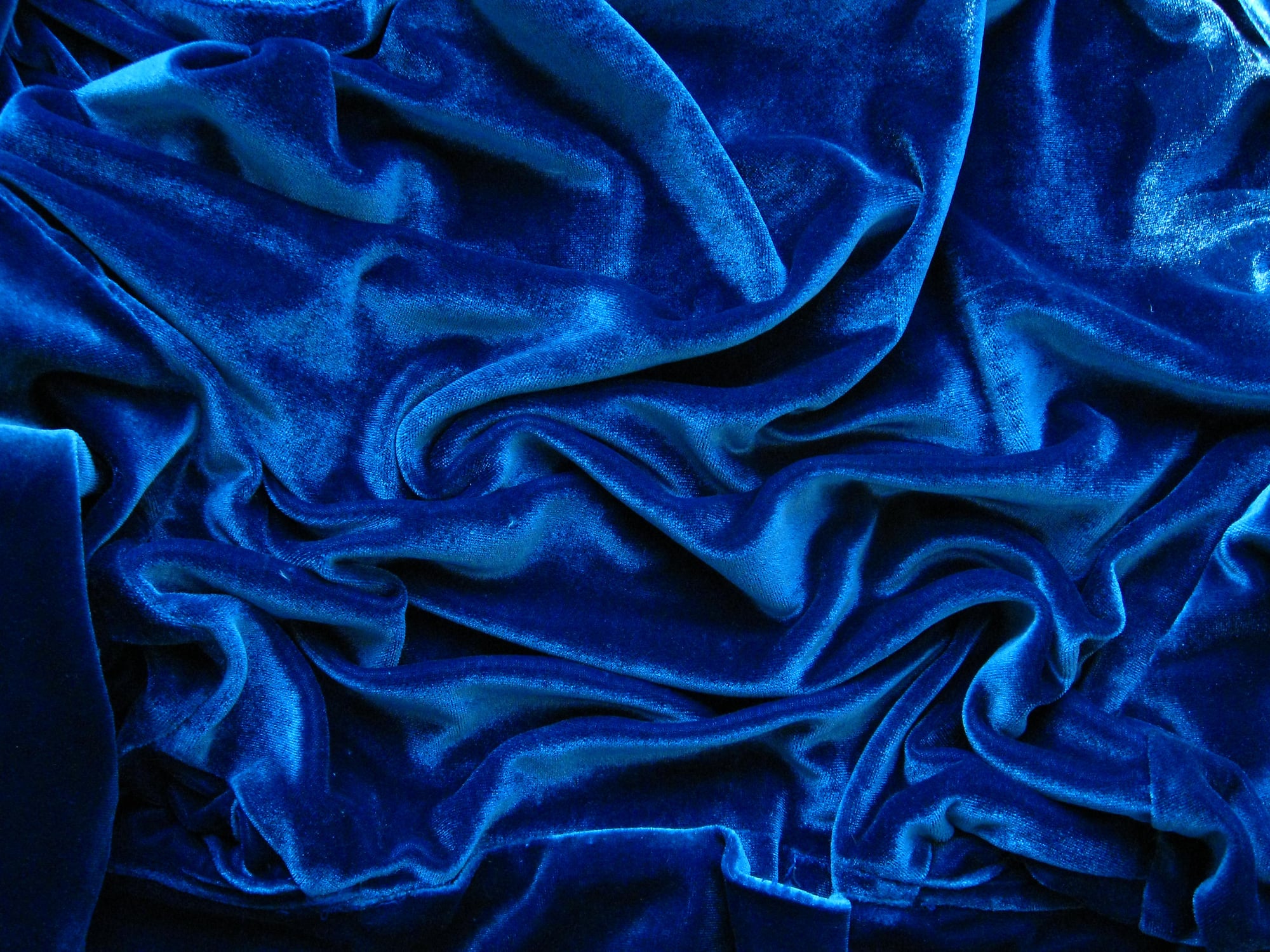
Velvet’s luxurious texture activates comfort centers in your brain, leading to more generous and cooperative thinking. The soft fibers create a psychological association with safety and abundance.
This texture makes people more likely to share resources and think about long-term relationships rather than immediate gains.
Cold Metal
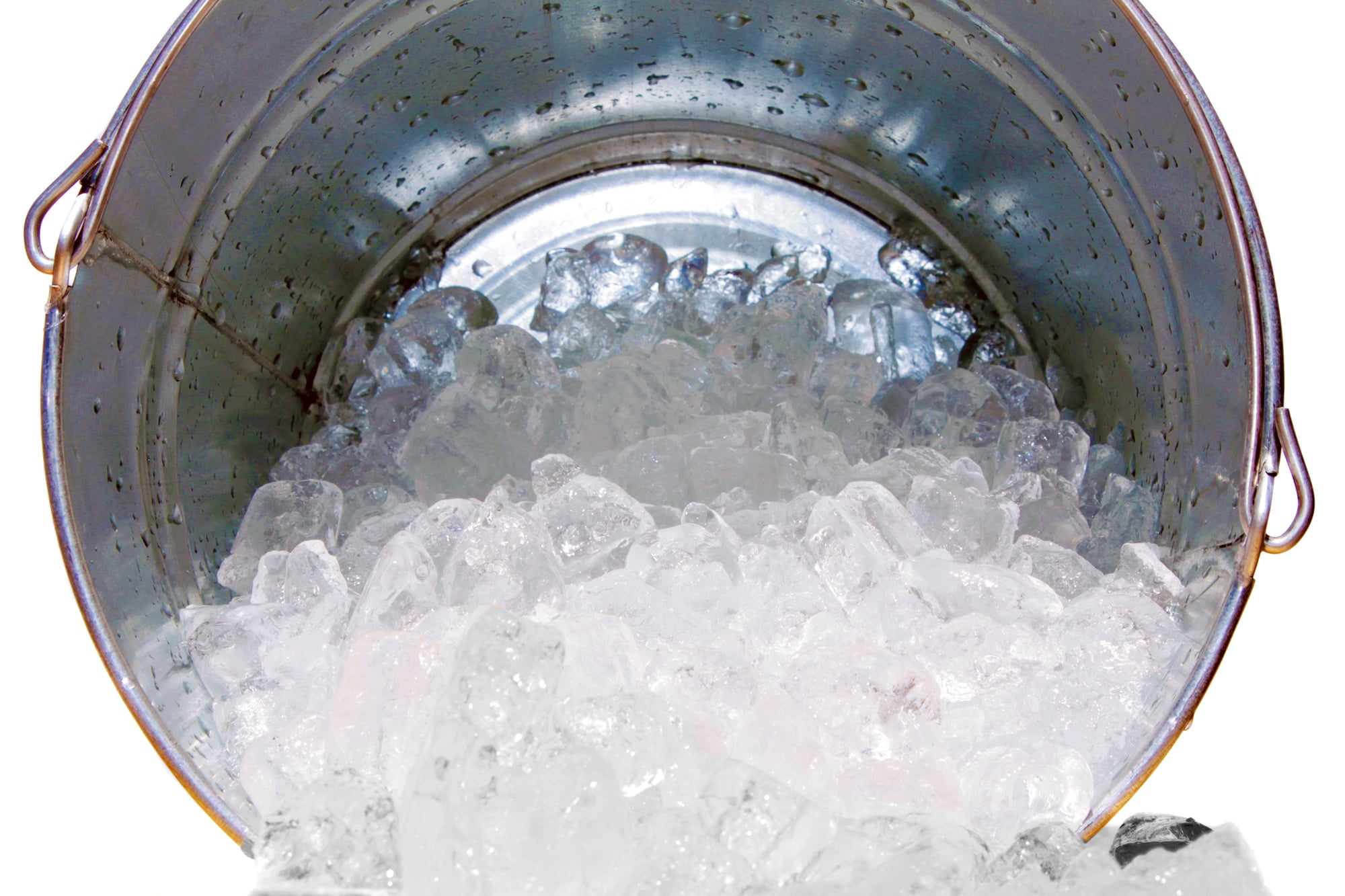
Metal surfaces conduct heat away from your skin, creating a cooling sensation that your brain interprets as a need for increased mental energy. This temperature change triggers alertness pathways similar to drinking cold water.
The combination of smoothness and coolness often leads to more analytical, less emotional decision-making.
Warm Wood
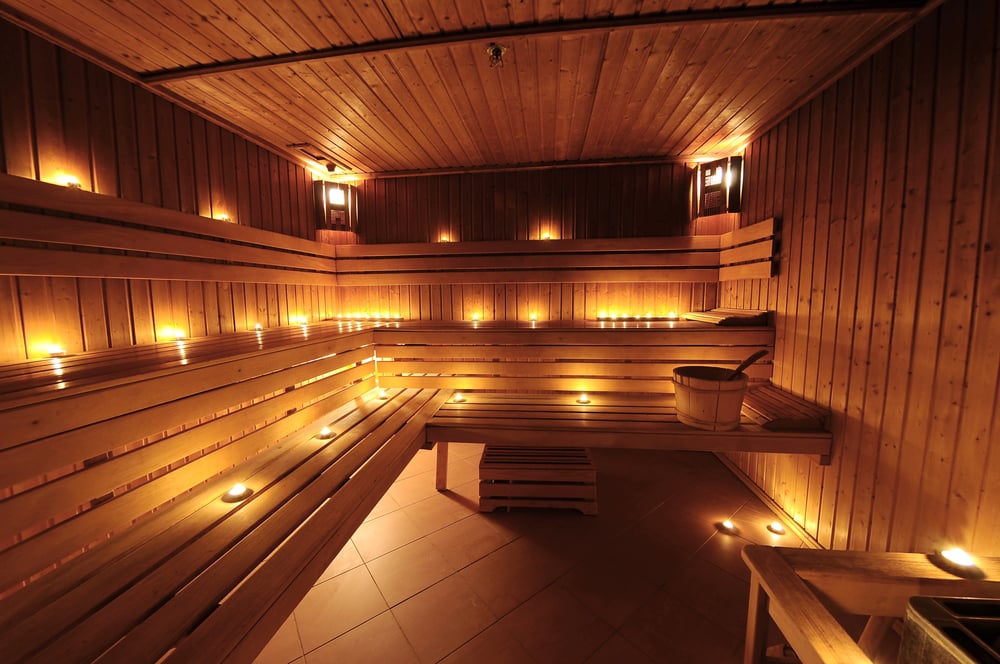
Natural wood grain provides both tactile variety and warmth that your brain associates with organic, living systems. This texture combination encourages holistic thinking and creativity.
People who work with wooden surfaces often generate more innovative solutions because their minds make broader connections between ideas.
Like Go2Tutors’s content? Follow us on MSN.
Sticky Surfaces
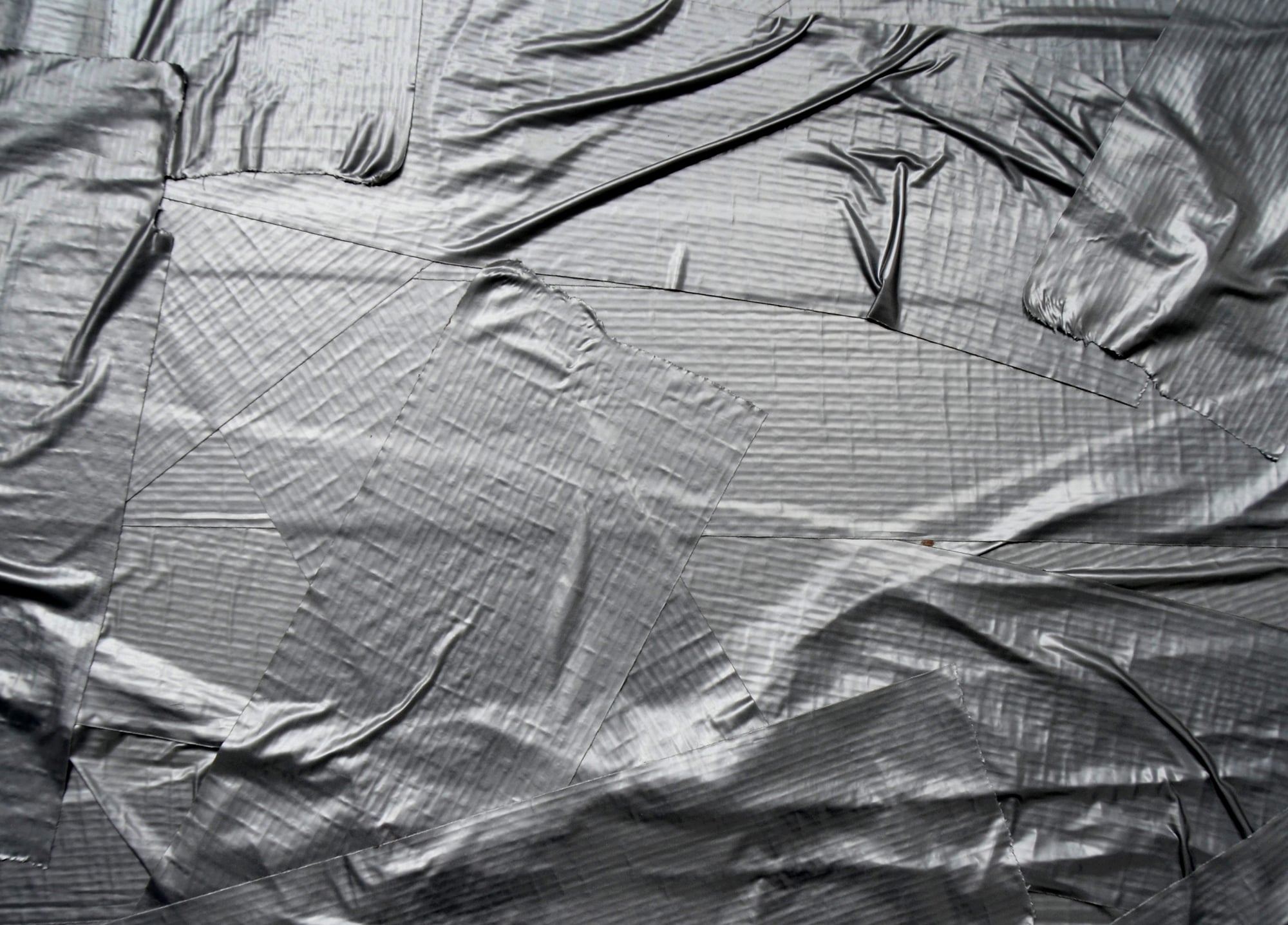
Adhesive textures create a sense of persistence in your mental processes. When your fingers encounter something sticky, your brain mirrors this ‘holding on’ quality in how it approaches problems.
This texture often leads to more thorough analysis and less willingness to give up on challenging tasks.
Fluffy Cotton
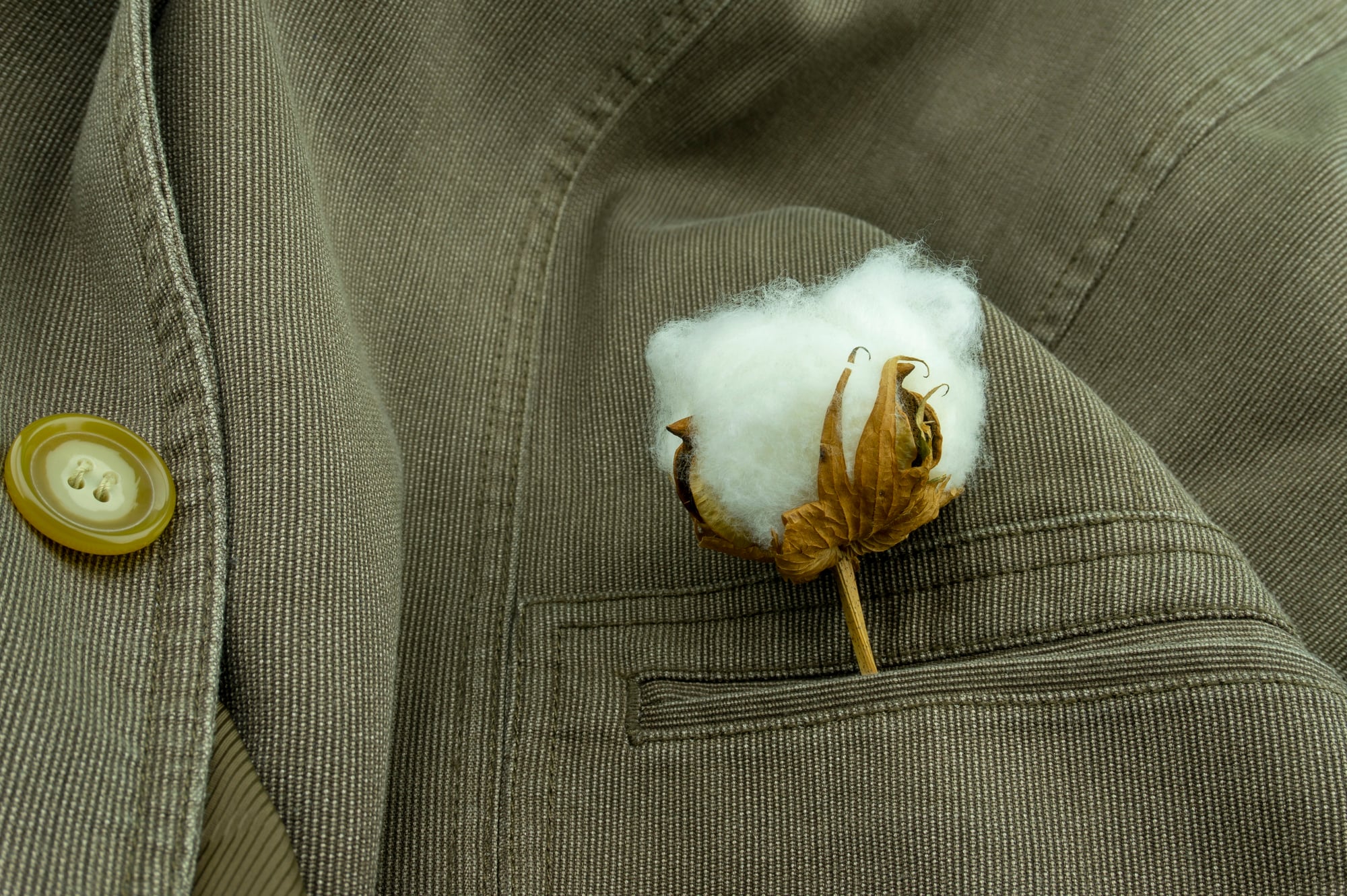
Cotton’s airy texture sends signals of lightness and ease to your cognitive centers. The soft, breathable quality makes your mind more open to new possibilities and less rigid in its thinking patterns.
This texture particularly enhances brainstorming sessions and creative exploration.
Sharp Edges

Angular textures with defined edges activate your brain’s danger detection systems, which paradoxically improves precision in thinking. The slight stress response sharpens focus without creating overwhelming anxiety.
People who handle objects with clean edges often make more decisive choices and stick to their decisions.
Like Go2Tutors’s content? Follow us on MSN.
Bumpy Textures

Raised dots and bumps provide constant tactile feedback that keeps your sensory systems engaged. This ongoing stimulation prevents mental fatigue and maintains steady attention levels.
The irregular surface pattern encourages flexible thinking and adaptation to changing circumstances.
Slippery Surfaces

Textures that offer little grip create a sense of instability that your brain tries to compensate for by increasing mental control. This psychological response often leads to more careful, methodical thinking.
People who handle slippery objects tend to double-check their work and consider multiple perspectives before deciding.
Coarse Fabric

Rough textile weaves provide rich sensory input that stimulates creative thinking centers. The complex texture pattern gives your brain multiple points of focus, which often leads to breakthrough insights.
This type of surface particularly enhances problem-solving abilities that require thinking outside conventional frameworks.
Like Go2Tutors’s content? Follow us on MSN.
Spongy Materials
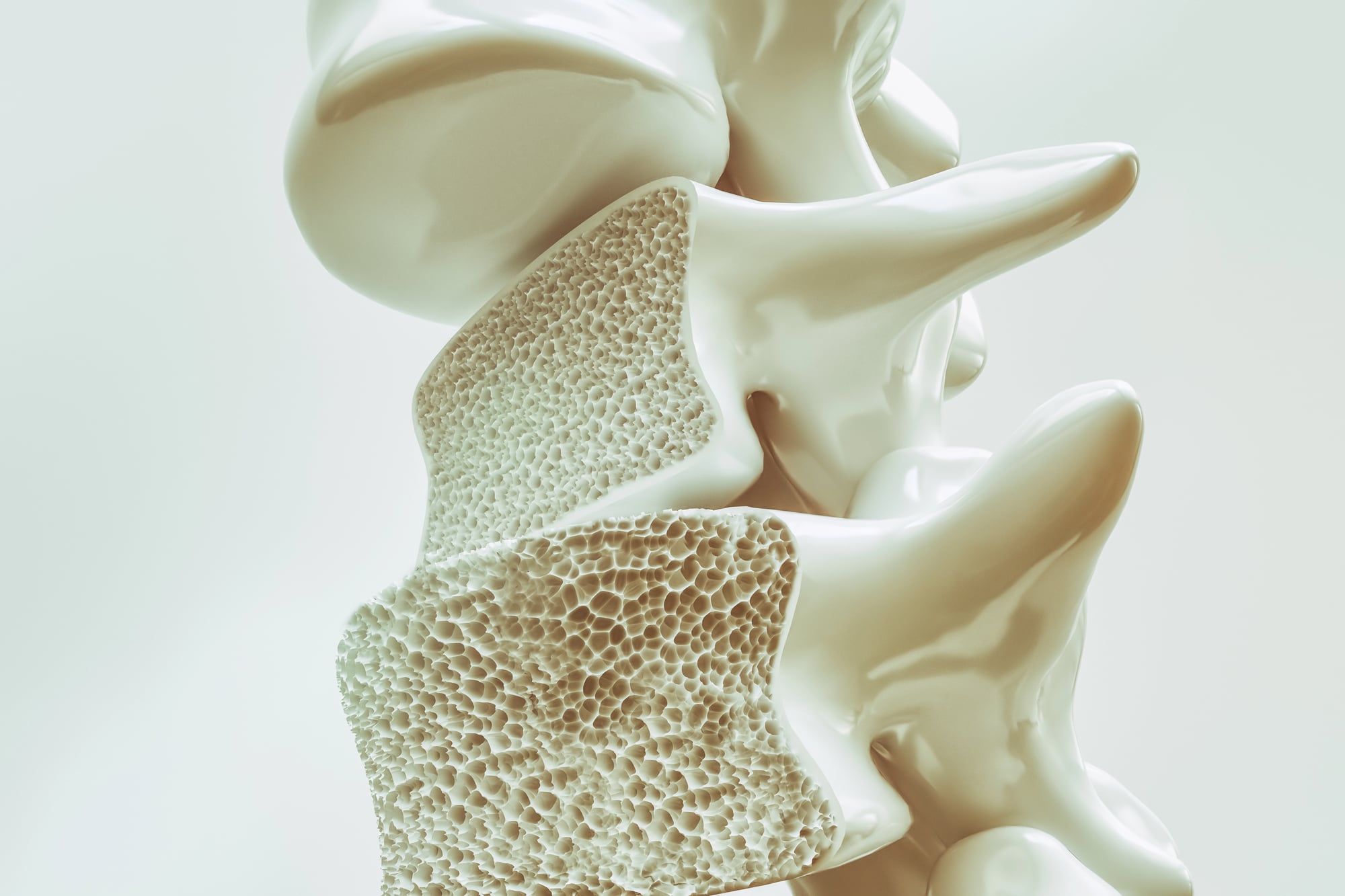
Compressible textures that bounce back create a sense of resilience in your mental approach. The give-and-return quality mirrors psychological flexibility and recovery from setbacks.
People who work with spongy materials often develop more optimistic thinking patterns and greater willingness to try again after failures.
Grainy Sand
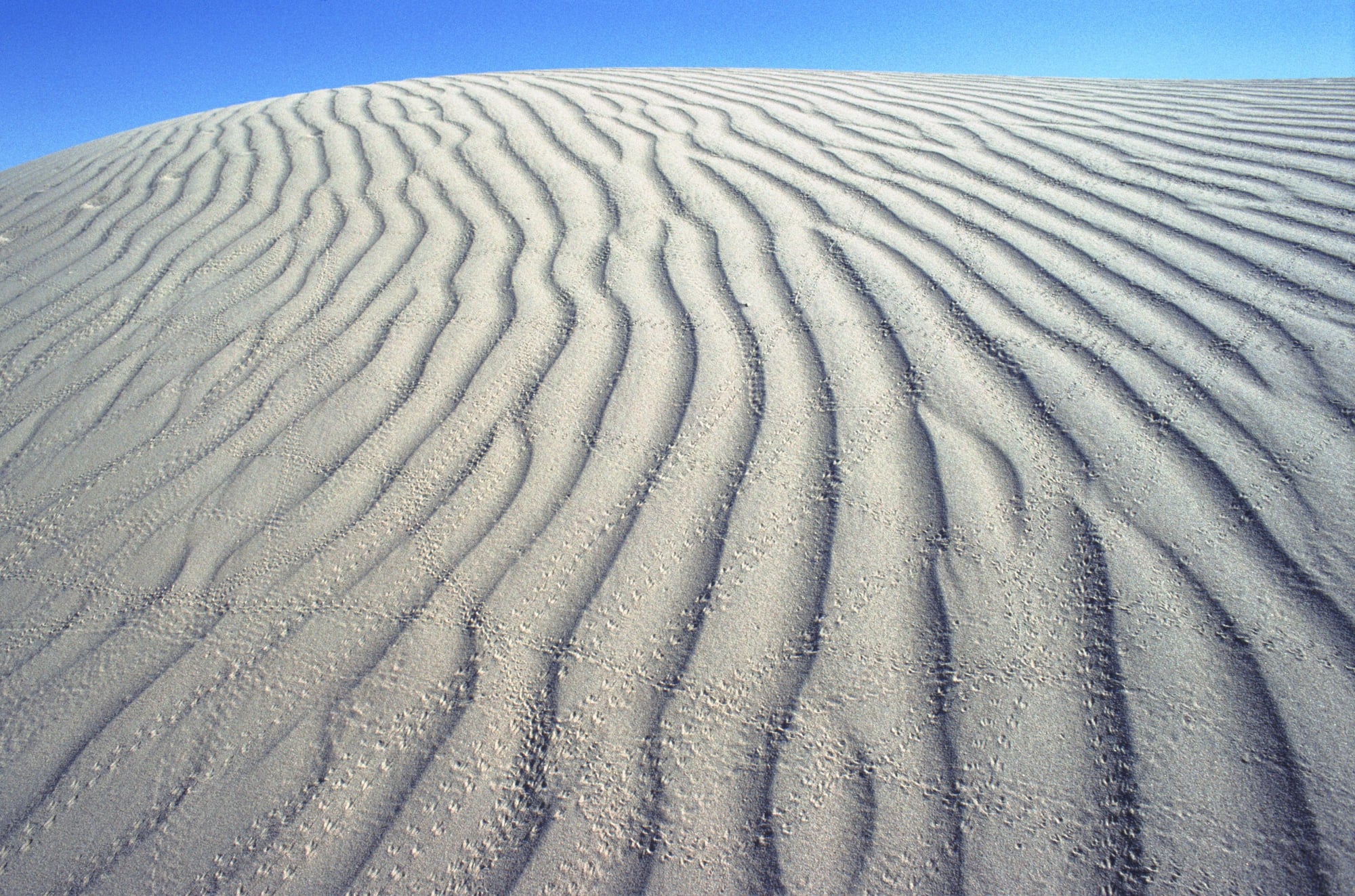
Fine particles that shift under pressure activate your brain’s adaptation mechanisms. The constantly changing surface requires continuous micro-adjustments that keep your mind alert and responsive.
This texture particularly enhances learning ability and openness to new information.
Smooth Leather

Processed leather combines smoothness with subtle texture variations that your brain finds deeply satisfying. This balance creates a state of calm confidence that enhances decision-making abilities.
The natural material’s complex surface often leads to more thoughtful, well-reasoned choices.
Like Go2Tutors’s content? Follow us on MSN.
Corrugated Ridges

Regular patterns of raised lines provide rhythmic tactile input that can synchronize with your brain’s natural processing cycles. This texture creates a meditative quality that enhances focus while reducing mental strain.
People who trace ridged surfaces often enter states of deep concentration more easily.
Powdery Textures
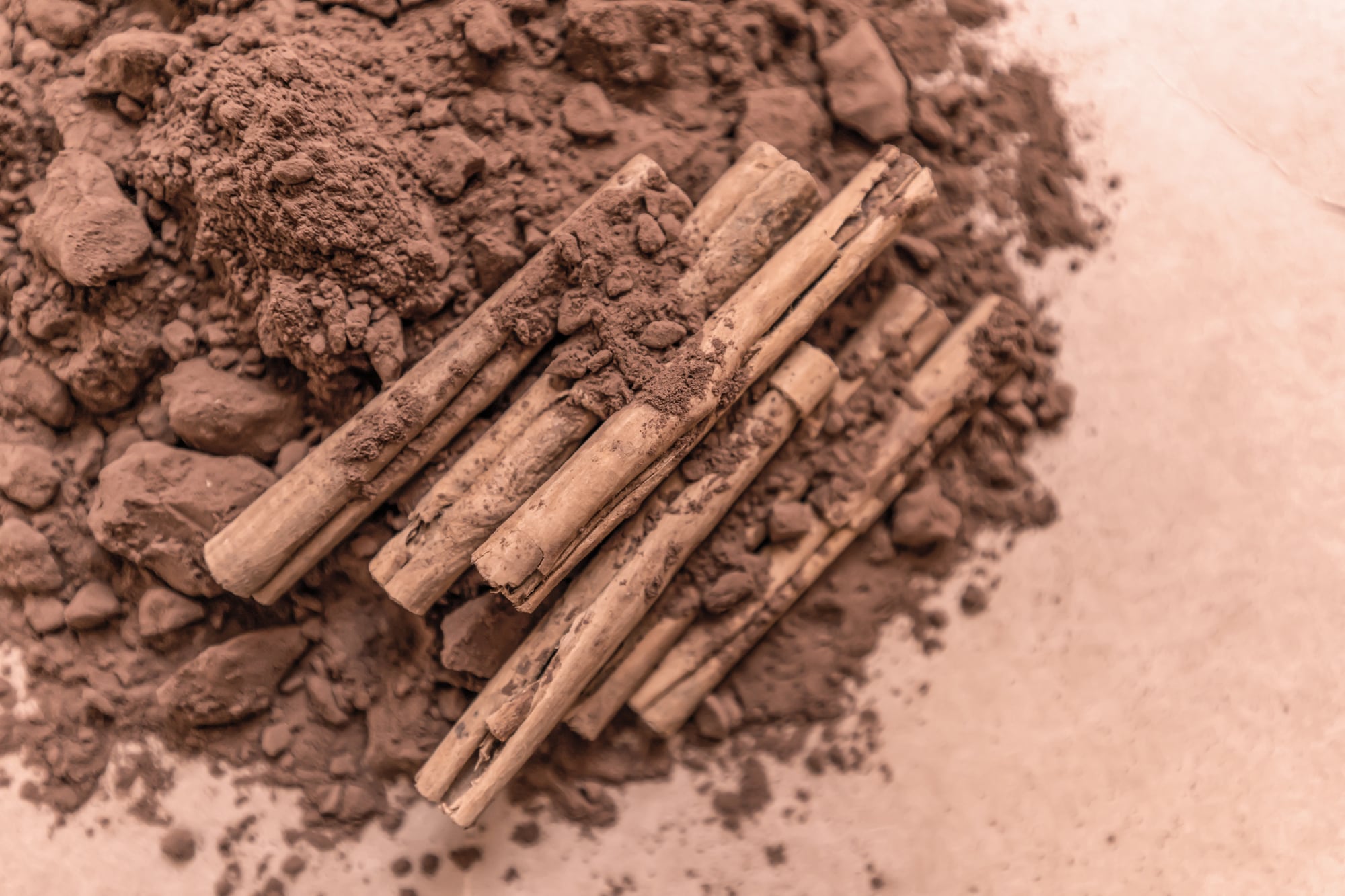
Fine powders that coat your fingers create a sense of transformation and change. The way these materials cling and shift mirrors how your brain processes new information and adapts existing knowledge.
This texture particularly enhances learning retention and memory formation.
The Touch of Modern Life

These texture effects reveal how deeply our physical environment shapes our mental landscape. From the smooth screens we touch dozens of times daily to the varied surfaces in our homes and workplaces, every tactile experience subtly influences how we think and feel.
Understanding these connections gives us more control over our cognitive states and helps explain why certain environments feel more conducive to different types of thinking. The next time you need to solve a problem or make an important decision, consider what textures surround you and how they might be shaping your mental approach.
More from Go2Tutors!

- 16 Historical Figures Who Were Nothing Like You Think
- 12 Things Sold in the 80s That Are Now Illegal
- 15 VHS Tapes That Could Be Worth Thousands
- 17 Historical “What Ifs” That Would Have Changed Everything
- 18 TV Shows That Vanished Without a Finale
Like Go2Tutors’s content? Follow us on MSN.



