17 Photos That Sparked Public Investigation
Photography has always captured reality, yet some images transcend documentation to become catalysts for change. Certain photographs throughout history have revealed moments so powerful that they forced society to confront uncomfortable truths and demand answers.
These seventeen photographs didn’t just make headlines—they sparked investigations, changed policies, and sometimes toppled governments. Here is a list of 17 photos that became turning points in public awareness and accountability.
The Triangle Shirtwaist Factory Fire Victims
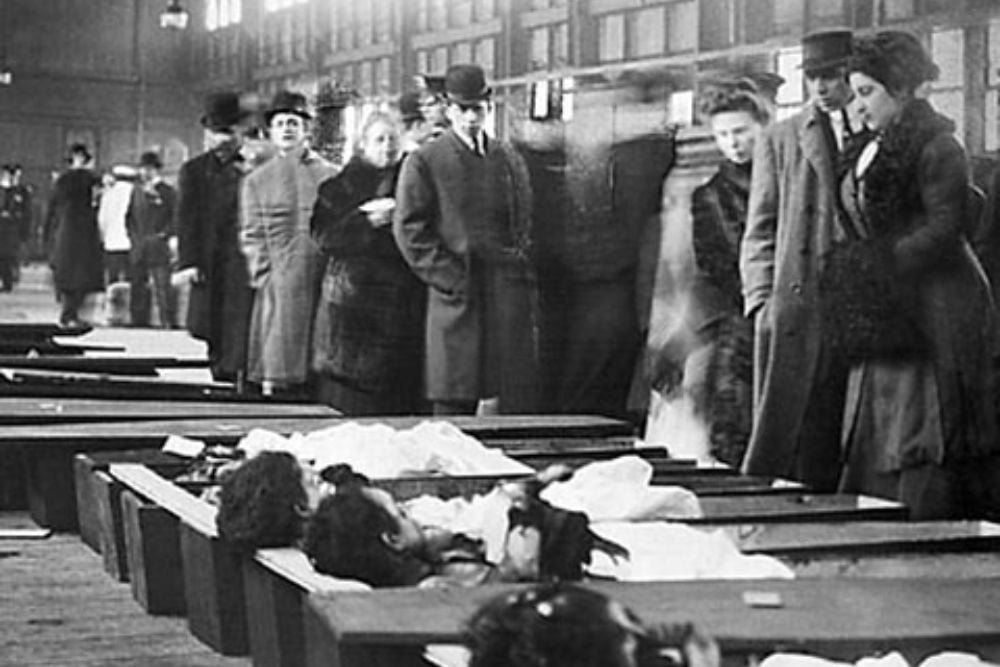
Haunting images of young women workers who perished in the 1911 Triangle Shirtwaist Factory fire became a rallying cry for workplace safety reform. The photographs—documenting the aftermath of a tragedy that claimed 146 lives—exposed horrific factory conditions.
Visual evidence of locked exits and inadequate safety measures prompted comprehensive labor law reforms and established modern workplace safety standards.
Lunch Atop a Skyscraper
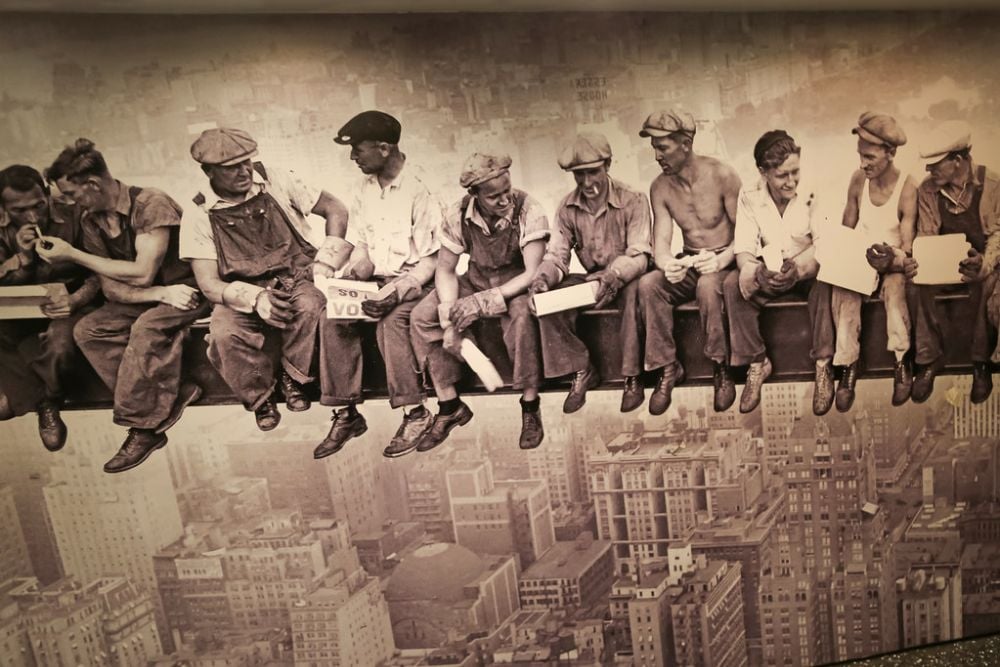
This famous 1932 photograph of construction workers eating lunch on a beam high above New York City initially symbolized American industrial prowess. Later, though, it sparked investigations into worker safety during the Great Depression.
The image showed men casually dining without safety equipment hundreds of feet above ground—eventually leading to inquiries about construction safety standards. Modern analysis revealed that many similar publicity photos resulted in unreported worker deaths.
Like Go2Tutors’s content? Follow us on MSN.
The Falling Man
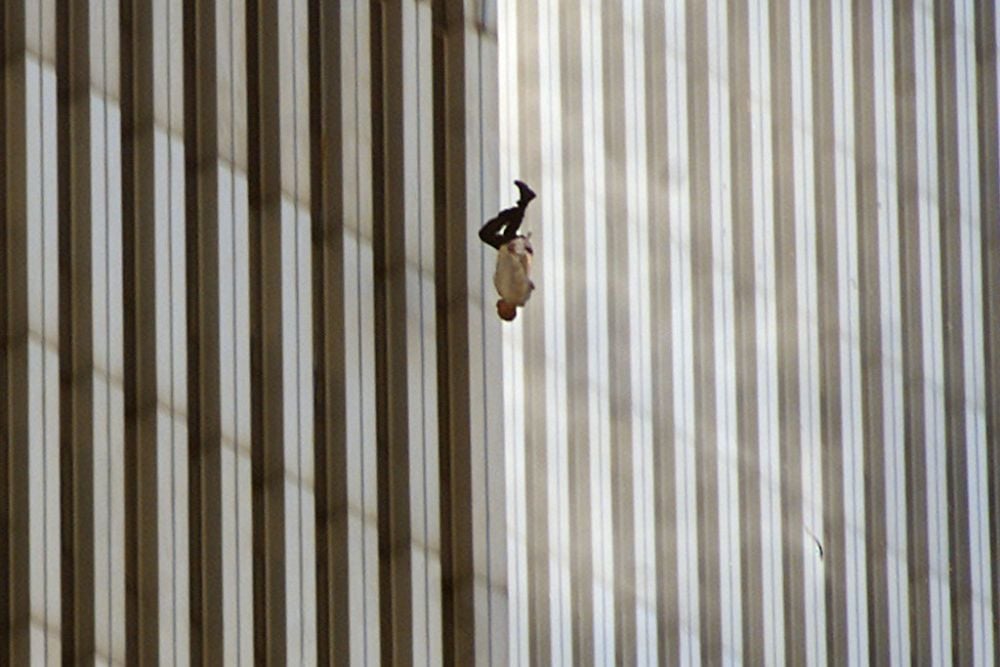
One of the most controversial images in American journalism, this devastating photograph from September 11, 2001, showed a person falling from the World Trade Center. The photo sparked intense public debate about media ethics and publication boundaries.
It also prompted investigations into the experiences of those trapped in the towers—along with discussions about emergency evacuation procedures in high-rise buildings.
Abu Ghraib Prison Photos
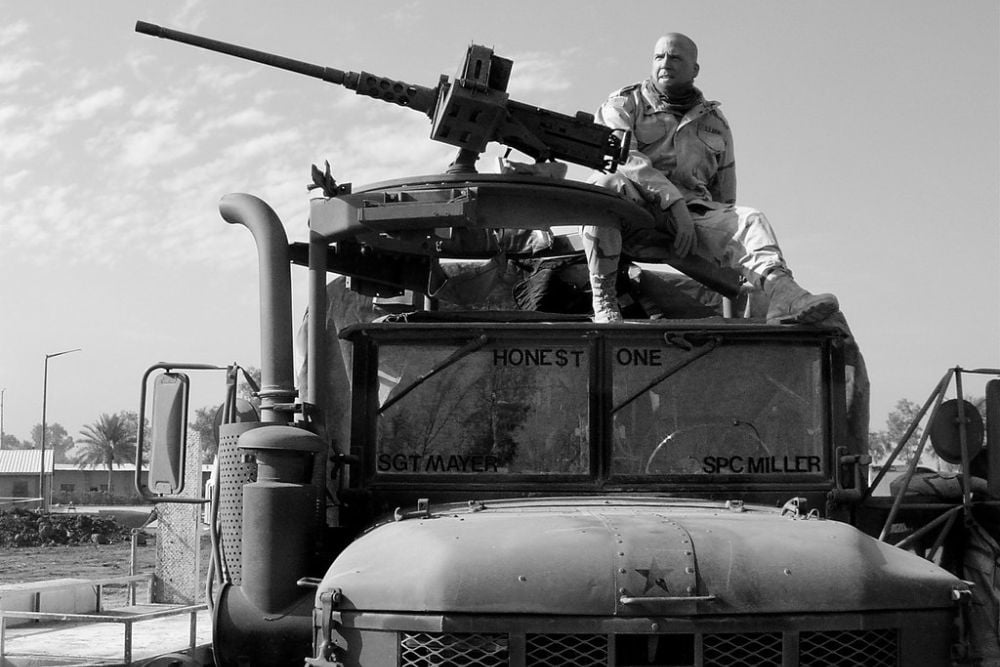
Leaked photographs from Abu Ghraib prison in Iraq exposed systematic abuse of detainees by American military personnel in 2004. These images—showing prisoners in degrading conditions—sparked international outrage and multiple investigations.
The photos led to court-martial proceedings, policy changes in military detention practices, and broader examination of interrogation techniques used in the war on terror.
The Kent State Shooting
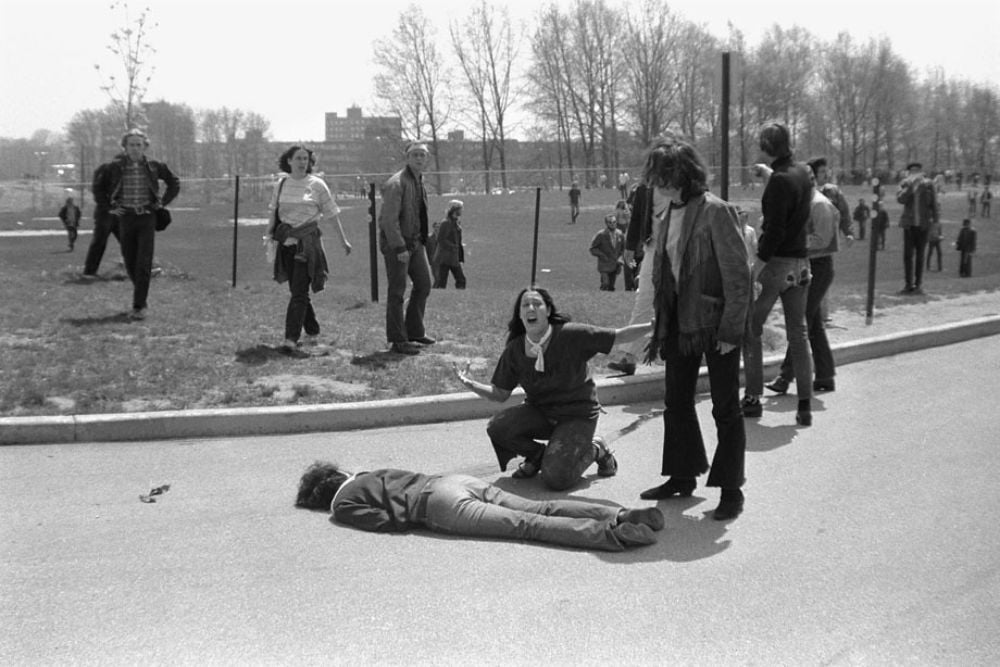
Mary Ann Vecchio kneeling over Jeffrey Miller’s body at Kent State University in 1970 became a defining image of the Vietnam War era. This Pulitzer Prize-winning photograph sparked national investigations into events that led to the National Guard firing on unarmed students.
The image helped turn public opinion against the war—while leading to congressional hearings about military force against civilians.
Like Go2Tutors’s content? Follow us on MSN.
Migrant Mother

Dorothea Lange’s 1936 photograph of Florence Owens Thompson and her children became the face of the Great Depression. The image sparked investigations into migrant worker conditions—revealing desperate poverty faced by displaced families and leading to government relief efforts.
However, later investigations revealed Thompson never received compensation for the photo that made her famous, raising questions about photojournalism ethics.
The Challenger Explosion
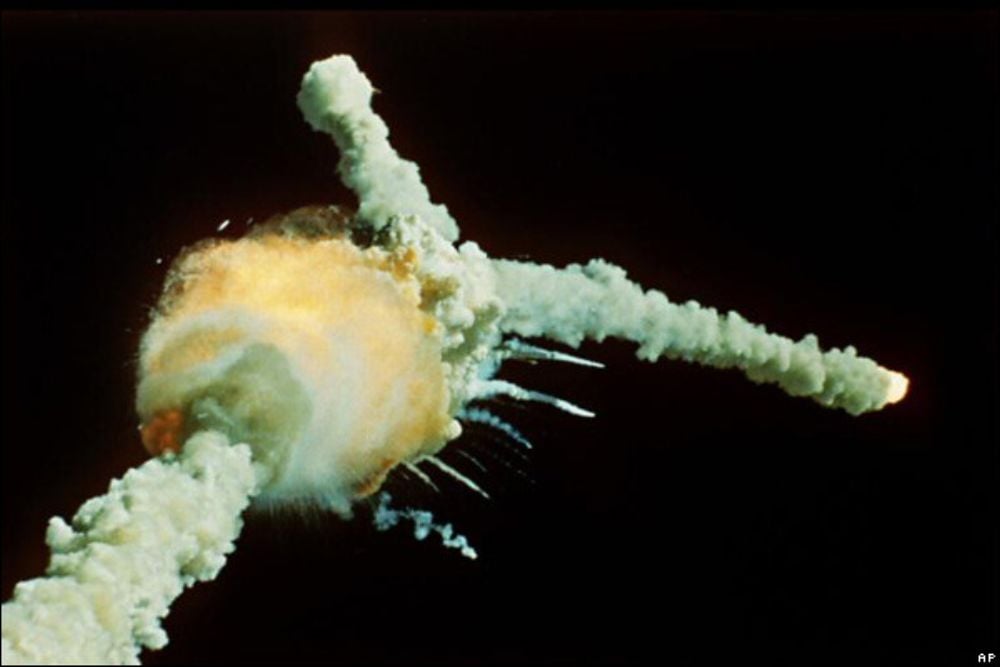
Photographs capturing the Space Shuttle Challenger explosion in 1986 sparked one of NASA’s most comprehensive investigations. The images—showing the shuttle breaking apart just 73 seconds after launch—provided crucial visual evidence for investigators.
Photos helped trace the failure to O-ring seals and led to a complete overhaul of NASA’s safety protocols.
Birmingham Campaign Photos

Photographs of police using fire hoses and dogs against civil rights protesters in Birmingham, Alabama, shocked the nation in 1963. These images—widely published in newspapers and magazines—showed violent responses to peaceful protesters, including children.
The photos played a crucial role in building support for the Civil Rights Act of 1964—while leading to Department of Justice investigations into Birmingham’s police practices.
Like Go2Tutors’s content? Follow us on MSN.
The Hindenburg Disaster

Dramatic photographs of the Hindenburg airship exploding in 1937 at Lakehurst Naval Air Station sparked immediate investigations into airship safety. The images showed the massive German passenger airship engulfed in flames—effectively ending the era of passenger airships.
Visual evidence helped investigators determine that static electricity likely ignited hydrogen gas, leading to safer aviation fuels and technologies.
My Lai Massacre Photos
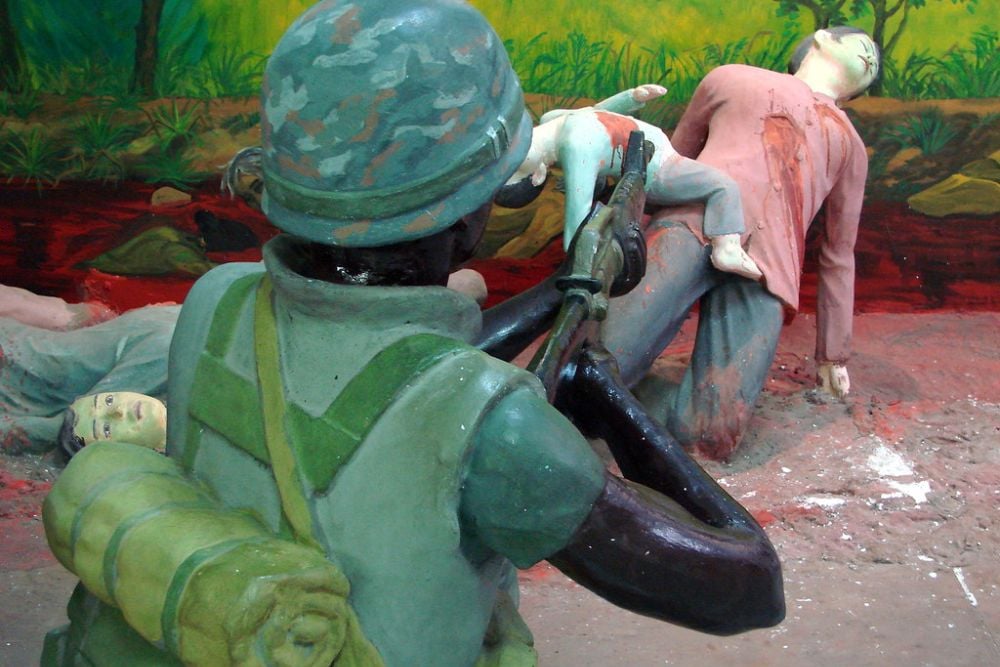
Army photographer Ronald Haeberle’s photographs during the My Lai Massacre in Vietnam exposed one of the darkest chapters in American military history. These images—showing the aftermath of hundreds of Vietnamese civilian deaths—sparked congressional investigations and court-martial proceedings.
The photos fundamentally changed public perception of the Vietnam War and led to new military training protocols regarding civilian treatment.
The Napalm Girl

The 1972 Pulitzer Prize-winning photograph of nine-year-old Phan Thi Kim Phuc running down a road after being burned by napalm became one of the Vietnam War’s most influential images. This photograph sparked investigations into napalm use against civilians and contributed to growing anti-war sentiment.
The image helped accelerate the end of American involvement in Vietnam and led to restrictions on napalm use in warfare.
Like Go2Tutors’s content? Follow us on MSN.
Thích Quảng Đức’s Self-Immolation

The shocking 1963 photograph of Buddhist monk Thích Quảng Đức setting himself on fire in Saigon sparked international investigations into religious persecution in South Vietnam. The image showed the monk calmly sitting in meditation as flames consumed him, exposing the Diệm government’s oppressive policies against Buddhists.
The photograph contributed to the eventual overthrow of the Diệm regime and increased American involvement in Vietnamese politics.
The Torture at Chicago’s Homan Square

Photographs leaked in 2015 showing conditions at Chicago Police Department’s Homan Square facility sparked investigations into police torture and detention practices. The images revealed a secretive interrogation facility where suspects were allegedly held without access to lawyers or phone calls.
These photos led to multiple investigations, lawsuits, and reforms in police detention procedures across the country.
The Watts Riots
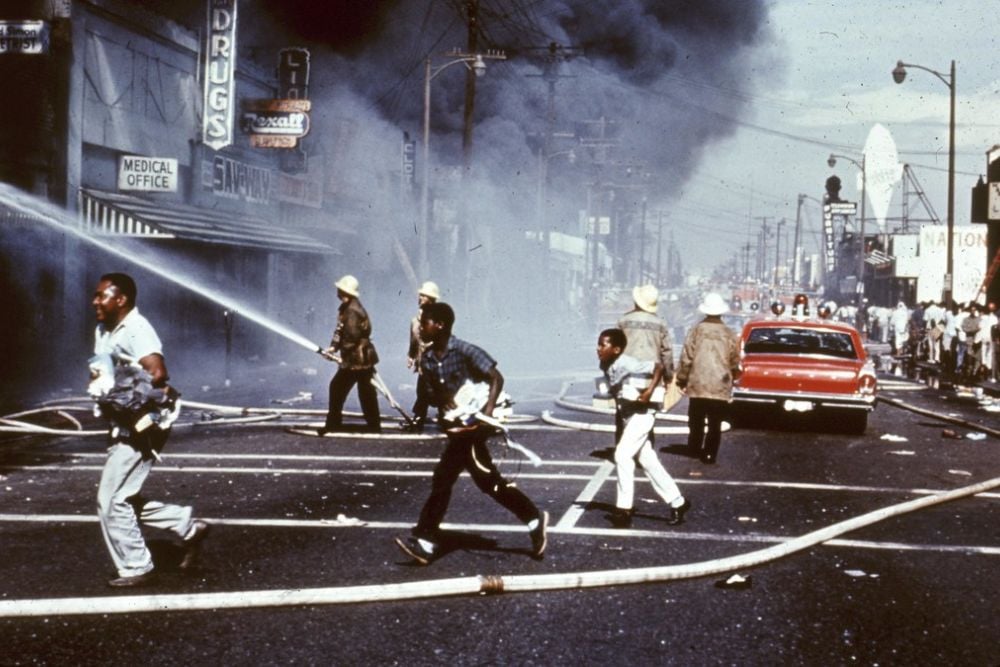
Dramatic photographs from the 1965 Watts riots in Los Angeles sparked investigations into police brutality and urban inequality. These images showed widespread destruction and confrontations between residents and law enforcement, revealing deep-seated tensions in American cities.
The photos led to the McCone Commission investigation, which examined the root causes of the riots and made recommendations for addressing urban poverty and police relations.
Like Go2Tutors’s content? Follow us on MSN.
The Exxon Valdez Oil Spill
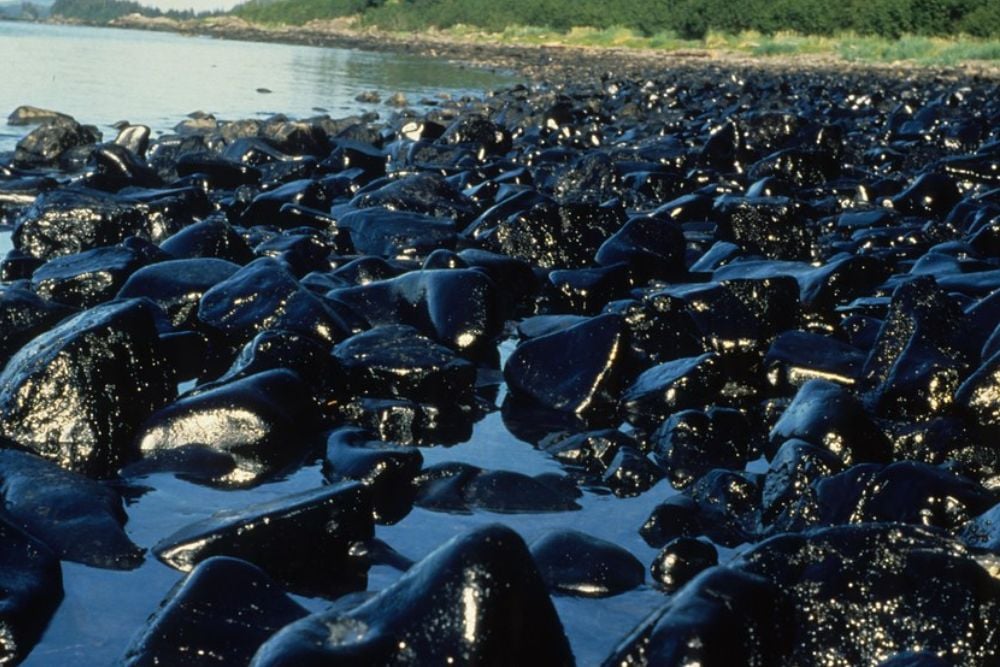
Devastating photographs of oil-covered wildlife and contaminated coastlines from the 1989 Exxon Valdez oil spill sparked investigations into corporate environmental responsibility. These images showed ecological destruction in Alaska’s Prince William Sound, galvanizing public support for stricter environmental regulations.
The photographs helped lead to the Oil Pollution Act of 1990 and established new standards for oil tanker safety and environmental protection.
The Jonestown Massacre

Horrific photographs from the 1978 Jonestown massacre in Guyana showed hundreds of bodies at the Peoples Temple compound, sparking investigations into cult activities and religious extremism. These images documented the mass murder that killed 918 people, leading to congressional hearings about religious organization activities.
The photos also prompted investigations into how Jim Jones moved his followers to Guyana and operated without oversight.
The Rodney King Beating
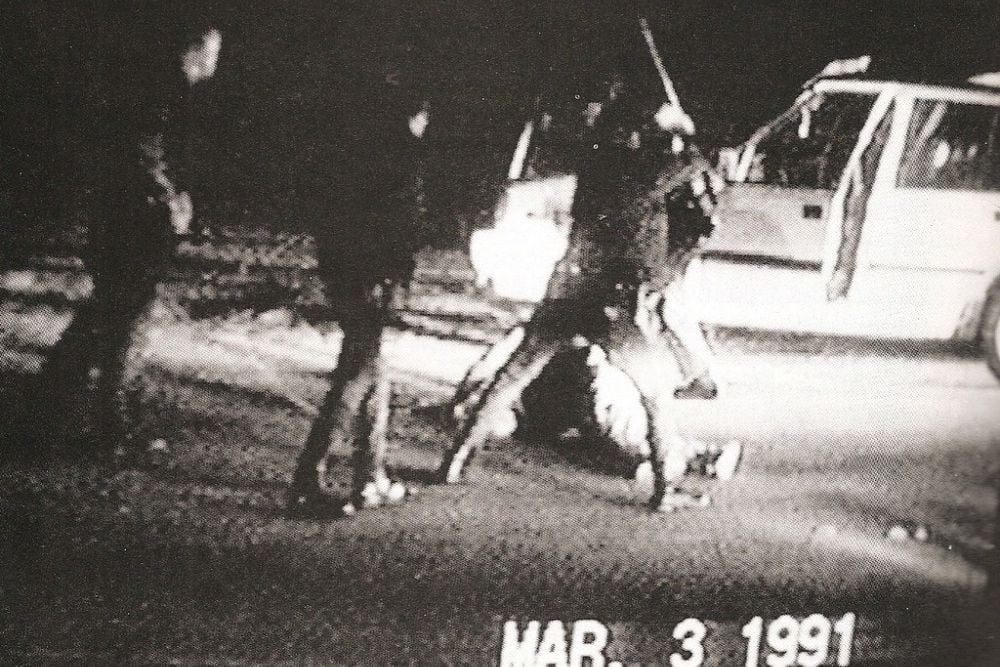
Amateur video footage of Rodney King’s beating by Los Angeles police officers in 1991, later distributed as still photographs, sparked nationwide investigations into police brutality. These images showed officers repeatedly striking King with batons, contradicting initial police reports and leading to federal investigations.
The photographs played a crucial role in the officers’ trials and sparked broader discussions about police accountability and excessive force.
Like Go2Tutors’s content? Follow us on MSN.
When Images Change History
These seventeen photographs demonstrate the unique power of visual evidence to expose truth and demand accountability. Each image served as an undeniable witness to events that might otherwise have been covered up, denied, or forgotten.
They remind us that sometimes a single photograph can accomplish what years of testimony and reports cannot—forcing society to confront reality and take action. In our digital age, the potential for images to spark investigation and change remains as powerful as ever.
More from Go2Tutors!

- 16 Historical Figures Who Were Nothing Like You Think
- 12 Things Sold in the 80s That Are Now Illegal
- 15 VHS Tapes That Could Be Worth Thousands
- 17 Historical “What Ifs” That Would Have Changed Everything
- 18 TV Shows That Vanished Without a Finale
Like Go2Tutors’s content? Follow us on MSN.