Most Influential Fashion Moments of the Century
The 21st century has redefined fashion in ways previous generations could never have imagined.
From a single dress that broke the internet to movements that challenged centuries of tradition, these moments didn’t just change what we wore — they transformed how we think about style, identity, and culture itself.
Here’s a closer look at the fashion moments that shaped the modern era.
Jennifer Lopez’s Green Versace Dress
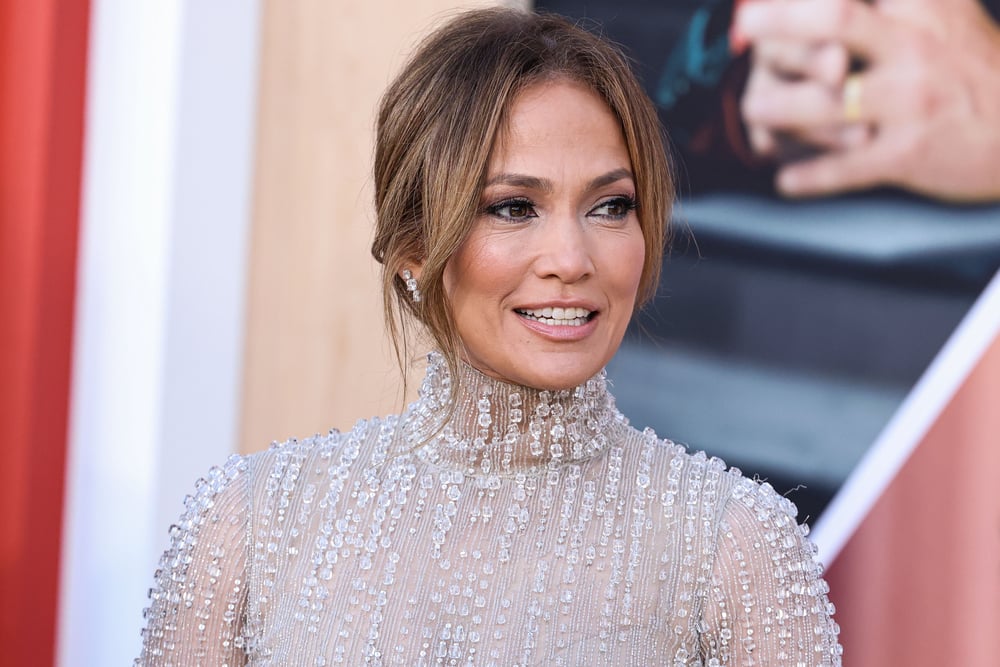
When Jennifer Lopez stepped onto the Grammy Awards red carpet in February 2000 wearing a jungle-print Versace dress with a neckline that plunged past her navel, she did more than turn heads.
The sheer silk chiffon gown, designed by Donatella Versace, became the most searched query Google had ever seen at that point.
The problem was that search results were just lists of blue links — no images.
This single fashion moment was so significant that it prompted Google to create Google Images in 2001, fundamentally changing how we search for and consume visual information online.
The dress didn’t just make fashion history; it made internet history.
The Rise of Fast Fashion

Zara changed everything in the early 2000s by perfecting a model that could take runway designs and deliver affordable versions to stores within weeks instead of months.
The Spanish retailer sent designers to fashion weeks armed with cameras, uploading images back to headquarters where teams immediately began creating similar pieces.
By the mid-2000s, brands like H&M, Forever 21, and later ASOS had adopted this approach, democratizing fashion in unprecedented ways.
Suddenly, trend-driven clothing was accessible to everyone, not just the wealthy.
This shift fundamentally altered consumer expectations and buying habits, though it would later spark important conversations about sustainability and labor practices.
Kate Middleton’s Royal Wedding Dress

On April 29, 2011, when Catherine Middleton emerged from a Rolls-Royce Phantom VI wearing an ivory lace gown by Sarah Burton for Alexander McQueen, an estimated 17.6 million viewers in the UK alone watched the ceremony.
The dress featured hand-cut English and Chantilly lace, a nine-foot train, and 58 silk buttons along the back.
What made this moment particularly significant was the choice of Alexander McQueen — a house known for avant-garde designs — to create such a traditional garment.
The collaboration between Kate and Burton resulted in a gown that honored British craftsmanship while feeling thoroughly modern.
The dress sparked countless imitations and influenced bridal fashion for years, proving that royal style still held enormous cultural weight in the digital age.
Michelle Obama’s Inauguration Fashion

When Michelle Obama chose Jason Wu, a relatively unknown Taiwanese-American designer, to create her ivory inaugural gown in 2009, she set a precedent for her entire tenure as First Lady.
Over eight years, she consistently championed emerging designers, wore accessible brands like J.Crew alongside haute couture, and used fashion as a diplomatic tool.
Her famous bared arms sparked national conversation, and her support could launch a designer’s career overnight.
Obama understood that fashion wasn’t frivolous — it was a powerful form of communication that could challenge conventions while remaining approachable and authentic.
The Met Gala as Cultural Phenomenon

While the Met Gala has existed since 1948, it became a true cultural phenomenon in the 2010s under Anna Wintour’s leadership.
The annual fundraiser transformed from an exclusive industry event into a globally watched spectacle where fashion, celebrity, and art collided.
Rihanna’s yellow Guo Pei cape in 2015 spawned countless memes while simultaneously introducing Western audiences to Chinese haute couture.
Lady Gaga’s four-outfit transformation in 2019 and Billy Porter’s sun god entrance became viral moments that transcended fashion circles.
The event proved that high fashion could be both theatrical and accessible, creating conversations that reached far beyond the industry.
Alexander McQueen’s Legacy

The tragic loss of designer Lee Alexander McQueen in February 2010 shook the fashion world, but his influence only grew stronger.
His final collection, completed by his team and shown posthumously, reminded everyone of his unparalleled vision.
McQueen had pushed boundaries with runway shows featuring holographic Kate Moss, models in horn prosthetics, and designs that blurred the line between fashion and art.
His approach to craftsmanship, darkness, and beauty influenced an entire generation of designers who understood that fashion could be deeply emotional and transformative.
Sarah Burton’s continuation of the house proved that McQueen’s legacy could evolve while maintaining its distinctive voice.
Virgil Abloh Breaks Barriers

When Virgil Abloh was appointed artistic director of Louis Vuitton menswear in 2018, he became one of the few Black designers to lead a major French fashion house.
His appointment represented a seismic shift in an industry that had long been criticized for its lack of diversity in leadership positions.
Abloh’s approach — blending streetwear with luxury, embracing irony and quotation marks, and maintaining his Off-White label simultaneously — challenged traditional notions of what high fashion should be.
His work demonstrated that luxury could be irreverent, that streetwear deserved a place at fashion’s highest table, and that the industry needed fresh perspectives.
His untimely death in 2021 only underscored how much he had accomplished and how much further fashion still needed to go.
The Instagram Effect

Instagram launched in 2010, and by the mid-2010s, it had fundamentally changed how fashion operated.
Suddenly, anyone with a smartphone and style could become an influencer.
Street style photographers captured looks outside fashion shows that sometimes garnered more attention than the collections themselves.
Brands began designing with Instagram in mind, creating bold, photogenic pieces that would stand out in a feed.
The platform democratized fashion criticism and taste-making, though it also created new pressures around constant content creation and the perfect aesthetic.
Fashion weeks became as much about the front row and street style as the runways, and a single viral post could make or break a trend.
Sustainable Fashion Goes Mainstream

For years, sustainable fashion existed in a niche corner of the industry.
Then Stella McCartney’s longstanding commitment to cruelty-free luxury began influencing larger conversations.
The 2013 Rana Plaza factory collapse in Bangladesh, which killed over 1,100 garment workers, forced the industry to confront its practices.
By the late 2010s, consumers — particularly younger generations — demanded transparency and ethics alongside aesthetics.
Rental services like Rent the Runway, resale platforms like Depop, and brands built around sustainability principles challenged the fast fashion model.
While greenwashing remained a problem, the conversation had permanently shifted. Fashion could no longer ignore its environmental and social impact.
Gender-Fluid Fashion Emerges

Some of the fabulous pieces from The Fashioning Masculinities: The Art of Menswear exhibit V&A Museum March 2022.
Harry Styles wearing a Gucci dress on the cover of Vogue in 2020 made headlines, but it was the culmination of years of evolving attitudes toward gendered clothing.
Designers like Alessandro Michele at Gucci and Jonathan Anderson at Loewe had been creating collections that transcended traditional gender boundaries.
The rise of non-binary identities and broader acceptance of gender fluidity found expression in fashion that rejected the rigid categories of menswear and womenswear.
Celebrities like Billy Porter, Janelle Monáe, and Timothée Chalamet embraced androgynous and traditionally feminine styles, challenging decades of masculine dress codes.
Fashion was finally catching up to the reality that clothing has no inherent gender — only the meanings we assign to it.
Rihanna’s Fenty Revolution

When Rihanna launched Fenty Beauty in 2017 with 40 foundation shades, she didn’t just release a makeup line — she forced the entire beauty industry to acknowledge that it had been excluding vast swathes of customers.
This approach carried through to Savage X Fenty lingerie, which featured models of diverse sizes, races, and abilities in its shows.
In 2019, Rihanna became the first woman to create an original brand with LVMH, and the first woman of color to lead an LVMH fashion house.
Her influence demonstrated that inclusivity wasn’t just morally right — it was incredibly profitable.
Fenty proved that representation matters in fashion, and that challenging industry standards could redefine what luxury means.
Phoebe Philo’s Quiet Revolution

While others chased loud logos and maximalism, Phoebe Philo quietly revolutionized fashion at Céline from 2008 to 2017.
Her minimalist, intellectual approach to women’s clothing — comfortable yet elegant, understated yet distinctive — resonated with women tired of fashion that seemed designed for male approval.
The Céline aesthetic became shorthand for a certain kind of effortless sophistication.
Philo understood that not every woman wanted to be the center of attention, and that clothes could be both beautiful and practical.
Her departure from Céline left such a void that fashion insiders still reference the ‘Old Céline’ era with reverence.
When she announced her eponymous label in 2021, the fashion world collectively held its breath.
Streetwear Enters the Luxury Sphere

The 2017 Supreme x Louis Vuitton collaboration, orchestrated by Kim Jones, represented streetwear’s complete arrival in the luxury world.
What had begun with hip-hop’s embrace of brands like Gucci and Louis Vuitton in the 1980s and 1990s had come full circle — now luxury houses were actively courting streetwear labels.
Brands like Vetements, Off-White, and Balenciaga under Demna Gvasalia made oversized hoodies and distressed denim into luxury items.
Sneakers became more coveted than dress shoes.
This merger reflected changing consumer values, particularly among younger luxury buyers who valued authenticity and cultural relevance over traditional markers of status.
Fashion had become more democratic, even as prices remained decidedly undemocratic.
The Blogger to Influencer Pipeline

In the early 2000s, fashion bloggers like Tavi Gevinson, Susie Bubble, and Leandra Medine (Man Repeller) began challenging traditional fashion media.
By the 2010s, they’d evolved into influencers with enormous commercial power. Chiara Ferragni turned her blog into a fashion empire.
Aimee Song’s Instagram following rivaled traditional magazine circulations.
Fashion brands could no longer ignore these digital tastemakers who had direct relationships with consumers.
The democratization of fashion commentary meant that style authority no longer belonged solely to magazine editors and critics.
Though controversies around authenticity and commercial disclosure emerged, the influencer economy fundamentally changed how fashion trends spread and how brands marketed themselves.
Black Lives Matter’s Impact on Fashion

Following the renewed Black Lives Matter protests in 2020 after George Floyd’s murder, the fashion industry faced a reckoning with its treatment of Black creators, models, and consumers.
Designers like Kerby Jean-Raymond of Pyer Moss, Aurora James of Brother Vellies, and Wales Bonner had been highlighting these issues for years.
James’s 15 Percent Pledge challenged retailers to commit shelf space proportional to the Black population.
Fashion magazines confronted their own histories of exclusion and tokenism.
While skeptics questioned whether the industry’s response represented genuine change or performative activism, the conversation forced uncomfortable truths into the open.
Fashion could no longer ignore that its claims to creativity and cultural relevance rang hollow without meaningful diversity and equity.
The Pandemic Reshapes Fashion

When COVID-19 forced the world into lockdown in 2020, fashion faced an existential question: what’s the point when no one is going anywhere? Sales of formal wear plummeted while loungewear and comfortable clothing surged.
Fashion weeks went digital, forcing houses to rethink presentation formats.
The crisis accelerated conversations about fashion’s overproduction and waste.
It also proved that the industry could adapt — designers pivoted to making masks, digital fashion experimentation increased, and many people reassessed their relationships with clothing consumption.
Some changes were temporary, but others — like increased acceptance of comfortable dress codes and digital fashion presentations — seem permanent.
The pandemic forced fashion to reconsider its values and purpose.
Why These Moments Endure

Fashion’s most influential moments in the 21st century share a common thread: they reflect broader cultural shifts while actively shaping them.
These weren’t just pretty clothes or clever marketing — they were inflection points where style intersected with technology, social justice, identity, and changing values.
From a green Versace dress that transformed internet search to movements that challenged who gets to participate in fashion, these moments remind us that what we wear is never just about aesthetics.
It’s about power, representation, innovation, and the constant evolution of how we present ourselves to the world.
The next generation of influential fashion moments is already forming, shaped by creators who understand that fashion’s greatest power lies in its ability to reflect and challenge who we are.
More from Go2Tutors!

- The Romanov Crown Jewels and Their Tragic Fate
- 13 Historical Mysteries That Science Still Can’t Solve
- Famous Hoaxes That Fooled the World for Years
- 15 Child Stars with Tragic Adult Lives
- 16 Famous Jewelry Pieces in History
Like Go2Tutors’s content? Follow us on MSN.