16 Times Safety Warnings Didn’t Exist (But Should Have)
Throughout history, humans have had a remarkable ability to create dangerous things without considering the consequences. Many products, activities, and substances that seem obviously hazardous today were once considered perfectly acceptable for everyday use. Before regulations and warning labels became standard, people often learned about dangers the hard way.
Here is a list of 16 historical examples where safety warnings were sorely needed but didn’t exist until much later.
Radioactive Consumer Products

In the early 20th century, radioactive materials were incorporated into everyday items without any warnings whatsoever. Companies sold radium-infused drinking water, face creams, and even children’s toys, marketing them as health-enhancing miracles.
The tragic case of the ‘Radium Girls’ who painted watch dials with glowing radioactive paint exemplifies how workers would even lick their brushes to create fine points, completely unaware they were consuming deadly radiation.
Lead-Based House Paint

For centuries, lead paint decorated homes across America with no indication of its dangers. Marketed for its durability and vibrant colors, it covered walls, children’s furniture, and even cribs.
Families had no idea that the sweet-tasting paint chips their toddlers might eat could cause irreversible brain damage, developmental issues, and even death. It wasn’t until 1978 that lead paint was finally banned for residential use.
Like Go2Tutors’s content? Follow us on MSN.
Asbestos Building Materials

Asbestos was once celebrated as a miracle material—fireproof, durable, and excellent for insulation. Manufacturers promoted it for everything from oven mitts to wall insulation to ceiling tiles.
Construction workers would cut, saw, and handle asbestos materials, releasing invisible deadly fibers into the air with every breath. These microscopic particles would eventually lead to mesothelioma and other fatal lung conditions decades later, a time bomb with no warning attached.
Early Automobiles Without Seatbelts

Early cars were essentially metal boxes on wheels with no safety features whatsoever. Manufacturers prioritized style and speed over occupant protection, creating vehicles with sharp metal dashboards, rigid steering columns, and non-collapsible frames.
A simple collision that would be survivable today could send drivers through windshields or impale them on steering columns. Even the concept of seatbelts wasn’t standardized until the 1960s—decades after millions of preventable deaths.
Mercury Medicines

Mercury compounds were once standard treatments prescribed by doctors without any warnings about toxicity. Parents would rub mercury-containing teething powders on their babies’ gums or administer mercury-laced laxatives as regular treatments.
These products were marketed as gentle remedies while silently poisoning users with one of the most potent neurotoxins known to science. The effects often appeared gradually, with tremors, memory loss, and neurological damage blamed on other causes entirely.
Like Go2Tutors’s content? Follow us on MSN.
X-Ray Shoe Fitters
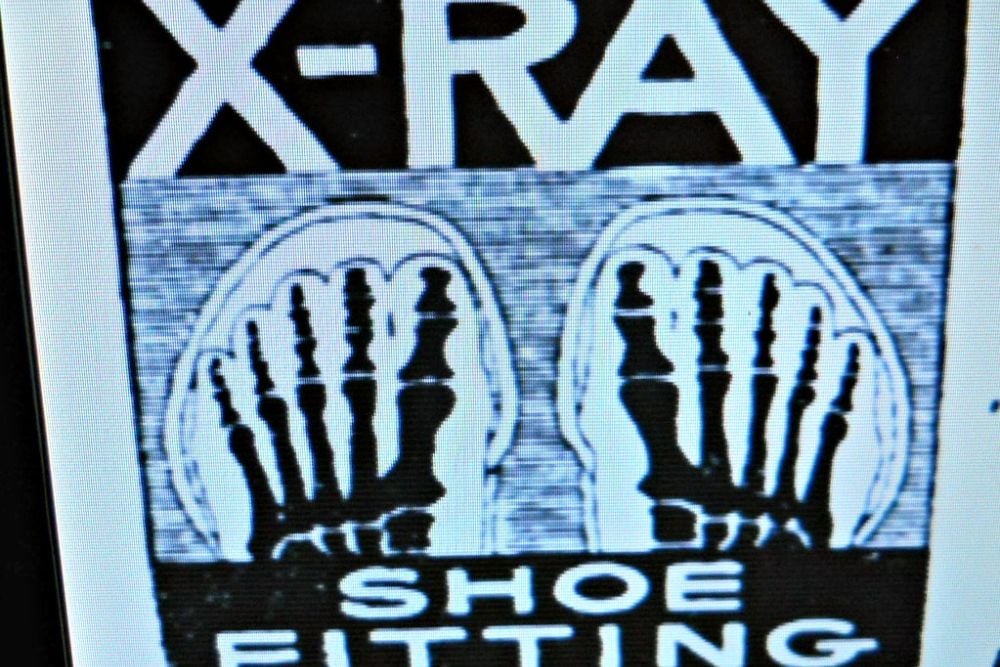
In the 1930s through 1950s, shoe stores installed fluoroscope machines, allowing customers to see the bones in their feet inside shoes they were trying on. These machines emitted significant radiation doses while children and parents watched the eerie glowing bones with fascination.
Sales clerks would stand nearby all day, soaking up radiation with absolutely no protection or warning about exposure limits. Some machines leaked radiation from all sides, exposing nearby shoppers as well.
Thalidomide For Morning Sickness
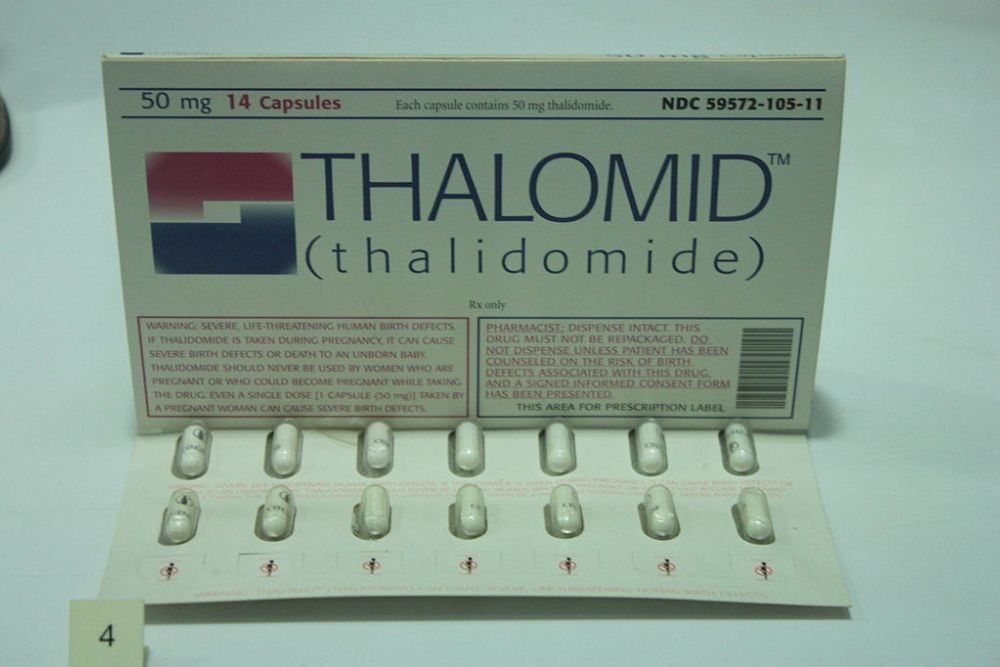
In the late 1950s, thalidomide was marketed as a wonder drug for pregnant women suffering from morning sickness. The medication came with no warnings about potential birth defects or risks to fetal development.
Thousands of babies were subsequently born with severe limb malformations before scientists connected the tragedies to the drug. This catastrophic oversight eventually led to much stricter drug testing requirements, but not before countless families were devastated.
Deadly Children’s Toys

Toys once came with hazards that would shock modern parents. Chemistry sets included genuine poisons, toy guns fired actual projectiles, and building sets contained small parts that were perfect choking hazards.
One notorious example was the ‘Gilbert Atomic Energy Lab’ from the 1950s, which included actual uranium ore samples for children to experiment with. Parents purchased these items assuming they were safe since they were marketed specifically for children.
Like Go2Tutors’s content? Follow us on MSN.
Flammable Clothing

Before fabric flammability standards, children’s pajamas and costumes were often made from highly flammable materials like untreated cotton or paper-thin synthetic fabrics. A child standing near a heater or stove, you could be engulfed in flames within seconds.
The tragic Halloween costume fires of the 1950s and 60s finally pushed regulators to establish standards, but only after many children suffered horrific burns or lost their lives due to clothing that acted essentially as kindling.
Coal Mine Working Conditions

Miners descended into coal shafts with oil lamps that could ignite explosive gases, breathing toxic dust with no respiratory protection whatsoever. Companies provided no information about black lung disease or the likelihood of cave-ins and explosions.
Young boys would work alongside men in these deadly conditions, often starting as young as eight years old. The darkness underground was matched only by the darkness of information about what was slowly killing these workers.
Early Pesticides
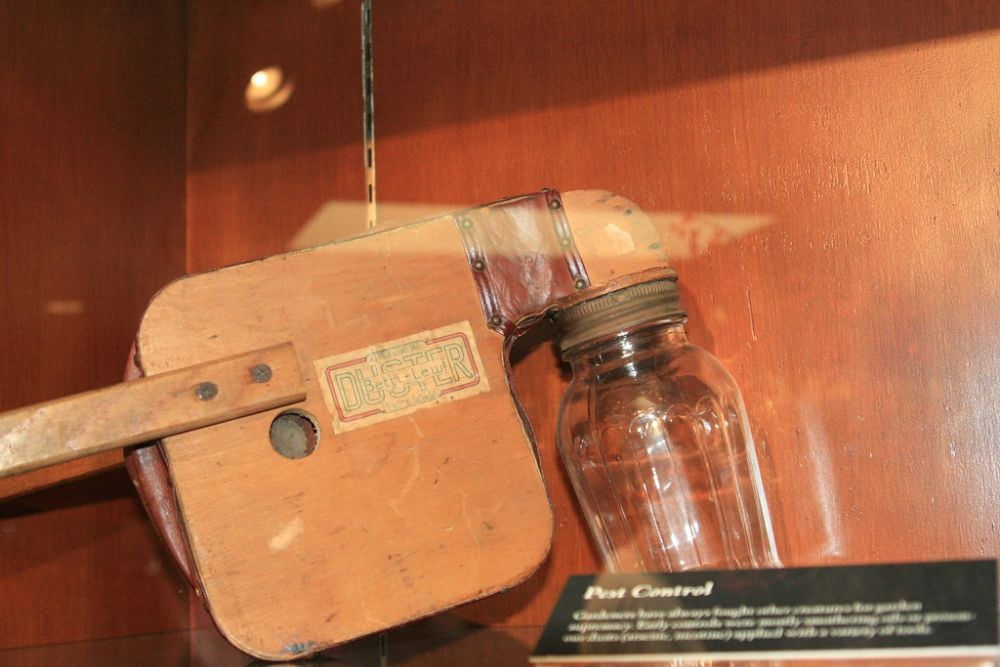
Farmers and gardeners once liberally sprayed crops with chemicals like DDT, lead arsenate, and paris green with no protective equipment or application guidelines. Children would play in freshly sprayed fields, and housewives would dust their gardens while wearing everyday clothes.
These potent neurotoxins and carcinogens were marketed as ‘miracle’ products with cheerful advertising showing healthy families enjoying pest-free environments, with no mention of their devastating environmental and health impacts.
Like Go2Tutors’s content? Follow us on MSN.
Cocaine in Beverages
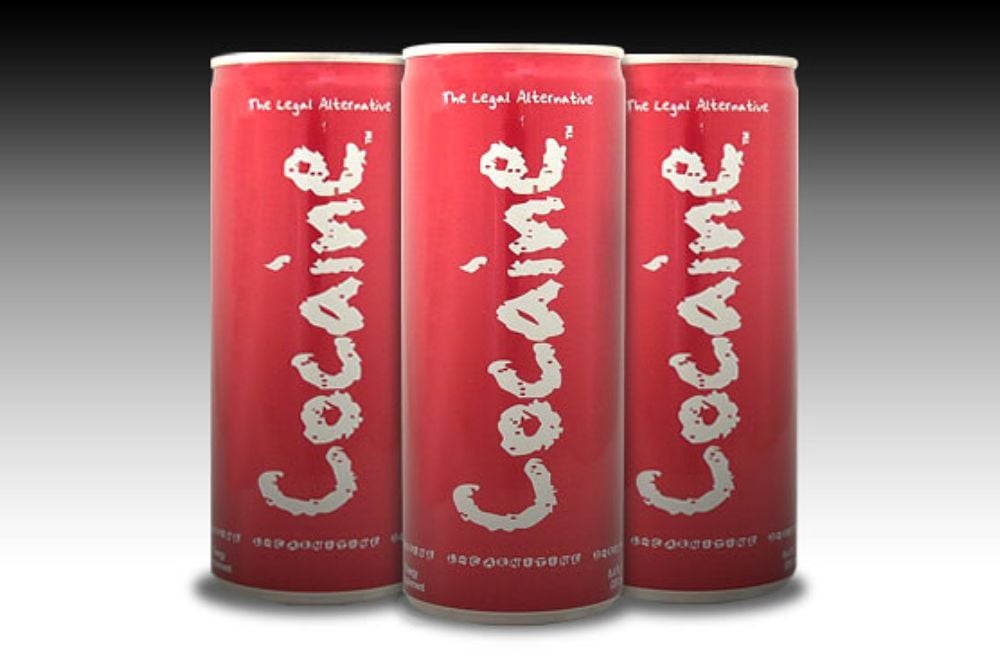
In the early formulations of Coca-Cola and many other tonics and beverages, cocaine was an actual ingredient—with zero warnings about its addictive properties. These drinks were marketed for everyone, including children, as refreshing pick-me-ups that would provide energy and cure headaches.
Consumers had no idea they were consuming a powerful stimulant that could lead to dependency, cardiovascular problems, and other serious health issues.
Unregulated Carnival Rides

Early amusement parks and traveling carnivals featured rides constructed with minimal engineering oversight and maintained by workers with little technical training. Riders would climb aboard contraptions that spun, dropped, and twisted at dangerous speeds with rudimentary safety restraints at best.
Rides were often operated beyond their mechanical limits, and the concept of regular safety inspections simply didn’t exist. Families looking for fun had no way of knowing which attractions might be death traps.
Combustible Refrigerators

The first home refrigerators often used toxic gases like ammonia, methyl chloride, and sulfur dioxide as refrigerants. These chemicals could leak, causing fires, explosions, or deadly gas exposure.
Manufacturers provided little-to-no information about these risks, and homeowners had no idea that their modern convenience might silently fill their home with toxic fumes or burst into flames. The tragic deaths of an entire family could sometimes be traced back to a leaking refrigeration unit.
Like Go2Tutors’s content? Follow us on MSN.
Medical X-Rays Without Shielding
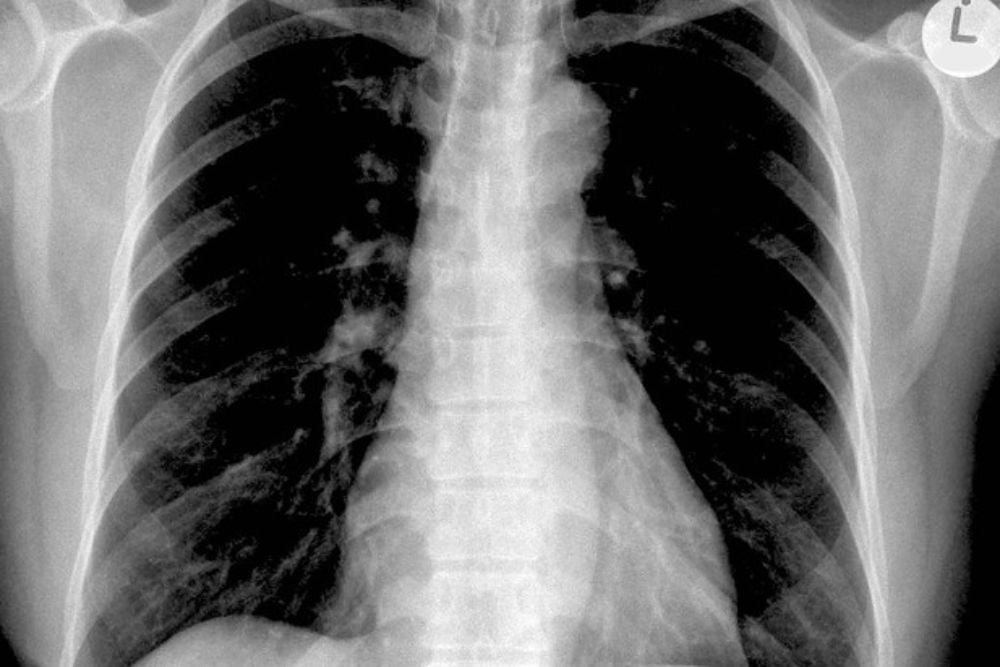
When X-rays were first discovered, doctors embraced them as magical windows into the body with no understanding of radiation dangers. Patients would receive doses hundreds of times stronger than today’s standards, often for trivial conditions like acne or to check shoe sizes.
Pregnant women routinely received abdominal X-rays, and children might get skull X-rays for simple headaches. Technicians would hold patients in position, exposing themselves to radiation day after day with no protective equipment whatsoever.
Early Cosmetics

Victorian and early 20th-century beauty products often contained ingredients that would horrify modern consumers. Face powders with lead, mercury-based skin lighteners, and mascara that could cause blindness were all sold without ingredient lists or hazard information.
Women would apply these toxins daily, often suffering chronic poisoning symptoms that were mistakenly attributed to ‘female hysteria’ or nervousness rather than their beauty regimens. Some cosmetics even contained radium to give women a ‘healthy glow.’
Perspectives From The Past To The Present

When we look back at these examples, it’s easy to wonder how people could have been so careless. Yet in each case, the dangers weren’t obvious without scientific research that hadn’t yet been conducted.
Many of today’s common products may someday appear on similar lists as our understanding of safety evolves. The progression from blissful ignorance to informed caution represents one of humanity’s most important journeys—one that continues with each new technology we develop.
These historical examples remind us to approach innovation with both enthusiasm and measured skepticism.
Like Go2Tutors’s content? Follow us on MSN.
More from Go2Tutors!

- 18 Unexpectedly Valuable Collectibles You Might Have Lying Around
- 15 Things Every Teenager in the ’70s Did That Teens Today Wouldn’t Understand
- 15 Strange Things People Have Tried to Ban (And Failed)
- 15 Inventions That Were Immediately Banned After Being Created
- 20 Actors Who Were Almost Cast in Iconic Roles
Like Go2Tutors’s content? Follow us on MSN.