16 Times the Same Event Happened in Two Different Centuries
History does not repeat itself, but it does rhyme. This popular quote, frequently attributed to Mark Twain, is a perceptive comment on the course of human civilization. Despite technology and cultural progress, some trends, wars, and achievements appear to resonate throughout history.
These echoes of history bear witness to the cyclical nature of human events as well as our propensity to grapple with the same issues over generations. Here are 16 incredible instances when history appeared to repeat itself in various centuries, illustrating how the past and the present reflect each other in not-so-obvious manners.
Russian Winter Defeats Invaders
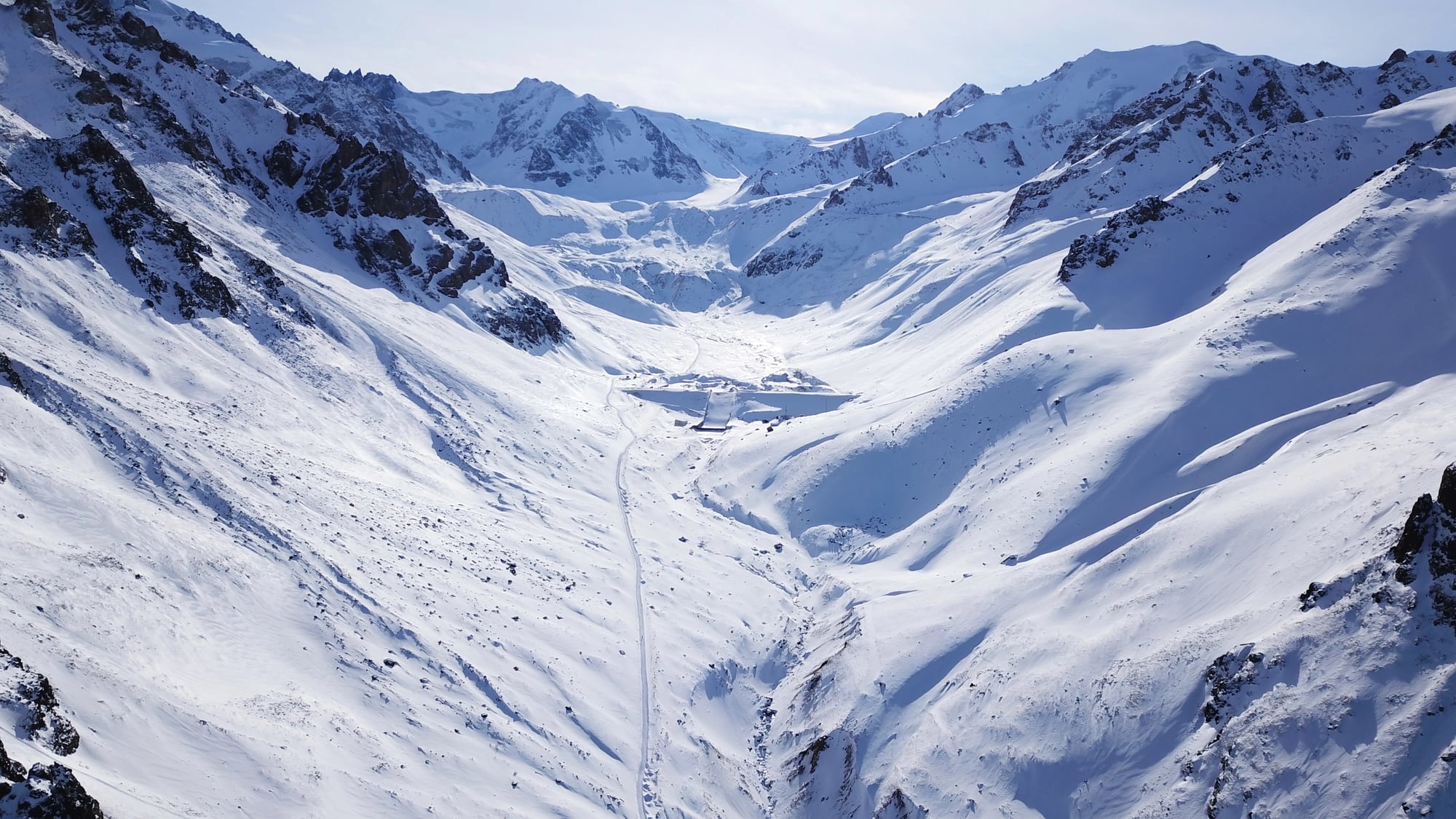
Napoleon’s Grande Armée invaded Russia in 1812 with more than 600,000 soldiers, but the harsh Russian winter destroyed them. During the retreat, the French ruler lost about 90% of his army.
The Russian winter was also underestimated by Hitler’s Operation Barbarossa in 1941. With equipment primarily designed for summer combat, the Nazi forces saw temperatures as low as -40°F.
The harsh lesson that Russia’s topography and climate provide powerful natural defenses was lost on both military behemoths.
Pandemic Reshapes Society

The Black Death swept through Europe in the 14th century, killing between 25 million and halving the population in some regions, including Britain, by two-thirds. Fundamentally altering the social and economic fabric of society, this resulted in shortages of labor and increased wages for the survivors.
Fast forward to the 21st century and COVID-19 sweeping the globe in 2020, killing millions and affecting the world. Like its medieval equivalent, this pandemic altered work habits, accelerated the adoption of technologies, and revealed deep societal inequality.
Like Go2Tutors’s content? Follow us on MSN.
Stock Market Speculation Crashes

Dutch investors poured money into tulip bulbs during the 1636–1637 Tulip Mania, pushing prices to unthinkable heights before the market crashed. Some bulbs became almost worthless after briefly costing more than opulent homes.
In a startling resemblance, investors hastily supported online startups with low income during the Dot-com bubble of 1999–2000. These episodes show how speculation may override sound market judgment, leading investors to believe that “this time is different” until the inevitable disaster happens.
Democracy Emerges From Monarchy
After toppling King Hippias in 508 BCE, Athens instituted the first democratic system in history. Citizens were able to directly participate in the legislative process under this revolutionary administration.
Nearly two millennia later, representative democracy was chosen over the British monarchy in the American Revolution of 1776. During both transitions, educated communities rejected inherited rule and established systems that allowed citizens to participate in governance, albeit with restrictions that barred women and members of particular social strata.
Antarctic Exploration Races

In 1911-1912, Norwegian Roald Amundsen and British explorer Robert Scott raced to become the first to reach the South Pole. Amundsen’s team succeeded while Scott’s party perished on the return journey.
In 2018, American Colin O’Brady and British Louis Rudd engaged in a similar Antarctic race, this time to become the first to cross the continent solo and unassisted. The persistence of such dangerous expeditions shows our continuing drive to test human limits, even when no practical benefit exists.
Like Go2Tutors’s content? Follow us on MSN.
Architectural Marvels Astonish
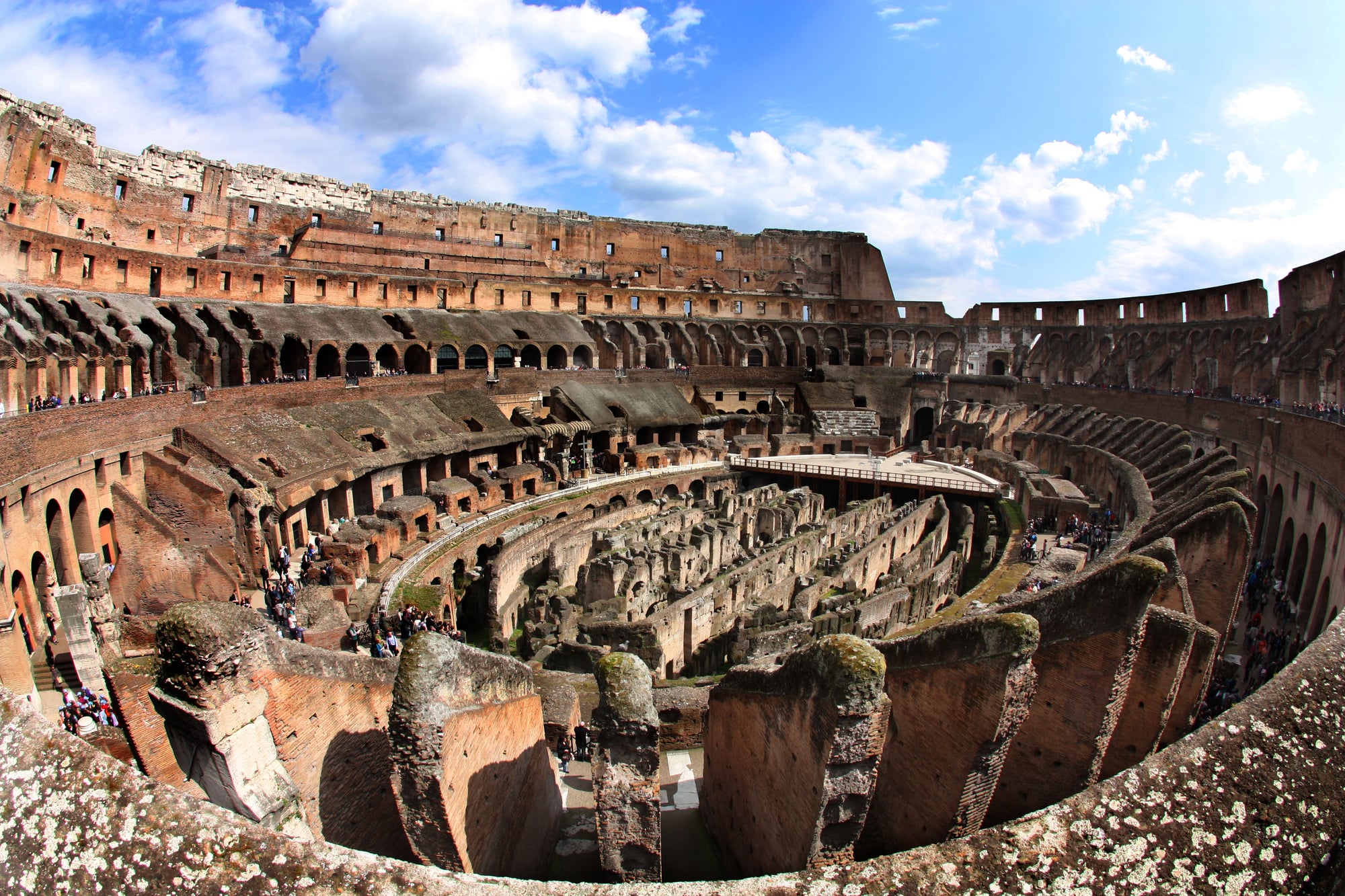
The Roman Colosseum, completed in 80 CE, showcased revolutionary architectural techniques including concrete arches and complex underground systems. This 50,000-seat arena remained the world’s largest amphitheater for centuries.
In 1889, the Eiffel Tower achieved similar acclaim by using innovative iron lattice techniques to create a structure taller than anything previously built. Both landmarks initially faced public criticism before becoming beloved national symbols that attracted millions of visitors annually.
Political Assassination Triggers Conflict

The 1914 assassination of Archduke Franz Ferdinand in Sarajevo sparked a chain of events leading to World War I, a conflict that claimed 20 million lives. In 1984, the assassination of Indian Prime Minister Indira Gandhi by her bodyguards triggered anti-Sikh riots that killed thousands and intensified religious tensions that continue today.
Both cases demonstrate how the targeted killing of a single political figure can unleash underlying tensions and lead to widespread violence that transforms societies for generations.
Naval Supremacy Shifts

In 1588, England’s smaller, more maneuverable ships defeated the Spanish Armada, establishing England as the dominant naval power. The technological advantages of English gunships proved decisive against Spain’s larger vessels.
Similarly, in 1941, Japan’s attack on Pearl Harbor demonstrated how aircraft carriers had supplanted battleships as the key to naval power. The subsequent naval battles in the Pacific confirmed that control of the air above the ocean had become as important as control of the water itself.
Like Go2Tutors’s content? Follow us on MSN.
Religious Reformations Transform Culture
Martin Luther’s Protestant Reformation in the 16th century challenged Catholic authority and reshaped Western Christianity. His German Bible translation allowed ordinary people to read scripture without clerical interpretation.
In the 20th century, the Second Vatican Council (1962-1965) similarly transformed religious practice by allowing Mass in local languages instead of Latin. Both reforms democratized access to religious texts and practices, reducing the authority gap between clergy and laypeople.
Financial Innovations Go Global

In 14th-century Italy, the Medici family pioneered modern banking practices including double-entry bookkeeping and letters of credit that facilitated international trade. Six centuries later, in the 1990s, electronic trading platforms revolutionized global finance by allowing instantaneous transactions across borders.
Both innovations drastically expanded international commerce and created new forms of wealth, while also increasing the complexity and interconnectedness of financial systems.
Propaganda Shapes War Narrative

During the Spanish-American War of 1898, newspaper publishers like William Randolph Hearst used sensationalist ‘yellow journalism’ to drum up public support for military intervention. Headlines exaggerated or fabricated Spanish atrocities in Cuba.
In 2003, the lead-up to the Iraq War saw modern media channels presenting selective intelligence about weapons of mass destruction. Both cases demonstrate how information control shapes public opinion during conflicts, with facts becoming secondary to emotional appeals.
Like Go2Tutors’s content? Follow us on MSN.
Agricultural Revolution Changes Diet

The British Agricultural Revolution of the 17th and 18th centuries introduced crop rotation, selective breeding, and new tools that dramatically increased food production. These changes supported population growth and urbanization by allowing fewer farmers to feed more people.
In the 20th century, the Green Revolution employed modern genetics, chemical fertilizers, and irrigation techniques to achieve similar productivity gains. Both transformations alleviated hunger while creating new environmental and social challenges.
Scientific Expeditions Expand Knowledge

Charles Darwin’s voyage on the HMS Beagle (1831-1836) collected unprecedented biological data that fundamentally changed our understanding of species development. His observations led to the theory of evolution through natural selection.
From 1990 to 2003, the Human Genome Project mapped our complete genetic blueprint, transforming medicine and biology. Both scientific endeavors required years of painstaking data collection and challenged existing beliefs about human origins and nature.
Cultural Renaissance Flourishes
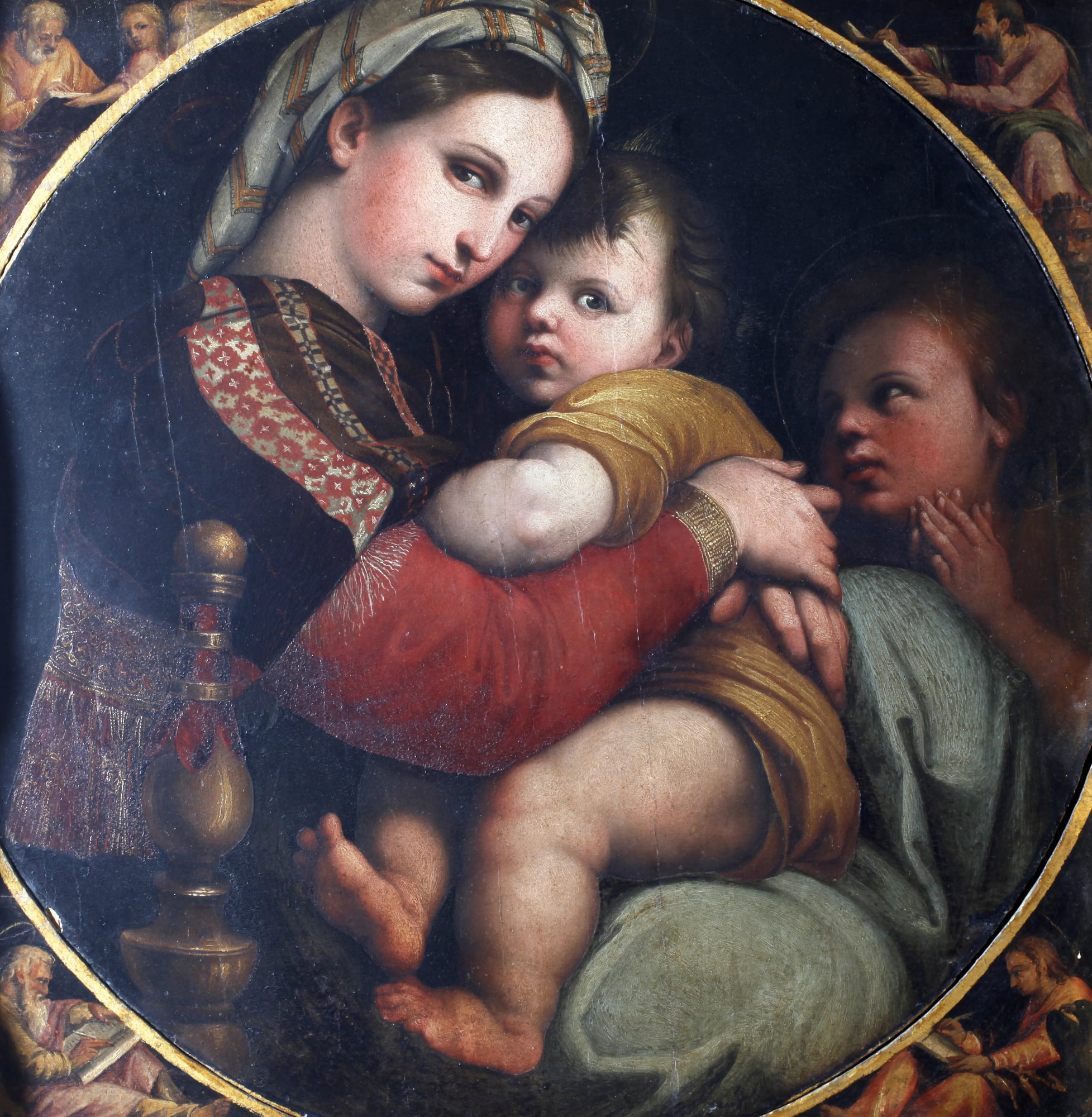
Florence’s 15th-century Renaissance revitalized art, architecture, and learning after the medieval period. Patrons like the Medici family funded artists including Leonardo da Vinci and Michelangelo, whose works still define Western aesthetics.
In the 1920s, the Harlem Renaissance similarly transformed American culture through literature, music, and art created by African Americans. Both movements occurred during periods of economic change and expanded educational access, demonstrating how cultural flourishing often follows social transformation.
Like Go2Tutors’s content? Follow us on MSN.
Popular Entertainment Industrializes

In 1893, Thomas Edison’s kinetoscope parlors offered the first commercial motion pictures, creating a new form of mass entertainment. These early films showed simple scenes and cost a penny to view.
In 1995, Netflix’s founding initiated another entertainment revolution—this time through DVD rentals, which would eventually evolve into streaming services. Both innovations transformed how stories reached audiences, disrupting existing entertainment models and creating new artistic possibilities.
Communication Revolution Connects World

The telegraph system of the 1830s-1840s compressed communication time from weeks to minutes. For the first time, information could travel faster than physical transportation, revolutionizing business, journalism, and diplomacy.
The internet’s expansion in the 1990s achieved a similar quantum leap in connectivity. Both technologies initially served limited users before rapidly expanding to reshape society, with similar patterns of early adoption by businesses and governments before reaching ordinary citizens.
History’s Echoing Chambers
These historical rhymes reveal more than coincidence—they demonstrate enduring human impulses, challenges, and solutions that transcend time. While circumstances evolve, our fundamental needs for security, connection, meaning, and advancement remain constant.
Perhaps the most valuable insight from these parallels is not that history repeats exactly, but that previous experiences offer valuable context for understanding contemporary challenges. By recognizing these patterns, we gain perspective on our present moment and potential wisdom for navigating what comes next.
More from Go2Tutors!

- 18 Unexpectedly Valuable Collectibles You Might Have Lying Around
- 20 Little-Known Historical Battles That Had Huge Consequences
- 20 Historical Artifacts That Scientists Can’t Explain
- 15 Inventions That Were Immediately Banned After Being Created
- 20 Actors Who Were Almost Cast in Iconic Roles
Like Go2Tutors’s content? Follow us on MSN.