16 coldest towns in the world that people call home
When you think about extreme cold, your mind might jump to Antarctica or the Arctic research stations where scientists brave temperatures that would freeze exposed skin in minutes. But there’s something different about places where families have lived for generations, where children walk to school in temperatures that would shut down entire cities elsewhere, where life doesn’t just survive but actually thrives in conditions most people would consider uninhabitable.
These aren’t temporary outposts or research facilities — they’re home to people who’ve figured out how to build communities in places where winter doesn’t just visit for a few months but settles in like a permanent resident.
Verkhoyansk, Russia
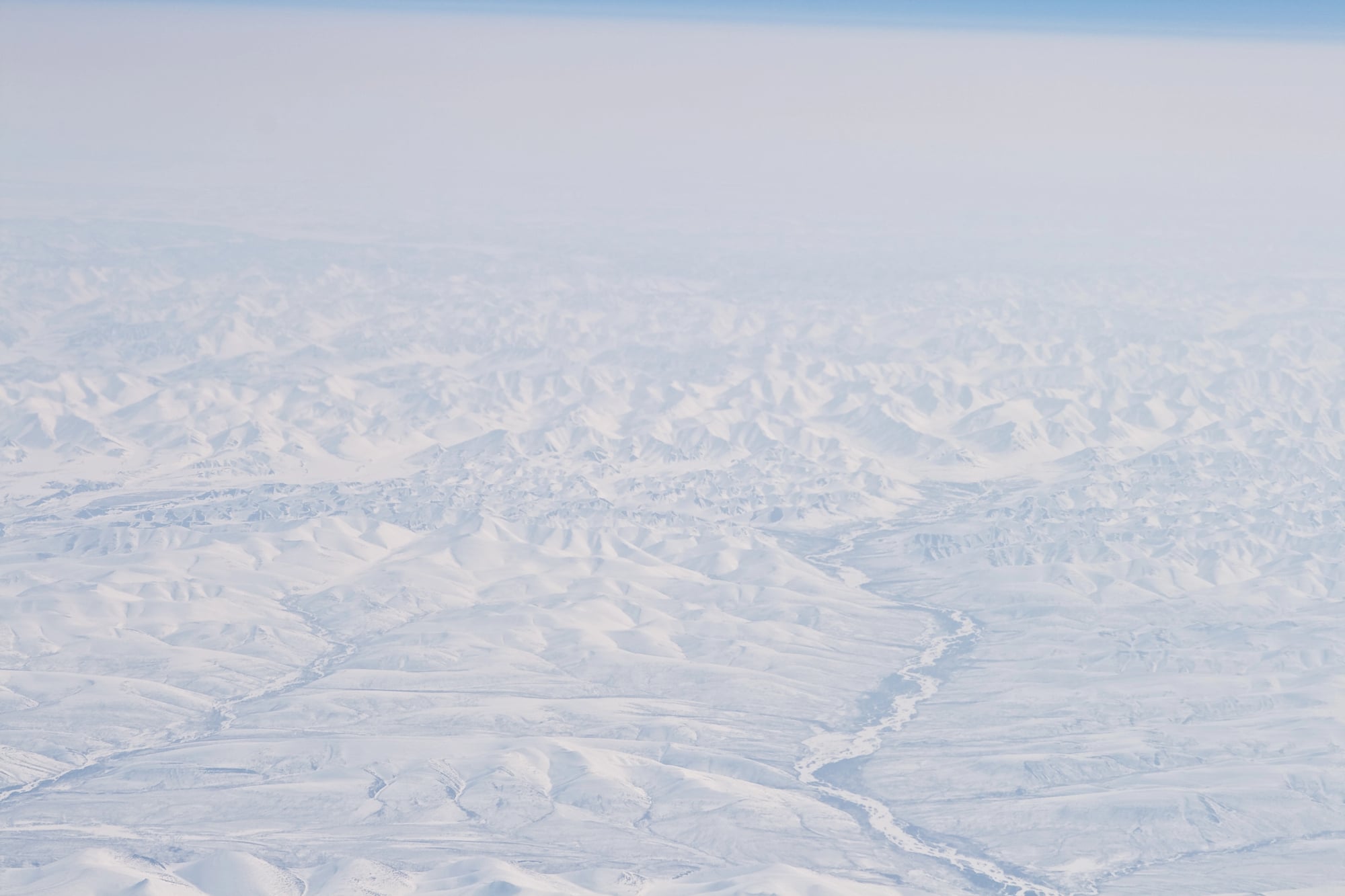
Verkhoyansk holds the record for the coldest permanently inhabited place on Earth. The town regularly sees winter temperatures drop to -60°F (-51°C).
People here don’t just endure this cold — they’ve built their entire way of life around it.
Oymyakon, Russia
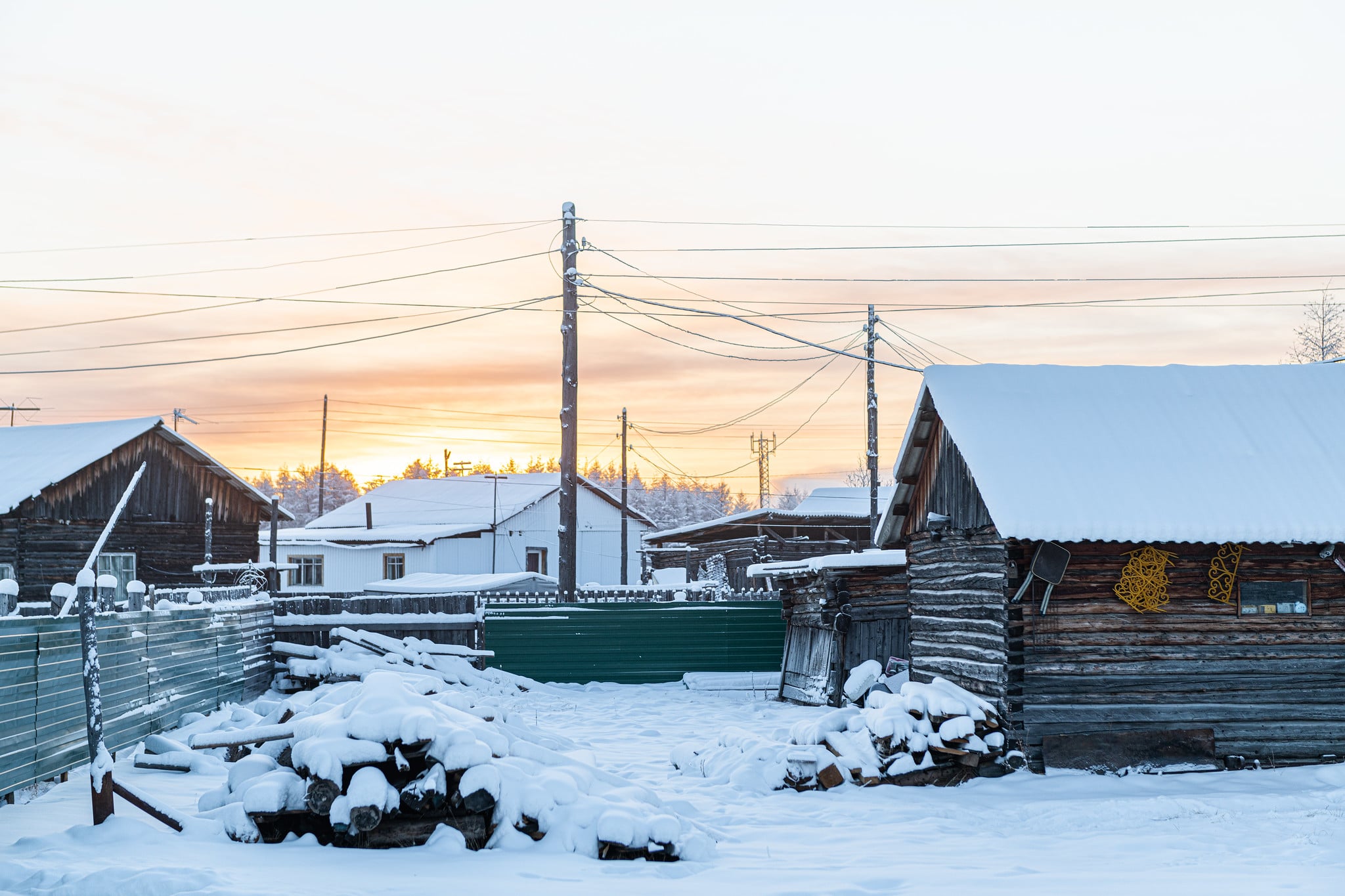
So this Siberian village (and yes, people debate whether it’s actually colder than Verkhoyansk, which is the kind of argument that can only happen when you’re dealing with temperatures that would kill most people within minutes of exposure) sits in a valley that acts like a natural freezer — cold air settles there and just stays, the way smoke lingers in a closed room, except instead of smoke it’s the kind of cold that makes the air itself feel solid.
The ground never thaws completely, not even in summer, so everything gets built on stilts because otherwise the buildings would sink into the permafrost like stones dropping through water, and people here have learned to leave their cars running from October until April (which is saying something when you consider the cost of fuel in a place this remote) because turning off your engine means you’re walking everywhere until spring arrives.
And yet families have called this place home for generations.
Yakutsk, Russia
Yakutsk is actually a proper city — over 300,000 people — built on ground that never thaws. The whole place sits on stilts.
Every building, every road, every piece of infrastructure has to account for permafrost that would buckle and shift if you tried to build on it directly. People here consider -40°F a normal Tuesday in January.
Fairbanks, Alaska
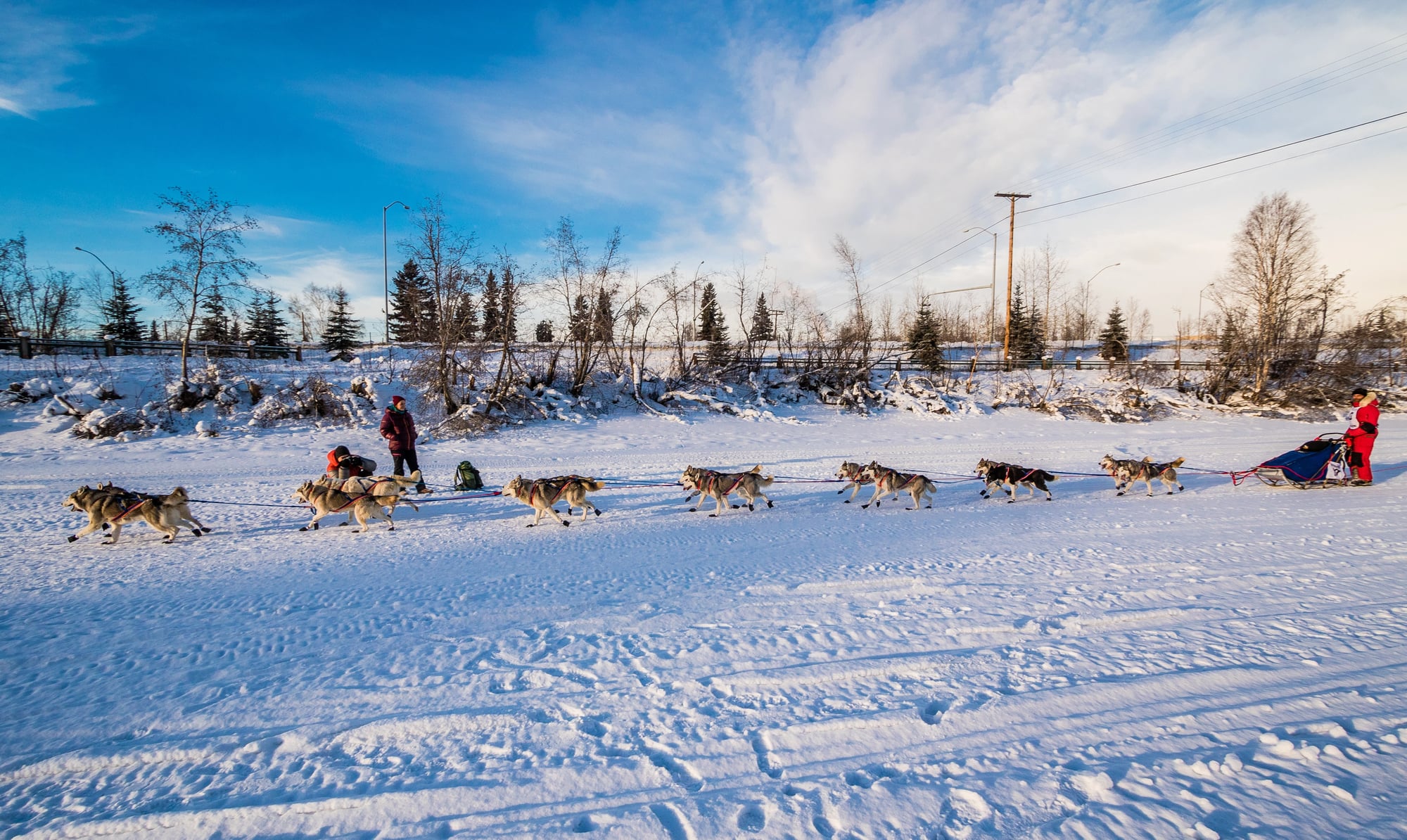
Like a town that decided to plant itself in the middle of Alaska’s interior and then act surprised when winter showed up with a vengeance, Fairbanks sits in a spot where cold air pools and settles the way water fills a bowl. During the darkest months, the sun barely clears the horizon — if it bothers to appear at all — leaving the place wrapped in a twilight that stretches for weeks while temperatures drop to levels that make your breath freeze before it leaves your mouth.
People here have learned to plug their cars into electrical outlets the way you’d charge a phone, because engines need help staying warm enough to function, and yet there’s something stubborn and admirable about a place that refuses to admit defeat even when faced with conditions that would send most people fleeing south. The aurora borealis puts on a show here that makes the suffering seem almost worth it, painting the sky in colors that don’t exist anywhere else.
International Falls, Minnesota
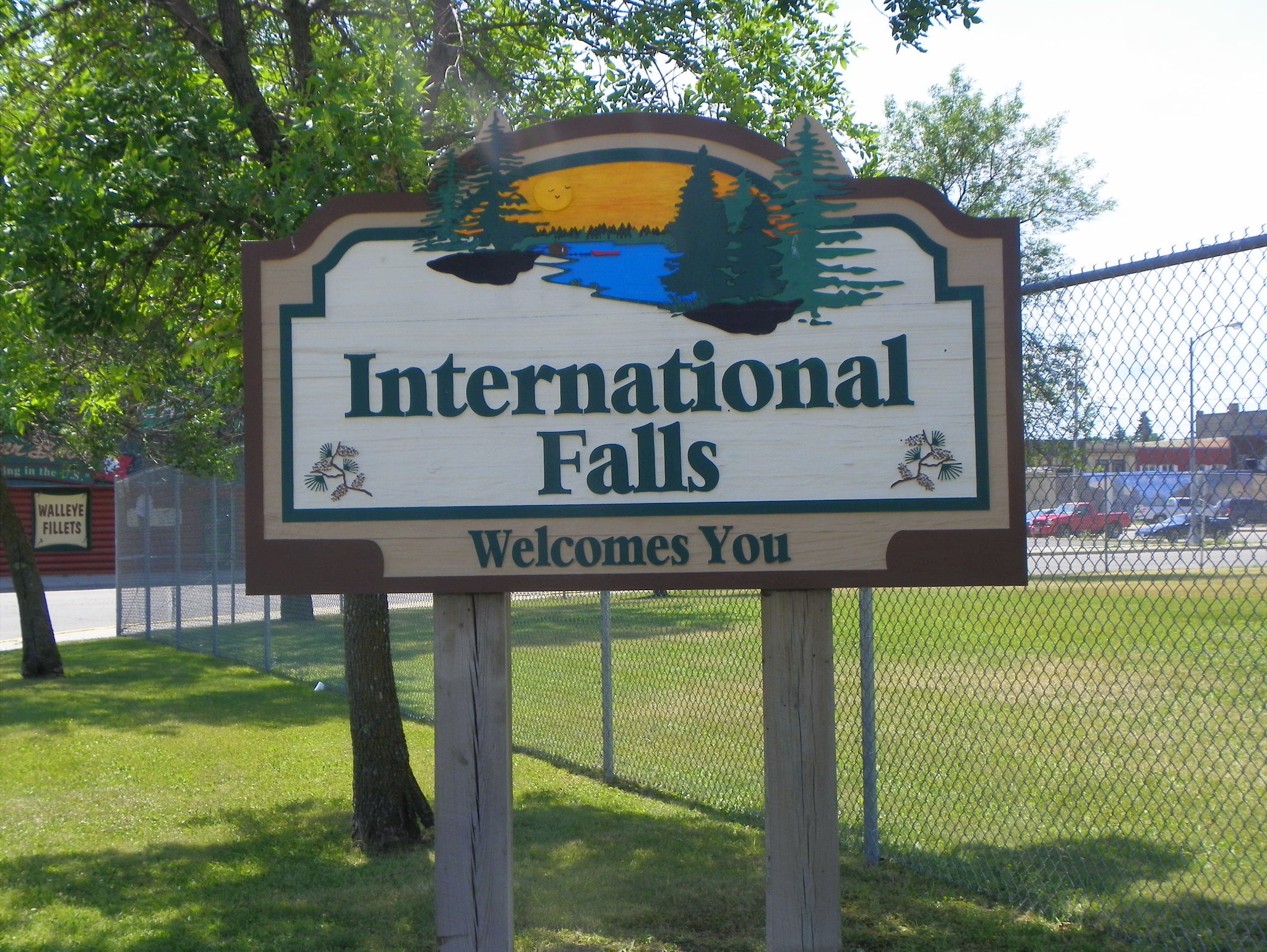
International Falls calls itself the “Icebox of the Nation.” That’s not marketing — that’s a warning. The town regularly records some of the coldest temperatures in the lower 48 states.
The place sits right on the Canadian border, which means it gets hit with Arctic air masses that have nothing to slow them down on their journey south. People here treat -30°F like other places treat a light snow dusting.
Barrow, Alaska
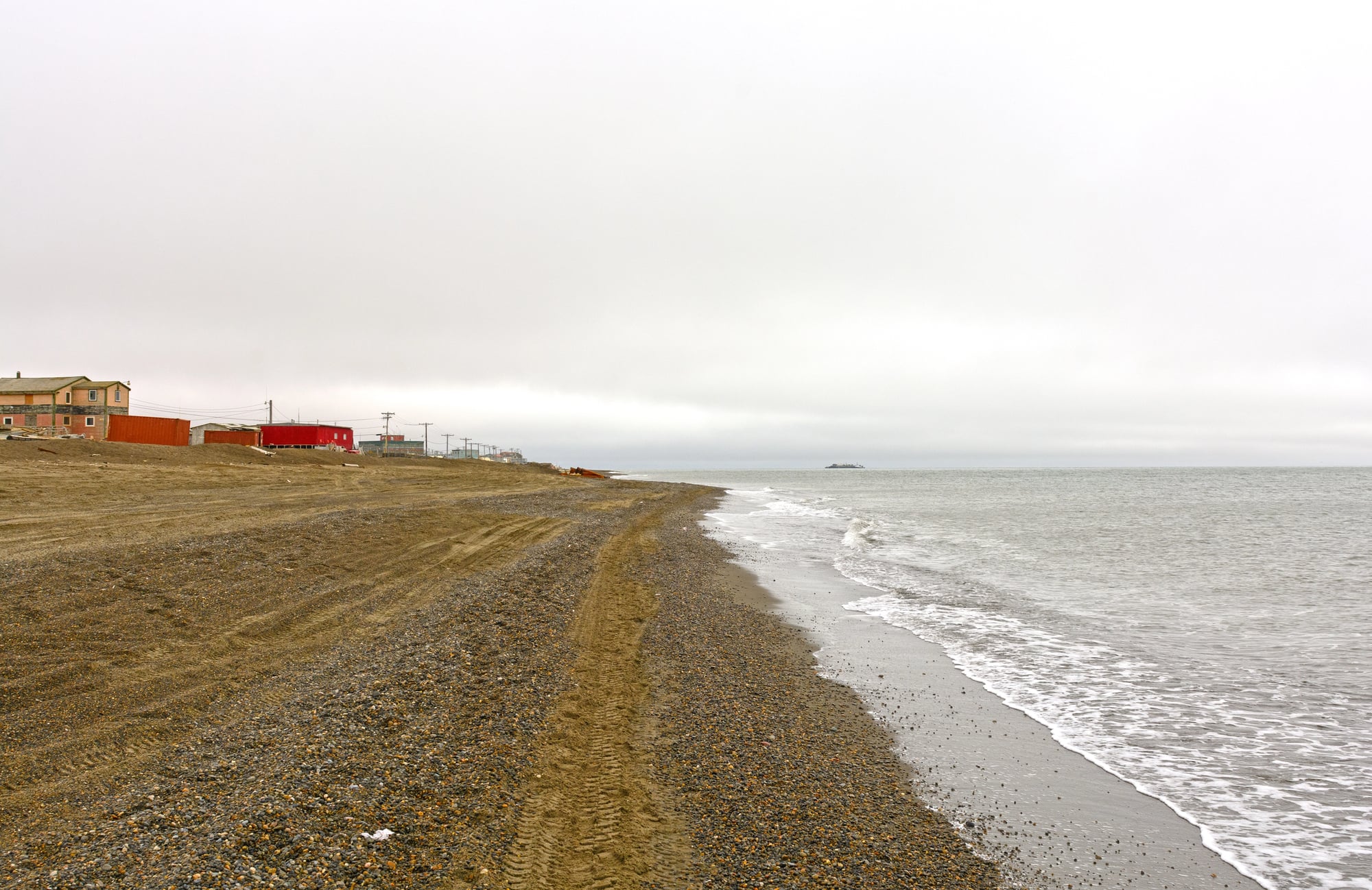
The sun doesn’t rise in Barrow for 65 straight days. Think about that for a moment — more than two months of continuous darkness while temperatures hover around -20°F on a good day.
This is the northernmost city in the United States, and everything about daily life here reflects that reality. Food costs a fortune because everything has to be flown in.
Fraser, Colorado
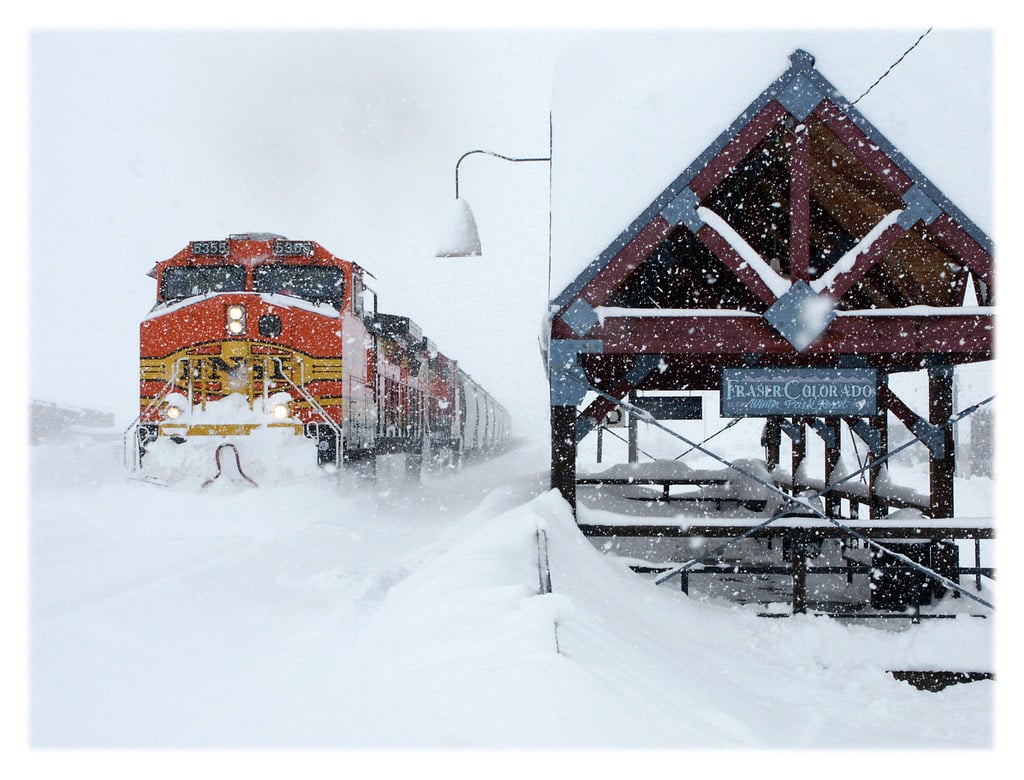
Perched high in the Rocky Mountains like a town that climbed as far away from sea level as possible just to see what would happen, Fraser sits in a valley that acts as a natural refrigerator, trapping cold air the way a pocket holds loose change. The elevation here — over 8,500 feet — means the atmosphere is thinner, which sounds harmless until you realize that thin air holds less heat, so when winter arrives it settles in with the kind of thoroughness that would impress a drill sergeant.
People here wake up to temperatures that regularly drop below -40°F, which is cold enough to freeze antifreeze, yet they’ve built a community that thrives on winter tourism because apparently some people find this appealing rather than terrifying. The skiing is supposed to be excellent, though you have to wonder about the judgment of anyone willing to stand on top of a mountain in these conditions.
Hell, Norway
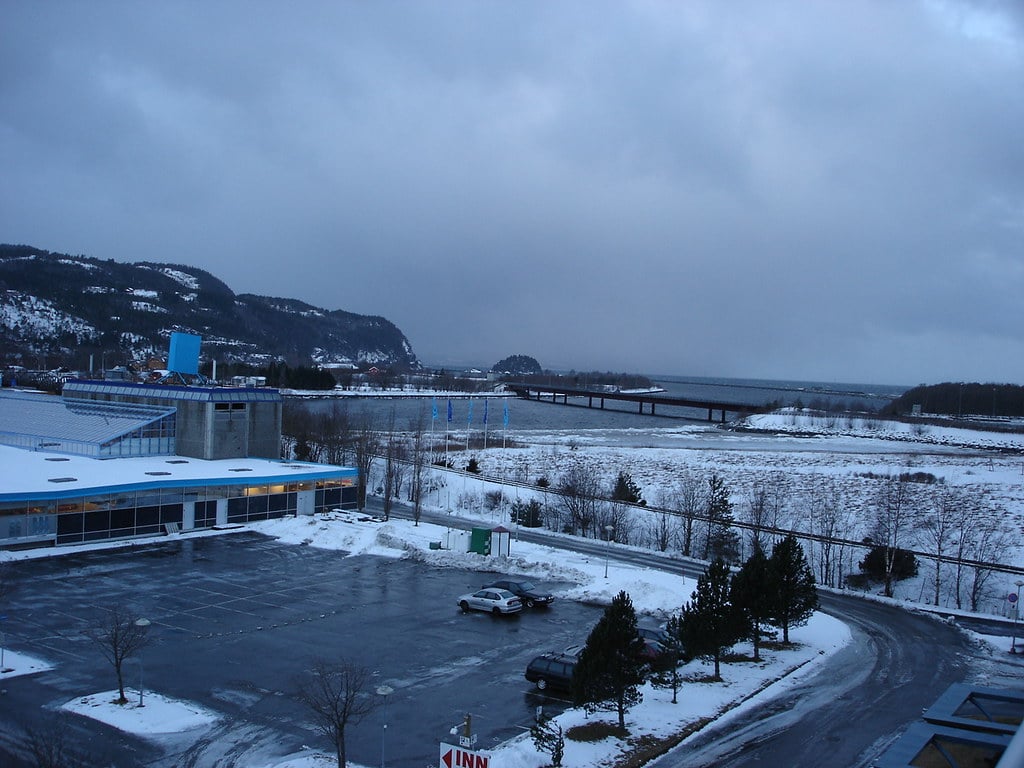
Hell freezes over every single winter. The residents have made peace with the cosmic joke of their town’s name.
This small Norwegian town sits far enough north that winter arrives early and stays late. Temperatures regularly drop well below 0°F, and the darkness lasts for months.
Snag, Yukon Territory
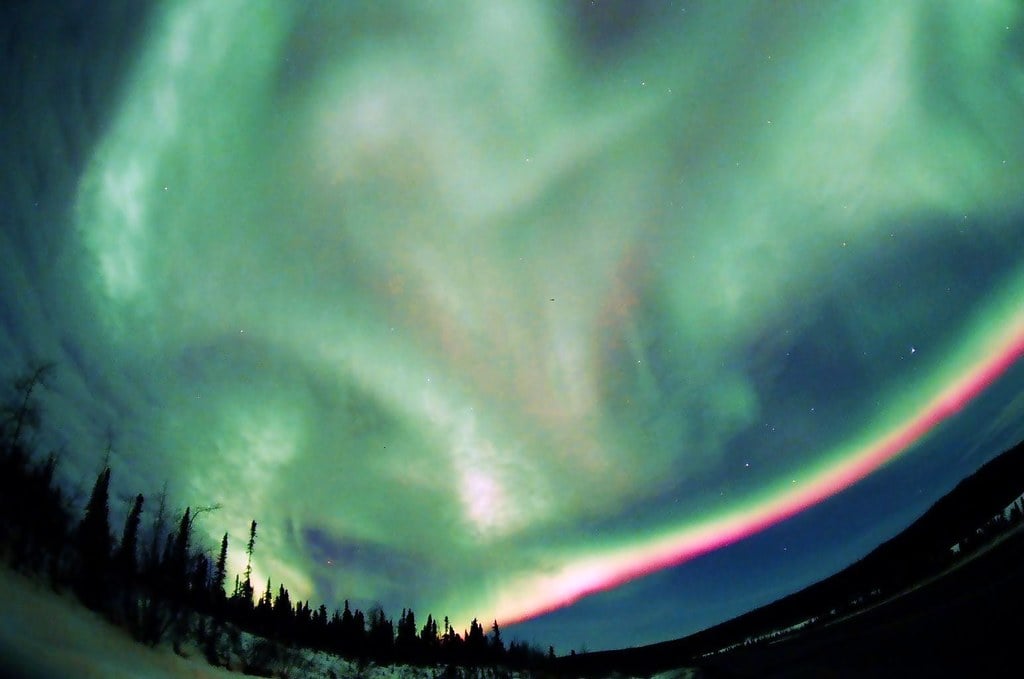
Snag holds the record for the coldest temperature ever recorded in North America: -81.4°F (-63°C). That was back in 1947, but the place hasn’t gotten any warmer since then.
This tiny settlement sits in a valley that funnels cold air like a wind tunnel designed by someone with a grudge against warmth. Most people would consider this uninhabitable.
Prospect Creek, Alaska
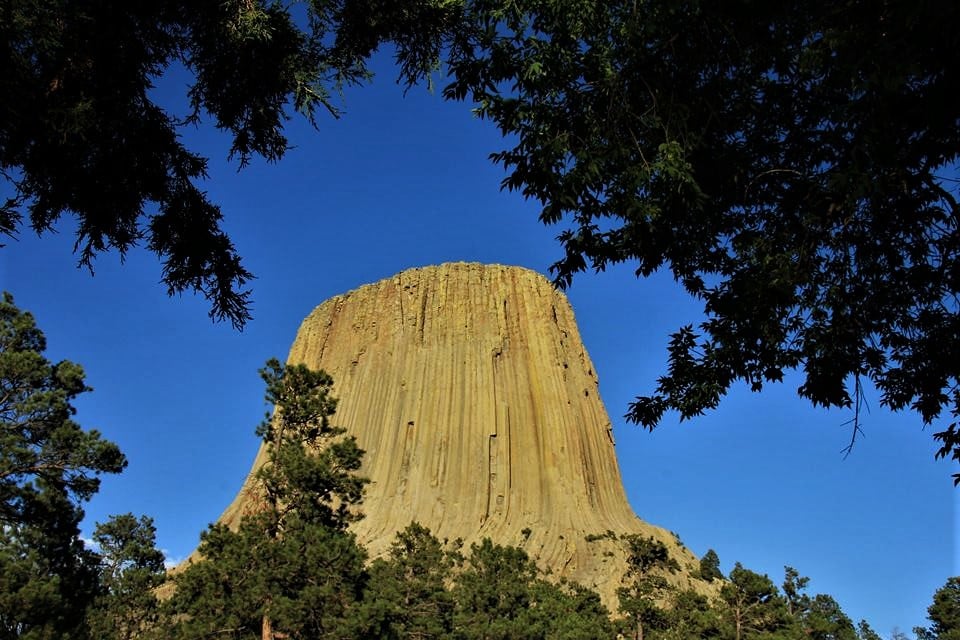
Like a place that exists purely to test the limits of human endurance, Prospect Creek recorded the coldest temperature ever measured in Alaska: -80°F (-62.2°C), which is the kind of cold that makes other cold places feel tropical by comparison. This former pipeline camp sits in the Brooks Range, where mountains funnel Arctic air through valleys with the efficiency of a natural freezing system, creating conditions that would make a polar bear reconsider its life choices.
The population here is minimal — most people had the good sense to leave after the pipeline construction ended — but the few who remain have essentially committed to living in what amounts to an outdoor freezer for most of the year. And yet there’s something almost admirably stubborn about choosing to stay in a place where the cold itself becomes a living thing, something that shapes every decision from what you wear to whether you venture outside at all.
Ulaanbaatar, Mongolia
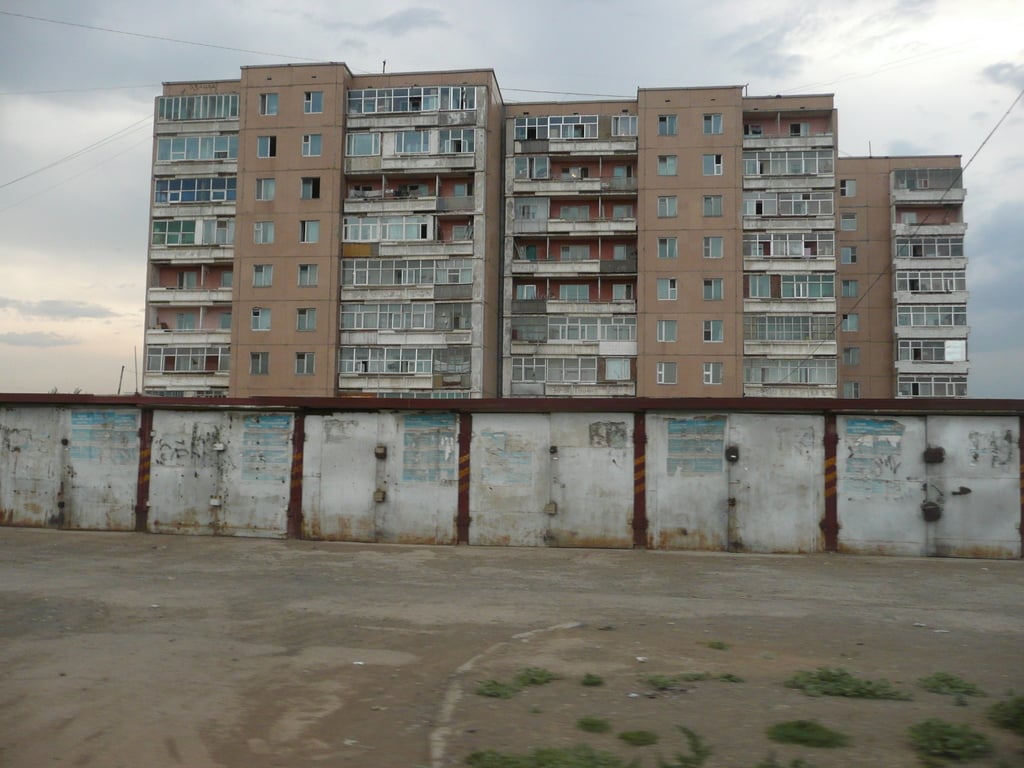
Mongolia’s capital city shouldn’t work. It sits at 4,300 feet elevation in a country locked between Russia and China, with no access to moderating ocean temperatures.
Winter here means months of temperatures that rarely climb above -10°F. The city burns coal for heat, which creates air quality problems on top of the brutal cold.
Yet over a million people call this place home, proving that humans can adapt to just about anything if they’re determined enough.
Dudinka, Russia
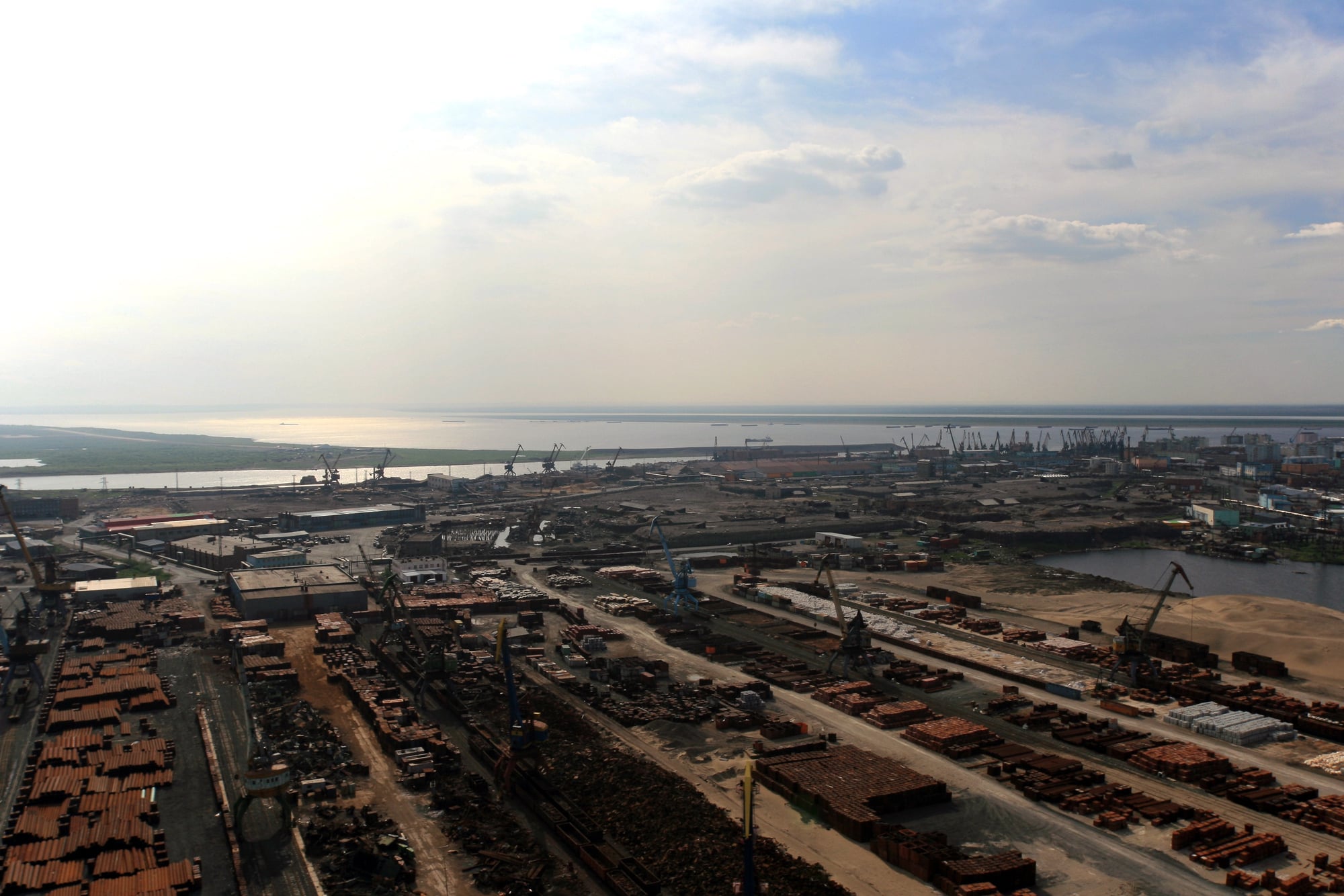
Dudinka sits above the Arctic Circle on the Yenisei River, which means it gets Arctic weather with the added bonus of river winds that cut through clothing like cold knives through warm butter. This Russian port city deals with temperatures that regularly drop to -45°F while managing to function as an actual shipping hub, which seems like the kind of challenge that should have been deemed impossible before anyone tried it.
The port stays busy even in winter because icebreakers keep shipping lanes open, meaning people here work outside in conditions that would constitute a medical emergency in most other places, yet somehow they’ve built a functioning economy around the idea that extreme cold is just another workplace hazard. The sun disappears completely for about two months each year, leaving residents to navigate by streetlight and whatever aurora activity happens to be painting the sky, but people stay and work and raise families as if this were the most natural thing in the world.
Thompson, Manitoba
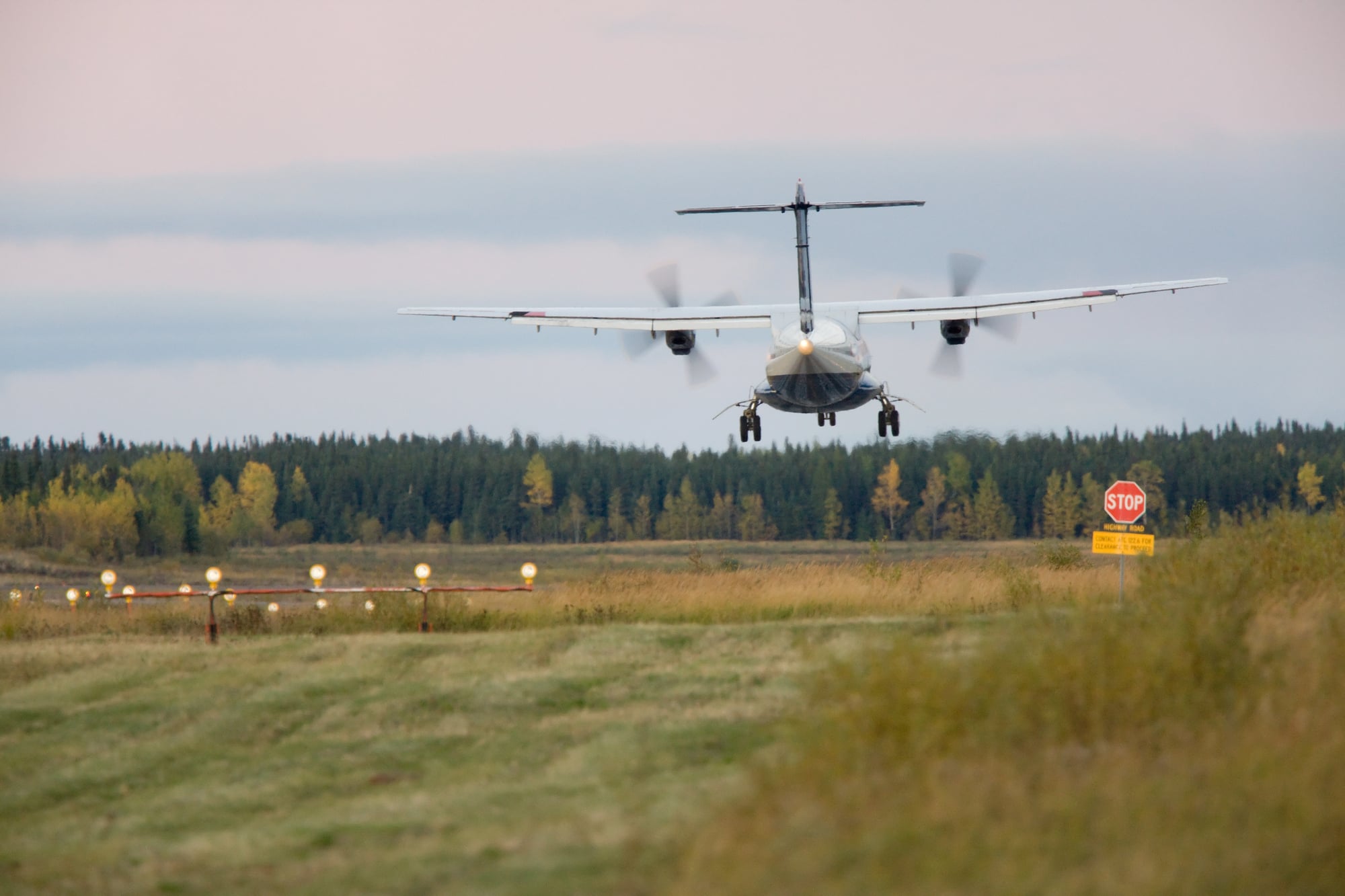
Thompson calls itself the “Hub of the North,” which is a polite way of saying it’s the biggest town in a region where most people have enough sense not to live. This Canadian mining town regularly sees temperatures drop below -40°F, with wind chills that make those numbers feel tropical.
The nickel mines here provide jobs, but they also require people to work in conditions that would challenge an arctic explorer. People do it anyway.
Yellowknife, Northwest Territories
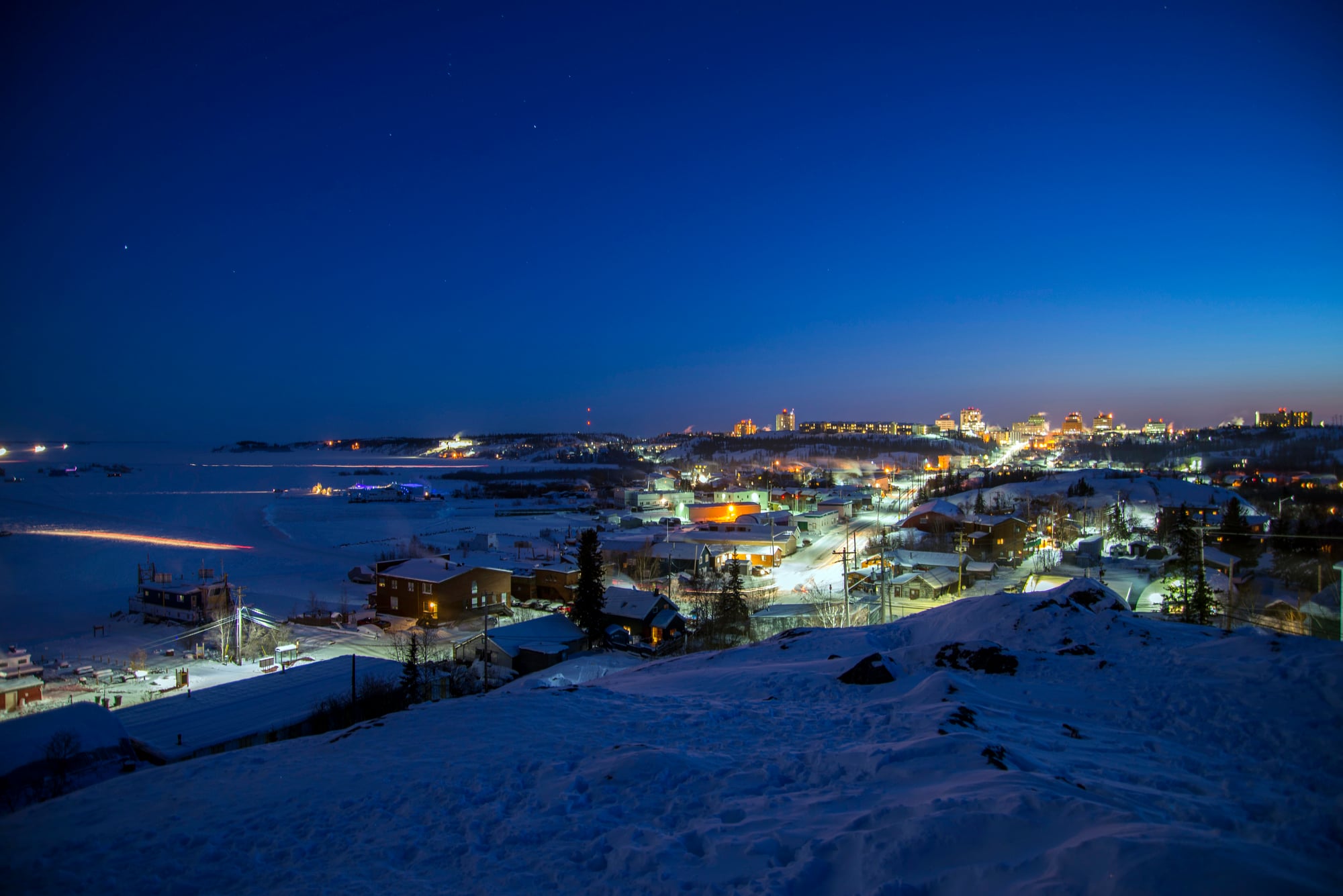
Like a city that decided the best place to build would be as far north as possible while still maintaining some connection to the rest of civilization, Yellowknife sits on the shores of Great Slave Lake in Canada’s Northwest Territories, where winter temperatures regularly drop to -30°F and stay there for months as if the thermometer got stuck and gave up trying. The lake freezes solid enough to support truck traffic, which locals use as a highway system because apparently driving on frozen water seems reasonable when you’re dealing with distances this vast and conditions this harsh.
Gold mining brought people here originally, and diamond mining keeps them here now, but there’s something about the place that goes beyond economic opportunity — maybe it’s the northern lights that dance overhead for much of the winter, or maybe it’s the way a place this remote strips away everything unnecessary and leaves only what actually matters. The sun disappears for several weeks each winter, yet people stay and build careers and raise children in a place that tests human resilience every single day.
Whitehorse, Yukon Territory
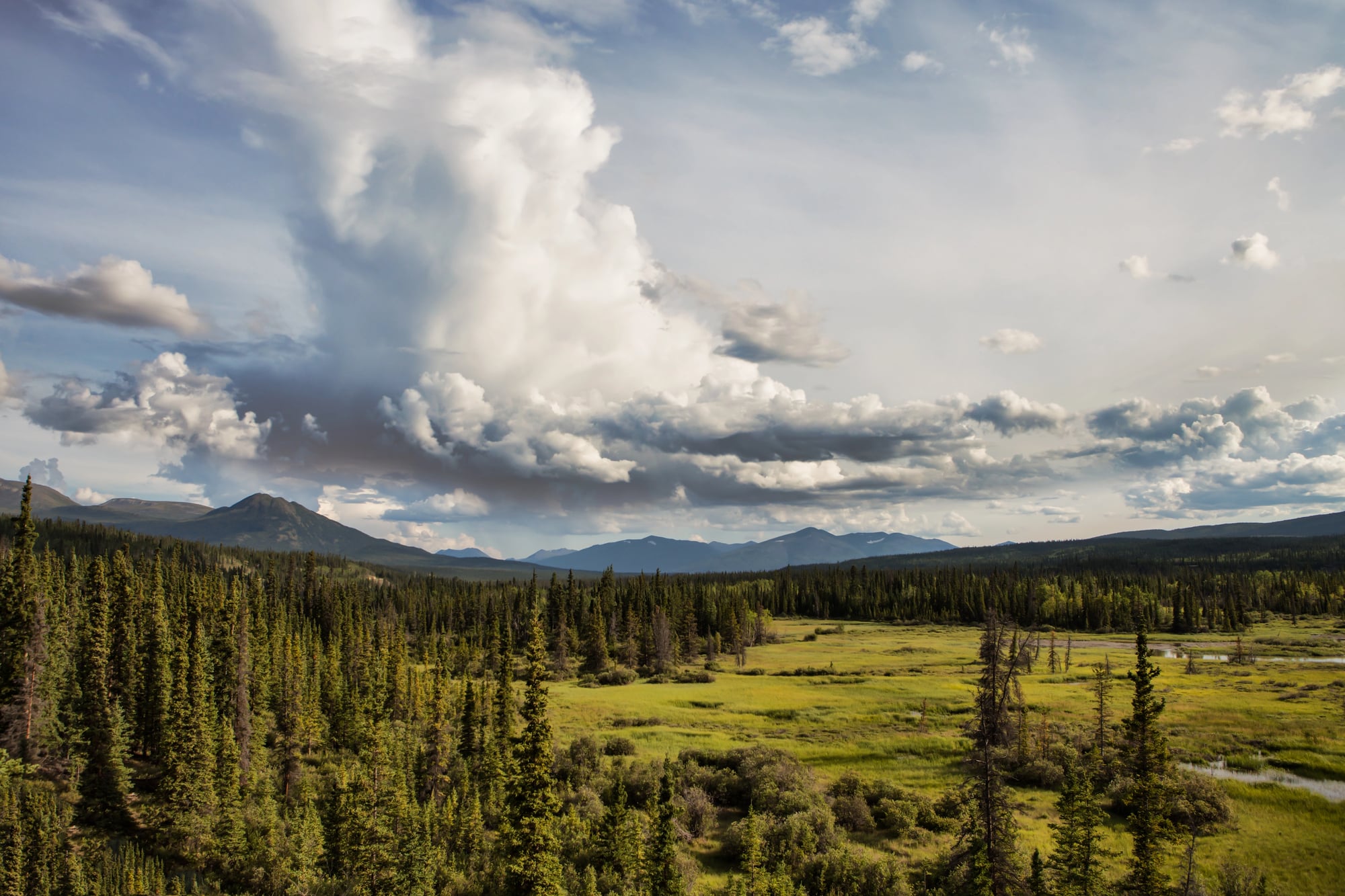
Whitehorse is practically tropical compared to some places on this list. Winter temperatures only drop to around -20°F on average.
That’s still cold enough to freeze exposed skin in minutes, but people here act like they’re living in Hawaii compared to their northern neighbors. The city actually has a decent arts scene and tourism industry, proving that culture can flourish even when nature seems determined to freeze it solid.
Fort Good Hope, Northwest Territories
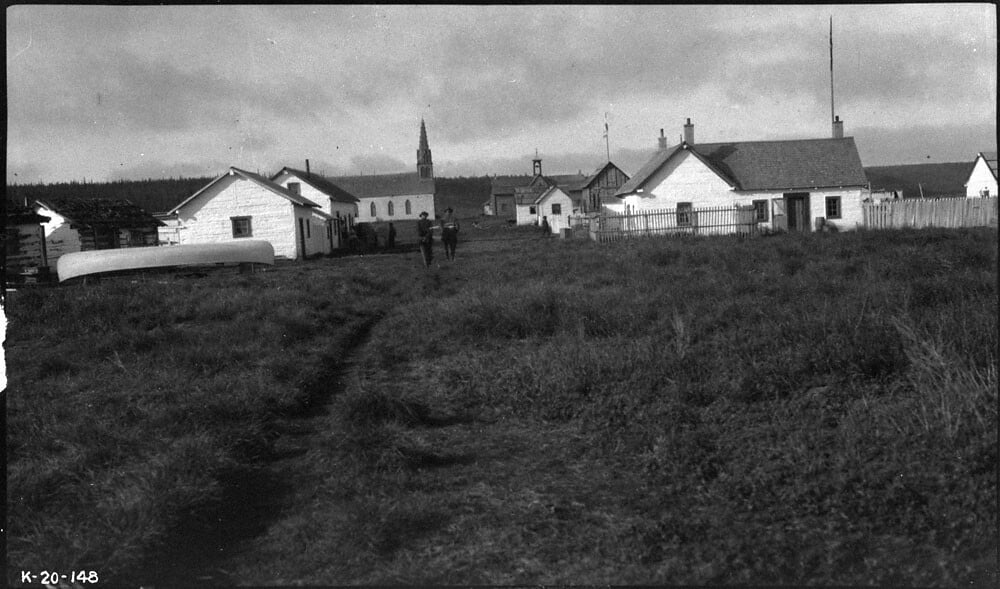
Fort Good Hope sits on the Mackenzie River in Canada’s Northwest Territories, which sounds peaceful until you realize that “sitting on a river” in this context means being surrounded by water that freezes solid for half the year while temperatures drop to levels that make survival itself feel like an achievement worth celebrating. This small community of fewer than 600 people deals with winter conditions that regularly reach -40°F, and the remoteness means that when something goes wrong — whether it’s a medical emergency or a heating system failure — help is a long way away, yet people here have maintained their community for generations, passing down knowledge about living in conditions that would terrify most of the world’s population.
The name “Good Hope” feels like either tremendous optimism or sophisticated irony, depending on how you feel about the idea of calling a place “good” when winter there can kill you if you’re not careful.
Rogers Pass, Montana
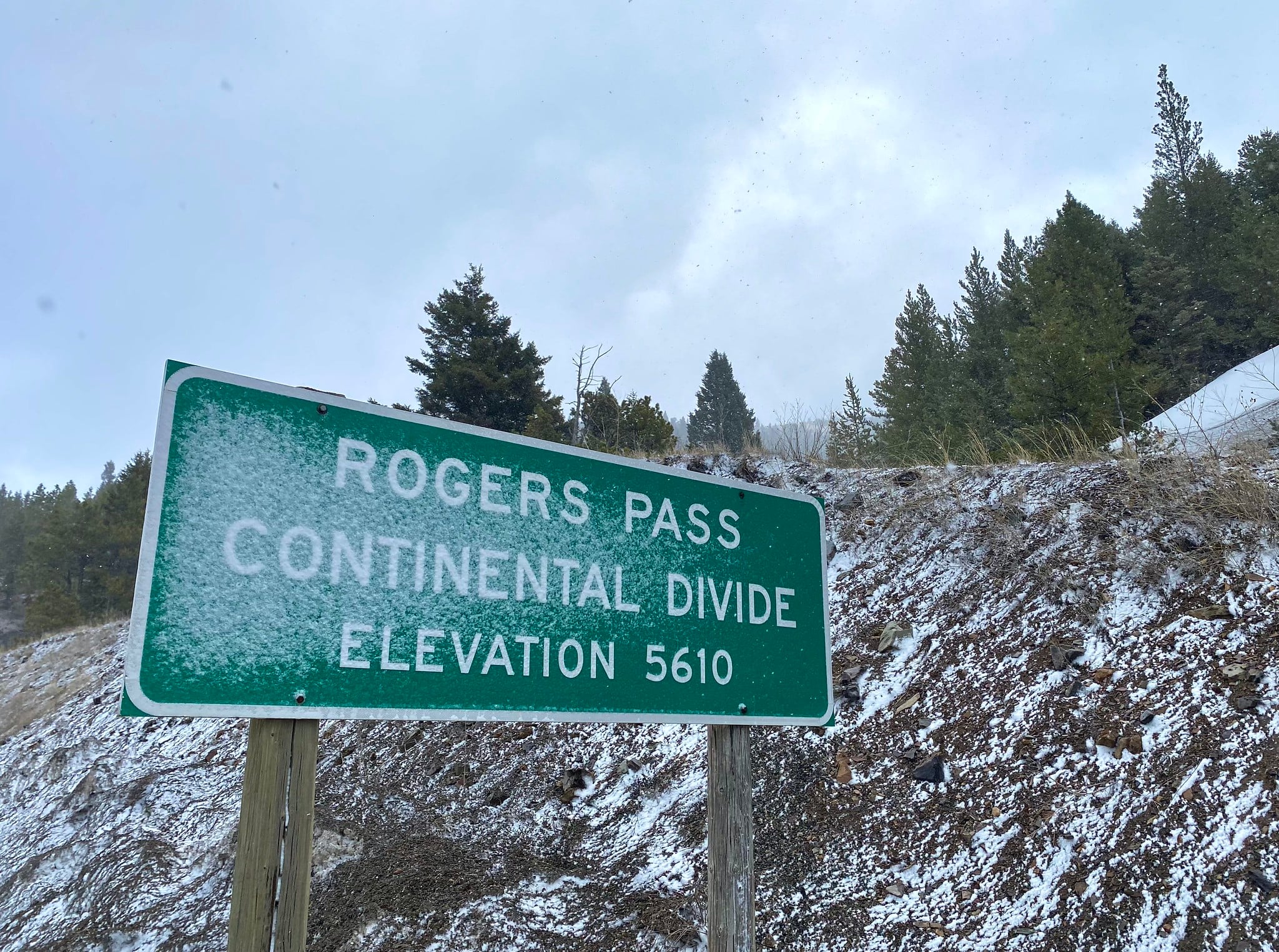
Rogers Pass holds the record for the coldest temperature ever recorded in the lower 48 states: -70°F (-56.7°C). That’s cold enough to freeze gasoline.
This mountain pass in Montana doesn’t have many permanent residents, but the few who live nearby have to deal with conditions that regularly challenge the limits of what humans can endure. The elevation and geography create a perfect storm for extreme cold that makes other Montana winters look mild.
When cold becomes home
Cold, it turns out, is just another fact to build a life around. These places prove that humans don’t just survive in extreme conditions — they create communities, raise families, build cultures that couldn’t exist anywhere else.
The aurora borealis belongs to these northern towns the way ocean sunsets belong to coastal cities. Children here learn to check the thermometer the way other kids check for rain, and parents teach lessons about frostbite prevention alongside bicycle safety. There’s something quietly remarkable about choosing to stay in places that test human limits every single day, about deciding that home isn’t defined by comfort but by something deeper — connection, purpose, the simple stubborn insistence that life finds a way to flourish even where it probably shouldn’t.
More from Go2Tutors!

- The Romanov Crown Jewels and Their Tragic Fate
- 13 Historical Mysteries That Science Still Can’t Solve
- Famous Hoaxes That Fooled the World for Years
- 15 Child Stars with Tragic Adult Lives
- 16 Famous Jewelry Pieces in History
Like Go2Tutors’s content? Follow us on MSN.



