14 Architectural Plans That Were Never Built
Architecture has always been a field where imagination meets reality, but sometimes that imagination stretches beyond what’s practically possible. Throughout history, visionary architects have conceived stunning designs that, for various reasons, remained confined to paper.
Here is a list of 14 architectural plans that were simply too unusual, ambitious, or downright strange to ever become reality.
The Illinois Sky-City

Frank Lloyd Wright’s mile-high skyscraper proposed in 1956 would have stood at 5,280 feet tall—four times higher than the Empire State Building at that time. The 528-story building was designed with atomic-powered elevators and a foundation extending 76 feet into the ground. Materials and engineering limitations of the era made this towering vision impossible to construct, though many of Wright’s innovations later influenced skyscraper design.
The Walking City

In the 1960s, British architect Ron Herron proposed massive mobile structures that could literally walk from place to place. These enormous mechanical pods on legs would house entire communities and could connect to other walking cities when needed. The concept reflected Cold War anxieties and ideas about nomadic living, but was far too technologically complex and resource-intensive to ever leave the drawing board.
The Shimizu Mega-Pyramid
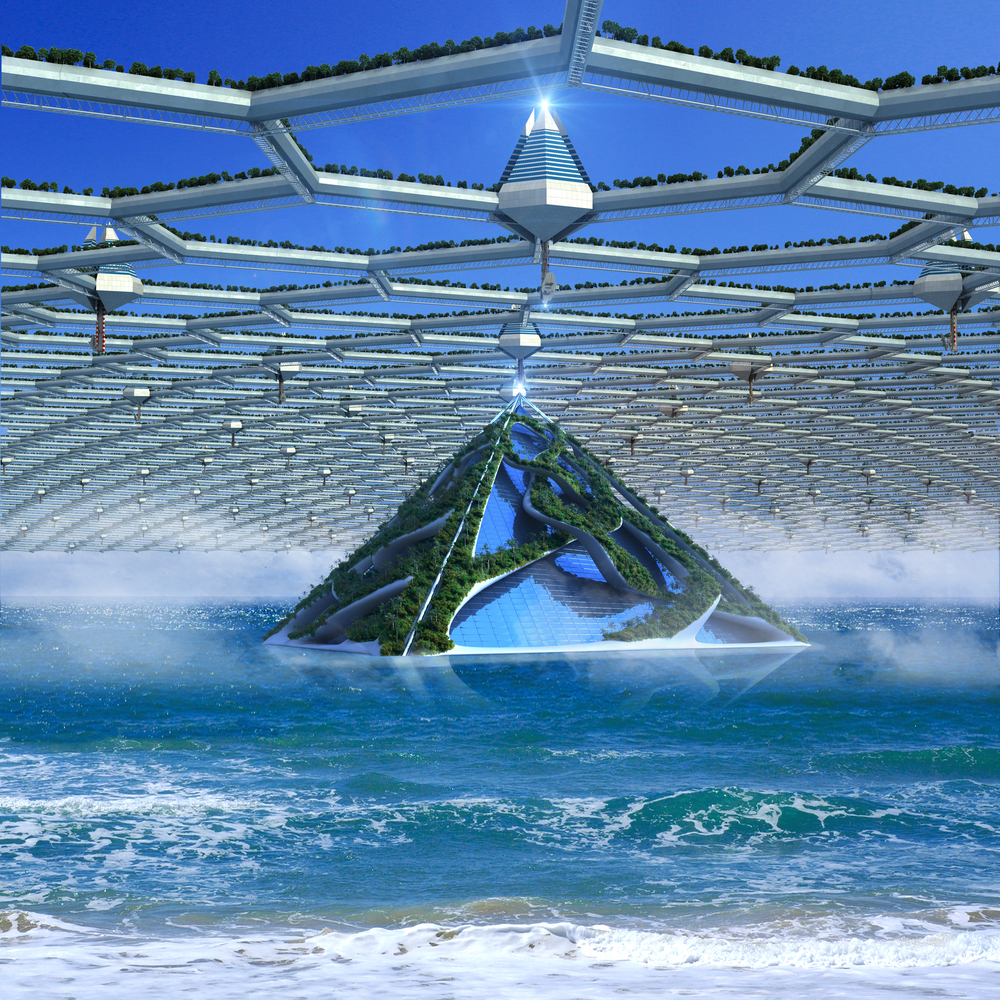
Japanese construction company Shimizu Corporation designed a massive pyramid in 1989 that would have housed 750,000 people. Standing at 6,575 feet tall with a base covering 8 square miles, this structure would have been 14 times larger than the Great Pyramid of Giza. The extreme weight and engineering challenges, not to mention the astronomical $300 billion price tag, ensured this mega-structure remained a fascinating concept.
The Tatlin Tower
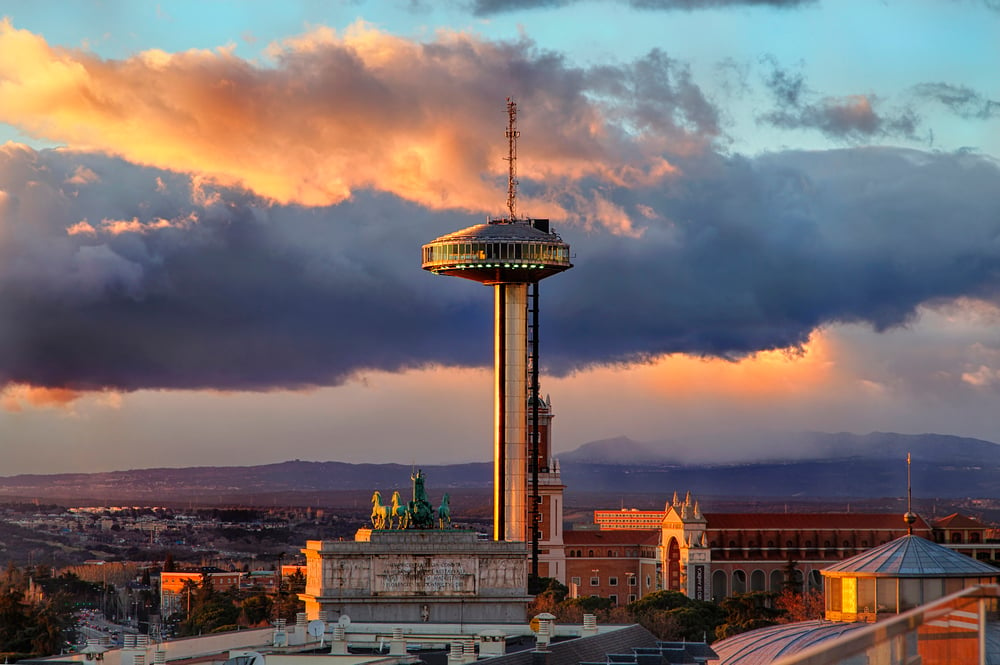
Vladimir Tatlin’s Monument to the Third International, designed in 1919, was meant to be a Communist headquarters in St. Petersburg. The spiraling, leaning tower of steel would have stood taller than the Eiffel Tower with rotating glass chambers inside. Soviet Russia’s economic limitations and the technical complexity of creating rotating rooms within the structure made this constructivist masterpiece unbuildable.
The Cenotaph for Newton
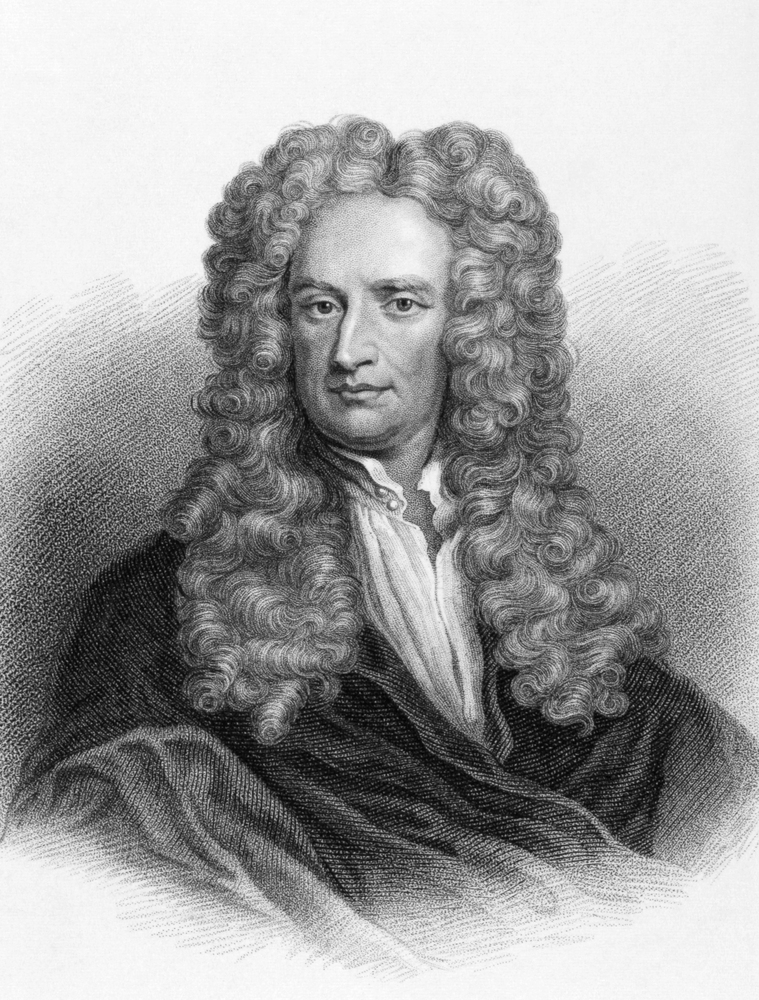
Étienne-Louis Boullée’s 1784 design for Isaac Newton’s memorial was a perfect sphere 500 feet in diameter, partially buried in the ground. The interior would create an artificial night sky effect with small holes letting in pinpoints of light. The sheer scale and the difficulty of creating such a perfect spherical structure with 18th-century technology made this poetic monument technically unfeasible.
The Cloud City

Buckminster Fuller’s ‘Cloud Nine’ project envisioned massive geodesic domes up to one mile in diameter that would float above the Earth. Fuller calculated that warming the air inside by just one degree would make these spheres buoyant enough to float with thousands of inhabitants. The logistics of constructing, launching, and maintaining these aerial communities proved too challenging for practical implementation.
The Fun Palace
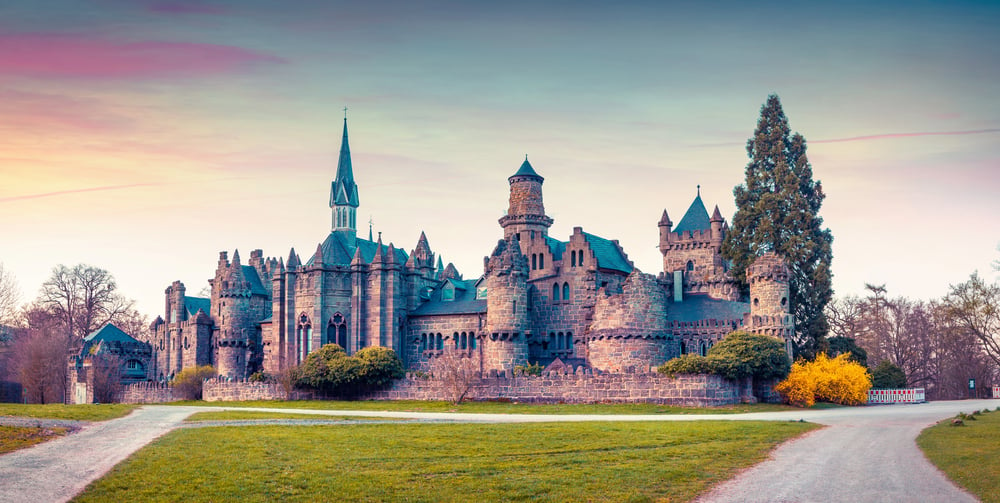
Designed by Cedric Price in the 1960s, the Fun Palace wasn’t a traditional building but a flexible framework that could be continuously reconfigured. This ‘anti-building’ featured movable walls, floors, and ceilings controlled by cranes. The radical nature of the design, complex mechanical systems, and funding issues prevented this interactive architectural experiment from being realized.
The Tokyo Tower of Babel

Proposed by architect Kiyonori Kikutake in 1968, this massive structure would have housed 30,000 people within a single building reaching almost 2,000 feet tall. The hyperstructure included a central core with residential modules that could be replaced as they aged. The technological limitations and prohibitive costs made this early example of Metabolist architecture impossible to build.
The Gateway Arch Mega-Structure
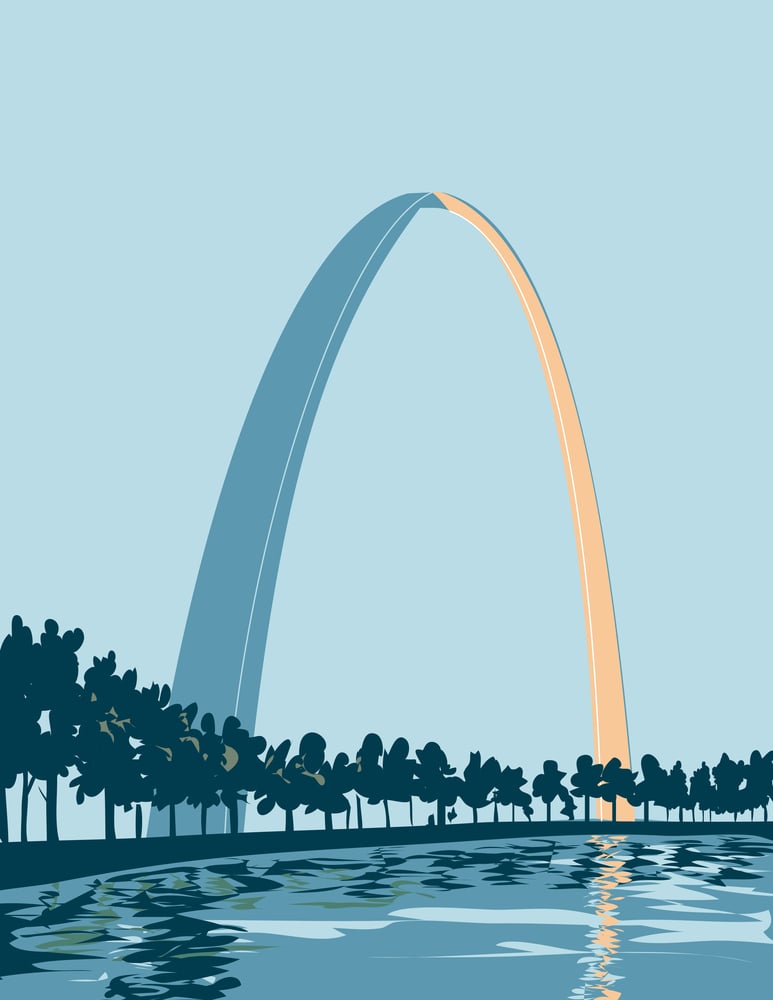
Before the current Gateway Arch in St. Louis was built, architect Louis Sullivan proposed a much more ambitious structure—a massive arch supporting an entire aerial city with suspended buildings and transportation systems. The engineering challenges of suspending habitable structures from an arch span proved insurmountable, and a much simpler version was eventually constructed.
The Triton City

Buckminster Fuller designed this floating city in the 1960s to house 5,000 people on a series of platforms anchored in Tokyo Bay. Though smaller prototypes were successfully tested, the full-scale version faced regulatory hurdles, concerns about severe weather resilience, and economic viability issues. The concept influenced later floating structure designs but never materialized at full scale.
The Fortress of Solitude
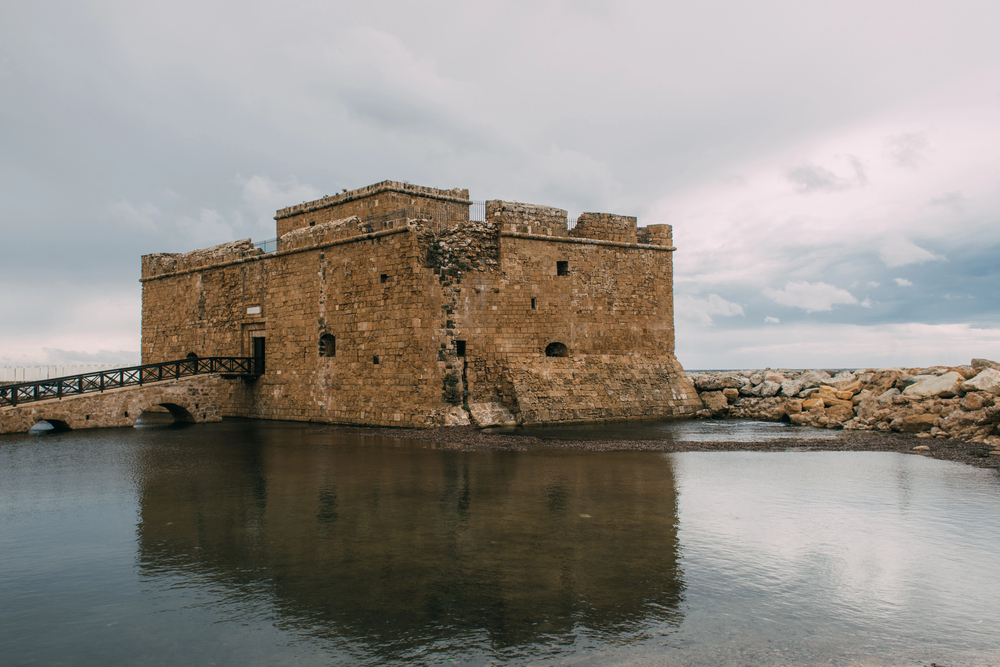
In 1979, artist Lebbeus Woods designed a theoretical fortress made entirely of ice in the Arctic Circle. The structure would maintain its form through an elaborate refrigeration system powered by electromagnetic fields. The extraordinary technical challenges and remote location kept this conceptually fascinating but practically impossible structure firmly in the realm of imagination.
The Venus Project

Jacque Fresco’s comprehensive plan for circular cities featured automated construction methods and radical resource-based economics. These perfectly planned communities with advanced transportation systems and sustainable technology required not just architectural innovation but a complete reimagining of society. The utopian nature and the need for wholesale economic restructuring kept these designs theoretical.
The Arcology
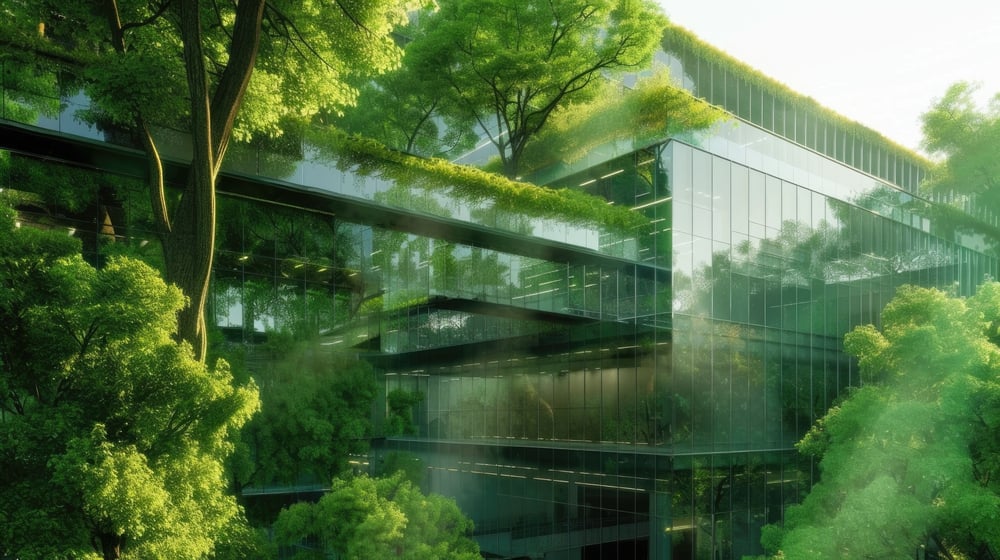
Paolo Soleri’s concept of massive ecological structures housing up to a million people represented the ultimate high-density living environment. These self-contained habitats would minimize environmental impact while maximizing human interaction. The enormous scale and the challenge of creating fully self-sufficient structures made most arcology designs too ambitious to construct, though smaller experimental versions exist.
The Bionic Tower

Designed by Spanish architects in 1997, this vertical city concept would have housed 100,000 people in a single 4,029-foot structure. The design featured multiple ‘neighborhoods’ stacked vertically with their own gardens and community spaces. The unprecedented scale, technical challenges of wind forces, elevator systems, and astronomical construction costs kept this visionary design in the conceptual phase.
From Blueprint to Legacy

These unbuilt architectural visions weren’t failures—they were important thought experiments that pushed boundaries and inspired future generations. Many concepts once deemed impossible have influenced buildings we see today, as technology gradually catches up with architectural imagination.
The most valuable contribution of these extraordinary plans might not be in their physical realization but in how they expanded our understanding of what architecture could be. They remind us that sometimes the most influential designs are those that exist only on paper, challenging us to think beyond conventional limitations.
More from Go2Tutors!

- The Romanov Crown Jewels and Their Tragic Fate
- 13 Historical Mysteries That Science Still Can’t Solve
- Famous Hoaxes That Fooled the World for Years
- 15 Child Stars with Tragic Adult Lives
- 16 Famous Jewelry Pieces in History
Like Go2Tutors’s content? Follow us on MSN.



