15 Random Everyday Items That Were Once Considered Luxury Goods
The way our understanding of luxury evolves over time is fascinating. Once considered the pinnacle of luxury, these things were only available to the wealthy few. Many of the commonplace items that are already in your home were previously status symbols that the average person could only dream of possessing.
This collection of 15 commonplace products that were previously regarded as the pinnacle of luxury goods shows how drastically our understanding of worth has changed throughout time.
Sugar

In the past, sugar was so valuable that it was stored in locked boxes and used only on special occasions. This sweet substance was brought from tropical regions at great price throughout the Middle Ages, making it a luxury that only the nobles could afford.
In order to dazzle guests, European aristocrats would practically eat their money by offering intricately crafted sugar sculptures known as “subtleties” at banquets.
Mirrors
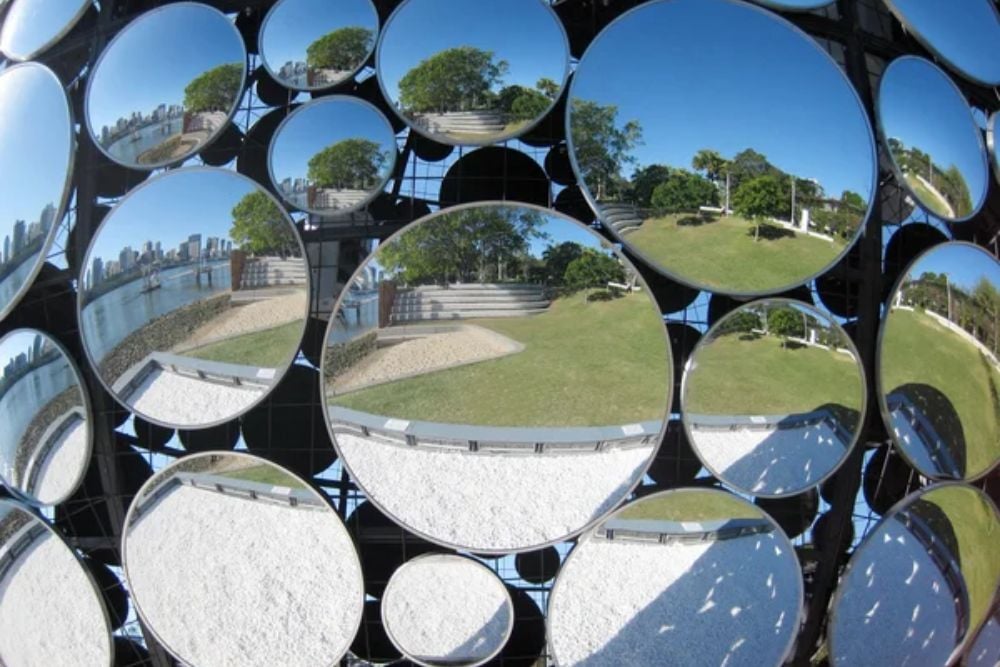
The clear, flawless mirrors we casually check ourselves in daily were once rare treasures. Early mirrors made of polished metal or obsidian provided only blurry reflections.
When Venetian glassmakers perfected the technique of coating glass with a tin-mercury amalgam in the 16th century, these clearer mirrors became outrageously expensive status symbols. A single large mirror could cost the equivalent of a nobleman’s yearly income.
Pepper
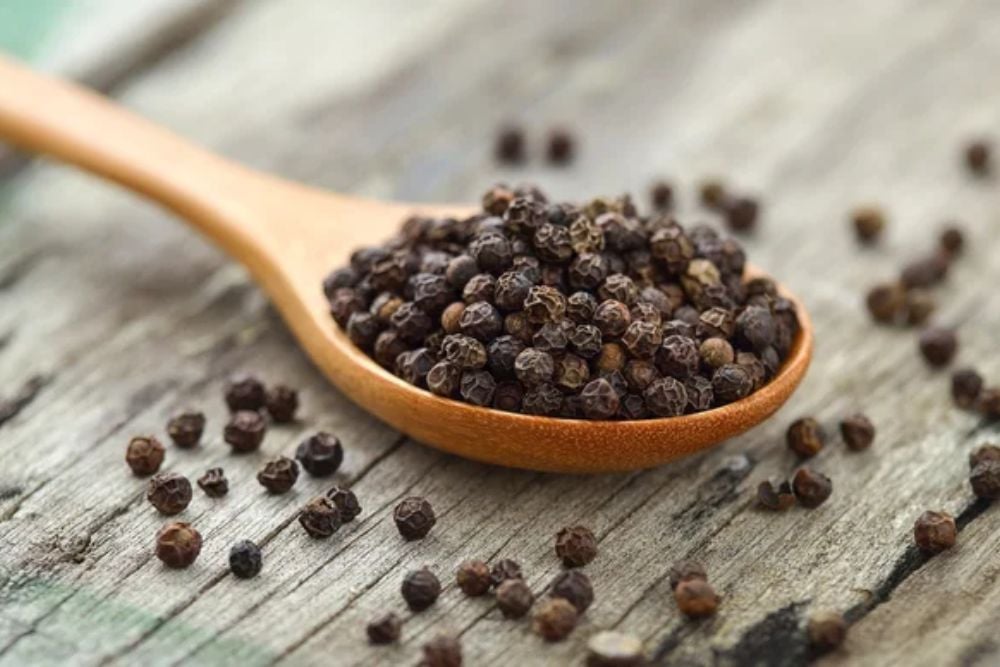
This common kitchen staple was once worth its weight in gold. Pepper was so valuable in medieval Europe that it was used as currency, could pay taxes, and was even included in dowries.
The spice trade was dominated by Arab merchants who kept their sources secret, allowing them to maintain astronomical prices. The pursuit of pepper and other spices actually motivated much of European exploration during the Age of Discovery.
Aluminum

Though now used for everyday items like soda cans and foil, aluminum was once more valuable than gold. In the 1800s, extracting pure aluminum from ore was extremely difficult and expensive.
Napoleon III reserved aluminum cutlery for his most distinguished guests, while everyone else used gold or silver utensils. The Washington Monument was topped with a pyramid of aluminum in 1884 when it was still a precious metal.
Pineapples
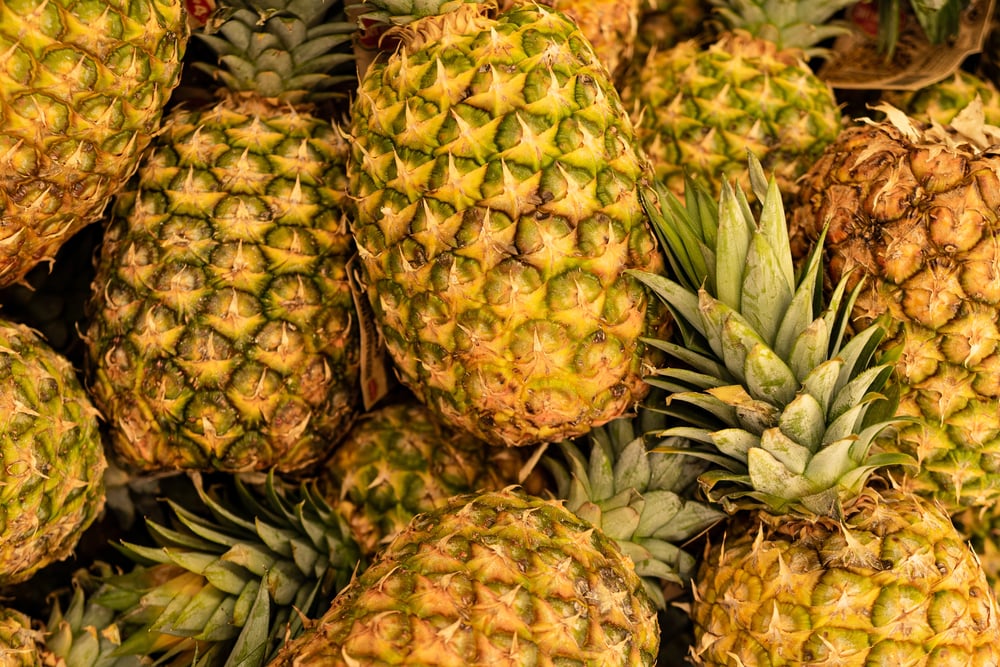
Today’s grocery store pineapples were once such exotic treasures that wealthy Europeans in the 1700s would rent them for display at dinner parties. Growing pineapples in cold European climates required expensive hothouses, making them symbols of extreme wealth.
Architectural pineapples became a common design motif on gateposts and buildings as a symbol of hospitality and luxury that most people could actually afford.
Chocolate

Only royalty and the very rich used to be able to enjoy this popular dessert. Originally brought to Europe from the Americas in the 16th century, chocolate was drunk as a pricey beverage with purported therapeutic benefits.
For almost a century, Spanish aristocracy concealed the processes used to prepare chocolate. Solid chocolate was still considered a luxury until technological advancements allowed for mass production in the 19th century.
Books

Books were meticulously duplicated by hand and bound in pricey materials prior to the printing press’s creation. A single book could cost as much as a small farm and take years to produce.
To deter theft, libraries tethered their priceless books to shelves. A relatively new development in human history, the democratization of knowledge through reasonably priced books is revolutionizing both education and society.
White Bread
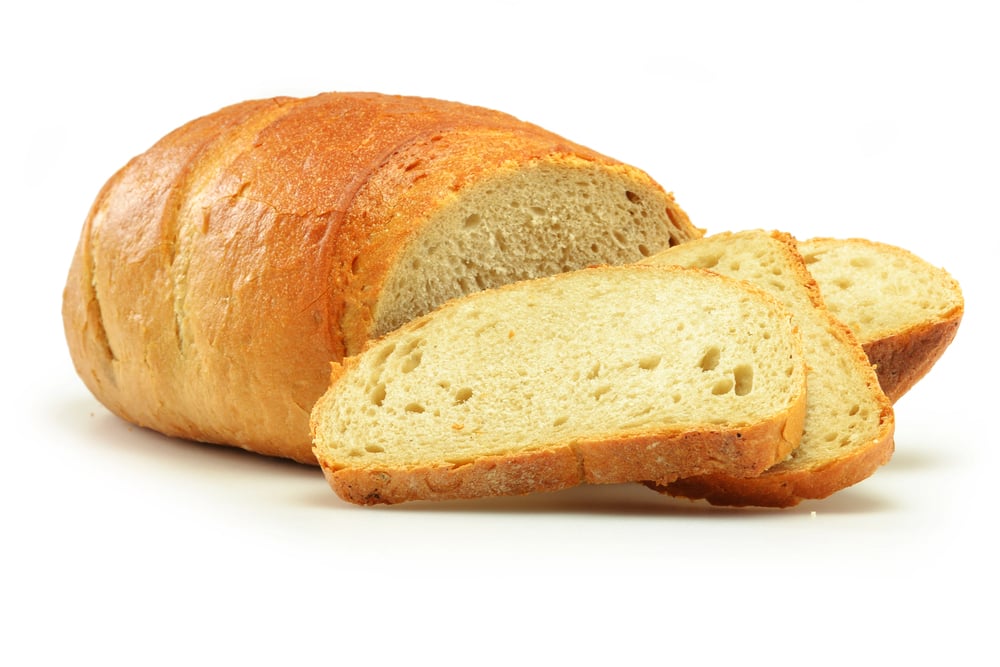
In the past, the fluffy white bread that we might now consider ordinary was a sign of prestige. For generations, peasants consumed dark, coarse bread made from less expensive grains, while the upper classes were the only ones who could afford the costly production of refined white flour.
Because it required additional processing and squandered the most nutritious sections of the grain, white bread was a sign of prosperity. It’s ironic that full grain loaves are now frequently more expensive than white bread.
Potatoes
DepositPhotos
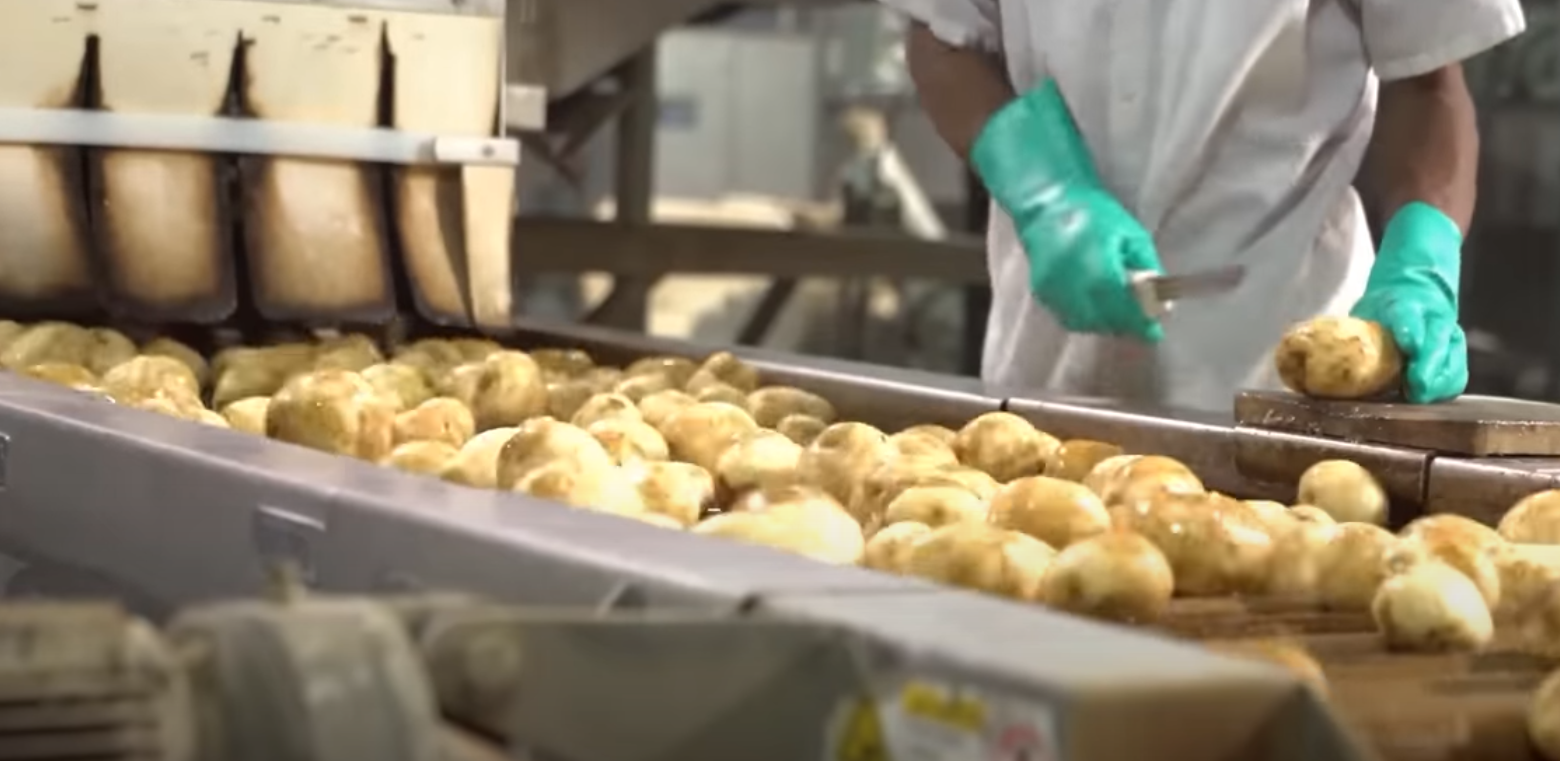
Potatoes were initially viewed with distrust and offered as exotic oddities at royal feasts, despite their lowly status today. They were regarded as luxury goods given to aristocracy when they were originally introduced to Europe from South America in the 16th century.
To boost their appeal, King Louis XVI of France famously put potato blossoms in his buttonhole. They only gradually became a common food for the average person.
Ice
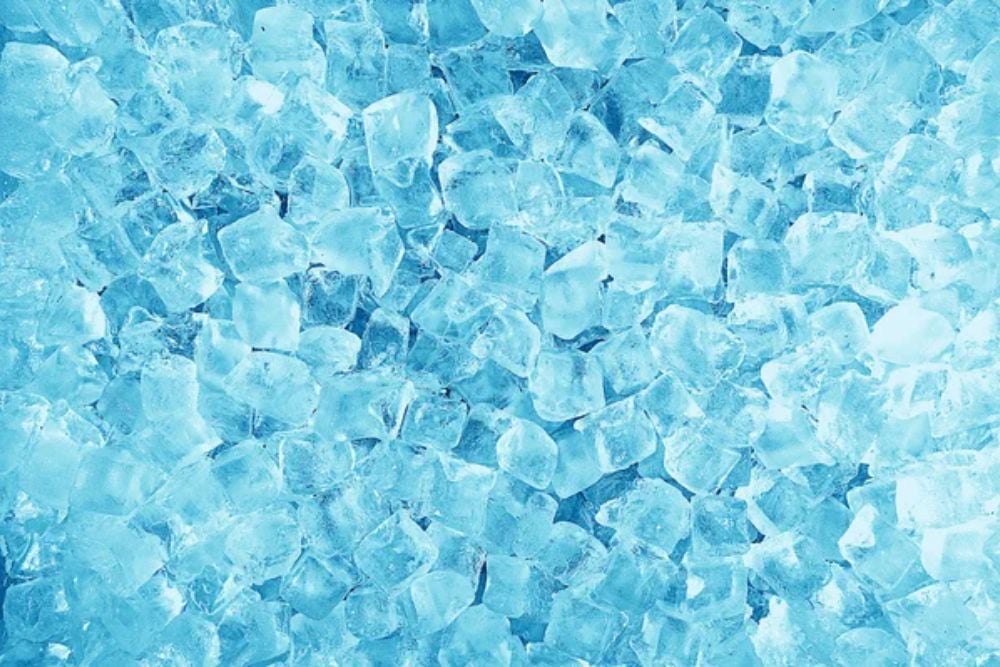
Ice was a true luxury before to refrigeration, particularly in warm climates. Rich Romans had snow brought down from the mountains and kept in pits lined with straw.
Harvesting winter ice from northern lakes and transporting it all over the world allowed “ice kings” to amass riches in the 19th century. Ice cream or iced drinks were a sign of high prosperity. Today, we hardly realize that our freezer’s ice machine is creating this once-valuable item.
Cotton
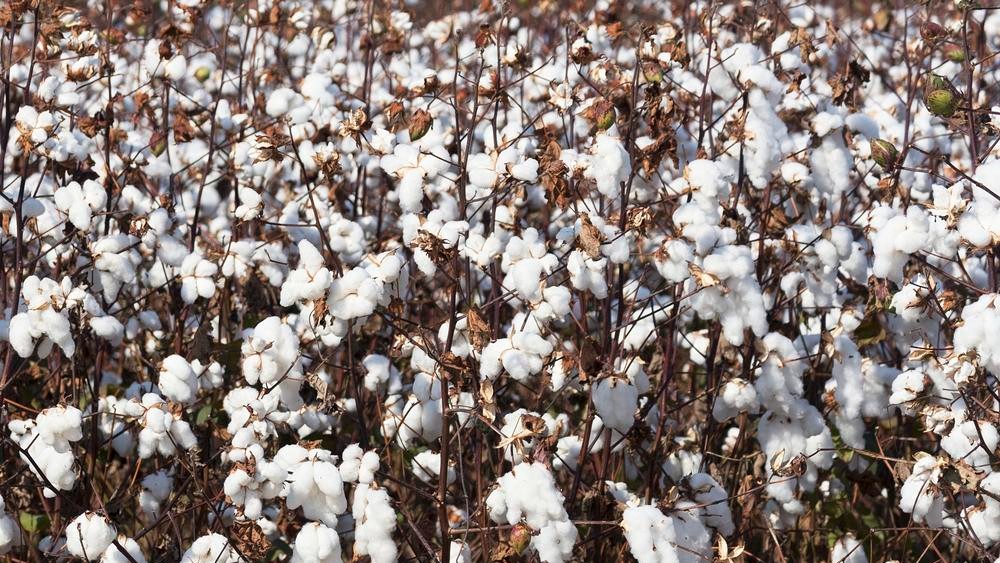
For years, elite fashion was controlled by silk and linen, while the people were clothed with wool. This cozy fabric, which is now available in most wardrobes, was once so costly that it was dubbed “white gold.”
Cotton was very popular when it first came in Europe because it was comfortable and washable, but processing it required a lot of work. Cotton was only reasonably priced for daily wear following the development of the cotton gin and mechanized manufacture.
Spices
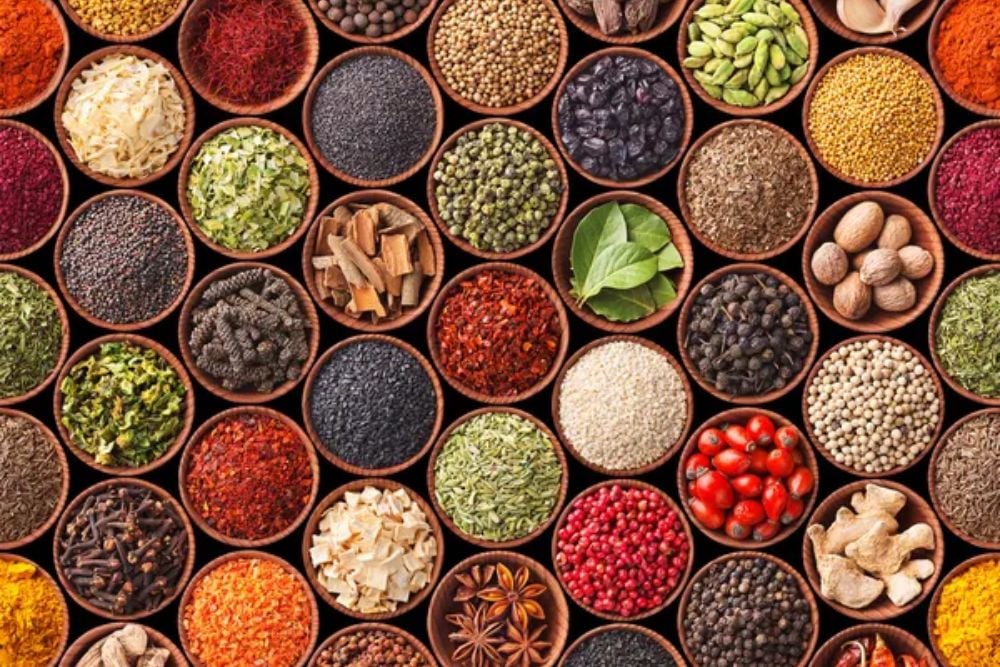
In the past, common spices like cloves, nutmeg, and cinnamon were more valuable than their weight in gold. Food was lavishly spiced by European nobility to show off their affluence.
Because nutmeg was so important, the Dutch thought it would be beneficial to transfer Manhattan to the British in exchange for a little island in Indonesia that produced nutmeg. These spices are no longer considered treasures and are now forgotten in many kitchen cabinets.
Tea
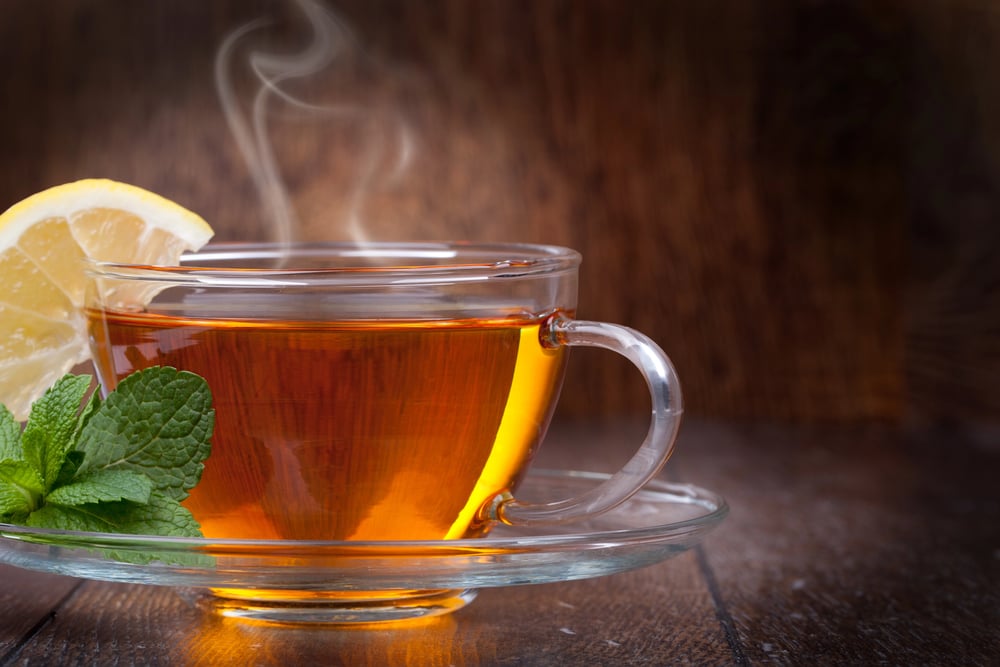
This everyday beverage was once so expensive that ladies would keep their tea leaves in locked caddies. In the 17th century, tea was originally brought to Europe from China, where it cost hundreds of dollars per pound in modern currency.
The custom of afternoon tea evolved as a means for the wealthy to show off their exquisite silver and porcelain, and tea sets became significant status symbols. The British Empire was built in part because of the East India Company’s monopoly on tea.
Bananas
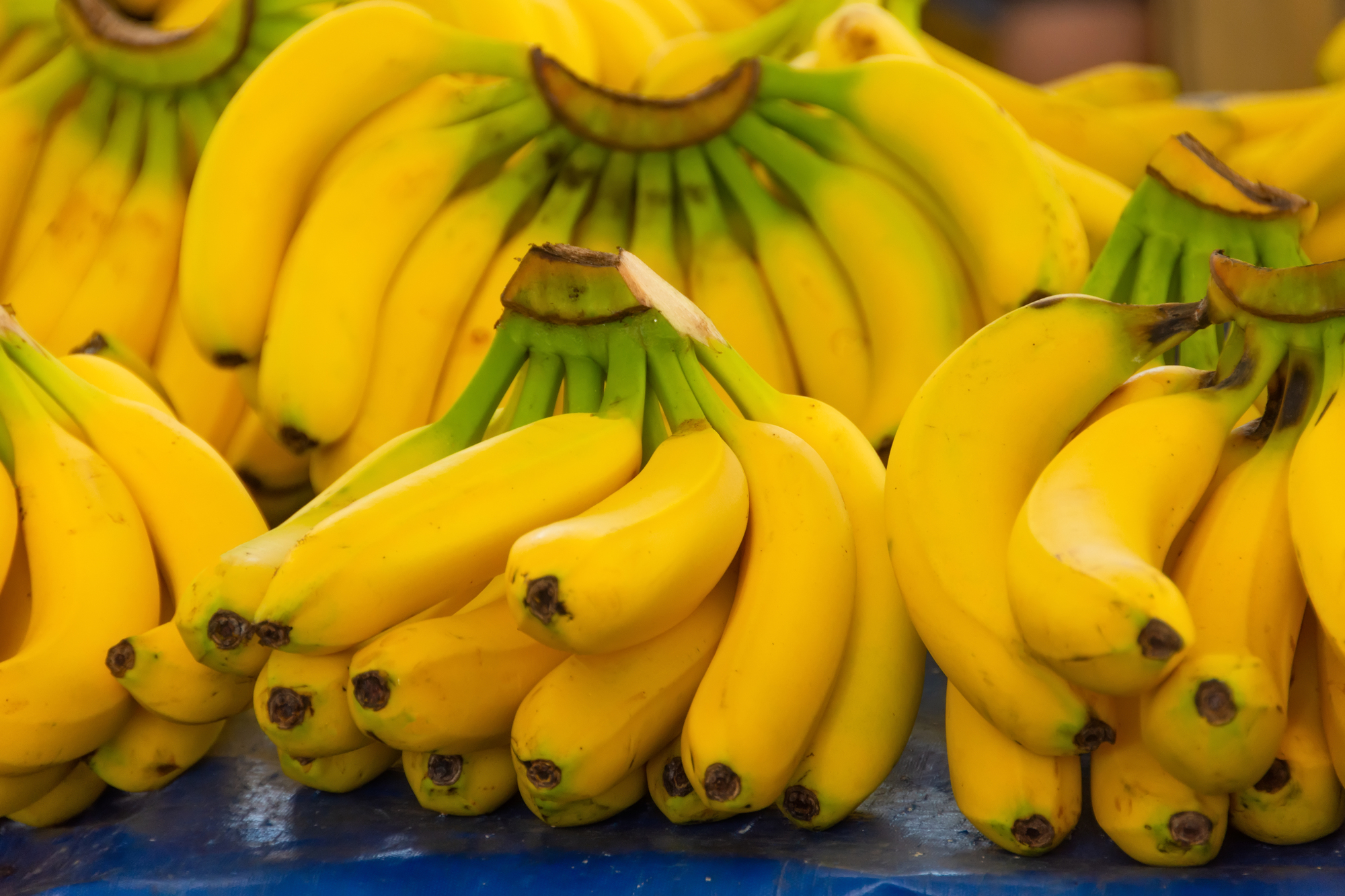
Up until the early 20th century, these everyday fruits were considered exotic luxury items in both America and Europe. Tropical fruits, if they arrived at all, were ruined due to transportation constraints.
When refrigerated shipping made importing bananas possible, they were initially sold individually wrapped in foil and eaten with a knife and fork at fancy occasions. The development of the Cavendish banana variety and improved shipping transformed them into an everyday snack.
Purple Dye
In the past, purple actually served as the color of emperors and monarchs. Crushing hundreds of rare sea snails that are only found in certain Mediterranean regions was necessary to create purple color.
This “Tyrian purple” was valuable more than gold and only took 10,000 mollusks to produce one gram. Roman emperors enacted laws prohibiting the wearing of purple clothing by anybody other than themselves. Everyone can now afford purple apparel thanks to synthetic dyes.
The Transformation of Luxury

The journey of these items from exclusive luxuries to everyday objects reveals much about human progress. Innovations in technology, transportation, and manufacturing have democratized access to goods once reserved for the elite.
What’s commonplace today might have been unimaginable wealth a few centuries ago—a transformation worth appreciating next time you casually enjoy any of these former treasures.
More from Go2Tutors!

- The Romanov Crown Jewels and Their Tragic Fate
- 13 Historical Mysteries That Science Still Can’t Solve
- Famous Hoaxes That Fooled the World for Years
- 15 Child Stars with Tragic Adult Lives
- 16 Famous Jewelry Pieces in History
Like Go2Tutors’s content? Follow us on MSN.