16 Toughest Army Training Programs Worldwide
Military training has always separated the ordinary from the extraordinary. Some programs, however, push human endurance to its absolute breaking point. These aren’t your typical boot camps where drill sergeants yell about making beds.
They’re psychological and physical gauntlets designed to forge warriors who can operate in the world’s most dangerous environments. The dropout rates speak volumes — some programs see over 90% of candidates fail before completion.
Here is a list of 16 military training programs that represent the pinnacle of human testing, where only the most determined survive.
US Navy SEAL training
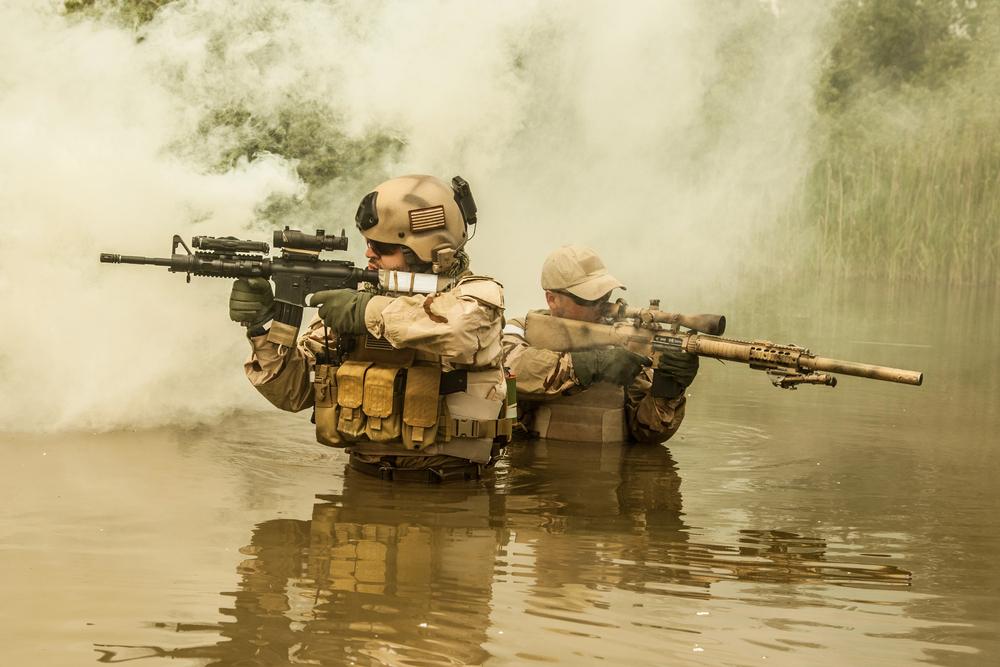
Hell Week truly separates the wheat from the chaff. The Basic Underwater Demolition/SEAL program stretches across 24 grueling weeks, but this infamous phase occurs during the third week of First Phase.
It’s 5.5 days of cold, wet, brutally difficult operational training — with fewer than four hours of total sleep throughout the entire week. Hypothermia becomes a constant threat. Exhaustion clouds judgment.
Mental pressure never stops. Candidates carry heavy boats overhead for miles while instructors watch for signs of breakdown. Only about 25% make it through this crucible.
British SAS selection
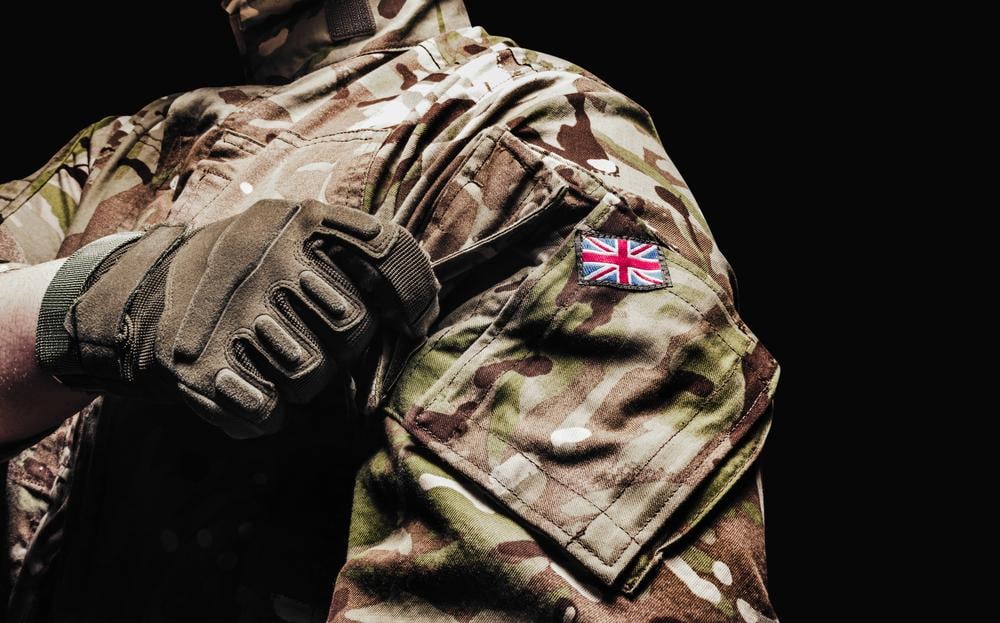
Twenty-one weeks of what many consider the world’s most unforgiving selection process. The Special Air Service doesn’t coddle candidates.
Weather conditions are deliberately harsh, and there’s no encouragement from instructors. Just a cold assessment of who can push through when everything hurts.
The infamous “Long Drag” demands soldiers march 40 miles across Welsh mountains carrying a 55-pound pack. They’re timed. They’re observed. Most don’t finish.
Like Go2Tutors’s content? Follow us on MSN.
Russian Spetsnaz programs
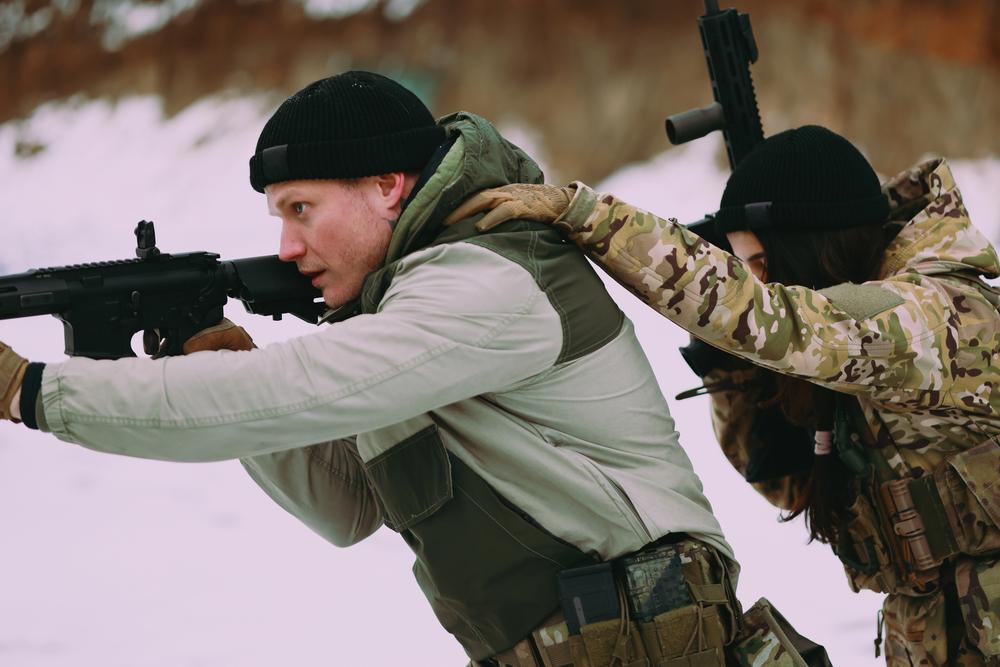
Russian special forces maintain training facilities including a “killing house” near Moscow. The training resembles SAS methods but with a distinctly Russian twist.
Spetsnaz training combines brutal physical conditioning with psychological warfare techniques that would make other elite forces uncomfortable. Combat scenarios use live ammunition.
Cold weather training pushes beyond normal human limits. Hand-to-hand combat sessions often result in serious injuries — by design.
Israeli Sayeret Matkal
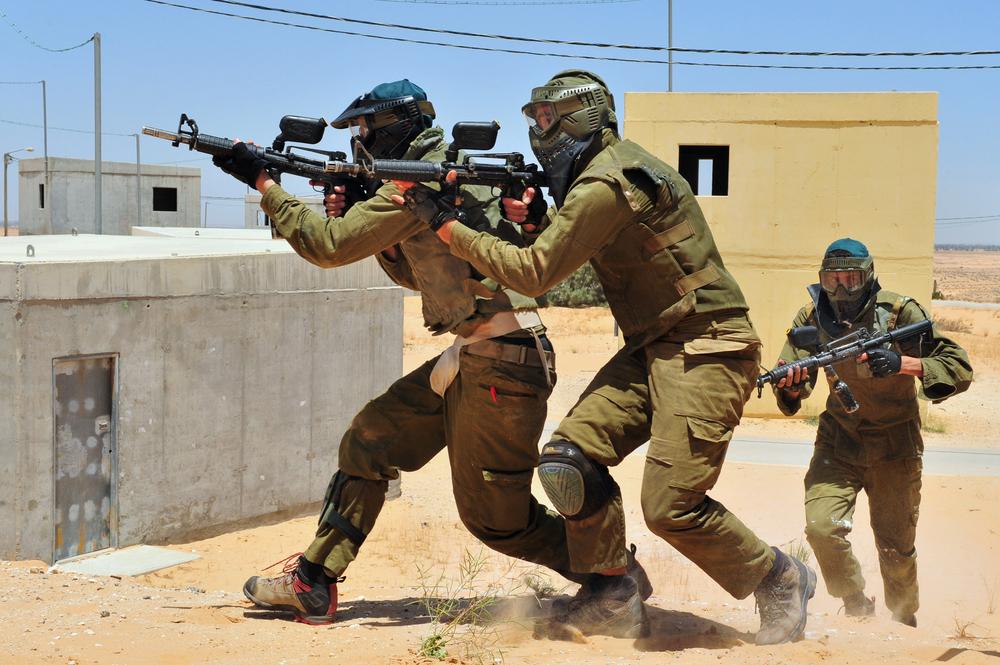
Israel’s elite reconnaissance unit conducts selection in desert conditions that test everything. Candidates march for days without adequate sleep or food while the sun beats down mercilessly.
The program focuses heavily on mental resilience since operatives often work behind enemy lines for extended periods. Training includes advanced surveillance techniques, counter-terrorism operations, and survival skills that assume capture is likely rather than possible.
French Foreign Legion
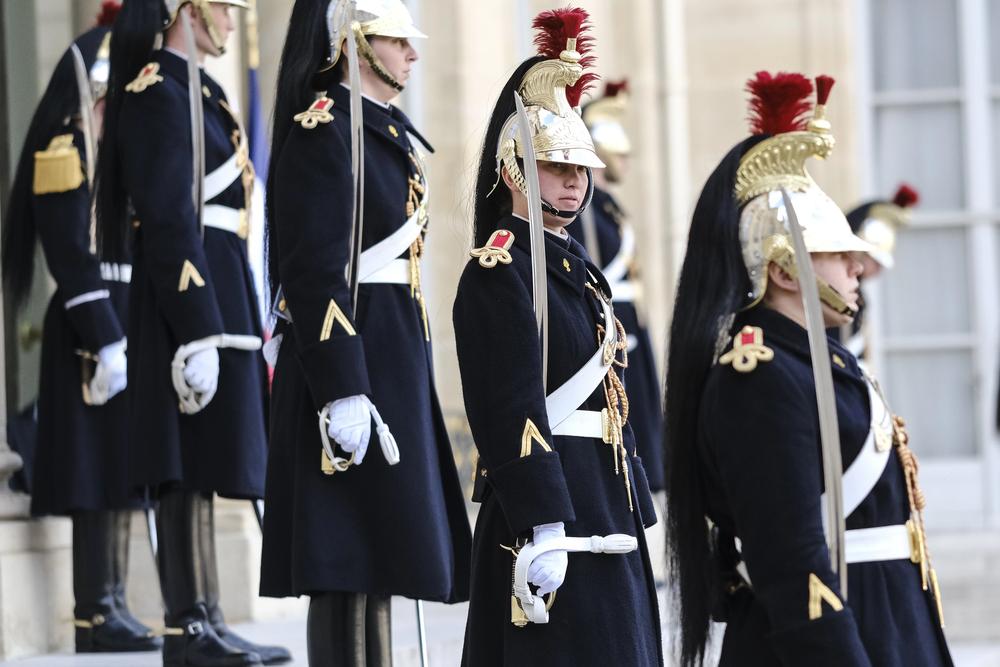
The Legion’s four-month basic training at Castelnaudary breaks down recruits completely. Then it rebuilds them as Legionnaires.
Physical training includes forced marches of 30+ miles and combat exercises in full gear that leave men gasping. The notorious “Kepi Blanc March” requires recruits to complete an 18-mile march in under four hours — while psychological pressure remains intense as recruits are constantly reminded they can quit at any time.
Like Go2Tutors’s content? Follow us on MSN.
German KSK selection
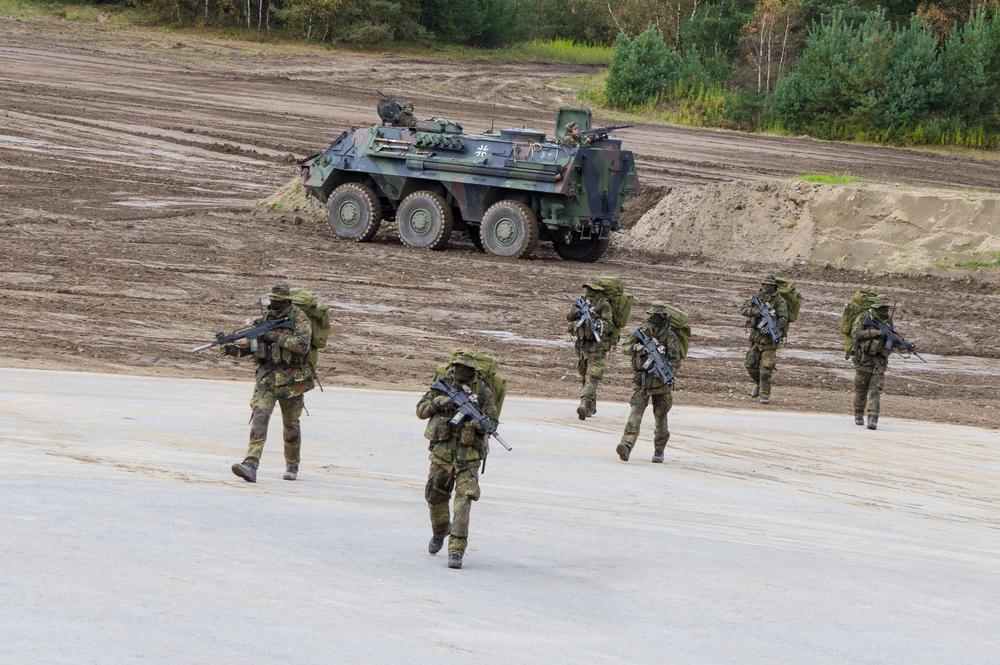
Nine months of testing in mountain warfare, urban combat, and deep reconnaissance missions. The Kommando Spezialkräfte selection doesn’t mess around.
The dropout rate exceeds 85%, with many candidates eliminated during psychological evaluation phases that reveal character flaws under pressure. Training scenarios often involve mock interrogations and sensory deprivation exercises.
These reveal how individuals respond when stress becomes overwhelming.
Australian SASR training
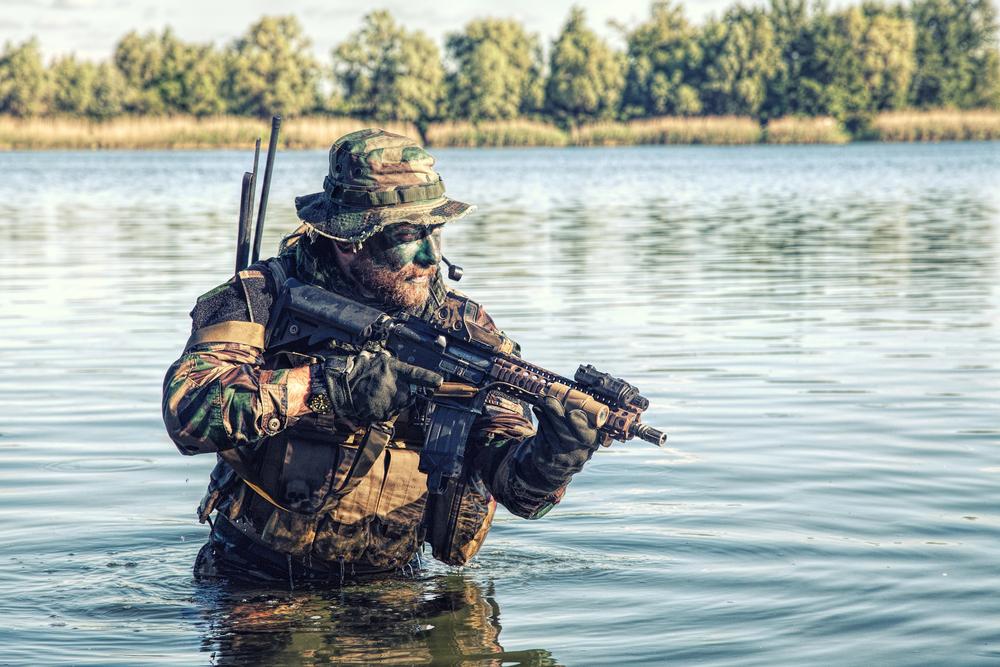
Australia’s most hostile environments become the classroom. The Special Air Service Regiment’s 18-month program includes selection phases that would challenge seasoned adventurers. Extreme heat in desert training comes first — followed by jungle warfare in northern Queensland where venomous snakes and crocodiles pose real threats.
The psychological component involves isolation exercises where candidates spend weeks alone with minimal supplies and their own thoughts.
Canadian Joint Task Force 2
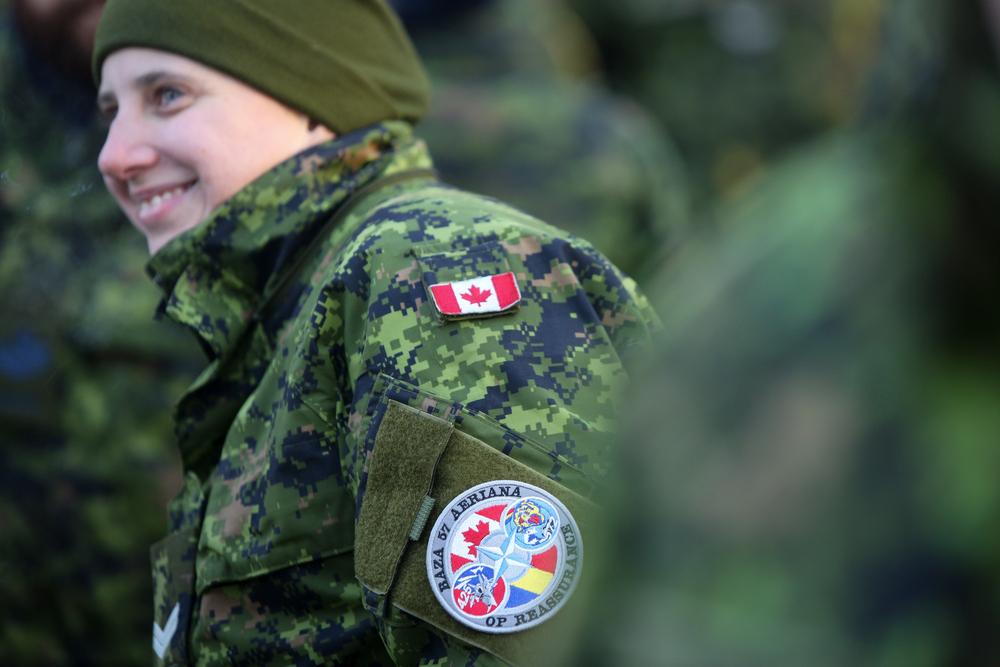
JTF2’s selection process remains highly classified for good reason. Former candidates describe physical training that makes regular military fitness tests seem recreational.
Arctic survival scenarios last for weeks in conditions that kill unprepared civilians. The program emphasizes cold weather operations while mental resilience training includes scenarios designed to simulate hostage rescue stress.
Many candidates simply can’t handle the psychological pressure.
Like Go2Tutors’s content? Follow us on MSN.
Polish GROM selection
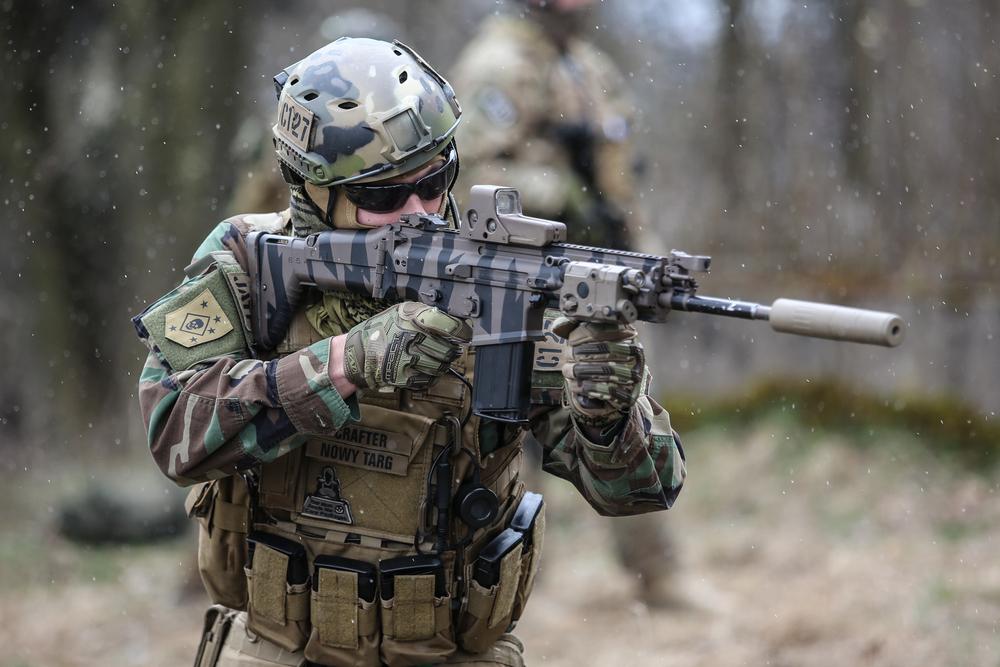
An 18-month program that combines traditional special forces training with counter-terrorism specialization. GROM candidates endure physical demands that include obstacle courses completed while wearing gas masks — and carrying wounded comrades who may weigh more than they do.
Realistic terrorist scenarios form the psychological component where split-second decisions determine success or failure. Hesitation equals elimination.
Spanish Special Operations Command
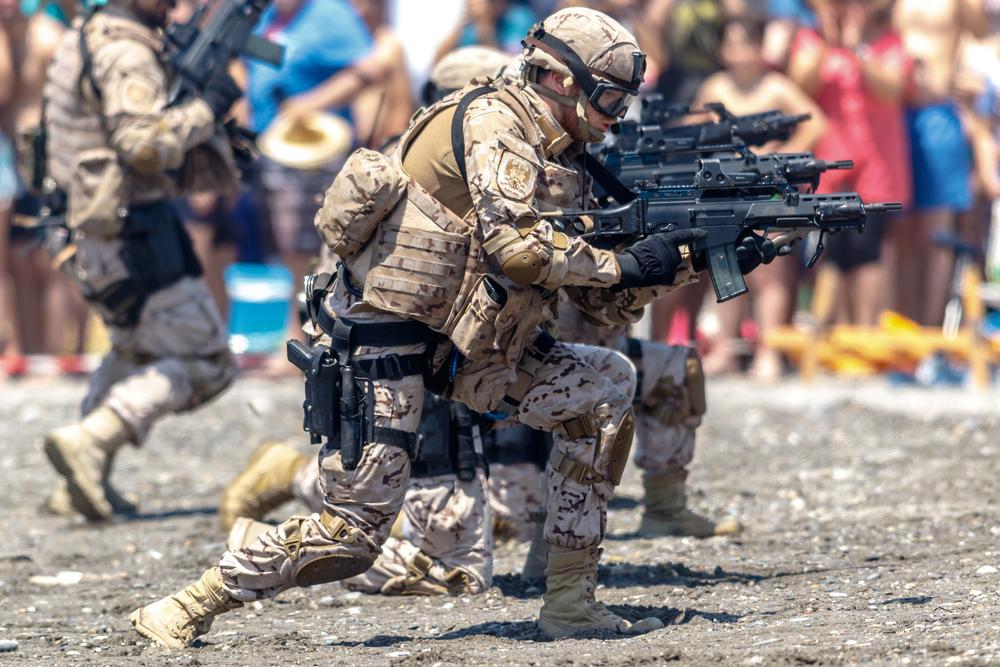
Twelve months of selection that spans diverse terrain. Spain’s elite units don’t limit training to one environment. Mountain warfare training in the Pyrenees challenges even experienced soldiers while night navigation exercises across treacherous terrain test mental fortitude.
Candidates carry communication equipment and weapons that add significant weight. Precision marksmanship training occurs in conditions of extreme fatigue and stress — when hands shake and vision blurs.
South Korean 707th Battalion
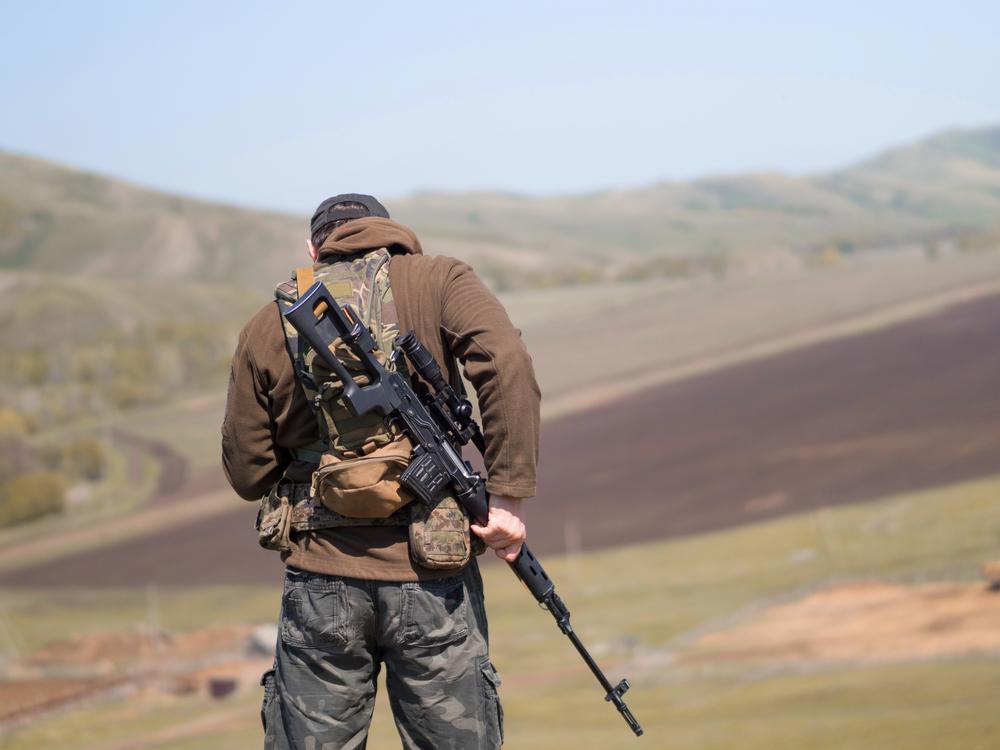
Urban warfare scenarios in mock cities where live ammunition creates genuine danger. This counter-terrorism unit’s training pushes boundaries that make insurance companies nervous.
Hand-to-hand combat training resembles mixed martial arts more than traditional military techniques, with broken bones being common outcomes. The physical conditioning phase requires candidates to maintain peak fitness while operating on minimal sleep for weeks.
Most struggle with the relentless pace despite their best efforts.
Like Go2Tutors’s content? Follow us on MSN.
Norwegian Marinejegerkommandoen
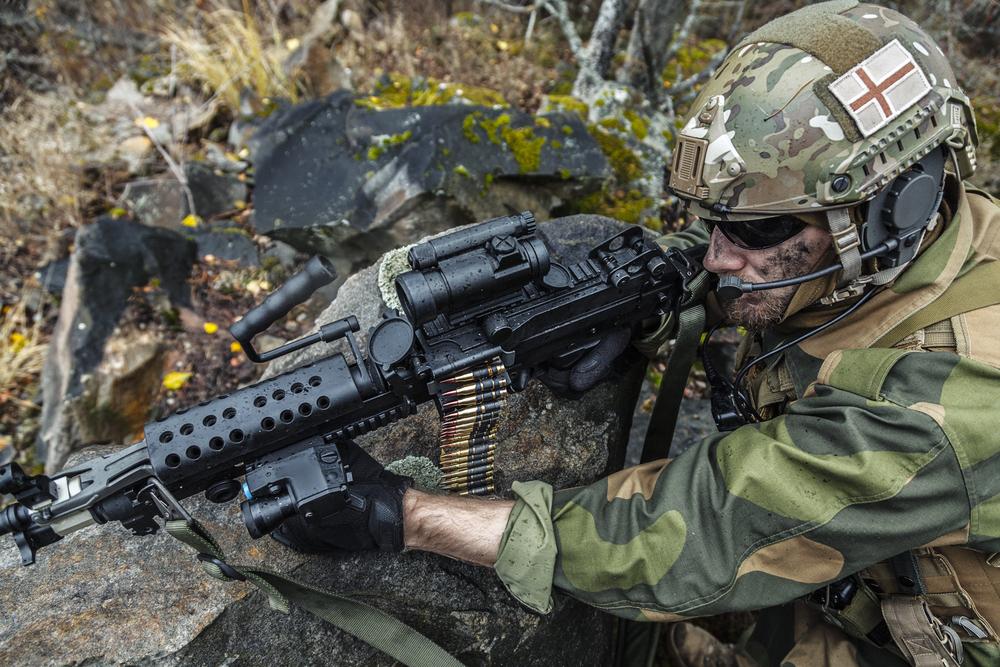
Arctic conditions that would incapacitate soldiers from warmer climates become the testing ground. The Norwegian Navy’s special forces train where polar bears roam and frostbite strikes quickly.
Underwater demolition training occurs in near-freezing water that numbs fingers within minutes. Ski-based infiltration exercises cover hundreds of miles of wilderness where getting lost means death.
High dropout rates result from extreme environmental challenges that push human adaptation beyond normal limits.
Brazilian BOPE training
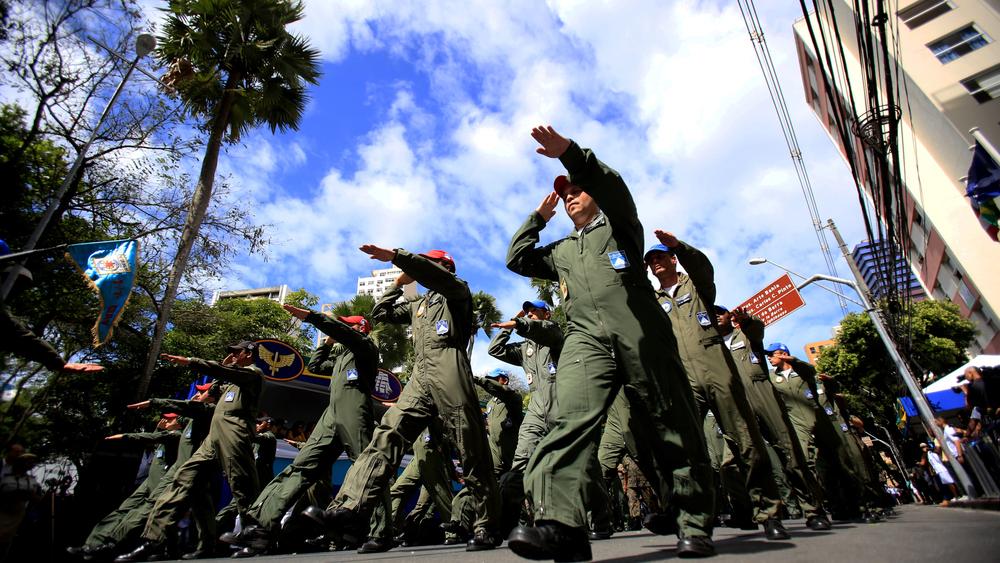
Rio’s favelas provide the backdrop for urban combat reality. The Special Police Operations Battalion’s program combines military training with techniques needed for operations where civilians and criminals mix freely.
Jungle environments host physical training where tropical diseases and dangerous wildlife create additional hazards beyond human opponents. Mental preparation includes scenarios involving civilian hostages, requiring split-second decisions under extreme pressure while maintaining operational effectiveness and legal compliance.
Indian Para Commandos training
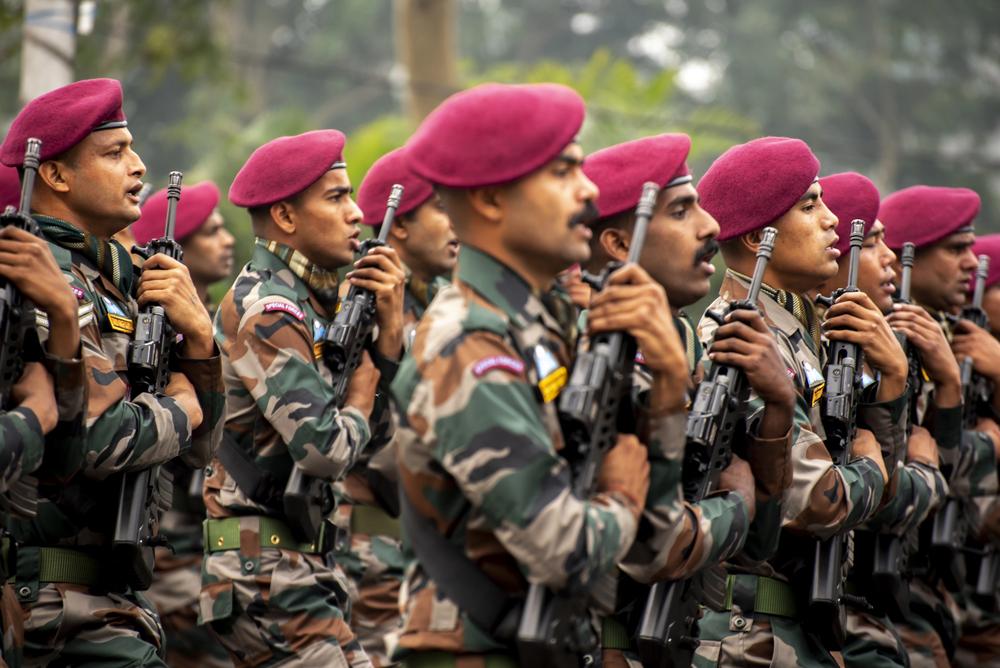
High-altitude warfare training in the Himalayas where oxygen levels challenge even the fittest candidates. The Parachute Regiment’s selection pushes human physiology to its limits at elevations where breathing becomes labored.
Physical conditioning involves martial arts training that incorporates traditional Indian fighting techniques alongside modern combat methods. Desert phase testing occurs in Rajasthan’s harsh environment, where candidates must adapt quickly to drastically different conditions that demand new survival strategies.
Like Go2Tutors’s content? Follow us on MSN.
Turkish special forces training
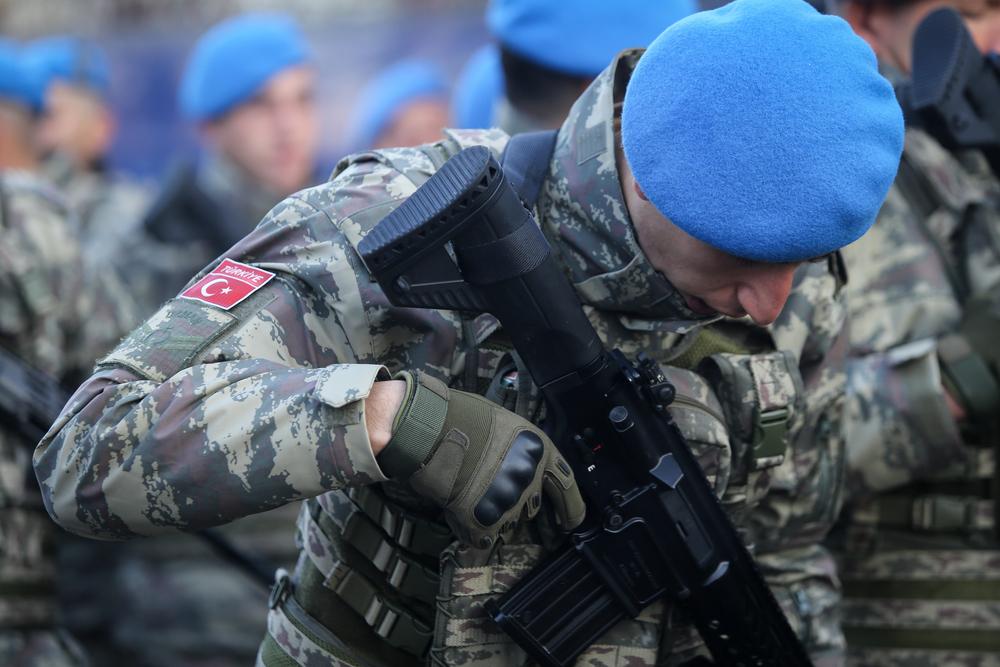
Diverse terrains from mountain peaks to Mediterranean coastlines provide the training environment. Turkey’s elite units conduct selection that tests adaptability above all else.
Underwater training simulates real maritime operations, including combat swimmer techniques and underwater demolition that require perfect buoyancy control. Urban warfare components use realistic city environments where mistakes have consequences that extend beyond personal failure to potential civilian casualties.
Pakistani SSG training
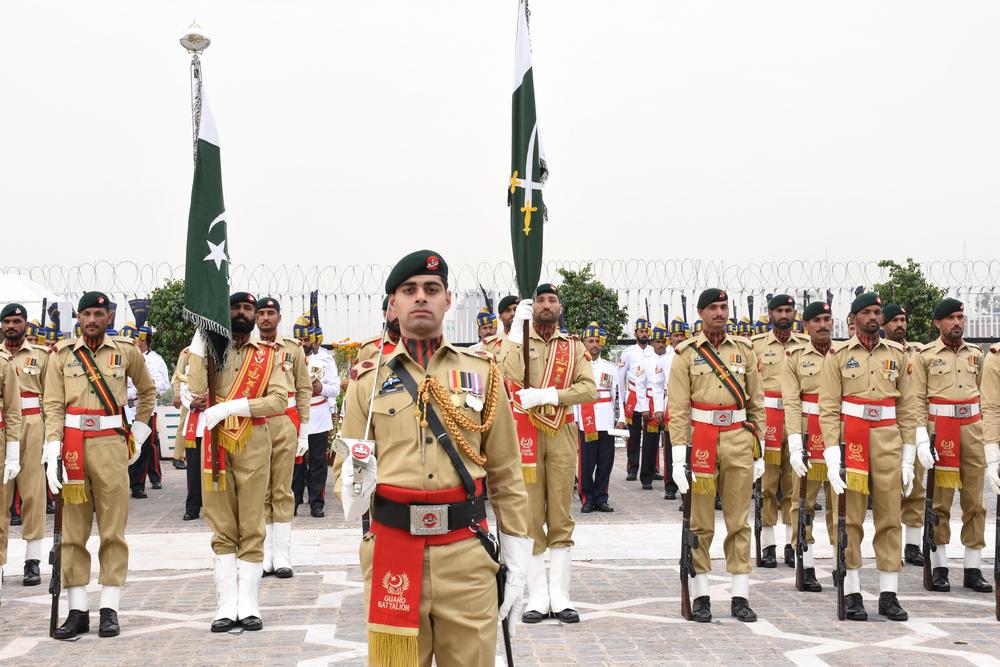
Mountain warfare training occurs in some of the world’s most challenging terrain. The Special Service Group’s six-month program includes physical demands that would challenge professional mountaineers.
Rock climbing exercises use minimal safety equipment, forcing candidates to rely on technique and mental focus when equipment fails. Combat training involves scenarios based on actual counter-terrorism operations where theoretical knowledge must translate into practical skills under life-threatening stress.
Legacy of elite warriors
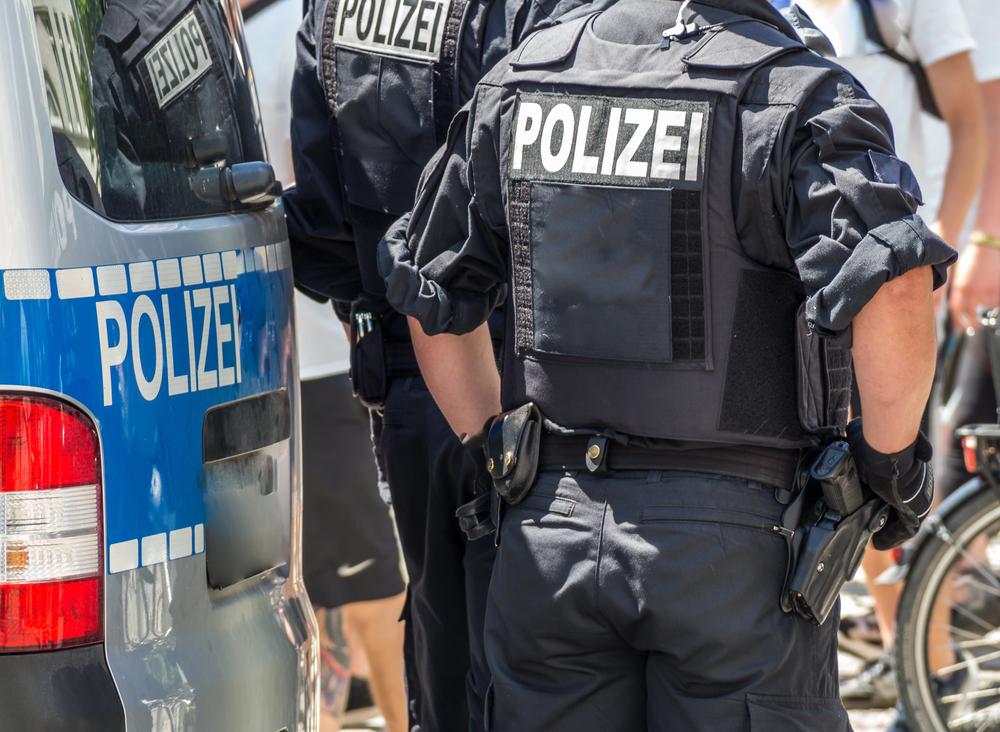
These programs represent more than just training. They’re crucibles that reveal human potential under extreme conditions that civilian life never demands.
Most candidates won’t succeed — attrition rates often exceed 90% — yet for these elite units, high failure rates measure quality rather than inadequacy. The graduates don’t just become soldiers; they become legends within their respective militaries, carrying skills and mental toughness that separate them from ordinary troops.
Though methods and locations differ significantly, each program shares the same fundamental goal: identifying those rare individuals who can function effectively when others would simply give up or break down completely.
Like Go2Tutors’s content? Follow us on MSN.
More from Go2Tutors!

- 16 Historical Figures Who Were Nothing Like You Think
- 12 Things Sold in the 80s That Are Now Illegal
- 15 VHS Tapes That Could Be Worth Thousands
- 17 Historical “What Ifs” That Would Have Changed Everything
- 18 TV Shows That Vanished Without a Finale
Like Go2Tutors’s content? Follow us on MSN.



