Stars Who Started as Backup Dancers
Before the spotlight found them, some of today’s biggest names in entertainment were grinding it out in the background. They were the ones moving in sync behind the main act, perfecting their craft one routine at a time.
The journey from backup dancer to superstar isn’t just about luck. It takes years of dedication, countless auditions, and the kind of work ethic that most people can’t imagine.
Let’s look at the performers who danced their way from the back of the stage to center stage.
Jennifer Lopez

Long before she became J.Lo, Jennifer Lopez was dancing behind some of the biggest names in music. She spent years as a Fly Girl on the sketch comedy show In Living Color, where she honed her skills and learned how to command attention even when she wasn’t the focus.
Those dance moves laid the foundation for everything that came after. Her time as a backup dancer taught her discipline and stage presence, qualities that would later define her career as a triple threat in music, film, and business.
Paula Abdul

Paula Abdul didn’t just back up one or two artists. She worked with legends like Janet Jackson, creating iconic choreography that defined an entire era of pop music.
Her creative vision was so strong that she became one of the most sought-after choreographers in the industry before ever releasing her own music. When she finally stepped into the spotlight with her debut album Forever Your Girl, the world saw what she’d been building toward all along.
Those years behind the scenes gave her an understanding of performance that most artists never develop.
Beyoncé
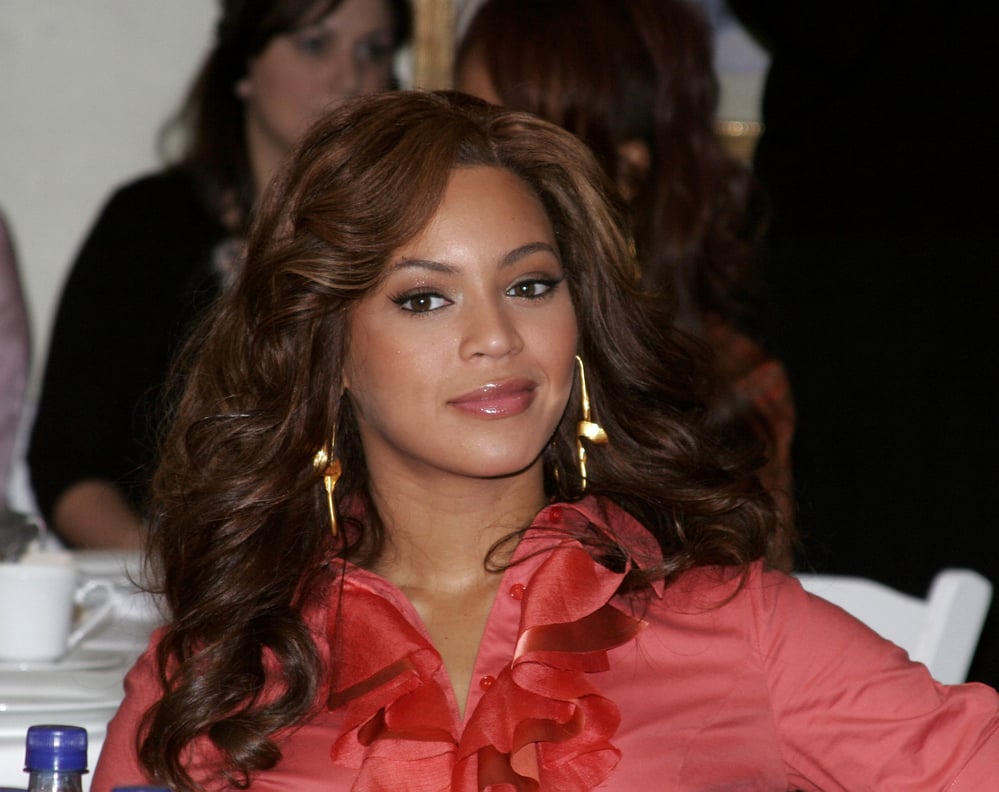
Even Queen Bey started somewhere less glamorous than where she is now. As a young girl, Beyoncé performed as a backup dancer at local events in Houston, learning the ropes of live performance.
She understands what it means to support someone else’s vision because she lived it. That experience shaped how she treats her own dancers today, and it gave her the technical foundation that makes her performances so precise.
The hours she spent perfecting routines as a kid created the performer who would later redefine what it means to put on a show.
Derek Hough
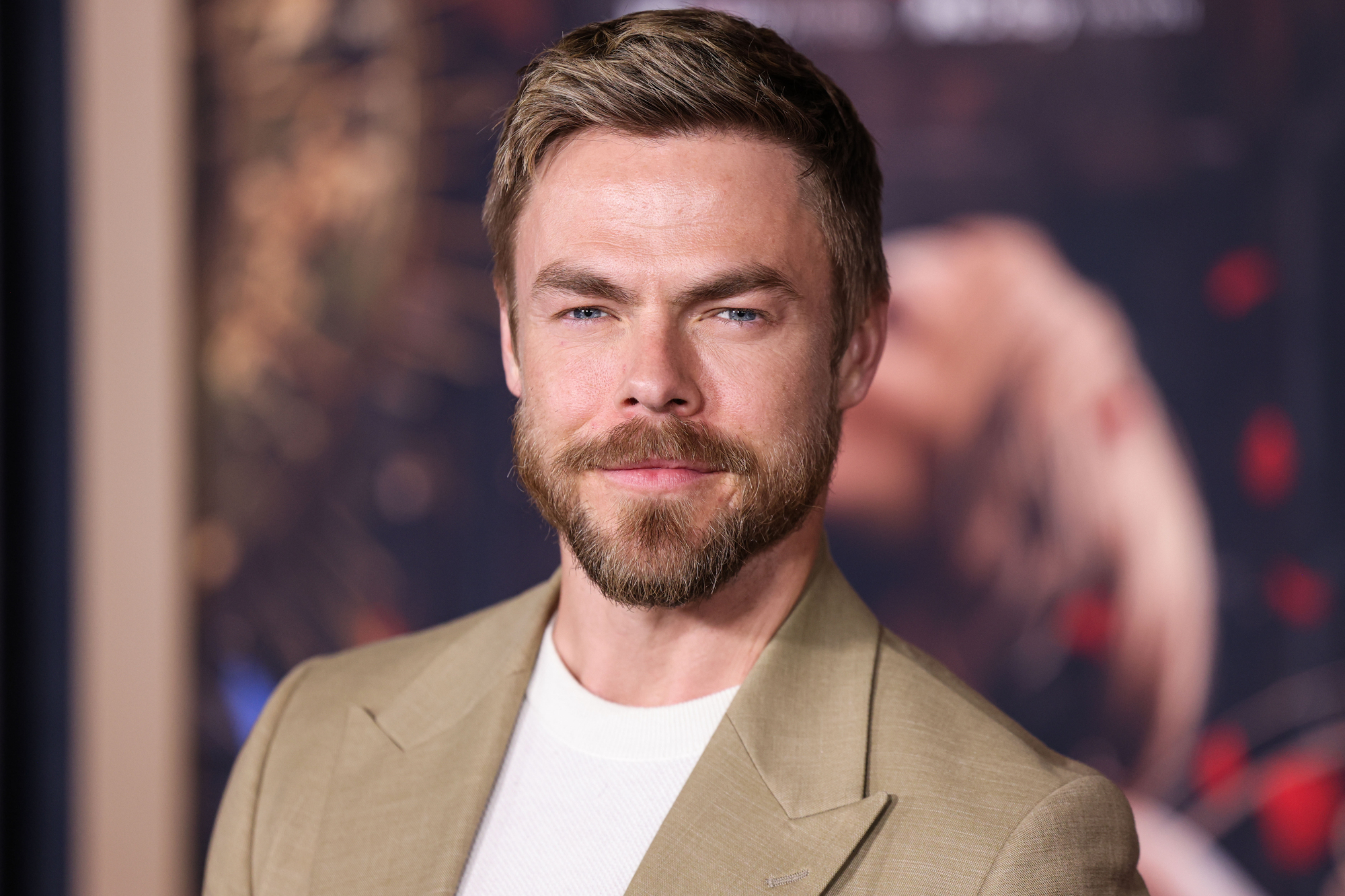
Derek Hough danced behind some major pop stars during his teenage years in London, including performances on tour with various artists. He trained at the Italia Conti Academy of Theatre Arts, where he lived and breathed dance every single day.
Those early experiences taught him versatility, allowing him to master everything from ballroom to hip-hop. When Dancing with the Stars came calling, he already had the foundation to become the show’s most decorated professional.
His backup dancing days weren’t just a stepping stone but a crucial part of building his skill set.
Rosie Perez

Rosie Perez got her start dancing on Soul Train, where her energy and unique style caught the attention of producers and choreographers. She wasn’t trying to become famous.
She just loved to dance and brought an authenticity that cameras couldn’t ignore. Her talent led to choreography work for artists like Bobby Brown and eventually acting roles that showcased her personality.
The confidence she developed as a dancer translated directly into her film career, proving that performance skills cross over between mediums.
Tina Landon
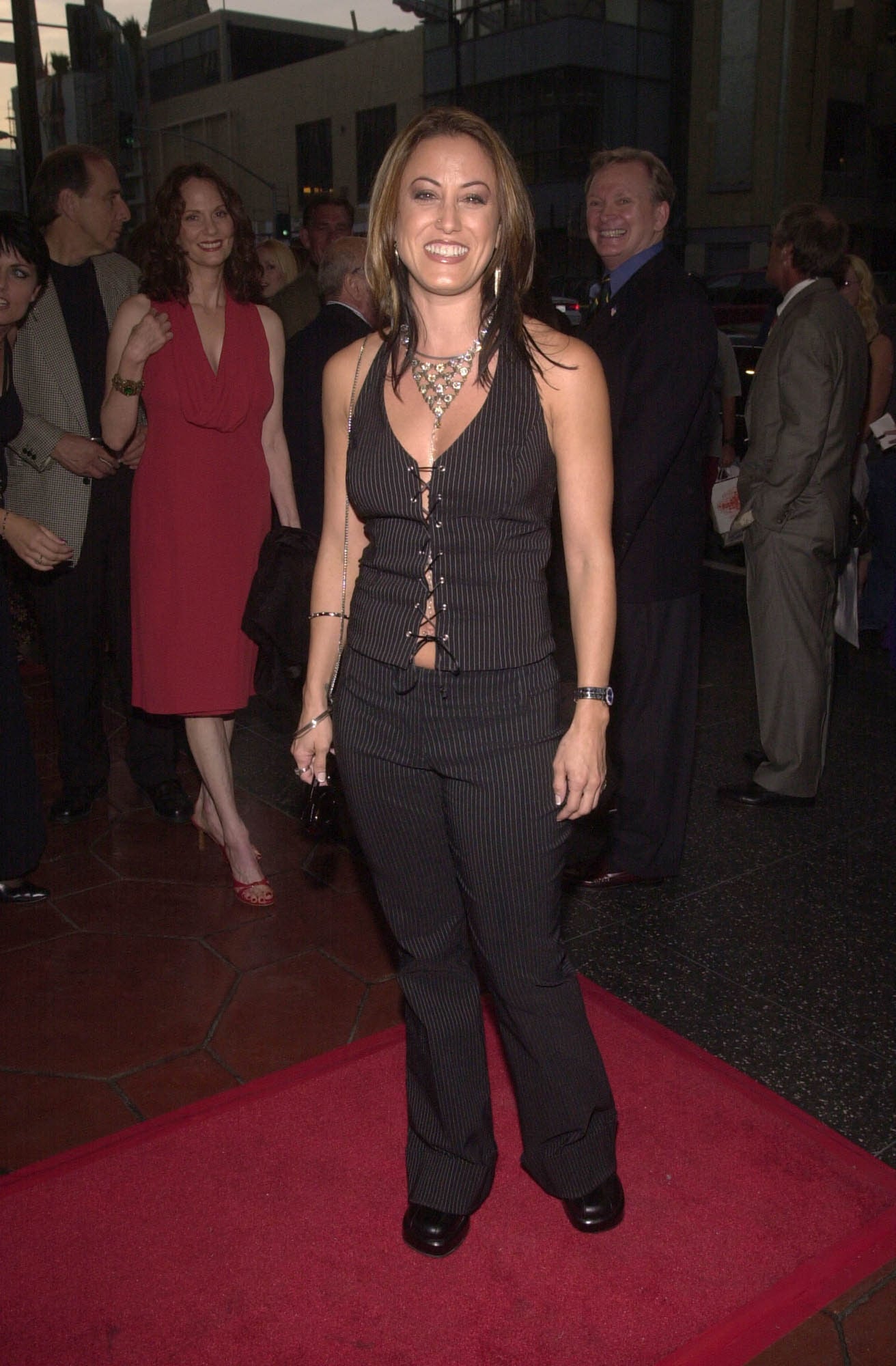
Tina Landon spent years creating movement for superstars like Janet Jackson, Prince, and Michael Jackson before becoming a household name among choreographers. She understood how to make artists look their absolute best while maintaining the integrity of the music.
Her work shaped the visual language of 90s pop and R&B in ways that still influence dancers today. Though she remained more behind the scenes than some others on this list, her impact on the industry is undeniable.
Those years of backup work taught her how to elevate every artist she touched.
Carrie Ann Inaba
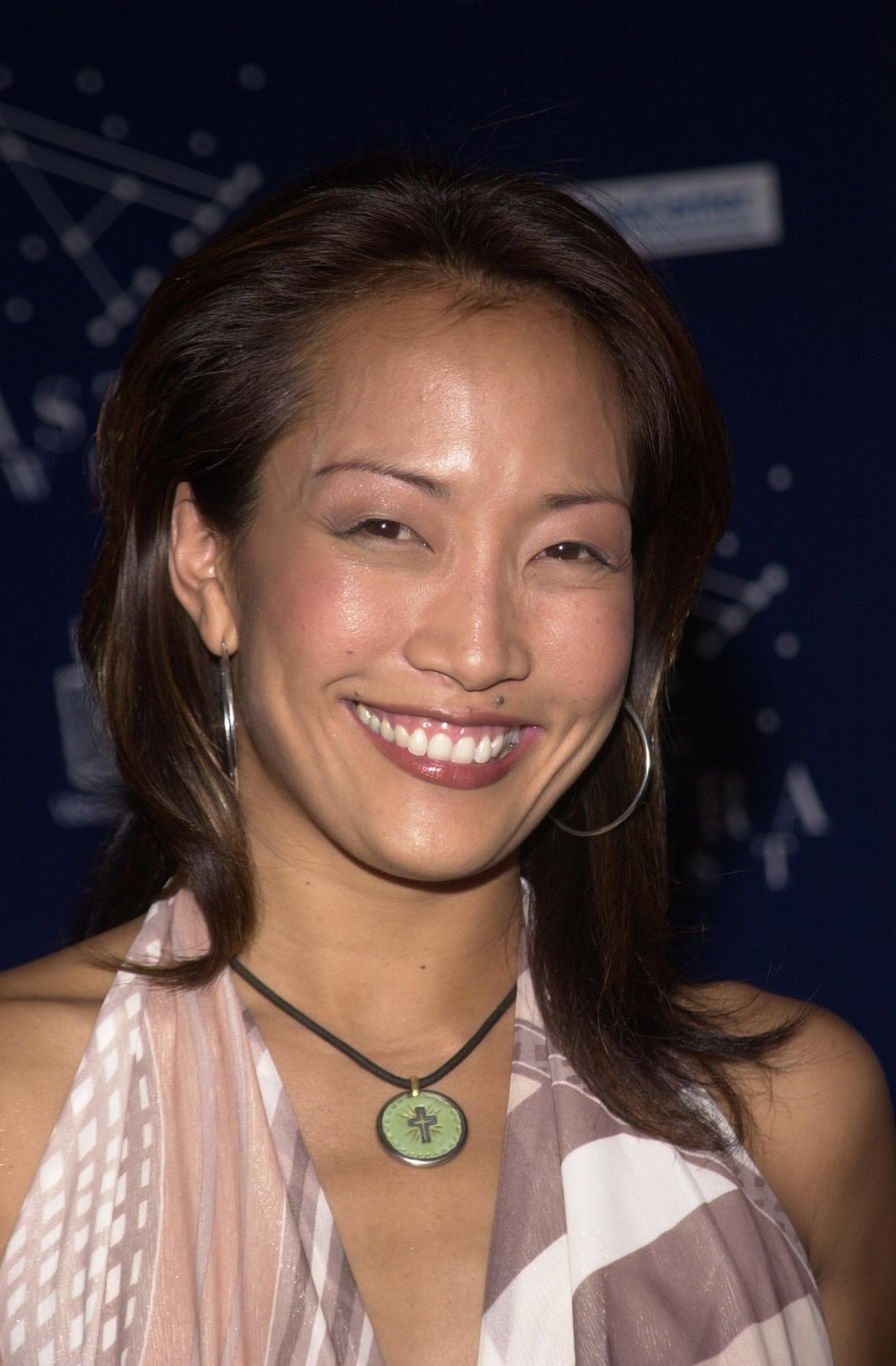
Before judging dancers on television, Carrie Ann Inaba was one herself. She danced for Madonna during the Virgin Tour and appeared in countless music videos throughout the 80s and 90s.
Her experience on stage gave her the eye for detail that makes her such an effective judge on Dancing with the Stars. She knows what it takes to execute difficult choreography under pressure because she lived it.
That credibility makes her critiques carry weight that someone without her background could never match.
Jenna Dewan

Jenna Dewan backed up artists like Janet Jackson, Missy Elliott, and Pink before acting became her primary focus. She appeared in music videos and live performances, learning how to connect with cameras and audiences simultaneously.
Her dance background gave her a physical awareness that translates beautifully to acting. When she landed her breakthrough role in Step Up, she wasn’t just playing a dancer but bringing real experience to the screen.
Those years of backup work made her authentic in ways that pure actors struggle to replicate.
Ne-Yo
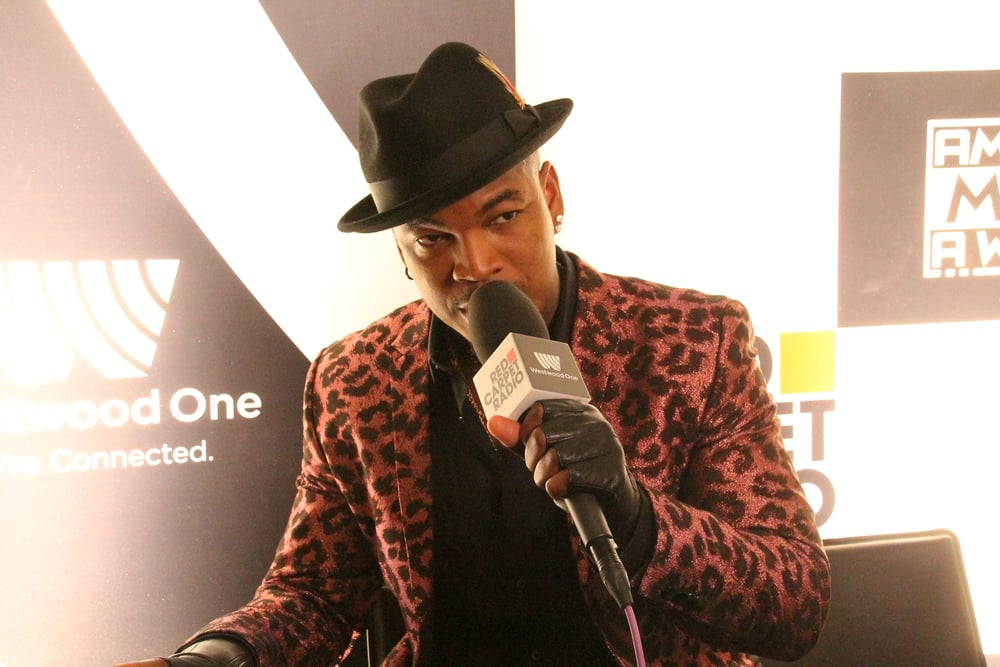
Not many people know that Ne-Yo started as a dancer in a group called Envy before his songwriting and singing career took off. He performed at local shows and developed his stage presence through movement.
Dancing taught him rhythm in a way that would later influence his smooth vocal delivery and impeccable timing. When he transitioned to music, he brought a performer’s understanding of how to work a stage.
His background in dance still shows in his live performances today.
Casper Smart

Casper Smart danced for artists like Beyoncé and Flo Rida before becoming known for his choreography and later his personal life. He spent years perfecting his craft in the background, learning from some of the best in the business.
His technical ability and creativity eventually led him to choreograph for major artists himself. Dancing behind superstars gave him insights into what works on stage and what doesn’t.
That knowledge allowed him to transition from performer to creator seamlessly.
Aaliyah

Aaliyah started performing as a dancer on Star Search when she was just a child, showcasing talent that went way beyond her years. She understood movement in a way that would later define her signature style as a recording artist.
Her dance background influenced everything from her music videos to her live performances, creating a smooth, effortless aesthetic. She moved with a confidence that came from years of practice and performance.
Those early experiences shaped her into an artist who could do it all.
Twitch

Stephen Boss, known as Twitch, worked as a backup dancer for artists like Madonna and Missy Elliott before finding fame on So You Think You Can Dance. He brought joy and personality to every performance, making it impossible not to watch him even when he wasn’t the star.
His freestyle ability and genuine love for dance came through in everything he did. When he transitioned to television hosting and acting, he carried that same energy with him.
Dancing gave him the foundation to build a diverse career in entertainment.
Cris Judd
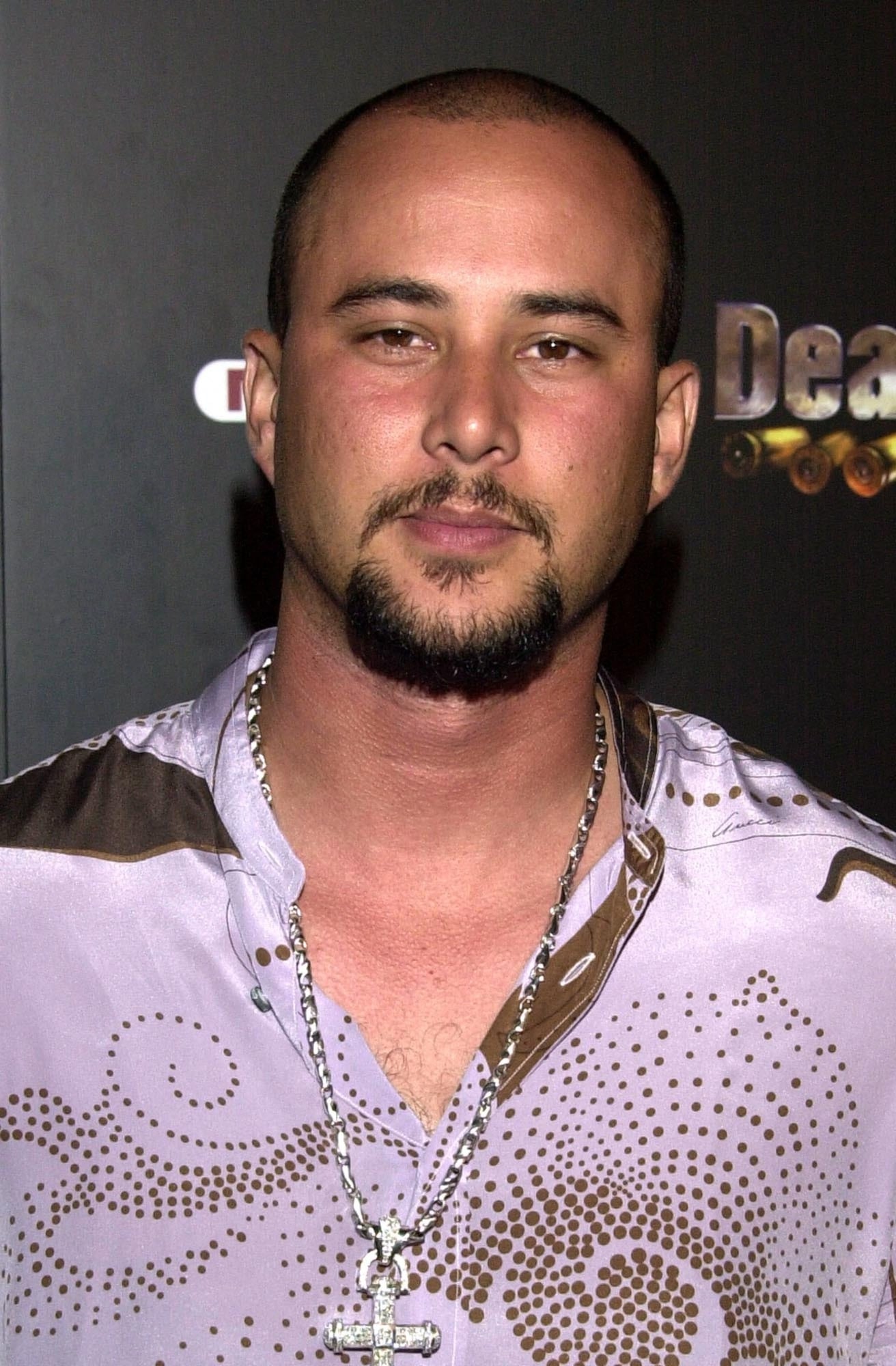
Cris Judd once moved across stages for both Michael Jackson and Janet Jackson, later shifting toward creating visuals of his own. From watching closely came knowing – knowing how moments stick in people’s minds after the music stops.
Years tucked within the process shaped how he sees each step, each pause. Stepping forward into making routines felt less like a change and more like returning with tools gathered over time.
Being part of performances drilled into him the weight of pauses, distances between steps, things unseen but deeply felt. Those rhythms, those quiet shifts – small pieces that turn solid acts into something sharper than words.
Laurie Ann Gibson

Back in the 90s, Laurie Ann Gibson moved across stages behind stars like Puff Daddy. Sharpness lived in every step she took, a kind of fire that locked into each beat.
Because the music demanded presence, her motions answered with boldness. While standing just off center, she learned what lingers – those split seconds people replay in their minds.
Later came routines for Lady Gaga, Alicia Keys, and many more who leaned on her vision. What looked effortless grew from years of showing up unseen.
That stretch of pushing forward without spotlight built something real: authority earned through motion.
Origin Shapes Path

Starting out, backup dancers rarely see glamour. Late nights are filled with practice, often after everyone else has gone home.
Rejection shows up more than once, sometimes daily. Standing onstage in front of crowds, yet invisible, becomes routine.
Still, those moments shape a strength few understand. Some learn it only through doing, not being told.
Those who rise from these roles tend to want it differently. Their drive runs below the surface, quiet but steady.
When attention finally arrives, they feel its weight fully. Having held up another’s vision, they recognize their own when it comes.
More from Go2Tutors!

- The Romanov Crown Jewels and Their Tragic Fate
- 13 Historical Mysteries That Science Still Can’t Solve
- Famous Hoaxes That Fooled the World for Years
- 15 Child Stars with Tragic Adult Lives
- 16 Famous Jewelry Pieces in History
Like Go2Tutors’s content? Follow us on MSN.