16 Traditions That Started as Practical Solutions
Many of the customs we follow today weren’t created for ceremony or symbolism—they began as clever solutions to everyday problems. From keeping food fresh to staying safe, our ancestors developed practices that worked so well they became part of our culture.
What’s fascinating is how these practical fixes transformed into meaningful traditions over time. Here is a list of 16 traditions that started as simple, smart responses to real-world challenges.
White Wedding Dresses
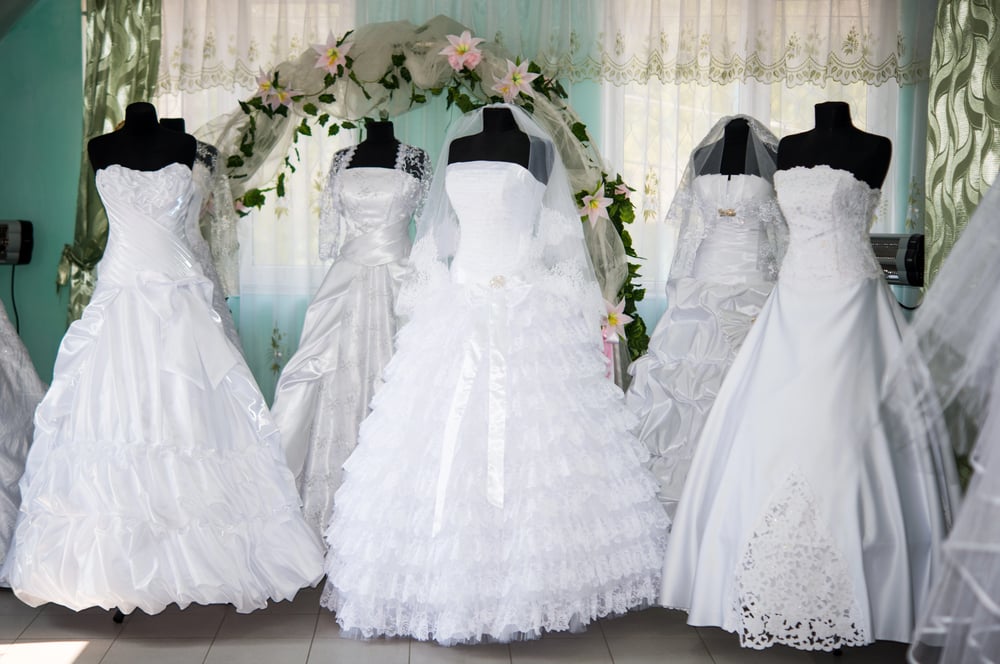
Queen Victoria popularized the white wedding dress in 1840, but her choice wasn’t about purity or tradition. White fabric was expensive and impractical—it showed every stain and couldn’t be worn again easily.
By choosing white, Victoria was essentially showing off her wealth, proving she could afford a dress she’d never wear again. The tradition stuck because other wealthy families wanted to display their status, too.
Throwing Rice at Weddings

Ancient cultures threw rice, wheat, or other grains at newlyweds to ensure fertility and prosperity. This wasn’t just symbolic wishful thinking—it was practical crowd control.
Wedding guests needed something to do during the ceremony, and tossing grains gave everyone a way to participate. The grain also served as bird food, cleaning up the mess while feeding local wildlife.
Like Go2Tutors’s content? Follow us on MSN.
Saying ‘Bless You’ After Sneezing

This polite response started during plague outbreaks when sneezing could signal serious illness. People believed that during a sneeze, your soul briefly left your body, making you vulnerable to evil spirits.
The blessing was protection, but it also served as an early warning system—if someone was sneezing frequently, others knew to keep their distance.
Engagement Rings
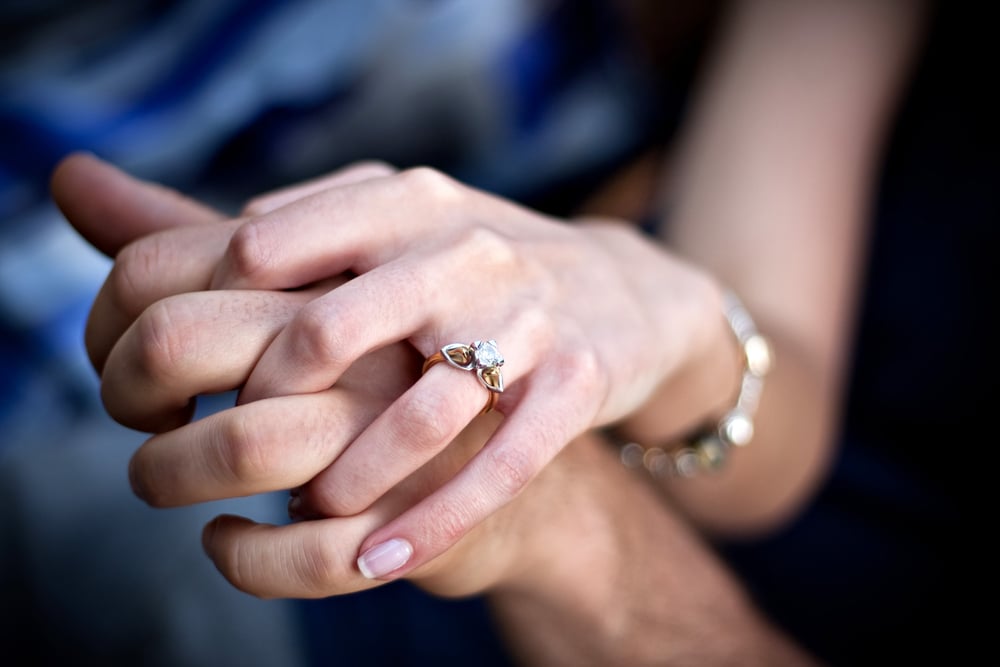
Diamond engagement rings became popular thanks to a clever marketing campaign, but the ring tradition itself solved a practical legal problem. Before modern marriage laws, an engagement was a binding contract. If a man broke the engagement, the woman could sue for breach of promise.
The ring served as collateral—proof of his commitment and financial compensation if he backed out.
Bridesmaids Wearing Similar Dresses

Roman law required ten witnesses at a wedding, but this created a security problem for wealthy families. Kidnappers and robbers often targeted wedding parties, knowing they’d find valuable guests in one place.
Bridesmaids dressed like the bride to confuse potential threats—they couldn’t tell which woman was the actual target. The matching dresses were essentially ancient camouflage.
Like Go2Tutors’s content? Follow us on MSN.
Shaking Hands

This universal greeting started as a way to show you weren’t carrying weapons. In medieval times, extending your right hand—your sword hand—proved you came in peace. The up-and-down motion helped shake loose any hidden daggers tucked in sleeves.
What began as a security check became our standard way of meeting someone new.
Wearing Black to Funerals

Black funeral attire wasn’t originally about mourning—it was about practicality and protection. Dark colors hid dirt and stains during long burial processes when bodies were prepared at home. Black fabric was also cheaper than dyed colors and could be reused for other occasions.
The tradition helped families avoid the expense of buying special mourning clothes they’d rarely wear.
Christmas Stockings

The tradition of hanging stockings comes from a practical drying method. In many homes, the fireplace was the warmest, driest spot, making it perfect for drying freshly washed socks and stockings. Children would hang their stockings there overnight, and parents began leaving small treats inside as a pleasant surprise.
The practice grew into our modern Christmas tradition.
Like Go2Tutors’s content? Follow us on MSN.
Wearing Wedding Rings on the Fourth Finger
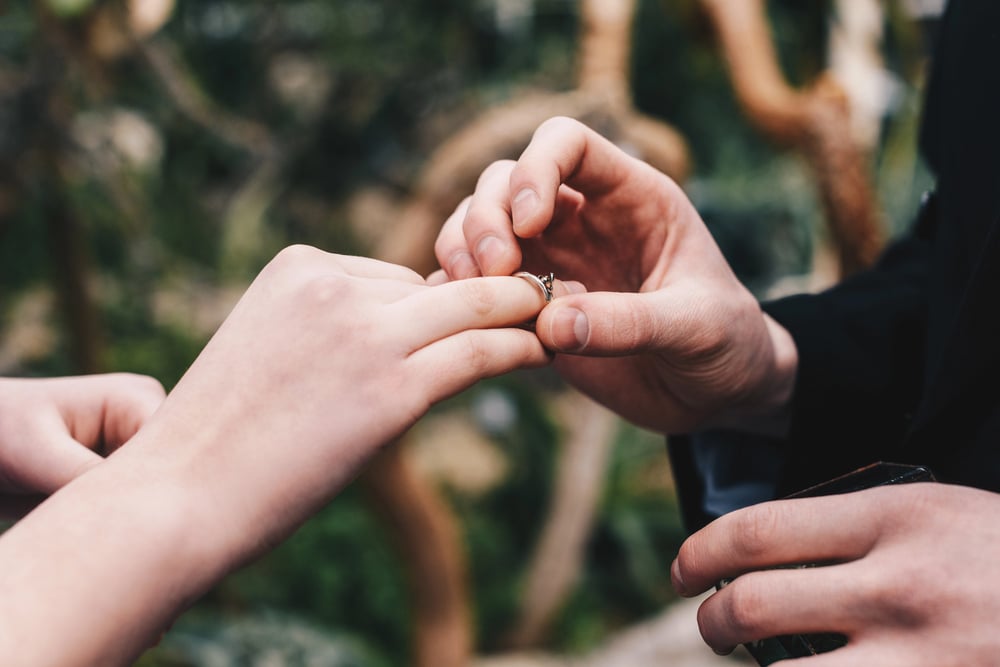
Ancient Romans believed a vein ran directly from the fourth finger of the left hand to the heart. While the anatomy was wrong, the finger choice was practical—it’s the least-used finger, making it safer for valuable jewelry.
A ring there was less likely to get damaged during daily work, protecting both the ring and the symbolic meaning it represented.
Trick-or-Treating

Halloween trick-or-treating evolved from ‘souling,’ a medieval practice where poor people went door-to-door offering prayers for the dead in exchange for food. This solved two problems: it fed hungry families and gave the wealthy a way to ensure prayers were said for their deceased relatives.
The costumes helped disguise social class, making the exchange more comfortable for both sides.
Covering Your Mouth When Yawning

This polite gesture started from genuine health concerns and superstition. People believed yawning left you vulnerable—either to illness entering your body or your soul escaping.
Covering your mouth provided physical protection and showed others you were being considerate about spreading whatever might be causing your tiredness. It was basic public health before anyone understood germs.
Like Go2Tutors’s content? Follow us on MSN.
Carrying the Bride Over the Threshold

This romantic gesture solved a practical problem about property rights and bad luck. In ancient Rome and other cultures, a bride who tripped entering her new home was considered a bad omen for the marriage.
Carrying her eliminated the risk of stumbling while also symbolically showing that she was entering the home as an honored guest, not a servant who walked in on her own.
Wearing Veils

Bridal veils weren’t about tradition or beauty—they were about protection and negotiation. In arranged marriages, the veil prevented the groom from seeing his bride’s face until after the ceremony was complete, eliminating the risk of him backing out.
The veil also protected women from dust and wind during long wedding processions, keeping their appearance intact for the important day.
Clinking Glasses

This celebratory gesture started as a poison detection method. In medieval times, clinking glasses hard enough to slosh liquid between cups proved that no one had poisoned the drinks—if someone had, they wouldn’t want their own drink contaminated.
The practice showed trust and good faith among drinking companions, which made it perfect for toasts and celebrations.
Like Go2Tutors’s content? Follow us on MSN.
Wearing Ties

Neckties evolved from practical neck protection worn by Croatian soldiers in the 17th century. These cloth strips protected their necks from armor chafing and sword cuts while keeping their collars clean.
French nobles adopted the style, and it gradually became a status symbol. The tie’s length and knot complexity showed attention to detail and wealth—you needed time and help to tie elaborate knots properly.
Birthday Candles

Ancient Greeks placed candles on cakes offered to Artemis, but the real practical purpose was making wishes visible to the gods. The smoke from blown-out candles carried prayers upward, like incense in temples.
This gave people a physical way to send their hopes and requests to higher powers, making the spiritual practice more tangible and memorable.
From Function to Meaning

These traditions remind us that human creativity often starts with solving immediate problems. What began as practical responses to safety, health, and social challenges became the meaningful customs that connect us across generations.
Today’s seemingly pointless rules often carry the wisdom of solutions that worked so well, we kept doing them long after we forgot why we started.
Like Go2Tutors’s content? Follow us on MSN.
More from Go2Tutors!

- 16 Restaurant Chains That Went Too Fast
- 12 Things Sold in the 80s That Are Now Illegal
- 15 VHS Tapes That Could Be Worth Thousands
- 17 Historical “What Ifs” That Would Have Changed Everything
- 18 TV Shows That Vanished Without a Finale
Like Go2Tutors’s content? Follow us on MSN.