18 Fascinating Facts About Bears
Bears are pretty amazing when you think about it. These massive, furry creatures manage to survive everywhere from icy Arctic waters to steamy bamboo forests. Most people picture teddy bears when they think of these animals, but real bears are way more complex and interesting than their cuddly reputation suggests.
They’re not just big and strong – though they definitely are both of those things. Bears have some genuinely surprising abilities and quirks that most people never hear about. Here is a list of 18 fascinating facts about bears that’ll change how you think about these incredible animals.
Giant pandas produce the tiniest babies
A newborn panda is absolutely tiny compared to its mom. We’re talking about a baby that weighs only 3.5 ounces and is about 5 inches long.
That’s literally the size of a stick of butter, and the mom can weigh up to 220 pounds. It’s the most extreme size difference between mother and baby of any mammal on the planet.
Bears can run faster than horses
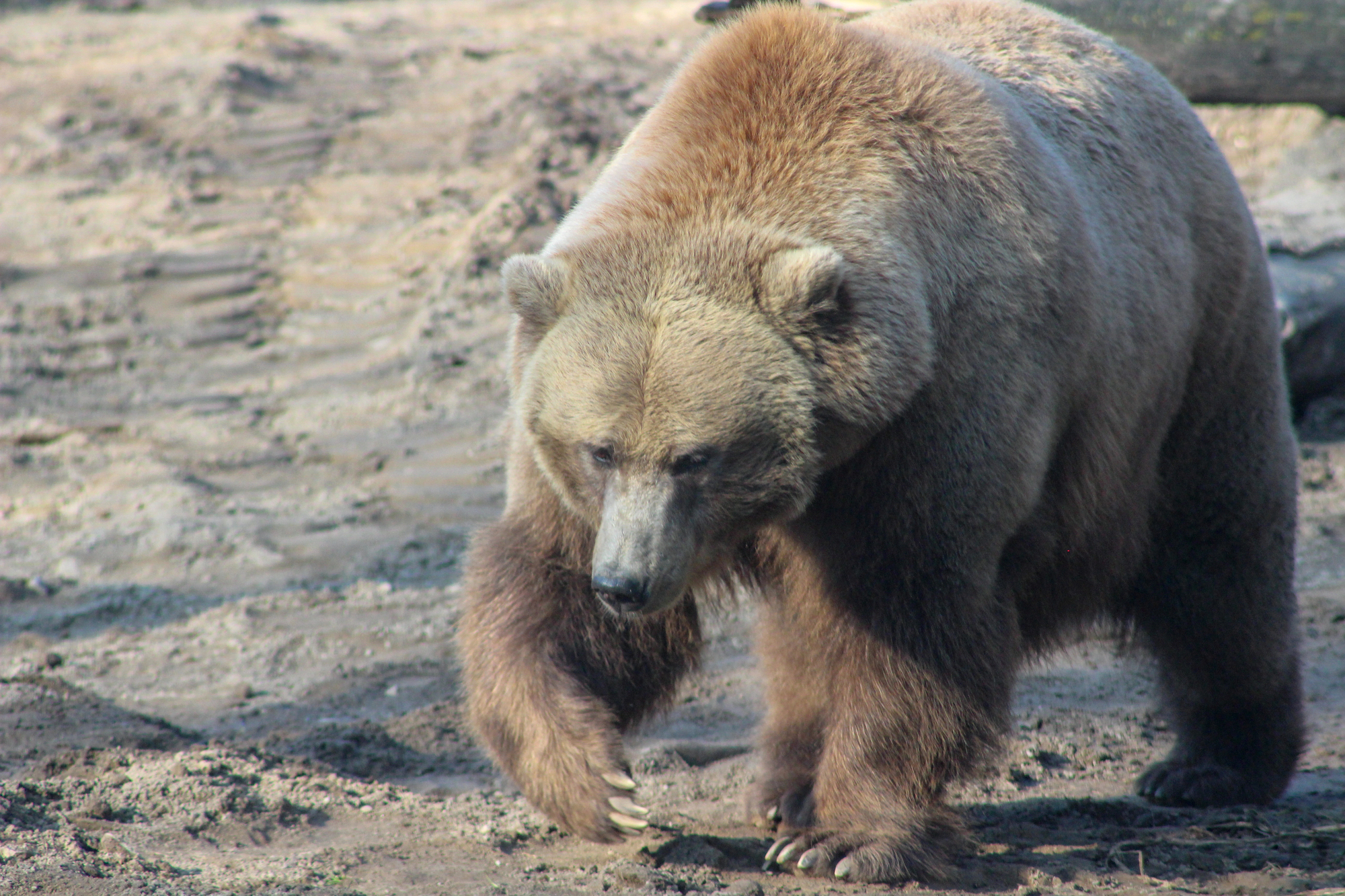
You know how bears look all slow and lumbering in videos? Total lie.
A brown bear can hit 35 miles per hour when it wants to, and black bears aren’t far behind at 30 mph. Most horses gallop around 25-30 mph, so yeah, that bear can probably outrun the horse.
And bears can do this while crashing through thick forest where a horse would get stuck.
Polar bears have black skin under white fur
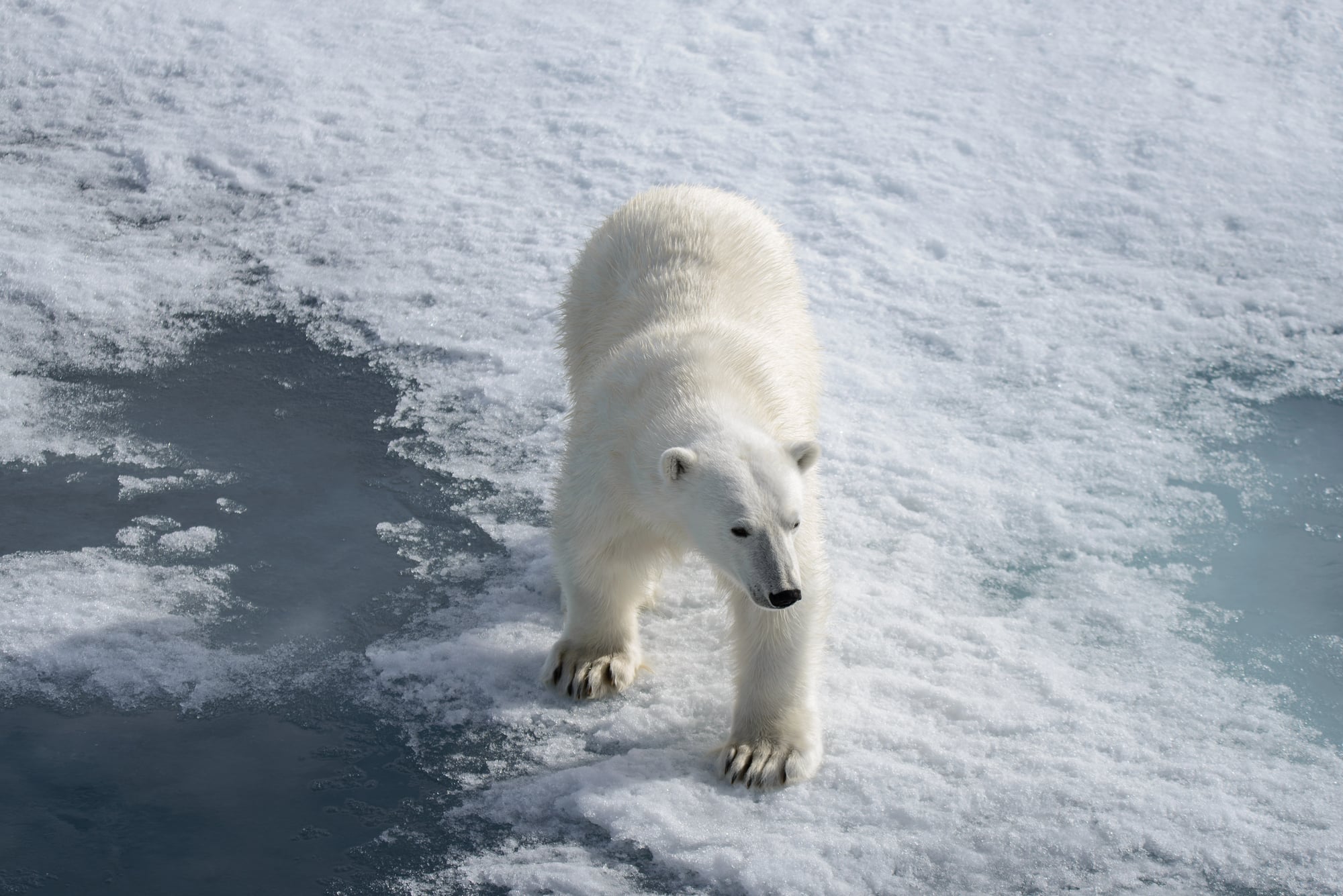
This one blew my mind when I first learned it. Polar bears look completely white, but if you could shave one (please don’t), you’d find jet-black skin underneath.
Their fur is actually hollow and see-through, which makes it look white when light hits it. The black skin soaks up heat from the sun like a natural solar panel.
Some bears can climb trees using their heads
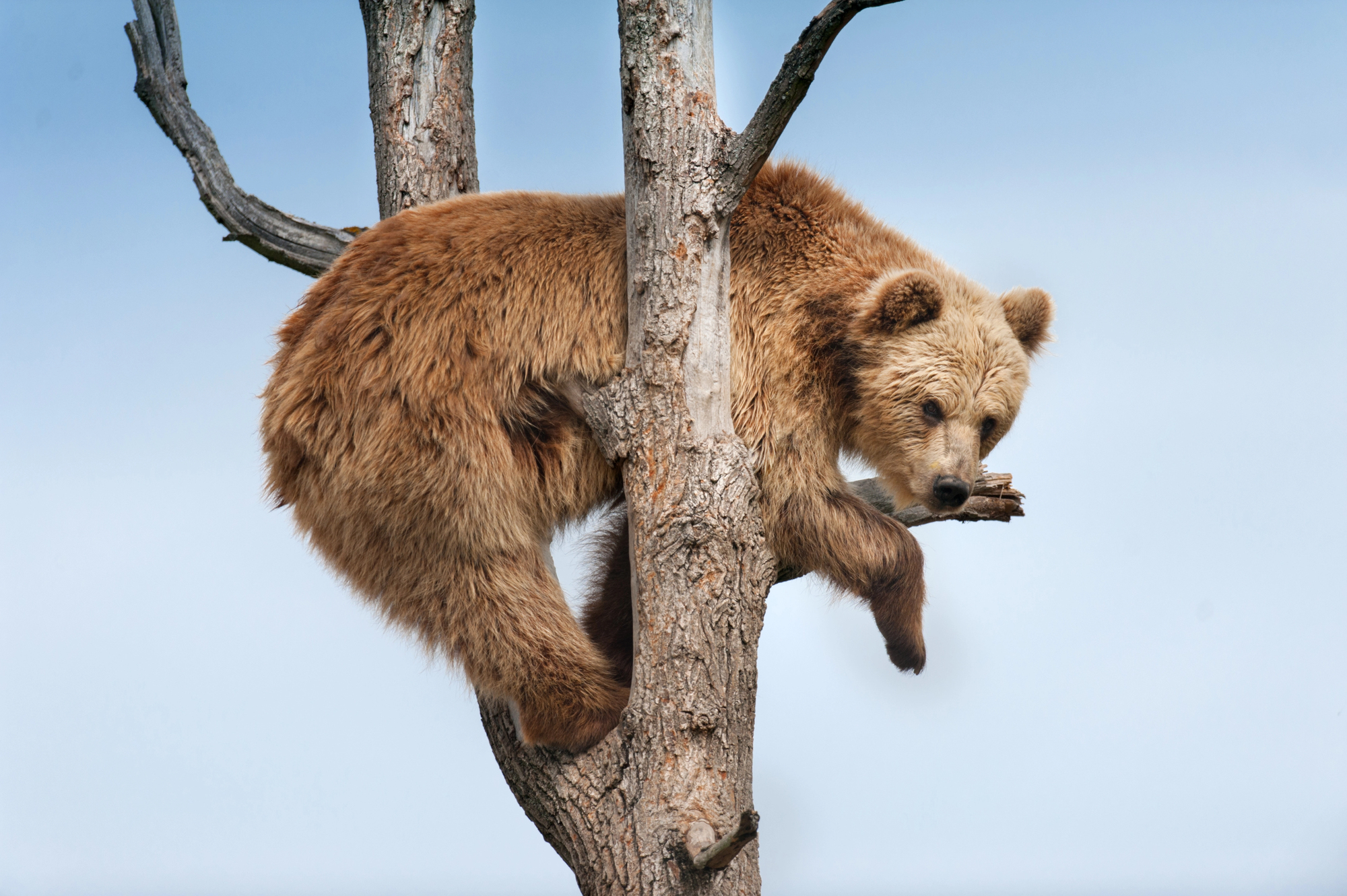
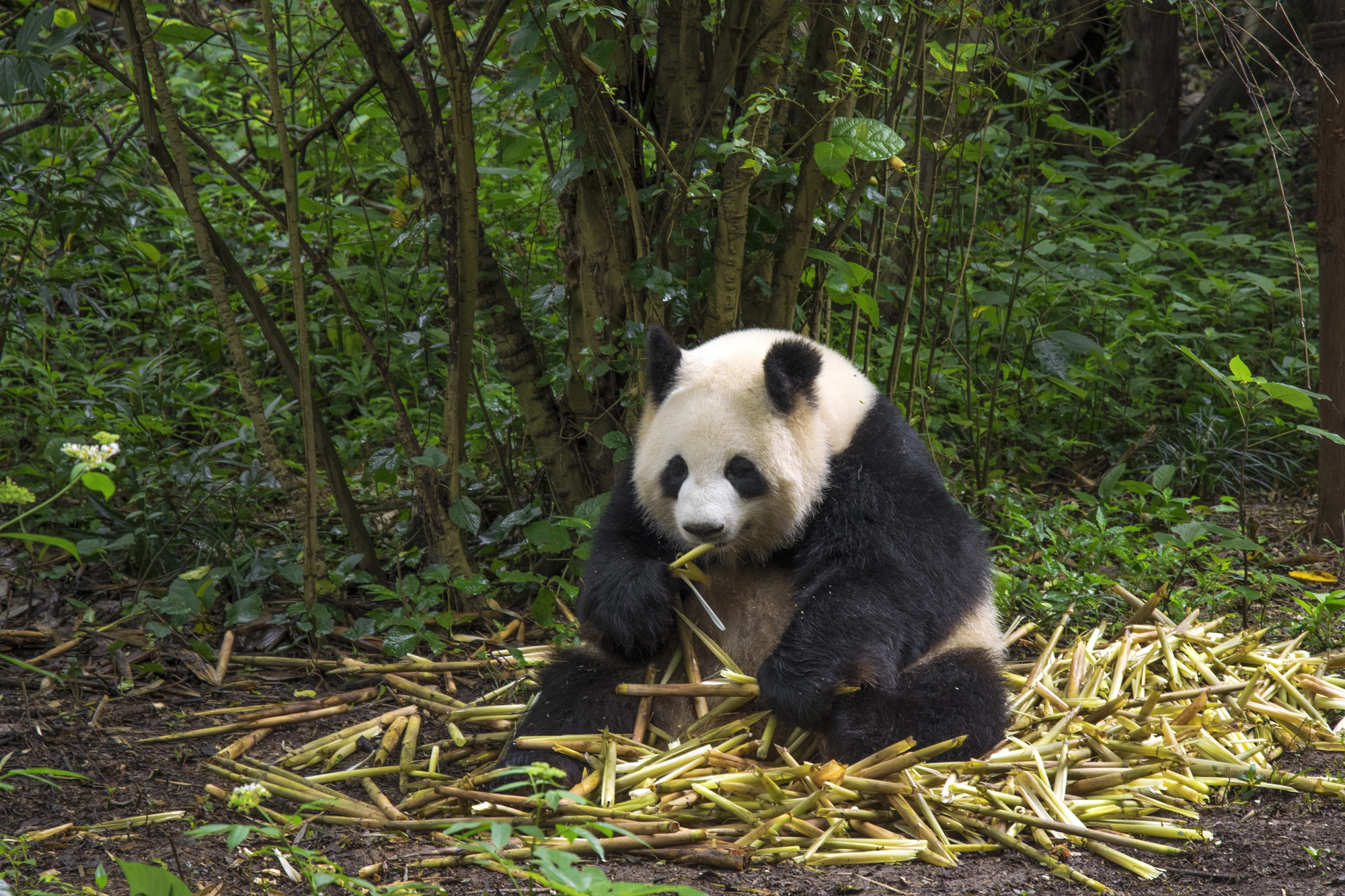
Pandas have figured out this weird but brilliant climbing trick. When baby pandas climb trees, they literally hug the trunk with their heads while their paws do the work.
It looks ridiculous but it actually helps them grip better on smooth bark. Nature comes up with the strangest solutions sometimes.
American black bears have better eyesight than humans
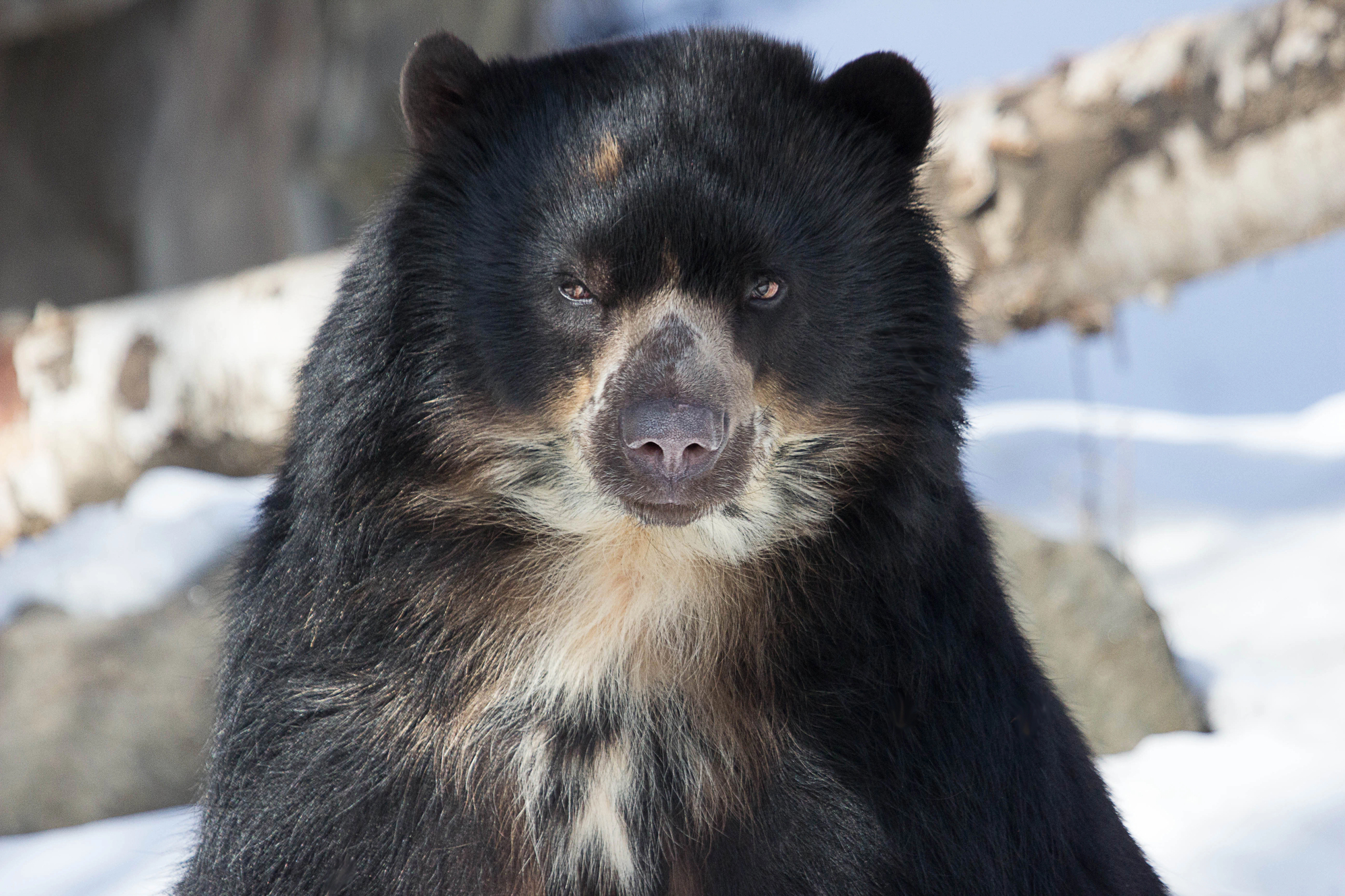
Everyone talks about how bears have amazing noses, but their eyes are pretty sharp too. Black bears can see colors just fine, which helps them spot ripe berries and fruit.
Their night vision is particularly good, so they can forage when it’s getting dark and other animals are heading home.
Brown bears derive 90% of their diet from plants
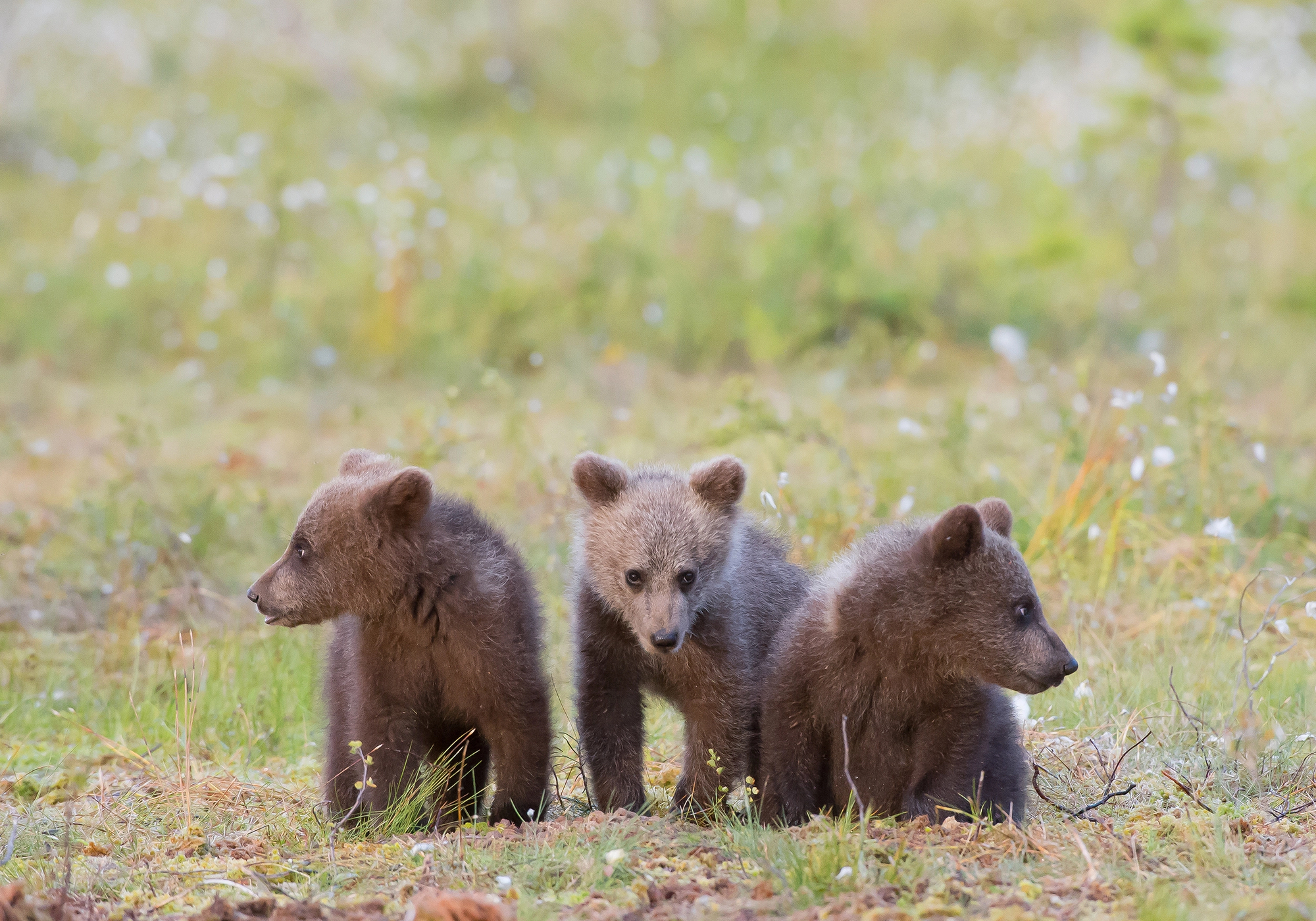
Here’s something that surprises people – brown bears are basically vegetarians who occasionally eat meat. About 90% of what they eat is plants: berries, nuts, roots, grass, you name it.
They’ll eat over 260 different plant species depending on what’s around. The other 10% is fish, small animals, and bugs when they can get them.
Bears have an incredible sense of smell
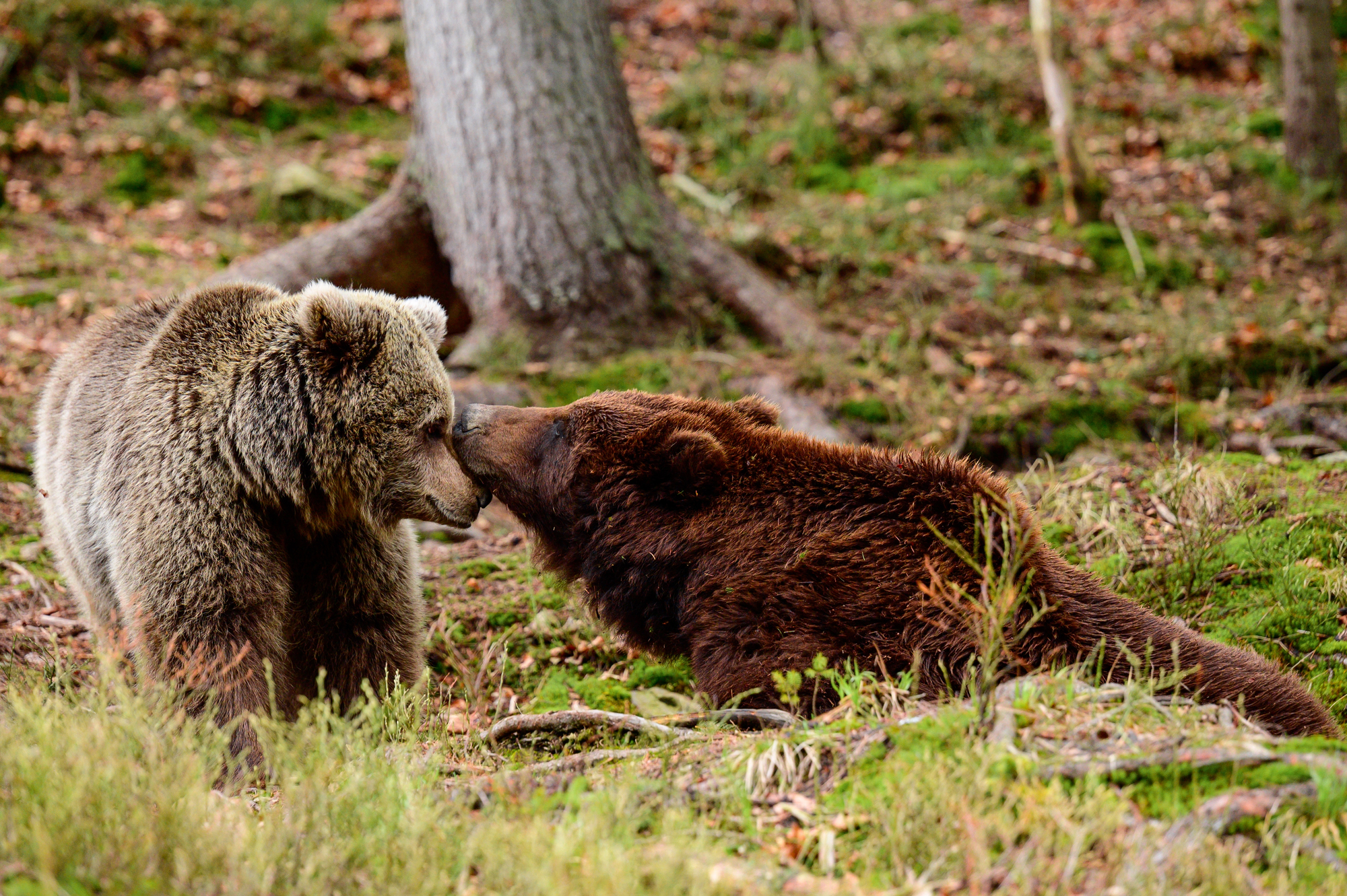
A bear’s nose makes a bloodhound look like it has allergies. They can smell things that are miles away and tell the difference between thousands of scents.
This super nose helps them find food, detect other bears, and avoid trouble long before they can see or hear anything dangerous.
Sloth bears are vacuum cleaners of the animal world
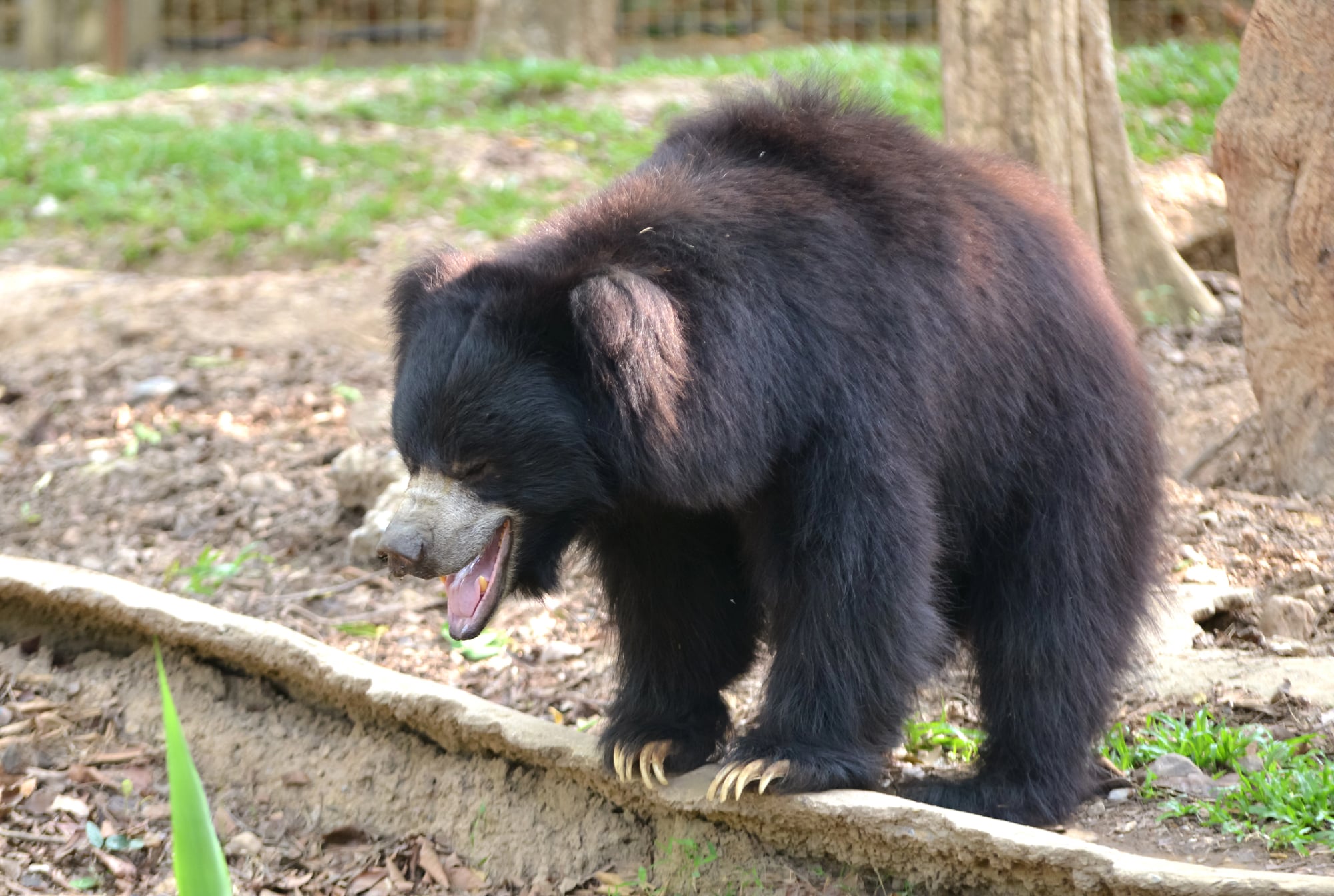
Sloth bears have mastered the art of bug-eating in the weirdest way possible. They stick their long snouts into termite hills and suck up the insects like a shop vacuum.
They can close their nostrils and create such powerful suction that you can hear it from over 100 feet away.
Pandas have cat-like eyes
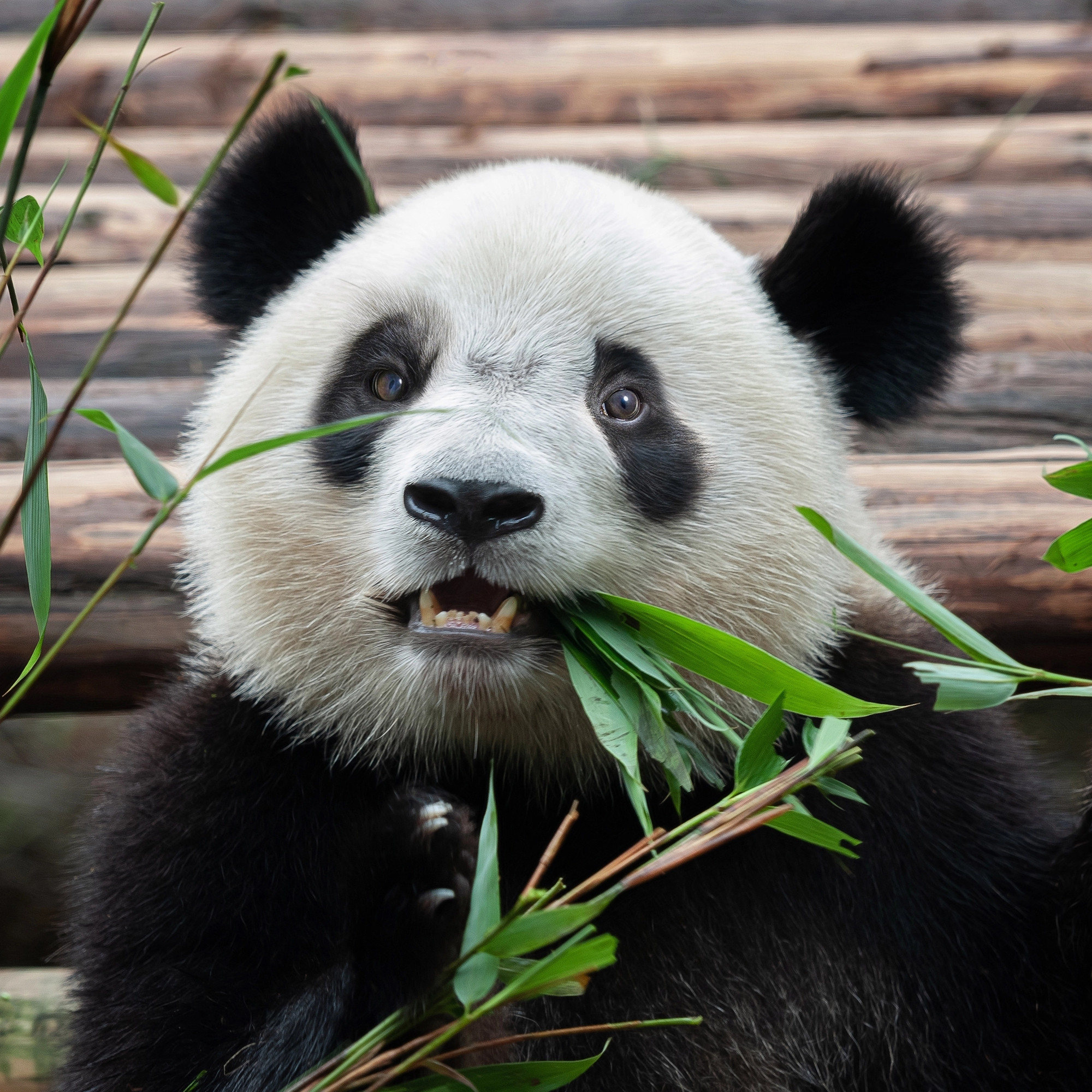
Most bears have round pupils like dogs, but pandas are different. They have vertical slits for pupils, just like house cats.
This helps them see better in low light when they’re foraging around dawn and dusk in their bamboo forests.
Male pandas do handstands to mark territory
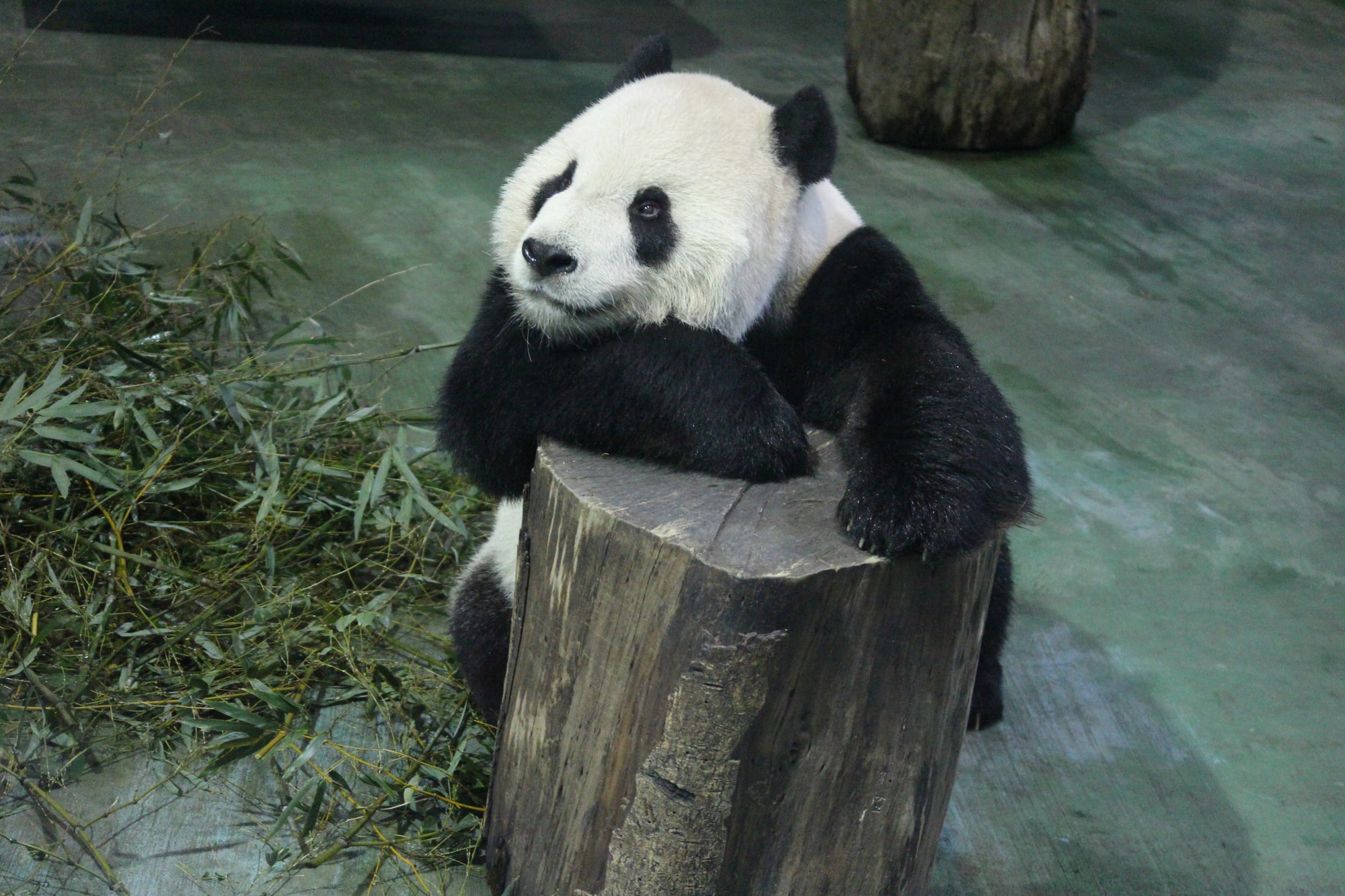
This might be the most athletic thing any bear does. Male pandas will climb up a tree backwards until they’re doing a complete handstand against the trunk.
Then they mark their scent as high up as possible. The higher the mark, the more impressive they look to other pandas.
Bears can live surprisingly long lives
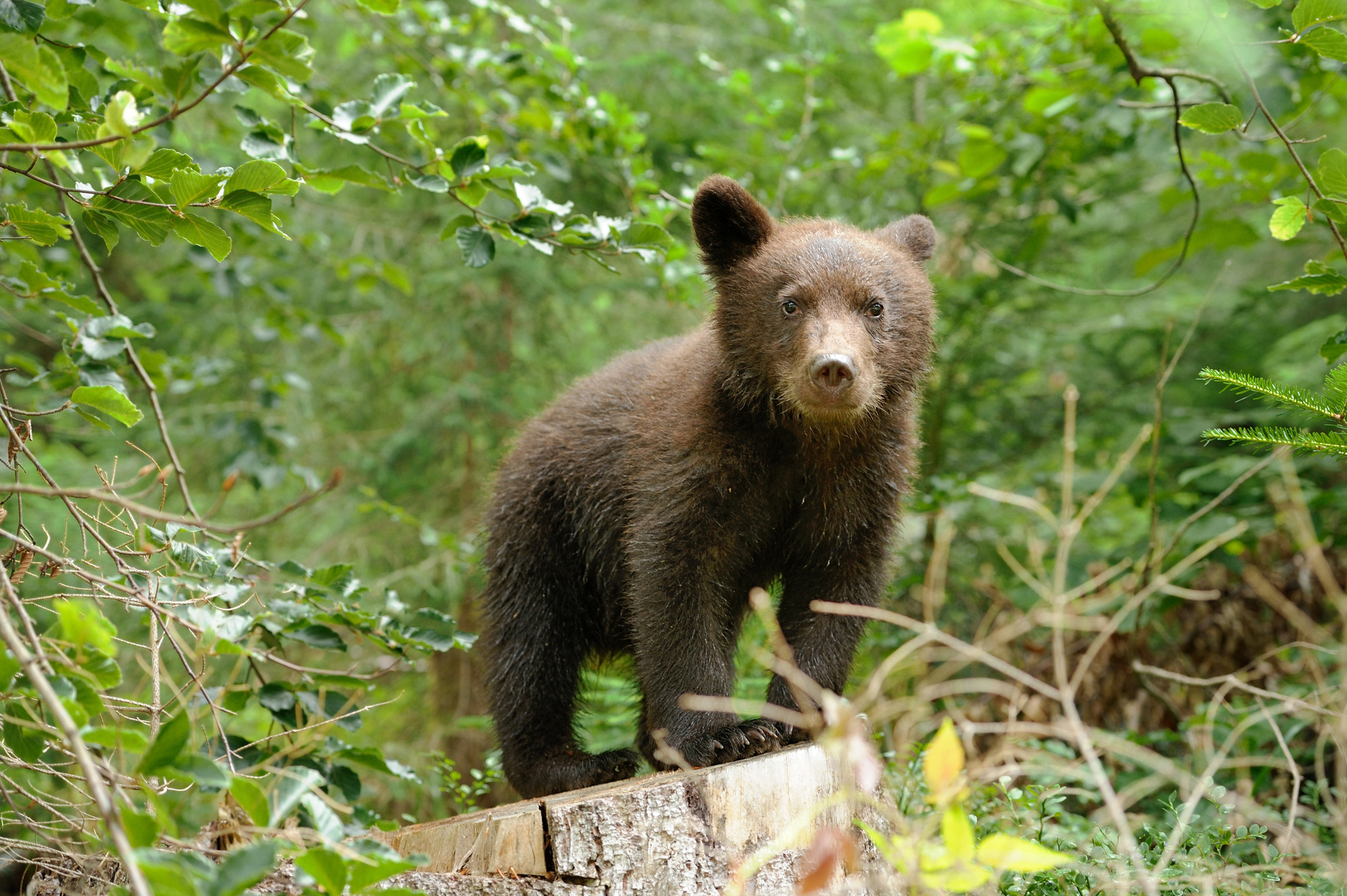
In the wild, bears typically make it to 15-30 years, which is pretty good for such large animals. In captivity, they can live even longer – some have made it past 40.
That’s a decent chunk of time to perfect the art of being a bear.
Sun bears are the smallest bears with the biggest attitude
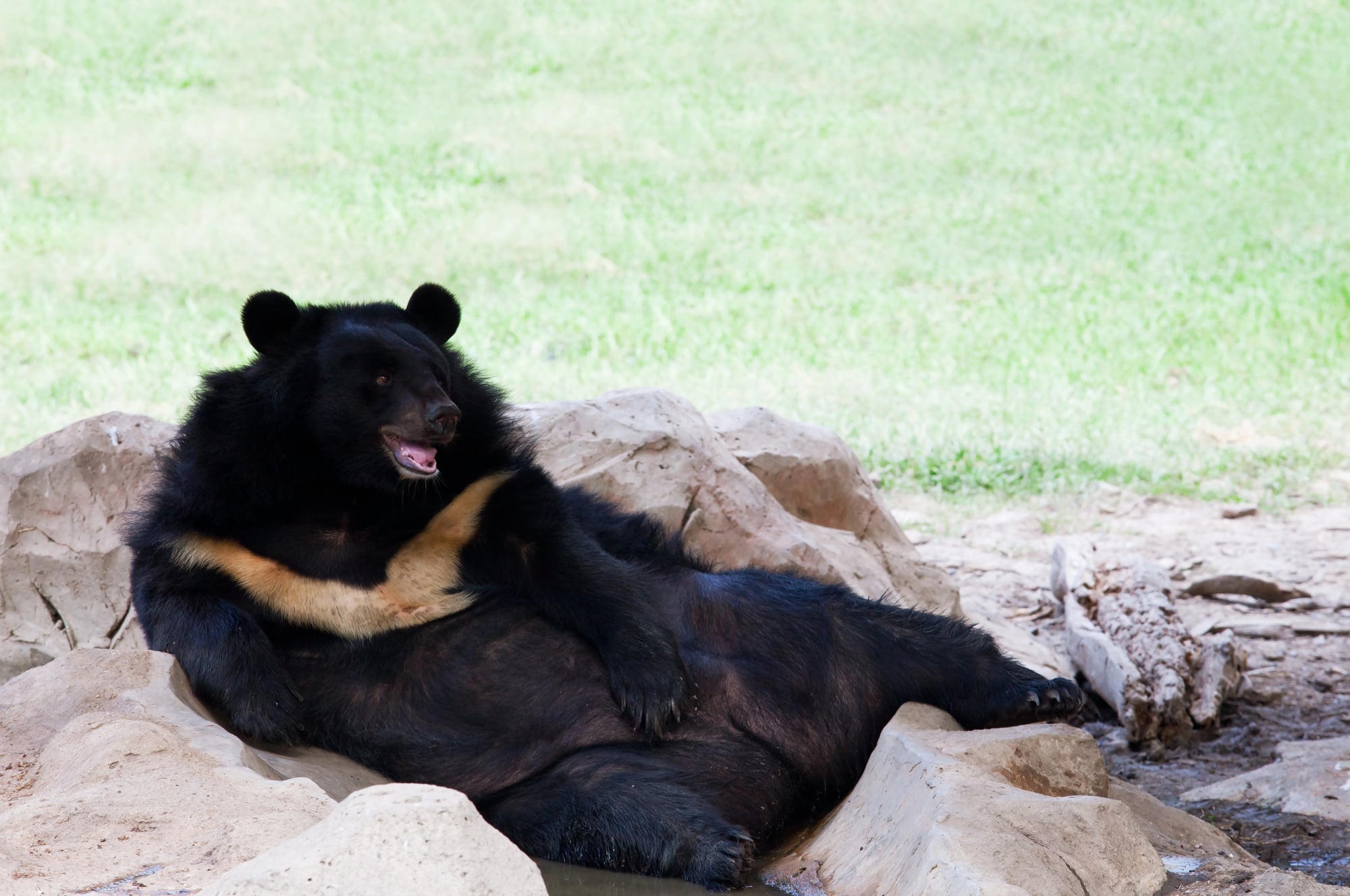
Don’t let their size fool you. Sun bears only weigh 60-150 pounds, making them the runts of the bear family, but they’re absolutely fierce when they need to be.
They have some of the longest claws relative to their body size and aren’t afraid to use them to tear apart termite mounds or defend themselves.
Bears don’t actually hibernate
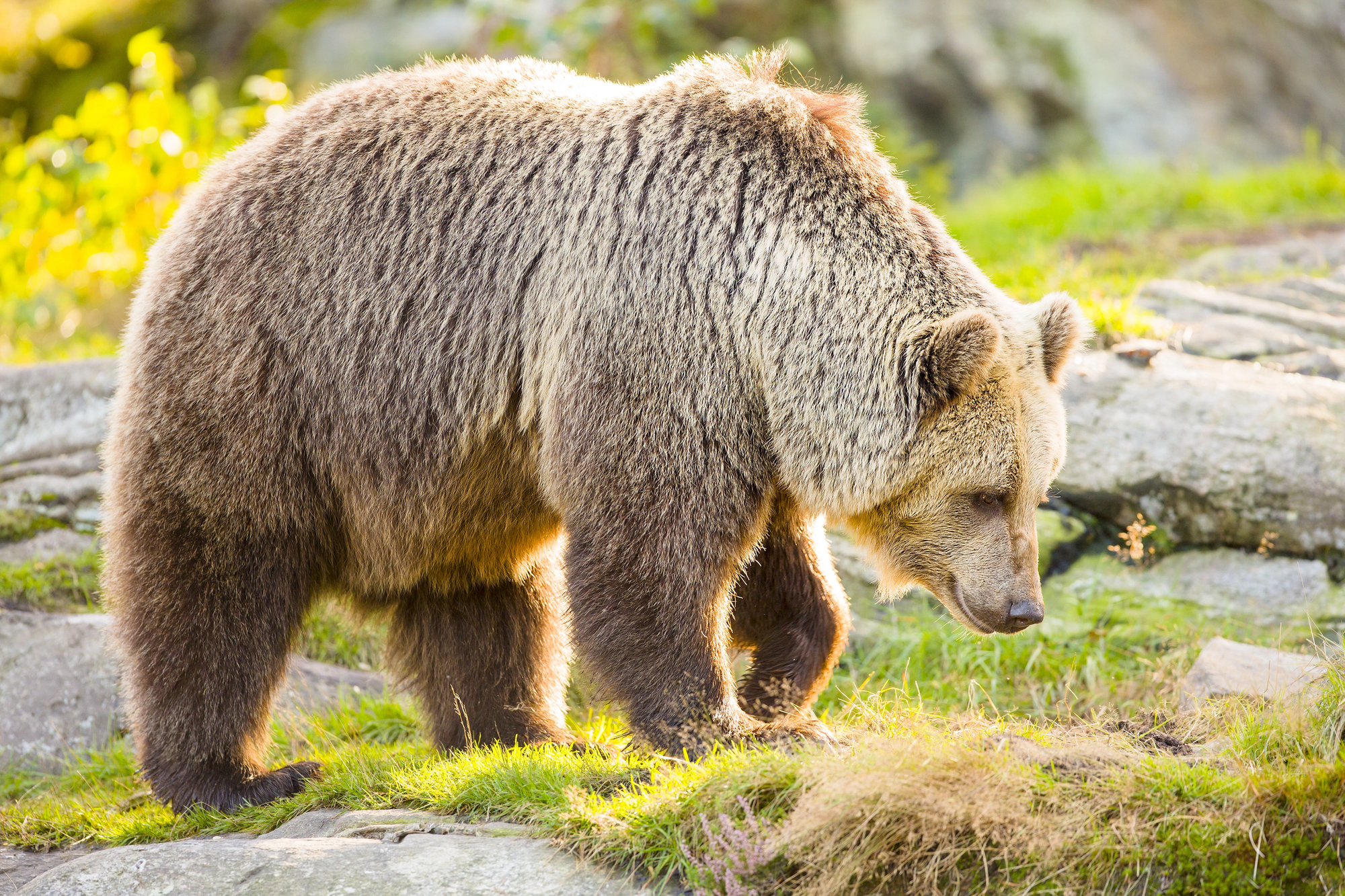
What bears do in winter isn’t real hibernation – it’s more like a really long nap. True hibernating animals can’t wake up easily, but bears can snap awake if something bothers them.
Female bears even give birth and nurse cubs during this time. They can go 100 days without eating, drinking, or using the bathroom.
Spectacled bears are the only South American bears
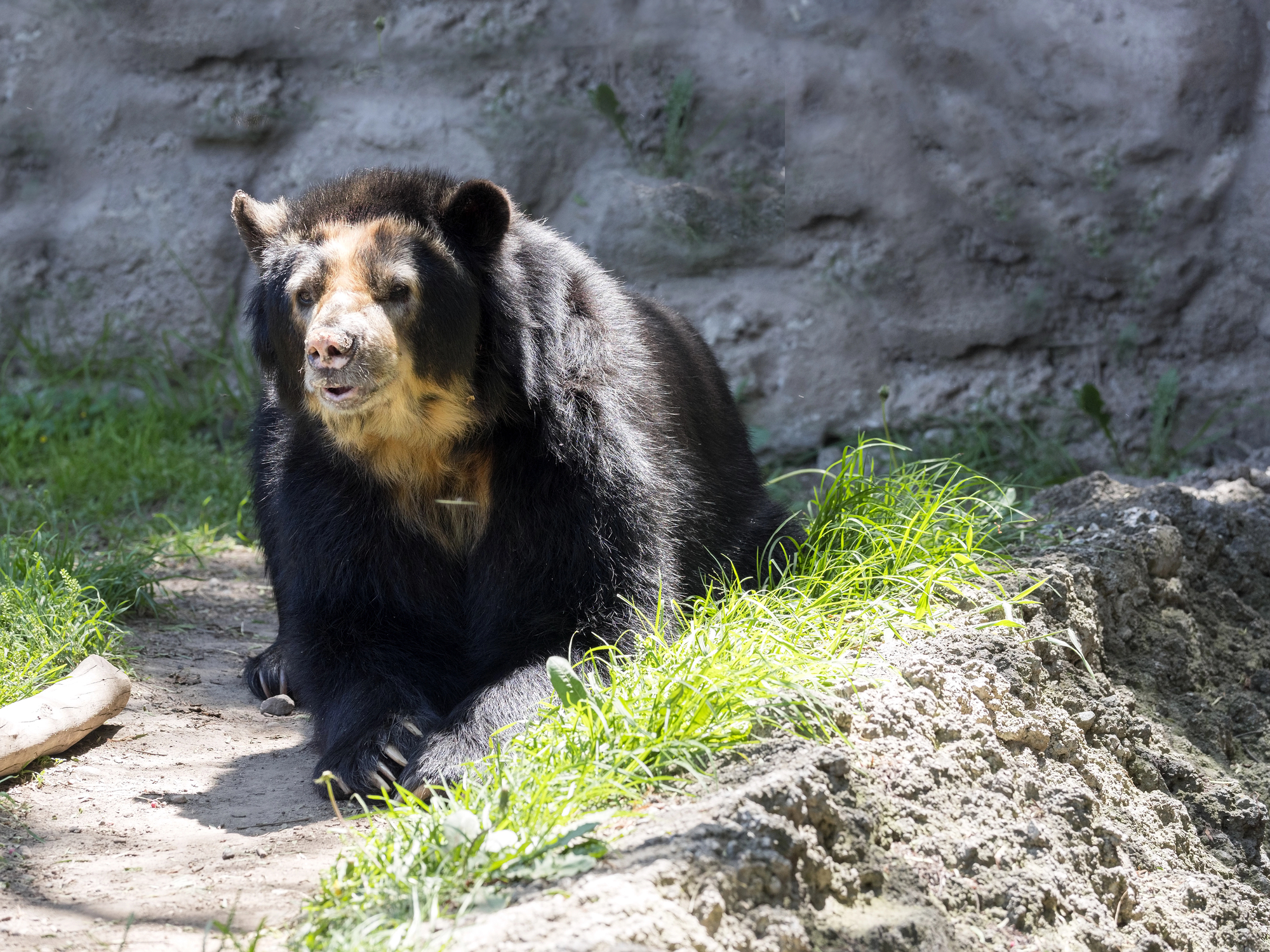
Out of eight bear species worldwide, only one lives in South America. Spectacled bears hang out in the cloud forests of the Andes Mountains, and they’re the only bears you’ll find south of the equator.
They got their name from the cream-colored markings around their eyes that look like glasses.
Giant pandas spend most of their day eating
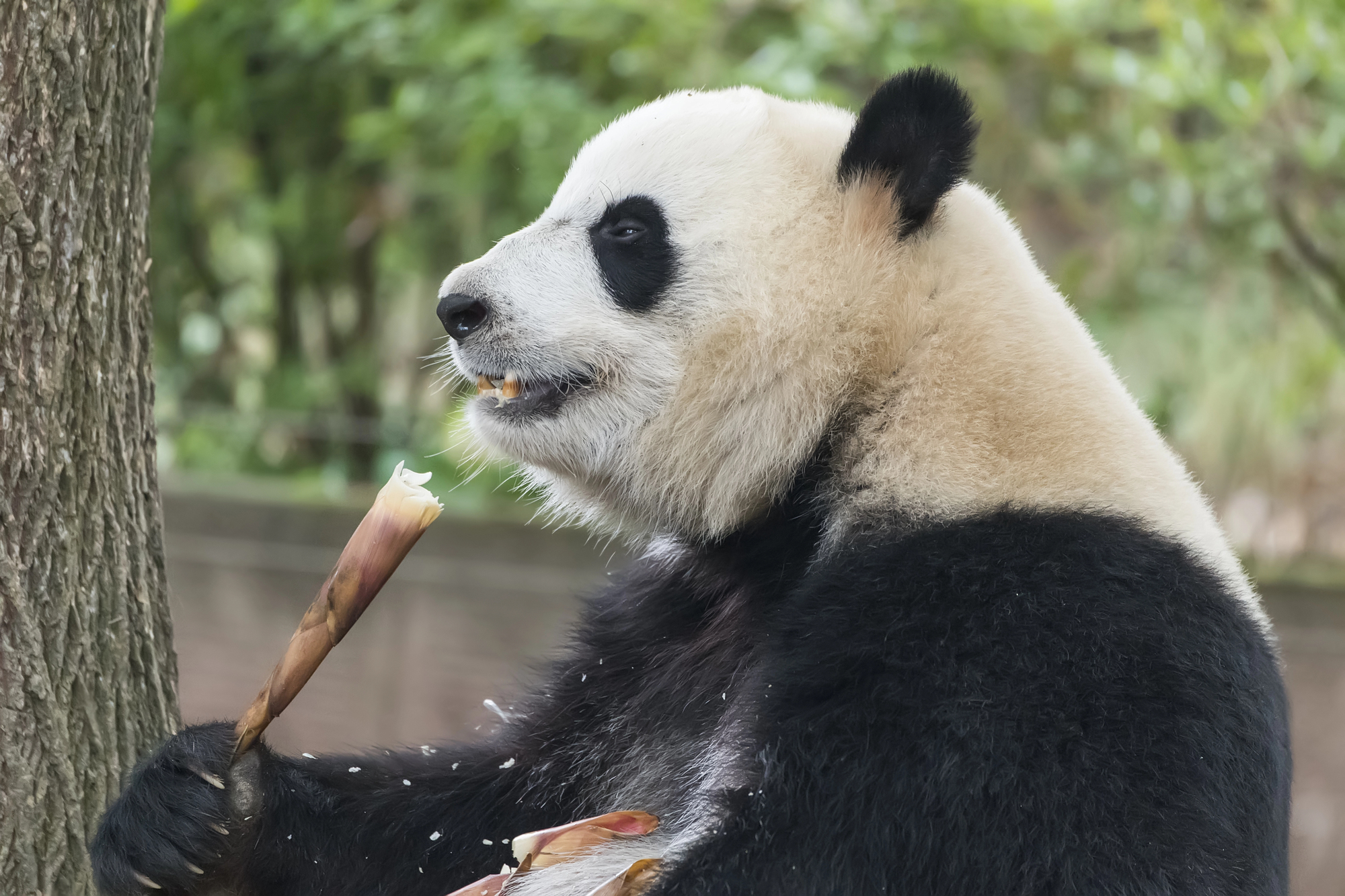
Being a panda is basically a full-time eating job. They spend 10-16 hours every day just chewing bamboo.
Since bamboo has almost no nutritional value, they need to eat up to 40 pounds of it daily just to survive. It’s like trying to live on celery – you’d have to eat constantly.
Polar bears are marine mammals
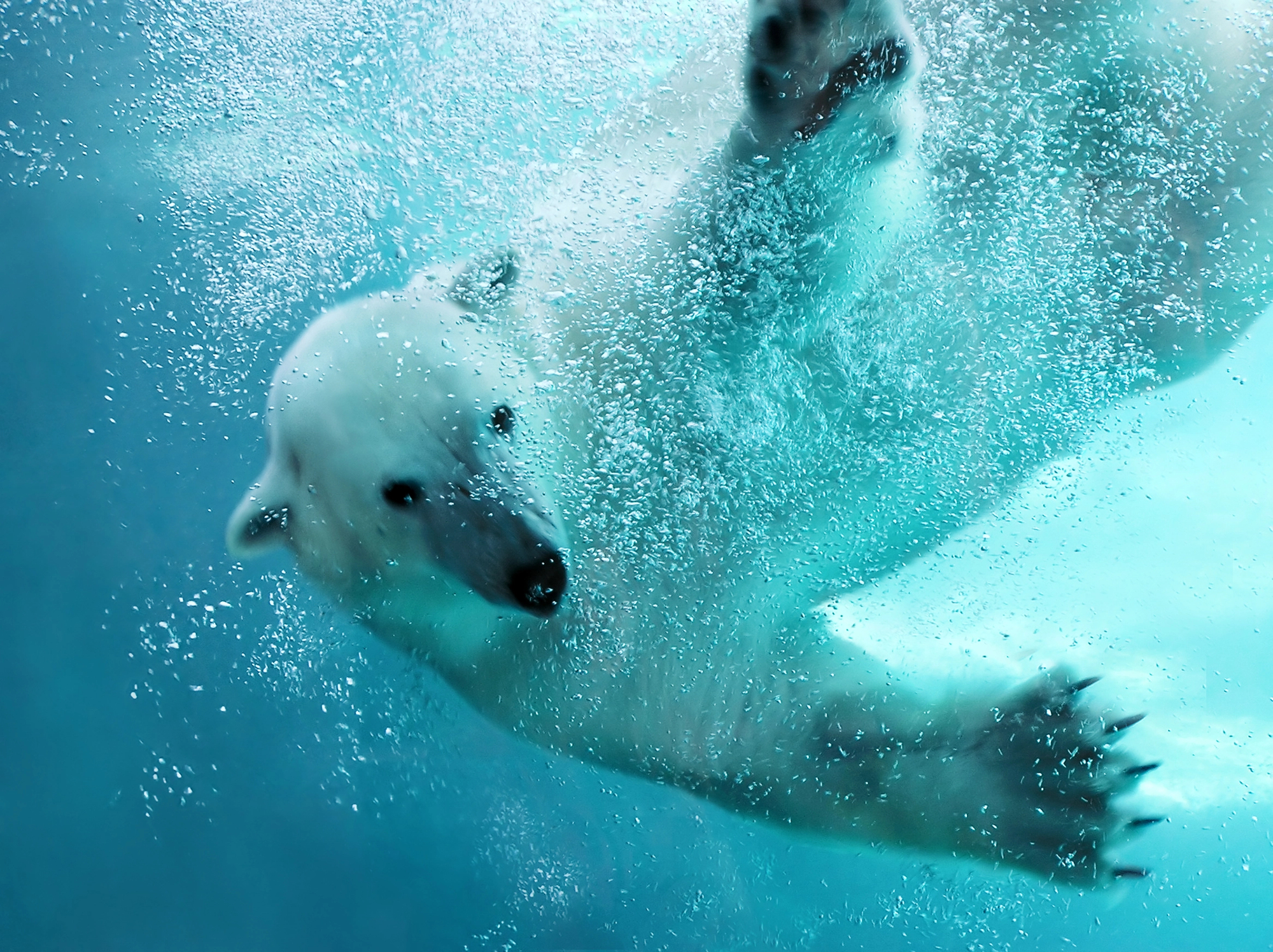
Even though polar bears look like land animals, they actually spend so much time on sea ice and in water that scientists classify them as marine mammals. They’re amazing swimmers who paddle with their front paws and steer with their back legs.
Some have been spotted swimming over 400 miles without stopping.
Bears have been around for millions of years
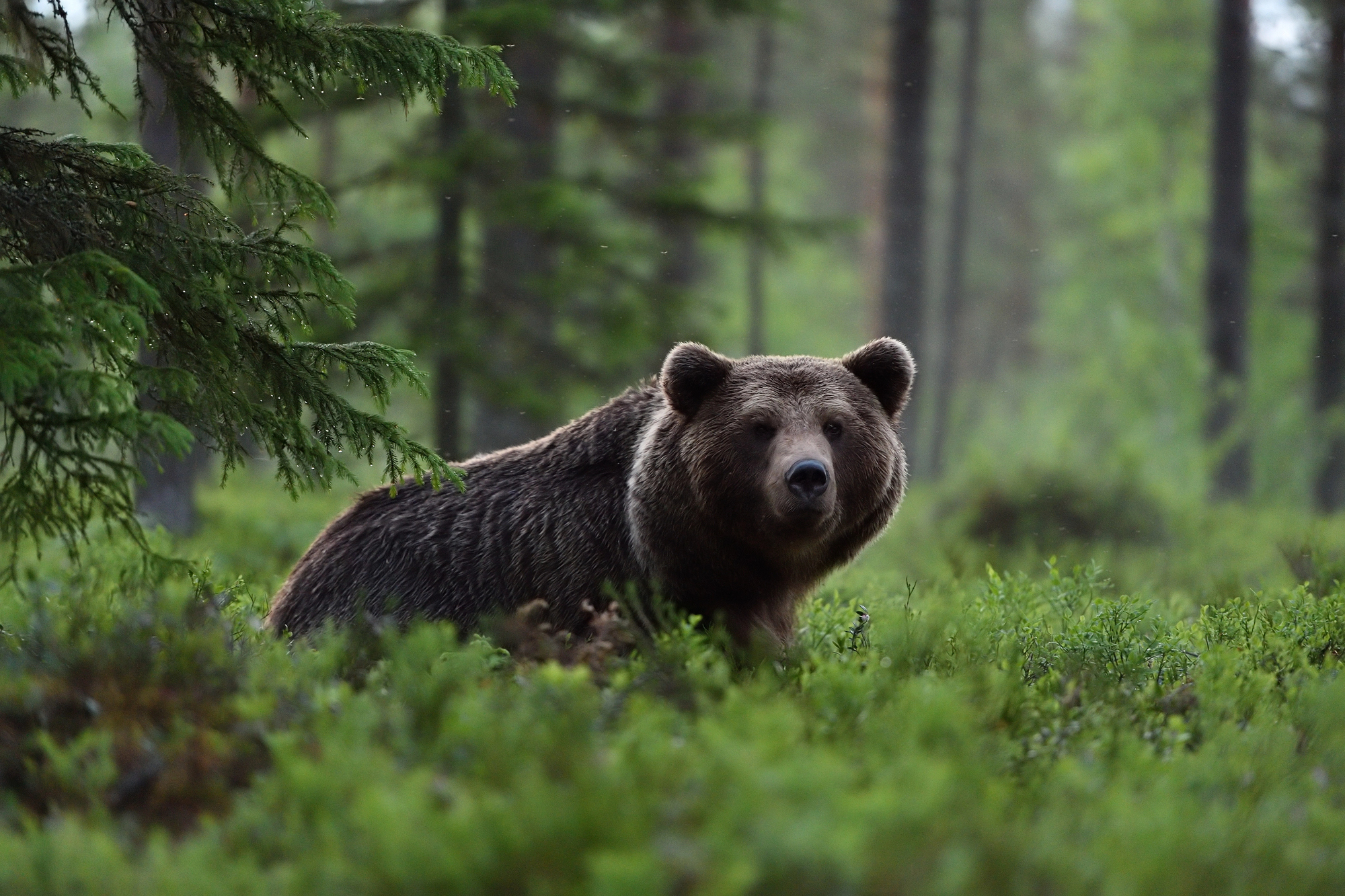
The bear family tree goes back at least 20 million years, which means they were around long before humans showed up. Giant pandas have been eating bamboo in Chinese forests for millions of years.
They’ve survived ice ages, climate changes, and everything else nature could throw at them.
Asiatic black bears are excellent tree climbers
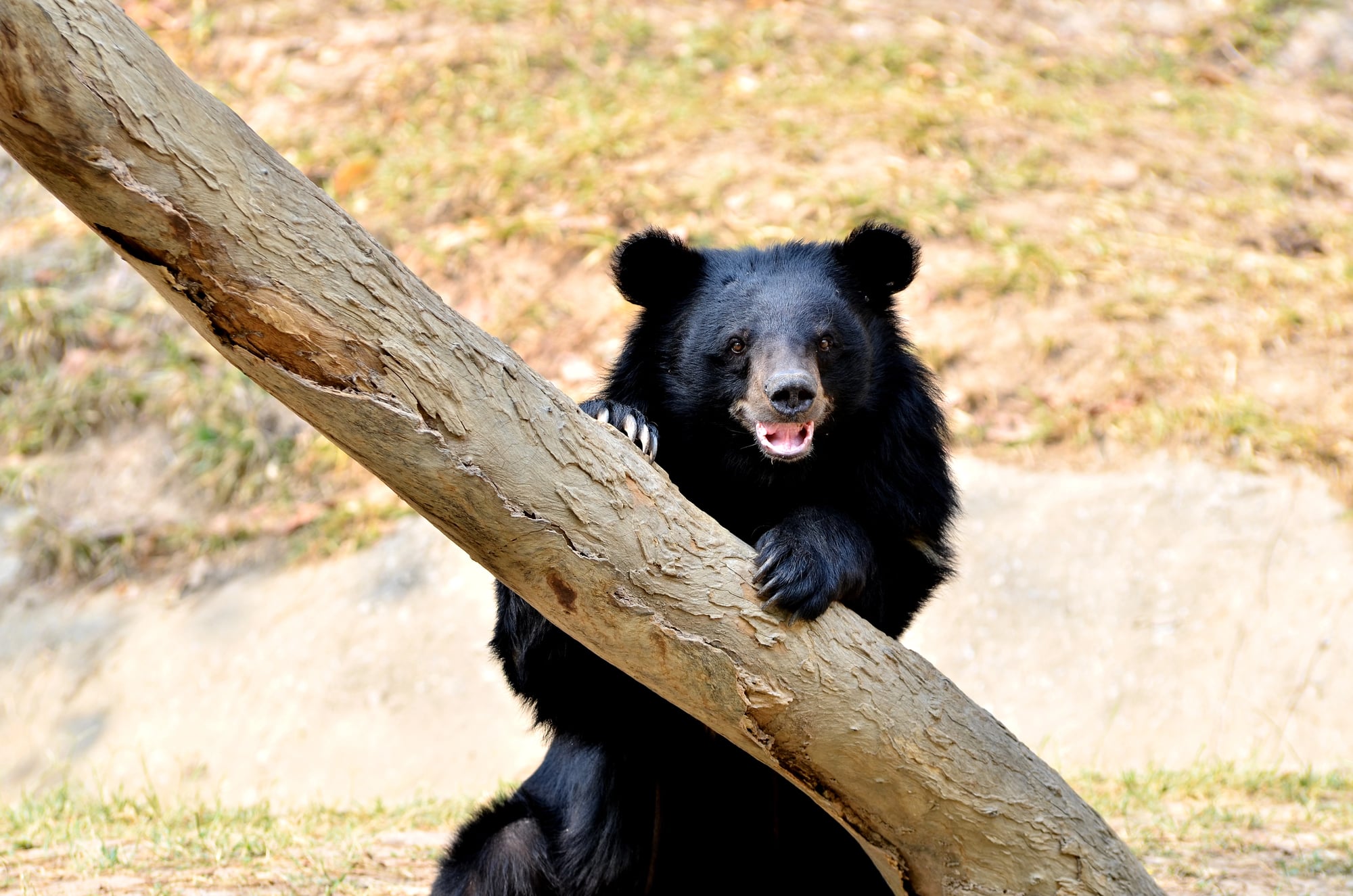
These bears spend more time in trees than any other bear species. They build sleeping platforms and day beds up in the branches, sometimes 130 feet off the ground.
It helps them stay away from predators and reach fruits and nuts that ground-dwelling animals can’t get to.
Still Here After All This Time
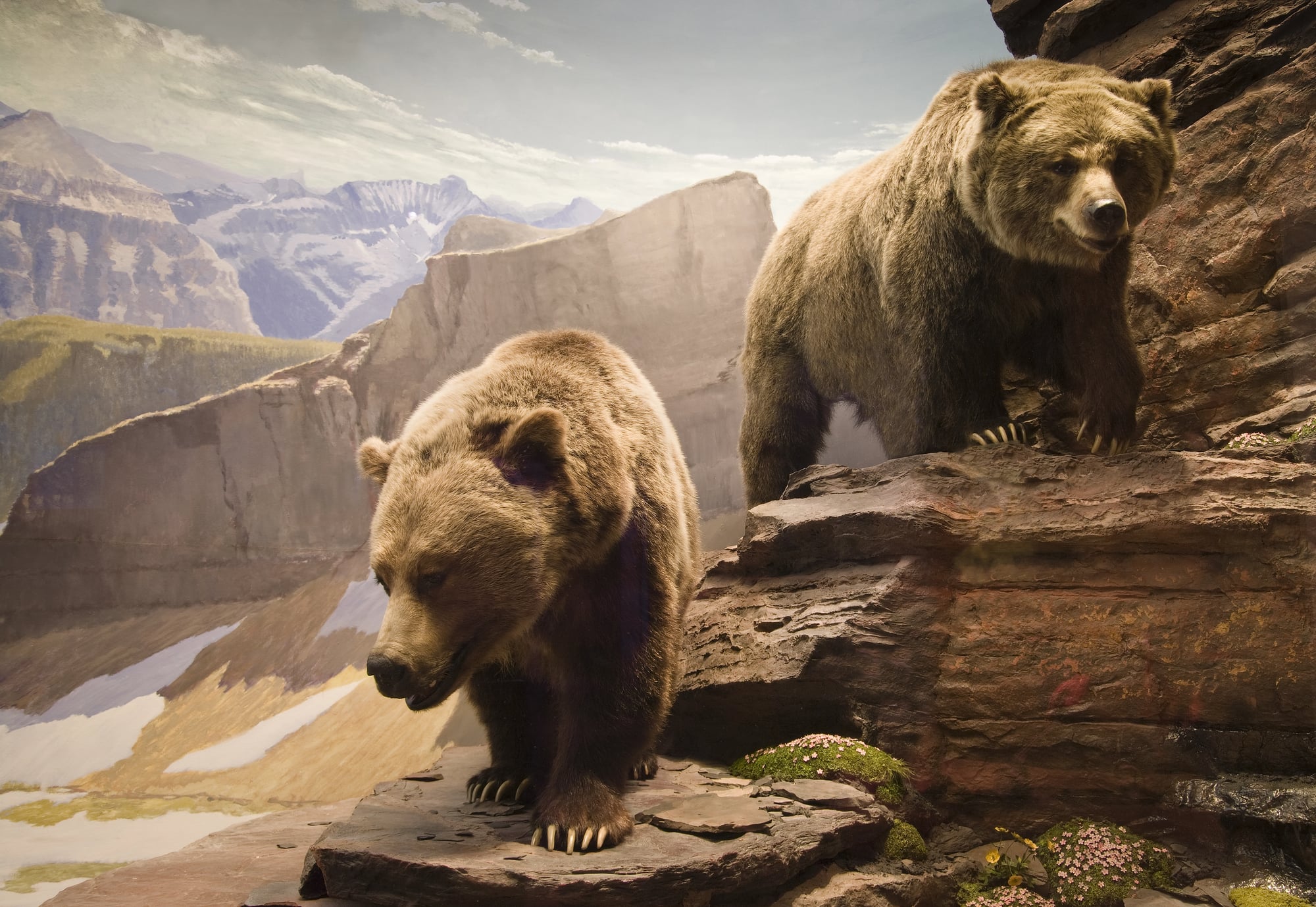
When you look at bears today, it’s pretty incredible that these ancient animals are still around. Polar bears are dealing with melting ice, pandas nearly went extinct but are making a comeback, and all of them are trying to figure out how to live alongside humans.
Each species has found its own way to survive, from Arctic ice to tropical forests. They’ve been perfecting the art of being bears for millions of years, and somehow they’re still here, still being amazing, still surprising us with what they can do.
More from Go2Tutors!

- The Romanov Crown Jewels and Their Tragic Fate
- 13 Historical Mysteries That Science Still Can’t Solve
- Famous Hoaxes That Fooled the World for Years
- 15 Child Stars with Tragic Adult Lives
- 16 Famous Jewelry Pieces in History
Like Go2Tutors’s content? Follow us on MSN.



