16 Trivia Facts from Viral Internet Challenges and Fads
Sometimes a silly idea spreads fast because everyone sees it at once. Ice poured over heads started as one odd act, then turned into something many copied without asking why.
A strange habit like swallowing soap became popular just by being filmed. Millions joined these acts through screens, feeling part of something bizarre yet common.
Funny how a single moment online can spark something huge. Some of these stunts started by accident.
Yet they caught on fast, spreading like wildfire across screens everywhere. A few came out of pure boredom.
Others showed up during live streams without warning. Most made people stop and stare.
Each one left its mark differently than expected.
The Ice Bucket Challenge brought in more than 220 million dollars
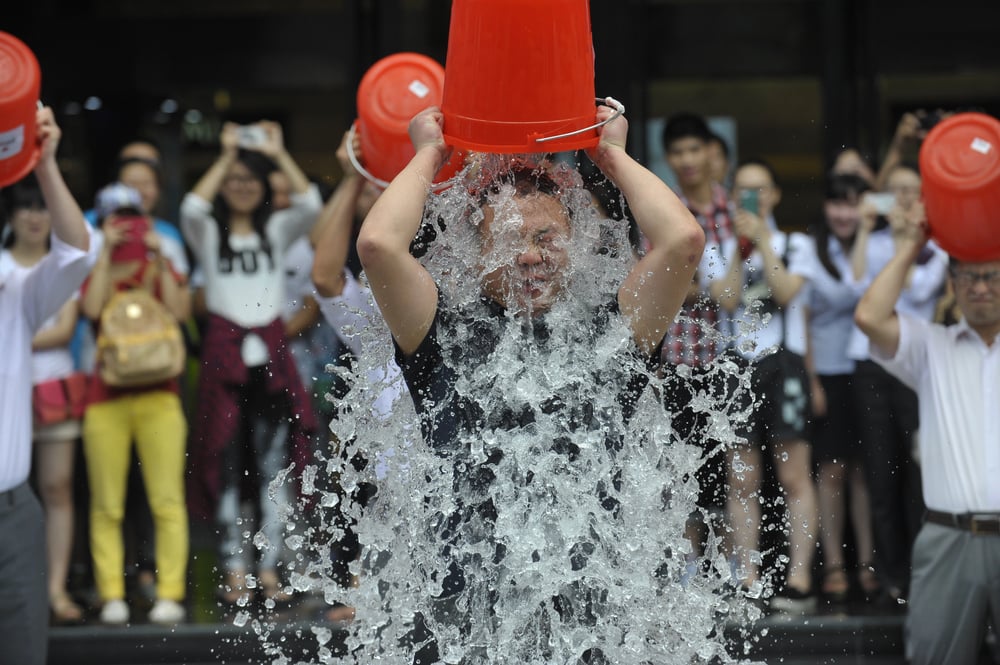
A twist of fate began it – just someone being dared on a hot day. Summer 2014 saw buckets tipping everywhere, yet behind the splash was something real.
Not long before, yearly giving to ALS hovered near twenty million dollars. Suddenly, that one season flooded U.S. accounts with 115 million.
Around the planet, totals climbed past 220 million. Cold water soaked headlines; science got what it lacked for years.
One result? A hidden gene tied to ALS finally came to light.
Most folks didn’t expect it, but lying face down on pavement carried real risk

Lying flat on your front in odd places began around 2009, appearing silly but safe at first. Then came photos of folks stretched out on road dividers, perched high on rooftops.
Tragedy struck when seven lives ended because someone tried to plank somewhere risky. A man in Australia lost his balance off a seventh-floor ledge just attempting the pose.
Authorities across countries stepped forward with urgent messages. Even the person who sparked the idea begged others to leave unsafe areas alone.
Headlines about fatalities spread fast – interest vanished almost overnight.
Harlem Shake videos cost one mining company 50,000 dollars

Down under in an Australian mine, a crew shot footage of their own dance moves back in 2013. Instead of working, they spent half a minute jumping around gear and hamming it up below ground.
Management at the big mining firm saw what happened – no laughter there – and let go of fifteen people caught on camera. After some took the firings to court, payouts followed: about fifty grand left the company’s accounts between exit costs and lawyers.
Turns out that little clip ranks among the priciest employee-made clips ever uploaded.
Tide Pod consumption sent over 200 people to hospitals
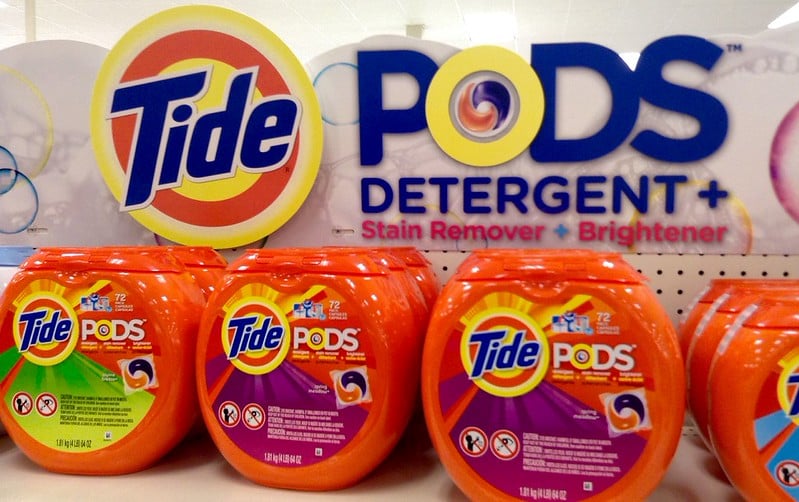
A weird moment online happened in 2018 involving small packets of laundry soap. Even though everyone knew they were toxic, some teens bit into them while recording it, hoping to get attention.
During January alone, poison help lines received more than two hundred reports about people purposely swallowing these pods. The company behind Tide made public messages using famous faces pleading with viewers not to eat the detergent.
Later on, clips showing this act disappeared from YouTube after being removed by the site.
The Mannequin Challenge linked to criminal probe

One winter day in 2016, folks started pausing mid-motion, stiff as store window dummies, while others taped it. Though most clips showed nothing more than laughter and silliness, a handful of individuals in Alabama messed up badly.
Instead of dancing or joking around, they stood silent among guns and drugs – something cameras weren’t meant to capture. Law enforcement noticed.
That single clip transformed into proof strong enough to bring several arrests. Because every person remained frozen exactly where they stood, the recording turned into undeniable courtroom material – silent, sharp, and entirely self-made.
Bottle flipping was banned in hundreds of schools
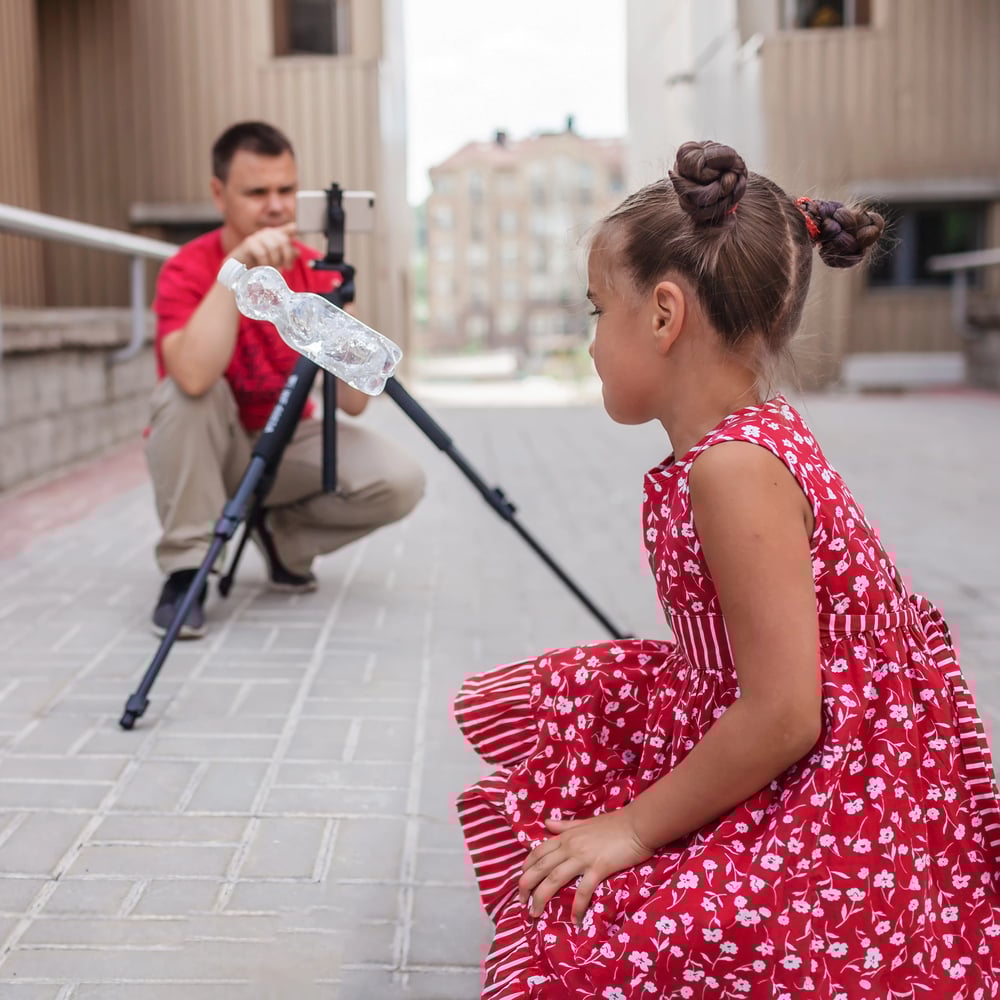
A teenager named Mike Senatore flipped a water bottle at his high school talent show in 2016 and somehow created a worldwide phenomenon. The simple act of tossing a partially filled bottle to make it land upright became so widespread that teachers couldn’t control their classrooms anymore.
Schools across America, Canada, and Europe had to implement specific bottle-flipping bans. Some schools even confiscated water bottles entirely.
One principal in North Carolina sent a letter home explaining that bottle flipping was disrupting education more than any previous fad.
Kylie Jenner lost 1.3 billion dollars in company value from one tweet
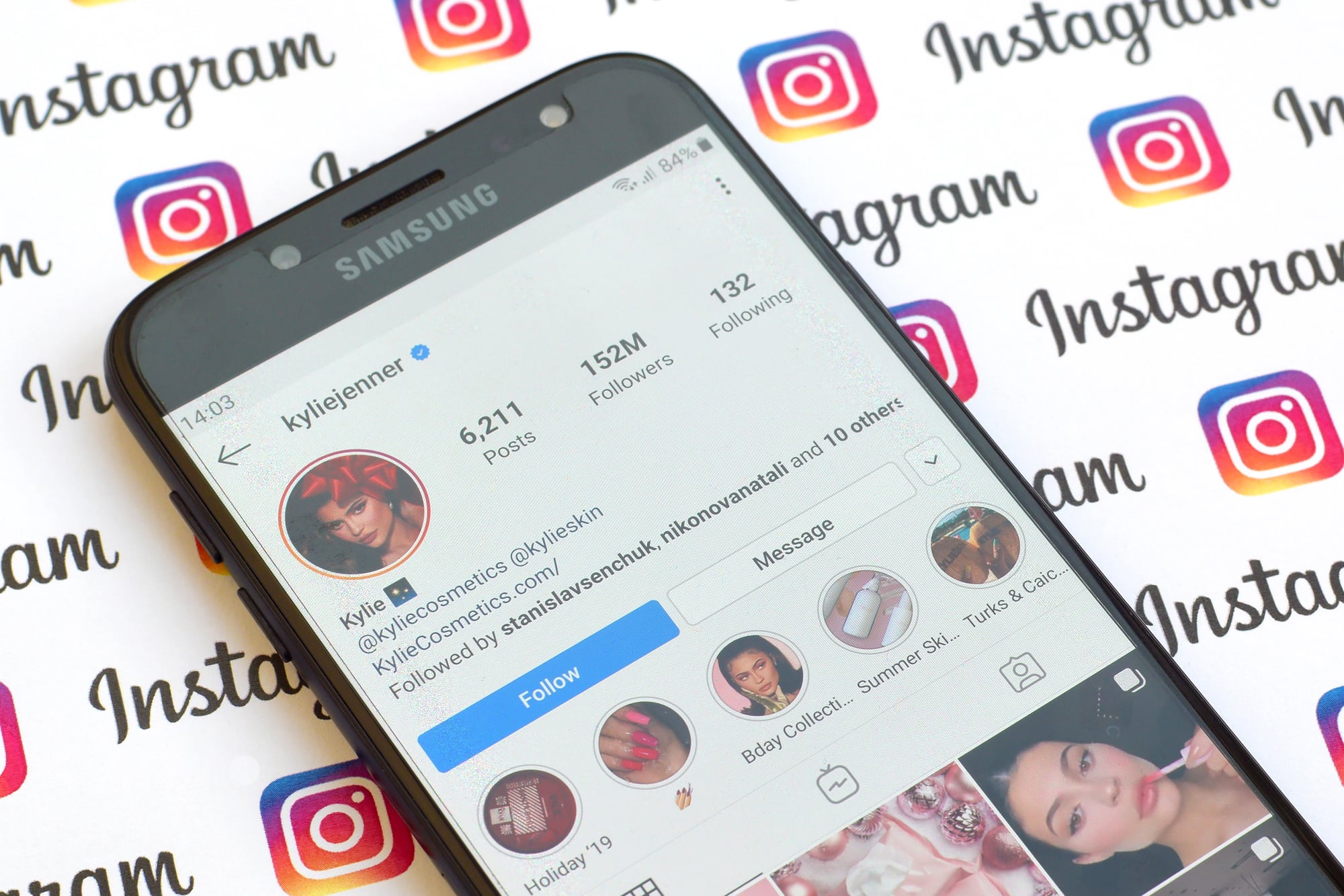
The lip challenge that circulated in 2015 had people sucking on bottles and shot glasses to temporarily plump their lips. Kylie Jenner later admitted she had gotten lip fillers, which spawned countless discussions about beauty standards.
In 2018, she casually tweeted that she no longer used Snapchat much. That single tweet caused Snapchat’s stock to drop 7.2 percent in one day, erasing 1.3 billion dollars in market value.
One person’s social media preference literally moved financial markets.
The Kiki Challenge caused over 100 traffic accidents
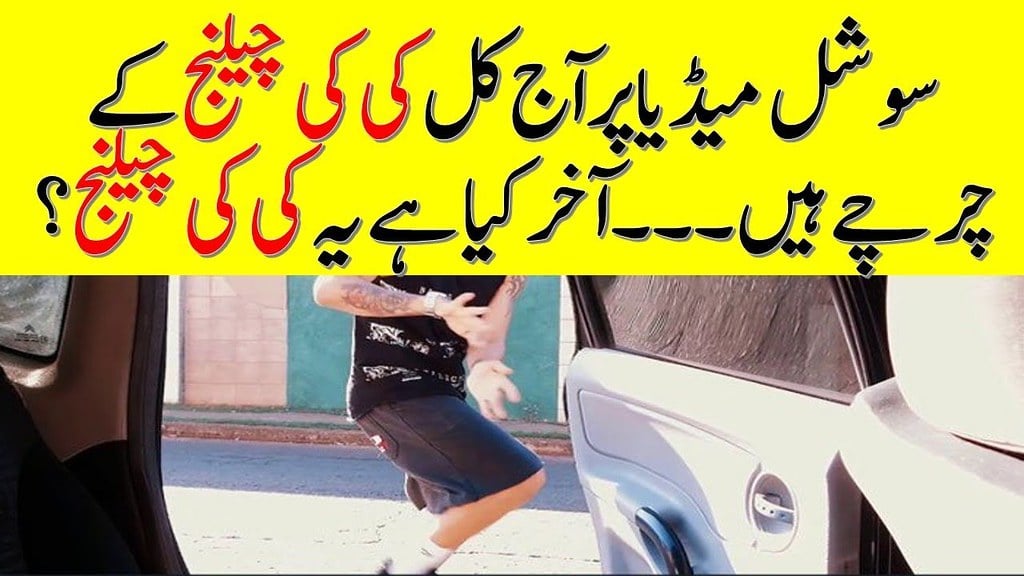
Drake’s 2018 song ‘In My Feelings’ inspired people to jump out of moving cars and dance alongside them. The trend required someone to film while the car slowly rolled forward as the dancer performed specific moves.
Police departments worldwide reported accidents, injuries, and traffic violations related to this challenge. India’s police force actually started arresting people who posted Kiki Challenge videos.
At least one person died attempting the challenge when they were struck by an oncoming vehicle.
Cinnamon Challenge videos have millions of views but it’s actually harmful

Trying to swallow a spoonful of cinnamon without water became huge around 2012. What seemed like a silly dare actually caused serious medical issues for participants.
Cinnamon can coat the lungs when inhaled, leading to infections, collapsed lungs, and breathing problems. Calls to poison control centers about cinnamon more than doubled during the trend’s peak.
One teenager in Michigan required four days of hospitalization after attempting the challenge.
Medical journals published actual case studies about cinnamon challenge injuries.
The ALS Ice Bucket Challenge was actually someone else’s idea first
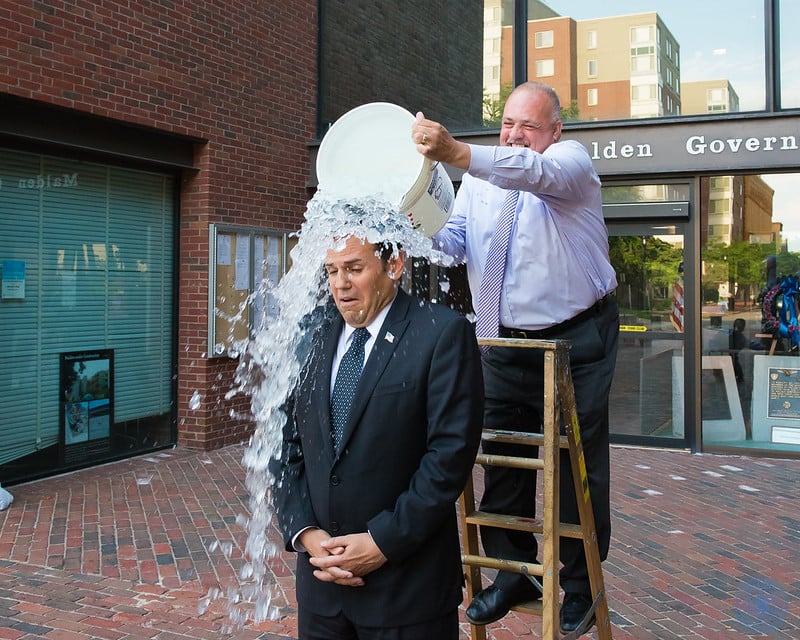
Most people credit Pete Frates, a former Boston College baseball player with ALS, for starting the challenge. The truth is more complicated and involves several people who had similar ideas around the same time.
A golfer named Chris Kennedy actually posted the first ALS-specific ice bucket video. Another man named Pat Quinn, who also had ALS, was promoting it simultaneously in New York.
The challenge went viral when all these efforts merged together, but disputes over who deserves credit still pop up occasionally.
Planking was called the Lying Down Game first
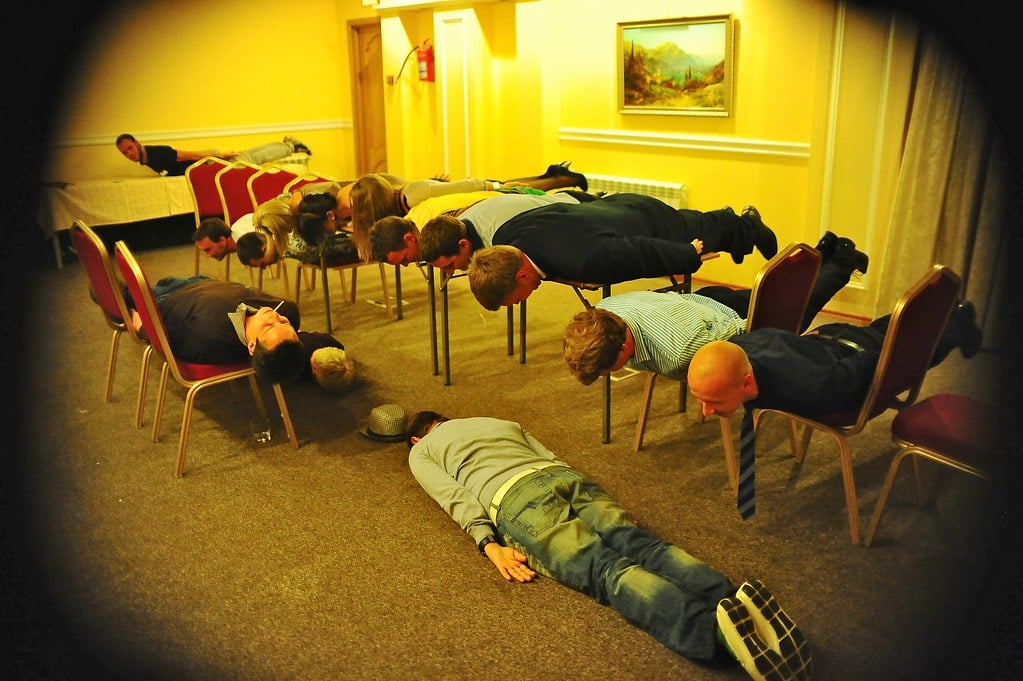
Before Americans called it planking, Australians and British people knew it as the Lying Down Game starting around 2009. The name changed when it reached the United States, but the activity stayed exactly the same.
Some people claim the trend actually originated in England in the 1990s among rugby players. Facebook groups dedicated to the Lying Down Game had hundreds of thousands of members before the name planking took over.
The name change basically gave new life to an old trend that had already peaked once before.
One person made over one million dollars from the Harlem Shake

Baauer, the electronic music producer who created the Harlem Shake song, wasn’t even involved in starting the dance challenge. Some teenagers in Australia posted the first viral Harlem Shake video in early 2013.
The song then exploded from 4,000 views per day to over 4 million daily views within a week. Baauer made over one million dollars in a single month from iTunes sales and streaming royalties.
He later sued several companies for using his song without permission in their corporate Harlem Shake videos.
The In My Feelings Challenge made an unknown spot in Toronto famous

A specific intersection in Toronto appears in Drake’s music video for the song. Once the Kiki Challenge started, that exact location became a tourist destination overnight.
People traveled from around the world to film their challenge videos at the same spot Drake used. Local residents complained about the noise and traffic disruptions.
The city eventually had to assign extra police to the area because so many people kept stopping their cars in the middle of the street to dance.
Mannequin Challenge videos take way longer to film than people think

Those smooth, perfectly frozen Mannequin Challenge videos that look effortless actually require multiple takes and careful planning. Most successful videos needed 20 to 50 attempts before getting a version good enough to post.
People had to hold uncomfortable positions for minutes at a time while the camera operator got the shot right. The Hillary Clinton campaign’s Mannequin Challenge video, which went viral during the 2016 election, reportedly took over an hour to film.
Professional sports teams sometimes spent entire practice sessions trying to nail their version.
Bottle flipping actually requires specific physics
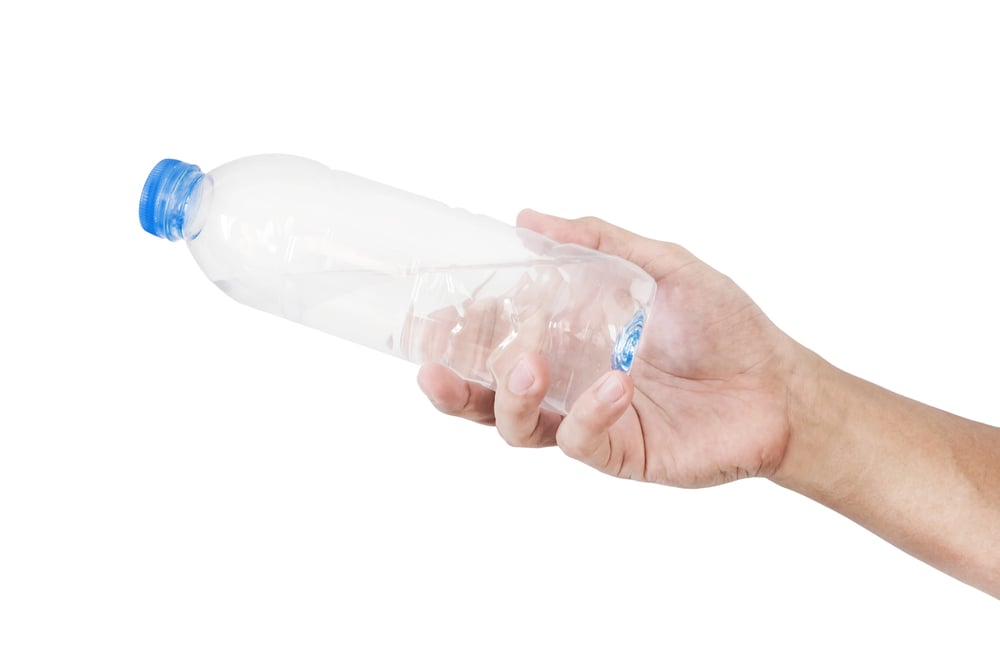
Scientists at the University of California studied why bottle flipping works and published their findings. The water inside the bottle creates rotational inertia that helps stabilize the landing.
A bottle needs to be filled between one-quarter and one-third full for optimal flipping results. Empty bottles and completely full bottles have much lower success rates.
The spinning motion combined with the moving liquid creates a self-correcting effect that makes landings possible. Competitive bottle flippers now use this science to achieve success rates above 70 percent.
The Cinnamon Challenge was actually popular twice

The first wave of cinnamon challenge videos appeared around 2001 on early internet forums and video sharing sites. The trend died down for nearly a decade before resurfacing in 2012 with renewed intensity.
Celebrity attempts on YouTube during the second wave pushed it into mainstream consciousness. Both waves resulted in the same medical problems, but warnings from the first round were completely forgotten by the time the second generation tried it.
Some people who did the challenge in 2001 had children who attempted it in 2012 without realizing their parents had done the exact same thing.
What these moments taught us

Internet challenges transformed from harmless fun into genuine cultural phenomena that moved markets, changed laws, and even saved lives through charity campaigns. The strangest part is how quickly each trend burns out and gets replaced by something even more absurd.
What millions of people participated in one month becomes a forgotten joke the next, preserved only in embarrassing videos that will haunt people’s digital footprints forever. These viral moments capture something essential about human nature and our need to be part of shared experiences, even when those experiences involve risking injury for internet points.
More from Go2Tutors!

- The Romanov Crown Jewels and Their Tragic Fate
- 13 Historical Mysteries That Science Still Can’t Solve
- Famous Hoaxes That Fooled the World for Years
- 15 Child Stars with Tragic Adult Lives
- 16 Famous Jewelry Pieces in History
Like Go2Tutors’s content? Follow us on MSN.