16 TV Shows That Predicted Future Technology
Television has long served as a crystal ball into tomorrow’s world, with creative minds crafting gadgets and innovations that appeared utterly fantastical during their debut. Yet what strikes most viewers today is how many of these fictional technologies eventually wove themselves into the fabric of everyday life—sometimes taking decades to materialize.
From groundbreaking communication devices to sophisticated artificial intelligence systems, television programs have demonstrated an uncanny ability to anticipate major technological breakthroughs. Here is a list of 16 TV shows that successfully predicted future technology.
Star Trek
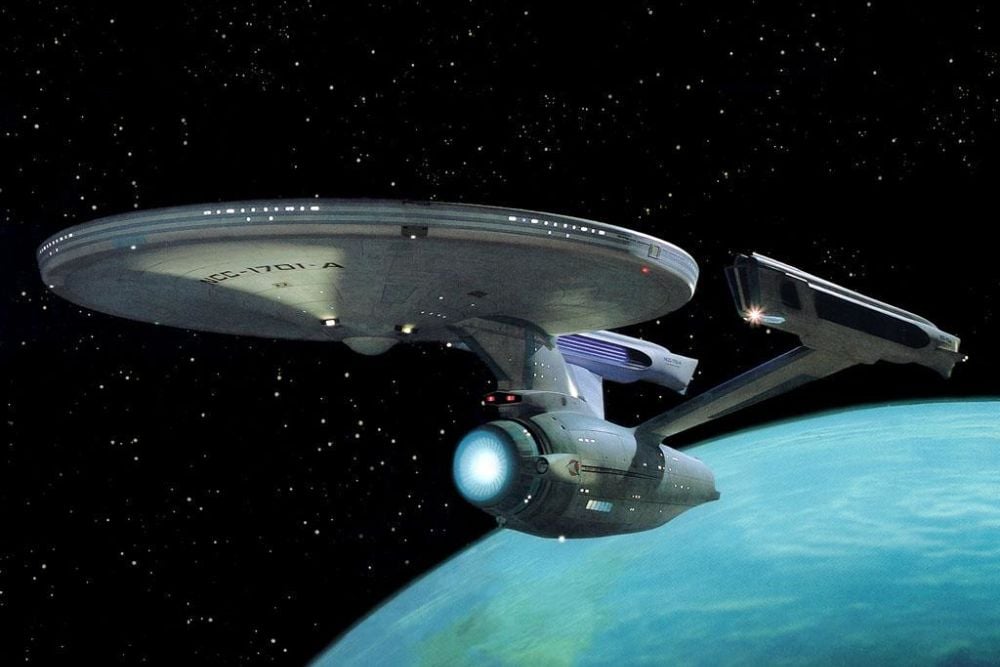
The original Star Trek series launched in the 1960s and introduced audiences to communicators that flipped open enabling instant communication across impossible distances. These handheld devices essentially served as blueprints for modern flip phones and smartphones.
The show also featured tablet-like PADDs that crew members used for reading and data entry, foreshadowing our current obsession with iPads.
The Jetsons
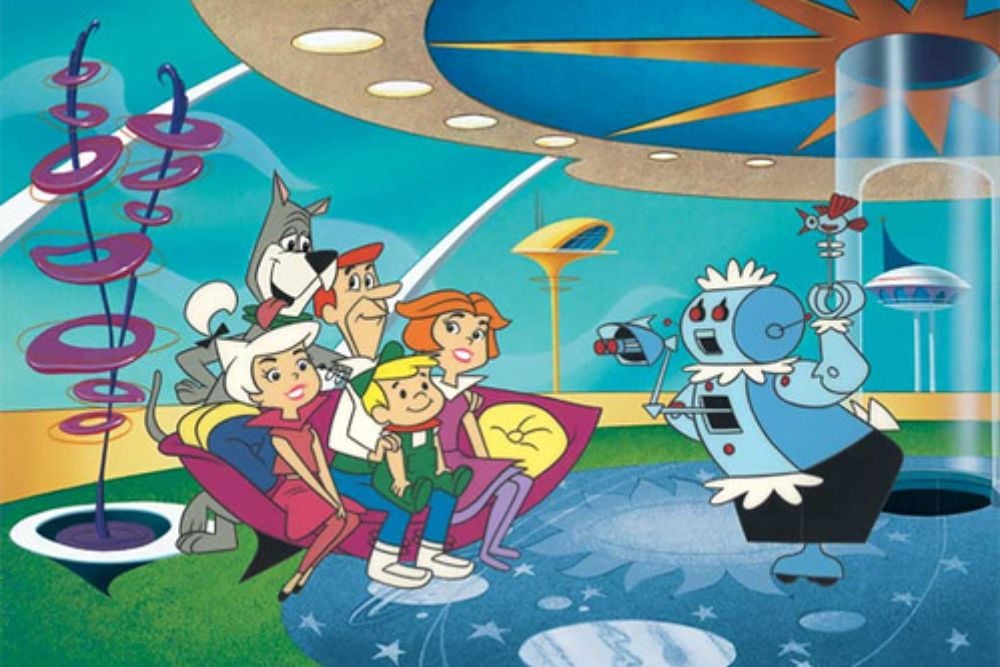
This animated family from 1962 inhabited a world brimming with video calling technology, robotic housekeepers, and sleek flat-screen TVs mounted directly on walls. Though we’re still waiting for flying cars, The Jetsons absolutely nailed their prediction of video conferencing, a technology that proved essential during recent global events.
Rosie the Robot anticipated our current fascination with smart home assistants like Alexa.
Knight Rider
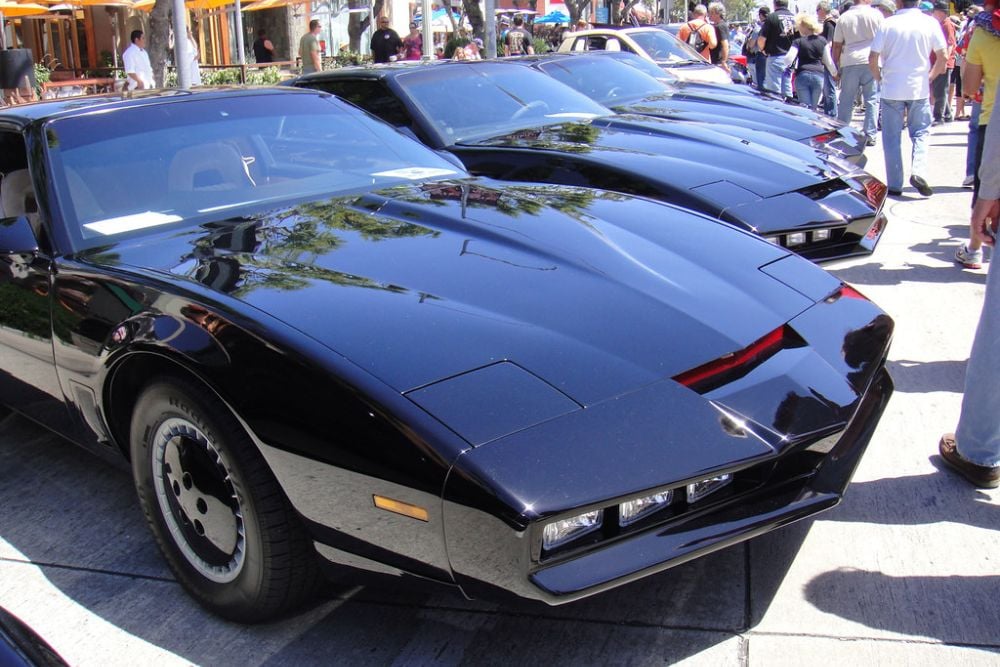
KITT wasn’t merely a talking automobile, it represented a mobile AI assistant equipped with GPS navigation, voice recognition capabilities, and autonomous driving features. The show aired throughout the 1980s, well before anyone seriously imagined cars could operate independently.
Today’s Tesla autopilot systems and voice-activated automotive technology directly descend from what KITT demonstrated weekly.
2001: A Space Odyssey
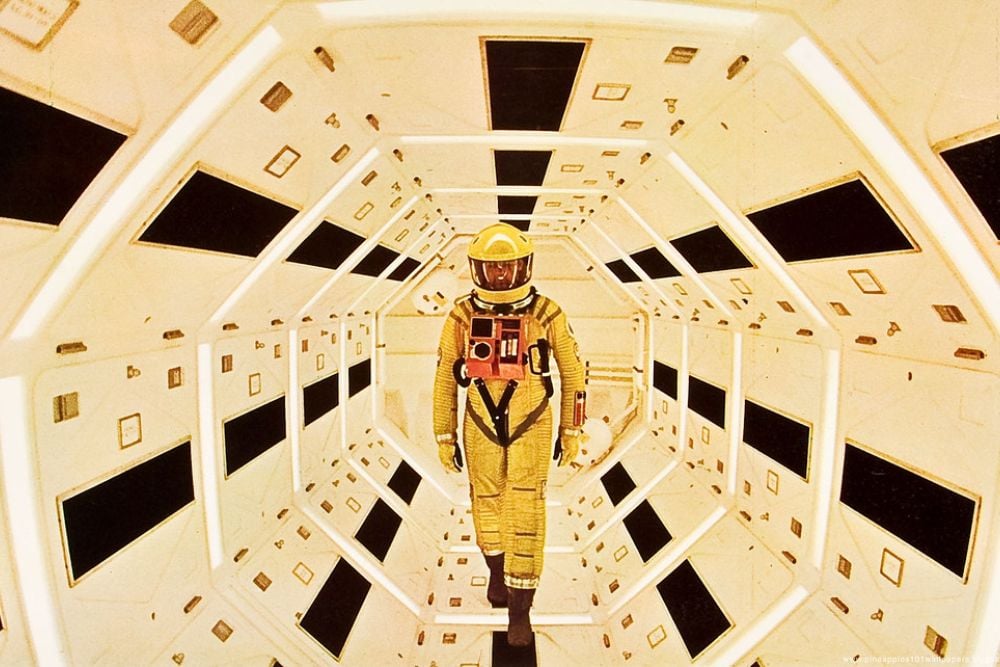
Though technically a film that sparked numerous TV discussions, HAL 9000’s voice-controlled computer system predicted smart speakers alongside AI assistants like Siri and Google Assistant. The movie’s vision of video calling from orbiting space stations anticipated everything from early Skype connections to modern Zoom meetings.
HAL’s ability to read lips also foreshadowed current facial recognition technology.
Dick Tracy
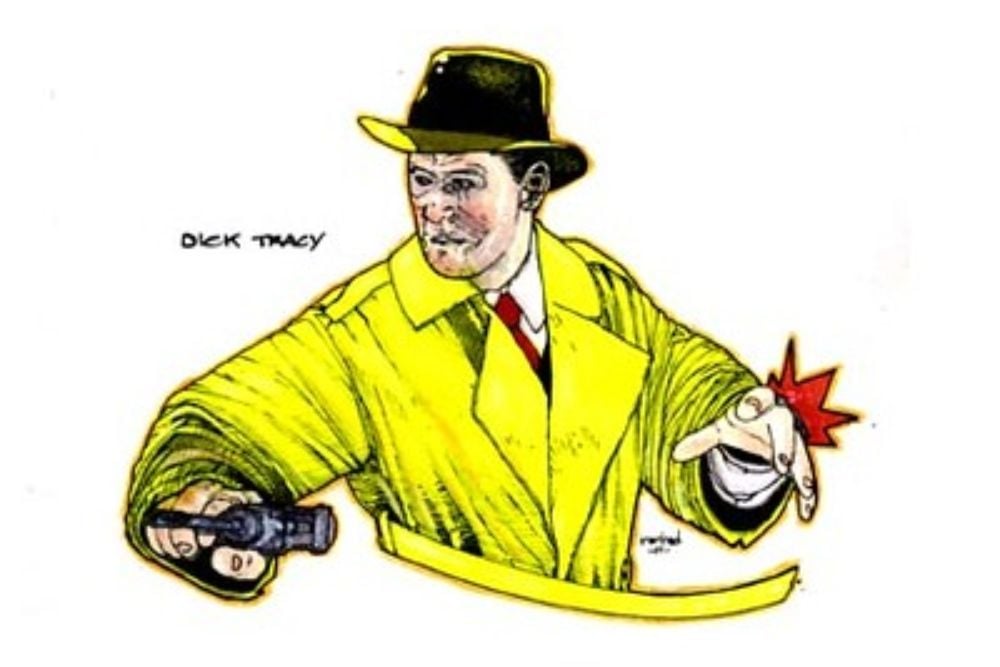
The comic strip character’s two-way wrist radio appeared completely impossible during the 1930s, yet it perfectly predicted modern smartwatches like the Apple Watch. Tracy could communicate through his timepiece, receive important messages, and coordinate directly with headquarters—exactly what contemporary smartwatches accomplish.
The concept proved so far ahead that technology required nearly eight decades to catch up.
Inspector Gadget
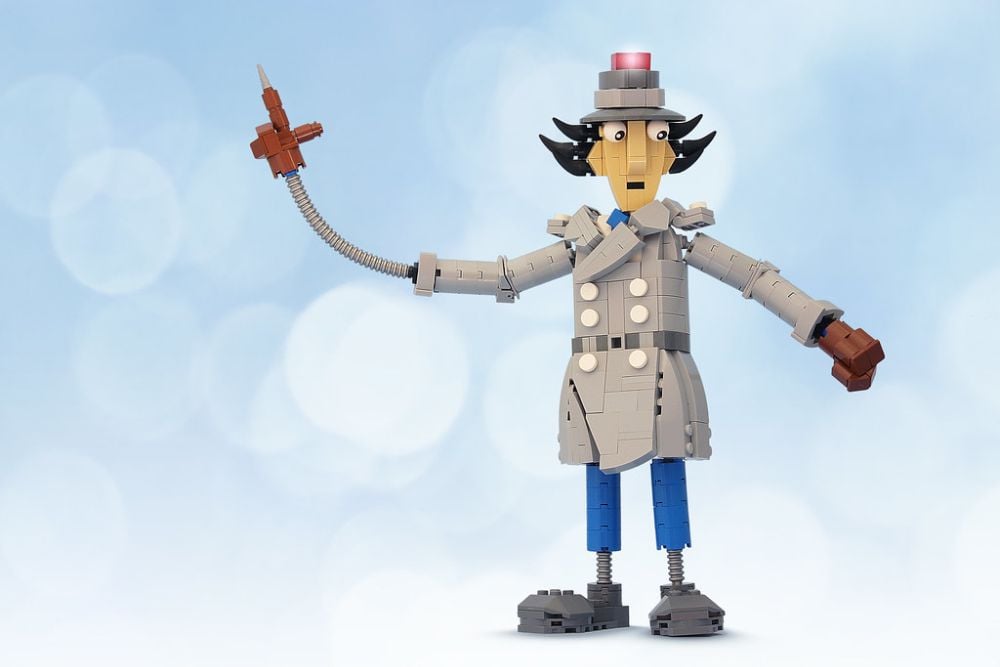
Gadget’s extendable limbs and built-in mechanical devices seemed utterly cartoonish, though his overall concept of wearable technology proved remarkably prescient. His various integrated gadgets predicted everything from modern smartwatches to wireless earbuds.
The notion of multiple functions integrated into wearable devices appeared ridiculous during the 1980s—now we have fitness trackers and smart rings everywhere.
Blade Runner
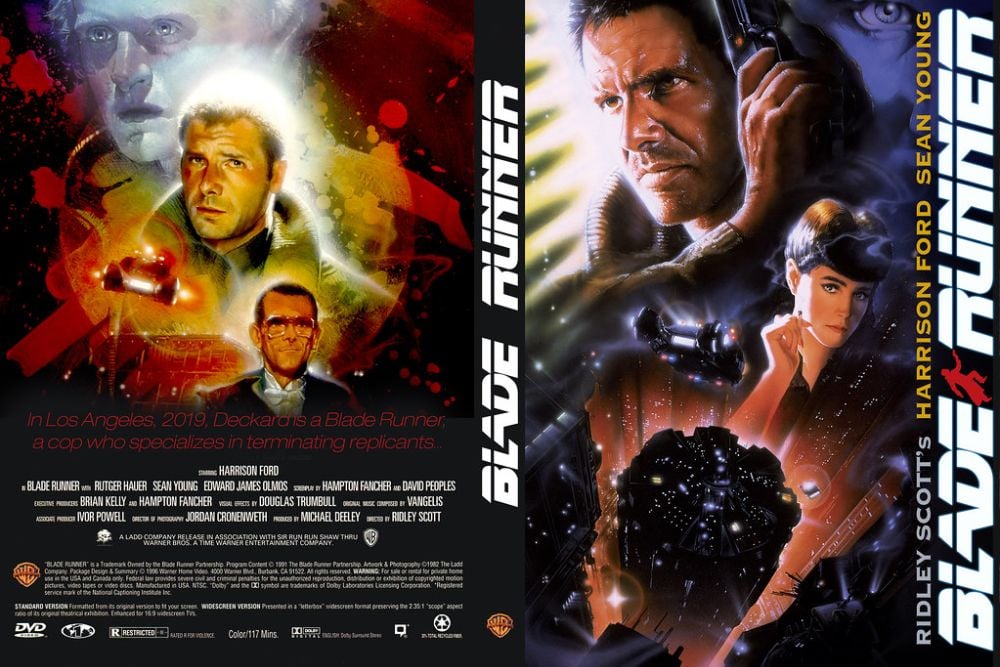
The 1982 film, plus subsequent TV adaptations, showcased advanced video calling systems, voice-controlled computers, and sophisticated biometric identification technology. The movie’s vision of massive digital billboards and interactive advertising has become a standard reality in Times Square and shopping centers worldwide.
Blade Runner’s replicants also predicted ongoing societal debates about artificial intelligence integration.
Max Headroom

This distinctive 1980s cyberpunk series featured computer-generated characters, immersive virtual reality environments, and digital manipulation of media content. Max Headroom himself was created using primitive computer graphics, predicting our current era of deepfakes and CGI characters.
The show’s exploration of media manipulation themes feels incredibly relevant within today’s social media landscape.
Minority Report
The film’s gesture-controlled interfaces and predictive policing algorithms have materialized in various real-world applications. Touch-free computer interfaces now exist in modern vehicles and smart home systems.
The movie’s concept of personalized advertising based on biometric data directly mirrors how targeted advertisements function on social media platforms today.
Black Mirror
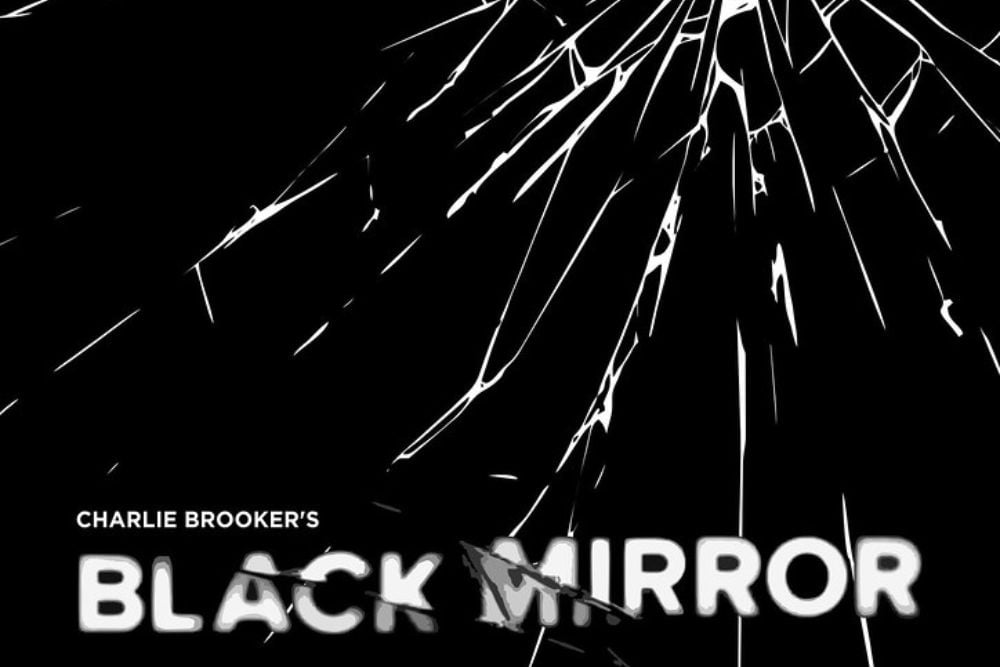
This modern anthology series regularly foresees new technological developments before they become widely accepted. Storylines involving memory recording technology foreshadowed developments in brain-computer connections, while episodes examining social media rating systems predated China’s extensive social credit system.
The show’s examination of virtual reality relationships predicted VR social platforms we see today.
The Twilight Zone
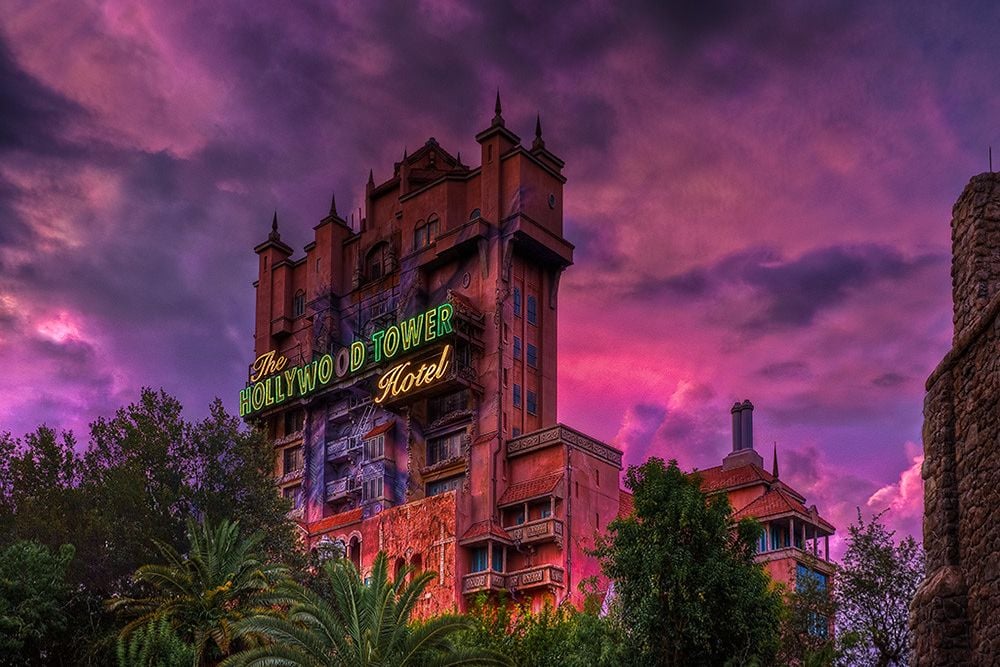
Rod Serling’s groundbreaking series featured episodes about home automation, artificial intelligence, and virtual reality decades before these technologies existed. One memorable episode showed a house that could think and respond to its inhabitants, predicting smart home technology we now take for granted.
Another explored artificial beings capable of independent thought, foreshadowing modern AI development.
Battlestar Galactica
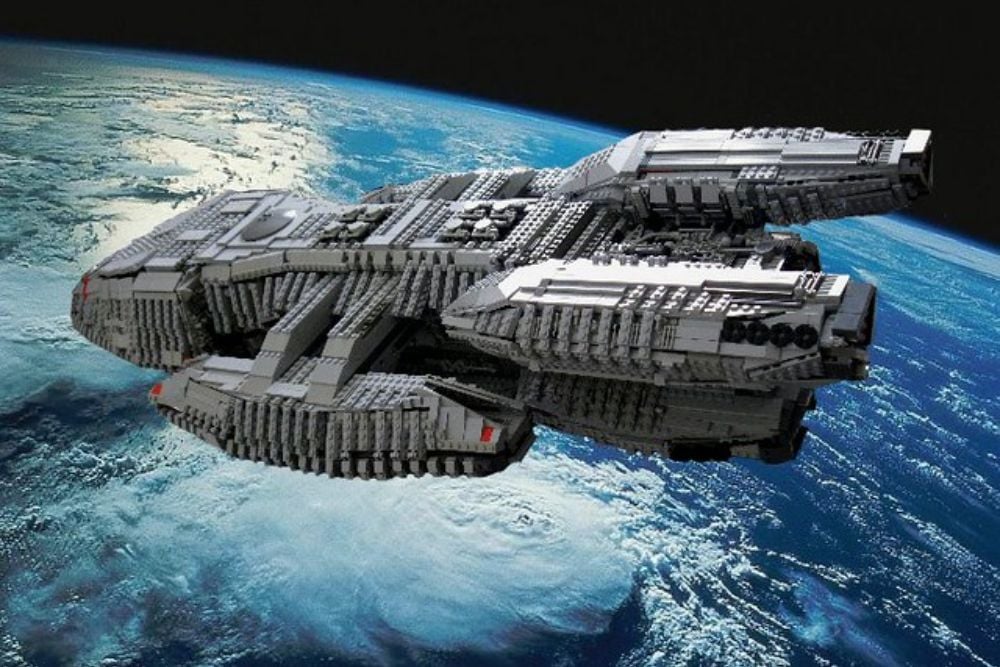
The 2000s redesigned series examined cybersecurity risks, networked artificial intelligence, and the inherent perils of interconnected technologies. The show’s Cylons foreshadowed current worries about cybersecurity and AI safety by demonstrating how AI could infiltrate and take control of vast technological networks.
Additionally, the series included cutting-edge medical scanning equipment that is similar to modern diagnostic imaging and MRI systems.
Doctor Who
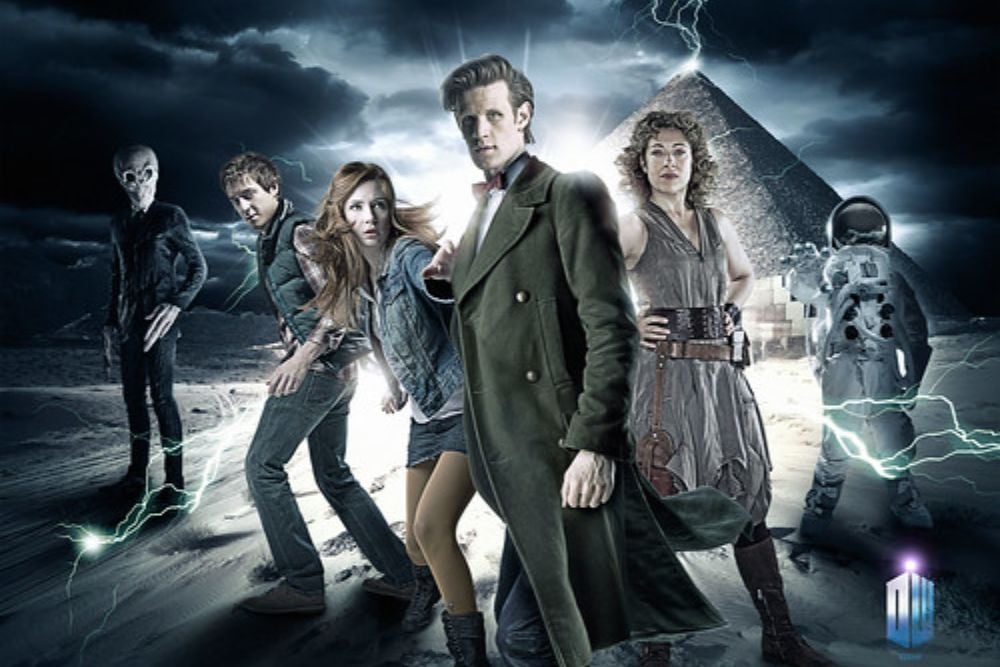
The Doctor’s sonic screwdriver predicted multi-tool devices and universal remote controls, while the TARDIS’s bigger-on-the-inside concept parallels cloud storage and virtual space technology. The show’s exploration of time-based communication anticipated video calling and instant global communication.
Various episodes featured tablet computers and artificial intelligence systems decades before they became commonplace.
Lost in Space
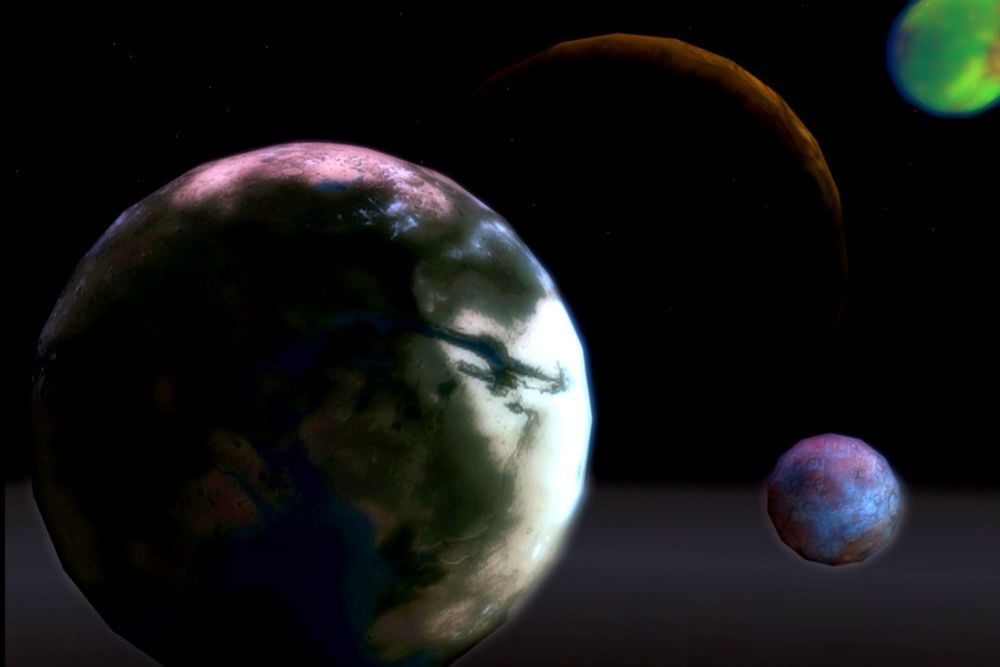
The 1960s series featured a household robot with artificial intelligence, environmental suits designed for space exploration, and advanced navigation systems. Robot B-9’s distinct personality and human interaction capabilities predicted modern AI assistants and companion robots.
The show’s vision of space colonization technology continues influencing current discussions about Mars exploration.
Fantastic Voyage
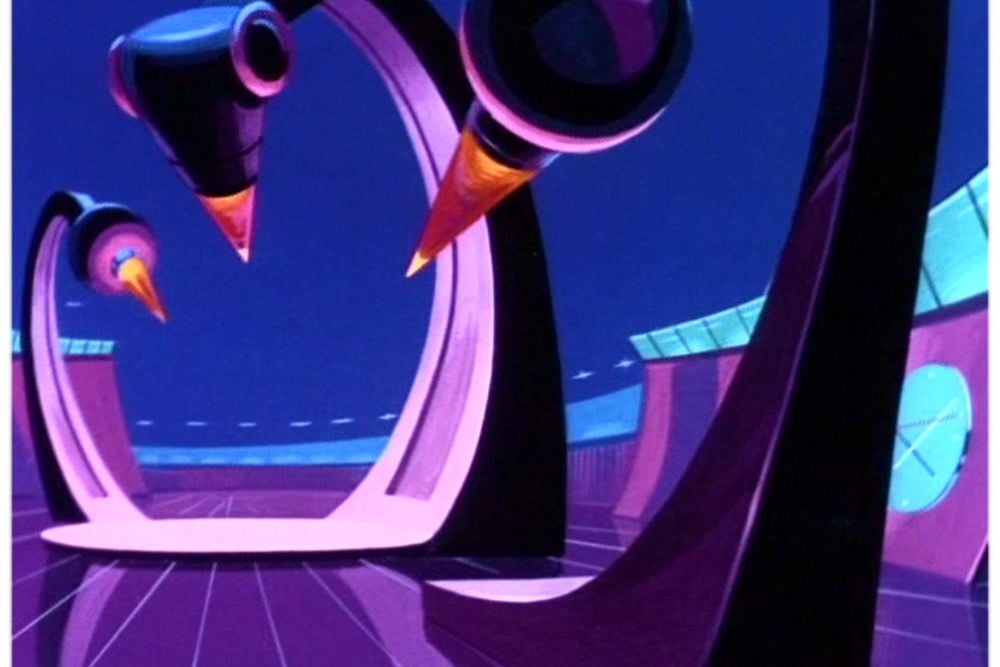
While originally a film, the subsequent TV adaptations explored miniaturization technology and medical nanotechnology applications. The concept of microscopic machines working inside the human body predicted modern developments in nanosurgery and targeted drug delivery systems.
The show’s vision of microscopic medical procedures has influenced current research in precision medicine.
Space: 1999
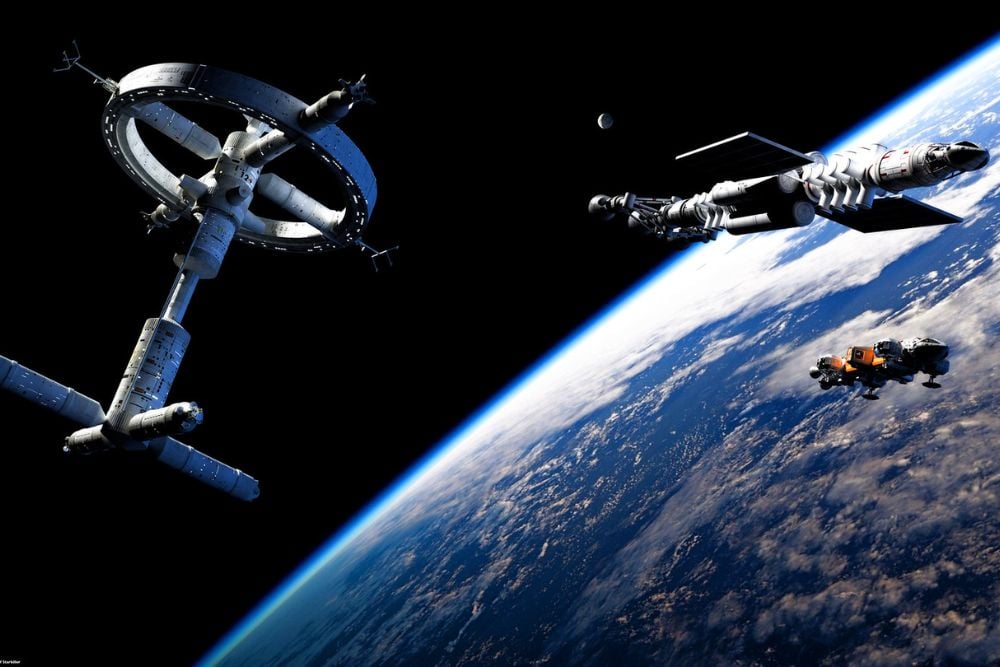
This 1970s series featured portable computers, wireless communication devices, and advanced life support systems for space exploration. The show’s communication devices predicted modern key fobs and proximity cards used for building access control.
Space: 1999 also showcased medical scanners and diagnostic equipment that resembles current hospital technology and portable health monitoring devices.
When Fiction Becomes Reality
The creativity and imagination of the future are demonstrated through how or what some of the programs present that defeat even the most brilliant technicians. Writers and producers were willing to transcend the boundaries of existent technologies, envisioning very graceful answers to human dilemmas that engineers would later build into reality.
We’re reducing the distance between science fiction and demonstrable science fact at an ever-growing pace as technology advances. Perhaps the most impossible-sounding features in TV today will be routine applications tomorrow, contributing to the endless cycle of imagination inspiring tangible innovation.
More from Go2Tutors!

- The Romanov Crown Jewels and Their Tragic Fate
- 13 Historical Mysteries That Science Still Can’t Solve
- Famous Hoaxes That Fooled the World for Years
- 15 Child Stars with Tragic Adult Lives
- 16 Famous Jewelry Pieces in History
Like Go2Tutors’s content? Follow us on MSN.