16 Unsolved Mysteries That Still Baffle Historians
History isn’t as neat as textbooks make it seem. Between the grand narratives and famous dates lie stubborn gaps that refuse to be filled, no matter how many scholars throw themselves at the problem.
These mysteries don’t just represent missing information — they’re reminders that the past keeps its secrets well, leaving behind just enough clues to torment anyone curious enough to look.
The Antikythera Mechanism
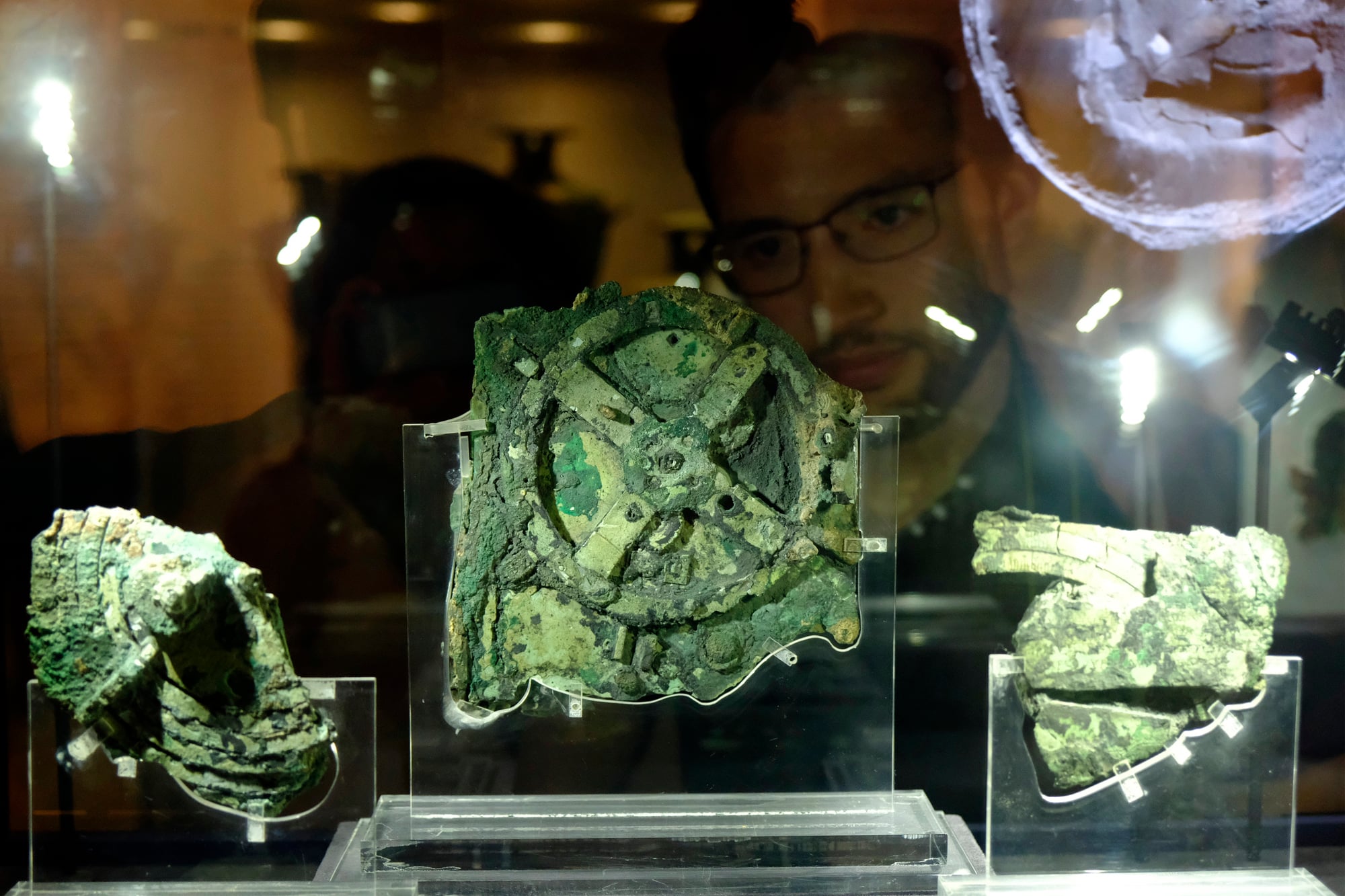
Ancient Greeks weren’t supposed to build computers. The bronze device pulled from a shipwreck near Antikythera in 1901 shouldn’t exist — not with gear ratios that predict eclipses and track planetary movements with startling precision.
It’s 2,000 years old and more sophisticated than anything found for the next millennium.
The Voynich Manuscript
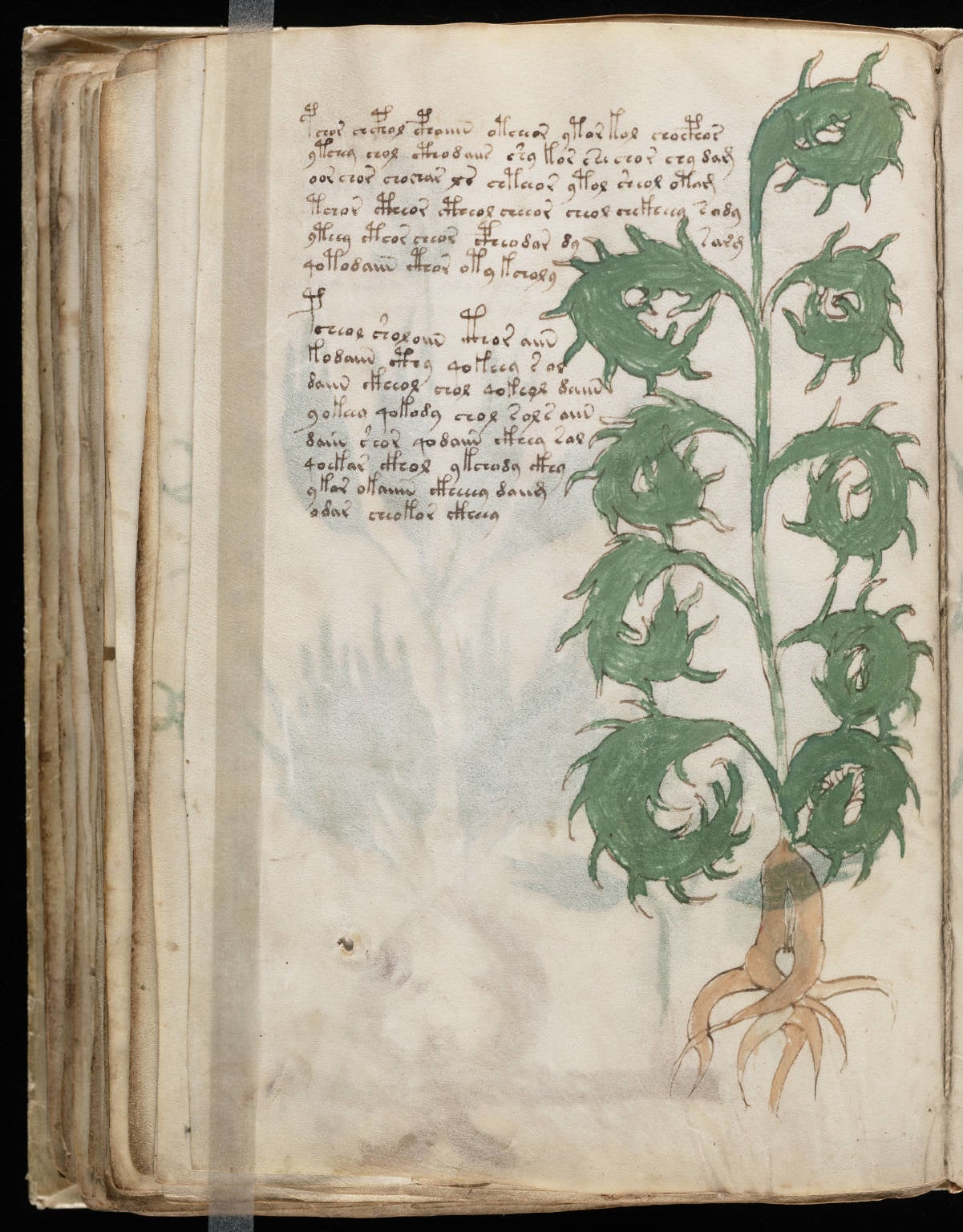
So you have this 15th-century book written in a language that doesn’t exist (or one that every linguist, codebreaker, and computer program has failed to crack), filled with illustrations of plants that don’t grow on Earth alongside astronomical charts that make no sense. And yet the manuscript follows consistent grammatical rules, suggests the author actually meant something by all those flowing, unreadable words.
Even the NSA took a crack at it.
The botanical drawings show the most unsettling kind of precision — detailed enough to be scientific, strange enough to feel like fever dreams. Which is saying something.
The Dancing Plague Of 1518
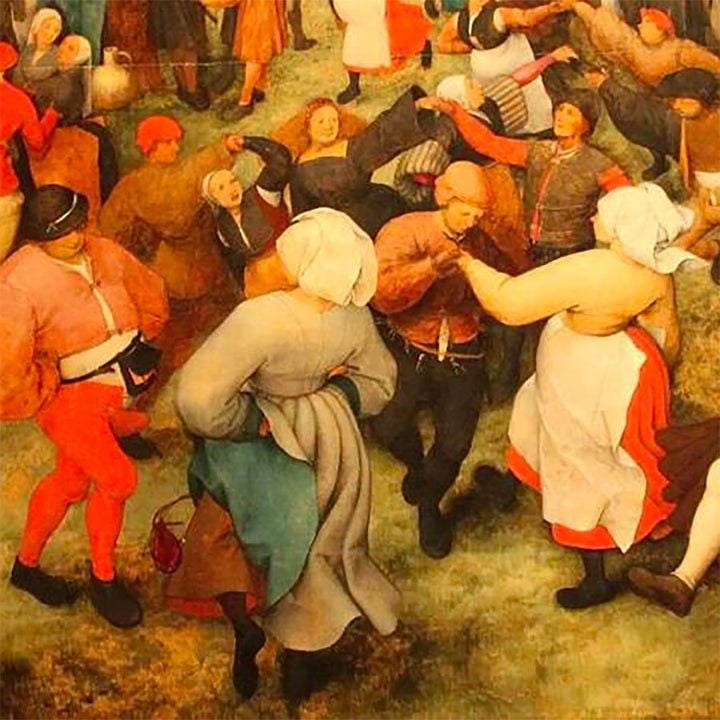
Picture this: in the middle of July, in Strasbourg, a woman named Frau Troffea steps into the street and begins dancing. Not celebrating — just dancing, compulsively, as if her life depends on the movement.
Within days, dozens of others join her, then hundreds, their feet wounded, some reportedly dancing themselves to death while authorities scramble to understand what they’re witnessing (and whether hiring musicians might somehow help or make things catastrophically worse).
The medical records exist, the government responses are documented, but the cause remains as elusive as smoke.
The most disturbing part isn’t the dancing itself — it’s how methodically the authorities responded, as if mass choreographed hysteria was just another civic problem to solve. They brought in musicians.
They built stages. As if the right soundtrack might restore sanity to a city that had lost its collective mind to rhythm.
The Princes In The Tower
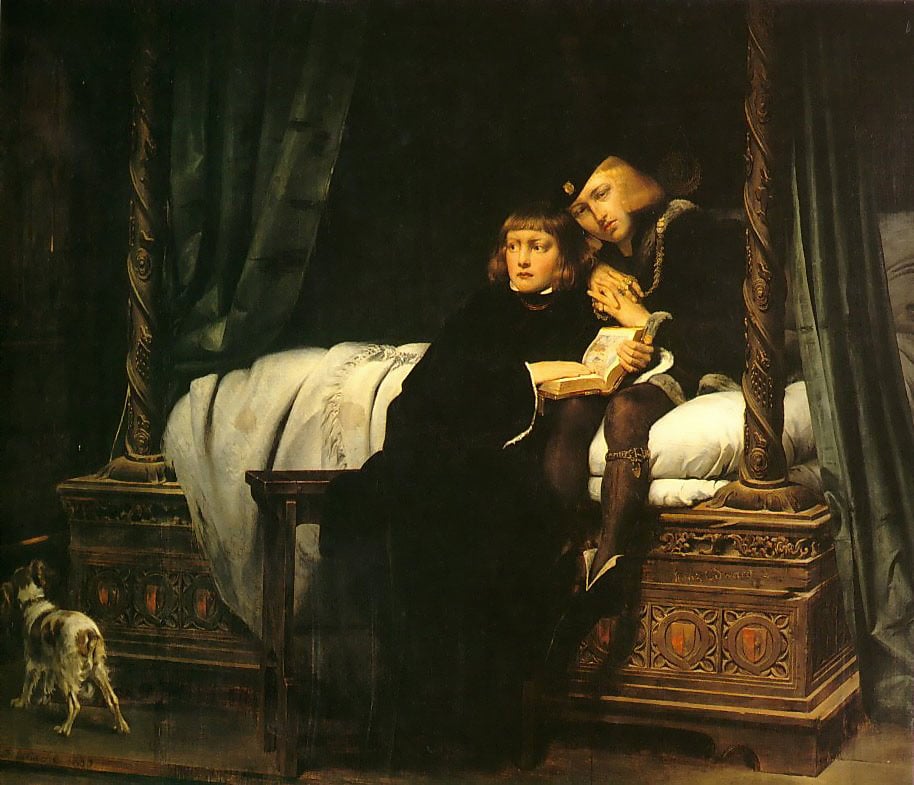
Two boys entered the Tower of London in 1483. Edward V, age 12, and his brother Richard, age 9, were supposedly being prepared for Edward’s coronation.
They were seen playing in the tower grounds that summer, then they weren’t seen at all. Their uncle Richard III took the throne, and the princes became footnotes in their own story.
In 1674, workmen found two small skeletons buried under a staircase in the Tower. The bones were moved to Westminster Abbey, where they remain today.
DNA testing could settle this once and for all, but the royal family has consistently refused to allow it. Some mysteries are kept mysterious on purpose.
The Nazca Lines
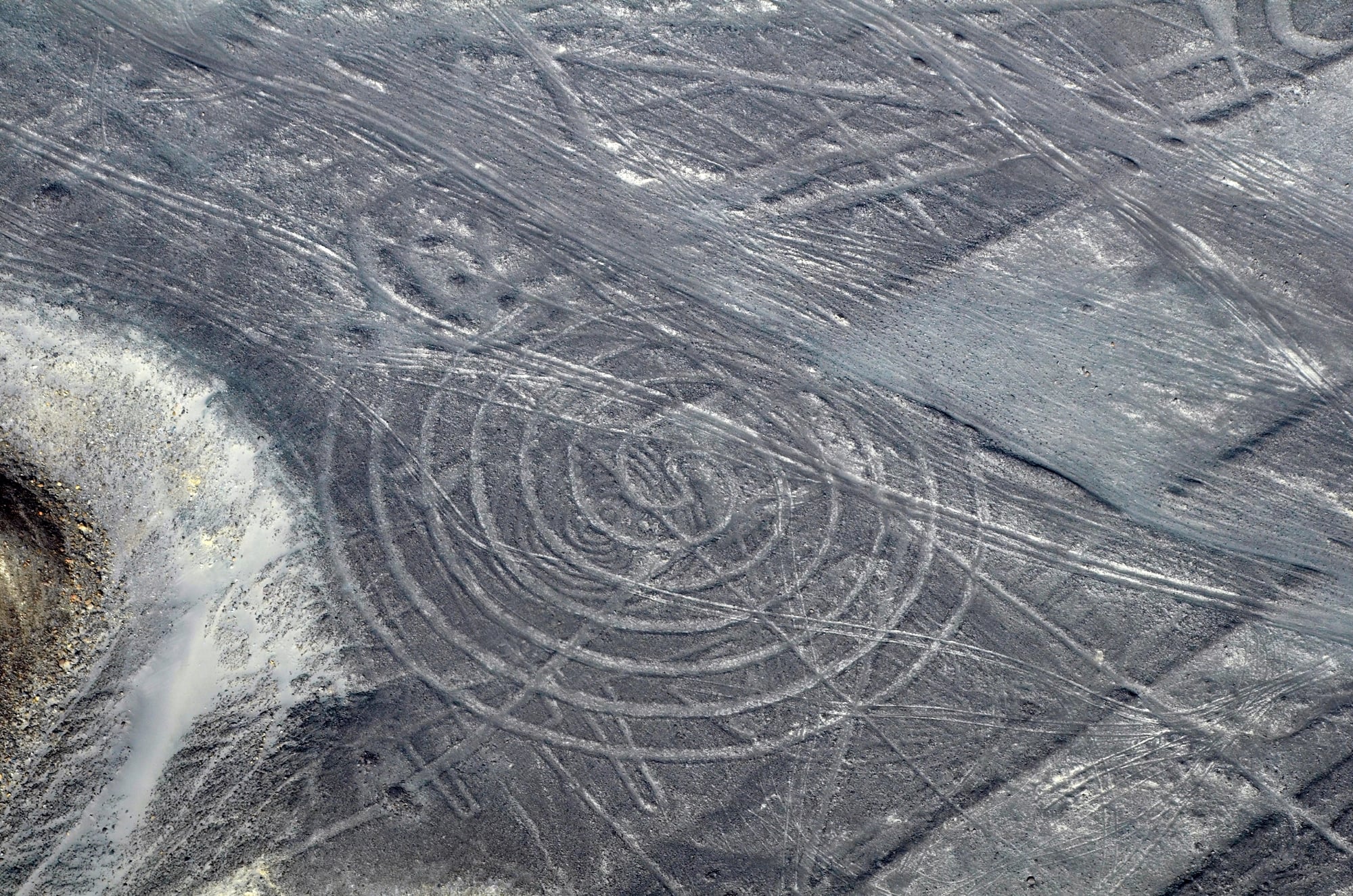
The high desert of Peru holds drawings too large to see from ground level — a hummingbird with a wingspan of 93 feet, a monkey, geometric shapes that stretch for miles across the plateau. Created by the Nazca people between 500 BCE and 500 CE, they’ve survived because rain rarely falls there, and wind rarely disturbs the stones.
But survival isn’t the puzzle. Purpose is.
Some theories feel reasonable: astronomical calendar, religious pilgrimage routes, ceremonial pathways connecting sacred sites. Others lean toward the fantastic: ancient airports, messages for visitors from space, evidence of lost technology that allowed human flight a thousand years before Leonardo sketched his flying machines.
Roanoke Colony
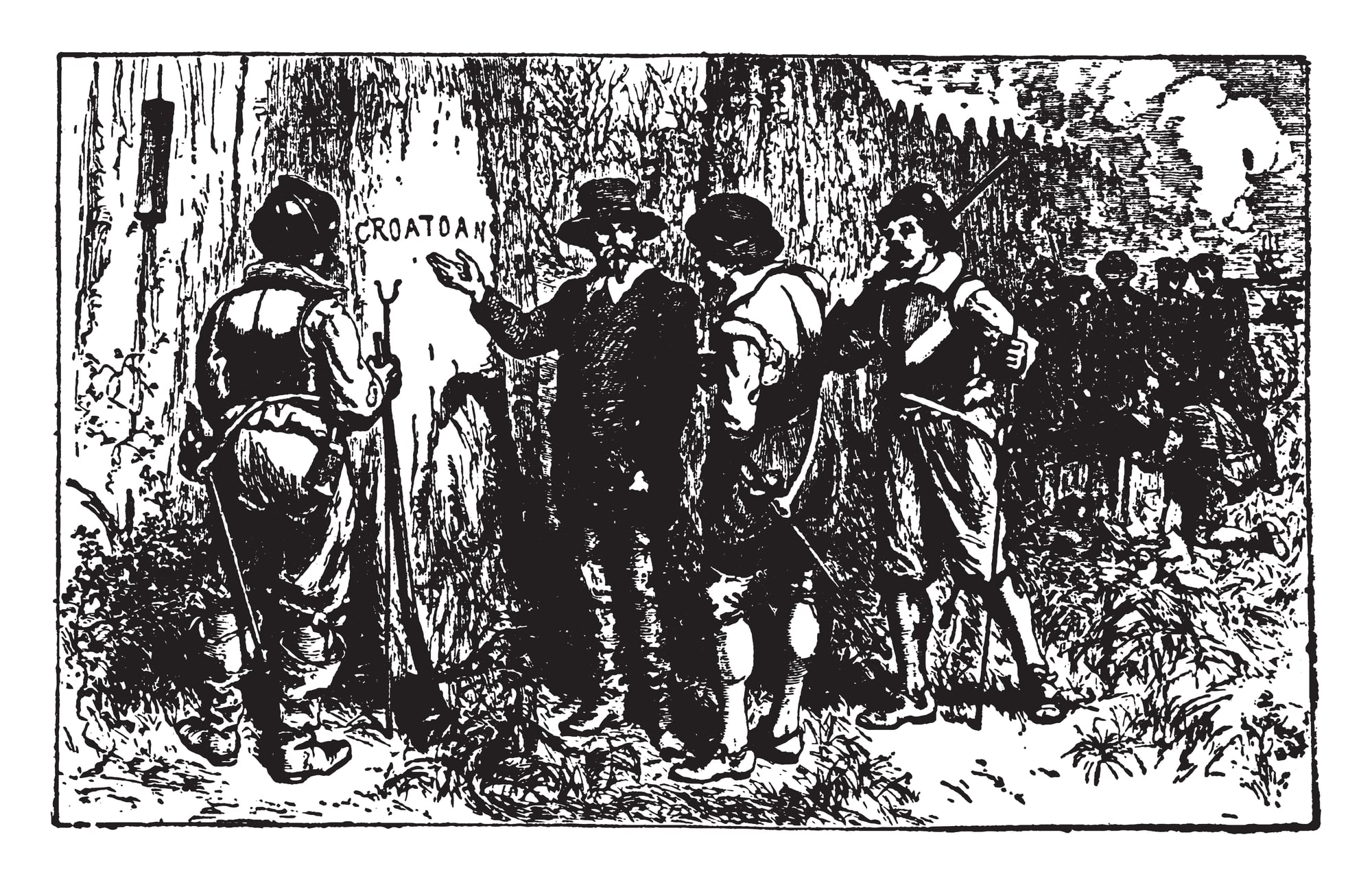
The first English settlement in America vanished completely between 1587 and 1590. All 115 colonists — men, women, children — gone without a trace except for the word “CROATOAN” carved into a fence post and “CRO” etched into a tree.
No bodies, no signs of struggle, no clear indication of whether they left by choice or circumstance.
John White, the colony’s governor, had sailed back to England for supplies. When he returned three years later, he found empty houses and more questions than he knew what to do with.
The colonists had planned to move inland if necessary, and “CROATOAN” might have referred to a nearby island where friendly Native Americans lived. But storms prevented White from investigating, and he never saw his daughter or granddaughter again.
The Wow! Signal
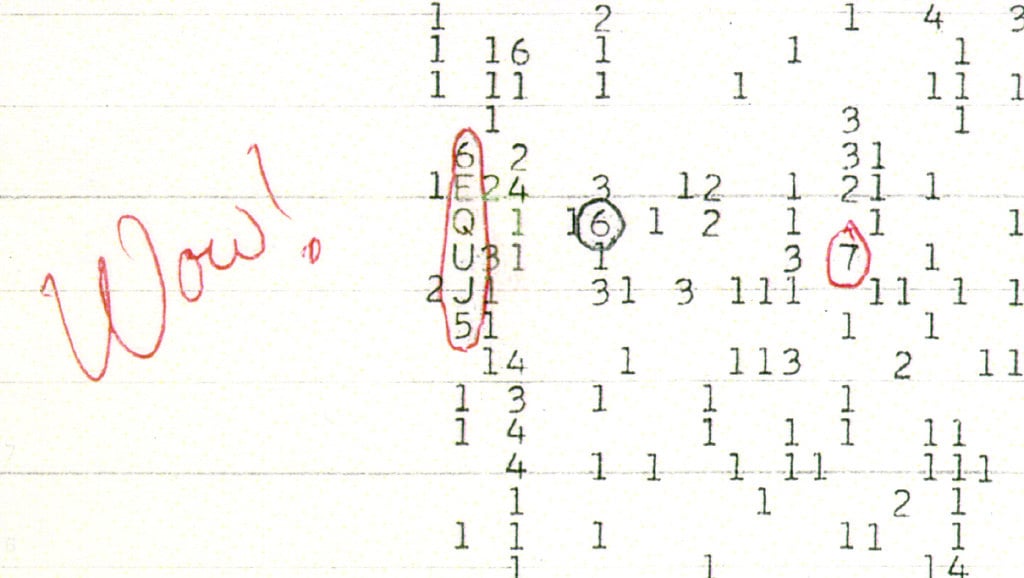
On August 15, 1977, a radio telescope in Ohio detected something that shouldn’t have existed: a strong, narrow-band radio signal from the direction of the constellation Sagittarius that lasted 72 seconds and never repeated.
Dr. J. Ehman circled it on the printout and wrote “Wow!” in red ink — a moment of scientific excitement that became the name for astronomy’s most tantalizing loose thread.
The signal matched exactly what scientists expected communication from an extraterrestrial civilization might look like (if such communication existed, which it probably doesn’t, except here’s this signal that fits the profile with uncomfortable precision).
Decades of follow-up observations have found nothing. The signal arrived, announced itself, and vanished back into cosmic silence.
Göbekli Tepe
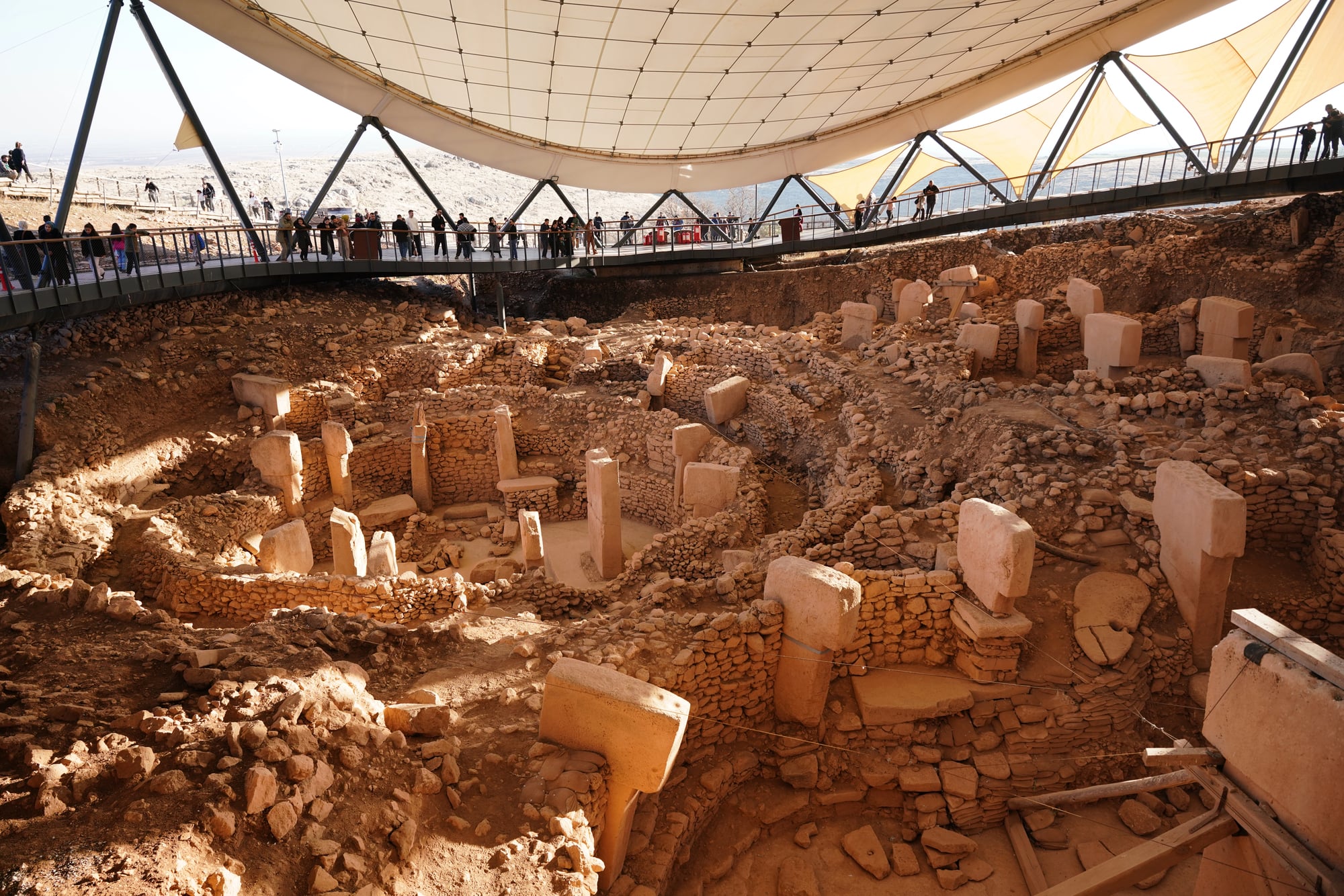
This changes everything, which is why archaeologists have been walking around Göbekli Tepe looking vaguely shell-shocked since its discovery. The site in Turkey predates Stonehenge by 6,000 years and was built by people who weren’t supposed to have the organization, tools, or motivation for such a project.
Hunter-gatherers don’t typically haul 16-ton stone pillars across hills to create elaborate religious complexes — but someone did, around 9600 BCE, then deliberately buried the entire site and walked away.
The implications keep rippling outward: maybe agriculture wasn’t the foundation for civilization, maybe civilization was the motivation for agriculture, maybe everything about how human societies developed needs rethinking.
And yet Göbekli Tepe sits there, massive and inexplicable, carved with reliefs of animals and abstract symbols that feel like messages in a language that died with their creators.
The Lead Masks Case

Two dead men on a hill in Brazil, wearing formal suits and lead eye masks, with a note in Portuguese that read: “16:30 be at the specified place. 18:30 ingest capsules, after the effect protect metals await signal mask.”
The date was August 20, 1966. No signs of violence, no obvious cause of death, no explanation for the elaborate staging of what appeared to be either a science experiment gone wrong or a ritual that ended badly.
The lead masks suggest protection from radiation. The formal clothing suggests ceremony.
The note suggests a plan that required precise timing and left room for something called “the signal.” Local UFO sightings around the same time add another layer of strangeness to a case that already defied reasonable explanation.
The Shroud Of Turin
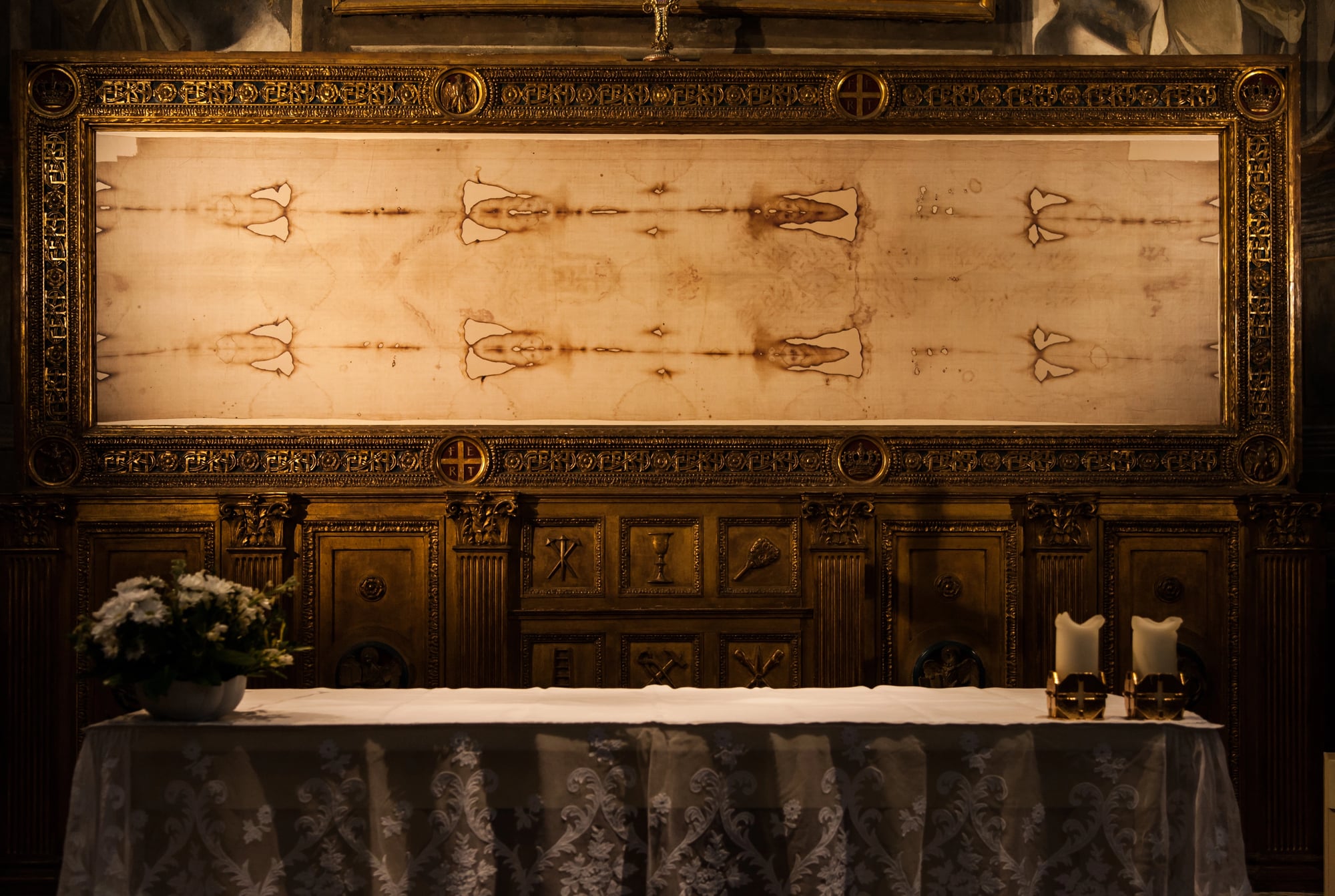
Either this 14-foot linen cloth wrapped the body of Jesus Christ and somehow retained a photographic negative of his crucified form through unknown means, or it’s an elaborate medieval forgery created using techniques that modern science still can’t fully replicate.
Both explanations present problems.
Carbon dating placed the cloth’s origin between 1260 and 1390 CE — firmly in the medieval period when religious relics were a thriving industry. But the image formation process remains unexplained, the anatomical accuracy is remarkable, and the cloth shows bloodstains consistent with crucifixion wounds.
So either medieval forgers possessed sophisticated knowledge of anatomy, photography, and chemistry that wouldn’t be rediscovered for centuries, or carbon dating can be wrong in spectacular ways.
The Dyatlov Pass Incident
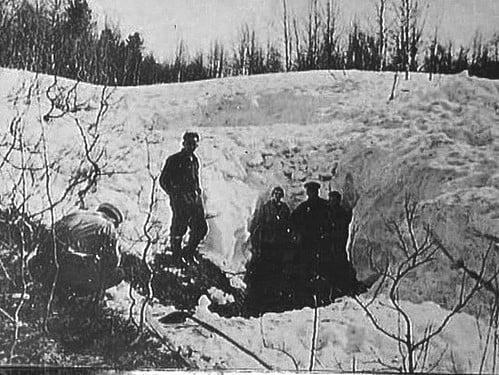
Nine experienced hikers died in the Ural Mountains in 1959 under circumstances that seem designed to confuse investigators. Their tent was cut open from the inside, and they fled into the freezing night wearing minimal clothing.
Some died of hypothermia, others from traumatic injuries that would require tremendous force to inflict — yet their bodies showed no external wounds.
Soviet authorities blamed an “unknown compelling force” and sealed the files for decades. When they were finally released, they raised more questions than answers: reports of strange orange lights in the sky, unusually high levels of radiation on some clothing, injuries that didn’t match any obvious cause.
The hikers’ final photographs show them setting up camp in good spirits, with no hint of what was about to go catastrophically wrong.
The Piri Reis Map
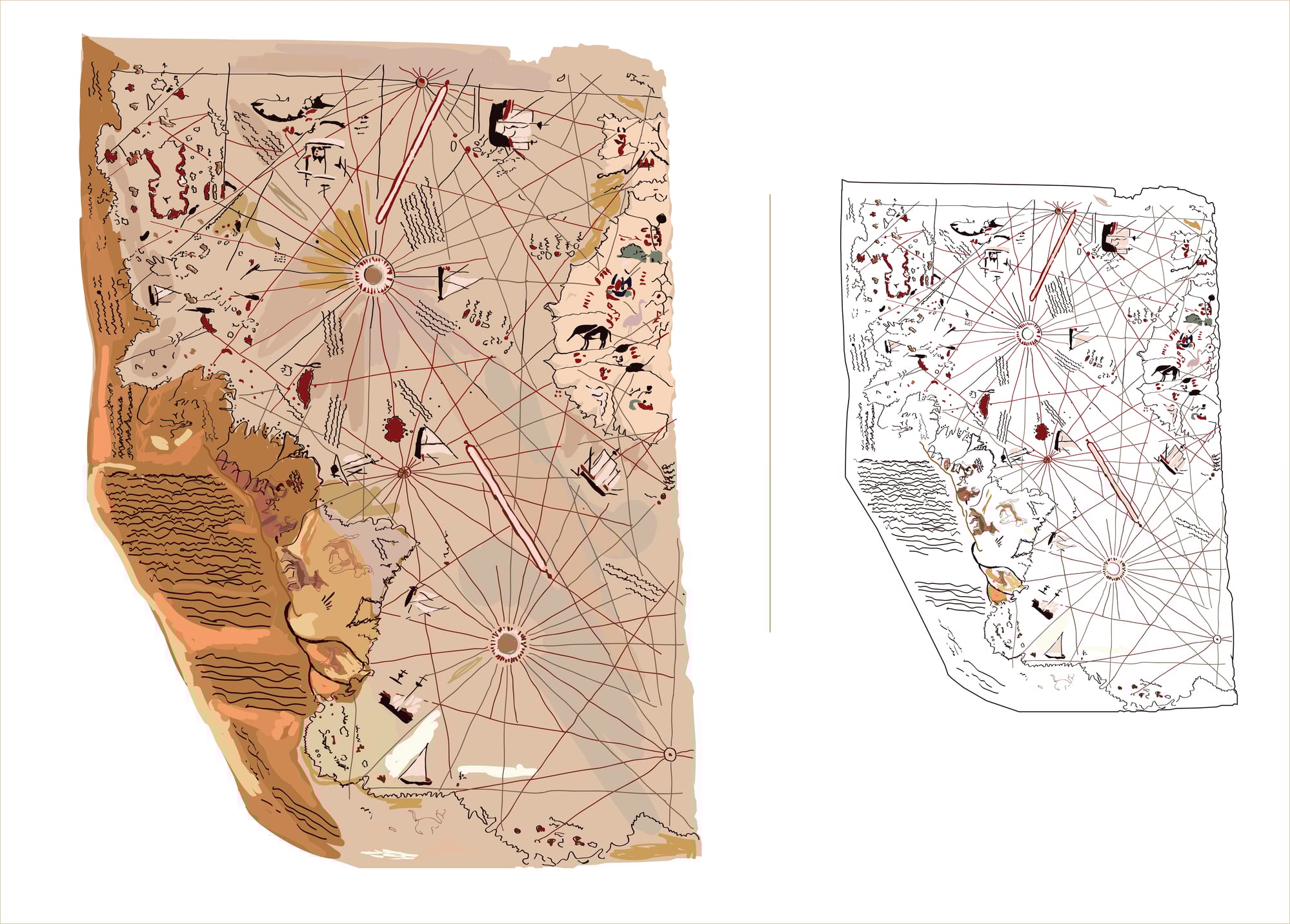
Admiral Piri Reis drew a map in 1513 that showed the coastline of Antarctica with remarkable accuracy — which presents a problem, since Antarctica wasn’t officially discovered until 1820, and its ice-free coastline hasn’t been visible for thousands of years.
The map was found in the Topkapi Palace in Istanbul in 1929, authenticated as genuinely 16th century, and has been puzzling cartographers ever since.
Piri Reis claimed he compiled the map from multiple ancient sources, some supposedly dating back to the time of Alexander the Great.
Either he had access to incredibly accurate ancient maps that have since been lost, or the southern continent shown on his map isn’t Antarctica after all — though it certainly looks like Antarctica, positioned exactly where Antarctica should be, with coastal features that match what lies beneath the ice.
The Lost Colony Of Jamestown
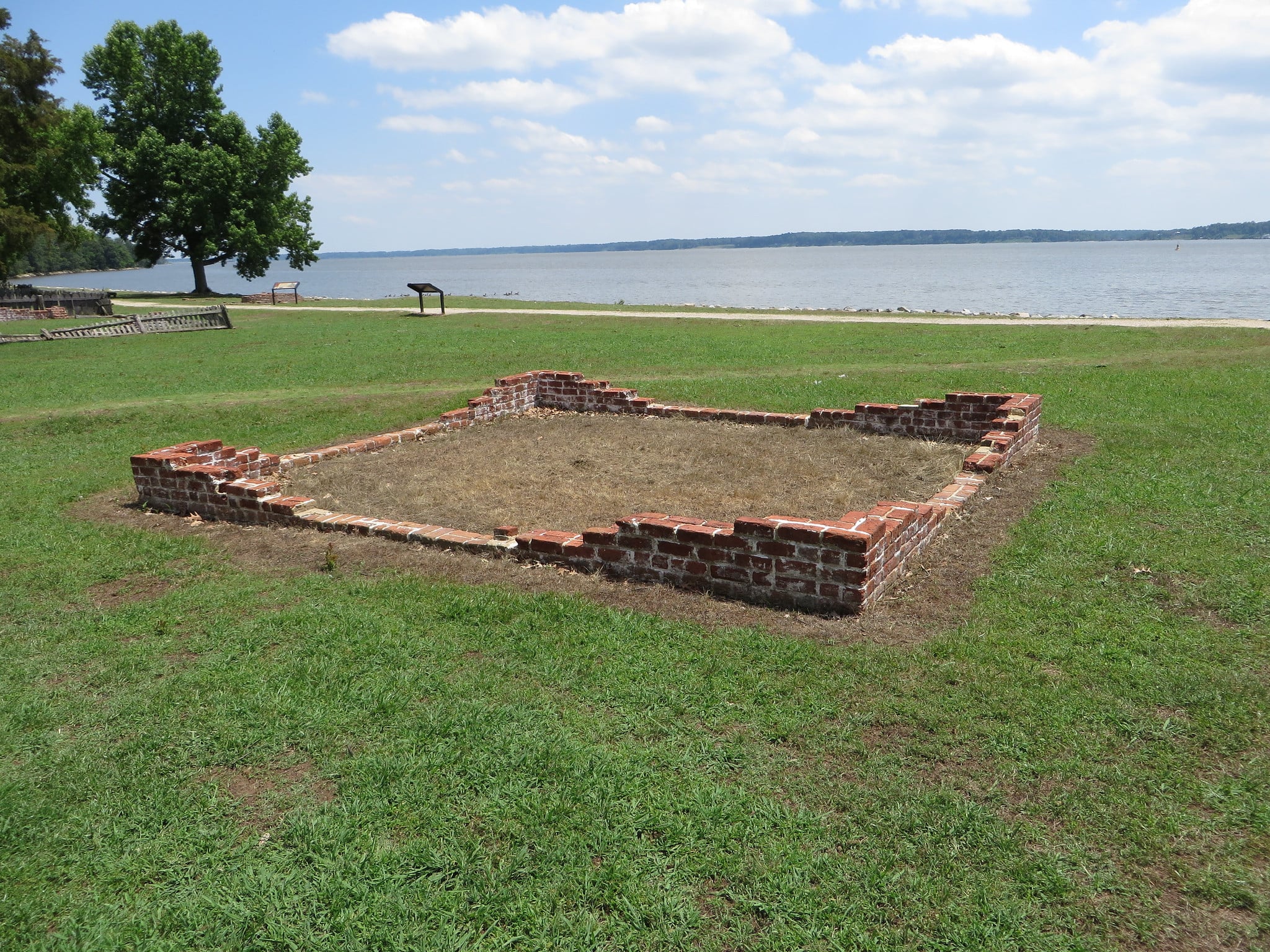
Wait, Jamestown wasn’t lost — that was Roanoke. But Jamestown had its own vanishing act: the “Starving Time” winter of 1609-1610, when 500 colonists were reduced to 60 survivors, and the archaeological evidence suggests things got much darker than textbooks admit.
Recent excavations have found human bones with clear knife marks, evidence that cannibalism wasn’t just rumored but routine.
One 14-year-old girl, dubbed “Jane” by researchers, shows signs of tentative, then increasingly confident butchery — her skull cracked open to access the brain, flesh methodically stripped from her bones.
The survival of Jamestown required consuming the dead, but the records from that winter remain diplomatically vague about exactly what survival cost.
The Beale Ciphers
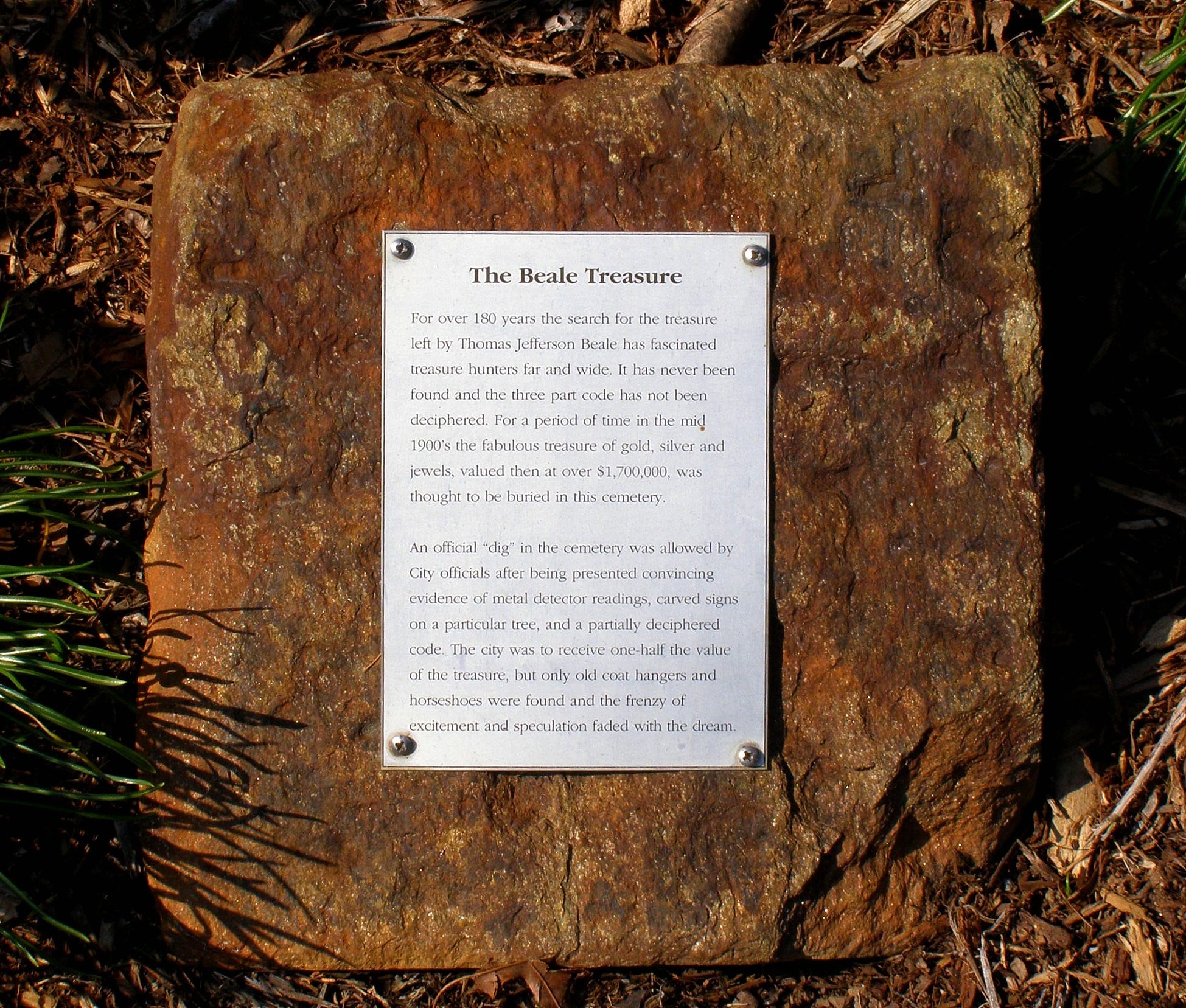
Three encrypted messages, supposedly describing the location of a treasure worth $43 million (in today’s currency), buried somewhere in Virginia in the 1820s. Only one cipher has been solved — the one that describes the contents of the treasure but not its location.
The other two remain unbroken despite nearly 200 years of attempts by amateur cryptographers and professional codebreakers.
The solved cipher used the Declaration of Independence as a key, with each number corresponding to the first letter of a specific word in the document.
Logical enough. But the other ciphers don’t respond to the same technique, or to any other technique anyone has tried. They might be unsolvable because they’re hoaxes, or because the key documents have been lost to time, or because they’re waiting for someone clever enough to recognize the pattern their creator used.
Jack The Ripper
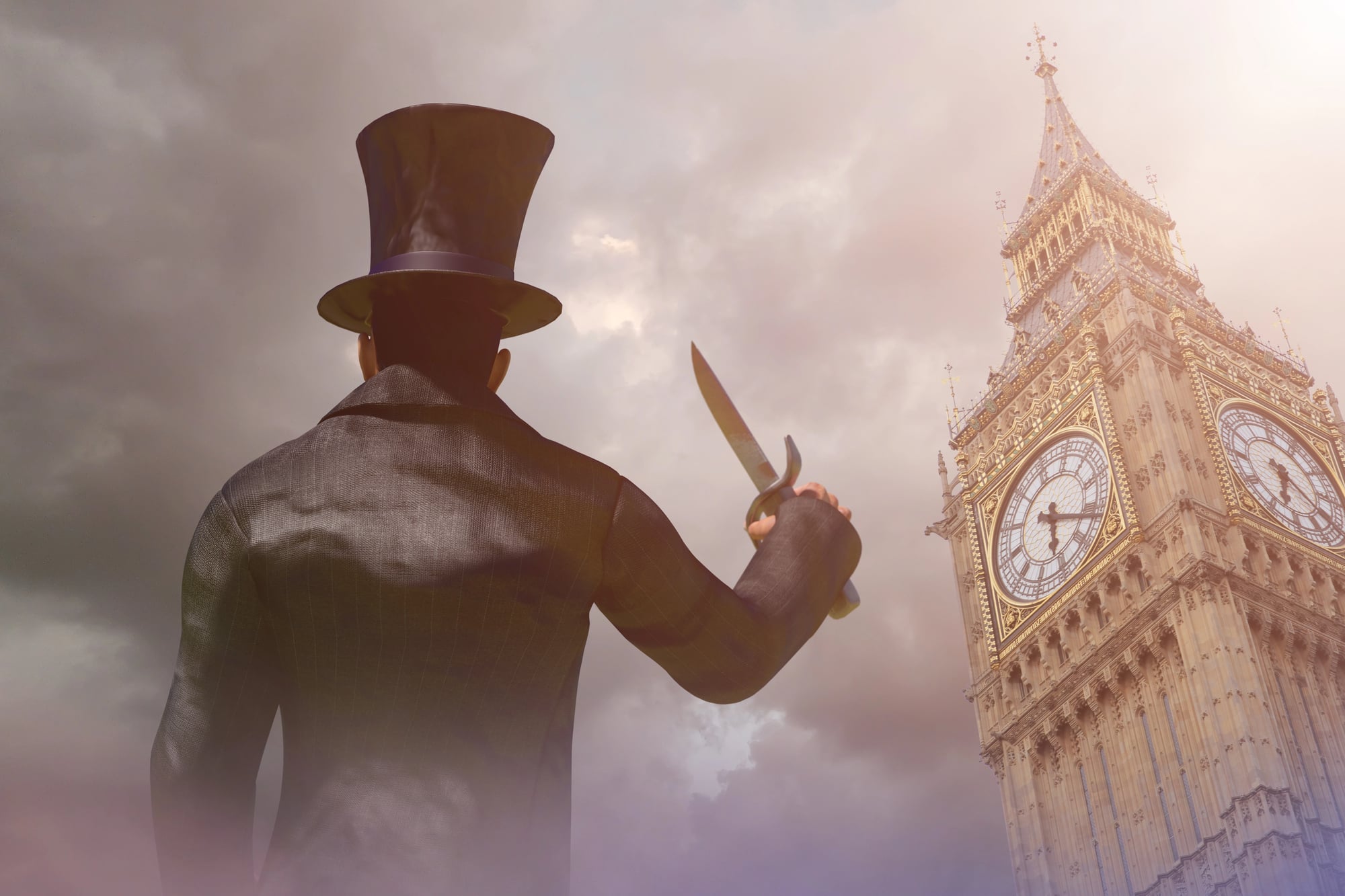
London, 1888. At least five women murdered in Whitechapel by someone with anatomical knowledge and a talent for vanishing into the fog-covered streets.
The case spawned over 100 suspects, countless theories, and a cottage industry of speculation that continues today — but no definitive answer about who terrorized the East End for those few months, then stopped as suddenly as they had started.
The killer’s surgical precision suggested medical training. The taunting letters sent to police suggested someone who enjoyed the attention.
The abrupt end to the murders suggested either death, imprisonment, or departure from London. DNA analysis of evidence in recent years has pointed to various suspects, but the samples are too degraded and contaminated to provide certainty.
Jack the Ripper remains what he always was: a shadow with a knife, infamous precisely because he was never caught.
The Amber Room
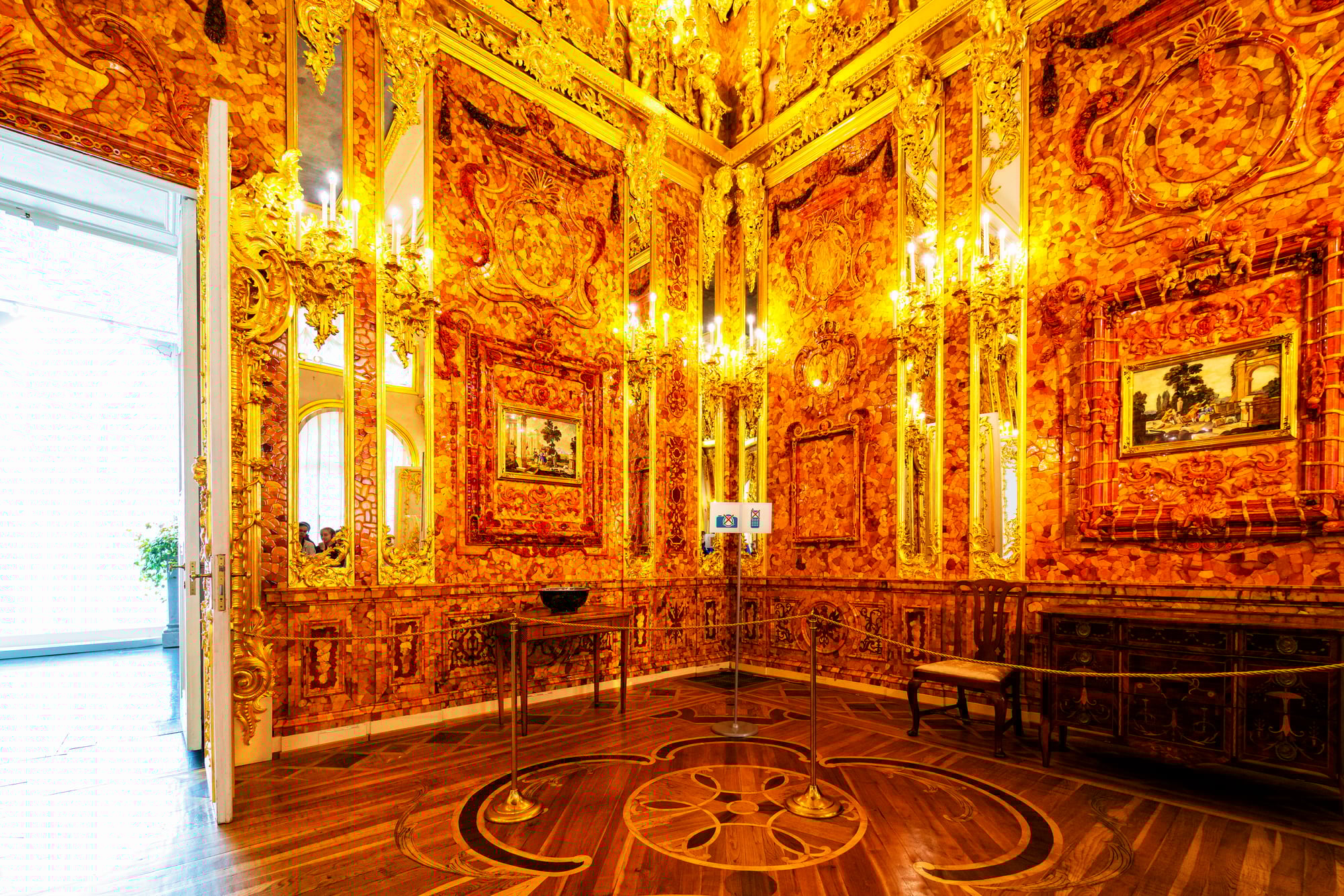
Called the “Eighth Wonder of the World,” the Amber Room was an ornate chamber made entirely of amber panels backed with gold leaf and mirrors, located in the Catherine Palace near St. Petersburg.
When Nazi forces occupied the palace in 1941, they carefully dismantled the room and shipped it to Königsberg, where it was last seen in 1944 as Soviet forces approached the city.
The room simply vanished. Soviet investigators spent decades searching for it, following leads across Europe, digging in bunkers and mineshafts, questioning anyone who might have seen the panels during the war’s chaotic final months.
Some believe it was destroyed by Allied bombing. Others think it’s still hidden somewhere, waiting to be discovered.
Russia eventually gave up the search and built a replica, completed in 2003, but the original amber — six tons of it — remains lost.
Where The Mysteries Lead Us

These unsolved puzzles share something beyond their resistance to explanation — they remind us that history isn’t a completed story but an ongoing conversation between the present and a past that keeps surprising us. Each mystery represents a moment when our understanding hits a wall built from missing evidence, lost knowledge, or events so unusual that they resist the categories we use to make sense of the world.
Perhaps that’s why these mysteries endure. They’re not just intellectual puzzles but reminders that human experience has always been stranger and more complex than any single narrative can contain.
The past wasn’t simpler than the present — it was just as full of inexplicable moments, sudden disappearances, and events that defied the logic of their time just as thoroughly as they defy ours.
More from Go2Tutors!

- The Romanov Crown Jewels and Their Tragic Fate
- 13 Historical Mysteries That Science Still Can’t Solve
- Famous Hoaxes That Fooled the World for Years
- 15 Child Stars with Tragic Adult Lives
- 16 Famous Jewelry Pieces in History
Like Go2Tutors’s content? Follow us on MSN.



