15 City Nicknames No Locals Actually Use
Every major city has accumulated nicknames over the years—some organic, others forced by tourism boards or outdated marketing campaigns. While certain monikers stick and become part of a city’s identity, many others fall flat with the actual residents.
These manufactured or outsider-created nicknames often make locals cringe or roll their eyes when visitors use them. Here is a list of 15 city nicknames that real locals rarely, if ever, use in their daily conversations.
The Big Apple

New Yorkers certainly recognize this famous nickname for their city, but you’ll rarely hear actual residents referring to New York City this way. The term remains primarily in tourism materials and souvenir shops.
Most locals simply say ‘the city’ or specify boroughs and neighborhoods when talking about their home.
Frisco
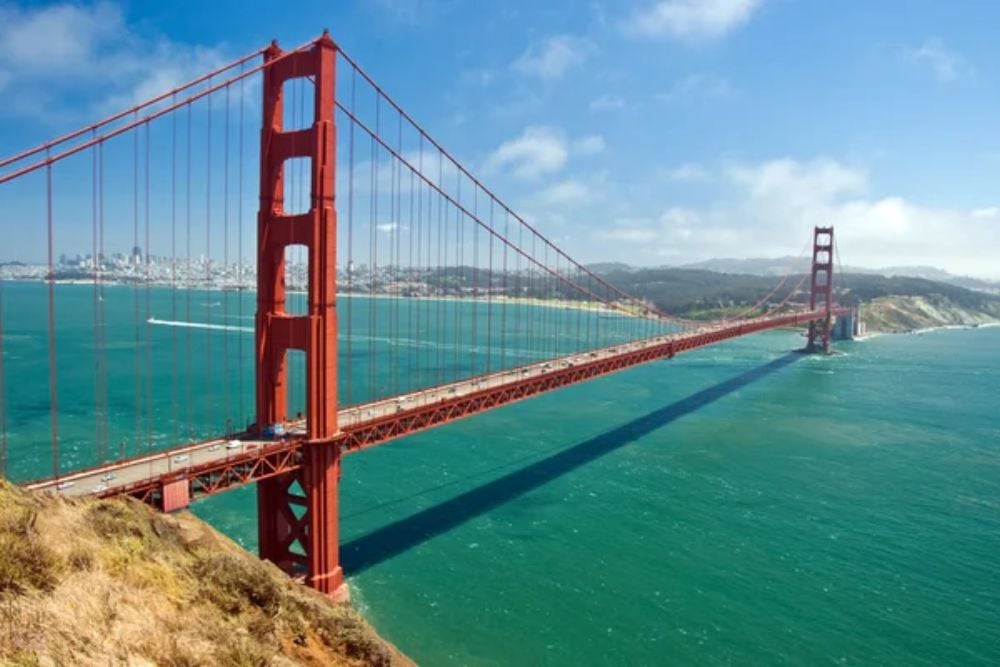
San Francisco residents have a well-documented aversion to this abbreviated nickname. The distaste runs so deep that a century ago, the San Francisco Chronicle ran columns condemning its use.
Locals prefer ‘SF’ or simply ‘San Francisco,’ and using ‘Frisco’ immediately identifies someone as an outsider.
Like Go2Tutors’s content? Follow us on MSN.
Chi-Town
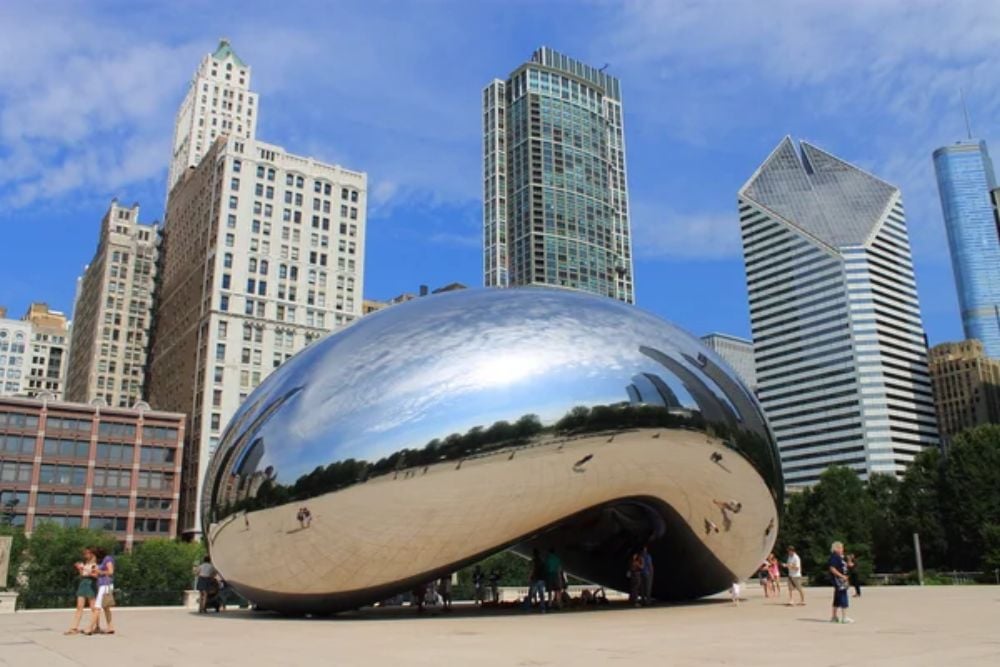
While Chicago’s ‘Windy City’ nickname has decent local adoption, ‘Chi-Town’ is primarily used in commercial contexts or by visitors. Native Chicagoans typically say they’re from ‘Chicago’ or sometimes refer to ‘the city’ when distinguishing from the suburbs.
The nickname persists in media and merchandise but rarely in authentic local conversations.
Hotlanta
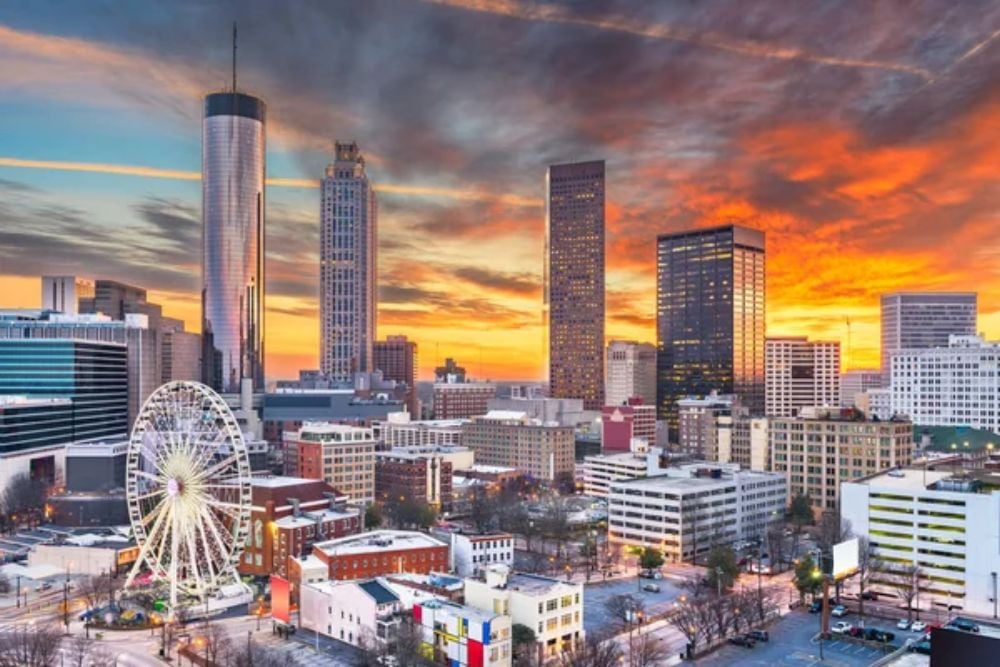
This nickname for Atlanta combines ‘hot’ and ‘Atlanta’ in a way that makes most locals visibly wince. The city certainly experiences high temperatures, but Atlantans themselves almost never use this term.
They prefer ‘ATL’ or plainly ‘Atlanta’ when referring to their hometown.
Beantown

Boston’s historic connections to baked beans led to this nickname, but actual Bostonians rarely use it. The moniker exists almost exclusively in tourist contexts and sports broadcast references.
Locals typically refer to their city simply as ‘Boston’ or sometimes ‘the Hub,’ a lesser-known nickname with slightly more local credibility.
Like Go2Tutors’s content? Follow us on MSN.
Motor City
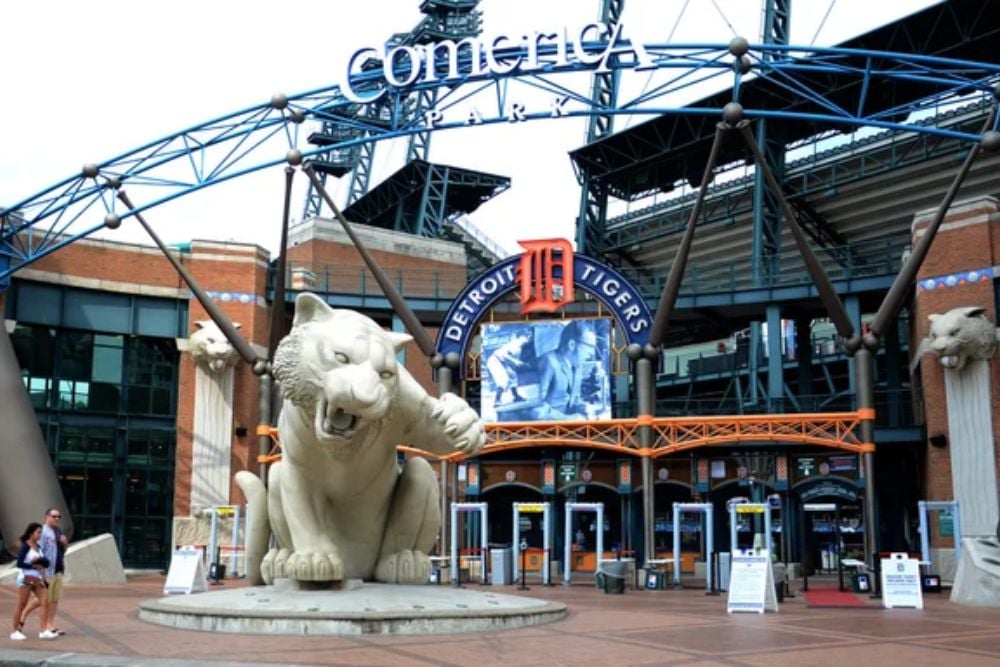
While Detroit’s automotive heritage is undeniable, locals don’t often use ‘Motor City’ in everyday conversation. The nickname appears in official marketing and historical contexts, but residents more commonly use ‘Detroit’ or ‘the D’ when talking about their home.
The automotive reference feels more like an external label than an organic identifier.
City of Angels

Los Angeles residents practically never refer to their home as the ‘City of Angels,’ despite this being the literal English translation of the city’s name. Locals overwhelmingly prefer ‘LA’ for its simplicity and authenticity.
The angelic reference appears mainly in tourism materials and formal contexts rather than daily use.
The ‘Burgh

While Pittsburgh does have residents who use this nickname occasionally, it’s far less common than outsiders might think. The formal ‘Pittsburgh’ or specific neighborhood names dominate local speech.
The shortened form appears more often in regional marketing and sports contexts than in natural conversation.
Like Go2Tutors’s content? Follow us on MSN.
Nawlins
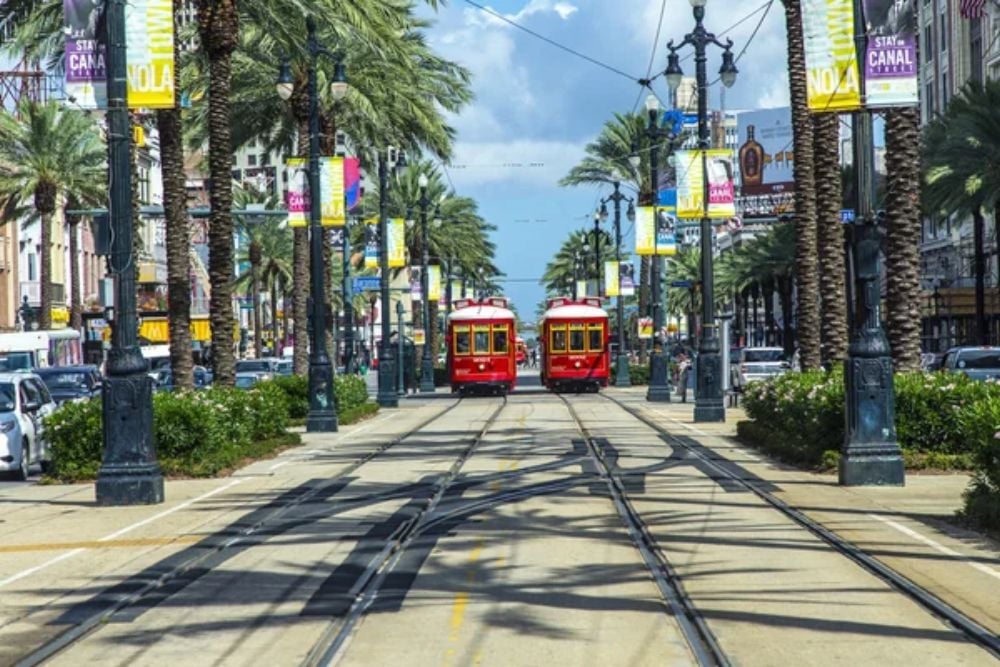
This phonetic spelling of a supposed local pronunciation of New Orleans particularly irks actual residents. Native New Orleanians never say ‘Nawlins’—it’s a caricature of the accent that misrepresents local speech patterns.
Most locals simply say ‘New Orleans’ or sometimes ‘NOLA’ when being casual.
Mile High City

Denver’s elevation-based nickname makes geographic sense but doesn’t feature prominently in local vocabulary. Residents recognize and understand the reference to the city’s 5,280-foot elevation, but in daily conversation, they typically just say ‘Denver.’
The nickname remains more common in tourism contexts and official city marketing.
City of Brotherly Love
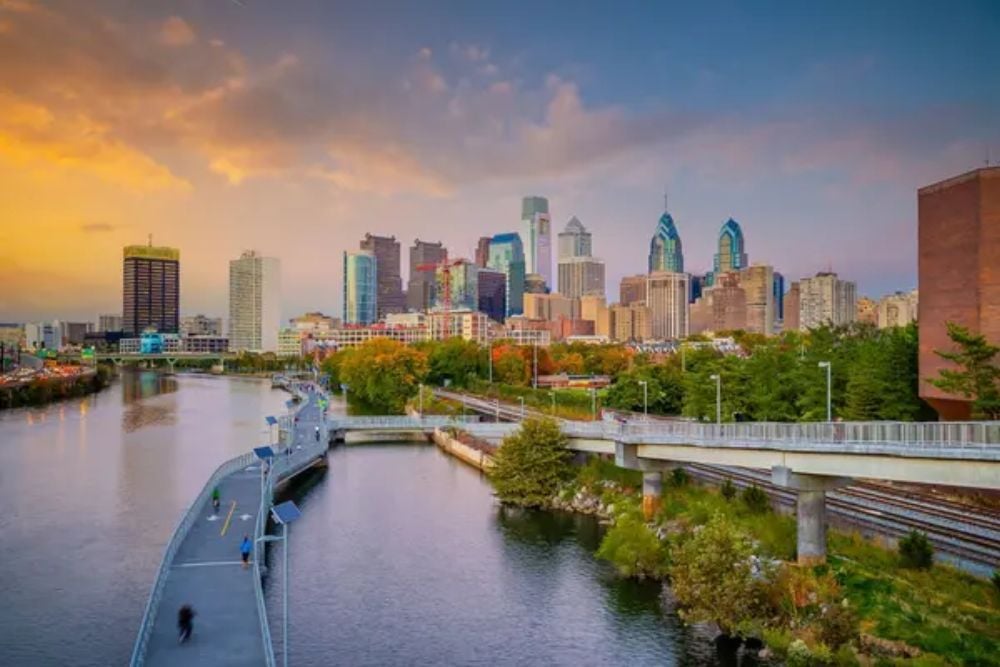
Philadelphia’s classical Greek-derived nickname (from ‘philos’ for love and ‘adelphos’ for brother) rarely enters actual local conversation. Philadelphians more commonly refer to their home as ‘Philly,’ which feels more authentic and less formal.
The brotherly love moniker appears primarily in promotional materials and historical references.
Like Go2Tutors’s content? Follow us on MSN.
Queen City

Charlotte, North Carolina carries this royal nickname, but locals seldom use it in casual settings. The name dates back to the 1700s but remains primarily in formal contexts and city marketing efforts.
Residents typically stick with ‘Charlotte’ or sometimes ‘CLT’ (the airport code) when referring to their city.
Emerald City

Seattle’s green-tinged nickname draws from the city’s abundant vegetation and surrounding evergreen forests, but locals don’t commonly use this term. Seattleites simply say ‘Seattle’ most of the time.
The Emerald City reference appears more frequently in tourism materials and business names than in everyday conversation.
Charm City

Baltimore received this nickname from advertisers in the 1970s as part of a campaign to improve the city’s image. While the name has appeared in various official contexts since then, actual Baltimore residents rarely describe their home this way.
Locals typically use ‘Baltimore’ or ‘Bmore’ when referring to their city.
Like Go2Tutors’s content? Follow us on MSN.
The Gateway to the West

St. Louis earned this name for its historical role in American westward expansion, symbolized by the iconic Gateway Arch. However, actual residents rarely use this descriptive phrase in daily life.
St. Louisans simply say ‘St. Louis’ or sometimes refers to specific neighborhoods instead of using the formal, lengthy nickname.
Nicknames That Stuck and Those That Didn’t

Cities develop authentic identities through their residents, not through marketing campaigns or outsider perceptions. The nicknames that endure tend to be those that resonate with local culture and emerge organically through shared experience.
Perhaps the true test of a city nickname isn’t its catchiness or historical significance but whether the people who actually live there embrace it as part of their communal vocabulary.
More from Go2Tutors!

- 16 Restaurant Chains That Went Too Fast
- 12 Things Sold in the 80s That Are Now Illegal
- 15 Strange Things People Have Tried to Ban (And Failed)
- 16 Collectibles People Tossed Out Too Soon
- 17 Myths from Your Childhood That Were Actually Based on Real Things
Like Go2Tutors’s content? Follow us on MSN.



