18 Movie Sequels That Outshined the Original
Most movie sequels feel like cash grabs—rushed productions that capitalize on the success of their predecessors without capturing the magic that made the original special. They often recycle familiar plots, rely too heavily on nostalgia, and leave audiences wondering why they bothered watching. However, every now and then, lightning strikes twice, and a sequel manages to surpass its predecessor in every conceivable way.
These rare gems prove that with the right vision, improved storytelling, and lessons learned from the first film’s shortcomings, sequels can transcend their origins. Here is a list of 18 movie sequels that not only lived up to expectations but completely outshined the films that came before them.
The Godfather Part II

Francis Ford Coppola achieved the impossible with this 1974 masterpiece, creating a sequel that deepened the original’s themes while expanding its scope. The parallel narratives of young Vito Corleone’s rise and Michael’s moral descent created a richer, more complex story than the first film.
Many critics consider it not just superior to the original, but one of the greatest films ever made.
Terminator 2: Judgment Day
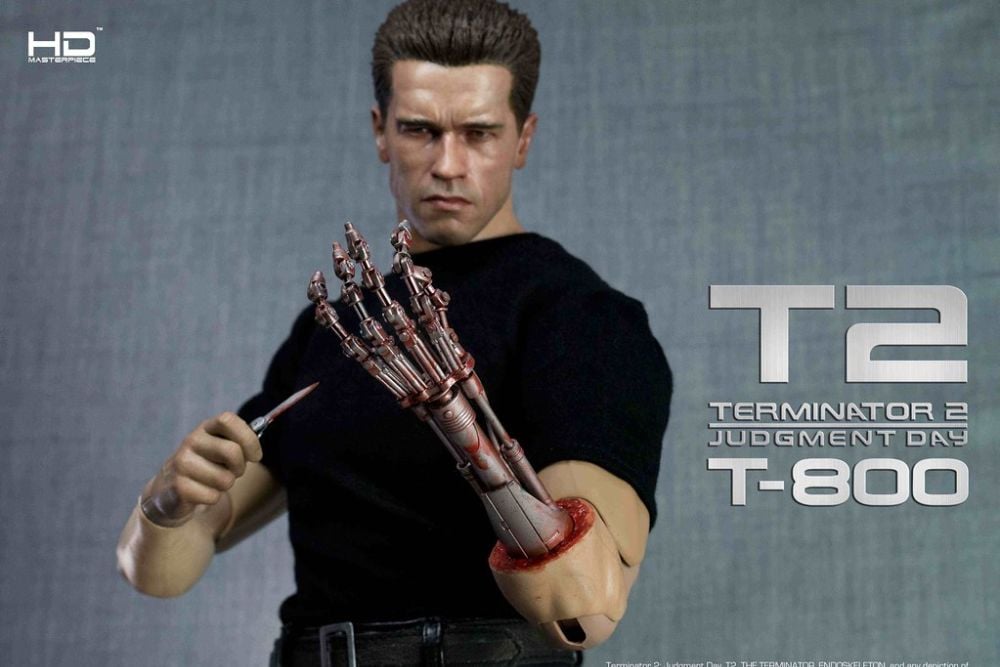
James Cameron took everything that worked in the first Terminator and amplified it with groundbreaking special effects and a more emotionally resonant story. The role reversal of Arnold Schwarzenegger’s character from villain to protector gave the film unexpected heart.
The liquid metal T-1000 remains one of cinema’s most terrifying antagonists, while the action sequences set new standards for the genre.
Like Go2Tutors’s content? Follow us on MSN.
Aliens

Ridley Scott’s original Alien was a masterclass in claustrophobic horror, but Cameron’s sequel transformed the franchise into an adrenaline-fueled war movie. The shift from one alien to an entire hive created opportunities for spectacular action sequences and memorable characters like the Colonial Marines.
Sigourney Weaver’s Ripley evolved from survivor to warrior, cementing her status as one of cinema’s greatest action heroes.
The Empire Strikes Back
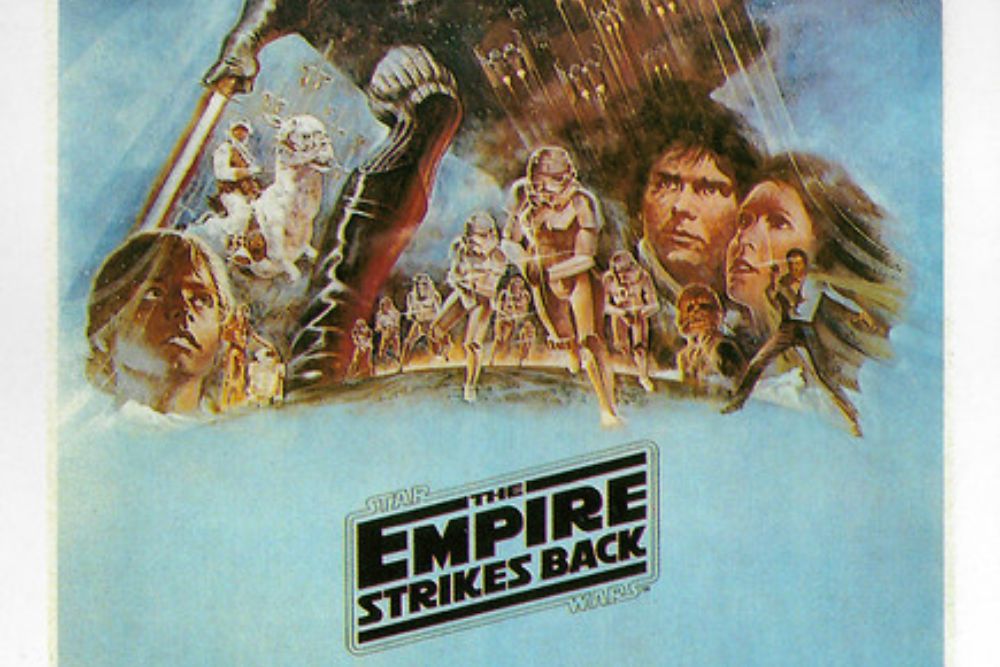
The middle chapter of the original Star Wars trilogy took risks that paid off spectacularly, darkening the tone and challenging its heroes in ways the first film never attempted. The character development, particularly the relationship between Luke and Vader, gave emotional weight to the space opera.
The film’s willingness to end on a cliffhanger and put its heroes through genuine hardship elevated it above its predecessor.
Spider-Man 2

Sam Raimi’s second Spider-Man film perfectly balanced Peter Parker’s personal struggles with spectacular superhero action. The film explored themes of responsibility and sacrifice in ways that felt genuine rather than preachy.
Alfred Molina’s Doctor Octopus provided a sympathetic villain whose motivations felt understandable, while the train sequence remains one of the best action scenes in superhero cinema.
Like Go2Tutors’s content? Follow us on MSN.
The Dark Knight

Christopher Nolan’s Batman sequel transcended the superhero genre to become a crime epic that examined the nature of chaos and order. Heath Ledger’s Joker created a new standard for comic book villains, bringing psychological depth to what could have been a cartoonish character.
The film’s moral complexity and real-world relevance elevated it far beyond typical superhero fare.
Captain America: The Winter Soldier
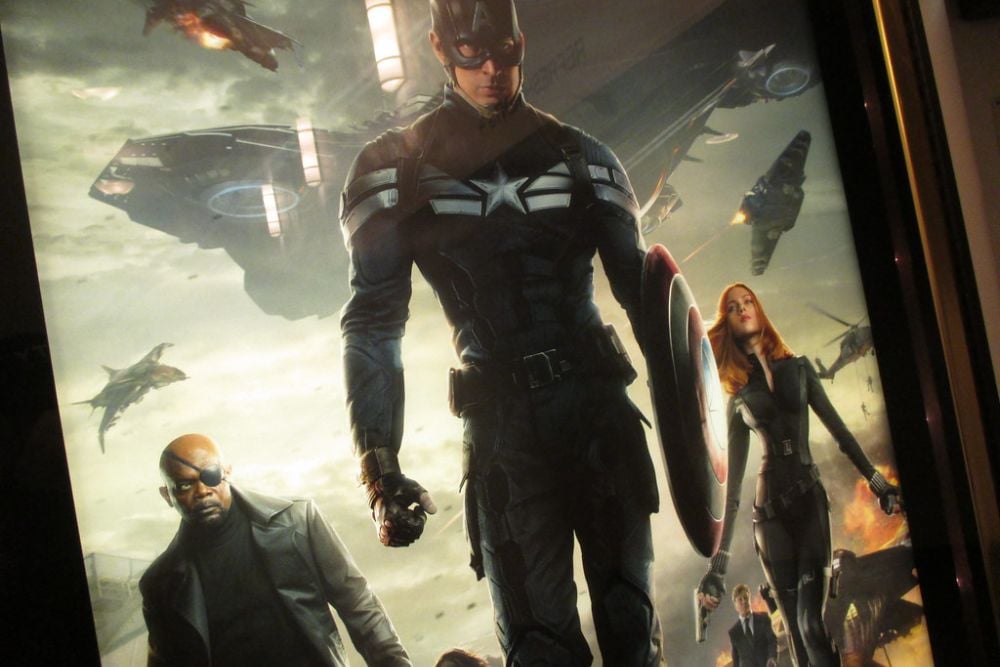
Marvel’s political thriller approach transformed Captain America from one of their blandest heroes into one of their most compelling. The film’s exploration of surveillance, freedom, and trust felt remarkably timely and relevant.
The reveal that HYDRA had infiltrated S.H.I.E.L.D. from within gave the action real stakes and emotional weight.
Mad Max: Fury Road

George Miller returned to his post-apocalyptic wasteland after thirty years with a film that made the previous Mad Max movies look like warm-up acts. The relentless chase across the desert became a masterclass in practical effects and visual storytelling.
Charlize Theron’s Furiosa proved to be as compelling a character as Max himself, while the film’s feminist themes gave depth to the spectacular action.
Like Go2Tutors’s content? Follow us on MSN.
X2: X-Men United
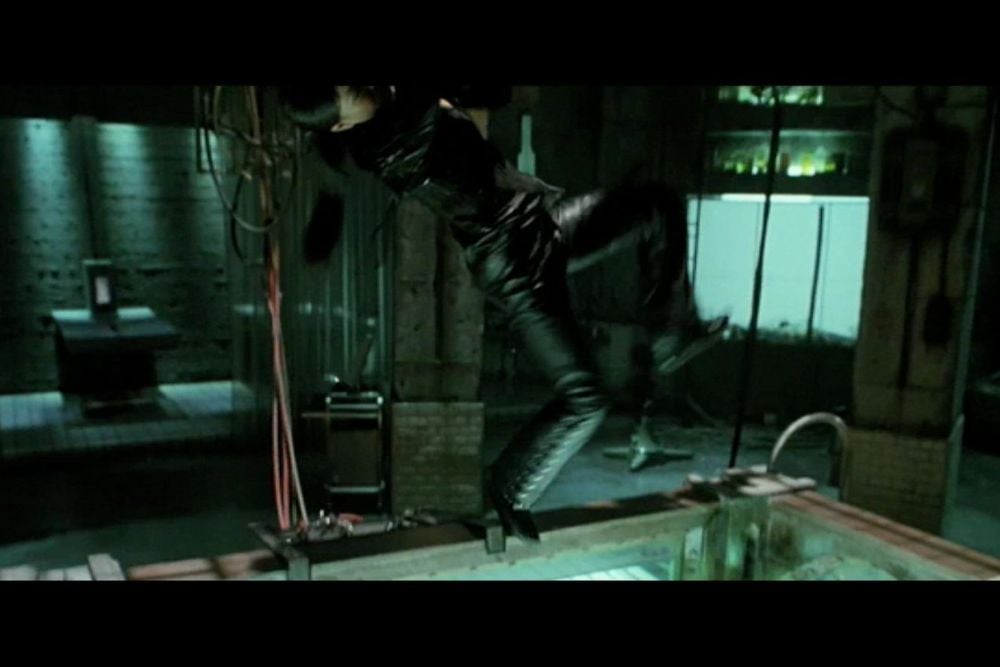
Bryan Singer’s second X-Men film found the perfect balance between character development and spectacular action sequences. The film’s exploration of prejudice and acceptance felt more nuanced than the first movie’s approach to these themes.
The opening sequence with Nightcrawler in the White House remains one of the most thrilling scenes in superhero cinema.
Dawn of the Planet of the Apes

Matt Reeves elevated the rebooted Planet of the Apes franchise with a film that focused on character relationships and moral complexity. The motion-capture performances, particularly Andy Serkis as Caesar, brought unprecedented emotional depth to the ape characters.
The film’s examination of leadership, trust, and the cycle of violence felt remarkably sophisticated for a summer blockbuster.
Toy Story 2

Pixar’s follow-up to their groundbreaking debut proved that computer animation could tell stories with genuine emotional depth. The film’s exploration of purpose, abandonment, and what it means to be loved resonated with adults as much as children.
The introduction of Jessie and her heartbreaking backstory added layers of complexity that the original couldn’t match.
Like Go2Tutors’s content? Follow us on MSN.
Shrek 2

The sequel to DreamWorks’ irreverent fairy tale expanded its world while deepening the relationships between its main characters. The film’s clever pop culture references felt more organic than forced, while the addition of Puss in Boots provided memorable new characters.
The emotional stakes felt higher as Shrek struggled with self-acceptance and fitting into Fiona’s world.
22 Jump Street

Phil Lord and Christopher Miller’s meta-sequel brilliantly satirized the concept of sequels while delivering genuine laughs and action. The film’s self-awareness about recycling the first movie’s formula became part of its charm rather than a weakness.
Jonah Hill and Channing Tatum’s chemistry felt even more natural the second time around.
John Wick: Chapter 2

Chad Stahelski expanded the mythology of the Continental Hotel and the assassin underworld while maintaining the precise action choreography that made the first film special. The Rome sequence showcased beautiful locations while delivering some of the most creative action scenes in recent memory.
Keanu Reeves’ commitment to the physical demands of the role remained impressive, while the world-building added depth without overwhelming the simple revenge story.
Like Go2Tutors’s content? Follow us on MSN.
Blade II

Guillermo del Toro brought his distinctive visual style to the vampire hunter franchise, creating a sequel that felt both familiar and fresh. The introduction of the Reapers as a threat to both vampires and humans created interesting moral complications.
The film’s gothic horror atmosphere and innovative creature design elevated it above typical action sequels.
Mission: Impossible – Ghost Protocol

Brad Bird’s entry into the Mission: Impossible franchise revitalized the series with spectacular practical stunts and improved team dynamics. The Burj Khalifa sequence became an instant classic of action cinema, while the film’s emphasis on teamwork over individual heroics felt refreshing.
Tom Cruise’s commitment to performing his own stunts reached new heights of intensity.
Rush Hour 2

Brett Ratner’s sequel successfully recaptured the chemistry between Jackie Chan and Chris Tucker while raising the stakes and improving the action sequences. The Hong Kong setting provided opportunities for Chan to showcase his martial arts skills in more elaborate ways.
The film’s blend of comedy and action felt more balanced than the original’s sometimes awkward tone.
Like Go2Tutors’s content? Follow us on MSN.
From Russia with Love

Terence Young’s second James Bond film established many of the franchise’s most enduring elements while telling a more grounded story than Dr. No. The introduction of iconic Bond gadgets and the more elaborate action sequences set the template for future entries.
Sean Connery’s portrayal of Bond felt more confident and charismatic, while the film’s Cold War setting provided genuine tension.
Why These Sequels Succeeded Where Others Failed

The common thread among these superior sequels lies in their willingness to build upon rather than simply repeat their predecessors’ successes. Each film learned from the original’s limitations while expanding the scope and emotional depth of their stories.
They proved that sequels can be more than commercial obligations—they can be genuine artistic achievements that enhance and deepen our understanding of beloved characters and worlds. The best sequels don’t just give audiences more of what they loved; they give them something they didn’t know they wanted.
More from Go2Tutors!

- 16 Historical Figures Who Were Nothing Like You Think
- 12 Things Sold in the 80s That Are Now Illegal
- 15 VHS Tapes That Could Be Worth Thousands
- 17 Historical “What Ifs” That Would Have Changed Everything
- 18 TV Shows That Vanished Without a Finale
Like Go2Tutors’s content? Follow us on MSN.



