18 Facts About the Letters in the Alphabet
Every day stuff like texts or signs uses the same old ABCs, hardly noticed at all. Though they seem plain now, those twenty-six shapes have traveled through ages to get here.
Emails, novels – each one built on marks with ancient roots nobody really thinks about. Starting quiet, ending deep: what we scribble began millennia ago.
Letters took their form slowly, shaped by time, talk between people, then what worked on a page. The sequence they sit in? Older than most buildings still standing.
Here’s a closer look at some interesting facts about the letters in the alphabet.
The Alphabet Has Ancient Roots

The English alphabet traces its origins back more than 3,000 years. Its earliest ancestor was the Phoenician alphabet, which developed around 1050 BCE.
The Phoenician writing system influenced Greek and later Latin scripts, which eventually shaped the alphabet used in English today. Over time, these early characters evolved into the familiar forms seen in modern writing.
While the shapes have changed, the core idea of representing sounds with symbols has remained consistent.
The Word ‘Alphabet’ Comes from Two Letters
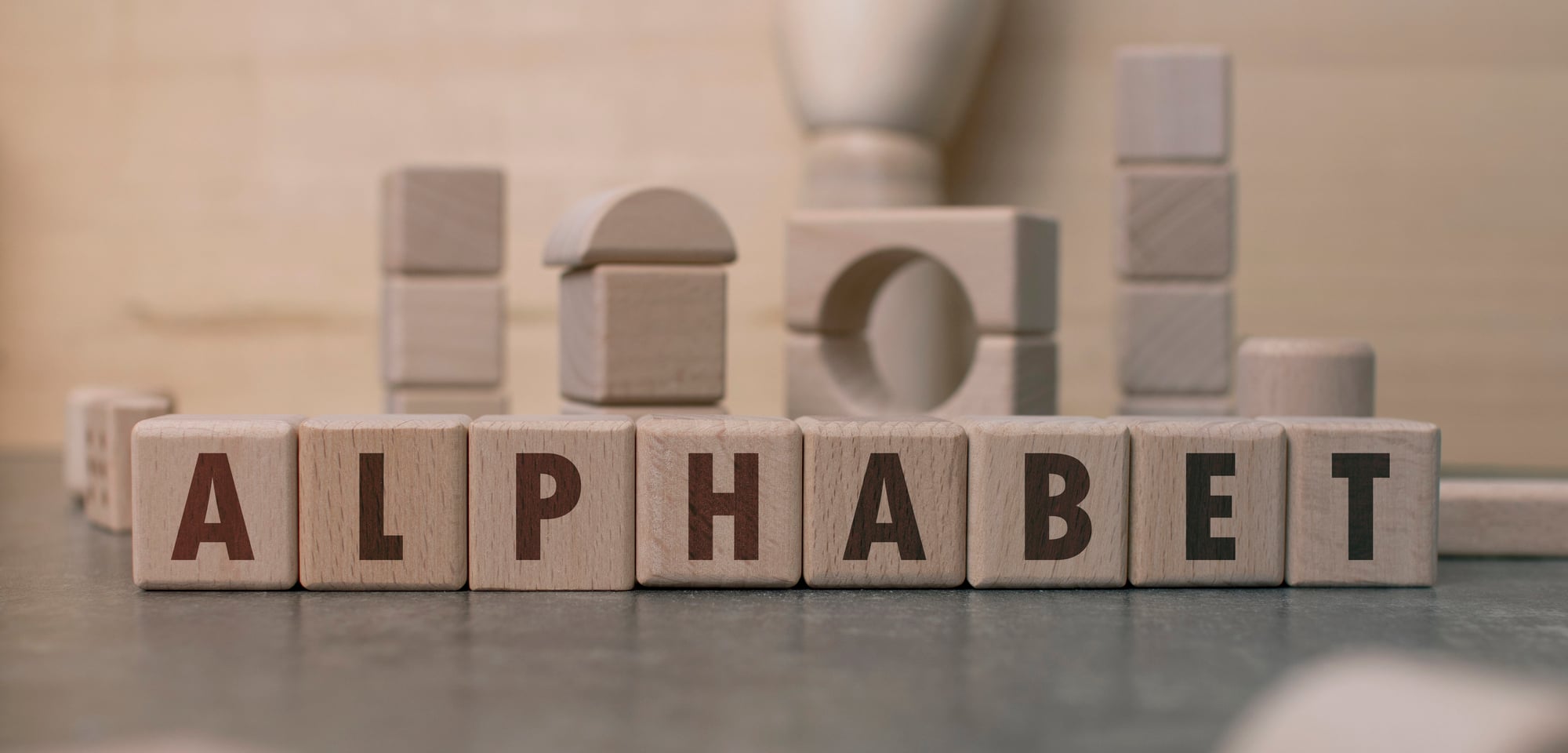
The word ‘alphabet’ itself comes from the first two letters of the Greek writing system: alpha and beta. When combined, they formed the term ‘alphabetos,’ which eventually entered English as ‘alphabet.’
This naming tradition highlights how early writing systems influenced modern language. The simple combination of two letters became the term used to describe the entire system.
The Alphabet Didn’t Always Have 26 Letters
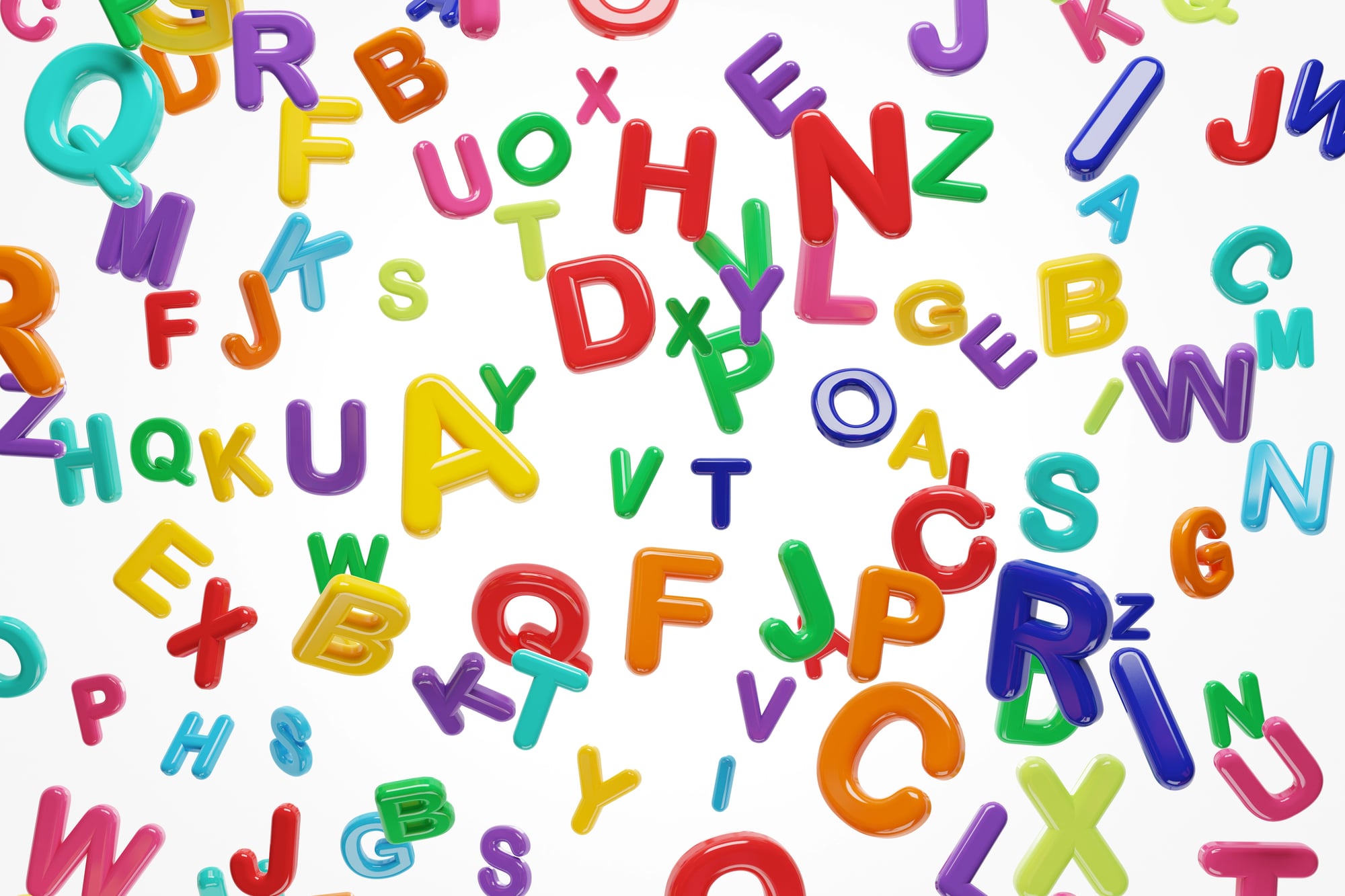
Not every letter made it into today’s alphabet. Twenty-six symbols now stand, though some once common marks have vanished.
Thorn appeared often long ago, standing in for sounds like “th.” That shape faded, even if its voice lingers. Change shaped the set we use, slowly removing what felt unnecessary.
Fewer symbols remained as time passed, yet shapes kept shifting along the way. Into the 1700s, a set of twenty-six characters stood firm – what now lines up in modern usage.
The Letter ‘J’ Was Once Part of ‘I’

Originally in early Latin script, the characters ‘I’ and ‘J’ were identical and writers used the same character for a vowel sound and a consonant sound. It was only in the sixteenth century that linguists started to consider ‘J’ as an independent letter.
The difference finally turned into the norm for printed books and dictionaries.
‘U’ and ‘V’ Were Once the Same Letter

Much like ‘I’ and ‘J,’ the letters ‘U’ and ‘V’ were originally considered variations of a single character. In ancient Latin, the same symbol represented both the vowel and consonant sounds.
Gradually, printers and writers began distinguishing between the two. By the seventeenth century, ‘U’ and ‘V’ had become separate letters with distinct uses.
The Letter ‘W’ Has an Unusual Name

The name ‘double u’ may seem slightly odd when looking at the shape of the letter ‘W.’ In fact, the letter originally developed from a combination of two ‘V’ shapes in early medieval writing.
Because early scripts used ‘V’ for both sounds, the letter was described as a ‘double u.’ The name remained even after the letter developed its own distinct appearance.
‘E’ Is the Most Common Letter in English

In written English, the letter ‘E’ appears more frequently than any other letter. Many common words rely on this vowel, making it essential in everyday communication.
Its high frequency has influenced everything from typing strategies to word puzzles. Even classic word games often account for the prevalence of ‘E.’
‘Z’ Is One of the Least Common Letters

At the opposite end of the spectrum, ‘Z’ appears far less often in English words. While it plays an important role in certain terms, it occurs relatively rarely compared with vowels or common consonants.
Because of this scarcity, the letter often carries high point values in word-based board games.
The Alphabet’s Order Is Very Old
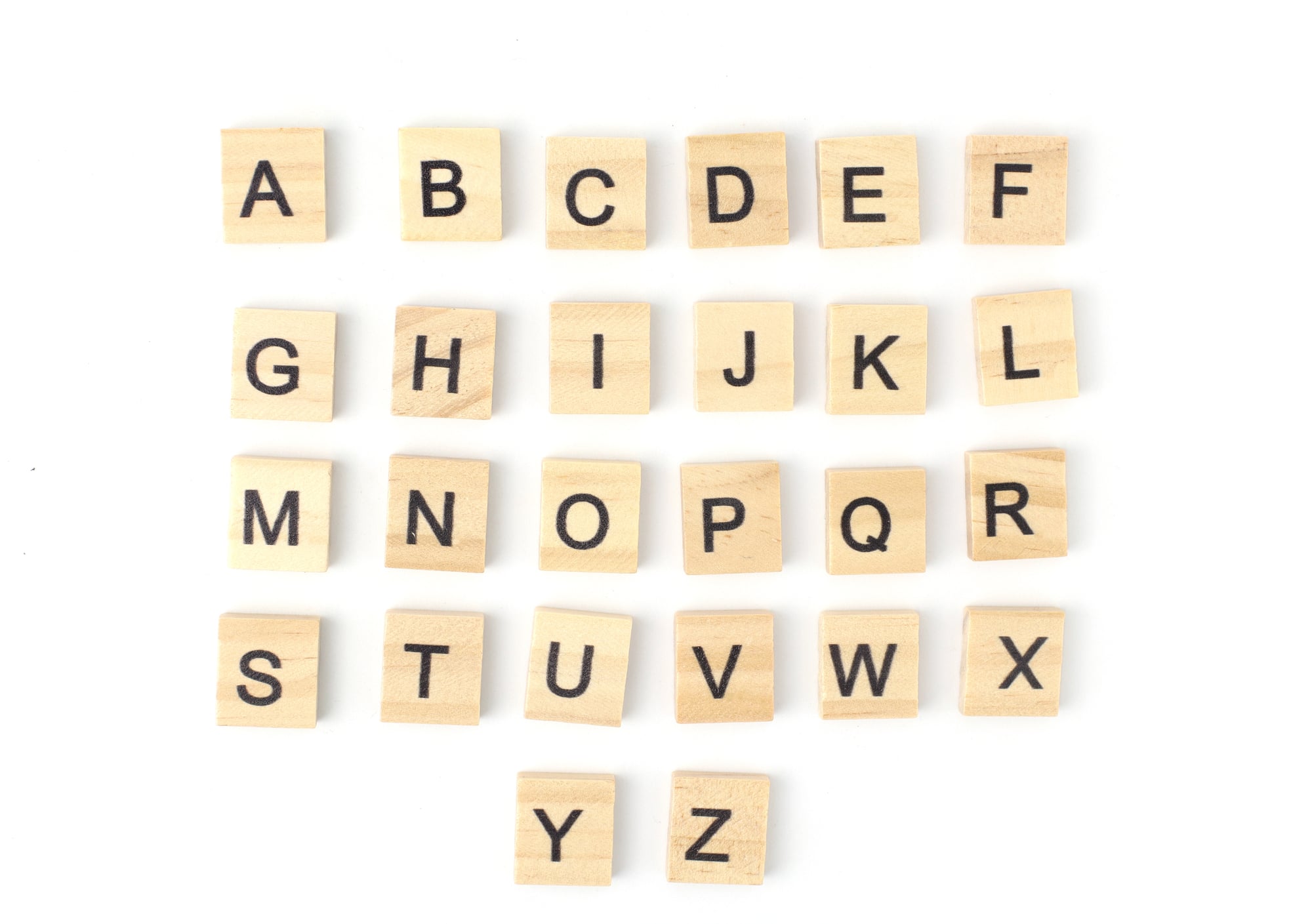
The order of the alphabet may feel arbitrary, yet it has remained surprisingly stable for thousands of years. The sequence used today closely resembles the order used in the ancient Phoenician alphabet.
This consistency suggests that early writing systems established patterns that later cultures continued to follow.
‘Q’ Almost Always Appears with ‘U’
In English spelling, the letter ‘Q’ almost always appears alongside the letter ‘U.’ Words such as ‘quick,’ ‘quiet,’ and ‘question’ follow this familiar pattern.
Although a few borrowed words break the rule, the ‘qu’ combination has become a defining feature of English spelling.
Silent Letters Are Common

Many English words contain letters that are written but not pronounced. Examples include the ‘k’ in ‘knife’ and the ‘b’ in ‘doubt.’
These silent letters often remain because of historical spelling patterns or influences from other languages. They provide clues about how words were once pronounced centuries ago.
The Alphabet Is Used Worldwide
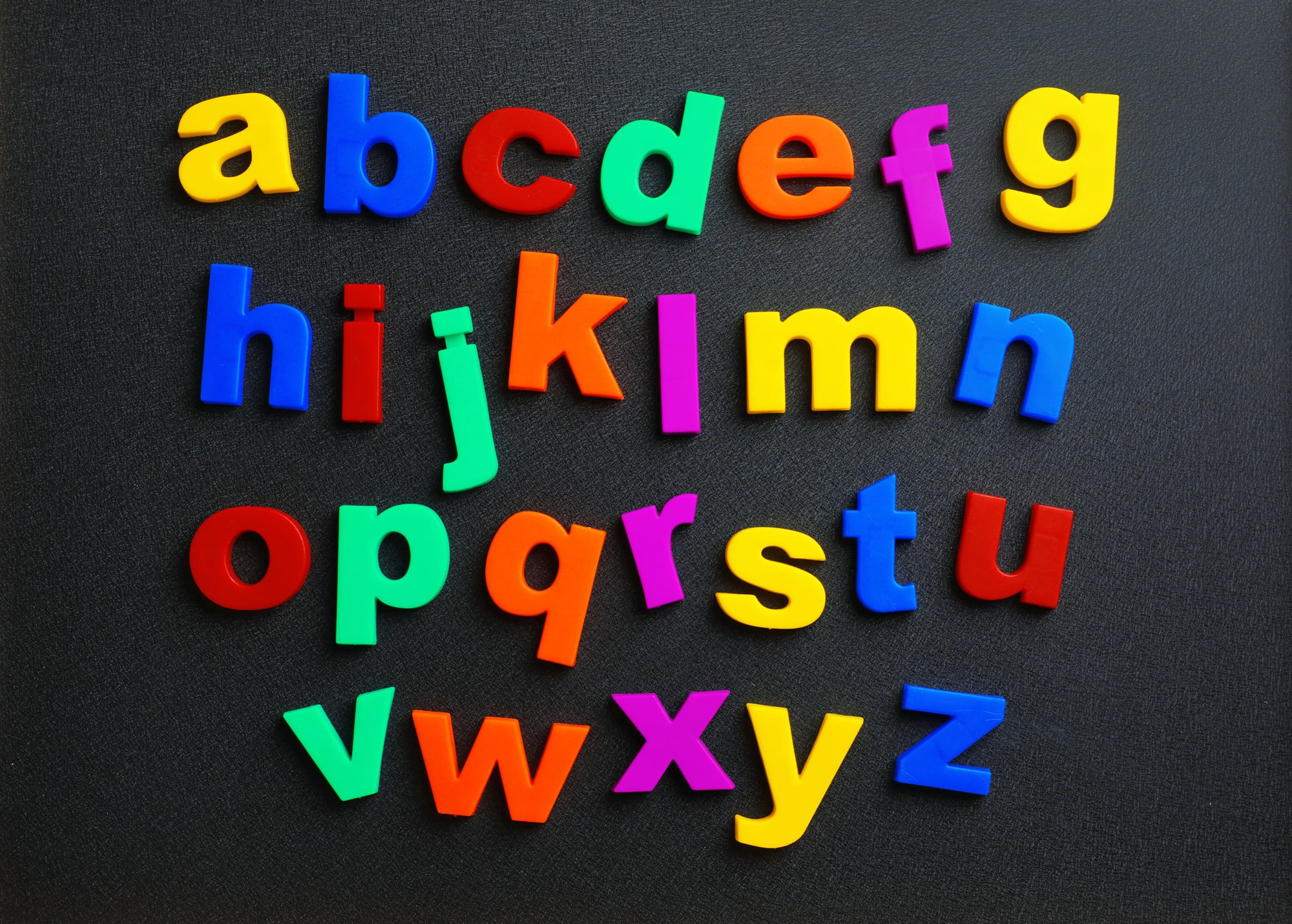
Although the English alphabet developed in Europe, it is now used by hundreds of languages around the world. Many countries adopted the Latin script because of trade, colonization, or cultural exchange.
Different languages adapt the alphabet by adding accents or modifying letters to represent unique sounds.
Some Letters Represent Multiple Sounds
The fact that many letters in English represent multiple sounds is one reason why spelling the language can be difficult. For instance, the letter “C” can make a hard sound like “cat” or a soft sound like “city.”
The intricate history of English vocabulary, which incorporated terms from numerous languages, is reflected in these variations.
Capital Letters Were Not Always Used

Each letter was frequently used in just one form in early writing systems. Later, as writing styles changed, the distinction between capital and lowercase letters emerged.
Smaller letter forms were used by medieval scribes to increase writing speed and legibility. The two styles eventually became commonplace in printed texts.
The Alphabet Inspired Code Systems

The letters of the alphabet form the basis for numerous code systems and communication methods. Military radio communication, for example, uses the NATO phonetic alphabet to avoid confusion when spelling words.
This system assigns a unique word to each letter, helping ensure clarity during radio transmissions.
Some Letters Rarely Start Words
Certain letters seldom appear at the start of words, but many do. In English vocabulary, letters like “X” and “Z” are much less common as beginning characters.
The patterns of sounds that are frequently used in the language are reflected in this unequal distribution.
The Alphabet Influenced Printing Technology
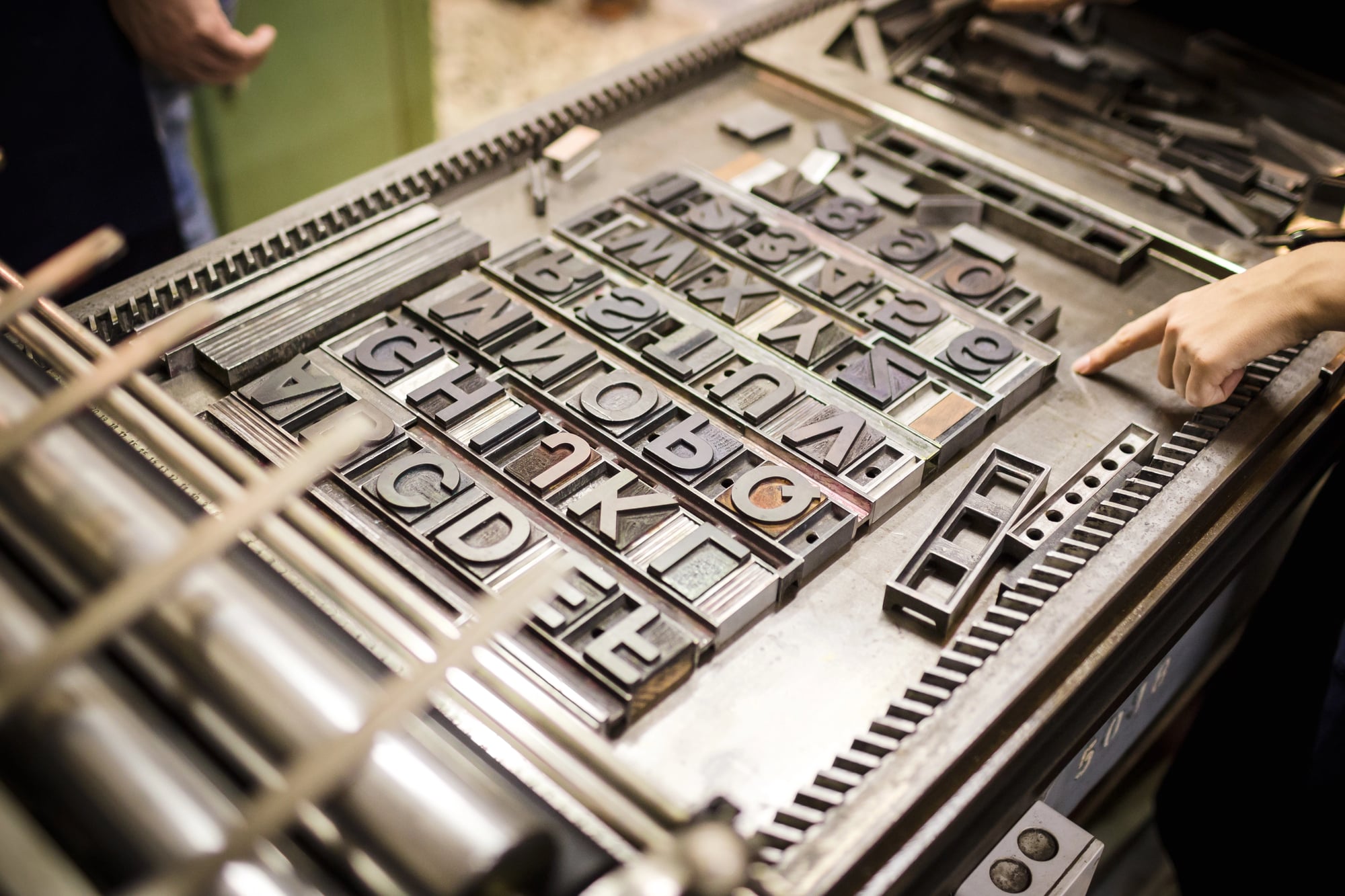
The printing press’s development in the fifteenth century was crucial to the alphabet’s standardization. For printers to efficiently produce readable texts, letter forms had to be consistent.
Spelling and letter usage became more consistent across various regions as books became more widely accessible.
Alphabet Songs Help Children Learn

The alphabet song is one of the most popular methods for teaching young children. Kids can easily learn the alphabet’s order because the song connects letters to a straightforward melody.
This method of teaching early reading skills has been around for a while and is still one of the most effective.
Why the Alphabet Still Matters
Each letter builds a word, yet its job stretches past mere spelling. Tiny as they seem, these shapes carry tales, studies, sometimes entire programs around the world.
One stroke on a page might ripple into schools, experiments, busy sidewalks. Even now, after hundreds of years, letters keep shifting as voices shift with how people live together.
Lasting across generations, these small shapes carry each tale ever spoken.
More from Go2Tutors!

- The Romanov Crown Jewels and Their Tragic Fate
- 13 Historical Mysteries That Science Still Can’t Solve
- Famous Hoaxes That Fooled the World for Years
- 15 Child Stars with Tragic Adult Lives
- 16 Famous Jewelry Pieces in History
Like Go2Tutors’s content? Follow us on MSN.