19 Times the Wrong Person Was Blamed for a Crime
Justice isn’t always blind—sometimes it’s looking in entirely the wrong direction. Throughout history, countless individuals have found themselves targeted, convicted, and punished for crimes they didn’t commit. These miscarriages of justice stem from various factors, including witness misidentification, police misconduct, forensic errors, and sometimes just plain bad luck.
Here is a list of 19 notable cases where the wrong person was blamed for a crime, reminding us that our justice system, despite its ideals, remains imperfect.
The Central Park Five

In 1989, five teenage boys were convicted of attacking a jogger in Central Park. They spent between 6 and 13 years in prison before DNA evidence exonerated them all.
The actual perpetrator, Matias Reyes, eventually confessed to committing the crime alone, and his DNA matched evidence from the scene.
Sally Clark

British solicitor Sally Clark was convicted of murdering her two infant sons based on faulty statistical evidence presented by pediatrician Sir Roy Meadow. He incorrectly claimed the probability of two natural cot deaths was one in 73 million, swaying the jury.
Clark served three years before her conviction was overturned, but the trauma left her broken, and she died of alcohol poisoning four years after her release.
Cameron Todd Willingham

Willingham was executed in Texas in 2004 for allegedly setting a fire that killed his three daughters. Multiple fire experts have since concluded that the original investigation was based on outdated methods and that the fire was likely accidental.
The case represents one of the clearest examples of a potentially innocent person executed in modern America.
The Birmingham Six

Six Irishmen were wrongfully convicted of bombing two pubs in Birmingham, England in 1974. They endured 16 years in prison before forensic evidence proving their innocence came to light.
Their case became emblematic of anti-Irish sentiment in Britain during the Troubles and exposed serious flaws in the criminal justice system.
Steven Avery

Made famous by the Netflix documentary ‘Making a Murderer,’ Avery served 18 years for an assault he didn’t commit before DNA evidence cleared him in 2003. Just two years after his release, he was arrested and convicted for the murder of Teresa Halbach, though controversy surrounds this second conviction as well.
The case highlights the complex aftermath that can follow a wrongful conviction.
The Guildford Four

Four people were falsely convicted of pub bombings carried out by the IRA in 1974. They spent 15 years in prison before their convictions were overturned in 1989.
The case inspired the film ‘In the Name of the Father’ and remains a stark reminder of how justice can be corrupted during times of political tension.
Richard Jewell
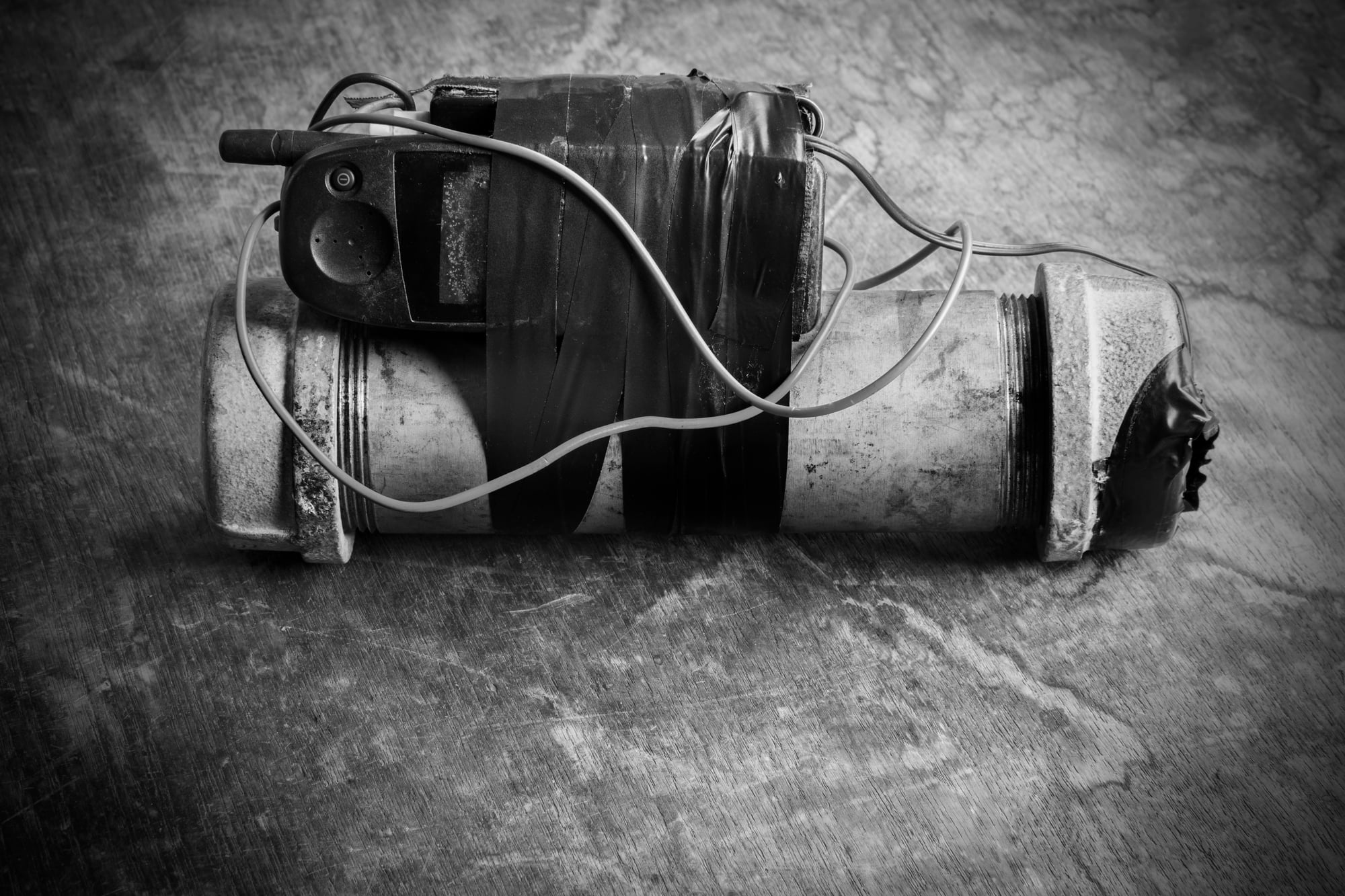
Initially hailed as a hero for discovering a pipe bomb during the 1996 Atlanta Olympics and helping evacuate people before it exploded, Jewell quickly became the FBI’s prime suspect. The media portrayed him as guilty before any charges were filed.
Though eventually cleared, the false accusations permanently damaged his reputation and health.
Alfred Dreyfus
In 1894, French army captain Alfred Dreyfus was wrongfully convicted of treason in a case that divided France. The real culprit was another officer, but anti-Semitism led authorities to target Dreyfus.
He spent five years on Devil’s Island before being exonerated. The Dreyfus Affair, as it became known, exposed deep institutional prejudices in French society.
The Norfolk Four
Four U.S. Navy sailors were convicted of rape and murder based solely on confessions obtained under extreme duress. DNA evidence later implicated another man, Omar Ballard, who confessed to committing the crime alone.
The case exemplifies how false confessions can occur when vulnerable suspects are subjected to coercive interrogation techniques.
Lindy Chamberlain

Chamberlain was convicted of murdering her nine-week-old daughter Azaria in Australia, famously claiming that ‘a dingo took my baby.’ The public and media ridiculed her statement, but she was exonerated years later when new evidence proved a dingo attack was indeed responsible.
Her case shows how public perception and media coverage can severely impact criminal proceedings.
Clarence Brandley

A high school janitor in Texas, Brandley was convicted of the rape and murder of a 16-year-old student. An investigator reportedly told him, ‘One of you is going to hang for this. Since you’re the n-word, you’re elected.’
After 10 years on death row, Brandley was exonerated when evidence of police misconduct and suppressed evidence came to light.
Sam Sheppard

The real-life inspiration for ‘The Fugitive,’ Dr. Sheppard was convicted of murdering his wife in 1954. Media coverage was so prejudicial that the Supreme Court later called it a ‘carnival atmosphere.’
After serving 10 years, he was granted a new trial and acquitted, though the publicity destroyed his medical career and personal life.
Ronald Cotton
Cotton spent 10 years in prison for rape based on victim Jennifer Thompson’s confident but mistaken identification. DNA evidence later exonerated him and identified the actual rapist.
Thompson and Cotton later became friends and co-authored a book about the dangers of eyewitness testimony, showing how memory can be both powerful and deeply flawed.
Walter McMillian

McMillian was sentenced to death for the murder of a young white woman in Alabama despite being at a church fish fry with dozens of witnesses at the time of the crime. He spent six years on death row before being exonerated.
His case, featured in the book and film ‘Just Mercy,’ highlights how racial prejudice can override even the most solid alibi evidence.
The Exonerated Five

These are the same individuals previously known as the Central Park Five, now referred to by many as the Exonerated Five to acknowledge their innocence.
Beyond their wrongful convictions, their case demonstrates how terminology itself can perpetuate stigma, and how language matters in discussions of criminal justice.
Alan Turing

Though not accused of a typical crime, the brilliant mathematician was prosecuted for homosexual acts in 1952. Given a choice between imprisonment or chemical castration, he chose the latter.
His treatment led to his suicide two years later. In 2009, the British government apologized for its treatment of Turing, whose work had been crucial to Allied victory in World War II.
Rubin ‘Hurricane’ Carter

A promising boxer, Carter was convicted twice for a triple murder he didn’t commit. He spent nearly 20 years in prison before being exonerated in 1985.
His case inspired a Bob Dylan song and the film ‘The Hurricane.’ Carter later founded an organization dedicated to freeing wrongfully convicted prisoners.
Joe Arridy

Arridy, who had an IQ of 46, was executed in Colorado in 1939 for a murder and rape despite substantial evidence of his innocence. The actual killer was already in custody.
Arridy, who didn’t understand what was happening to him, gave away his toy train to another inmate before his execution. In 2011, he was granted a posthumous pardon.
West Memphis Three

Three teenagers were convicted of murdering three boys in Arkansas based largely on their interest in heavy metal music and occult topics. After 18 years in prison, new DNA evidence led to their release.
Their case, documented in the ‘Paradise Lost’ trilogy, shows how moral panics can lead to the targeting of nonconformist individuals.
The Legacy of Injustice

These cases represent just a tiny fraction of wrongful convictions throughout history. Each story involves real people whose lives were irrevocably altered by systemic failures.
The development of DNA testing has helped exonerate hundreds, but countless others remain imprisoned or have died without vindication. As forensic techniques continue to evolve and advocacy groups like the Innocence Project press forward, we’re forced to confront an uncomfortable truth: justice is only as reliable as the humans who administer it.
More from Go2Tutors!

- 20 Historical Artifacts That Scientists Can’t Explain
- 15 Unforgettable Candy Bars From The 60s and 70’s That Disappeared Too Soon
- 20 Countries That No Longer Exist and What Happened to Them
- 20 Forgotten Fast Food Items From the 80’s That Need to Come Back
- Famous Battles: How Much Do You Really Know About U.S. History?
Like Go2Tutors’s content? Follow us on MSN.



