17 Legendary Navy Battles That Changed History
The clash of warships on open water carries a weight that land battles rarely match. When navies meet, empires rise and fall in the span of hours.
Trade routes shift, colonies change hands, and the balance of global power pivots on cannon smoke and courage. These seventeen encounters didn’t just decide who controlled the seas — they rewrote the map of human civilization.
Salamis
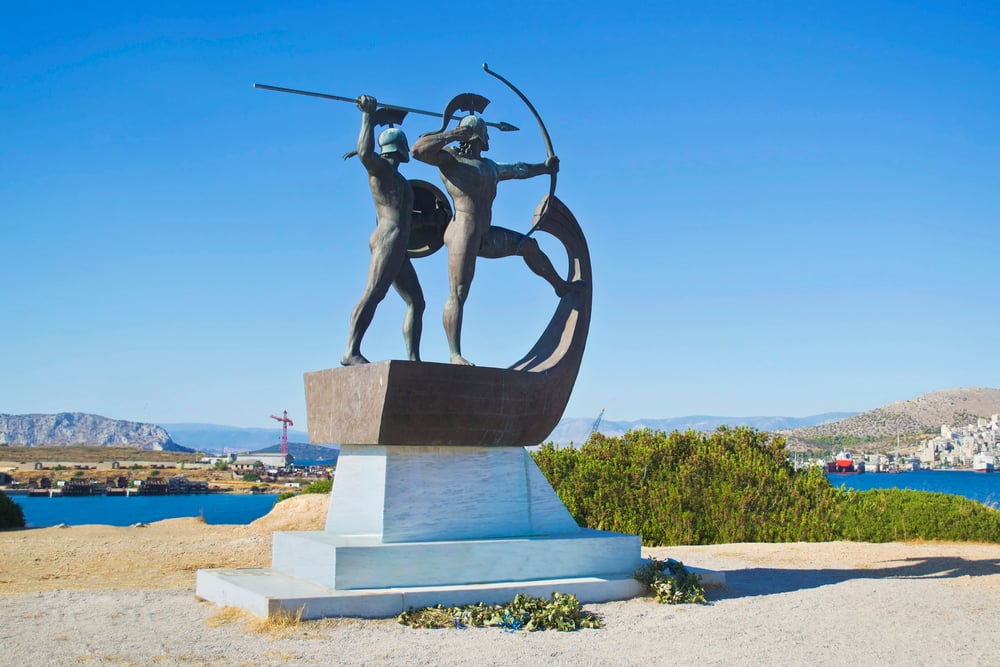
The Persian fleet stretched across the horizon like a dark promise of conquest. Xerxes watched from his golden throne, expecting to witness the final destruction of Greek resistance.
Instead, he saw his empire’s naval supremacy shattered against the narrow straits of Salamis in 480 BCE.
The Greeks turned geography into their greatest weapon. Themistocles lured the massive Persian force into confined waters where their numbers became a liability rather than an advantage.
Persian ships collided with each other while Greek triremes struck with surgical precision.
Actium
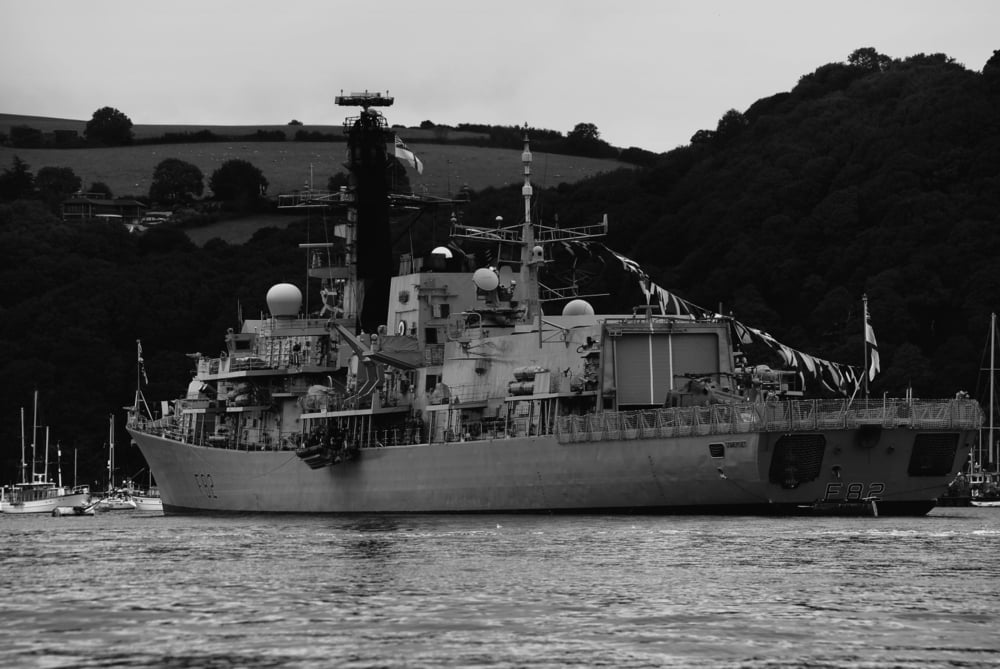
Mark Antony and Cleopatra’s combined fleet should have dominated the waters off western Greece. They had the ships, the experience, and the desperation of people fighting for their very survival.
But Octavian’s admiral Agrippa understood something they didn’t: sometimes the battle is won before the first arrow flies.
The engagement in 31 BCE wasn’t just about naval tactics — though Agrippa’s lighter, more maneuverable vessels consistently outfought the heavier Egyptian ships. It was about the Roman Republic’s final transformation into the Roman Empire, with Octavian (soon to be Augustus) emerging as the sole ruler of the Mediterranean world.
And when Cleopatra’s flagship suddenly turned and fled (whether from cowardice, strategy, or simple recognition of inevitable defeat), she took with her the last real challenge to Roman dominance for centuries to come.
Lepanto
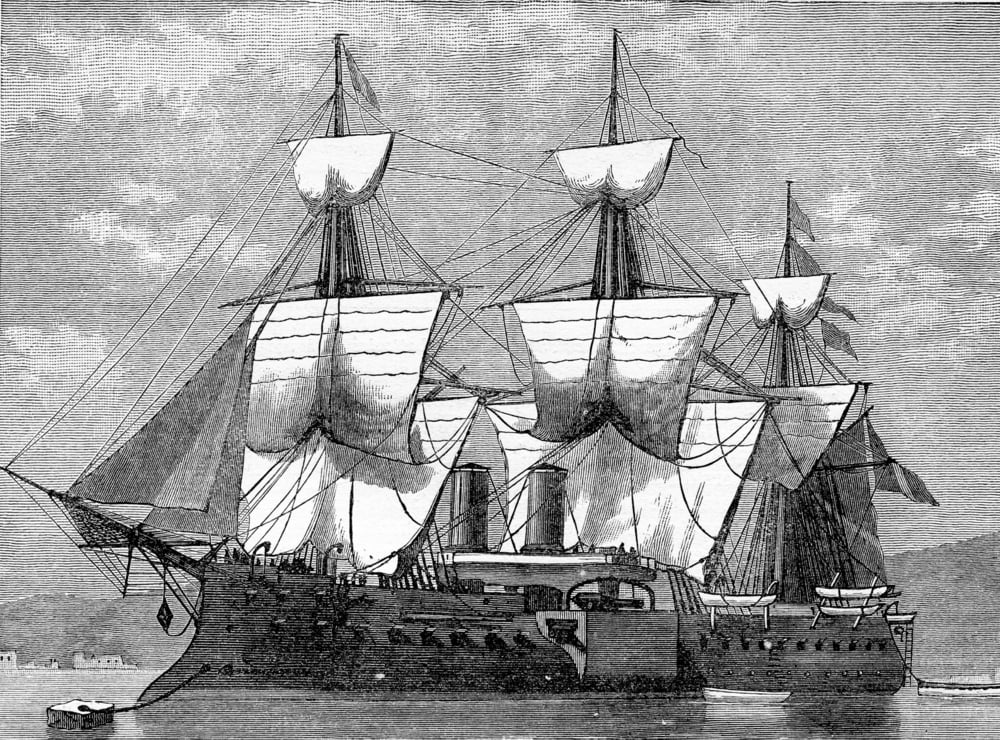
Picture a floating city built from wood and canvas, bristling with cannons and packed with men who knew they were fighting for the soul of the Mediterranean. The Holy League’s fleet — a coalition of Christian powers led by Spain, Venice, and the Papal States — faced down the Ottoman Empire’s seemingly unstoppable naval machine in 1571.
The Ottomans had swept across the eastern Mediterranean for decades, and their galleys carried the confidence of an empire that had rarely tasted defeat at sea.
But confidence, it turns out, makes a poor substitute for adaptability. The Christian fleet brought something new to the water: galleasses, hybrid vessels that combined the firepower of sailing ships with the maneuverability of galleys.
When the two forces collided off the coast of Greece, the sound of splintering wood and exploding gunpowder could be heard for miles. The Ottoman fleet, for all its reputation, simply disintegrated.
Spanish Armada
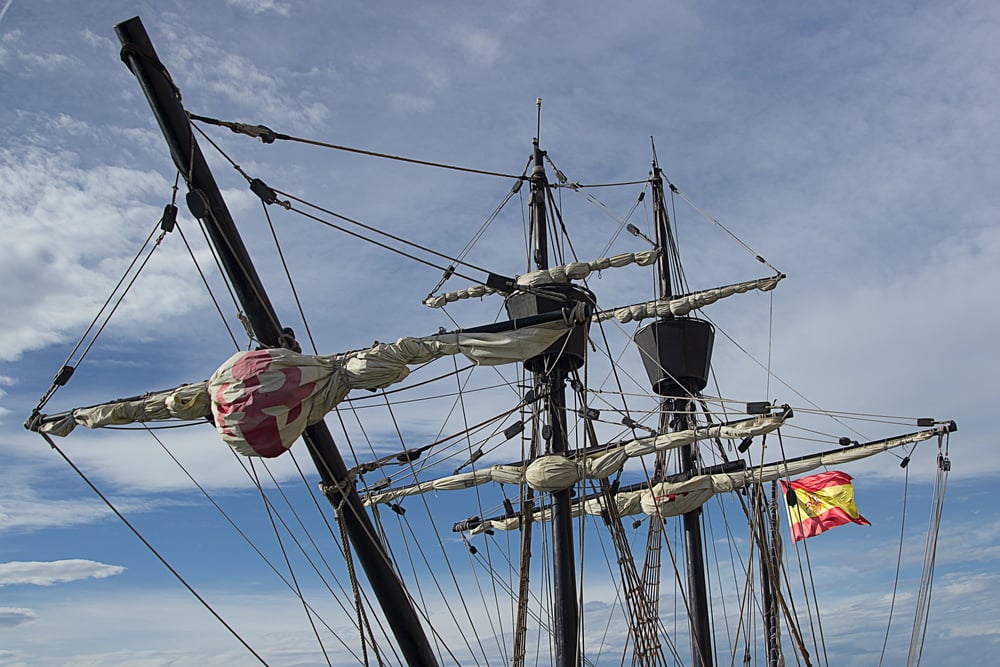
Philip II of Spain assembled the most formidable naval force Europe had ever seen. 130 ships carrying 30,000 men, blessed by the Pope and funded by New World gold.
The plan was elegant in its simplicity: sail north, sweep aside the English fleet, and restore Catholic rule to a heretical island kingdom.
The English had other ideas. Francis Drake and his fellow sea dogs turned the English Channel into a gauntlet of harassment and humiliation.
Spanish ships, built for boarding actions in calmer Mediterranean waters, couldn’t match the maneuverability of English galleons designed for Atlantic storms.
Weather finished what English seamanship started. The Armada’s retreat around Scotland and Ireland became a maritime disaster of biblical proportions.
Trafalgar
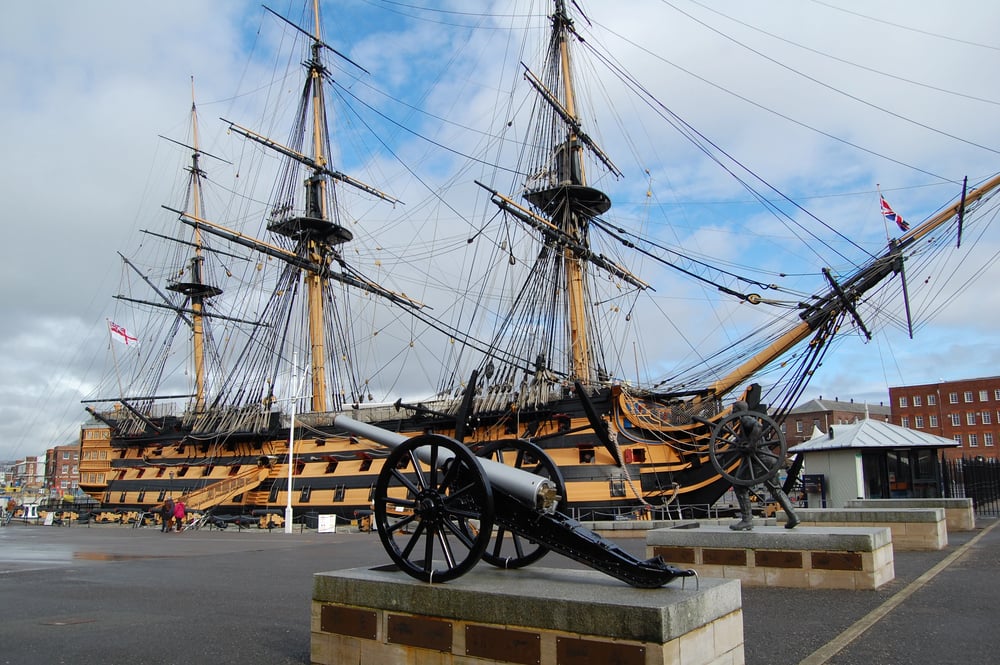
Nelson’s signal flags spelled out “England expects that every man will do his duty,” but his tactical genius spoke louder than any words. The British fleet carved through the combined French and Spanish line like a knife, shattering the maritime dreams of Napoleon’s empire in a single afternoon.
October 21, 1805, marked the moment when British naval supremacy shifted from probable to inevitable, though it cost Nelson his life in the process — a trade that secured Britain’s dominance of the seas for the next century and fundamentally altered the trajectory of the Napoleonic Wars.
And yet the victory’s true significance lay not in its immediate tactical brilliance (though breaking the enemy line in two columns was audacious to the point of recklessness) but in its strategic permanence: after Trafalgar, Napoleon never seriously threatened British control of the Atlantic again.
France’s colonial ambitions withered, British trade routes flourished under naval protection, and the Royal Navy’s reputation became so fearsome that enemy fleets often chose to remain in port rather than face it in open combat. The battle didn’t just win a war; it established the maritime foundation of the British Empire’s golden age.
Hampton Roads
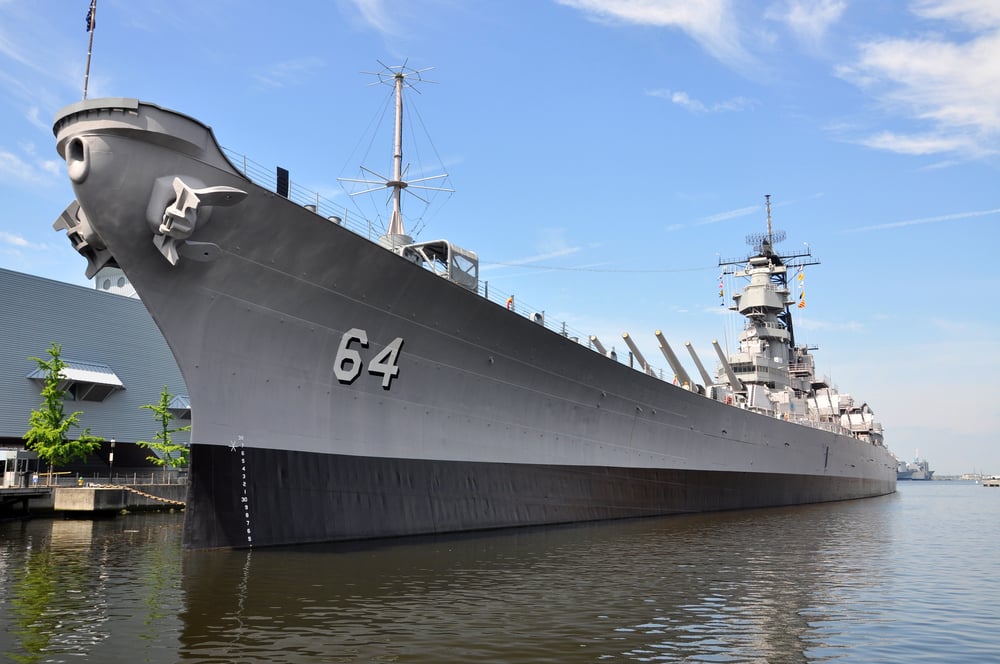
Something unprecedented emerged from the mists of the Chesapeake Bay on March 8, 1862. The CSS Virginia, built from the burned hull of the USS Merrimack and armored with iron plates, steamed toward the Union blockade fleet like a mechanical sea monster from the future.
Cannon orbs bounced off its sloped sides like pebbles, and within hours it had destroyed two Union warships and driven the rest into panicked retreat.
The age of wooden warships died that afternoon. But the Virginia’s moment of triumph lasted exactly one day.
The next morning, the USS Monitor appeared — an even stranger vessel, little more than a revolving gun turret mounted on a low iron raft. The two ironclads hammered at each other for hours without decisive result, but the implications were crystal clear.
Every wooden warship in the world had just become obsolete.
Tsushima
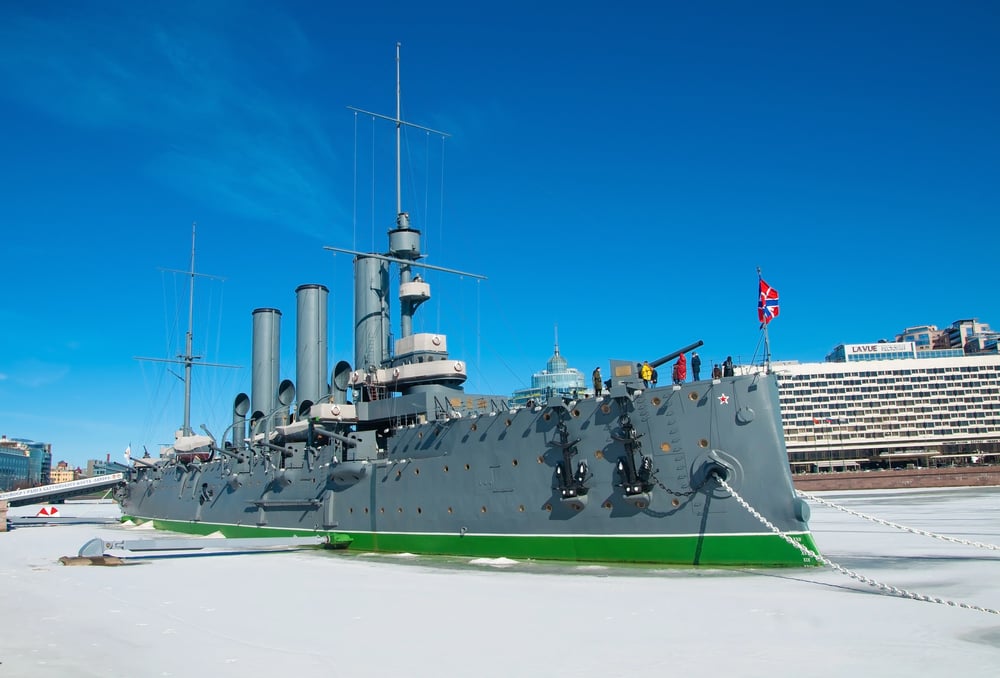
The Russian Baltic Fleet had sailed halfway around the world to restore Russian honor in the Far East. Admiral Rozhestvensky’s ships had endured mechanical failures, supply shortages, and international incidents during their epic voyage to the Pacific.
They arrived exhausted, outgunned, and facing an enemy that had spent months preparing for exactly this encounter.
Admiral Togo’s fleet intercepted the Russians in the straits between Korea and Japan in May 1905. The Japanese had learned their gunnery lessons from British instructors and applied them with devastating precision.
Russian ships burned and sank throughout the afternoon until Rozhestvensky’s proud fleet simply ceased to exist as a fighting force.
The victory established Japan as a major naval power and marked the first time in centuries that an Asian nation had decisively defeated a European fleet.
Jutland
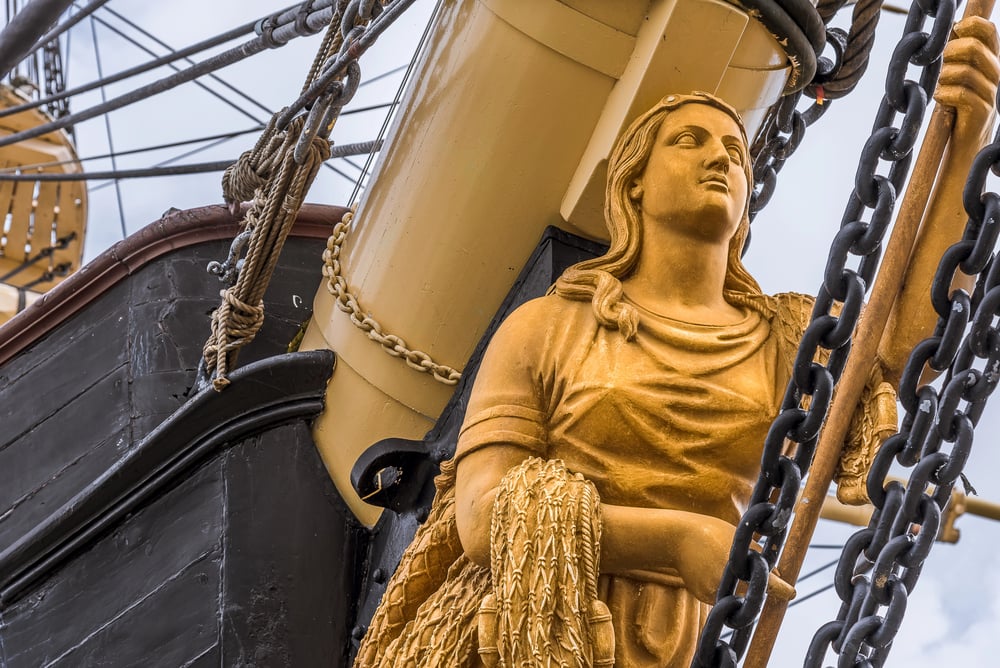
The High Seas Fleet finally came out to fight, and the Royal Navy got the decisive battle it had been craving since 1914. Admiral Jellicoe’s Grand Fleet possessed every advantage: more ships, bigger guns, and the tactical initiative.
The clash in the North Sea should have ended with German naval power crushed beyond recovery. Instead, both fleets limped home claiming victory while the war dragged on for two more years.
The numbers told a contradictory story. Germany had sunk more British ships and killed more British sailors, but the strategic situation remained unchanged: the Royal Navy still controlled the North Sea, and German commerce raiders still couldn’t break out into the Atlantic.
Jellicoe later said he was the only man who could have lost the war in an afternoon, and at Jutland, he chose caution over the annihilation his nation expected. History has been arguing about that choice ever since.
Coral Sea
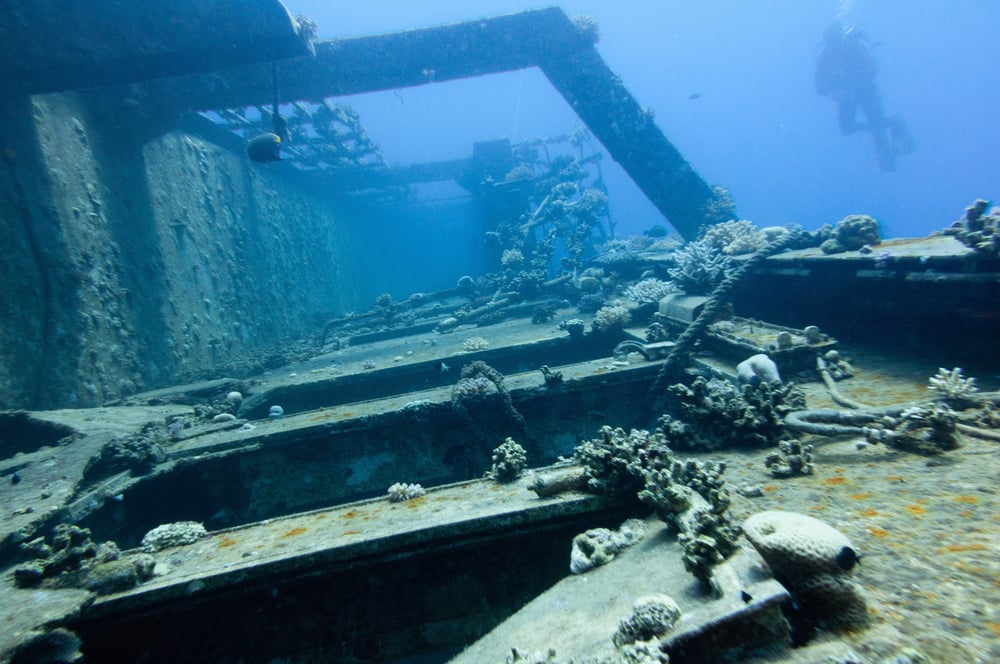
Two carrier fleets groped toward each other across empty ocean, launching aircraft to find and destroy an enemy they couldn’t even see. The Battle of the Coral Sea in May 1942 introduced a new kind of naval warfare where ships fought from hundreds of miles apart, their fates decided by pilots who might never glimpse the vessels they were attacking.
Neither the Americans nor the Japanese achieved a clear tactical victory, but the strategic implications pointed in only one direction.
The Japanese advance toward Australia had been stopped. More importantly, the carrier Shōkaku was damaged and the Zuikaku’s air group was decimated, removing both vessels from the upcoming battle at Midway.
The Americans had learned they could fight the Imperial Navy on equal terms — knowledge that would prove invaluable in the months ahead.
Midway
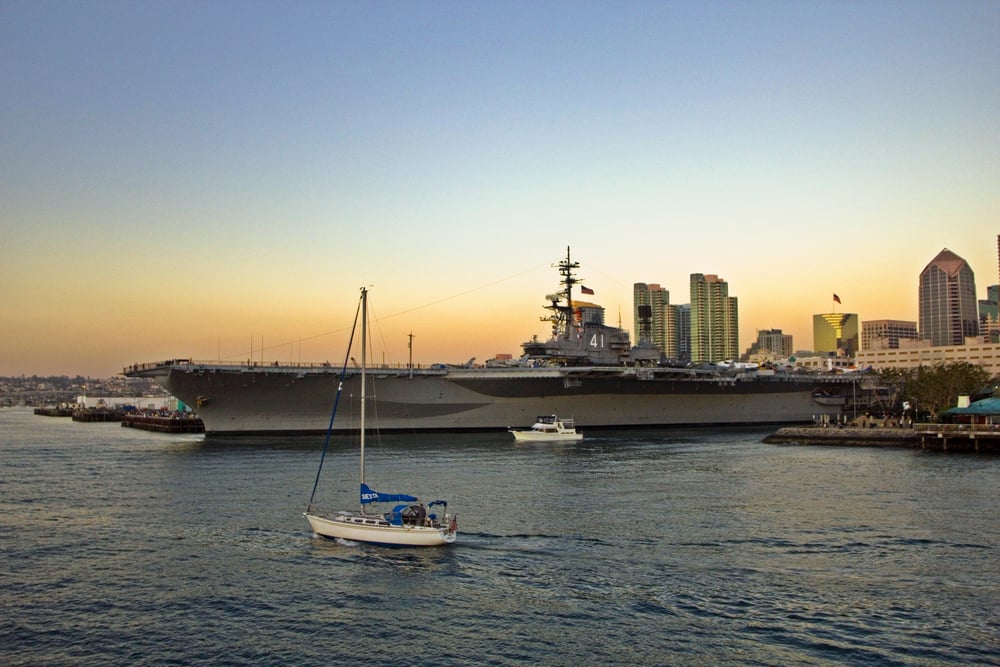
Admiral Nagumo’s carriers had terrorized the Pacific for six months, striking Pearl Harbor, Darwin, and Ceylon with devastating efficiency. The Kidō Butai seemed unstoppable until it encountered American code-breakers who had solved Japan’s naval cipher and dive bombers who arrived at exactly the right moment.
Four Japanese aircraft carriers — Akagi, Kaga, Soryu, and Hiryu — burned and sank during the battle of June 4-7, 1942, taking with them the trained aircrews that had made the Imperial Navy so formidable.
The battle lasted four days, but the decisive phase consumed less than ten minutes. American dive bombers from the Enterprise and Yorktown caught three carriers with their decks crowded with fueled and armed aircraft.
The resulting explosions and fires turned Japan’s premier striking force into floating crematoriums. Japan’s naval aviation never recovered from the losses at Midway.
Philippine Sea
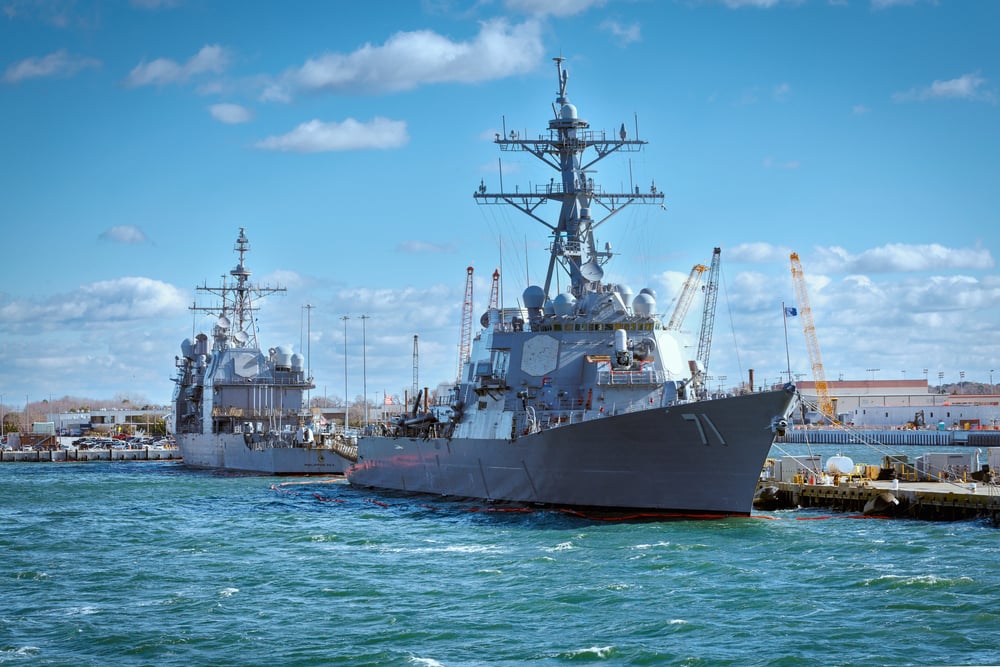
The Japanese fleet came out for one last carrier battle, and Admiral Spruance was waiting with a force so overwhelming that the outcome was never really in doubt. The Great Marianas Turkey Shoot, as American pilots dubbed it, saw 400 Japanese aircraft shot down in a single day while American losses barely registered.
The Imperial Navy’s remaining carriers limped home with empty flight decks and shattered morale, effectively ending Japan’s ability to conduct offensive operations in the Pacific.
But the true measure of American industrial might wasn’t just the number of planes they could put in the air — it was their ability to replace losses faster than the enemy could inflict them. Japanese pilots, many of them hastily trained replacements for veterans lost in earlier battles, found themselves facing American aircrews with hundreds of hours of combat experience and aircraft that outperformed their own in almost every category.
The battle marked the final collapse of Japanese carrier aviation as an effective fighting force.
Leyte Gulf
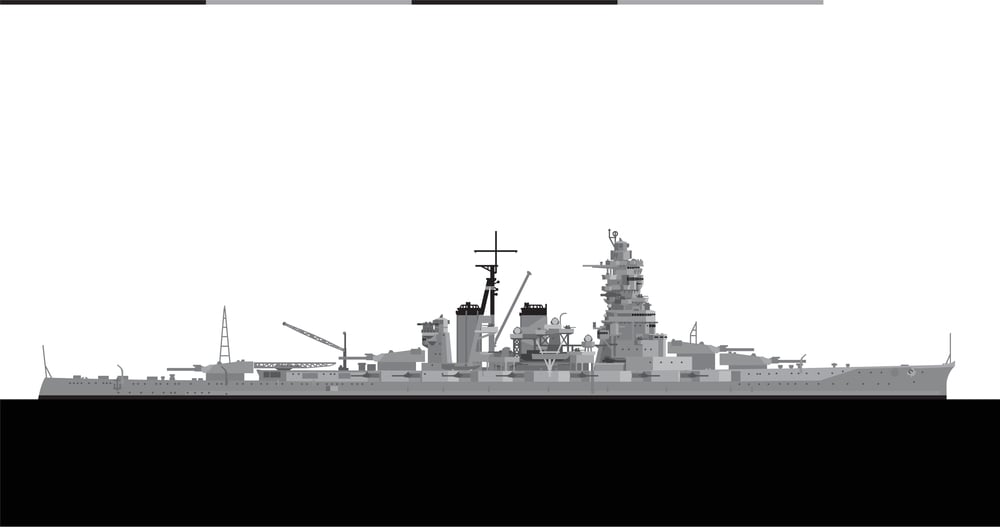
Four separate naval engagements spread across four days created the largest naval battle in human history. The Japanese threw everything they had left at the American invasion of the Philippines: battleships, carriers, cruisers, destroyers, and thousands of aircraft in a desperate gamble to prevent MacArthur’s return.
Admiral Halsey’s Third Fleet and Admiral Kinkaid’s Seventh Fleet met them with overwhelming firepower and tactical coordination that turned the Philippine Sea into a graveyard for the Imperial Navy.
The numbers tell the story of Japan’s maritime collapse: four carriers, three battleships, ten cruisers, and eleven destroyers sent to the bottom, along with most of their remaining trained aircrews. The Combined Fleet ceased to exist as an effective fighting force, leaving Japan’s home islands defenseless against the coming invasion that never came.
Instead, the atomic bombs fell, and Japan surrendered while its surviving warships rusted at anchor, unable to defend even their own harbors.
D-Day
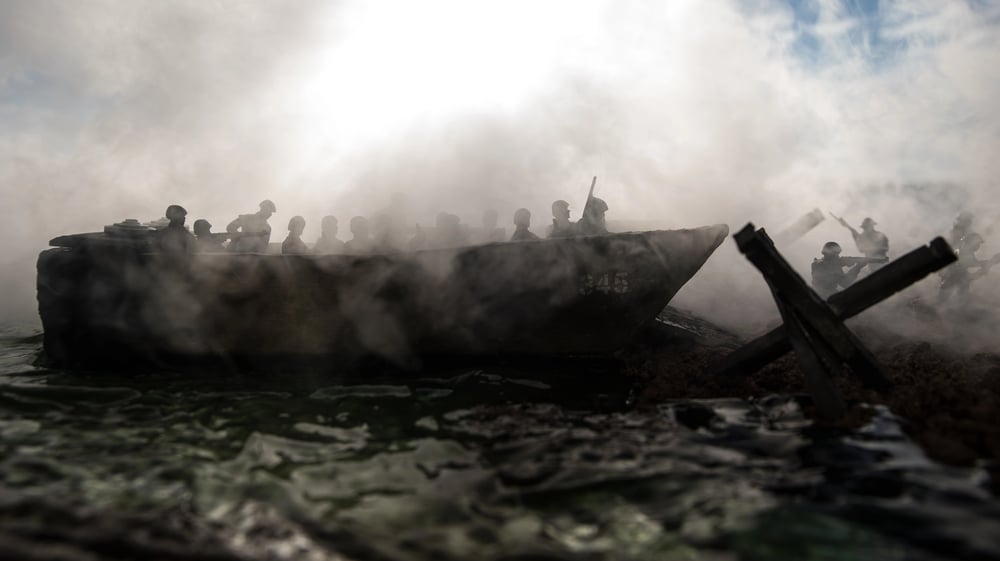
Operation Neptune deserves recognition as one of history’s most successful amphibious assaults, but the naval dimension of D-Day extended far beyond simply ferrying troops across the English Channel. Allied warships provided the artillery that suppressed German coastal defenses, cleared the minefields that could have turned the invasion into a massacre, and maintained the supply lines that sustained the Normandy beachhead during its most vulnerable weeks.
The absence of German naval opposition made the landings possible in the first place. Years of convoy battles and strategic bombing had reduced the Kriegsmarine to a handful of submarines and torpedo boats, none capable of seriously threatening the invasion fleet.
British and American naval supremacy, earned through years of bitter fighting in the Atlantic, transformed what could have been a catastrophic gamble into an inevitable victory.
Atlantic Convoys
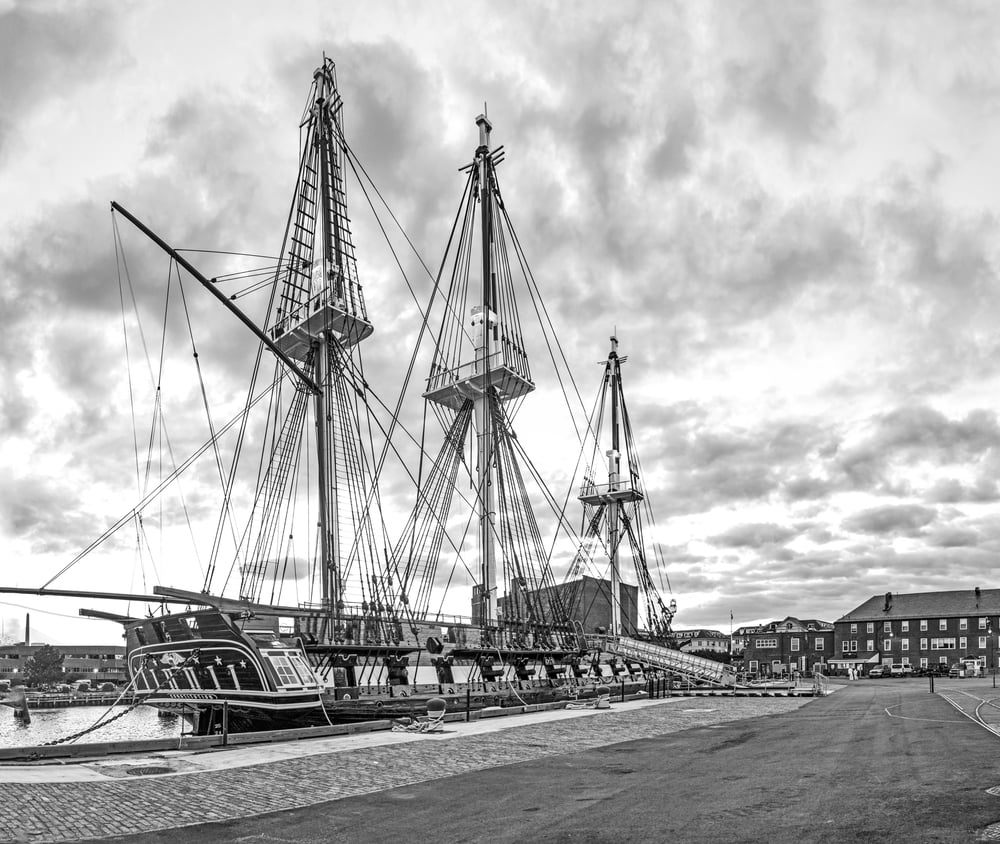
The Battle of the Atlantic wasn’t fought in a single day or in one dramatic engagement — it was a grinding campaign of attrition that lasted six years and determined whether Britain would survive as an independent nation. German U-boats stalked Allied merchant vessels across thousands of miles of ocean, sinking ships faster than Allied shipyards could replace them during the dark months of 1942 when victory seemed to belong to whoever could endure the longest.
Technology and tactics eventually turned the tide in the Allies’ favor. Radar, sonar, escort carriers, and long-range aircraft gradually closed the gaps in convoy protection that U-boats had exploited so effectively.
Code-breaking allowed Allied forces to reroute convoys around waiting wolf packs, while improved depth charges and hedgehog mortars made submarine attacks increasingly suicidal. By 1943, the hunters had become the hunted, and German submarine crews faced casualty rates that made service in the U-boat arm tantamount to a death sentence.
Dogger Bank
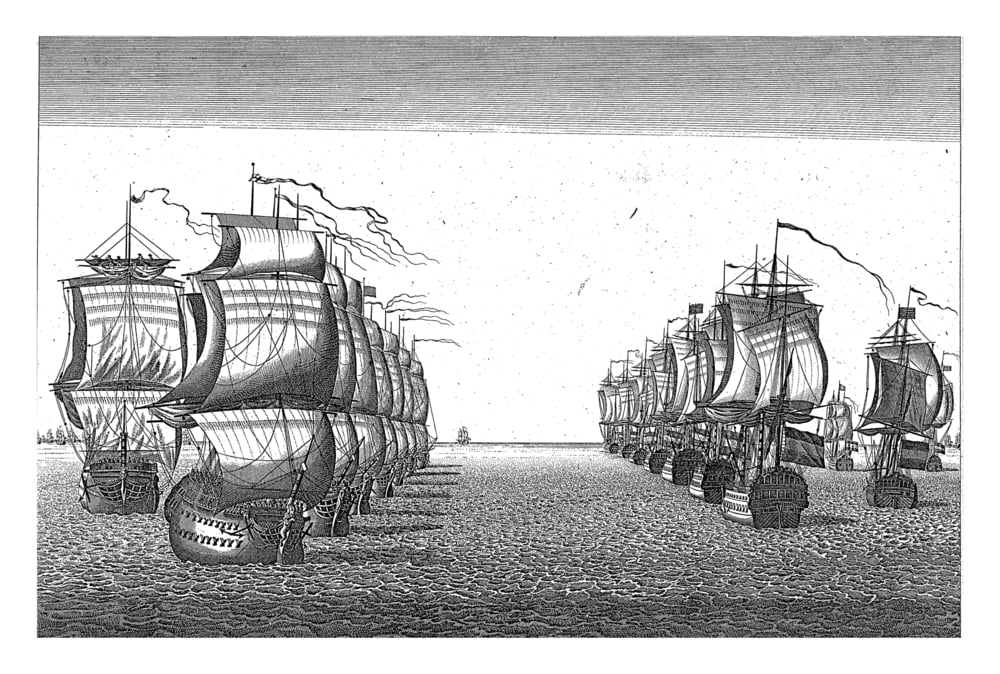
The German battle cruisers had been raiding British coastal towns with impunity, shelling Hartlepool and Scarborough before disappearing back into the North Sea mists. Admiral Beatty’s battle cruiser squadron finally caught them in January 1915, and the running fight that followed demonstrated both the potential and the limitations of these fast, lightly armored warships that seemed to embody the Royal Navy’s aggressive traditions.
British gunnery proved superior, and the German flagship Blücher was pounded into a sinking wreck before the enemy squadron escaped. But the battle also revealed dangerous flaws in British ammunition handling and fire control that would prove catastrophic at Jutland the following year.
Victory at Dogger Bank restored British confidence after early disappointments, but it also bred a dangerous overconfidence in ships and tactics that needed serious revision.
Navarino
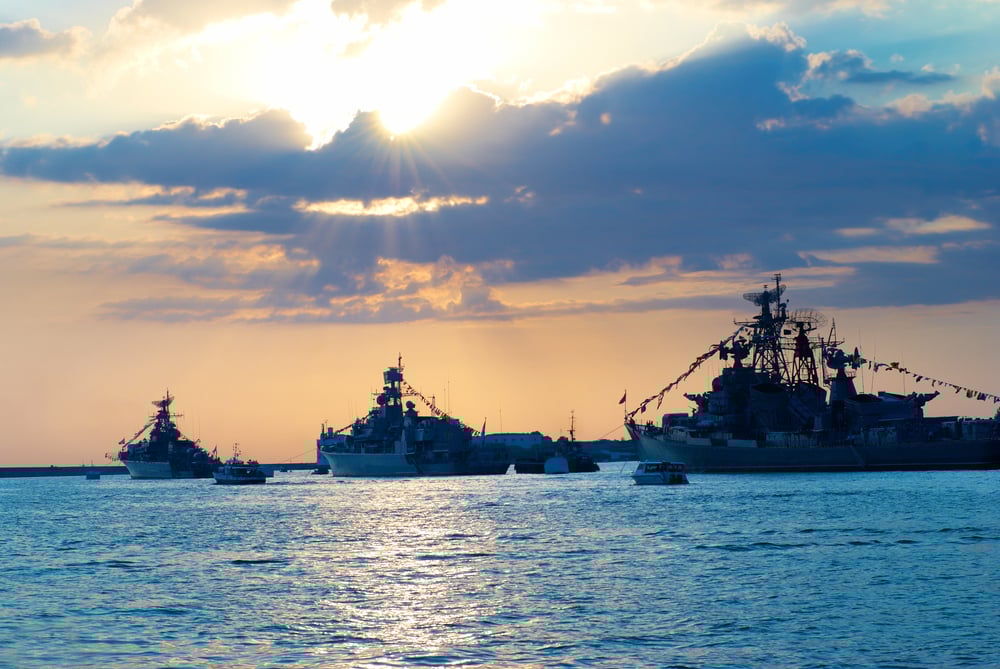
The combined Turkish and Egyptian fleet anchored in Navarino Bay represented the last hope of Ottoman power in the eastern Mediterranean. Sultan Mahmud II’s attempts to crush the Greek War of Independence had reached a critical phase, and Ibrahim Pasha’s veteran forces seemed poised to end Greek resistance once and for all.
Then the British, French, and Russian squadrons arrived, ostensibly to negotiate but actually prepared to fight if diplomacy failed.
Admiral Codrington’s allied fleet entered the bay on October 20, 1827, with orders to maintain the peace but fully expecting battle. When the shooting started — and historians still argue about who fired first — the superior training and firepower of European naval gunnery settled the matter within hours.
The Ottoman fleet was destroyed, Greek independence became inevitable, and the balance of power in the eastern Mediterranean shifted permanently toward the European powers.
The Nile

Admiral Nelson’s Mediterranean squadron had been hunting the French fleet for months, chasing rumors and false reports across the empty sea while Napoleon’s expedition moved toward its mysterious destination in the east. When the British finally found the French anchored in Aboukir Bay near Alexandria, Admiral Brueys had chosen what appeared to be an impregnable defensive position with his line of battle protected by shoals and shore batteries.
Nelson saw an opportunity where other commanders would have seen an impossible challenge. His ships doubled the French line, attacking from both sides simultaneously while the enemy lay at anchor with many of their guns unmanned and their crews scattered ashore.
The French flagship L’Orient exploded with such violence that the sound could be heard in Alexandria, and by dawn Napoleon’s dreams of eastern conquest were burning wrecks on an Egyptian beach.
Echoes Across Time
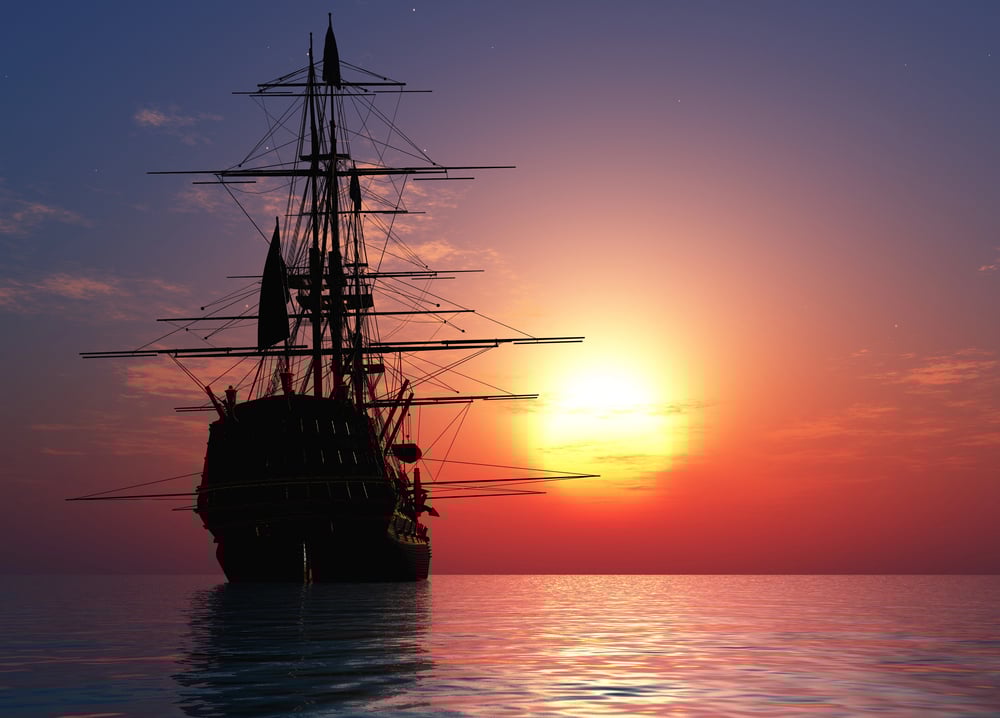
These seventeen encounters span more than two millennia, yet they share common threads that reveal something fundamental about naval warfare’s role in shaping human history. Each battle occurred at a moment when the existing balance of power had become unstable, when technological innovation or strategic necessity forced nations to risk everything on the outcome of a single engagement.
The lessons they offer extend beyond tactics and technology to questions of leadership, preparation, and the willingness to adapt when circumstances demand change. Nelson’s tactical brilliance at Trafalgar built on decades of experience gained in smaller actions, while the disaster that befell the Spanish Armada resulted partly from Spanish inability to adapt their Mediterranean fighting methods to Atlantic conditions.
The pattern repeats across centuries: those who learned from changing conditions survived and prospered, while those who clung to outdated methods found themselves on the wrong end of history’s verdict.
More from Go2Tutors!

- The Romanov Crown Jewels and Their Tragic Fate
- 13 Historical Mysteries That Science Still Can’t Solve
- Famous Hoaxes That Fooled the World for Years
- 15 Child Stars with Tragic Adult Lives
- 16 Famous Jewelry Pieces in History
Like Go2Tutors’s content? Follow us on MSN.